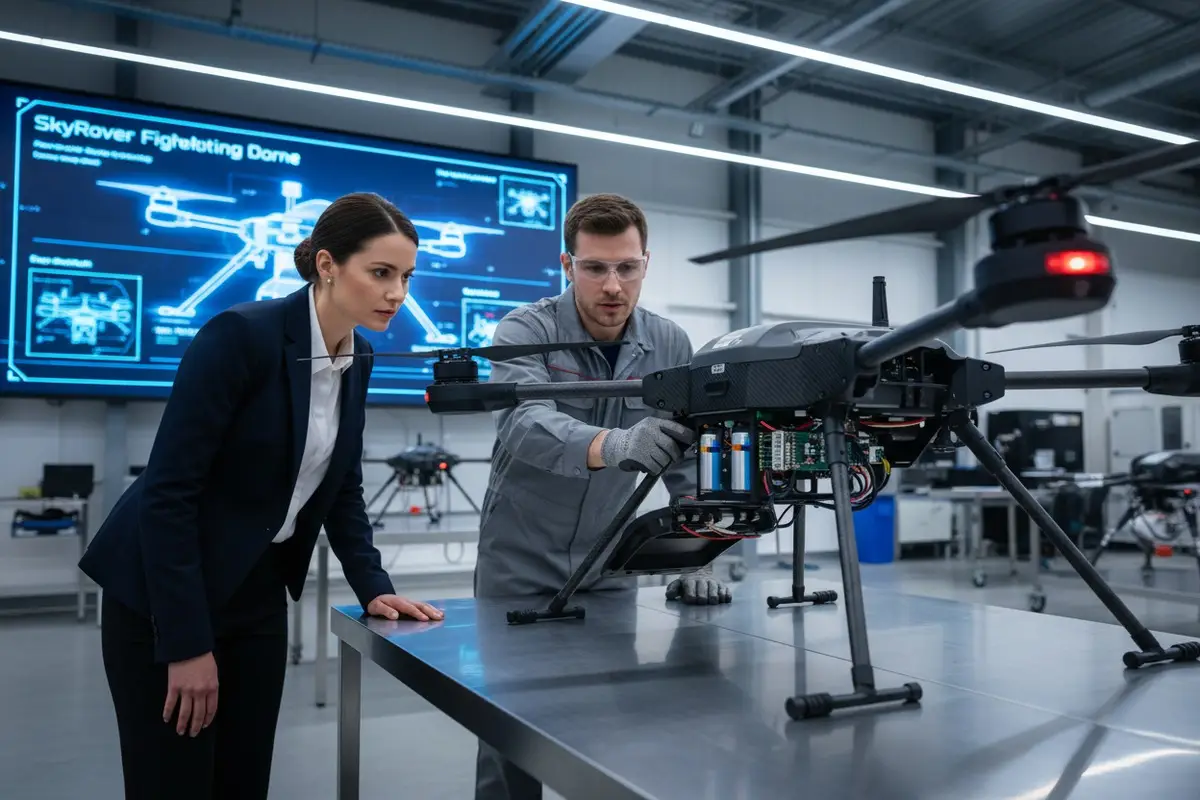
عندما اختبر فريق الهندسة لدينا لأول مرة أنظمة التبديل السريع تحت ظروف حرائق الغابات المحاكاة 1, ، اكتشفنا أن الحلول لا تؤدي جميعها بنفس القدر عندما يكون الأمر الأكثر أهمية. واجه الكثيرون مديري المشتريات 2 الإحباط الناتج عن شراء طائرات بدون طيار تدعي قدرة التبديل السريع، ليجدوا أن أجهزة الاستشعار تعيد التشغيل في منتصف المهمة أو أن البرامج تتعطل أثناء تغيير البطاريات. يمكن أن تكلف هذه الفجوة بين ادعاءات التسويق وواقع الميدان الأرواح أثناء عمليات مكافحة الحرائق الحرجة.
لتقييم التبديل الساخن للبطارية لطائرات مكافحة الحرائق بدون طيار، يجب عليك التحقق من استمرارية توصيل الطاقة أثناء التبديلات، واختبار الأداء الحراري في درجات حرارة عالية، وتقييم المتانة الميكانيكية لآليات التبديل، وتأكيد دعم الشركة المصنعة للتكامل. ركز على زمن تبديل البطارية، ومواصفات نظام إدارة البطارية (BMS)، وتقييمات دورة الحياة، والتوافق مع الشحن الميداني.
يقدم هذا الدليل تفصيلاً دقيقاً لـ المعايير الفنية 3 وطرق التحقق التي تحتاجها. سنغطي اختبار استمرارية المستشعر، ومعايير الموثوقية الحرارية، ومخاوف طول عمر الأجهزة، ومتطلبات وثائق الشركة المصنعة الأصلية بناءً على خبرتنا في التصنيع وردود الفعل الميدانية من إدارات الإطفاء.
كيف يمكنني التحقق من أن نظام التبديل السريع للطائرة بدون طيار سيحافظ بالفعل على تشغيل أجهزة الاستشعار والبرامج الخاصة بي أثناء تغيير البطارية؟
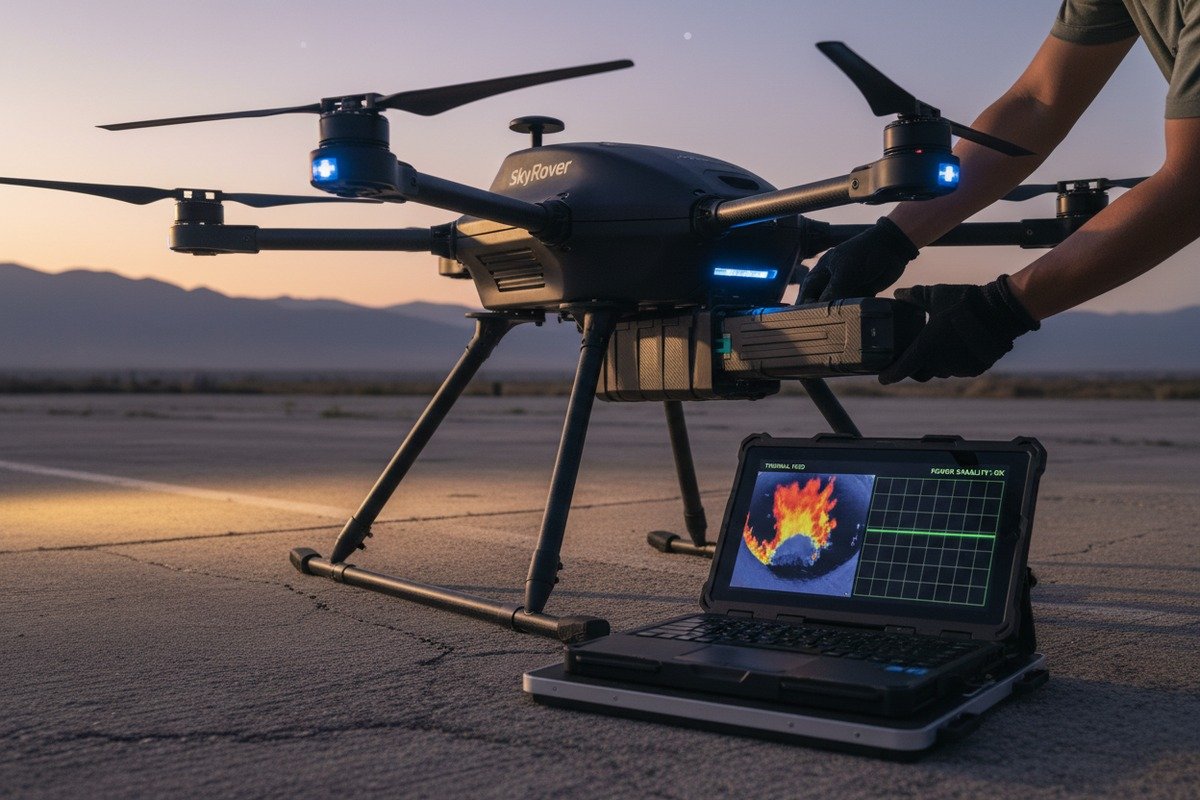
يقوم خط الإنتاج لدينا باختبار كل وحدة تبديل سريع من خلال أكثر من 500 تبديل محاكاة قبل الشحن. ومع ذلك، لا نزال نتلقى أسئلة من فرق المشتريات التي تعرضت للحرق من قبل المنافسين الذين أسقطت طائراتهم بدون طيار بث الصور الحرارية 4 أثناء تغيير البطاريات. المشكلة حقيقية، ويتطلب التحقق أكثر من مجرد الثقة في أوراق المواصفات.
تحقق من استمرارية التبديل السريع عن طريق طلب عروض توضيحية حية تراقب فيها تغذية المستشعرات وحالة البرنامج أثناء التبديل. اطلب من الشركة المصنعة إظهار انقطاع طاقة شبه معدوم باستخدام قراءات راسم الذبذبات. اختبر مع حمولاتك المحددة مرفقة، حيث أن المستشعرات المختلفة لها تسلسلات تشغيل مختلفة قد تفشل أثناء الفجوات القصيرة.
فهم بنية استمرارية الطاقة
تستخدم أنظمة التبديل السريع الحقيقية تكوينات بطارية مزدوجة حيث تحافظ بطارية واحدة على الطاقة أثناء استبدال الأخرى. يختلف هذا عن أنظمة التبديل السريع التي لا تزال تتطلب إيقاف تشغيل قصير. خلال عملية التطوير لدينا، وجدنا أن فجوة طاقة مدتها 200 مللي ثانية يمكن أن تعيد ضبط وحدات GPS وتتسبب في حاجة الكاميرات الحرارية إلى إعادة المعايرة.
تشمل المكونات الرئيسية:
- مسار الطاقة الأساسي التي تبقى نشطة أثناء التبديلات
- مجموعات المكثفات التي تعمل على تخفيف التحولات اللحظية
- دوائر التبديل الذكية التي تدير توقيت التسليم
بروتوكول الاختبار لفرق المشتريات
| نوع الاختبار | ما يجب مراقبته | معايير النجاح | المعدات المطلوبة |
|---|---|---|---|
| استمرارية المستشعر | استقرار تغذية الفيديو | عدم فقدان إطارات | مراقبة + تسجيل |
| قفل نظام تحديد المواقع العالمي (GPS) | دقة الموضع | عدم إعادة الاستحواذ | برنامج المحطة الأرضية |
| حالة البرنامج | حالة التطبيق | لا عمليات إعادة تشغيل | إخراج التشخيص |
| سكة الطاقة | استقرار الجهد | <5% تباين | راسم الذبذبات |
| رابط البيانات | تدفق القياس عن بعد | حزم مستمرة | سجلات المحطة الأساسية |
اطلب من المصنعين إجراء هذه الاختبارات بتكوين حمولتك المحدد. قد تخفي العروض التوضيحية العامة التي تستخدم حمولات خفيفة مشاكل تظهر عند تشغيل أجهزة التصوير الحراري عالية السحب أو أجهزة الاستشعار متعددة الأطياف الشائعة في تطبيقات مكافحة الحرائق.
أسئلة حاسمة للبائعين
اطلب من البائعين تقديم لقطات راسم الذبذبات التي تظهر مستويات الجهد أثناء انتقالات البطارية. تحافظ أنظمة التبديل السريع المشروعة على الجهد فوق الحد الأدنى لجميع الأجهزة المتصلة طوال فترة التبادل. أي انخفاض أقل من 18 فولت لنظام نموذجي 22 فولت يشير إلى مشاكل محتملة في الاستمرارية.
يوصي مهندسونا بالاختبار بالتسلسل التالي:
- تشغيل مع تفعيل مجموعة المستشعرات الكاملة
- بدء تسجيل البيانات المستمر
- تنفيذ ثلاث عمليات تبديل متتالية للبطارية
- مراجعة التسجيلات لأي انقطاعات
إذا تردد البائع في إجراء اختبار مباشر، فاعتبر ذلك علامة حمراء. يجب أن تُظهر الأنظمة المصممة بشكل صحيح استمرارية دون قلق.
ما هي المعايير الفنية التي يجب أن أستخدمها لتقييم موثوقية التبديل السريع في سيناريوهات مكافحة الحرائق ذات درجات الحرارة العالية؟
عندما نقوم بشحن طائرات بدون طيار إلى إدارات الإطفاء في أريزونا وجنوب كاليفورنيا، يصبح الاختبار الحراري أمرًا غير قابل للتفاوض. اكتشف فريق مراقبة الجودة لدينا أن الآليات التي تعمل بشكل مثالي عند 25 درجة مئوية يمكن أن تفشل بشكل كارثي عندما درجات الحرارة المحيطة 5 تتجاوز 45 درجة مئوية. تتطلب موثوقية التبديل السريع في مكافحة الحرائق معايير حرارية محددة.
قم بتقييم الموثوقية في درجات الحرارة العالية باستخدام هذه المعايير: قطع حراري لنظام إدارة البطارية (BMS) عند 65 درجة مئوية كحد أدنى، كيمياء بطارية مصنفة للتشغيل عند 60 درجة مئوية، تفاوتات ميكانيكية تم اختبارها عند درجة حرارة محيطة 50 درجة مئوية، وتقييمات الموصلات تتجاوز 100 درجة مئوية. اطلب توثيقًا لاختبارات الغرفة الحرارية والتجارب الميدانية في ظروف درجات الحرارة المرتفعة.

مواصفات نظام إدارة البطارية
يعمل نظام إدارة البطارية كحارس ضد الهروب الحراري، والذي يصبح خطيرًا بشكل خاص بالقرب من الحرائق النشطة. تشمل المواصفات الرئيسية التي يجب التحقق منها:
| معلمة نظام إدارة البطارية | الحد الأدنى من المتطلبات | المواصفات المثالية | ما أهمية ذلك |
|---|---|---|---|
| التيار المستمر | 20 أمبير | 40-60 أمبير | يدعم حمولات الطاقة العالية |
| حماية التيار الزائد | 80A | 150-180 أمبير | يمنع التلف أثناء الارتفاعات المفاجئة |
| قطع درجة الحرارة | 60°C | 65 درجة مئوية | يسمح بالتشغيل في المناطق الحارة |
| موازنة الخلايا | سلبي | نشط | يطيل عمر الدورة |
| بروتوكول المراقبة | الجهد الأساسي | I2C/CAN مع التسجيل | يتيح الصيانة التنبؤية |
اعتبارات كيمياء البطارية
ليست كل بطاريات الليثيوم 6 تعمل بنفس الكفاءة في بيئات مكافحة الحرائق. كشفت اختباراتنا عن اختلافات كبيرة:
LiFePO4 (فوسفات حديد الليثيوم)
- استقرار حراري فائق حتى 70 درجة مئوية
- كثافة طاقة أقل تتطلب حزمًا أكبر
- عمر دورة ممتاز يتجاوز 2000 دورة
- أفضل خيار لسيناريوهات الحرارة الشديدة
NMC (نيكل منغنيز كوبالت)
- كثافة طاقة أعلى لرحلات أطول
- يتطلب إدارة حرارية أكثر قوة
- يزداد خطر الهروب الحراري فوق 55 درجة مئوية
- مناسب مع حماية قوية لنظام إدارة البطارية (BMS)
الحالة شبه الصلبة (ناشئة)
- تحمل حراري محسّن
- كثافة طاقة أعلى من LiFePO4
- توفر تجاري محدود اعتبارًا من عام 2026
- تسعير متميز ولكن أداء واعد
المتانة الميكانيكية تحت الحرارة
تؤثر الحرارة على أكثر من البطاريات. يجب أن تتحمل آلية التبديل نفسها التمدد الحراري. نحن نصمم أنظمة القفل الخاصة بنا بالتفاوتات التالية:
- دبابيس الموصلات مصنفة لأكثر من 10000 إدخال في درجات حرارة مرتفعة
- مواد سكنية ذات معاملات تمدد حراري منخفضة
- حشوات مانعة للتسرب تحافظ على تصنيف IP54 أو أفضل عبر نطاق درجة الحرارة
- آليات زنبركية تم اختبارها للحصول على شد ثابت في الحرارة والبرودة
طلب وثائق توضح أن الآلية تم اختبارها في غرف حرارية، وليس فقط في درجة حرارة الغرفة. يشير الفشل في تقديم هذه البيانات إلى اختبار غير كافٍ لتطبيقات مكافحة الحرائق.
متطلبات التحقق الميداني
يوفر الاختبار المعملي ثقة أساسية، ولكن التحقق من العالم الحقيقي أكثر أهمية. اسأل الموردين:
- هل تم نشر هذا النظام في دعم حرائق الغابات النشطة؟
- هل يمكنك تقديم مراجع من إدارات الإطفاء؟
- ما هي الأعطال التي حدثت أثناء العمليات ذات درجات الحرارة العالية؟
- كيف تم معالجة هذه الأعطال في النماذج الحالية؟
يشارك المصنعون الصادقون النجاحات والدروس المستفادة على حد سواء. تشير الإجابات المراوغة إلى خبرة ميدانية محدودة.
كيف يمكنني التأكد من أن آلية التبديل السريع لن تؤدي إلى أعطال متكررة في الأجهزة أو استبدال مكلف للأجزاء؟
يتتبع قسم الخدمة لدينا كل مطالبة ضمان، و التآكل الميكانيكي 7 تُعد آليات التبديل من بين أهم الاهتمامات لدى المستخدمين ذوي التردد العالي. عندما يقوم قسم إطفاء بأداء 50 عملية تبديل يوميًا خلال موسم الحرائق، تفشل المكونات المصممة للاستخدام العرضي بسرعة. يتطلب تأكيد الموثوقية طويلة الأجل فحص تقييمات الدورات، وتكاليف الاستبدال، وأنماط التآكل.
تأكيد متانة الآلية من خلال طلب وثائق دورة الحياة التي تتجاوز 5000 تبديل، وفحص توافر قطع الغيار وأسعارها، ومراجعة شروط الضمان الخاصة بمكونات التبديل، وفحص العينات المادية لبناء قوي. حساب التكلفة الإجمالية للملكية بما في ذلك استبدال الأجزاء المتوقع على مدى ثلاث إلى خمس سنوات.

عمر الدورة وأنماط التآكل
تتآكل المكونات المختلفة بمعدلات مختلفة. تُظهر بياناتنا الهندسية أنماط التآكل النموذجية:
| المكوّن | العمر المتوقع (دورات) | وضع الفشل | نطاق تكلفة الاستبدال |
|---|---|---|---|
| دبابيس القفل | 8,000-12,000 | تآكل/تشوه | $50-150 |
| الموصلات الكهربائية | 5,000-10,000 | تدهور الاتصال | $100-300 |
| قضبان التوجيه | 15,000+ | خدش/تعليق | $75-200 |
| آليات الزنبرك | 10,000-15,000 | إجهاد/ضعف | $25-75 |
| حشوات الختم | 2,000-4,000 | مجموعة الضغط | $20-50 |
لاحظ أن حشوات الختم تتطلب الاستبدال الأكثر تكرارًا، خاصة في البيئات الدخانية حيث تسرع الجسيمات من التآكل.
تحليل التكلفة الإجمالية للملكية
الشراء الذكي يتجاوز سعر الشراء. نساعد العملاء على حساب التكلفة الإجمالية للملكية لمدة خمس سنوات:
السنة الأولى: سعر الشراء + التدريب + قطع الغيار الأولية
سنوات 2-3: حشوات استبدال، تحديث محتمل للموصل
سنوات 4-5: صيانة شاملة أو استبدال الآلية الرئيسية
طلبات من الموردين:
- أسعار قطع الغيار المنشورة
- فترات الاستبدال المقدرة
- توفر و تكلفة خدمة الصيانة الشاملة
- برامج استبدال الآليات المستهلكة
تقدم بعض الشركات المصنعة برامج لتجديد الآليات مما يقلل بشكل كبير من التكاليف طويلة الأجل مقارنة بالاستبدال الكامل.
مؤشرات الجودة للفحص
عند فحص العينات المادية، ابحث عن:
جودة الموصل
- تمنع الموصلات المطلية بالذهب التآكل
- دبابيس زنبركية تحافظ على ضغط ثابت
- مساحة سطح اتصال كافية لمتطلبات التيار الحالية
البناء الميكانيكي
- أدلة مصنعة بتقنية CNC مقابل الأجزاء المختومة
- سماكة كافية للمواد عند نقاط الضغط
- تشغيل سلس بدون تكتل أو ارتخاء
حماية البيئة
- الحد الأدنى IP54 لمقاومة الدخان
- أسطح محامل محكمة الغلق
- قنوات حطام توجه الجسيمات بعيدًا عن نقاط الاتصال
اعتبارات الضمان والدعم
غالبًا ما تستبعد الضمانات القياسية "عناصر التآكل"، مما قد يتركك مسؤولاً عن تكاليف كبيرة. تفاوض على تغطية محددة:
- حد أدنى لتغطية لمدة عامين على آلية التبديل السريع
- عدد دورات محدد قبل تطبيق استثناءات التآكل
- شحن سريع لقطع الغيار
- خيارات الإصلاح في الموقع للمستخدمين ذوي الحجم الكبير
تظهر تجربتنا أن العملاء الذين يتفاوضون على هذه الشروط مقدمًا يوفرون بشكل كبير على مدار دورة حياة المعدات.
هل سيقدم المصنع الخاص بي الوثائق الفنية ودعم الشركة المصنعة للمعدات الأصلية الذي أحتاجه لدمج التبديل السريع في عملياته؟
عندما نعمل مع فرق المشتريات في إدارة الإطفاء، تكشف طلبات الوثائق عن الشركات المصنعة التي تدعم التكامل التشغيلي حقًا مقابل تلك التي تبيع الأجهزة ببساطة. ينتج فريق الكتابة الفنية لدينا أدلة التكامل لأننا نفهم أن الطائرة بدون طيار التي تظل غير مستخدمة بسبب فجوات التدريب لا تقدم أي قيمة. الدعم المناسب من الشركة المصنعة للمعدات الأصلية يحول المعدات إلى قدرة.
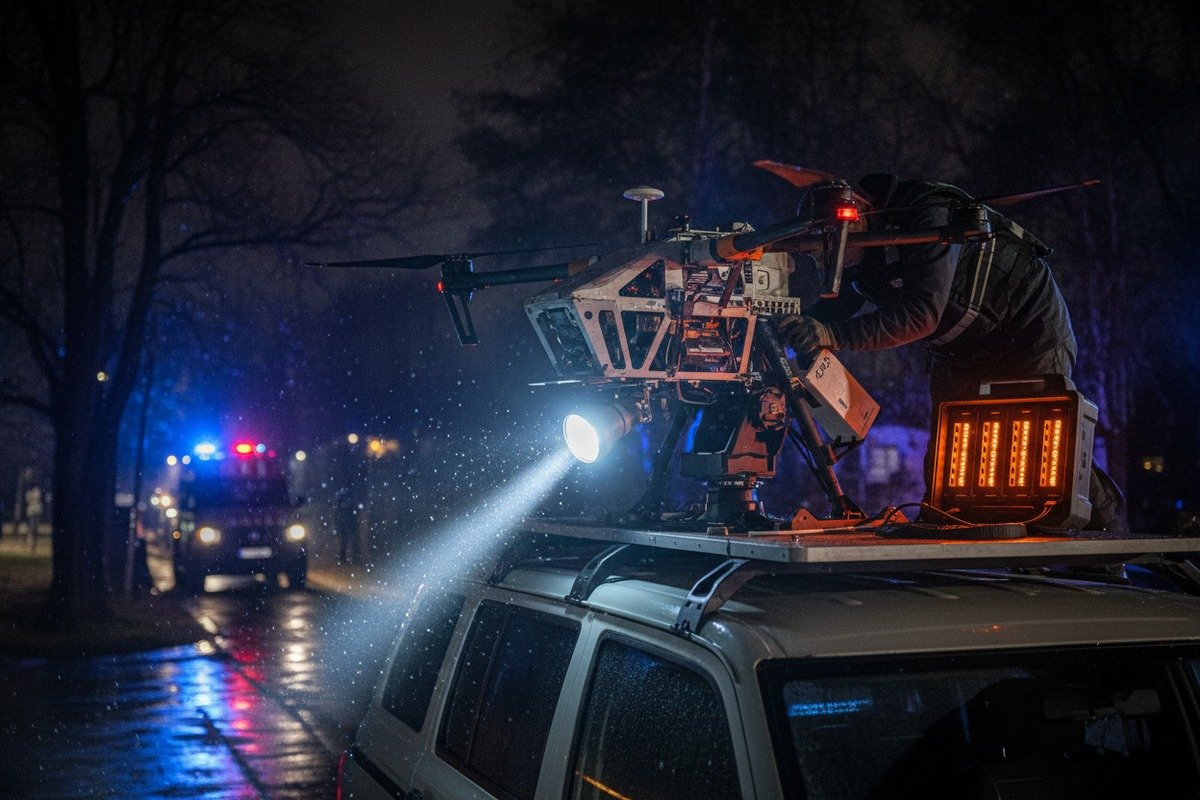
تأكد من وجود دعم كافٍ من الشركة المصنعة للمعدات الأصلية (OEM) من خلال طلب وثائق فنية كاملة بما في ذلك أدلة التكامل وجداول الصيانة وإجراءات استكشاف الأخطاء وإصلاحها. تحقق من توفر التدريب، ولوجستيات قطع الغيار لمنطقتك، وقنوات الدعم الفني سريعة الاستجابة. اطلب مراجع من منظمات مماثلة نجحت في دمج النظام.
حزمة الوثائق الأساسية
| نوع المستند | الغرض | العلم الأحمر إذا كان مفقوداً |
|---|---|---|
| دليل التكامل | دليل النشر خطوة بخطوة | يشير إلى منتج غير ناضج |
| جدول الصيانة | متطلبات الرعاية الوقائية | يؤدي إلى أعطال غير متوقعة |
| دليل استكشاف الأخطاء وإصلاحها | حل المشكلات الميدانية | توقف طويل أثناء المشكلات |
| كتالوج الأجزاء | طلب قطع الغيار | صعوبة الحصول على قطع الغيار |
| المنهج التدريبي | شهادة المشغل | فجوات السلامة والكفاءة |
| توثيق واجهة برمجة التطبيقات (API) | تكامل البرامج | إمكانات أتمتة محدودة |
تقييم برنامج التدريب
تتطلب عمليات التبديل السريع الفعالة موظفين مدربين. قم بتقييم عروض التدريب:
التدريب الأولي
- المدة: 4 ساعات كحد أدنى لإجراءات التبديل السريع المحددة
- الشكل: تدريب عملي، وليس مجرد فيديو
- الموقع: يفضل أن يكون في الموقع لتدريب الفريق
- الشهادة: التحقق الموثق من الكفاءة
الدعم المستمر
- توفر التدريب التنشيطي
- موارد تأهيل المشغلين الجدد
- دورات استكشاف الأخطاء وإصلاحها المتقدمة
- برامج تدريب المدربين
تُظهر تجربتنا أن الأقسام التي تستثمر في التدريب الشامل تواجه مشاكل تشغيلية أقل بنسبة 60% مقارنة بتلك التي تعتمد فقط على الوثائق.
هيكل الدعم الفني
تحقق من إمكانية الوصول إلى الدعم قبل الشراء:
- ضمانات وقت الاستجابة: التطبيقات الحيوية تحتاج إلى استجابة خلال 4 ساعات خلال ساعات العمل
- قنوات الدعم: خيارات الهاتف والبريد الإلكتروني ومكالمات الفيديو
- تغطية المنطقة الزمنية: تأكد من توافق ساعات الدعم مع عملياتك
- مسار التصعيد: الوصول إلى الهندسة للقضايا المعقدة
- التشخيص عن بُعد: القدرة على استكشاف الأخطاء وإصلاحها عبر بيانات القياس عن بعد
لوجستيات قطع الغيار
بالنسبة لإدارات الإطفاء في الولايات المتحدة، ضع في اعتبارك:
- التخزين المحلي لقطع الغيار الحرجة
- خيارات الشحن السريع
- توفر المخزون للطوارئ خلال موسم الحرائق
- برامج المخزون المعدة مسبقًا
نحافظ على شراكات توزيع إقليمية لمعالجة الحاجة الملحة التي تتطلبها عمليات مكافحة الحرائق. اسأل البائعين المحتملين عن البنية التحتية اللوجستية لديهم في منطقتك.
التكامل مع الأنظمة الحالية
تدمج إدارات الإطفاء الحديثة الطائرات بدون طيار مع أنظمة قيادة الحوادث. تحقق من:
- توافق تنسيق البيانات مع البرامج الحالية
- توفر واجهة برمجة التطبيقات (API) للتكامل المخصص
- التوافق مع أنظمة الطائرات بدون طيار ذاتية القيادة
- دعم برنامج إدارة الأسطول
الهدف هو التكامل السلس، وليس أداة مستقلة تتطلب سير عمل منفصل.
الخاتمة
يتطلب تقييم التبديل السريع للبطاريات للطائرات بدون طيار لمكافحة الحرائق اختبار استمرارية الطاقة، والتحقق من الأداء الحراري، وتقييم المتانة الميكانيكية، وتأكيد دعم الشركة المصنعة. استخدم المعايير وطرق التحقق الموضحة هنا لاتخاذ قرارات شراء مستنيرة توفر عمليات مستمرة موثوقة.
الحواشي
1. مورد وكالة حماية البيئة حول ظروف حرائق الغابات وتأثيراتها البيئية. ︎
2. نظرة عامة على ويكيبيديا لمديري المشتريات وأدوارهم في المؤسسات. ︎
3. مدخل ويكيبيديا للمقارنة المعيارية، وهي عملية مقارنة المعايير الفنية. ︎
4. مدخل ويكيبيديا للتصوير الحراري، وهي التكنولوجيا وراء تغذيات التصوير الحراري. ︎
5. دراسة PubMed حول كيفية تأثير درجات الحرارة المحيطة المرتفعة على أداء بطاريات الليثيوم. ︎
6. إرشادات وكالة حماية البيئة بشأن التعامل الآمن مع بطاريات الليثيوم وإعادة تدويرها. ︎
7. مقال ScienceDirect يناقش آليات وأسباب التآكل الميكانيكي. ︎
8. معيار ISO لإعداد الوثائق الفنية والتعليمات. ︎
 English
  Español de México
  Deutsch
  Français
  Русский
  العربية
Comments
No comments yet. Be the first to share your thoughts!
Leave a Comment