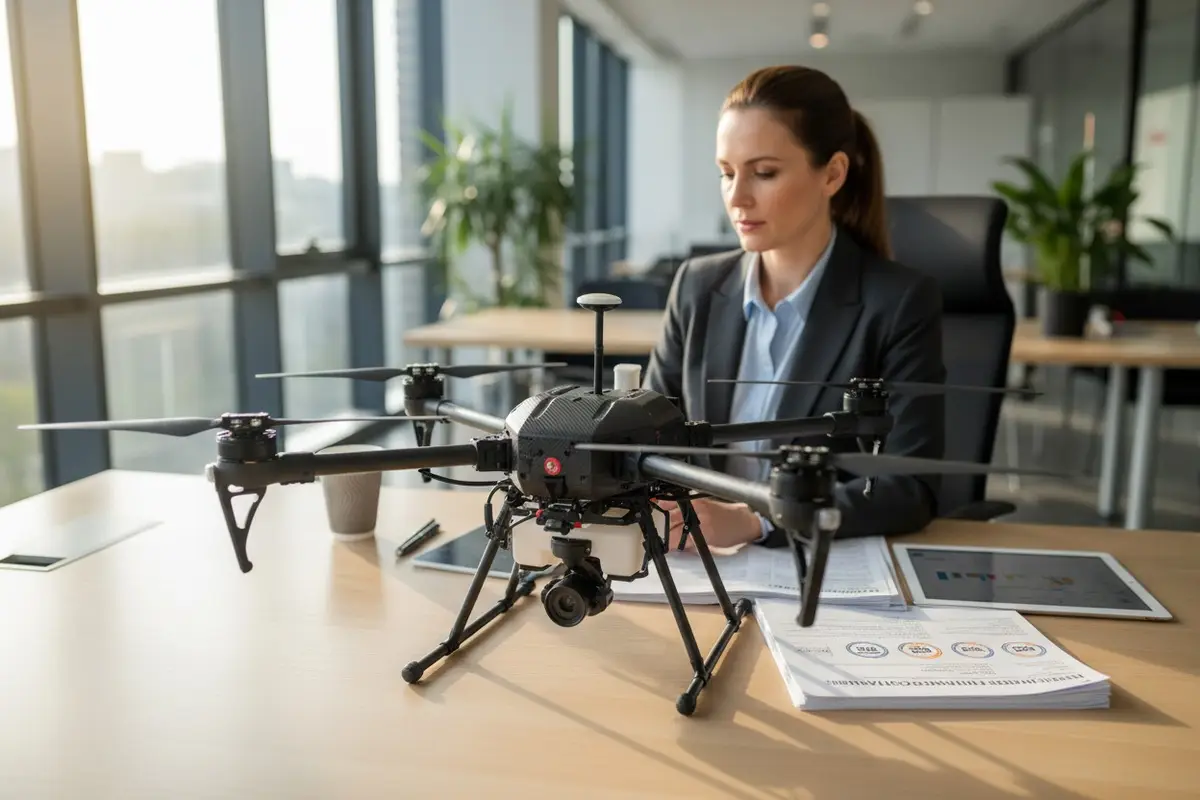
عندما بدأ فريق الهندسة لدينا في شحن الطائرات بدون طيار الزراعية إلى المزارع الأوروبية، كان هناك سؤال واحد يتكرر من المشترين. كانوا بحاجة إلى دليل على أننا نفهم لوائح الطيران الليلي قبل تقديم الطلبات.
للتحقق من فهم الموردين لقواعد الليل الأوروبية، اطلب شهادات فئة متوافقة مع EASA (C0-C6)، واطلب أوراق البيانات الفنية التي توضح مواصفات ضوء الوميض الأخضر، وقم بتأكيد تكامل Remote ID، واطلب خبرة موثقة مع تقييمات مخاطر العمليات الخاصة لمهام الزراعة الليلية.
تتغير اللوائح بسرعة. يجلب يناير 2026 متطلبات جديدة ستعيد تشكيل كيفية عمل الطائرات بدون طيار الزراعية بعد حلول الظلام في جميع أنحاء أوروبا. دعني أرشدك بالضبط إلى ما يجب أن تسأله لمورديك.
ما هي شهادات EASA المحددة التي يجب أن أطلبها للتأكد من أن موردي يفهم متطلبات الطيران الليلي الأوروبي؟
يقوم فريق مراقبة الجودة لدينا بمراجعة وثائق الشهادات يوميًا عند إعداد الشحنات للأسواق الأوروبية. يغفل العديد من المشترين عن التفاصيل الهامة التي يمكن أن تؤخر عملياتهم أو تؤدي إلى توقف الأساطيل.
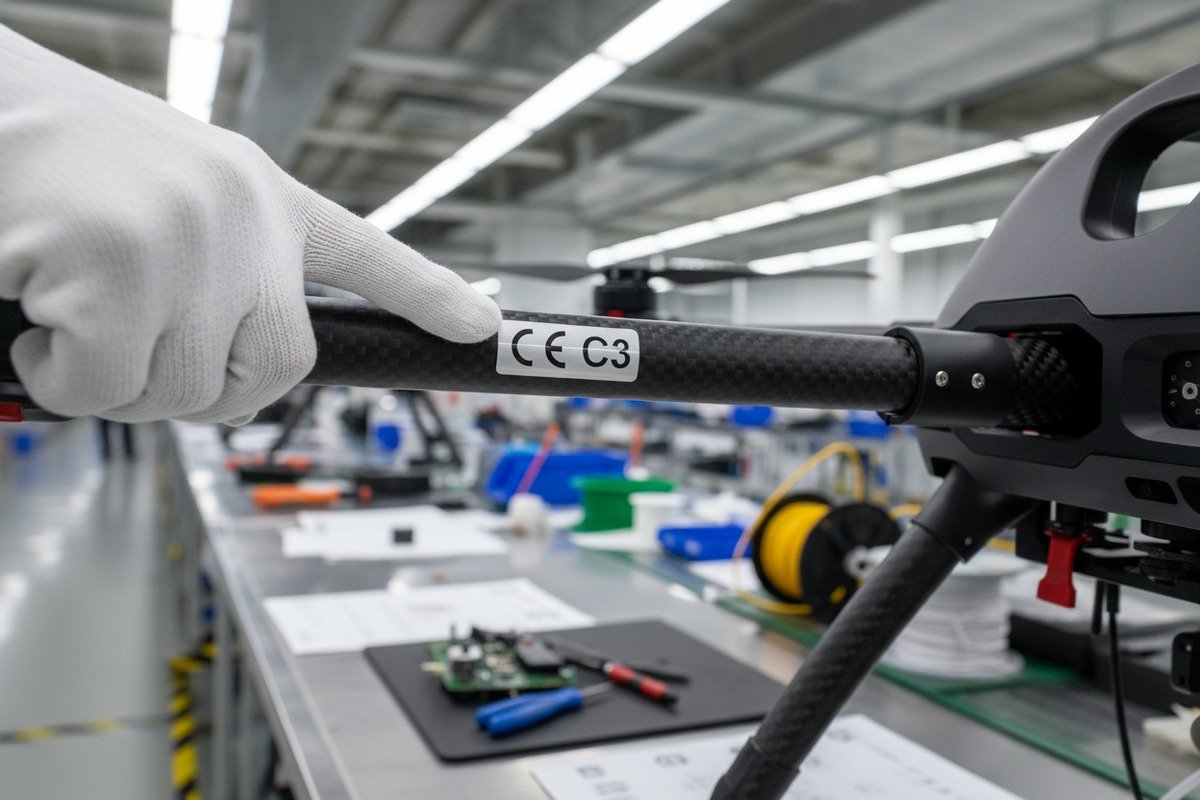
طلب علامات CE مع تسميات تحديد الفئة (C0-C6)، وإثبات تكامل البرامج الثابتة لتحديد الهوية عن بُعد، وتوثيق الامتثال لضوء الوميض الأخضر، ودليل على أن المورد قد دعم العملاء من خلال تصاريح التشغيل للفئة المحددة للعمل الزراعي الليلي.
فهم إطار عمل EASA
وكالة سلامة الطيران الأوروبية تحكم عمليات الطائرات بدون طيار من خلال اللائحة (الاتحاد الأوروبي) 2019/947 1. يقسم هذا الإطار العمليات إلى ثلاث فئات بناءً على مستوى المخاطر.
| الفئة | مستوى المخاطرة | الاستخدام الزراعي النموذجي | حالة الطيران الليلي |
|---|---|---|---|
| افتح | منخفضة | طائرات بدون طيار صغيرة للمراقبة تحت 25 كجم | مسموح بها مع ضوء أخضر وامض |
| محددة | متوسط | طائرات بدون طيار للرش، عمليات الرفع الثقيلة | يتطلب ترخيص تشغيلي |
| معتمد | عالية | شحن خارج نطاق الرؤية البصرية | شهادة كاملة مطلوبة |
تقع معظم الطائرات بدون طيار الزراعية ضمن الفئة المحددة 2. هذا يعني أن موردك يجب أن يفهم عملية الترخيص التشغيلي. يجب أن يعرفوا كيفية مساعدتك في إعداد SORA 3.
علامات الفئة المهمة
اعتبارًا من يناير 2026، ستحتاج جميع الطائرات بدون طيار التي تباع في أوروبا إلى علامات فئة مناسبة. تستخدم المملكة المتحدة ملصقات UK0-UK6. يستخدم الاتحاد الأوروبي تسميات C0-C6 4. يجب أن يوفر المورد الخاص بك كلاهما إذا كنت تعمل في أسواق مختلفة.
الطائرات بدون طيار القديمة التي لا تحتوي على علامات فئة تواجه قيودًا. يمكنها العمل فقط في الفئة المفتوحة A3. هذا يحدك بالمناطق التي تبعد 150 مترًا عن المباني السكنية أو التجارية أو الصناعية.
متطلبات الهوية عن بعد (Remote ID)
المعرف عن بُعد 5 يصبح إلزاميًا للطائرات بدون طيار من فئة UK1-UK3 بحلول عام 2028. ومع ذلك، تتوقع العديد من الدول الأعضاء في الاتحاد الأوروبي بالفعل هذه الميزة. يتضمن خط إنتاجنا الآن برنامج Remote ID الثابت كمعيار. اسأل المورد الخاص بك إذا كانت طائراته بدون طيار تشحن بهذه القدرة المدمجة.
كيف يمكنني التحقق مما إذا كانت أنظمة الإضاءة وتجنب العوائق للطائرة بدون طيار تلبي معايير الأجهزة الأوروبية للعمليات الليلية؟
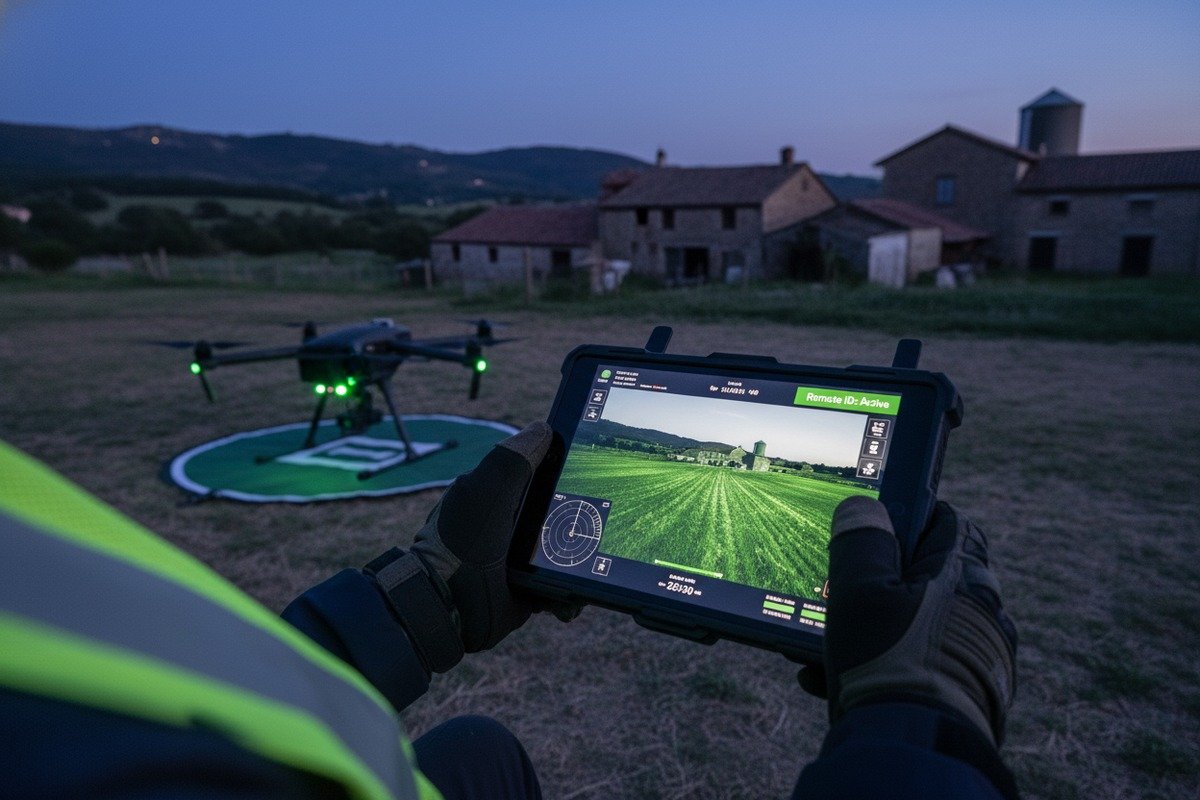
في منشأة الاختبار الخاصة بنا، نقوم بتشغيل كل طائرة بدون طيار زراعية من خلال تجارب الرؤية الليلية قبل التصدير. متطلبات الضوء الأخضر الوامض 6 تفاجئ العديد من المستوردين لأنها تؤثر على حسابات الوزن.
تحقق من أن الطائرة بدون طيار تتضمن ضوءًا أخضر وامضًا مرئيًا من جميع الاتجاهات، وتأكد من أن مستشعرات تجنب العوائق تعمل في ظروف الإضاءة المنخفضة، وتحقق من أن إضافات الإضاءة لا تدفع الوزن الإجمالي إلى فئات تنظيمية أكثر صرامة، واطلب توثيقًا بالفيديو لاختبارات الطيران الليلي.
مواصفات الضوء الأخضر
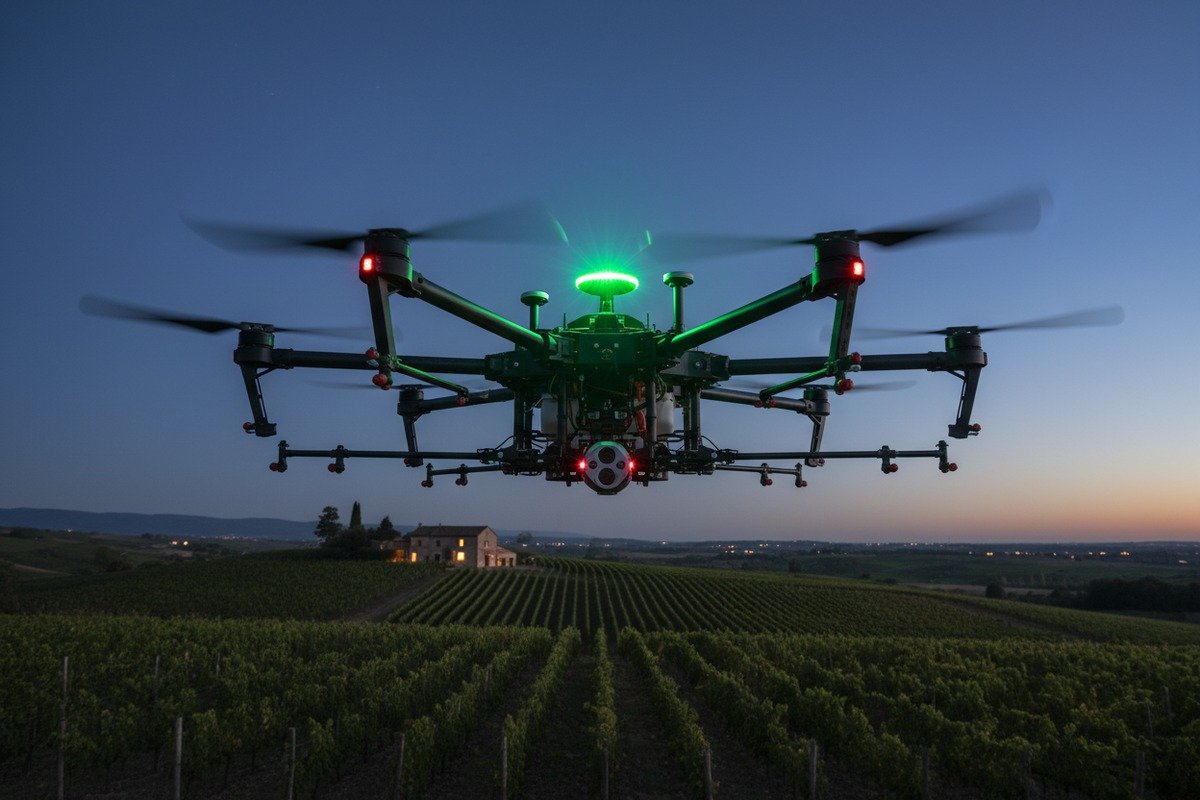
يجب أن يكون الضوء الأخضر الوامض مرئيًا بزاوية 360 درجة حول الطائرة بدون طيار. يجب أن يظل مضاءً طوال الرحلة. هذا يبدو بسيطًا. لكن التفاصيل مهمة.
| مواصفات الضوء | متطلبات الاتحاد الأوروبي | ما يجب أن تسأله المورد |
|---|---|---|
| اللون | أخضر | وثائق الطول الموجي |
| النمط | وامض | مواصفات معدل الوميض |
| الرؤية | 360 درجة | فيديو اختبار من زوايا متعددة |
| الوزن | يُحتسب ضمن الإجمالي | التأثير على تصنيف الفئة |
| مصدر الطاقة | يجب ألا يفشل في منتصف الرحلة | تفاصيل تكامل البطارية |
يقدم بعض الموردين وحدات إضاءة إضافية. هذه تعمل للامتثال. لكنها تضيف وزنًا. قد تتجاوز طائرة بدون طيار أقل من 250 جرامًا هذا الحد بعد إضافة الأضواء. هذا يؤدي إلى متطلبات التسجيل.
تحليل تأثير الوزن
يقوم مهندسونا بحساب الوزن التشغيلي الإجمالي بعناية. إليك سبب أهمية ذلك لقرارات التوريد الخاصة بك.
تبدو طائرة استطلاع زراعية خفيفة الوزن بوزن 240 جرامًا مثالية لعمليات الفئة المفتوحة A1. أضف وحدة إضاءة بوزن 15 جرامًا. الآن لديك طائرة بدون طيار بوزن 255 جرامًا تتطلب التسجيل وربما شهادات طيار مختلفة.
اطلب من موردك تفصيلاً كاملاً للوزن بما في ذلك جميع الملحقات المطلوبة للامتثال الليلي.
تجنب العوائق في الظلام
يستخدم تجنب العوائق القياسي المستشعرات البصرية. هذه تكافح في الظلام. تعمل الكاميرات الحرارية والمستشعرات فوق الصوتية بشكل أفضل في الليل.
تتضمن طائراتنا الزراعية بدون طيار أنظمة دمج متعددة المستشعرات. تجمع بين تقنيات الأشعة تحت الحمراء وفوق الصوتية والرادار. اطلب المواصفات الفنية التي توضح كيفية أداء تجنب العوائق عبر ظروف الإضاءة.
غالبًا ما تتضمن العمليات الزراعية الليلية مراقبة المحاصيل أو فحص الماشية. تتحرك الحيوانات بشكل غير متوقع. الأشجار والهياكل أصعب في الرؤية. تحتاج طائرتك بدون طيار إلى قدرات استشعار قوية تتجاوز الأنظمة البصرية الأساسية.
عندما نقوم بإعداد وثائق التصدير، غالبًا ما تحدد صحائف البيانات الفنية ما إذا كان عملاؤنا ينجحون في طلبات الترخيص الخاصة بهم. الوثائق غير المكتملة تهدر أشهرًا من الوقت.
يوفر الموردون المحترفون أوراق بيانات فنية كاملة تشمل مواصفات أداء الطيران، ووثائق نظام السلامة، وتقارير التوافق الكهرومغناطيسي، وبيانات انبعاث الضوضاء، ومنحنيات أداء البطارية عبر نطاقات درجات الحرارة، وشهادات الامتثال لمعرف التعريف عن بعد الضرورية لتصاريح التشغيل للفئة المحددة.
حزمة الوثائق الأساسية
تتطلب عملية ترخيص الفئة المحددة معلومات فنية مفصلة. يجب أن يوفر موردك كل ما هو مطلوب لتقديم SORA.
| نوع المستند | الغرض | تأثير الترخيص |
|---|---|---|
| بيانات غلاف الطيران | يحدد الحدود التشغيلية | مطلوب لتقييم المخاطر |
| إجراءات الطوارئ | يوضح سلوكيات الأمان عند الفشل | حاسم للموافقة على SORA |
| تقارير اختبار التوافق الكهرومغناطيسي (EMC) | يثبت مقاومة التداخل | إلزامي لسوق الاتحاد الأوروبي |
| قياسات الضوضاء | يعالج التأثير البيئي | تتطلب بعض المناطق هذا |
| مواصفات البطارية | يوضح قدرة التحمل أثناء الطيران | يؤثر على التخطيط التشغيلي |
| جداول الصيانة | يوضح نهج الموثوقية | يدعم الترخيص طويل الأجل |
خبرة دعم SORA
اسأل المورد الخاص بك مباشرة. هل ساعدوا عملاء آخرين في إكمال تقييمات مخاطر العمليات المحددة؟ ما كانت النتيجة؟
لقد دعم فريقنا الفني عشرات من تطبيقات SORA. نحن نعرف نقاط البيانات التي تستفسر عنها هيئات الترخيص بشكل متكرر. هذه الخبرة توفر على عملائنا وقتًا كبيرًا.
تواجه العمليات الزراعية الليلية اعتبارات فريدة لـ SORA. تختلف مخاطر الملاحة في الإضاءة المنخفضة عن النهار. تتغير إجراءات الهبوط في حالات الطوارئ عندما تكون الرؤية محدودة. تحتاج بروتوكولات سلامة طاقم الأرض إلى تعديل.
الوعي بالاختلافات الوطنية
توفر لوائح الاتحاد الأوروبي إطارًا. تضيف الدول الأعضاء الفردية متطلباتها الخاصة. يجب أن يفهم المورد الخاص بك هذه الاختلافات.
لدى ألمانيا قواعد محددة للرش الزراعي. تتطلب فرنسا وثائق إضافية للعمليات بالقرب من المطارات. تفرض إسبانيا قيودًا خاصة على المجال الجوي ليلاً.
يشير المورد ذو المعرفة إلى هذه الاختلافات مبكرًا. يقدمون حزم وثائق خاصة بالبلد بدلاً من مواد الامتثال العامة للاتحاد الأوروبي.
اعتبارات درجة الحرارة والبطارية
غالبًا ما تعني العمليات الليلية في أوروبا ظروفًا باردة. ينخفض أداء البطارية بشكل كبير في درجات الحرارة المنخفضة. يجب أن تتضمن بياناتك الفنية منحنيات الأداء عبر نطاق درجة الحرارة الذي تتوقعه.
تتضمن طائراتنا الزراعية المسيرة أنظمة تسخين للبطاريات للعمليات الليلية في الطقس البارد. هذا يحافظ على وقت الطيران والموثوقية. اسأل المورد الخاص بك عن الترتيبات الخاصة بالطقس البارد التي تتضمنها طائراتهم المسيرة.
ما هي الأسئلة التي يجب أن أطرحها على فريق الهندسة لضمان بناء طائراتي بدون طيار لتتوافق مع لوائح السلامة الأوروبية الخاصة بالليل؟
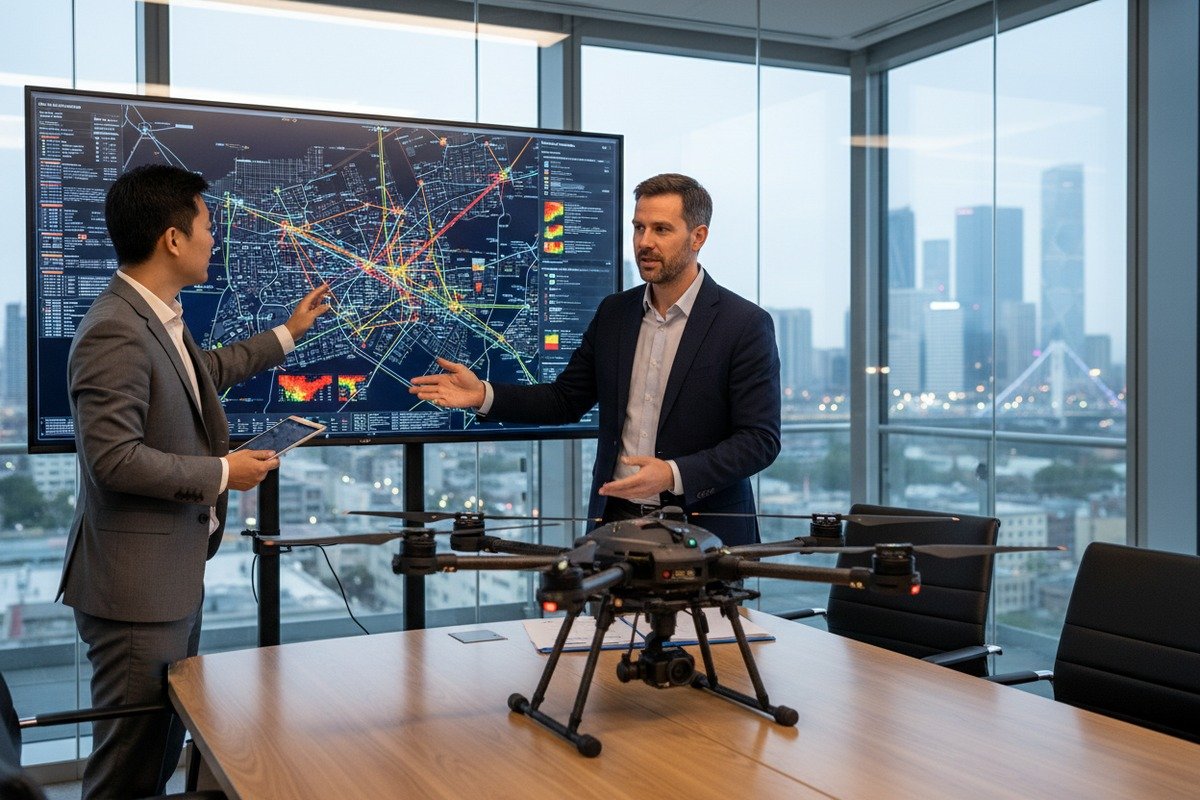
يتلقى فريق الهندسة لدينا مكالمات من مديري المشتريات كل أسبوع. أفضل المشترين يطرحون أسئلة فنية محددة. الاستفسارات الغامضة تحصل على إجابات غامضة لا تحمي استثمارك.
اسأل فرق الهندسة عن سلوكيات الأمان في حالات فقدان الاتصال ليلاً، ودمج الكاميرات الحرارية للملاحة في ظروف الرؤية المنخفضة، ومواصفات دقة العودة التلقائية إلى المنزل، والتحقق من نطاق بث الهوية عن بعد، وبروتوكولات الاختبار الخاصة بهم المصممة خصيصًا لسيناريوهات الزراعة الليلية في الظروف الأوروبية.
أسئلة هندسية حرجة
قم بإعداد قائمة منظمة قبل الاتصال بالموردين. قم بتغطية هذه المجالات الأساسية.
الاتصال والتحكم
- ماذا يحدث إذا فشل رابط التحكم أثناء رحلة ليلية؟
- كيف يتصرف الدرون إذا تدهورت إشارة GPS؟
- ما هو تحديد دقة العودة التلقائية إلى المنزل؟
- هل ينبه النظام المشغلين بانخفاض البطارية مبكرًا أثناء ظروف الليل البارد؟
الاستشعار والملاحة
- ما هي المستشعرات التي تظل تعمل في الظلام الدامس؟
- ما هو الحد الأدنى لمستوى الإضاءة لتجنب العوائق؟
- هل يتضمن الدرون قدرة تتبع التضاريس للمزارع المتموجة؟
- كيف يؤثر الرياح على الدقة أثناء عمليات الرش الليلي؟
مراجعة بروتوكول الاختبار
اطلب رؤية وثائق الاختبار الخاصة بالعمليات الليلية. تتضمن عملية ضمان الجودة لدينا اختبارات طيران ليلية مخصصة. نقوم بتوثيق الأداء عبر مستويات مختلفة من الظلام والظروف الجوية.
قم بمراجعة مقاطع الفيديو الاختبارية التي تعرض الضوء الأخضر الوامض من مسافات وزوايا مختلفة. تحقق من أوقات استجابة تجنب العوائق في سيناريوهات الإضاءة المنخفضة. افحص بيانات أداء البطارية من تجارب درجات الحرارة الباردة.
اعتبارات اللائحة العامة لحماية البيانات (GDPR) والبيانات
غالبًا ما تتضمن العمليات الزراعية الليلية التصوير. تلتقط الكاميرات الحرارية أكثر من المحاصيل. يمكنها تحديد الأشخاص والحيوانات.
تنطبق لوائح حماية البيانات في الاتحاد الأوروبي على عمليات الدرون. يجب أن يفهم المورد الخاص بك آثار اللائحة العامة لحماية البيانات (GDPR) 7. اسأل عن البيانات التي تجمعها الطائرة بدون طيار، وأين يتم تخزينها، وكيف يمكن إدارتها.
تتضمن طائراتنا بدون طيار إعدادات قابلة للتكوين للاحتفاظ بالبيانات. يمكن للمشغلين ضمان الامتثال لمتطلبات حماية البيانات المحلية دون التضحية بالقدرة التشغيلية.
الدعم الفني بعد البيع
تمتد أفضل علاقة لفريق الهندسة إلى ما بعد البيع. اسأل عن توفر الدعم المستمر.
هل يمكنك الوصول إلى المهندسين لإجراء مكالمات استكشاف الأخطاء وإصلاحها؟ هل يتم دعم تحديث البرامج الثابتة عن بُعد؟ ما هو وقت الاستجابة النموذجي للأسئلة الفنية؟ هل يقدمون دعمًا في الموقع لمشاريع التكامل المعقدة؟
يقدم فريقنا الدعم الفني عن بُعد عبر المناطق الزمنية الأوروبية. نحن نتفهم أن العمليات الليلية تعني أن عملائنا يعملون في أوقات مختلفة. يجب أن يتوافق توفر الدعم مع الواقع التشغيلي.
إشارات حمراء يجب الانتباه لها
كن حذرًا إذا لم يتمكن الموردون من الإجابة على أسئلة فنية محددة. يجب أن تقلقك الردود الغامضة حول "تلبية جميع المتطلبات" دون وثائق.
انتبه لهذه العلامات التحذيرية:
- لا تتوفر وثائق علامة الفئة
- غير قادر على تقديم مقاطع فيديو اختبار الضوء الأخضر
- لا توجد خبرة في عمليات SORA
- لا يمكن شرح تنفيذ الهوية عن بُعد
- لا توجد مواصفات بطارية للطقس البارد
- موقف متعجرف تجاه الاختلافات الخاصة بالبلد
الخاتمة
التحقق من معرفة الموردين بقواعد الطائرات بدون طيار الأوروبية الليلية يحمي استثمارك وعملياتك. اطلب شهادات محددة، وافحص الوثائق الفنية بعناية، واطرح أسئلة هندسية مفصلة. يقترب الموعد النهائي في يناير 2026 بسرعة. اختر الموردين الذين يظهرون خبرة حقيقية، وليس مجرد ادعاءات تسويقية.
الحواشي
1. قواعد EASA الرسمية المحدثة سهلة الوصول لأنظمة الطائرات بدون طيار، بما في ذلك اللائحة (الاتحاد الأوروبي) 2019/947. ︎
2. يشرح فئة العمليات التشغيلية للطائرات بدون طيار التابعة لوكالة EASA. ︎
3. يفصل عملية تقييم مخاطر العمليات الخاصة التابعة لوكالة EASA. ︎
4. يحدد ملصقات تحديد فئة الطائرات بدون طيار التابعة لوكالة EASA. ︎
5. يشرح متطلبات الهوية عن بعد الإلزامية للطائرات بدون طيار. ︎
6. يفصل متطلبات الاتحاد الأوروبي للرؤية الليلية للطائرات بدون طيار. ︎
7. يعالج لوائح حماية البيانات لعمليات الطائرات بدون طيار. ︎
 English
  Español de México
  Deutsch
  Français
  Русский
  العربية
Comments
No comments yet. Be the first to share your thoughts!
Leave a Comment