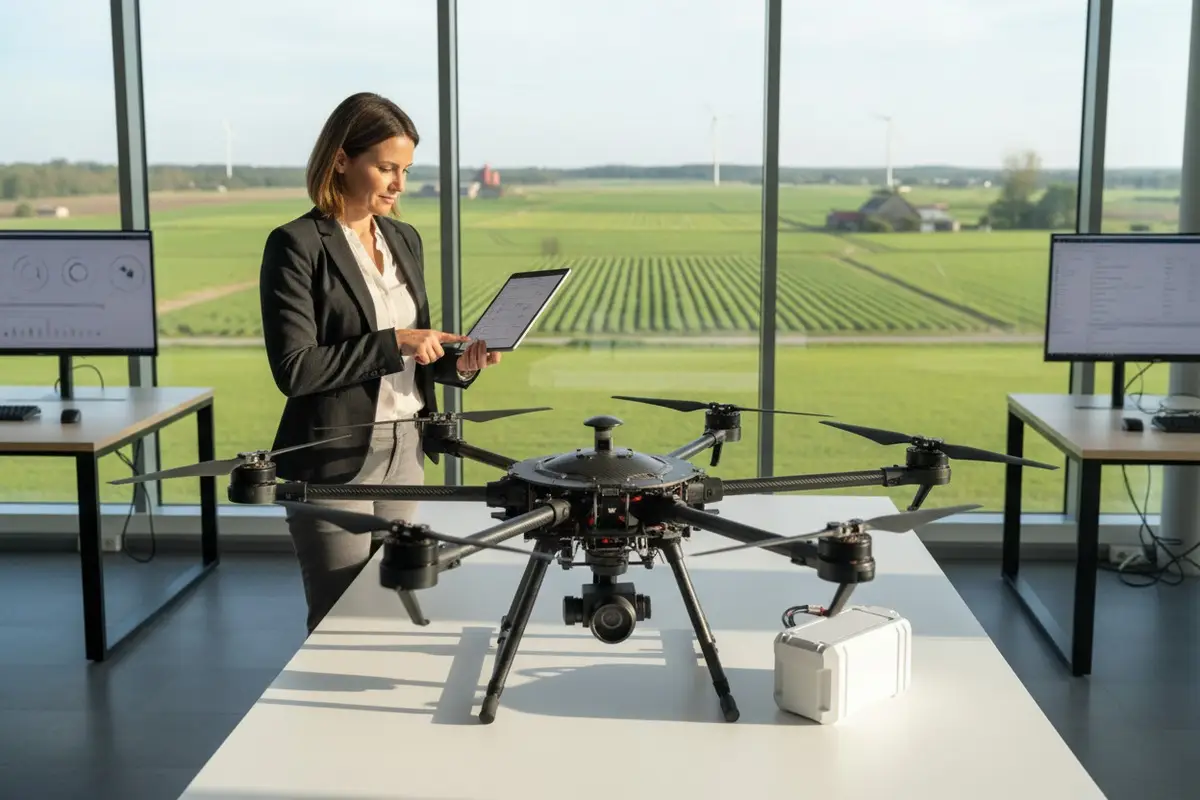

في الربيع الماضي، اتصل بنا أحد موزعينا في ألمانيا في حالة ذعر تلف بسبب التفريغ العميق 1. فشل أسطول طائرات العملاء بدون طيار في منتصف الموسم أثناء رش القمح. نفدت البطاريات بعد 80 دورة فقط. تتبع فريق الهندسة لدينا المشكلة إلى ضعف جودة نظام إدارة البطارية (BMS) 2 وعادات تخزين خاطئة.
لتقييم عمر بطارية الطائرات بدون طيار الزراعية للمستخدمين الأوروبيين، تحقق من أربعة مجالات رئيسية: تحقق من مدة الطيران مقابل الحمولة الفعلية وظروف الطقس، وتأكد من شهادة CE وميزات سلامة نظام إدارة البطارية (BMS)، وقيم عمر الدورة باستخدام معايير واقعية ميدانية تتراوح بين 200-400 دورة، وتأمين ضمانات قوية من المورد تغطي 12 شهرًا على الأقل أو 300 دورة.
تواجه المزارع الأوروبية تحديات فريدة. تتطلب فصول الشتاء الاسكندنافية الباردة تسخينًا مسبقًا للبطارية. تدفع فصول الصيف المتوسطية الحارة الحدود الحرارية. هذا الدليل يرشدك خلال كل خطوة للحصول على بطاريات تدوم بالفعل في الميدان.
كيف يمكنني التحقق مما إذا كانت ادعاءات قدرة التحمل للطيران واقعية لعمليات الزراعة واسعة النطاق التي يديرها عملاؤي الأوروبيون؟
عندما نختبر طائراتنا الزراعية بدون طيار قبل الشحن، غالبًا ما تبدو نتائج المختبر مثالية. لكن الحقول ليست مختبرات. وزن الحمولة، وسرعة الرياح، وأنماط الطيران كلها تستنزف البطاريات بشكل أسرع مما تشير إليه أوراق المواصفات.
للتحقق من قدرة التحمل الواقعية للطيران، اختبر البطاريات في ظروف التشغيل الفعلية: وزن الحمولة الكاملة، وسرعات الرياح الأوروبية النموذجية التي تتراوح بين 10-20 كم/ساعة، وأنماط طيران معقدة. توقع أوقات طيران أقصر بنسبة 20-30% من ادعاءات الشركة المصنعة. اطلب بيانات اختبار ميدانية، وليس فقط نتائج معملية.

فهم الفجوة بين أداء المختبر وأداء الميدان
يختبر المصنعون البطاريات في بيئات خاضعة للرقابة. تظل درجة الحرارة عند 25 درجة مئوية. لا توجد رياح. الطائرة بدون طيار لا تحمل أي حمولة. المزارع الأوروبية الحقيقية مختلفة.
وجد مهندسونا أن خزان رش بسعة 25 لترًا يضيف 25-30 كجم إلى الطائرة بدون طيار. يزيد هذا الوزن الإضافي من استهلاك الطاقة بنسبة 30-40٪. قد توفر البطارية المصنفة لمدة 30 دقيقة من الطيران 18-22 دقيقة فقط عند التحميل الكامل.
الرياح مهمة أكثر. غالبًا ما تشهد المزارع الأوروبية رياحًا ثابتة بين 10-25 كم/ساعة. الطيران ضد الرياح يجبر المحركات على العمل بجهد أكبر. كل محرك يسحب تيارًا أكبر. تستنزف البطارية بشكل أسرع.
المواصفات الرئيسية للتقييم
| المواصفات | النطاق الموصى به | ما أهمية ذلك |
|---|---|---|
| الجهد الكهربائي | 44.4 فولت – 51.8 فولت | الجهد الأعلى يدعم الحمولات الأثقل |
| السعة | 12,000 – 29,000 مللي أمبير في الساعة | سعة أكبر تزيد من وقت الطيران |
| تصنيف C | 10C – 25C | تصنيف C أعلى يتعامل مع زيادات الطاقة بشكل أفضل |
| الوزن | 3.5 – 6.5 كجم | البطاريات الأثقل تقلل من سعة الحمولة |
تعقيد تخطيط الحقل
الأشكال غير المنتظمة للحقول تستهلك المزيد من الطاقة. تتطلب المنعطفات وتصحيحات المسار طاقة إضافية. حقل مربع بمساحة 100 هكتار أسهل على البطاريات من حقل بمساحة 100 هكتار بحدود منحنية وعوائق.
عندما نقوم بمعايرة وحدات التحكم في الطيران لدينا، نرى هذا بوضوح. طائرة بدون طيار تغطي حقلاً مستطيلاً منتظماً تستخدم طاقة أقل بنسبة 15% من نفس الطائرة بدون طيار التي تغطي حقلاً غير منتظم بنفس الحجم. غالباً ما تحتوي المزارع الأوروبية على سياجات وأحواض ومناطق محمية تخلق مسارات طيران معقدة.
بروتوكول الاختبار العملي
اطلب من المورد الخاص بك نقاط البيانات المحددة هذه:
- وقت الطيران بأقصى حمولة في رياح بسرعة 15 كم/ساعة
- وقت الطيران بحمولة 50% في ظروف هادئة
- درجة حرارة البطارية بعد دورة تفريغ كاملة
- عدد جولات الرش الممكنة لكل شحنة
قارن هذه الأرقام عبر موردين متعددين. إذا قدم المورد بيانات معملية فقط، فاعتبر ذلك علامة حمراء.
ما هي شهادات البطارية التي أحتاج إلى التحقق منها لضمان امتثال طائراتي بدون طيار المستوردة للوائح السلامة الأوروبية؟
يتعامل فريق التصدير لدينا مع الوثائق الخاصة بالشحنات الأوروبية كل أسبوع. لقد رأينا شحنات تم احتجازها في الجمارك بسبب نقص الشهادات. يمكن أن يؤدي مستند واحد مفقود إلى تأخير تسليمك لأسابيع وتكبد آلاف الرسوم التخزينية.
لاستيراد بطاريات الطائرات بدون طيار الأوروبية، تحقق من علامة CE لسلامة المنتج العامة، وشهادة UN38.3 لنقل بطاريات الليثيوم، والامتثال للائحة الطائرات بدون طيار الأوروبية 2019/947. تحقق من أن نظام إدارة البطارية يلبي متطلبات EASA للعمليات الزراعية، بما في ذلك تسجيل الأخطاء وقدرات القياس عن بعد.

قائمة التحقق من الشهادات الأساسية
| التصديق | الغرض | من يحتاجه |
|---|---|---|
| علامة CE 3 | سلامة المنتج العامة للاتحاد الأوروبي | جميع الدول الأعضاء في الاتحاد الأوروبي |
| رقم الأمم المتحدة 38.3 | سلامة نقل بطاريات الليثيوم | شركات الشحن، الجمارك |
| MSDS/SDS | بيانات سلامة المواد | الجمارك، سلامة مكان العمل |
| إعلان المطابقة للاتحاد الأوروبي | إعلان المطابقة | الوصول إلى سوق الاتحاد الأوروبي |
| الامتثال لوكالة سلامة الطيران الأوروبية (EASA) | موافقة تشغيل الطائرات بدون طيار | سلطات الطيران |
فهم علامة CE للبطاريات
تؤكد علامة CE أن البطارية تلبي توجيهات السلامة للاتحاد الأوروبي. بالنسبة لبطاريات الطائرات بدون طيار، يشمل ذلك توجيه الجهد المنخفض 4 وتوجيه التوافق الكهرومغناطيسي.
في تجربتنا في التصدير إلى أسواق الاتحاد الأوروبي، نضمن أن تتضمن كل حزمة بطارية وثائق داخلية. علامة CE وحدها لا تكفي. قد يطلب موظفو الجمارك إعلان المطابقة والملف الفني.
متطلبات نظام إدارة البطارية
لوائح EASA 5 لعمليات الطائرات بدون طيار الزراعية تتطلب ميزات محددة لنظام إدارة البطارية. هذه ليست اختيارية للاستخدام المهني.
ميزات نظام إدارة البطارية المطلوبة:
- حماية من الجهد الزائد مع قطع فوق 4.2 فولت لكل خلية
- حماية من الجهد المنخفض مع قطع تحت 3.0 فولت لكل خلية
- مراقبة درجة الحرارة مع منع الشحن فوق 42 درجة مئوية وتحت 5 درجات مئوية
- موازنة الخلايا بعتبة فرق 0.03 فولت
- تسجيل الأعطال مع الاحتفاظ بالبيانات لمدة 6 أشهر على الأقل
- إخراج القياس عن بعد لتكامل وحدة التحكم في الطيران
وثائق النقل
يتطلب شحن بطاريات الليثيوم إلى أوروبا وثائق محددة في كل مرحلة. الأوراق المفقودة توقف شحنتك.
وثائق النقل المطلوبة:
- ملخص اختبار UN38.3 مع تفاصيل مختبر الاختبار
- إعلان الشاحن للبضائع الخطرة
- اسم الشحن الصحيح وملصقات رقم الأمم المتحدة
- معلومات الاتصال في حالات الطوارئ
- بيان الامتثال لتعليمات التعبئة
يقوم فريق اللوجستيات لدينا بإعداد جميع الوثائق قبل الشحن. هذا يمنع التأخير ويضمن تخليصًا جمركيًا سلسًا.
اعتبارات اللائحة العامة لحماية البيانات (GDPR) لقياسات البطارية عن بعد
تجمع أنظمة إدارة البطاريات المتقدمة (BMS) وتنقل البيانات التشغيلية. في الاتحاد الأوروبي، يجب أن يتوافق جمع البيانات هذا مع متطلبات اللائحة العامة لحماية البيانات. تأكد من أن أنظمة القياس عن بعد لدى موردك لديها تدابير حماية بيانات مناسبة.
كيف يمكنني تقييم عمر دورة البطارية لضمان عدم مواجهة عملائي لاستبدالات متكررة ومكلفة؟
عندما نصمم حزم بطاريات لطائراتنا الزراعية بدون طيار،, دورة الحياة 7 هو المواصف الذي يسأل عنه العملاء أكثر. البطارية التي تنفد بعد موسم واحد تدمر ثقة عملائك وهوامش ربحك.
قم بتقييم عمر دورة البطارية عن طريق طلب بيانات اختبار في ظروف ميدانية تُظهر 200-400 دورة كمعيار واقعي للاستخدام الزراعي الأوروبي. تحقق من أن نظام إدارة البطارية (BMS) يدعم ملفات تعريف الشحن المتوازنة، وتحقق من توصيات التخزين بشحن 40-50% في درجة حرارة الغرفة، وافحص شروط الضمان لضمانات عدد الدورات.

فجوة دورة الحياة بين المختبر والميدان
تظهر الاختبارات المعملية أرقامًا مثيرة للإعجاب. تدعي بعض البطاريات 1000 دورة. واقع الميدان مختلف.
| الحالة | الدورات المتوقعة | العوامل المساهمة |
|---|---|---|
| المختبر المثالي | 800 – 1,000 | درجة حرارة مثالية، تفريغ متحكم فيه |
| عناية جيدة بالميدان | 300 – 500 | تخزين مناسب، مناخ معتدل |
| استخدام ميداني متوسط | 200 – 400 | ظروف مختلطة، صيانة منتظمة |
| ظروف قاسية | 100 – 200 | درجات حرارة قصوى، تفريغات عميقة، تخزين سيء |
يقع الاستخدام الزراعي الأوروبي عادةً في نطاق 200-400 دورة. يفترض هذا الصيانة والتخزين المناسبين خلال الأشهر خارج الموسم.
العوامل التي تقضي على عمر الدورة
قام فريق مراقبة الجودة لدينا بتحليل مئات البطاريات المرتجعة. تظهر نفس المشاكل بشكل متكرر.
تلف التفريغ العميق: يؤدي استنزاف البطاريات إلى ما دون حالة الشحن 20% إلى تسريع تدهور الخلايا. يمكن أن تكلف كل عملية تفريغ عميق 5-10 دورات من العمر الافتراضي.
الشحن في درجات حرارة عالية: يؤدي شحن البطاريات فورًا بعد الطيران وهي لا تزال ساخنة إلى تلف داخلي. يجب أن تبرد الخلايا إلى أقل من 35 درجة مئوية قبل الشحن.
إهمال التخزين: يؤدي ترك البطاريات مشحونة بالكامل أو فارغة تمامًا أثناء التخزين الشتوي إلى فقدان دائم للسعة. قم بالتخزين عند شحن 40-50٪.
خلايا غير متوازنة: عندما تتباعد الخلايا الفردية في الجهد، فإن الخلية الأضعف تحد من الحزمة بأكملها. تقوم أنظمة إدارة البطارية الجيدة بموازنة الخلايا عند كل شحنة.
ملفات تعريف الشحن التي تطيل العمر
طريقة الشحن مهمة بنفس قدر جودة البطارية نفسها.
ملف تعريف الشحن الموصى به:
- من 0٪ إلى 80٪ حالة الشحن: معدل شحن 1C
- من 80٪ إلى 100٪ حالة الشحن: معدل شحن 0.5C
- الإحماء قبل الطيران إلى 20 درجة مئوية كحد أدنى
- التبريد بعد الطيران لمدة 15-30 دقيقة قبل الشحن
يستغرق هذا النهج المجزأ وقتًا أطول ولكنه يطيل عمر الدورة بنسبة 30-50٪ مقارنة بالشحن السريع إلى 100٪ في كل مرة.
تقييم مطالبات عمر الدورة للموردين
Ask suppliers these specific questions:
- ما هي ظروف الاختبار التي أنتجت تصنيف عمر الدورة الخاص بك؟
- ما هي نسبة الاحتفاظ بالسعة عند 200 دورة؟
- هل لديك بيانات ميدانية من عملاء أوروبيين؟
- ما هي معدات الشحن التي توصي بها؟
- ما هي ظروف التخزين التي تحددها؟
الإجابات الغامضة تشير إلى أن المورد يفتقر إلى بيانات الاختبار الواقعية.
حساب التكلفة الإجمالية للملكية
بطارية أرخص بعمر 150 دورة تكلف أكثر من بطارية باهظة الثمن بعمر 400 دورة.
مثال حسابي:
- البطارية أ: 800 يورو، 150 دورة = 5.33 يورو لكل دورة
- البطارية ب: 1400 يورو، 400 دورة = 3.50 يورو لكل دورة
البطارية ب توفر 1.83 يورو لكل دورة. على مدار عمر المعدات البالغ 5 سنوات، يضيف هذا مدخرات كبيرة.
ما الذي يجب أن أبحث عنه في سياسة دعم البطارية الخاصة بالمورد لتقليل تحديات الصيانة بعد البيع؟
يتعامل فريق خدمة العملاء لدينا مع مكالمات الدعم من الموزعين في جميع أنحاء أوروبا. الفرق بين شراكة مربحة وكابوس مكلف غالبًا ما يعتمد على سياسات دعم البطاريات. السياسات الجيدة تحمي عملك.
ابحث عن سياسات دعم البطاريات من الموردين التي تتضمن ضمانات لمدة 12 شهرًا أو 300 دورة (أيهما يأتي أولاً)، وقدرات تشخيص عن بُعد من خلال الوصول إلى القياس عن بُعد، وبرامج استبدال الخلايا الاحتياطية، وإجراءات واضحة لإرجاع المواد (RMA) مع أوقات استجابة محددة، ووثائق فنية بلغة عميلك.

شروط الضمان الأساسية
لا تقدم جميع الضمانات حماية متساوية. افحص التفاصيل الدقيقة بعناية.
| عنصر الضمان | الحد الأدنى من المعايير | المعيار المفضل |
|---|---|---|
| المدة | 6 أشهر | 12 شهراً |
| تغطية الدورة | 100 دورة | 300 دورة |
| ضمان السعة | احتفاظ بنسبة 70% | احتفاظ بنسبة 80% |
| وقت الاستجابة | 14 يوماً | 5 أيام عمل |
| نطاق التغطية | عيوب التصنيع | ضمان الأداء |
قدرات التشخيص عن بُعد
يمكن لأنظمة BMS الحديثة نقل بيانات التشخيص. هذه القدرة تحول الدعم من تفاعلي إلى استباقي.
عندما صمم فريق الهندسة لدينا أحدث نظام BMS لدينا، قمنا بتضمين مخرج بيانات CAN-bus. هذا يسمح للموزعين بمراقبة صحة البطارية عن بُعد. يمكنهم تحديد المشاكل قبل أن يلاحظ العملاء الأعراض.
نقاط بيانات التشخيص الرئيسية:
- جهود الخلايا الفردية وحالة التوازن
- اتجاهات المقاومة الداخلية بمرور الوقت
- تاريخ درجة الحرارة أثناء الشحن والتفريغ
- عدد الدورات وتاريخ عمق التفريغ
- رموز الأخطاء وأحداث الأعطال
قطع الغيار وبرامج الاستبدال
تتحلل خلايا البطارية بمعدلات مختلفة. في بعض الأحيان تفشل خلية واحدة بينما تظل الخلايا الأخرى سليمة. يقدم المورد الجيد خيارات استبدال على مستوى الخلية.
اسأل عن سياسات قطع الغيار هذه:
- هل الخلايا الفردية متاحة للشراء؟
- ما هي المهلة الزمنية لقطع الغيار؟
- هل يمكن استبدال الخلايا في الميدان أم يجب أن تعود الحزمة إلى المصنع؟
- ما هي الأدوات والتدريب المطلوب لاستبدال الخلية؟
- هل يؤدي استبدال الخلية إلى إبطال الضمان المتبقي؟
متطلبات الوثائق الفنية
يتوقع العملاء الأوروبيون وثائق احترافية. تخلق حواجز اللغة تحديات في الدعم.
الوثائق الأساسية:
- دليل المستخدم باللغات المحلية
- المواصفات الفنية مع منهجية الاختبار
- جدول الصيانة مع إجراءات محددة
- دليل استكشاف الأخطاء وإصلاحها مع مخططات تدفق التشخيص
- صحيفة بيانات السلامة مع إجراءات الطوارئ
يقوم فريق الوثائق لدينا بإعداد المواد باللغات الإنجليزية والألمانية والفرنسية والإسبانية كمعيار. تتوفر لغات إضافية عند الطلب.
خيارات البطارية كخدمة
يقدم بعض الموردين الآن نماذج BaaS 8. بدلاً من شراء البطاريات، يدفع العملاء لكل دورة أو لكل موسم. ينقل هذا النموذج مسؤولية الصيانة إلى المورد.
مزايا BaaS للموزعين:
- تكاليف أولية أقل للعملاء
- نفقات تشغيل يمكن التنبؤ بها
- التخلص المبسط في نهاية العمر الافتراضي
- الوصول إلى أحدث تقنيات البطاريات
- تقليل إدارة المخزون
اعتبارات BaaS:
- تكاليف طويلة الأجل أعلى إذا كان الاستخدام مرتفعًا
- الاعتماد على علاقة المورد
- شروط إنهاء العقد
- أسئلة ملكية البيانات
بناء نظام تدوير البطاريات
لعمليات ميدانية مستمرة، يحتاج العملاء إلى حزم بطاريات متعددة. نظام التناوب يبقي الطائرات بدون طيار في حالة طيران أثناء شحن البطاريات وتبريدها.
إعداد تناوب موصى به:
- الحد الأدنى 3 بطاريات لكل طائرة بدون طيار
- واحدة في الطيران، واحدة في الشحن، واحدة في التبريد
- شحن المولد في 8-9 دقائق لسرعة الاستعداد
- سجل تتبع التناوب لارتداء متوازن
يساعد مستشارونا الفنيون الموزعين في تصميم أنظمة تناوب تتناسب مع أحجام حقول عملائهم وأنماط عملياتهم.
الخاتمة
يتطلب تقييم بطاريات الطائرات بدون طيار الزراعية للمستخدمين الأوروبيين الانتباه إلى الأداء في العالم الحقيقي، والشهادات المناسبة، وتوقعات دورة الحياة الواقعية، ودعم المورد القوي. استخدم هذا الدليل لحماية عملائك وسمعة عملك.
الحواشي
1. يصف التأثير السلبي للتفريغ العميق على عمر البطارية وكيفية منعه. ︎
2. يشرح أهمية أنظمة إدارة البطارية (BMS) في صحة وعمر بطارية الطائرة بدون طيار. ︎
3. صفحة المفوضية الأوروبية الرسمية تشرح الغرض ومتطلبات علامة CE لسلامة المنتج. ︎
4. صفحة المفوضية الأوروبية الرسمية تفصل توجيه الجهد المنخفض لسلامة المعدات الكهربائية. ︎
5. التوجيه الرسمي من EASA بشأن عمليات الطائرات بدون طيار في الفئة المحددة، ذات الصلة بالاستخدام الزراعي. ︎
6. تفاصيل عملية اختبار وشهادة UN38.3 الإلزامية للنقل الآمن لبطاريات الليثيوم. ︎
7. يشرح مفهوم دورة الحياة لبطاريات بوليمر الليثيوم والعوامل المؤثرة عليها. ︎
8. يشرح نموذج عمل البطارية كخدمة (BaaS) وفوائده للعملاء. ︎
 English
  Español de México
  Deutsch
  Français
  Русский
  العربية
Comments
No comments yet. Be the first to share your thoughts!
Leave a Comment