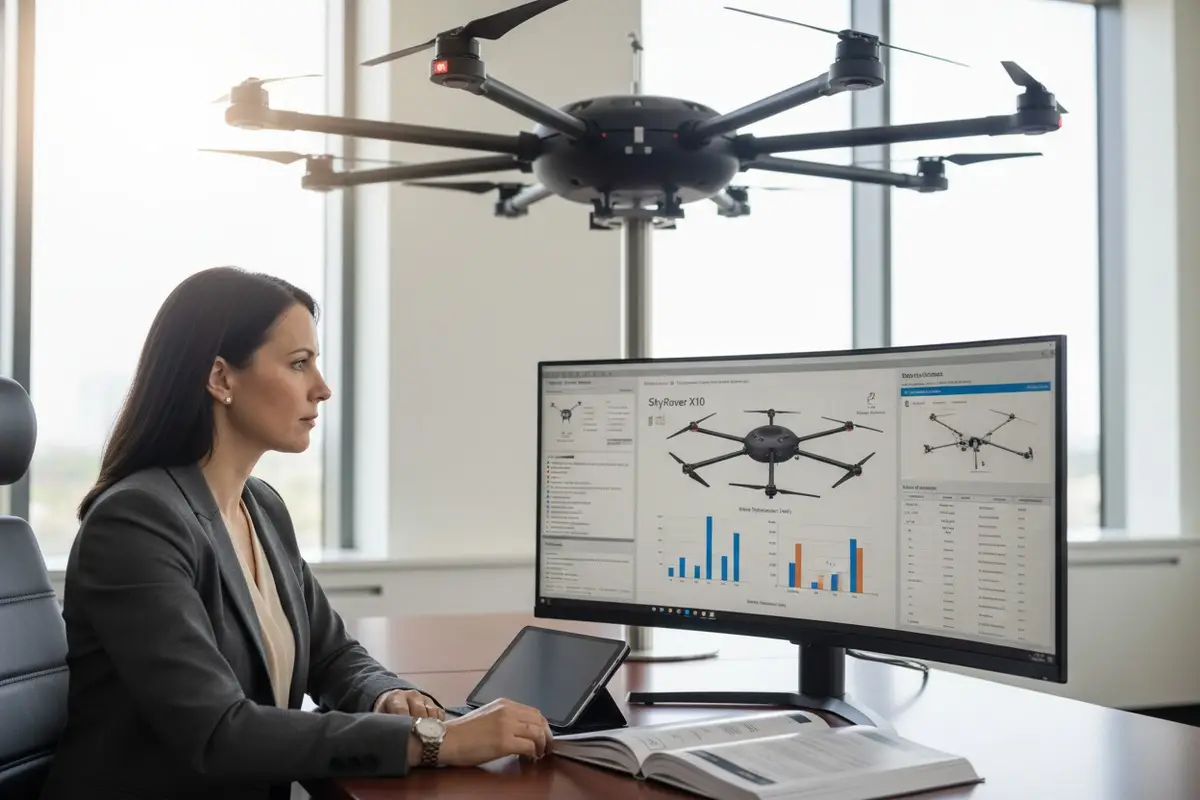
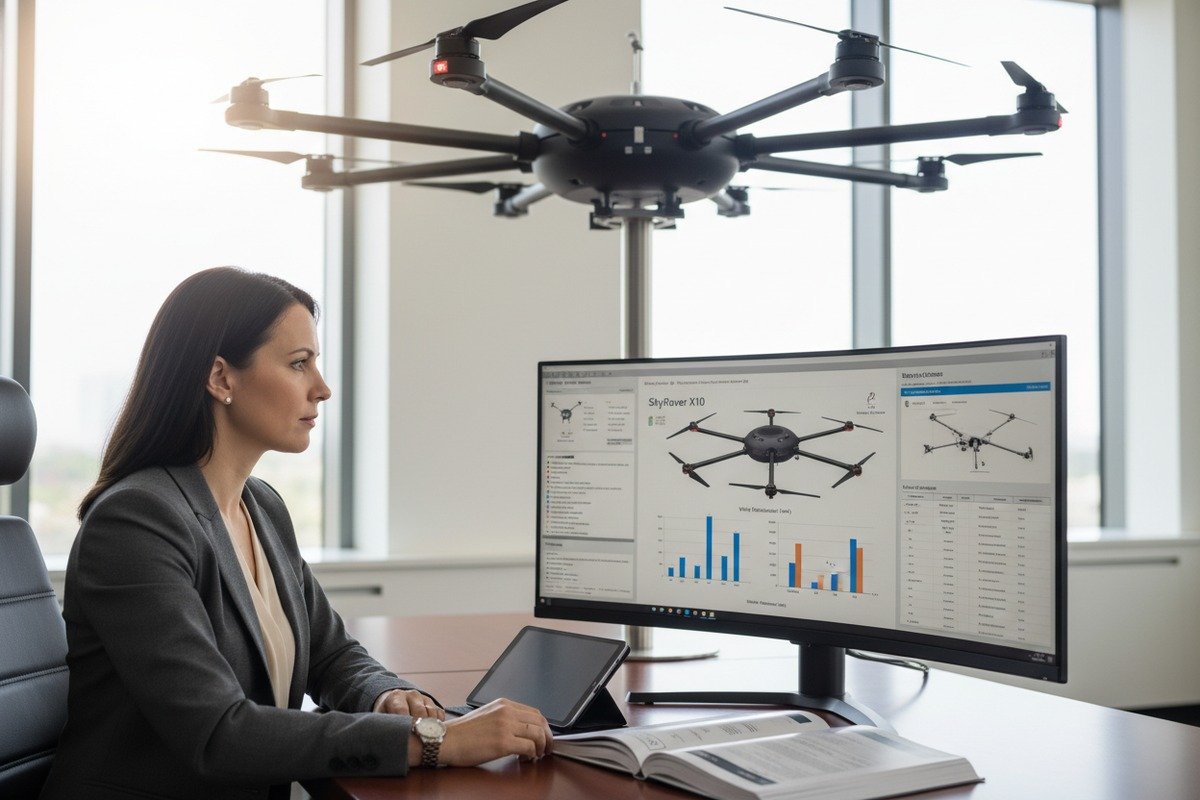
في كل موسم، يتلقى فريق الهندسة لدينا مكالمات من مشغلي المزارع المحبطين. فشلت طائراتهم بدون طيار في منتصف الرش بسبب هبات الرياح غير المتوقعة. لم تتم معالجة المحاصيل. تم فقدان المال. هذا الألم حقيقي ويمكن الوقاية منه.
للاستفسار من الموردين حول أداء الطائرات المسيرة الزراعية في الظروف الجوية السيئة، اطلب تصنيفات IP محددة، وبيانات اختبارات مقاومة الرياح الموثقة، ونطاقات درجات حرارة التشغيل، وشهادات الجهات الخارجية. اطلب وثائق اختبارات واقعية، وليس مجرد ادعاءات تسويقية. قارن مقاييس أداء البطارية عبر درجات الحرارة القصوى واطلب بروتوكولات الصيانة للمكونات المعرضة للعوامل الجوية.
الأسئلة التي تطرحها على موردك اليوم تحدد ما إذا كانت طائرتك بدون طيار ستنجو من عاصفة الغد. دعني أرشدك بالضبط إلى ما يجب أن تسأله ولماذا هو مهم.
كيف يمكنني التحقق من مستويات مقاومة الرياح القصوى لطائراتي الزراعية أثناء الرش عالي المخاطر؟
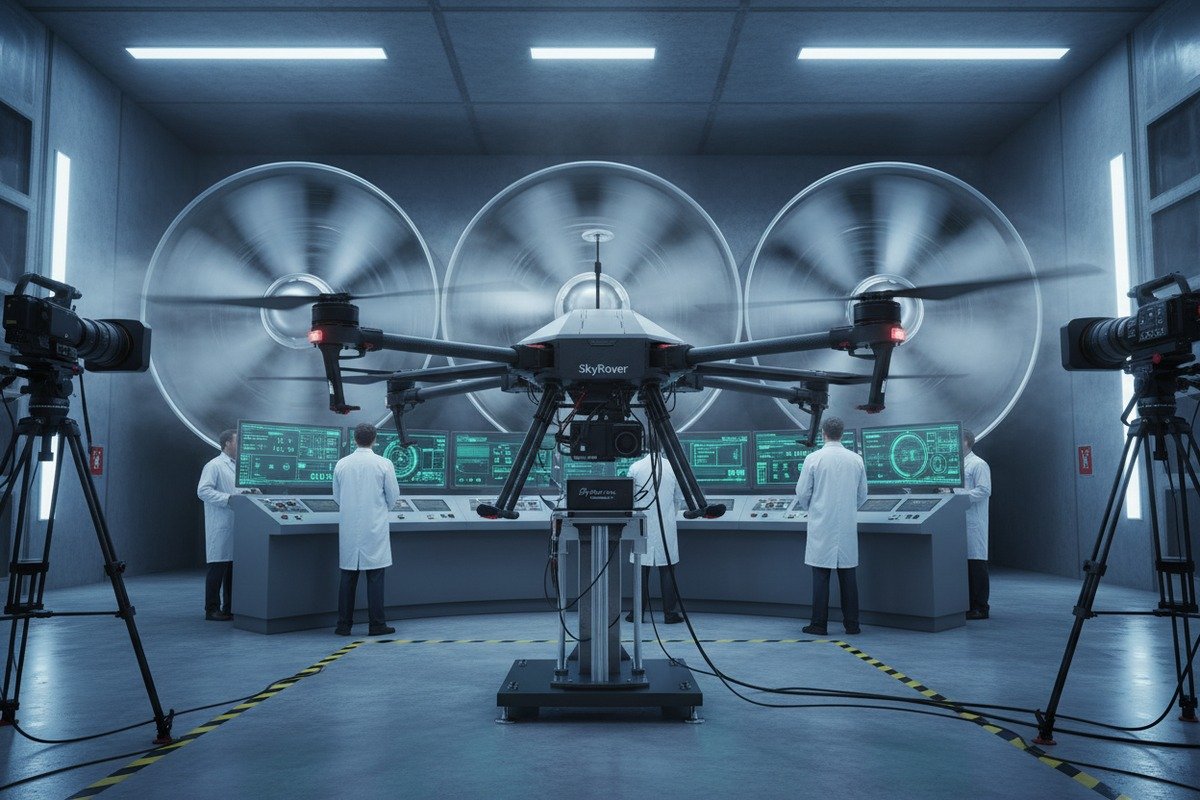
الرياح تدمر عمليات الرش أكثر من أي عامل جوي آخر. عندما نختبر هياكل طائراتنا السداسية في نفق الرياح 1, ، نرى بالضبط كيف ينهار الاستقرار. معظم المشترين لا يطرحون أبدًا الأسئلة الصحيحة حول أداء الرياح.
اطلب نتائج اختبارات نفق الرياح الموثقة التي توضح أقصى سرعة رياح تشغيلية بالأمتار في الثانية. اطلب بيانات انحراف الرذاذ عند سرعات رياح مختلفة، وتحقق مما إذا كانت الطائرة بدون طيار تحافظ على قفل نظام تحديد المواقع العالمي (GPS) والتحليق المستقر عند الحد الأقصى المعلن. اطلب دليل فيديو لاختبارات ميدانية فعلية، وليس مجرد مواصفات معملية.
فهم عتبات سرعة الرياح
تؤثر الرياح على الطائرات الزراعية بدون طيار بطريقتين حاسمتين. أولاً، تزعزع استقرار الرحلة. ثانيًا، تسبب انجراف الرش. كلا المشكلتين تكلفك المال.
تدعي معظم الطائرات الزراعية الاحترافية بدون طيار مقاومة للرياح تتراوح بين 8-15 م/ث. لكن الادعاءات لا تعني شيئًا بدون دليل. عندما يقوم فريق مراقبة الجودة لدينا بتقييم وحدات التحكم في الطيران، فإننا نختبر بسرعات رياح متزايدة. نسجل دقة نظام تحديد المواقع العالمي (GPS)، وثبات الارتفاع، وتعويض المحرك عند كل مستوى.
إليك ما يجب أن تسأله موردك:
| سؤال | ما أهمية ذلك | إجابة علامة حمراء |
|---|---|---|
| ما هي أقصى سرعة رياح تم اختبارها؟ | يحدد حد التشغيل الخاص بك | "حتى 15 م/ث" بدون بيانات اختبار |
| كيف تم اختبار مقاومة الرياح؟ | يتحقق من صحة الادعاء | "بناءً على مواصفات المحرك" |
| ماذا يحدث لدقة الرش عند سرعة 10 م/ث؟ | يؤثر على تغطية المحصول | لم يتم تقديم بيانات محددة |
| هل تحديد المواقع RTK 2 تحافظ على الدقة في الرياح؟ | أمر بالغ الأهمية للرش الدقيق | استجابة غامضة أو مراوغة |
انجراف الرش وتفاعل الرياح
سرعات الرياح بين 3-8 ميل في الساعة مثالية للرش. فوق 10 ميل في الساعة، يصبح انجراف القطرات شديدًا. يجب أن يوفر لك المورد قياسات انجراف محددة عند سرعات رياح مختلفة.
اطلب الوثائق التالية:
- بيانات توزيع حجم القطرات في ظروف الرياح
- تغييرات عرض نمط الرش عند سرعات مختلفة
- نسب انحراف مسار الطيران أثناء العواصف
اختبارات العالم الحقيقي مقابل ادعاءات المختبر
تنشئ أنفاق الرياح المخبرية تدفق هواء ثابتًا. الحقول الحقيقية بها عواصف هوائية مضطربة. تعلم فريق الإنتاج لدينا هذا الاختلاف عندما كان أداء النماذج الأولية مثاليًا في الداخل ولكنه واجه صعوبة في التضاريس غير المستوية.
اطلب مقاطع فيديو اختبار ميداني. اسأل أين تم إجراء الاختبار. اختبارات التضاريس المسطحة لا تعكس الأداء فوق المزارع التلال. سيشارك المورد الموثوق هذه المعلومات بصراحة.
ما هي تصنيفات مقاومة الماء IP المحددة التي يجب أن أطلبها لحماية استثماري من المطر المفاجئ؟
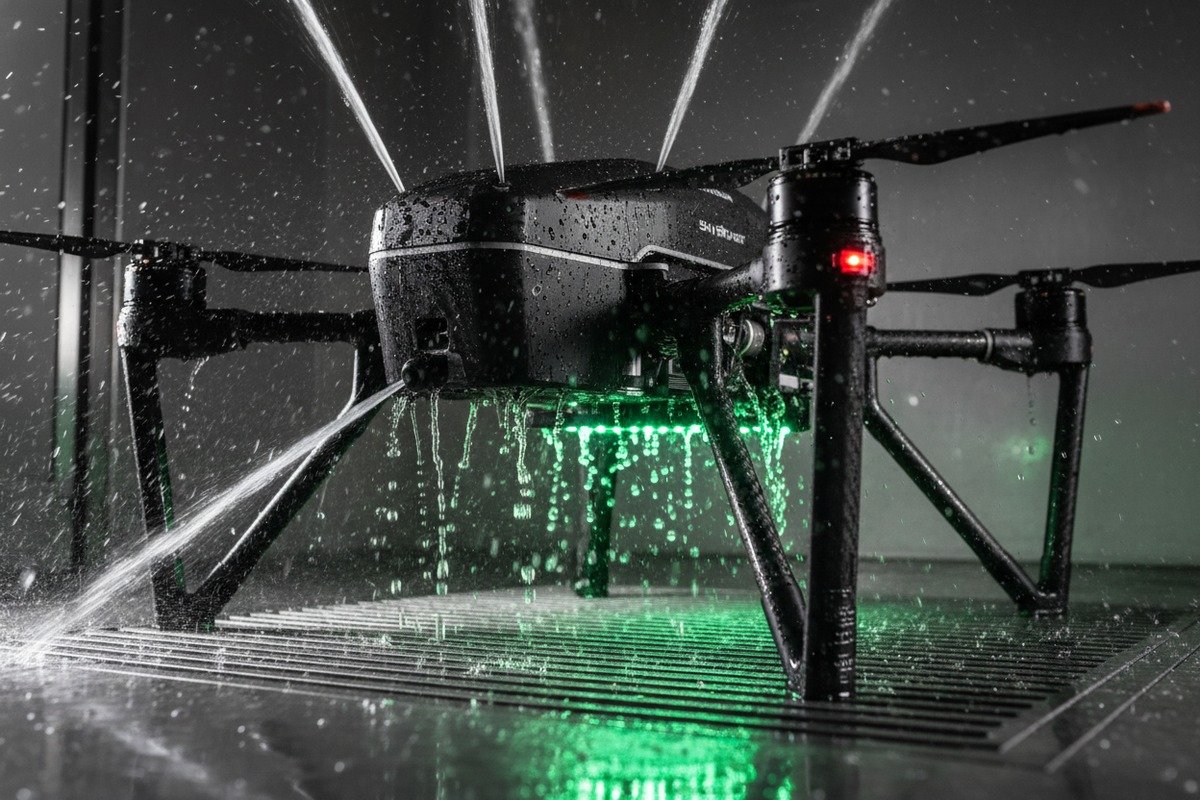
المطر يدمر الطائرات بدون طيار. ليس تدريجياً، بل بسرعة. عندما نقوم بإغلاق أغلفة المحركات على خط الإنتاج الخاص بنا، فإننا نفهم بالضبط ما يفعله الماء بالإلكترونيات غير المحمية. معظم المشترين يقللون من شأن هذا التهديد.
اطلب تصنيف IP54 كحد أدنى للطائرات بدون طيار الزراعية التي تعمل في ظروف متغيرة. للمناطق ذات الأمطار المتكررة، اطلب IP67 أو أعلى. اطلب وثائق اختبار الختم المحددة، بما في ذلك عمق الغمر والمدة. تحقق من أن التصنيف يغطي جميع المكونات، وليس فقط الجسم الرئيسي.
فك رموز أرقام تصنيف IP
تصنيفات IP 3 تتكون من رقمين. الرقم الأول يشير إلى الحماية من الغبار. الرقم الثاني يشير إلى الحماية من الماء. بالنسبة للطائرات بدون طيار الزراعية، كلاهما مهم.
| تصنيف IP | الحماية من الغبار | حماية المياه | الملاءمة الزراعية |
|---|---|---|---|
| IP43 | محمي من الأجسام > 1 مم | محمي من الرذاذ | ظروف جافة محدودة فقط |
| IP54 | محمي من الغبار المحدود | محمي من الرذاذ | مقبول للرطوبة الخفيفة |
| IP65 | محكمة الغلق ضد الغبار | محمي من نفاثات الماء | جيد لمعظم الظروف |
| IP67 | محكمة الغلق ضد الغبار | محمي من الغمر حتى عمق 1 متر | ممتاز للتعرض للمطر |
أسئلة حول الحماية على مستوى المكونات
غالبًا ما ينطبق تصنيف IP للطائرة بدون طيار على الجسم الرئيسي فقط. قد تتمتع المحركات والكاميرات وأجهزة الاستشعار بمستويات حماية مختلفة. هذه الفجوة تسبب أعطالًا.
اطرح هذه الأسئلة المحددة:
- ما هو تصنيف IP لكل محرك؟
- هل أختام عدسة الكاميرا مصنفة بشكل منفصل؟
- كيف يتم اختبار أختام حجرة البطارية؟
- ما هو مستوى الحماية لاتصالات فوهة الرش؟
تدهور الأختام والصيانة
تتدهور الأختام بمرور الوقت. التعرض للأشعة فوق البنفسجية، والتلامس مع المواد الكيميائية، ودورات درجات الحرارة كلها تضعف مقاومة الماء. قسم الخدمة لدينا يرى هذا النمط بشكل متكرر.
اطلب معلومات حول:
- العمر المتوقع للأختام بالساعات التشغيلية
- فترات استبدال الأختام الموصى بها
- تكلفة وتوفر الأختام البديلة
- إرشادات الفحص البصري لحالة الختم
أدلة الاختبار التي يجب أن تطلبها
غالبًا ما تبالغ المواد التسويقية في تقدير الحماية. اطلب وثائق الاختبار الفعلية. سيوفر المورد الموثوق شهادات اختبار معملية توضح بالضبط كيف تم التحقق من تصنيف IP.
ابحث عن اختبارات من طرف ثالث من مختبرات معترف بها. الاختبارات الداخلية وحدها غير كافية. اسأل عما إذا كان الاختبار قد تم على وحدات إنتاج أو نماذج أولية خاصة.
كيف يمكنني تقييم ما إذا كانت بطارية الطائرة بدون طيار وأجهزة الاستشعار ستظل مستقرة في درجات الحرارة القصوى في منطقتي؟
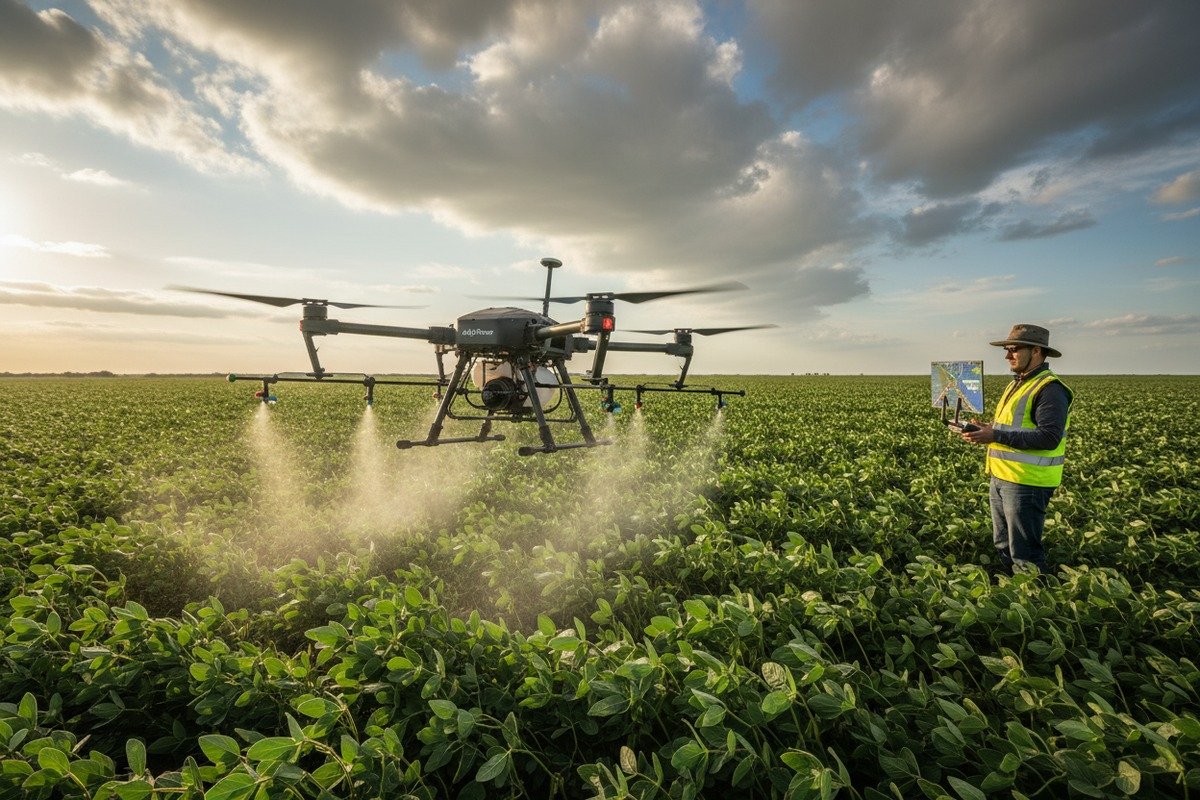
تقتل درجات الحرارة القصوى البطاريات وتربك أجهزة الاستشعار. عندما يختبر مهندسونا خلايا الليثيوم في غرف مناخية، تكون انخفاضات الأداء دراماتيكية. يحدد طقس منطقتك المواصفات التي تهم أكثر.
اطلب منحنيات تفريغ البطارية عند أقصى درجات الحرارة ذات الصلة بمنطقتك. اطلب بيانات دقة المستشعر عبر نطاق درجة حرارة التشغيل الكامل. تحقق مما إذا كانت الطائرة بدون طيار تتضمن أنظمة إدارة حرارية نشطة للبطاريات والإلكترونيات. اطلب تخفيضات موثقة في وقت الطيران عند درجات الحرارة القصوى.
كيمياء البطارية وتأثيرات درجة الحرارة
بطاريات الليثيوم بوليمر 4 تفقد السعة في الظروف الباردة. تتفاعل التفاعلات الكيميائية ببطء. تزداد المقاومة الداخلية. تنخفض أوقات الطيران بشكل كبير.
| نطاق درجة الحرارة | الاحتفاظ النموذجي بالسعة | تأثير وقت الطيران |
|---|---|---|
| -10 درجة مئوية إلى 0 درجة مئوية | 60-70% | انخفاض بنسبة 30-40٪ |
| 0 درجة مئوية إلى 10 درجة مئوية | 80-90% | انخفاض بنسبة 10-20٪ |
| 10 درجة مئوية إلى 35 درجة مئوية | 95-100% | الأداء الأمثل |
| 35 درجة مئوية إلى 45 درجة مئوية | 90-95% | انخفاض طفيف، خطر ارتفاع درجة الحرارة |
| فوق 45 درجة مئوية | متغير | خطر كبير للتلف |
تسبب الحرارة مشاكل مختلفة. يمكن أن تنتفخ خلايا البطارية. يصبح الهروب الحراري ممكنًا. قد ترتفع درجة حرارة المكونات الإلكترونية وتتعطل.
أسئلة حول الإدارة الحرارية
يجب أن تتضمن طائرات الزراعة المسيرة الحديثة أنظمة الإدارة الحرارية 5. تحافظ هذه الأنظمة على درجات حرارة مثالية للبطارية والمستشعرات في مختلف الظروف.
اسأل موردك:
- هل تتضمن الطائرة المسيرة تسخينًا للبطارية في الطقس البارد؟
- ما هي أنظمة التبريد التي تحمي الإلكترونيات في الحرارة؟
- عند أي درجة حرارة محيطة تنشط الإدارة الحرارية؟
- كم تستهلك إدارة الحرارة من طاقة؟
أداء المستشعرات عبر درجات الحرارة
تستجيب الكاميرات، و LiDAR، ومستشعرات تحديد المواقع جميعها لتغيرات درجات الحرارة. يؤثر ضباب العدسة، وانحراف المستشعر، وتغيرات المعايرة على الدقة.
عندما نقوم بمعايرة وحدات التحكم في الطيران لدينا، فإننا نجري العملية عند درجات حرارة متعددة. هذا يضمن أداءً ثابتًا. اسأل عما إذا كان موردك يتبع بروتوكولات مماثلة.
اطلب نقاط البيانات المحددة هذه:
- استقرار تركيز الكاميرا عبر نطاق درجة الحرارة
- دقة GPS/RTK عند درجات الحرارة القصوى
- طرق تعويض انحراف مقياس الارتفاع والبارومتر
- إجراءات معايرة IMU لتباين درجات الحرارة
متطلبات التكيف الإقليمي
مناخك المحدد يحدد المواصفات الأكثر أهمية. تتطلب العمليات الصحراوية إدارة الحرارة. تحتاج المزارع الشمالية إلى قدرة على الطقس البارد. تواجه المناطق الاستوائية تحديات الرطوبة إلى جانب الحرارة.
قدم لموردك الظروف التشغيلية النموذجية لمنطقتك. اسأل كيف تعالج الطائرة بدون طيار تلك الظروف تحديدًا. المواصفات العامة ليست كافية.
ما هي الوثائق الفنية التي يجب أن أطلبها لإثبات متانة الطائرة بدون طيار على المدى الطويل في الظروف الجوية السيئة؟
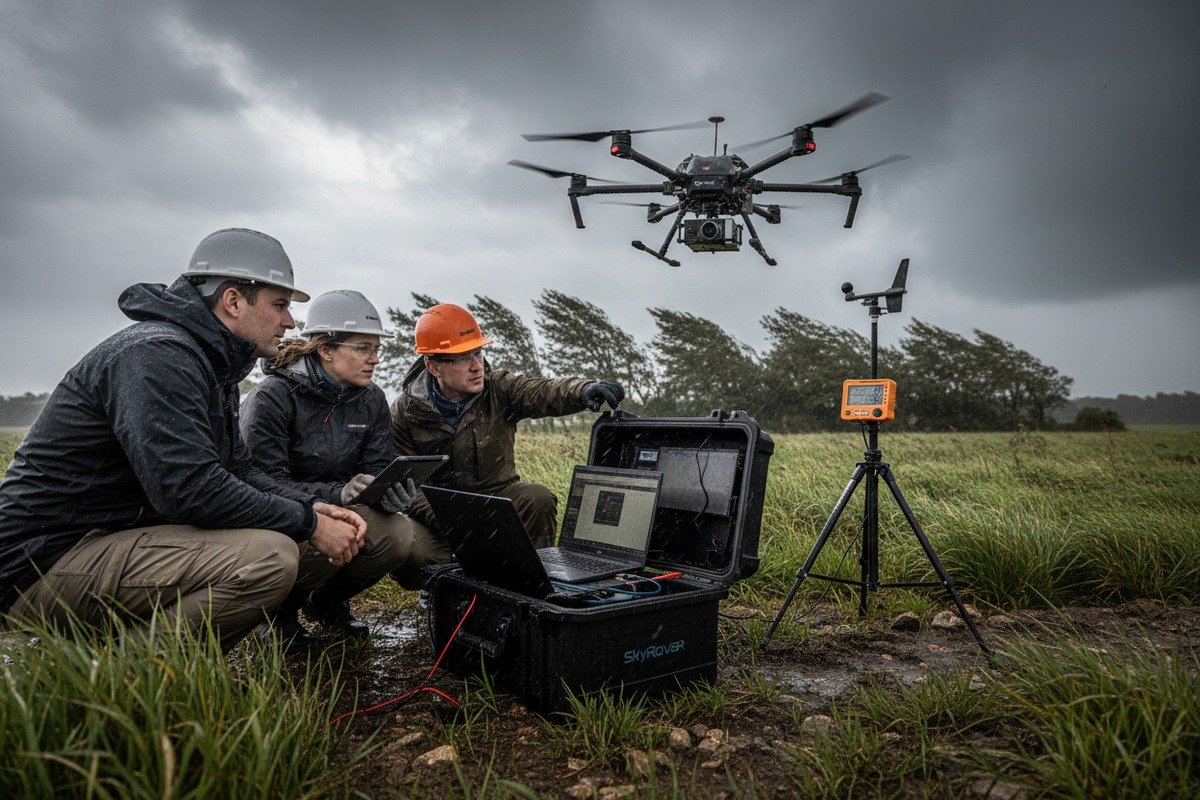
توثيق يفصل الموردين الموثوقين عن غير الموثوقين. عندما نجهز حزم التصدير لعملائنا في الولايات المتحدة وأوروبا، فإننا ندرج تقارير اختبار شاملة. هذه الشفافية تبني الثقة. اطلب نفس المعيار.
اطلب تقارير شهادات الطرف الثالث، ونتائج اختبارات التقادم المعجل، وشروط الضمان الخاصة بالفشل المتعلق بالطقس. اطلب بيانات متوسط الوقت بين الأعطال للمكونات المعرضة للعوامل الجوية. تحقق من أن الوثائق تغطي وحدات الإنتاج الحقيقية، وليس نماذج أولية ما قبل الإنتاج. اطلب الوصول إلى دراسات حالة العملاء من مناخات مماثلة.
قائمة التحقق من الوثائق الأساسية
لا يحمل كل توثيق قيمة متساوية. التحقق من طرف ثالث يحمل وزنًا أكبر من الادعاءات الداخلية. اختبار وحدة الإنتاج أهم من نتائج النموذج الأولي.
| نوع المستند | ما الذي يثبته | الأسئلة التي يجب طرحها |
|---|---|---|
| شهادة اختبار الملكية الفكرية | مقاومة الماء/الغبار تم التحقق منها | أي مختبر؟ أي دفعة إنتاج؟ |
| تقرير دورات درجة الحرارة | تحمل الإجهاد الحراري | كم عدد الدورات؟ نطاق درجة الحرارة؟ |
| نتائج اختبار رذاذ الملح | مقاومة التآكل | المدة؟ وظائف ما بعد الاختبار؟ |
| بيانات التقادم المتسارع | المتانة طويلة الأمد | المنهجية؟ ساعات التشغيل المكافئة؟ |
| وثائق الضمان | ثقة المورد | تفاصيل التغطية المتعلقة بالطقس؟ |
فهم اختبارات الشيخوخة المتسارعة
اختبارات الشيخوخة المعجلة 6 محاكاة سنوات من الاستخدام في أطر زمنية مضغوطة. إنها تعرض الطائرات بدون طيار لدورات إجهاد متكررة. هذا يكشف عن نقاط الضعف التي ستظهر ببطء في التشغيل العادي.
يقوم فريق ضمان الجودة لدينا بإجراء اختبارات دورات الرطوبة، ودرجات الحرارة القصوى، والاهتزاز على كل دفعة إنتاج. اسأل المورد الخاص بك عن عملياته المكافئة.
تشمل الأسئلة الرئيسية:
- كم عدد الدورات الحرارية التي تم إجراؤها؟
- ما هي مستويات الرطوبة التي تم اختبارها؟
- هل تم إجراء الاختبارات على وحدات الإنتاج أم النماذج الأولية؟
- ما هي الأعطال التي حدثت أثناء الاختبار؟
شروط الضمان للتعرض للعوامل الجوية
تكشف تغطية الضمان عن ثقة المورد. تشير التغطية الشاملة المتعلقة بالطقس إلى المتانة الحقيقية. تشير الاستثناءات الواسعة إلى نقاط ضعف معروفة.
افحص وثائق الضمان لـ:
- تغطية محددة لأضرار المطر والرطوبة
- تغطية الأعطال المتعلقة بدرجة الحرارة
- شروط استبدال الأختام والحشيات
- القيود الجغرافية بناءً على المناخ
التحقق من مرجع العميل
لا تخبر الوثائق إلا بجزء من القصة. تكشف تجارب العملاء الحقيقية عن الأداء الفعلي في الميدان. اطلب مراجع من العملاء الذين يعملون في ظروف مماثلة.
اطلب الإذن بالاتصال بهذه المراجع. اسأل عن:
- نسب وقت التشغيل الفعلية خلال مواسم الطقس السيئ
- تكرار الإصلاحات للمشاكل المتعلقة بالطقس
- استجابة المورد لمطالبات الضمان المتعلقة بالطقس
- اتساق الأداء على المدى الطويل
معايير الشهادات للتحقق
تشير شهادات الصناعة إلى الامتثال للمعايير المعمول بها. بالنسبة للطائرات بدون طيار الزراعية، تشمل الشهادات ذات الصلة وثائق الامتثال لإدارة الطيران الفيدرالية (FAA)،, علامة CE 7 للأسواق الأوروبية، ومعايير سلامة المعدات الزراعية.
اسأل عما إذا كانت الشهادات قد تم الحصول عليها للنموذج المحدد الذي تشتريه. الشهادات للنماذج ذات الصلة لا تضمن الامتثال المعادل.
الخاتمة
طرح الأسئلة الصحيحة يحمي استثمارك وعملياتك. اطلب بيانات محددة، وشهادات موثقة، وأدلة اختبار واقعية. تكشف إجابات المورد الخاص بك عن موثوقيته بقدر ما تكشف عن قدرة منتجه.
الحواشي
1. شرح موثوق من وكالة ناسا حول كيفية استخدام أنفاق الرياح للاختبار. ︎
2. يشرح نظام تحديد المواقع العالمي RTK، ودقته، وأهميته الخاصة للزراعة والطائرات بدون طيار. ︎
3. تقدم ويكيبيديا شرحًا شاملاً وموثوقًا لتصنيفات IP ومعيار IEC 60529. ︎
4. يقدم نظرة عامة شاملة على تقنية وخصائص بطاريات LiPo. ︎
5. يشرح مبادئ وأهمية الإدارة الحرارية في الأجهزة الإلكترونية. ︎
6. يصف منهجية وتطبيقات الشيخوخة المتسارعة لموثوقية المنتج. ︎
7. معلومات رسمية من الاتحاد الأوروبي حول متطلبات علامة CE وأهميتها. ︎
 English
  Español de México
  Deutsch
  Français
  Русский
  العربية
Comments
No comments yet. Be the first to share your thoughts!
Leave a Comment