
عندما يتلقى فريق الهندسة لدينا نموذجًا أوليًا جديدًا من خط الإنتاج، يكون السؤال الأول دائمًا هو نفسه: هل تلبي هذه الطائرة بدون طيار المعايير المطلوبة لمهام إنقاذ الأرواح؟ مكافحة الحرائق 1؟ يمكن أن يعني موصل واحد مفكوك أو اختيار سلك سيء الفشل عندما يكون الأمر الأكثر أهمية.
لتقييم جودة بناء طائرة مكافحة الحرائق المسيرة عبر تفكيك النموذج الأولي، قم بفحص منهجي لمواد الإطار واللحامات، وفحص تنظيم الأسلاك الداخلية ودرعها، والتحقق من جودة الموصلات وتثبيت المكونات، وتقييم نمطية التصميم للصيانة. تكشف هذه العملية عن جودة التصنيع التي لا تستطيع المواصفات وحدها إظهارها.
هذا الدليل يأخذك عبر عملية التفكيك المثبتة لدينا مثبتات من الدرجة الفضائية 2. سنغطي التقييم الهيكلي، وفحص الأسلاك، والتحقق من المكونات، ومؤشرات المتانة. يقدم كل قسم خطوات قابلة للتنفيذ يمكنك تطبيقها اليوم.
كيف يمكنني تقييم السلامة الهيكلية وجودة المواد لإطار طائرة بدون طيار لمكافحة الحرائق أثناء التفكيك؟
يقوم فريق الإنتاج لدينا بفحص مئات الإطارات كل شهر. لقد تعلمنا أن العيوب الصغيرة في بناء الإطار تؤدي إلى فشل كبير في الميدان. تدفع بيئات مكافحة الحرائق الطائرات بدون طيار إلى أقصى حدودها مع الحرارة والدخان والهواء المضطرب.
Evaluate frame structural integrity by inspecting carbon fiber weave consistency, checking all welds and joints for cracks or gaps, measuring wall thickness at stress points, and verifying that mounting hardware uses aerospace-grade fasteners. Quality frames show uniform material texture, clean joint lines, and no visible voids or delaminations.

ابدأ بفحص الإطار المرئي
ابدأ تفكيكك بإزالة جميع الأغطية الخارجية. انظر إلى الإطار العاري تحت إضاءة جيدة. مرر أصابعك على طول ألياف الكربون 3 الأسطح. تتميز ألياف الكربون عالية الجودة بنمط نسج متناسق بدون بقع جافة أو تكتل راتنجي. يرفض فريق مراقبة الجودة لدينا الإطارات ذات عدم انتظام النسيج لأنها تشير إلى نقاط ضعف.
تحقق من كل مفصل حيث تتصل أذرع الإطار بالمركز المركزي. تتحمل هذه المفاصل أكبر قدر من الضغط أثناء الطيران. ابحث عن:
- لحامات نظيفة ومتساوية بدون فقاعات أو فجوات
- تطبيق لاصق متناسق إذا تم استخدام مفاصل ملصقة
- لا توجد شقوق دقيقة حول ثقوب البراغي
- محاذاة صحيحة للأسطح المتزاوجة
قياس الأبعاد الحرجة
استخدم الفرجار لقياس سمك الجدار في عدة نقاط. قد تقوم الشركات المصنعة أحيانًا بخفض التكاليف عن طريق تقليل المواد في المناطق المخفية. تتطلب مواصفاتنا الهندسية الحد الأدنى لسمك الجدار البالغ 2 مم لأنابيب الذراع على طائرات مكافحة الحرائق الثقيلة.
| مكون الإطار | الحد الأدنى لسمك الجدار | المواد المقبولة |
|---|---|---|
| أنابيب الذراع الرئيسية | 2.0 مم | مركب ألياف الكربون |
| جدران المحور المركزي | 2.5 مم | ألياف الكربون أو سبيكة الألومنيوم |
| لوحات تثبيت المحرك | 3.0 مم | ألومنيوم 6061-T6 أو ألياف الكربون |
| دعامات معدات الهبوط | 2.5 مم | ألياف الكربون أو بوليمر مقوى |
اختبار قوة الوصلة
طبق قوة لف معتدلة على كل ذراع. المفاصل عالية الجودة لا تظهر أي حركة أو أصوات صرير. أي ارتخاء في المفاصل يشير إلى تصنيع سيئ. نختبر قوة المفاصل على خط الإنتاج لدينا باستخدام تجهيزات عزم دوران معايرة. يجب أن تتحمل وصلة ذراع طائرة مكافحة الحرائق عزم دوران لا يقل عن 50 نيوتن متر دون أي انحراف.
افحص كيف يتعامل الإطار مع نقاط تثبيت الحمولة. تحمل طائرات مكافحة الحرائق معدات ثقيلة مثل الكاميرات الحرارية وأنظمة إخماد الحرائق. تحتاج مناطق التثبيت إلى تعزيز. ابحث عن:
- إدخالات معدنية في ألياف الكربون عند مواقع البراغي
- ألواح احتياطية توزع الحمل على مساحات أكبر
- تشابك خيوط لا يقل عن 1.5 مرة قطر البرغي
شهادة المواد مهمة
اطلب من موردك شهادات المواد. يتتبع المصنعون ذوو الجودة دفعات المواد من المواد الخام إلى المنتج النهائي. يحتفظ مصنعنا بتتبع كامل لكل إطار ننتجه. تثبت هذه الوثائق أن ألياف الكربون جاءت من مصادر معتمدة وتلبي معايير الطيران.
ما هي العلامات المحددة للأسلاك الداخلية الاحترافية والتدريع الكهربائي التي يجب أن أبحث عنها في نموذجي الأولي؟
في تجربتنا في التصدير إلى السوق الأمريكية، نجد أن جودة الأسلاك تفصل الطائرات المسيرة الممتازة عن البدائل الرخيصة. ممارسات الأسلاك الاحترافية تحمي من التداخل الكهرومغناطيسي 5, ، التلف الحراري، وفشل الاهتزاز. الأسلاك السيئة تسبب معظم المشاكل الكهربائية أثناء الطيران.
الأسلاك الداخلية الاحترافية تُظهر أحزمة منظمة مع ترميز ألوان متناسق، وتخفيف إجهاد آمن عند جميع الموصلات، واختيار مقياس مناسب لأحمال التيار، وكابلات محمية تفصل أسلاك الإشارة عن خطوط الطاقة. ابحث عن أسلاك معزولة بالسيليكون مصنفة لدرجات حرارة عالية وموصلات بآليات قفل إيجابية.

افحص تنظيم وتوجيه الأسلاك
افتح حجرة الإلكترونيات ولاحظ تخطيط الأسلاك العام. التجميع الاحترافي يظهر:
- حزم الأسلاك مجمعة حسب الوظيفة (الطاقة، الإشارة، التحكم)
- مسارات توجيه متسقة بدون تقاطع أو تشابك
- حلقات خدمة كافية لسهولة الوصول للصيانة
- تسمية واضحة أو ترميز لوني
يتبع فنيو التجميع لدينا مخططات الأسلاك الصارمة. كل سلك له مسار مخصص ونقطة تثبيت. يشير التوزيع العشوائي للأسلاك إلى إنتاج متسرع أو نقص في الإشراف الهندسي.
فحص مقياس السلك والعزل
تحقق من أن مقياس السلك يطابق متطلبات التيار. الأسلاك ذات المقياس الصغير جدًا تسخن بشكل مفرط تحت الحمل. يوضح هذا الجدول معايير مقياس السلك الأدنى لدينا:
| نوع الدائرة | أقصى تيار | الحد الأدنى لمقياس السلك (AWG) | نوع العزل |
|---|---|---|---|
| البطارية الرئيسية إلى ESC | 100A | 8 AWG | سيليكون، مصنف لـ 200 درجة مئوية |
| ESC إلى المحرك | 60 أمبير | 12 AWG | سيليكون، مصنف لـ 200 درجة مئوية |
| إشارات وحدة التحكم في الطيران | 1 أمبير | 22 AWG | PVC أو سيليكون |
| خطوط بيانات المستشعر | 0.5 أمبير | 24 AWG | زوج مجدول محمي |
| طاقة الحمولة | 20 أمبير | 14 AWG | سيليكون، مصنف لـ 150 درجة مئوية |
عزل سيليكون 6 ضروري لطائرات مكافحة الحرائق. ينصهر عزل PVC القياسي في درجات الحرارة الشائعة بالقرب من عمليات الإطفاء. يستخدم إنتاجنا فقط أسلاكًا معزولة بالسيليكون لدوائر الطاقة.
تقييم جودة الموصلات
افحص كل موصل في النظام. الموصلات الاحترافية تحتوي على:
- نقاط اتصال مطلية بالذهب 7 لمقاومة التآكل
- آليات قفل إيجابية تصدر صوت نقرة عند التثبيت
- تخفيف الضغط لمنع سحب الأسلاك
- تقييمات تيار كافية مع هامش أمان
ابحث عن أكسدة أو تغير لون على نقاط الاتصال. يجب أن تكون الموصلات الجديدة لامعة ونظيفة. نقاط الاتصال الباهتة أو المتسخة تشير إلى سوء التخزين أو مواد رخيصة.
تقييم ممارسات التدريع الكهرومغناطيسي
تعمل طائرات مكافحة الحرائق بالقرب من معدات الراديو وخطوط نقل الطاقة العالية. يمكن أن يتسبب التداخل الكهرومغناطيسي في انقطاع إشارة GPS أو فشل الاتصالات عن بعد. التصاميم الاحترافية تفصل أسلاك الإشارة الحساسة عن خطوط الطاقة.
تحقق من:
- كابلات محمية على توصيلات هوائي GPS
- فصل مادي بين الأسلاك عالية التيار ومنخفضة التيار
- نوى الفريت على كابلات الطاقة التي تدخل حجرة وحدة التحكم في الطيران
- تدريع مؤرض متصل من طرف واحد فقط
يقوم مهندسونا بتوجيه كابلات GPS والاتصالات عن بعد على بعد 5 سم على الأقل من أسلاك طاقة المحرك. نستخدم أيضًا أسلاكًا مزدوجة ملتفة لجميع توصيلات المستشعرات لإلغاء الضوضاء الكهرومغناطيسية.
فحص وصلات اللحام
إذا كان التصميم يستخدم وصلات ملحومة، فافحص كل وصلة بعناية. وصلات اللحام عالية الجودة هي:
- لامعة وناعمة، وليست باهتة أو حبيبية
- مبللة بشكل صحيح بالسلك والوسادة
- خالية من الوصلات الباردة أو اللحام غير الكافي
- بدون علامات احتراق على المكونات المجاورة
استخدم عدسة مكبرة أو مجهرًا لهذا الفحص. يقوم فريق الجودة لدينا بتصوير كل وصلة لحام أثناء الإنتاج لسجلات التتبع.
كيف يمكنني التحقق من أن المكونات الداخلية والموصلات تلبي المعايير المتطورة المطلوبة لعملياتي الصناعية؟
عندما نقوم بمعايرة وحدات التحكم في الطيران لدينا قبل الشحن، فإننا نتحقق أيضًا من أن كل مكون يلبي المواصفات. تتطلب عمليات مكافحة الحرائق الصناعية مكونات تعمل بشكل موثوق على مدى آلاف ساعات الطيران. تفشل الأجزاء ذات الجودة الاستهلاكية بسرعة تحت الاستخدام الاحترافي.
تحقق من معايير المكونات المتطورة عن طريق التحقق من شهادات الشركة المصنعة، وقياس الأداء الفعلي مقابل أوراق البيانات، وفحص الأجزاء الأصلية مقابل الأجزاء المقلدة، وتأكيد تطابق تقييمات درجة الحرارة والاهتزاز مع متطلبات التشغيل. تعرض المكونات الصناعية أرقام أجزاء واضحة ورموز دفعات وعلامات شهادات.
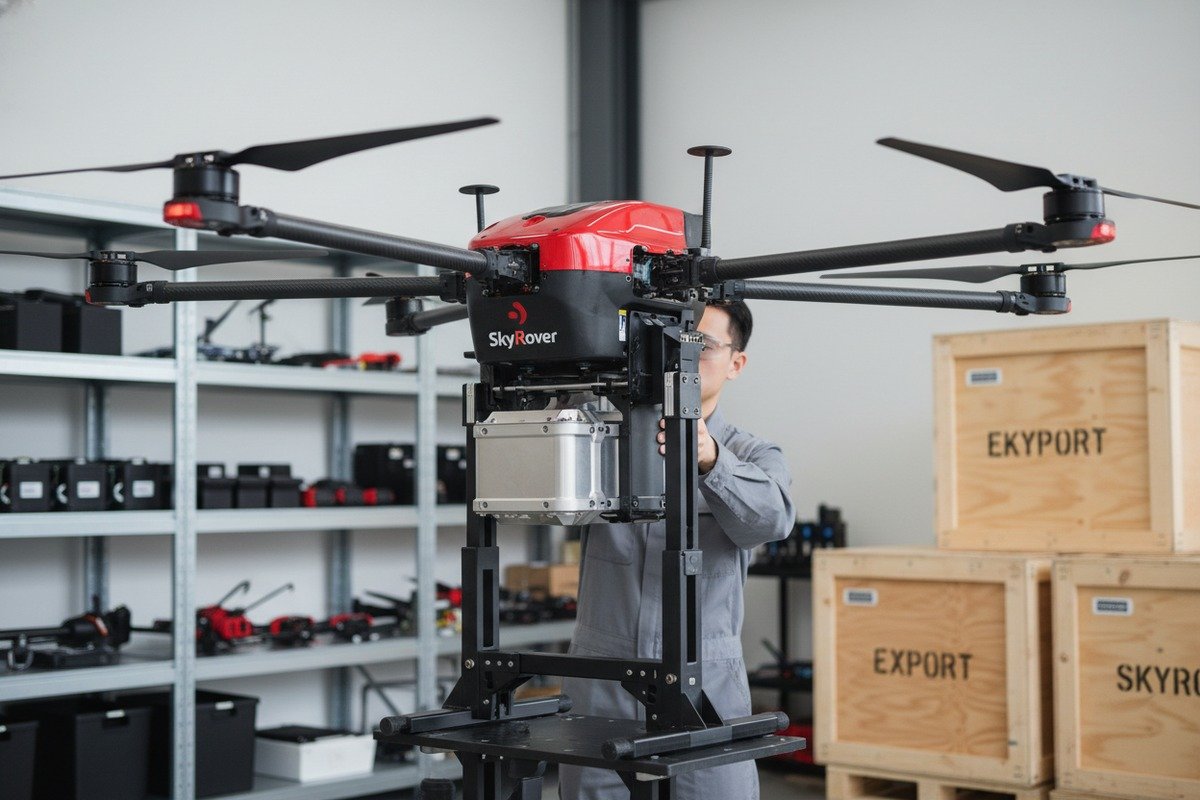
تحديد مصنعي المكونات
قم بإزالة الأغطية من الوحدات الإلكترونية الرئيسية واقرأ علامات المكونات. يستخدم المصنعون ذوو الجودة أجزاء قابلة للتعريف من موردين ذوي سمعة طيبة. ابحث عن:
- أرقام أجزاء واضحة يمكنك التحقق منها عبر الإنترنت
- رموز الدُفعات ورموز التاريخ للتتبع
- شعارات الشركة المصنعة على الدوائر المتكاملة
- علامات الشهادات (CE، UL، FCC) حيثما ينطبق ذلك
المكونات غير المعروفة أو غير المميزة هي علامات حمراء. الأجزاء الإلكترونية المزيفة شائعة في تصنيع الطائرات بدون طيار. يقوم فريق المشتريات لدينا بالشراء فقط من موزعين معتمدين مع وثائق كاملة.
تحقق من مواصفات وحدة التحكم في السرعة الإلكترونية والمحرك
وحدات التحكم في السرعة الإلكترونية والمحركات ضرورية لسلامة الطيران. تحقق من أن المكونات المثبتة تتطابق مع المواصفات المعلنة:
| المكوّن | المواصفات المطلوب التحقق منها | طريقة الاختبار |
|---|---|---|
| وحدة التحكم في السرعة الإلكترونية (ESC) | تصنيف التيار | تحقق من رقم الجزء مقابل ورقة بيانات الشركة المصنعة |
| وحدة التحكم في السرعة الإلكترونية (ESC) | جهد خرج وحدة التحكم في السرعة الإلكترونية (BEC) | قم بالقياس باستخدام الملتيميتر |
| المحرك | تصنيف KV | طابق رقم الجزء مع المواصفات |
| المحرك | الحد الأقصى للتيار المستمر | تحقق من التصنيف الحراري |
| مروحة | المادة والخطوة | الفحص البصري والقياس |
التحقق من جودة وحدة التحكم في الطيران
وحدة التحكم في الطيران هي عقل الطائرة بدون طيار. تتطلب التطبيقات الصناعية وحدات تحكم في الطيران تتميز بـ:
- مستشعرات IMU احتياطية 8 (جيروسكوب ومقياس تسارع مزدوج على الأقل)
- نطاق درجة حرارة صناعي (بحد أدنى -20 درجة مئوية إلى +60 درجة مئوية)
- تركيب عازل للاهتزاز
- برنامج ثابت موثوق به مع سجل حافل بالإثبات
تستخدم طائراتنا بدون طيار وحدات تحكم في الطيران من مصنعين راسخين يتمتعون بدعم فني قوي. نتجنب وحدات التحكم غير المسماة التي تفتقر إلى الوثائق وتحديثات البرامج الثابتة.
اختبار أداء المكونات الفعلي
حيثما أمكن، اختبر المكونات قبل التجميع النهائي. تكشف الاختبارات البسيطة عن مشكلات الجودة:
- قياس المقاومة الداخلية للبطارية
- التحقق من مقاومة المحرك عبر الأطوار
- التحقق من مخرجات المستشعرات بمدخلات معروفة
- اختبار نطاق وموثوقية الاتصال
يقوم مصنعنا بإجراء اختبارات 100% للمكونات الحيوية. نحتفظ بسجلات اختبار لكل طائرة بدون طيار نقوم بشحنها. تساعد هذه الوثائق في استكشاف أي مشكلات ميدانية بسرعة.
التحقق من تصنيف الموصل
تحقق من أن تصنيفات الموصل تتجاوز متطلبات التيار الفعلية بنسبة 50% على الأقل. تخصص هامش الأمان هذا لـ:
- زيادة مقاومة الموصل مع التآكل
- تيارات أعلى أثناء المناورات العدوانية
- تخفيض درجة الحرارة في البيئات الحارة
تستخدم ممارستنا القياسية موصلات مصنفة لـ 150% من الحد الأقصى للتيار المتوقع. يمنع هذا النهج ارتفاع درجة حرارة الموصل وانخفاض الجهد.
تقييم أمان تركيب المكونات
تتعرض الطائرات بدون طيار الصناعية لاهتزازات كبيرة. تحتاج جميع المكونات إلى تركيب آمن:
- وحدات التحكم في الطيران على حوامل تخفيف الاهتزازات
- البطاريات بأشرطة مبطنة وآمنة
- الكاميرات على مثبتات جيمبال مستقرة
- المستشعرات الموضوعة بعيدًا عن مصادر الاهتزاز
هز الطائرة بدون طيار بلطف واستمع إلى أي خشخشة. ستفشل أي مكونات مفكوكة بسرعة في ظروف الطيران الفعلية.
ما هي مؤشرات المتانة طويلة الأمد وسهولة الصيانة التي يمكنني تحديدها من خلال فحص تفصيلي لتجميع الطائرة بدون طيار؟
يقوم فنيو الخدمة لدينا بإصلاح الطائرات بدون طيار التي تم إرجاعها من الميدان كل أسبوع. لقد تعلمنا أي ميزات التصميم تتنبأ بعمر خدمة طويل وأيها تسبب مشاكل متكررة. التصميم سهل الصيانة يوفر وقتًا ومالًا كبيرًا على مدار العمر التشغيلي للطائرة بدون طيار.
تحديد مؤشرات المتانة من خلال فحص تصميم المكونات المعيارية، وتقييم الوصول إلى الأجزاء القابلة للصيانة، والتحقق من وجود مثبتات وموصلات قياسية، وتقييم الحماية ضد العوامل البيئية. تستخدم الطائرات بدون طيار المتينة وصلات سريعة الفك، ونقاط تثبيت يسهل الوصول إليها، ومكونات متاحة كقطع غيار.

تقييم التصميم المعياري
يسمح التصميم المعياري بالاستبدال السريع للمكونات الفاشلة. ابحث عن:
- أذرع تنفصل دون تفكيك الإطار بأكمله
- محركات بأنماط تثبيت قياسية
- توصيلات مستشعرات التوصيل والتشغيل
- حجيرات بطاريات بآليات تحرير سريعة
تستخدم طائراتنا بدون طيار لمكافحة الحرائق أذرعًا قابلة للطي بأقفال تحرير سريعة. يمكن استبدال الذراع التالف في الميدان في غضون خمس دقائق. تمتد فلسفة التصميم هذه إلى جميع المكونات القابلة للصيانة.
التحقق من توحيد المثبتات
احسب أنواع المثبتات المختلفة المطلوبة للتفكيك الكامل. عدد أقل من أنواع المثبتات يعني صيانة أبسط. يحد معيار التصميم الخاص بنا من المثبتات إلى ثلاثة أحجام:
| حجم المثبت | التطبيق | الأداة المطلوبة |
|---|---|---|
| M3 | تركيب الإلكترونيات، أقواس صغيرة | مفتاح سداسي 2.5 مم |
| M4 | تثبيت الذراع، حوامل المحرك | مفتاح سداسي 3 مم |
| M5 | معدات الهبوط، حوامل الحمولة | مفتاح سداسي 4 مم |
الطائرات بدون طيار التي تتطلب أدوات متخصصة أو أحجام مثبتات غير عادية تخلق مشاكل في الصيانة. التوحيد القياسي يسرع الإصلاحات ويقلل من متطلبات مخزون الأدوات.
تقييم الحماية البيئية
تواجه طائرات مكافحة الحرائق بدون طيار التعرض للماء والدخان والمواد الكيميائية. قم بتقييم ميزات الحماية:
- طلاء واقٍ 9 على لوحات الدوائر
- موصلات محكمة الغلق أو أغطية واقية
- مسارات تصريف في الإطار
- تهوية تمنع دخول الماء
يطبق إنتاجنا طلاءً واقيًا على جميع لوحات الدوائر المكشوفة. يحمي هذا الطلاء القائم على السيليكون من الرطوبة والتلوث مع السماح بتبديد الحرارة.
فحص نقاط التآكل
تحديد المكونات التي ستتآكل بمرور الوقت:
- نقاط اتصال موصل البطارية
- آليات تثبيت المروحة
- أسطح اتصال معدات الهبوط
- نقاط المفصلات في آليات الطي
يجب أن تستخدم هذه المناطق مواد متينة وأن تكون سهلة الوصول للفحص. تستخدم تصميماتنا مكونات تآكل قابلة للاستبدال بدلاً من الأجزاء المتكاملة التي تتطلب تفكيكًا كبيرًا.
مراجعة توفر قطع الغيار
اسأل عن قطع الغيار قبل الالتزام بشراء طائرة بدون طيار. أسئلة مهمة:
- هل المكونات الفردية متاحة للشراء؟
- ما هي المهلة الزمنية لقطع الغيار؟
- هل أطقم الأسلاك متاحة كمجموعات؟
- هل يمكن تحديث البرامج الثابتة في الميدان؟
نحتفظ بمخزون قطع الغيار لجميع المنتجات الحالية بالإضافة إلى خمس سنوات بعد إيقاف الإنتاج. يتلقى عملاؤنا الأجزاء في غضون أسبوع للعناصر القياسية.
النظر في قدرة الإصلاح الميداني
يجب أن تتم بعض الإصلاحات في الميدان. قم بتقييم ما إذا كان يمكن إكمال الإصلاحات الشائعة دون معدات متخصصة:
- استبدال المحرك بدون لحام
- تغيير المروحة باستخدام أدوات أساسية
- تبديل وحدة التحكم الإلكترونية باستخدام وصلات توصيل
- استبدال البطارية بدون تفكيك
تسمح طائراتنا المسيرة باستبدال المحرك في أقل من عشر دقائق باستخدام مفتاح سداسي فقط. هذه القدرة تحافظ على فرق مكافحة الحرائق قيد التشغيل عندما يكون كل دقيقة مهمة.
الخاتمة
يكشف تقييم تفكيك النموذج الأولي عن جودة التصنيع التي لا يمكن للمواصفات التقاطها. يفحص نهجنا المنهجي السلامة الهيكلية، وممارسات الأسلاك، وجودة المكونات، وتصميم الصيانة. طبق هذه الأساليب على قرار الشراء التالي للحصول على نتائج أفضل.
الحواشي
1. تم العثور على مقال عملي في نفس المجال حول الطائرات المسيرة في مكافحة الحرائق. ︎
2. تفاصيل المتطلبات والمعايير الصارمة للمثبتات في تطبيقات الطيران والفضاء. ︎
3. يقدم نظرة عامة على ألياف الكربون وخصائصها. ︎
4. يشرح كيف يشير اتساق النسيج إلى جودة ألياف الكربون. ︎
5. يشرح ما هو التداخل الكهرومغناطيسي وتأثيراته المحتملة على الإلكترونيات. ︎
6. يشرح الخصائص المادية والفوائد والتطبيقات لعزل أسلاك السيليكون. ︎
7. يسلط الضوء على فوائد الطلاء الذهبي للموصلات الكهربائية، بما في ذلك مقاومة التآكل. ︎
8. يشرح دور وفوائد مستشعرات IMU المكررة في الأنظمة غير المأهولة للملاحة. ︎
9. يصف ما هو الطلاء المطابق وأهميته لحماية لوحات الدوائر. ︎

 English
  Español de México
  Deutsch
  Français
  Русский
  العربية
