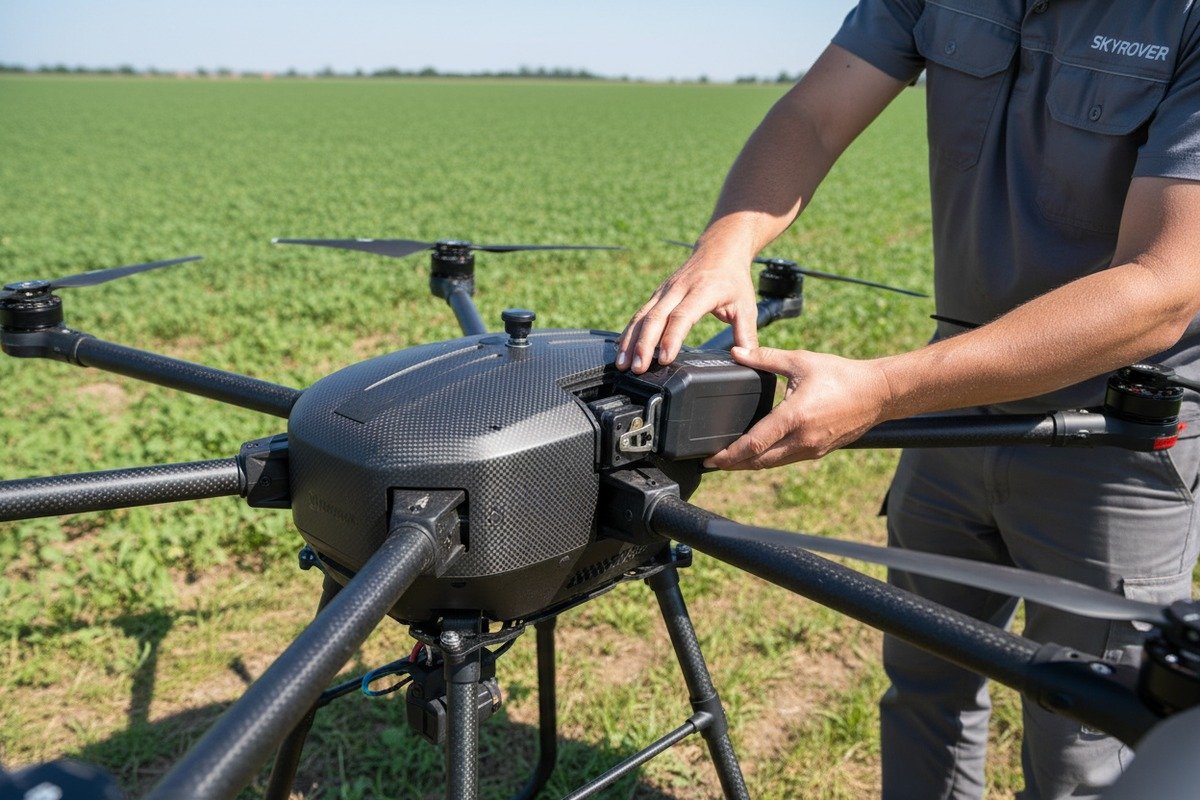
في كل موسم، نسمع نفس القصة من المزارعين متوسط الوقت بين الأعطال 1. تتعطل طائرة بدون طيار أثناء الرش. الحقل ينتظر. المحاصيل تعاني. عندما صمم فريق الهندسة لدينا خط إنتاج طائرات الهيكساكوبتر لأول مرة، درسنا نقاط الألم هذه عن كثب رسم خرائط LiDAR 2. كانت المشكلة واضحة: استغرقت الطائرات بدون طيار التقليدية أيامًا لإصلاحها.
لتقييم التصميم المعياري للإصلاحات السريعة، تحقق من إمكانية استبدال المكونات بدون أدوات، والموصلات القياسية، والمتانة المثبتة ميدانيًا. أعط الأولوية للطائرات المسيرة التي يمكن فصل بطارياتها وأجهزة الاستشعار وأنظمة الرش ووحدات الدفع في دقائق. تحقق من توفر قطع الغيار ودعم الشركة المصنعة لاحتياجات الصيانة طويلة الأجل.
هذا الدليل يأخذك عبر كل ما تحتاج إلى معرفته. سنغطي طرق التحقق، والمكونات الرئيسية، وتقليل وقت التوقف عن العمل، وأسئلة الموردين. دعنا نبدأ.
كيف يمكنني التحقق من أن التصميم المعياري للطائرة بدون طيار سيبسط بالفعل إصلاحاتي في الموقع؟
خلال اختبارات مراقبة الجودة 3, ، اكتشفنا شيئًا مفاجئًا. تدعي العديد من الطائرات بدون طيار أنها ذات تصميم معياري ولكنها تفشل في ظروف الحقل الحقيقية. الغبار والرطوبة والاهتزاز تكشف نقاط الضعف بسرعة. يتطلب التحقق اختبارًا عمليًا، وليس مجرد أوراق مواصفات.
تحقق من التصميم المعياري عن طريق إجراء اختبارات تبديل عملية، والتحقق من متانة الموصلات، وتوقيت الإصلاحات الفعلية. اطلب وحدة عرض توضيحي، وقم بمحاكاة فشل المكونات، وتأكد من أن البدائل لا تتطلب أدوات متخصصة. قم بإجراء اختبار ميداني في ظل ظروف الإجهاد الزراعي قبل الشراء.

ابدأ باختبار تبديل عملي
الكلمات المكتوبة لا تعني شيئًا إذا فشلت الطائرة بدون طيار في حقلك. عند تقييم أي طائرة زراعية بدون طيار 4, ، اطلب عرضًا توضيحيًا فعليًا. قم بإزالة وإعادة تثبيت الوحدات الرئيسية بنفسك. قم بتوقيت كل تبديل باستخدام ساعة توقيت.
غالبًا ما يزور شركاؤنا في التصدير في الولايات المتحدة منشأتنا لهذا الغرض بالضبط. يريدون رؤية مدى سرعة فصل خزان الرش. يختبرون ما إذا كانت البطارية تغلق بإحكام بعد إدخالات متعددة. يتحققون مما إذا كانت وحدات GPS تعيد الاتصال دون تأخير في المعايرة.
تسمح لك الطائرة بدون طيار المعيارية الحقيقية بتبديل مضخة رش معيبة في أقل من ثلاث دقائق. إذا استغرق أي تبديل أكثر من خمس دقائق أو تطلب أدوات خاصة، ابتعد.
فحص جودة الموصلات
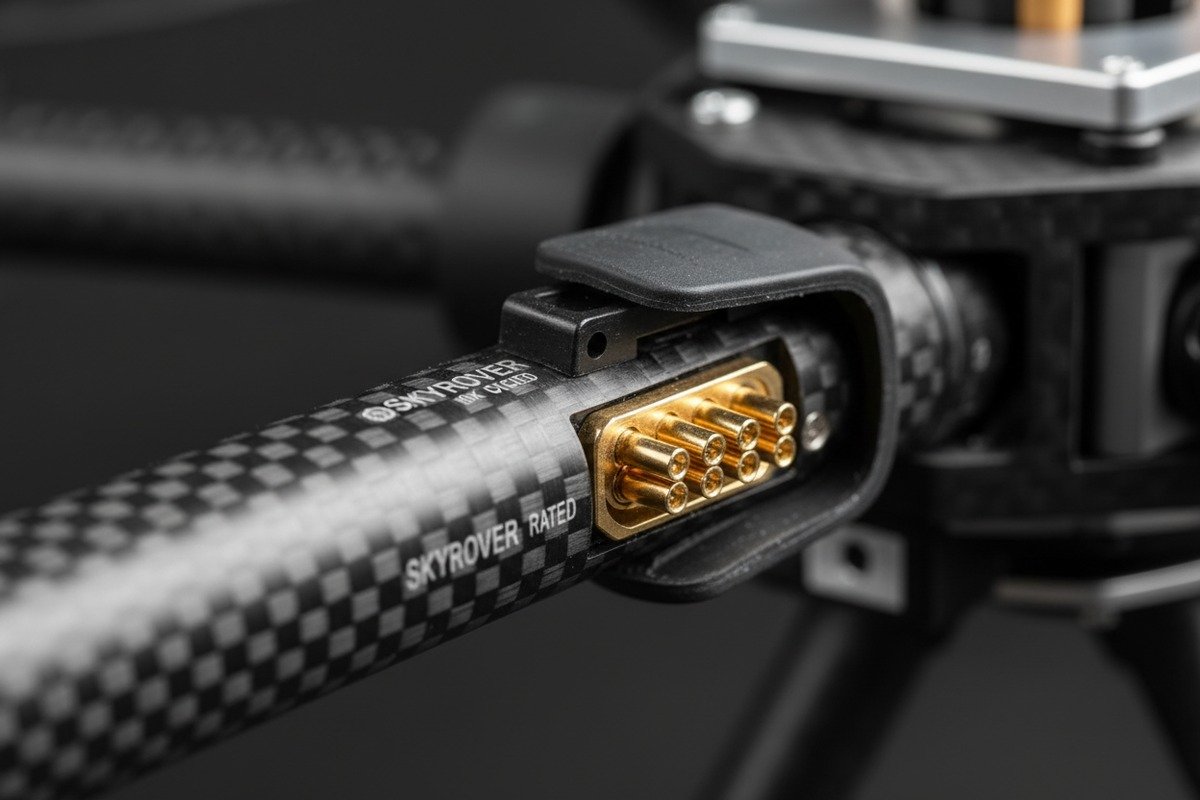
الموصلات هي نقطة الضعف المخفية. الموصلات البلاستيكية الرخيصة تتشقق. تتآكل الدبابيس ذات التصميم السيئ. عندما يقوم خط الإنتاج لدينا بتوريد الموصلات، نختبرها لـ 10000 دورة إدخال كحد أدنى.
ابحث عن هذه الميزات:
- تمنع الموصلات المطلية بالذهب التآكل
- تمنع آليات القفل الفصل العرضي
- تحمي أغطية الغبار المنافذ المكشوفة
- تسمح مزلاجات التحرير السريع بالإزالة بدون أدوات
اختبر تحت ظروف حقيقية
صالة عرض نظيفة لا تخبرك شيئًا. تواجه طائرات الدرون الزراعية سحب الغبار وبقايا المواد الكيميائية وندى الصباح وتقلبات درجات الحرارة. قبل الشراء، عرّض الطائرة بدون طيار لهذه الظروف.
| نوع الاختبار | ما الذي يجب التحقق منه | معايير النجاح |
|---|---|---|
| التعرض للغبار | إحكام إغلاق الموصل | لا توجد حطام في المنافذ بعد 30 دقيقة |
| اختبار الرطوبة | غلاف الوحدة | لا يوجد تسرب للمياه بعد الرش الخفيف |
| اختبار الاهتزاز | آليات القفل | تبقى الوحدات آمنة أثناء الطيران |
| دورة درجة الحرارة | توصيلات البطارية | اتصال ثابت بعد التعرض للحرارة/البرودة |
| تبديلات متكررة | تآكل الموصل | لا ارتخاء بعد 50 إدخالاً |
مراجعة بيانات MTBF
متوسط الوقت بين الأعطال 5 يخبرك بمدة استمرار المكونات. ينشر المصنعون ذوو السمعة الطيبة هذه البيانات. وحدات التحكم في الطيران لدينا، على سبيل المثال، تظهر تصنيفات MTBF تتجاوز 5000 ساعة. اطلب من موردك بيانات موثوقية موثقة. إذا لم يتمكنوا من تقديمها، فاعتبر ذلك علامة حمراء.
ما هي المكونات الرئيسية التي يجب أن أبحث عنها للتأكد من أن طائرتي الزراعية المسيرة تسمح باستبدال سريع للأجزاء؟
عندما يصمم فريق البحث والتطوير لدينا طائرات زراعية بدون طيار جديدة، نركز على المكونات المعرضة للفشل أولاً. تتحلل البطاريات. تسد فوهات الرش. تتلف المستشعرات. يجب تبديل هذه الأجزاء بسرعة. تحديدها قبل الشراء يوفر عليك الكثير من المتاعب لاحقًا.
تشمل المكونات المعيارية الرئيسية البطاريات وأنظمة الرش ووحدات الدفع ووحدات GPS/RTK والكاميرات وأجهزة الاستشعار. يجب أن ينفصل كل منها بدون أدوات وأن يعاد توصيله بدون إعادة معايرة. إعطاء الأولوية للطائرات بدون طيار ذات الواجهات القياسية التي تقبل حمولات قابلة للتبديل لمرونة المهام المتعددة.
وحدات البطارية
تفشل البطاريات في أغلب الأحيان. تقلل دورات الحرارة وتآكل الشحن والعمر الافتراضي من السعة. تنزلق بطارية وحدات في ثوانٍ. ابحث عن:
- تحرير قفل بدون أدوات
- إمكانية التبديل السريع أثناء العمليات
- توافق شحن عالمي
- مؤشرات سعة واضحة
تستخدم بطاريات الهيكساكوبتر الخاصة بنا أقواس سريعة التحرير. يقوم مشغلو الميدان بتبديل الوحدات المستنفدة دون إيقاف تشغيل النظام الرئيسي. يتيح ذلك الرش المستمر عبر الحقول الكبيرة.
مكونات نظام الرش
تواجه أنظمة الرش التآكل الكيميائي والانسداد. يجب فصل الخزانات والمضخات ومصفوفات الفوهات المعيارية عن هيكل الطائرة بشكل مستقل.
| المكوّن | تكرار الاستبدال | وقت التبديل المثالي |
|---|---|---|
| خزان الرش | موسمي أو حسب الحاجة | أقل من دقيقتين |
| وحدة المضخة | كل 500-1000 ساعة | أقل من 5 دقائق |
| مصفوفة الفوهات | فحص شهري | أقل من دقيقة |
| مستشعر التدفق | الاستبدال السنوي | أقل من 3 دقائق |
| وصلات الخراطيم | حسب الحاجة | أقل من دقيقة |
وحدات الدفع
تتعرض المحركات والمراوح للإجهاد. تتطلب الاصطدامات، وضربات الحطام، وتآكل المحامل استبدالًا متكررًا. تنفصل أذرع الدفع المعيارية كوحدات كاملة. يلغي هذا النهج الحاجة إلى تفكيك حوامل المحركات، أو إعادة توصيل أسلاك وحدات التحكم الإلكترونية في السرعة (ESCs)، أو إعادة معايرة وحدات التحكم في الطيران.
تستخدم أذرعنا المصنوعة من ألياف الكربون نقاط تثبيت قياسية. تقوم بإزالة أربعة مسامير، وفصل موصل واحد، وترتفع الذراع بأكملها بعيدًا. يتم توصيل الذراع البديلة وتتم معايرتها تلقائيًا.
وحدات نظام تحديد المواقع العالمي (GPS) ونظام تحديد المواقع العالمي (RTK)
يتطلب الزراعة الدقيقة دقة على مستوى السنتيمتر. وحدات نظام تحديد المواقع العالمي (RTK) 6 تمكّن ذلك. وحدات نظام تحديد المواقع العالمي (GPS) ونظام تحديد المواقع العالمي (RTK) 7 لكن هوائيات نظام تحديد المواقع العالمي (GPS) تتلف. تتطلب تحديثات البرامج الثابتة الوصول إلى الوحدة. تأكد من أن طائرتك بدون طيار تسمح بإزالة وحدة نظام تحديد المواقع العالمي (GPS) دون تفكيك هيكل الطائرة.
حمولات المستشعرات والكاميرات
تخدم الطائرات الزراعية بدون طيار أغراضًا متعددة. الرش اليوم، والتصوير متعدد الأطياف غدًا،, رسم خرائط LiDAR 8 الأسبوع المقبل. تستوعب حجيرات الحمولة القابلة للتبديل هذه التنوع. ابحث عن قضبان تثبيت عالمية وموصلات بيانات قياسية.
تكامل التشخيص الذكي
تتضمن الأنظمة المعيارية المتقدمة مراقبة الصحة. تقوم الوحدات بالإبلاغ عن حالتها إلى وحدة التحكم في الطيران. عندما يظهر مكون تدهورًا، تتلقى تنبيهات قبل الفشل. يمنع الاستبدال الاستباقي الأعطال في الميدان.
كيف سيساعدني اختيار نظام طائرات بدون طيار معياري في تقليل وقت التوقف عن العمل خلال موسم الرش المزدحم؟
يخبرنا شركاؤنا في التوزيع بالولايات المتحدة بقصص كل موسم حصاد. طائرة بدون طيار واحدة معطلة تعني ثلاثة أيام انتظارًا للإصلاحات. أصيبت المحاصيل بالآفات. انخفضت المحاصيل. عندما قدمنا الهندسة المعيارية، تغيرت تلك المكالمات. الآن يقومون بتبديل الوحدات ويواصلون الرش.
تقلل الطائرات المسيرة المعيارية من وقت التوقف عن العمل من خلال تمكين الإصلاحات السريعة في دقائق بدلاً من الانتظار لساعات طويلة. يقوم فنيو الميدان باستبدال المكونات المعيبة في الموقع دون الحاجة إلى مهارات متخصصة. يضمن مخزون الوحدات الاحتياطية الإصلاحات الفورية. هذا يحافظ على استمرار العمليات خلال نوافذ الرش الحرجة عندما تكون كل ساعة مهمة.
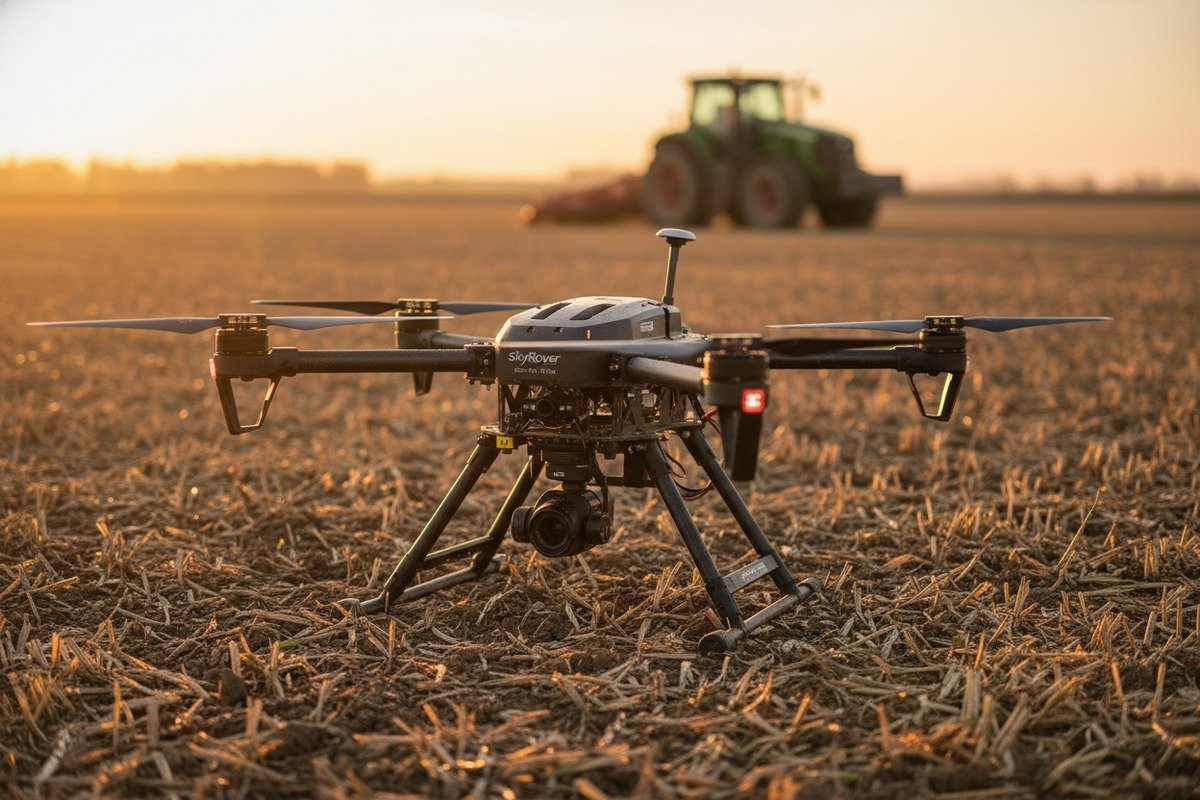
الرياضيات وراء تقليل وقت التوقف عن العمل
تتبع إصلاحات الطائرات بدون طيار التقليدية نمطًا مؤلمًا. شحن الوحدة إلى مركز خدمة. انتظار التشخيص. انتظار قطع الغيار. انتظار إعادة التجميع. انتظار الشحن المرتجع. تستغرق هذه العملية من أسبوع إلى أسبوعين على الأقل.
تحدث الإصلاحات المعيارية بشكل مختلف. تحديد الوحدة المعيبة. احصل على قطعة غيار من شاحنتك. استبدال في ثلاث دقائق. استئناف العمليات.
| سيناريو الإصلاح | طائرة بدون طيار تقليدية | طائرة بدون طيار معيارية |
|---|---|---|
| فشل البطارية | 1-2 يوم (شحن بديل) | 30 ثانية (تبديل) |
| خلل في مضخة الرش | 3-5 أيام (مركز خدمة) | 4 دقائق (تبديل الوحدة) |
| احتراق المحرك | 5-7 أيام (إصلاح كامل) | 5 دقائق (تبديل الذراع) |
| مشاكل انحراف نظام تحديد المواقع العالمي (GPS) | 2-3 أيام (إعادة المعايرة) | دقيقتان (تبديل الوحدة) |
| تلف الكاميرا | 4-6 أيام (استبدال) | دقيقة واحدة (تبديل الحمولة) |
Building Your Spare Parts Strategy
يتطلب تقليل وقت التوقف عن العمل تخطيطًا للمخزون. قم بتخزين الوحدات الهامة قبل موسم الذروة. تظهر تجربتنا هذه الأولويات:
- البطاريات – احتفظ بـ 3-4 قطع غيار لكل طائرة بدون طيار
- مضخات الرش – قطعة غيار واحدة لكل طائرة بدون طيار
- أذرع الدفع – قطعتان غيار لكل أسطول
- تجميعات الفوهة – قطع غيار متعددة (تآكل عالي)
- وحدات GPS – قطعة غيار واحدة لكل أسطول
تدريب فنيي الميدان
التصميم المعياري يبسط التدريب. يتعلم فريقك تحديد المكونات، وليس إصلاح الإلكترونيات المعقدة. يتقن الفني تبديل البطاريات في جلسة واحدة. يستغرق استبدال نظام الرش فترة ما بعد الظهيرة من التدريب.
نقدم مقاطع فيديو تدريبية مع كل شحنة طائرات بدون طيار. توضح الأدلة المرئية كل خطوة تبديل خطوة بخطوة. تشير فرق العمل الميدانية إلى هذه الأدلة على الأجهزة اللوحية أثناء الإصلاحات الفعلية.
دراسة حالة: عملية واسعة النطاق
يدير أحد شركائنا الأوروبيين 5000 هكتار من القمح. خلال موسمهم لعام 2024، واجهوا سبع حالات فشل في المكونات عبر أسطولهم. باستخدام طائرات بدون طيار معيارية، بلغ إجمالي وقت التوقف عن العمل 47 دقيقة مجتمعة. في العام السابق، مع وحدات غير معيارية، تسببت حالات فشل مماثلة في 11 يومًا من الإنتاجية المفقودة.
الفرق؟ احتفظوا بثلاث مجموعات وحدات احتياطية في مركبتهم الميدانية. أصبح كل فشل انقطاعًا لمدة خمس دقائق بدلاً من أزمة استمرت أسبوعًا.
عمليات الأسراب وتناوب البطاريات
بالنسبة لعمليات الحقول الكبيرة، تزيد أسراب الطائرات بدون طيار من الكفاءة. تعمل طائرات بدون طيار متعددة في وقت واحد. عندما تحتاج وحدة ما إلى شحن البطارية، تستمر وحدة أخرى في الرش. تتيح أنظمة البطاريات المعيارية هذا التناوب دون الحاجة إلى هبوط الأسطول بأكمله.
أفاد عملاؤنا بعمليات مستمرة لمدة 8 ساعات باستخدام تناوب البطاريات. يقوم فريق من الطائرات بدون طيار بالرش بينما تقوم مجموعة أخرى بالشحن. يستغرق التبديل 30 ثانية. تصل التغطية إلى 21 هكتارًا في الساعة دون أي انقطاع.
ما هي الأسئلة التي يجب أن أطرحها على المورد الخاص بي لضمان أن تصميمه المعياري يدعم احتياجاتي طويلة الأجل للصيانة وقطع الغيار؟
عندما نلتقي بالمشترين المحتملين، يطرح أفضل العملاء أسئلة صعبة. يفكرون فيما وراء الشراء الأولي. يخططون لسنوات من التشغيل. تكشف هذه المحادثات ما إذا كان المورد يدعم حقًا الخدمة المعيارية أم أنه يستخدمها فقط ككلمة طنانة تسويقية.
اسأل الموردين عن مخزون قطع الغيار، وأوقات التسليم، وتوافق الوحدات عبر الأجيال، وتغطية الضمان للمكونات الفردية، وشبكات الخدمة الإقليمية، وجودة الوثائق. اطلب التزامات مكتوبة بشأن توفر قطع الغيار لمدة خمس سنوات أو أكثر. تحقق من وجود دعم إصلاح محلي في منطقة التشغيل الخاصة بك.

قائمة الأسئلة الأساسية
استخدم هذا الإطار عند تقييم أي مورد للطائرات الزراعية بدون طيار. وثق إجاباتهم كتابيًا.
أسئلة توفر قطع الغيار:
- ما هي الوحدات الاحتياطية التي تخزنونها حاليًا؟
- ما هو وقت التسليم المعتاد لقطع الغيار؟
- هل تحتفظون بمستودعات إقليمية أم تشحنون فقط من المقر الرئيسي؟
- ما هو الحد الأدنى لكمية الطلب للوحدات الاحتياطية؟
- How long will you guarantee parts availability after purchase?
أسئلة التوافق:
- هل ستعمل الوحدات الحالية مع أجيال الطائرات بدون طيار المستقبلية؟
- هل تستخدمون موصلات خاصة أم قياسية؟
- هل يمكنني الحصول على قطع متوافقة من موردين خارجيين؟
- ماذا يحدث إذا توقف تصميم وحدة معينة؟
أسئلة الدعم:
- هل تقدمون دعمًا تشخيصيًا عن بُعد؟
- هل يمكنكم تقديم مساعدة فنية في الموقع؟
- ما هي موارد التدريب التي تأتي مع الشراء؟
- من يتعامل مع مطالبات الضمان للوحدات الفردية؟
علامات حمراء يجب الانتباه إليها
يقول بعض الموردين الأشياء الصحيحة ولكنهم يفشلون في الممارسة العملية. انتبه لهذه العلامات التحذيرية:
| العلم الأحمر | ما أهمية ذلك |
|---|---|
| لا توجد قائمة أجزاء منشورة | قد لا يحتفظون بالمكونات بشكل موثوق |
| إجابات غامضة حول وقت التسليم | توقع أسابيع أو أشهر من الانتظار |
| موصلات خاصة فقط | أنت مقيد بنظامهم البيئي |
| لا يوجد دعم إقليمي | الإصلاحات الطارئة تتطلب شحنًا دوليًا |
| فترات ضمان قصيرة | يفتقرون إلى الثقة في متانة الوحدة |
| لا توجد التزامات مكتوبة | الوعود الشفهية لا تعني شيئًا |
التفاوض على الدعم طويل الأجل
قبل توقيع أي اتفاقية شراء، تفاوض على شروط الدعم كتابيًا. تتضمن عقودنا مع الموزعين في الولايات المتحدة ما يلي:
- ضمان توفر قطع الغيار لمدة خمس سنوات
- خيار الشحن الطارئ خلال 48 ساعة
- تغطية ضمان على مستوى الوحدة
- تحديثات مجانية للبرامج الثابتة مدى الحياة
- إجراءات إصلاح موثقة
بناء علاقة المورد الخاصة بك
أفضل علاقات الموردين تتجاوز المعاملات. قم بزيارة منشأتهم إن أمكن. قابل فريق الهندسة. افهم قدرة إنتاجهم. يختلف المصنع الذي يضم 70 شخصًا وخطوط إنتاج مخصصة اختلافًا كبيرًا عن شركة تجارية تستعين بمصادر من مصانع متعددة.
نرحب بجولات المنشأة في مقرنا الرئيسي في شيان. يرى المشترون تصنيع ألياف الكربون لدينا، وبرمجة وحدة التحكم في الطيران، واختبار الجودة. تبني هذه الشفافية الثقة في قدرة الدعم طويلة الأجل.
اعتبارات الاستعداد للمستقبل
تتطور التكنولوجيا بسرعة. اسأل الموردين عن مسار الترقية الخاص بهم. هل ستعمل الوحدات المعززة بالذكاء الاصطناعي مع هياكل الطائرات الحالية؟ هل يمكن لتحديثات البرامج تحسين الأجهزة الحالية؟ هل يستوعب التصميم تقنيات الاستشعار المستقبلية؟
تستخدم بنيتنا المعيارية بروتوكولات اتصال موحدة. عندما نطلق وحدات RTK محسّنة أو وحدات تحكم رش محسّنة، فإنها تتكامل مع الأساطيل الحالية. يقوم العملاء بالترقية تدريجيًا بدلاً من استبدال الأنظمة بأكملها.
الخاتمة
يتطلب تقييم التصميم المعياري اختبارًا عمليًا، وفحصًا للمكونات، وتحليلًا لوقت التوقف عن العمل، والتحقق من المورد. أعط الأولوية للتبديلات التي لا تتطلب أدوات، والمتانة المثبتة، وتوفر قطع الغيار المضمون. يعتمد حصادك على طائرات بدون طيار يتم إصلاحها في دقائق، وليس أيام.
الحواشي
1. يوفر تعريفًا وشرحًا واضحًا لمتوسط الوقت بين الأعطال (MTBF) كمقياس للموثوقية. ︎
2. يشرح طريقة الاستشعار عن بعد المستخدمة لرسم خرائط التضاريس. ︎
3. يحدد مراقبة الجودة وأنواعها والطرق الشائعة المستخدمة لضمان معايير المنتج. ︎
4. يقدم نظرة عامة شاملة على الطائرات الزراعية بدون طيار واستخداماتها وفوائدها. ︎
5. يحدد مقياس الموثوقية المستخدم لتقييم عمر المكون. ︎
6. يشرح تقنية الملاحة عبر الأقمار الصناعية للدقة العالية. ︎
7. يشرح تقنية RTK (الحركية في الوقت الحقيقي)، ووظيفتها، وكيف تعزز دقة نظام تحديد المواقع العالمي (GPS). ︎
8. يشرح تقنية LiDAR، ومبادئ عملها، وتطبيقاتها في رسم الخرائط ثلاثية الأبعاد. ︎

 English
  Español de México
  Deutsch
  Français
  Русский
  العربية
