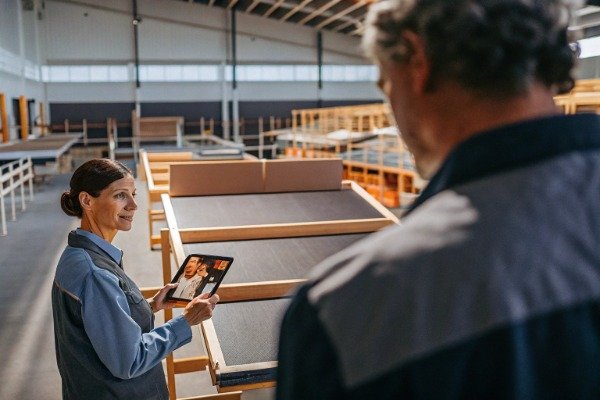
عندما نوجه العملاء عبر منشأتنا في تشنغدو، نلاحظ أن الكثيرين يتجاهلون مناطق السلامة الحرجة. قد يؤدي إغفال هذه التفاصيل إلى فشل تشغيلي كارثي لاحقًا.
يجب عليك طلب رؤية ملاجئ سلامة البطاريات، وظروف تخزين المواد الخام، ومرافق اختبار الطيران، ومناطق التعبئة النهائية. تكشف هذه المناطق عن التزام المورد ببروتوكولات السلامة، وتتبع المكونات، ومعايير مراقبة الجودة الضرورية لعمليات مكافحة الحرائق عالية المخاطر.
دعنا نمر عبر نقاط الفحص المحددة التي تحتاج إلى التحقق منها على شاشتك للتأكد من أنك تختار شريكًا موثوقًا به.
لماذا من المهم فحص منطقة تخزين البطاريات والسلامة؟
يتعامل مهندسونا مع بطاريات الليثيوم بحذر شديد لأن التعامل غير السليم يدمر موثوقية الطائرات بدون طيار. إهمال هذه المنطقة يعرض أسطولك بالكامل لخطر الحريق.
يضمن فحص تخزين البطاريات أن الشركة المصنعة تتبع ضوابط درجة الحرارة الصارمة وبروتوكولات السلامة لحزم الليثيوم عالية الكثافة. يمنع التخزين السليم التدهور ومخاطر الهروب الحراري، مما يضمن أن أنظمة الطاقة ستعمل بشكل موثوق أثناء مهام الاستجابة للطوارئ الحرجة.
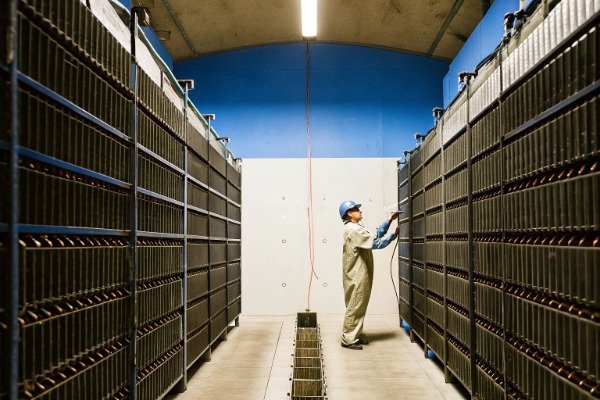
البطارية هي قلب أي طائرة بدون طيار كهربائية لمكافحة الحرائق. على عكس الإلكترونيات الاستهلاكية، تتطلب بطاريات الليثيوم بوليمر (LiPo) أو البطاريات الصلبة عالية الجهد التي نستخدمها ظروفًا بيئية دقيقة للحفاظ على كثافة طاقتها ومعدلات تفريغها. عندما تجري تدقيقًا بالفيديو، لا تكتفِ بإلقاء نظرة سريعة على رف البطاريات. تحتاج إلى البحث عن بنية تحتية محددة تثبت أن الشركة المصنعة تفهم كيمياء مصدر طاقتها.
ليثيوم بوليمر (LiPo) 1
الضوابط البيئية وملاجئ السلامة
بطاريات الليثيوم حساسة للغاية لدرجة الحرارة والرطوبة. إذا قامت المصانع بتخزين البطاريات في مستودع حار وغير جيد التهوية، فإن التركيب الكيميائي داخل الخلايا يبدأ في التدهور على الفور. ينتج عن ذلك "انتفاخ" أو تورم، مما يقلل بشكل كبير من وقت الطيران ويمكن أن يتسبب في انقطاع مفاجئ للطاقة أثناء الطيران.
أثناء مكالمة الفيديو الخاصة بك، اطلب من مشغل الكاميرا الدخول إلى غرفة تخزين البطاريات. يجب أن ترى بيئة يتم التحكم في درجة حرارتها، ويفضل أن تكون بين 20 درجة مئوية و 25 درجة مئوية. ابحث عن مقاييس الرطوبة الصناعية على الجدران لمراقبة مستويات الرطوبة. علاوة على ذلك، السلامة أمر بالغ الأهمية. نقوم بتخزين حزمنا عالية السعة في خزائن مقاومة للحريق أو "ملاجئ" مخصصة مصممة لاحتواء حدث هروب حراري. إذا رأيت بطاريات مكدسة بشكل غير محكم على منصات خشبية أو بالقرب من مواد قابلة للاشتعال، فهذه علامة حمراء كبيرة. يشير ذلك إلى نقص في ثقافة السلامة التي من المحتمل أن تمتد إلى بقية عملية التصنيع الخاصة بهم.
مقاييس الرطوبة الصناعية 2
بروتوكولات الشحن والصيانة
لا يمكن للبطاريات أن تجلس ببساطة على الرف لعدة أشهر. يجب صيانتها عند جهد تخزين (عادة حوالي 3.8 فولت لكل خلية) لمنع التلف. اطلب رؤية منطقة محطة الشحن. يجب أن ترى شواحن موازنة ذكية وسجلات توثق دورات صيانة المخزون. سيكون لدى الشركة المصنعة المحترفة نظام "الوارد أولاً، الصادر أولاً" (FIFO) لضمان عدم استلامك مخزونًا قديمًا فقد سعته قبل مغادرته الصين.
الجدول 1: مؤشرات حمراء وخضراء لتخزين البطاريات
| الميزة | ضوء أخضر (شركة مصنعة محترفة) | علامة حمراء (مورد عالي المخاطر) |
|---|---|---|
| حاوية التخزين | خزائن أمان مقاومة للحريق أو ملاجئ مقاومة للانفجار. | أرفف خشبية مفتوحة أو صناديق كرتونية على الأرض. |
| التحكم في المناخ | وحدات تكييف هواء مخصصة مع شاشات مرئية لدرجة الحرارة/الرطوبة. | بيئة مستودع عامة بدون تحكم في المناخ. |
| إدارة المخزون | تتبع رقمي لفحوصات الجهد ودورات الصيانة. | لا توجد سجلات؛ البطاريات مغطاة بالغبار أو مختلطة عشوائيًا. |
| معدات السلامة | طفايات حريق (الفئة D للمعادن) ودلاء رمل قريبة. | لا توجد معدات إطفاء حريق مرئية في المنطقة المباشرة. |
هل يجب أن أطلب رؤية مرفق اختبار الطيران أو ميدان الاختبار الخارجي؟
نحن لا نقوم أبدًا بشحن وحدة بدون التحقق الصارم في الهواء الطلق، ومع ذلك يرضى العديد من المشترين ببيانات المختبر. الأداء في العالم الحقيقي هو المقياس الوحيد الذي يهم حقًا.
يجب عليك الإصرار على رؤية مرافق اختبار الطيران في الهواء الطلق للتحقق من الاستقرار تحت مقاومة الرياح والظروف الواقعية. لا يمكن للأقفاص الداخلية محاكاة البيئات غير المتوقعة التي تواجهها طائرات مكافحة الحرائق بدون طيار، مما يجعل التحقق في الهواء الطلق ضروريًا لإثبات سعة الحمولة وقدرة الطيران.
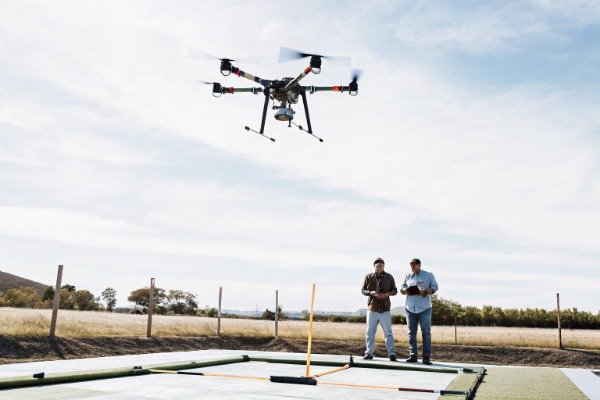
من السهل جعل طائرة بدون طيار تحوم بشكل مثالي في غرفة داخلية خالية من الرياح ومكيفة الهواء. ومع ذلك، تعمل طائرات مكافحة الحرائق بدون طيار في بعض من أكثر البيئات عدائية التي يمكن تخيلها. إنها تواجه حرارة عالية، وهواء مضطرب ناتج عن الحرائق، وتداخل رذاذ الماء. لذلك، فإن قفص الطيران الداخلي غير كافٍ للتحقق من جاهزية الآلة الصناعية. تحتاج إلى التحقق من أن الشركة المصنعة لديها إمكانية الوصول إلى، وتستخدم، حقل اختبار خارجي مناسب.
التحقق من مقاومة الرياح واستقرار نظام تحديد المواقع العالمي (GPS)
عندما نختبر طائراتنا، نأخذها إلى الخارج للتأكد من أن وحدة نظام تحديد المواقع العالمي (GPS) يمكنها الاتصال بالأقمار الصناعية دون تدخل. في تدقيق بالفيديو، اطلب من المورد أن يريك سجل طيرانك الخارجي أو يأخذك إلى الميدان إذا سمح الوقت بذلك. تريد أن ترى كيف تتصرف الطائرة بدون طيار في الرياح. هل تحتفظ بموضعها بقوة، أم أنها تنحرف؟
وحدة نظام تحديد المواقع العالمي (GPS) 3
غالبًا ما تحمل طائرات مكافحة الحرائق بدون طيار حمولات ثقيلة، مثل كرات إطفاء الحرائق أو خزانات السوائل. يجب أن يعمل وحدة التحكم في الطيران بجهد أكبر لتحقيق الاستقرار لطائرة بدون طيار محملة في رياح بسرعة 15 عقدة مقارنة بطائرة فارغة في المختبر. اطلب من الشركة المصنعة إظهار "اختبار طيران محمل". إذا رفضوا أو قدموا عروضًا داخلية فقط، فقد يكونون يخفون مشاكل استقرار لن تظهر إلا عندما تكون في منتصف عملية طارئة.
اختبار التحمل تحت الحمل
جانب آخر حاسم للتحقق منه هو وقت الطيران الفعلي مقابل وقت الطيران المعلن. غالبًا ما تسرد المواد التسويقية أوقات الطيران بناءً على التحويم على مستوى سطح البحر دون رياح وبدون حمولة. هذا غير واقعي.
في منطقة الاختبار، ابحث عن دليل على "اختبار التحمل". يتضمن هذا عادةً طائرات بدون طيار تحوم أو تطير بأنماط مع أوزان وهمية مرفقة تحاكي وزن حمولة المهمة الفعلية. نقوم بتسجيل هذه الجلسات لإنشاء خط أساس لأداء البطارية. من خلال رؤية هذه المنشأة، يمكنك طرح أسئلة محددة مثل، "كيف يتغير وقت الطيران عندما تتضاعف سرعة الرياح؟" سيكون لدى الشركة المصنعة التي تختبر في الهواء الطلق بنشاط إجابات فورية مدعومة بالبيانات. على العكس من ذلك، من المرجح أن يقدم لك المورد الذي يعتمد فقط على الحسابات النظرية تقديرات غامضة.
H3 – معايرة الكاميرا الحرارية
نظرًا لأن معظم طائرات مكافحة الحرائق بدون طيار مجهزة بكاميرات تصوير حراري لتحديد النقاط الساخنة، فإن مجال الاختبار الخارجي هو أيضًا المكان الذي نتحقق فيه من دقة المستشعر. تحتاج الكاميرات الحرارية إلى معايرتها مقابل أجسام ذات درجات حرارة معروفة في ظروف محيطة متغيرة. اطلب رؤية الأهداف التي يستخدمونها لهذه المعايرة. هل يستخدمون أهدافًا حرارية احترافية، أم مجرد توجيه الكاميرا إلى مبانٍ عشوائية؟ يمكن أن تكون دقة هذه المستشعرات هي الفرق بين تحديد موقع ضحية في الدخان أو تفويته تمامًا.
كاميرات التصوير الحراري 4
كيف يمكنني التحقق من تنظيم مستودع المواد الخام؟
في مصنعنا، نتتبع كل برغي ولوح من ألياف الكربون إلى مصدره. غالبًا ما تشير المستودعات غير المنظمة إلى ضعف مراقبة الجودة ومشكلات محتملة في سلسلة التوريد.
يوضح المستودع المنظم جيدًا للمواد الخام قدرة الشركة المصنعة على إدارة سلاسل التوريد وضمان إمكانية تتبع المكونات. يؤكد التحقق من هذه المنطقة أن الأجزاء الهامة مثل المحركات وألياف الكربون مخزنة بشكل صحيح، مما يمنع تلف الرطوبة ويضمن جودة إنتاج متسقة.
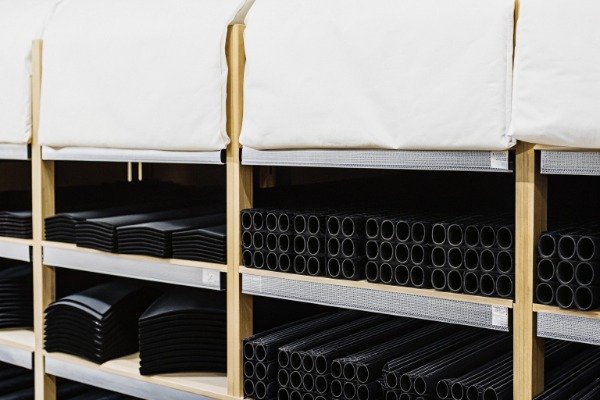
غالبًا ما تكون حالة مستودع المواد الخام هي الانعكاس الأكثر صدقًا للإدارة الداخلية للشركة. إذا كان المدخل فوضويًا، فسيكون المخرج غير متسق. عندما نقوم بتوريد مكونات لطائراتنا الصناعية، نتعامل مع آلاف الأجزاء - من رقائق وحدة التحكم في الطيران الصغيرة إلى قوالب هياكل ألياف الكربون الكبيرة. إذا لم تتم إدارة هذه بدقة عسكرية، فإن خطر استخدام البرغي الخاطئ أو محرك تالف يزداد بشكل كبير.
أهمية إمكانية تتبع المكونات
أثناء جولتك بالفيديو، اطلب رؤية نظام الترميز على الرفوف. يجب أن تبحث عن رموز شريطية أو رموز QR على كل حاوية. يشير هذا إلى استخدام نظام تخطيط موارد المؤسسات (ERP). لماذا هذا مهم بالنسبة لك؟ لأنه إذا تم اكتشاف أن دفعة معينة من المحركات بها عيب بعد عامين، فيمكن للشركة المصنعة التي لديها نظام ERP قوي تتبع بالضبط الطائرات بدون طيار التي استخدمت محركات من تلك الدفعة وإصدار استدعاء مستهدف.
تخطيط موارد المؤسسات (Enterprise Resource Planning) 5
بدون هذا المستوى من التنظيم، يصبح العيب لعبة تخمين. قد تطلب من مشغل الكاميرا التقاط صندوق عشوائي من الأجزاء وتسأل: "متى وصل هذا، ومن هو المورد؟" إذا لم يتمكن مدير المستودع من الإجابة على ذلك عن طريق مسح الملصق ضوئيًا، فإن إمكانية تتبعه غير موجودة.
حماية المواد الحساسة
بعض المواد المستخدمة في تصنيع الطائرات بدون طيار حساسة للغاية للبيئة. على سبيل المثال، يمكن أن يمتص ألياف الكربون الرطوبة إذا تم تخزينها في بيئة رطبة. إذا حُبست هذه الرطوبة داخل الطبقات أثناء عملية المعالجة أو التجميع، فقد يؤدي ذلك إلى انفصال الطبقات - حيث تنفصل طبقات الإطار تحت الضغط.
ألياف الكربون 6
وبالمثل، فإن المكونات الإلكترونية مثل لوحات الدوائر المطبوعة (PCBs) والمحركات عرضة للتآكل. في مستودعنا، نحتفظ بالإلكترونيات الحساسة في أكياس حاجزة للرطوبة مع عبوات مجففة، وغالبًا ما يتم تخزينها في خزائن جافة. عند فحص المستودع، ابحث عن هذه الإجراءات الوقائية. هل المحركات موضوعة ببساطة في صناديق كرتونية مفتوحة تجمع الغبار؟ أم أنها مغلقة ومحمية؟ ترتبط حالة المواد الخام مباشرة بعمر المنتج النهائي.
الجدول 2: قائمة فحص المستودع
| نقطة التفتيش | ما الذي تبحث عنه | ما أهمية ذلك |
|---|---|---|
| تسمية الصناديق | تسميات واضحة وموحدة مع الباركود/رموز QR. | يضمن عدم اختلاط الأجزاء؛ يتيح إمكانية التتبع. |
| حالة الأرضية | نظيفة، خالية من الحطام، مسارات محددة. | يقلل من تلوث الغبار في المحركات والإلكترونيات. |
| تنظيم الرفوف | العناصر الثقيلة في الأسفل، والعناصر الأخف في الأعلى؛ لا ازدحام. | يمنع التلف المادي للمكونات قبل التجميع. |
| التحكم في الرطوبة | أكياس محكمة الإغلاق للإلكترونيات؛ أجهزة مراقبة الرطوبة في الغرفة. | يمنع تآكل وتفكك الأجزاء الهيكلية. |
ما الذي يجب أن أبحث عنه في مناطق التجميع والتعبئة النهائية؟
لقد رأينا منافسين يشحنون معدات هشة في صناديق واهية، مما يتسبب في تلف عند الوصول. التعبئة والتغليف المناسب هو الخطوة الأخيرة والحاسمة في ضمان الجودة.
تكشف مناطق التجميع والتعبئة النهائية عن اهتمام الشركة المصنعة بالتفاصيل قبل الشحن. يضمن فحص هذه المنطقة أن الكتيبات وقطع الغيار والطائرة بدون طيار نفسها مُعبأة بشكل آمن لتحمل الخدمات اللوجستية الدولية، مما يمنع تلف النقل المكلف وتأخير النشر.
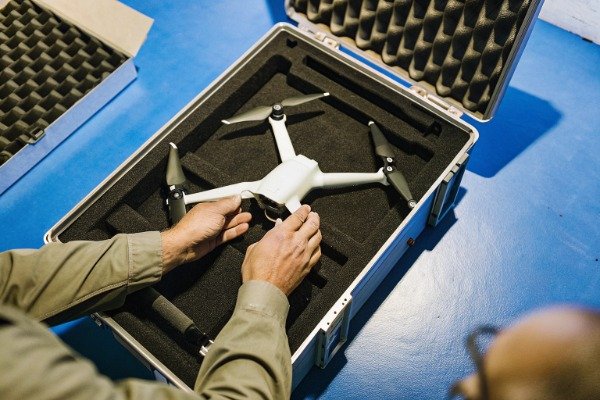
الرحلة من مصنعنا في الصين إلى محطة إطفاء في الولايات المتحدة أو أوروبا طويلة وشاقة. سيتم نقل البضائع بين الشاحنات والطائرات ومستودعات الجمارك. ستتعرض للاهتزازات والسقوط وضغط التكديس. لذلك، فإن منطقة التجميع والتعبئة النهائية ليست مجرد وضع الأشياء في صناديق؛ إنها تتعلق بتصميم غلاف واقٍ لأصل ذي قيمة عالية.
نقاط فحص الجودة النهائية
قبل تعبئة الطائرة بدون طيار، تمر بفحص نهائي "قبل التسليم" (PDI). في مراجعة الفيديو، اطلب رؤية محطة PDI. يجب أن ترى فنيين لديهم قوائم تحقق، وليس مجرد إلقاء نظرة عابرة على الطائرة بدون طيار. يجب أن يتحققوا من علامات عزم الدوران على البراغي - هذه مؤشرات بصرية صغيرة (عادةً طلاء ملون) تُظهر أن البرغي قد تم شده بالمواصفات الصحيحة ولم يرتخِ أثناء الاختبار.
اطلب رؤية قائمة التحقق المحددة التي يستخدمونها لطرازك. يجب أن تغطي إصدارات البرامج الثابتة، وربط الراديو، ووظائف الكاميرا، والسلامة المادية. إذا لم يتمكنوا من تقديم سجل مادي أو رقمي لهذا الفحص النهائي، فلا يوجد ضمان بأن الطائرة بدون طيار كانت تعمل بكامل طاقتها عند مغادرتها المصنع.
معايير التعبئة والتغليف للتصدير
مواد التعبئة والتغليف نفسها تحكي قصة عن وضع المنتج. بالنسبة للطائرات بدون طيار الصناعية لمكافحة الحرائق، فإن الورق المقوى القياسي والستايروفوم غير مقبولين. نستخدم رغوة EVA عالية الكثافة مقطوعة خصيصًا وموجودة داخل علب ألومنيوم أو علب طيران شديدة التحمل.
لوائح اتحاد النقل الجوي الدولي (IATA) 7
أثناء الفحص، اطلب منهم فتح علبة جاهزة للشحن. تحقق من ملاءمة الطائرة بدون طيار في الرغوة. يجب أن تكون محكمة، مع عدم وجود مساحة للحركة. ابحث عن فتحات مخصصة للملحقات. هل تمت إزالة المراوح وتخزينها بشكل مسطح لمنع التواءها؟ هل البطاريات معبأة بشكل منفصل في حجرات آمنة من الحرائق وفقًا للوائح IATA؟
يؤدي إلى تفكك 8
الملحقات والوثائق
أخيرًا، تحقق من تضمين الوثائق الأساسية. نقطة ألم شائعة للمستوردين هي تلقي آلة عالية التقنية مع دليل باللغة الصينية أو بدون دليل على الإطلاق. تحقق من خط التعبئة للحصول على أدلة المستخدم باللغة الإنجليزية وسجلات الصيانة وشهادات التوثيق. أيضًا، ابحث عن "مجموعة قطع الغيار". نقوم دائمًا بتضمين أجزاء التآكل والتلف الأساسية (وسادات معدات الهبوط، براغي إضافية، مخمدات الاهتزاز) لأننا نعلم أنه في الميدان، لا ينبغي لجزء بقيمة 10 سنتات أن يعطل طائرة بدون طيار بقيمة 20 ألف دولار. رؤية هذه المجموعات وهي تُعبأ تؤكد أن الشركة المصنعة تفكر في نجاحك التشغيلي على المدى الطويل.
الفئة D للمعادن 9
الجدول 3: مقارنة جودة التعبئة والتغليف
| العنصر | معيار صناعي احترافي | معيار المستهلك/منخفض النهاية |
|---|---|---|
| الغلاف الخارجي | حقيبة طيران من الألومنيوم أو حقيبة بلاستيكية صلبة على طراز بليكان. | صندوق كرتوني مموج قياسي. |
| الحماية الداخلية | رغوة EVA عالية الكثافة مقطوعة حسب الطلب. | رغوة البوليسترين المقولبة أو غلاف فقاعي. |
| تغليف البطارية | تم تفريغها إلى 30%، الأطراف مغطاة بشريط لاصق، صناديق فردية. | مشحونة بالكامل، سائبة في الصندوق (خطير). |
| التوثيق | أدلة باللغة الإنجليزية، قائمة التعبئة، شهادة مراقبة الجودة، بطاقة الضمان. | دليل باللغة الصينية فقط، أو وثائق مفقودة. |
الخاتمة
إجراء تدقيق فيديو شامل لهذه المجالات الأربعة الحيوية - تخزين البطارية، واختبار الطيران، وتنظيم المستودعات، والتعبئة - يضمن شراكتك مع مُصنِّع يعطي الأولوية للسلامة والجودة بقدر ما تفعل.
مخاطر الهروب الحراري 10
الحواشي
1. يحدد النوع المحدد من كيمياء البطاريات القابلة لإعادة الشحن المستخدمة في هذه الطائرات بدون طيار. ︎
2. يصف الأداة المستخدمة لقياس الرطوبة في منطقة تخزين البطاريات. ︎
3. موقع رسمي للحكومة الأمريكية يشرح تقنية الملاحة عبر الأقمار الصناعية المستخدمة للاستقرار. ︎
4. يوفر خلفية تقنية حول أجهزة الاستشعار بالأشعة تحت الحمراء المستخدمة للكشف عن النقاط الساخنة. ︎
5. يشرح أنظمة البرامج المتكاملة المستخدمة لإدارة سلسلة التوريد والمخزون. ︎
6. يفصل خصائص المادة المركبة المستخدمة لهيكل الطائرة بدون طيار. ︎
7. مصدر رسمي لقواعد السلامة الدولية للنقل الجوي فيما يتعلق بشحنات بطاريات الليثيوم. ︎
8. يحدد وضع فشل المادة حيث تنفصل طبقات المركب بسبب الإجهاد أو الرطوبة. ︎
9. يوضح التصنيف المحدد للحريق المطلوب لإطفاء حرائق المعادن القابلة للاحتراق. ︎
10. يشرح التفاعل الكيميائي المحدد وخطر الحريق المرتبط ببطاريات الليثيوم. ︎
 English
  Español de México
  Deutsch
  Français
  Русский
  العربية
Comments
No comments yet. Be the first to share your thoughts!
Leave a Comment