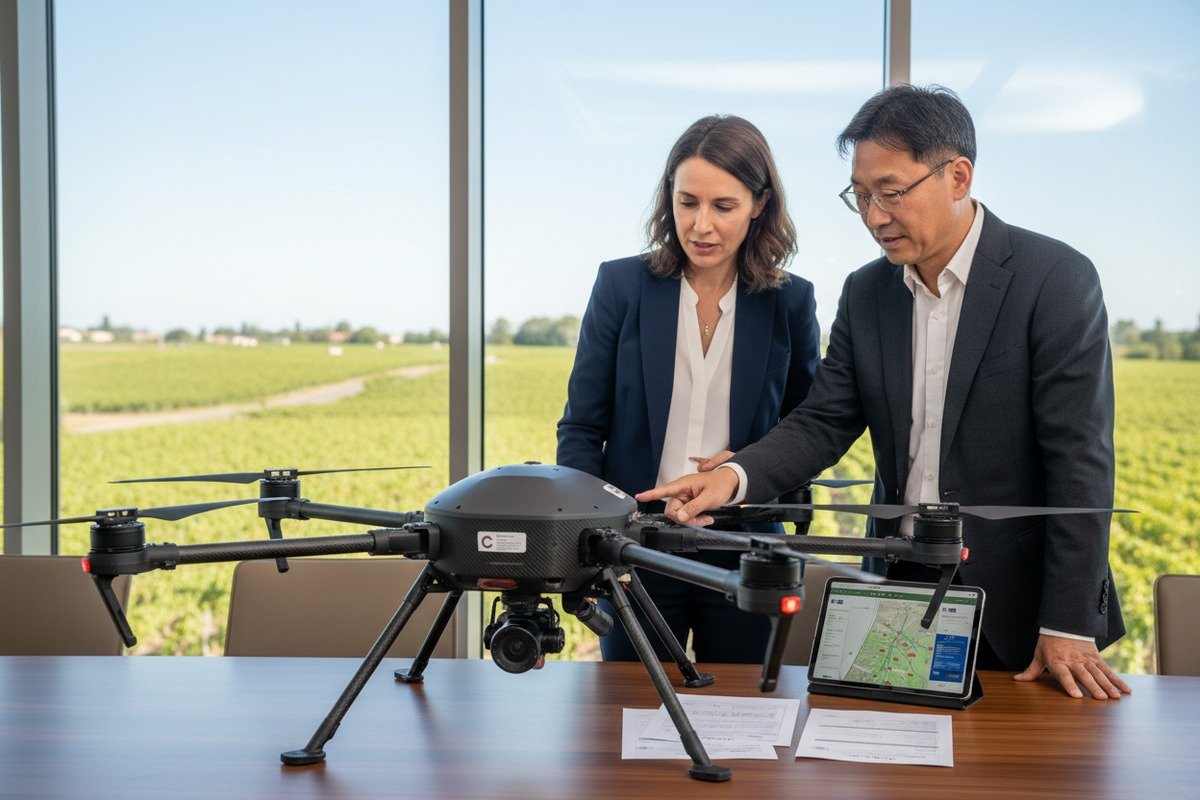
يواجه المزارعون الأوروبيون تحديًا حقيقيًا. إنهم بحاجة إلى طائرات بدون طيار زراعية موثوقة تلبي المتطلبات الصارمة لوائح الاتحاد الأوروبي 1. يكافح الكثيرون للعثور على موردين يفهمون حقًا احتياجات الزراعة المحلية. لقد عمل فريق الهندسة لدينا مع مزارع في جميع أنحاء فرنسا وألمانيا وإسبانيا. نحن نعرف بالضبط الأسئلة التي يجب طرحها قبل توقيع أي عقد.
لتقييم موردي الطائرات بدون طيار الزراعية للزراعة الأوروبية المخصصة، تحقق من شهادات EASA وتصنيف الفئة C، وقيم المواصفات الفنية للمحاصيل المحلية، وراجع بيانات الأداء التي تم اختبارها ميدانيًا، وأكد شبكات الدعم بعد البيع، وتأكد من أن المورد يتعامل مع التسليم من الباب إلى الباب مع تخليص جمركي سلس عبر حدود الاتحاد الأوروبي.
إن سوق الطائرات بدون طيار الزراعية الأوروبية 2 بلغ 7.46 مليار دولار أمريكي في عام 2025. وسينمو إلى 9.59 مليار دولار أمريكي في عام 2026. هذا النمو يعني دخول المزيد من الموردين إلى السوق. ليس كلهم يمكنهم الوفاء بوعودهم. دعني أرشدك خلال العوامل الرئيسية التي يجب مراعاتها.
كيف يمكنني التحقق مما إذا كان مورد الطائرات بدون طيار يفي بجميع شهادات الطيران والسلامة الأوروبية اللازمة؟
قد تبدو التنقل في لوائح الطائرات بدون طيار الأوروبية مرهقة. قضى فريقنا سنوات في تكييف المنتجات للأسواق الأوروبية. لقد تعلمنا أن الشهادة ليست اختيارية. إنها أساس أي عملية ناجحة للطائرات بدون طيار الزراعية.
للتحقق من شهادات الموردين، اطلب إثبات الامتثال لوكالة سلامة الطيران الأوروبية (EASA) للفئة "المحددة"، وتأكيد وضع علامة الفئة C (إلزامي منذ عام 2024)، والتحقق من موافقات هيئة الطيران الوطنية، واطلب تقارير تحليل مخاطر العمليات المحددة (SORA) الموثقة للطائرات بدون طيار التي تزيد وزنها عن 25 كجم المستخدمة في عمليات الرش الزراعي.
فهم الإطار التنظيمي لوكالة سلامة الطيران الأوروبية لعام 2023
إن وكالة الاتحاد الأوروبي لسلامة الطيران الأوروبية 3 قدمت قواعد منسقة في عام 2023. حلت هذه القواعد محل أكثر من 20 نظامًا وطنيًا مختلفًا. قبل ذلك، كان لكل بلد متطلباته الخاصة. الآن، يعمل المشغلون المحترفون بموجب معايير موحدة.
تقسم وكالة سلامة الطيران الأوروبية عمليات الطائرات بدون طيار إلى ثلاث فئات: مفتوحة، محددة، ومعتمدة. تندرج الطائرات بدون طيار الزراعية عادةً ضمن "الفئة المحددة". تغطي هذه الفئة العمليات ذات المخاطر الأعلى مثل رش المبيدات أو الطيران بوزن يزيد عن 25 كجم.
متطلبات وضع علامة الفئة C
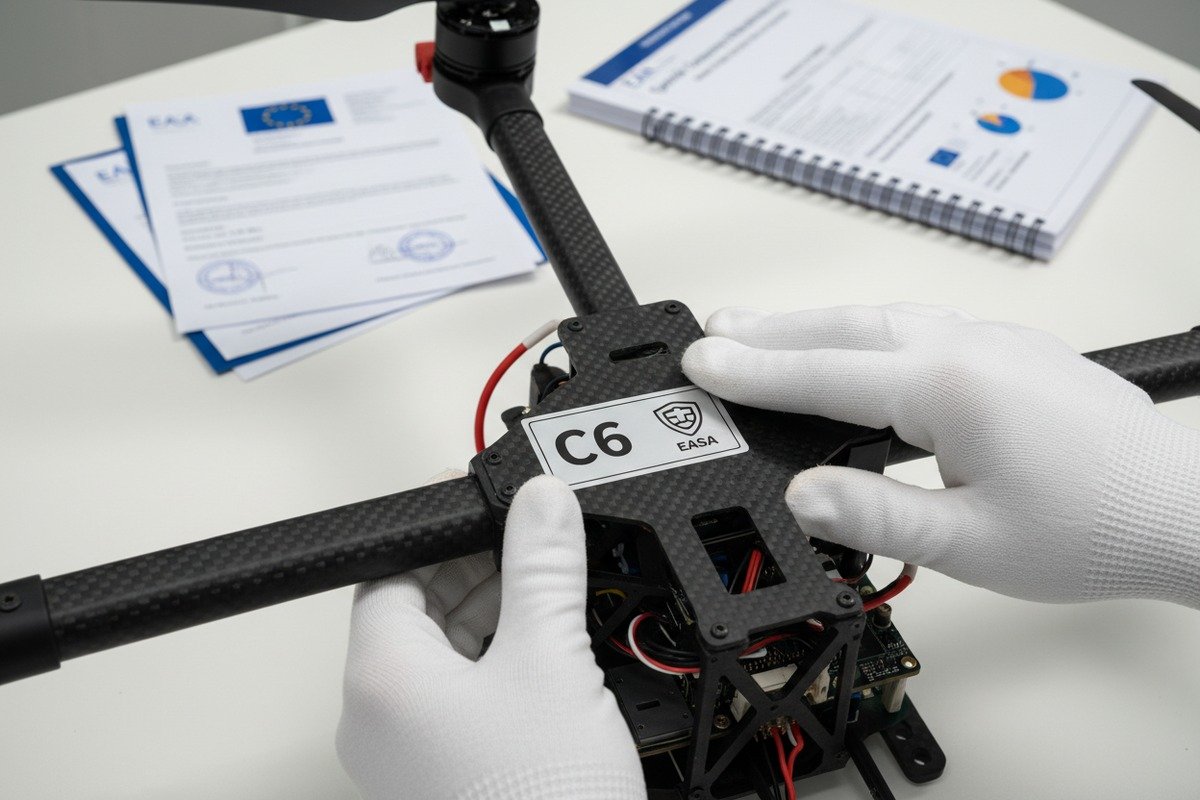
منذ عام 2024،, ملصقات الفئة C 4 أصبحت إلزامية. تشير هذه الملصقات إلى أن الطائرة بدون طيار تلبي معايير التصميم في الاتحاد الأوروبي. تتراوح الفئات من C0 إلى C6. تحتاج الطائرات بدون طيار الزراعية عادةً إلى تصنيف C5 أو C6.
| الفئة C | الوزن الأقصى للإقلاع | حالة الاستخدام النموذجية |
|---|---|---|
| C0 | أقل من 250 جرام | تصوير الهواة |
| C2 | أقل من 4 كجم | رسم خرائط خفيف |
| C5 | أقل من 25 كجم | الرش الزراعي |
| C6 | Over 25kg | رش ثقيل |
عندما نجهز الطائرات بدون طيار للعملاء الأوروبيين، تتضمن كل وحدة وثائق C-class المناسبة. بدون هذا الملصق، لا يمكن للمشغلين الطيران بشكل قانوني في المجال الجوي للاتحاد الأوروبي.
تنسيق سلطات الطيران الوطنية
حتى مع تنسيق EASA، لا تزال سلطات الطيران الوطنية تلعب دورًا. تتطلب فرنسا شهادة طيار صارمة. تقدم ألمانيا إعفاءات للطائرات بدون طيار الصغيرة. لدى إسبانيا قواعد محددة لحقول الزيتون وكروم العنب.
اطرح على المورد الخاص بك هذه الأسئلة:
- هل يمكنك تقديم وثائق الامتثال الخاصة بالبلد؟
- هل لديك خبرة في موافقات NAA في بلدي المستهدف؟
- هل ستساعد في الامتثال لمنطقة الوعي الجغرافي؟
منذ عام 2022، تم رقمنة المناطق الجغرافية في جميع أنحاء أوروبا. يجب أن يفهم المورد الخاص بك كيف تتفاعل طائراته بدون طيار مع هذه المناطق الجوية المقيدة.
وثائق تقييم المخاطر
بالنسبة للطائرات بدون طيار التي تزيد عن 25 كجم، تعد وثائق SORA ضرورية. هذا تحليل مخاطر العمليات المحددة 5 يثبت أن العملية آمنة. يقوم فريق الهندسة لدينا بإنشاء هذه التقييمات لكل طائرة زراعية ثقيلة بدون طيار نقوم بتصديرها.
سيقوم المورد الموثوق به بما يلي:
- تقديم قوالب SORA مكتملة مسبقًا
- تقديم إرشادات حول تخفيف المخاطر المحلية
- تضمين شهادات صلاحية الطيران
هل يمكن لموردي توفير الهندسة المخصصة وتطوير البرمجيات التي أحتاجها للزراعة الأوروبية المتخصصة؟
كل منطقة في أوروبا لديها احتياجات زراعية فريدة. تتطلب مزارع الكروم في فرنسا حلولاً مختلفة عن بساتين الزيتون في إسبانيا. عندما يصمم مهندسونا تكوينات مخصصة، نبدأ بفهم المحصول والتضاريس المحددة.
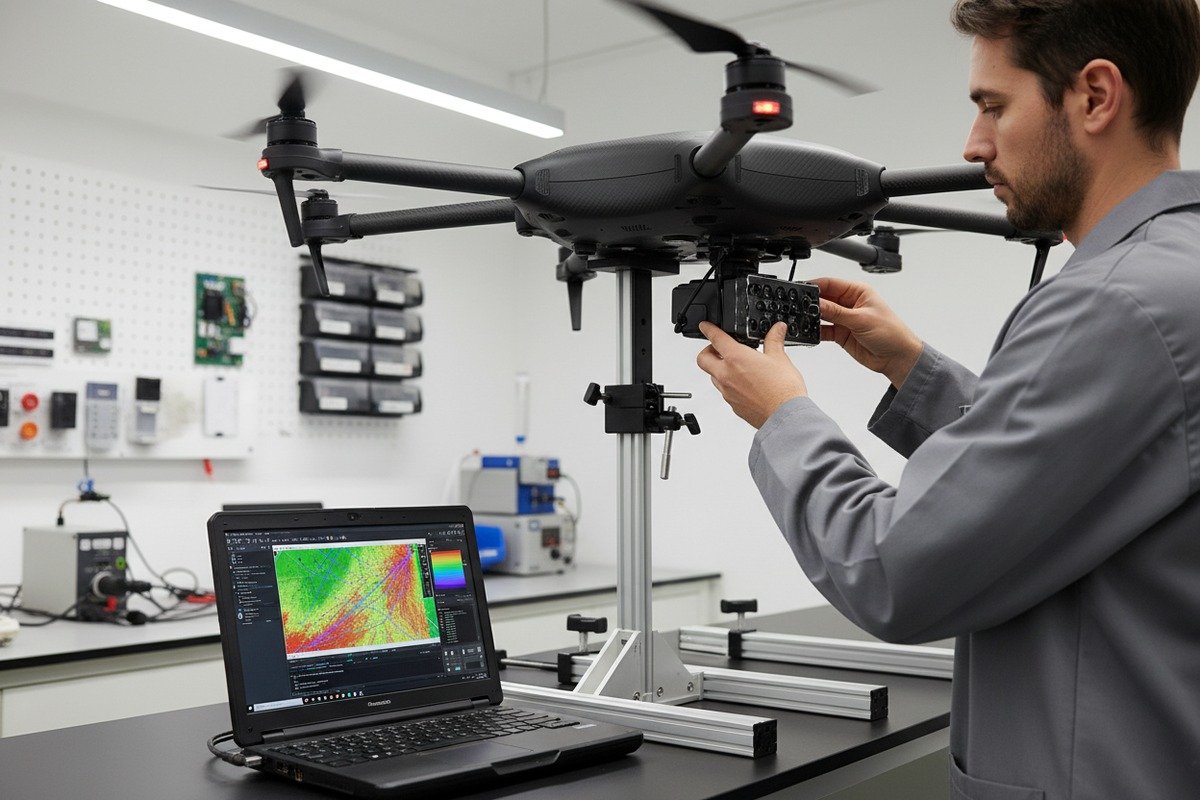
يجب أن يقدم المورد الكفء تكامل مستشعرات مخصص (متعدد الأطياف، حراري، LiDAR)، وبرامج تطبيق بمعدل متغير، ومنصات تحليل مدعومة بالذكاء الاصطناعي، والتوافق مع أنظمة إدارة المزارع الأوروبية الحالية - وكل ذلك تم التحقق منه من خلال اختبارات ميدانية على محاصيل وظروف مماثلة.
تقنية الاستشعار للمحاصيل الأوروبية
تحتاج المحاصيل المختلفة إلى مستشعرات مختلفة. تستفيد العنب من التصوير متعدد الأطياف للكشف المبكر عن الأمراض. تعمل حقول القمح بشكل أفضل مع المستشعرات الحرارية لمراقبة الري. ينتج مصنعنا طائرات بدون طيار متوافقة مع جميع أنواع المستشعرات الرئيسية.
| نوع المستشعر | أفضل تطبيق | المحاصيل الأوروبية الشائعة |
|---|---|---|
| عالي الدقة RGB | مراقبة عامة | جميع المحاصيل |
| متعدد الأطياف | الكشف عن الأمراض | العنب، الزيتون |
| حراري | تحليل إجهاد المياه | القمح، الذرة |
| فائق الطيف | تكوين التربة | المحاصيل المتخصصة |
| ليدار | رسم خرائط التضاريس | الغابات والبساتين |
أنظمة التطبيق بمعدل متغير
يتطلب الزراعة الدقيقة تقنية المعدل المتغير. هذا يعني أن الطائرة بدون طيار تضبط حجم الرش بناءً على كثافة المحاصيل. يقوم فريق البرمجيات لدينا بتطوير خوارزميات مخصصة لكل سيناريو زراعي.
إن الصفقة الأوروبية الخضراء 6 تستهدف خفض استخدام الكيماويات الزراعية بنسبة 50% بحلول عام 2030. تساعد أنظمة المعدل المتغير المزارعين على تحقيق هذا الهدف. فهي تطبق المواد الكيميائية فقط عند الحاجة، وليس عبر الحقول بأكملها.
تكامل تحليلات الذكاء الاصطناعي
تولد الطائرات الزراعية بدون طيار الحديثة كميات هائلة من البيانات. بدون تحليلات مناسبة، تكون هذه البيانات عديمة الفائدة. نقوم بدمج منصات الذكاء الاصطناعي التي تحول الصور الأولية إلى رؤى قابلة للتنفيذ.
الميزات الرئيسية المطلوبة:
- تسجيل صحة المحاصيل في الوقت الفعلي
- نمذجة العائد التنبؤية
- تحديد الآفات الآلي
- تحليل الاتجاهات التاريخية
خدمات مثل agrifoodTEF تتحقق من دقة المستشعرات وجودة البيانات. اسأل عما إذا كانت منتجات موردك قد تم اختبارها من خلال برامج التحقق المماثلة في الاتحاد الأوروبي.
توافق نظام إدارة المزرعة
يجب أن تعمل طائراتك بدون طيار الجديدة مع البنية التحتية الحالية. غالبًا ما تستخدم المزارع الأوروبية منصات FMS الراسخة. تتصل طائراتنا بدون طيار عبر واجهات برمجة التطبيقات (APIs) وتنسيقات البيانات القياسية.
تحقق من التوافق مع:
- الجرارات الموجهة بنظام تحديد المواقع العالمي (GPS)
- أنظمة الري الآلي
- شبكات محطات الأرصاد الجوية
- برامج رسم الخرائط الحالية
أظهر مشروع ICAERUS تكاملاً ناجحاً عبر خمس دول أوروبية. غطت حالات الاستخدام الخاصة بهم مراقبة المحاصيل، والرش، وإدارة الثروة الحيوانية، والغابات. هذا يثبت أن التكامل متعدد الأنظمة قابل للتحقيق.
ما الذي يجب أن أبحث عنه لضمان أن طائراتي الزراعية المسيرة متينة بما يكفي للاستخدام طويل الأمد في منطقتي؟
يمكن أن يكون الطقس الأوروبي قاسيًا. يجب أن تتحمل الطائرات بدون طيار المطر في هولندا، والحرارة في إسبانيا، والبرد في الدول الاسكندنافية. في مرافق الاختبار الخاصة بنا، نقوم بمحاكاة الظروف القاسية قبل شحن أي منتج.
تتميز الطائرات الزراعية المتينة بإطارات من ألياف الكربون مصنفة IP67 أو أعلى، ومحركات مقاومة للتآكل، وبطاريات تتحمل درجات الحرارة (نطاق تشغيل من -10 درجة مئوية إلى 45 درجة مئوية)، ومكونات سهلة الاستبدال، وضمانات الشركة المصنعة تغطي موسمين زراعيين كاملين على الأقل من الاستخدام المكثف.
جودة الإطار والبناء
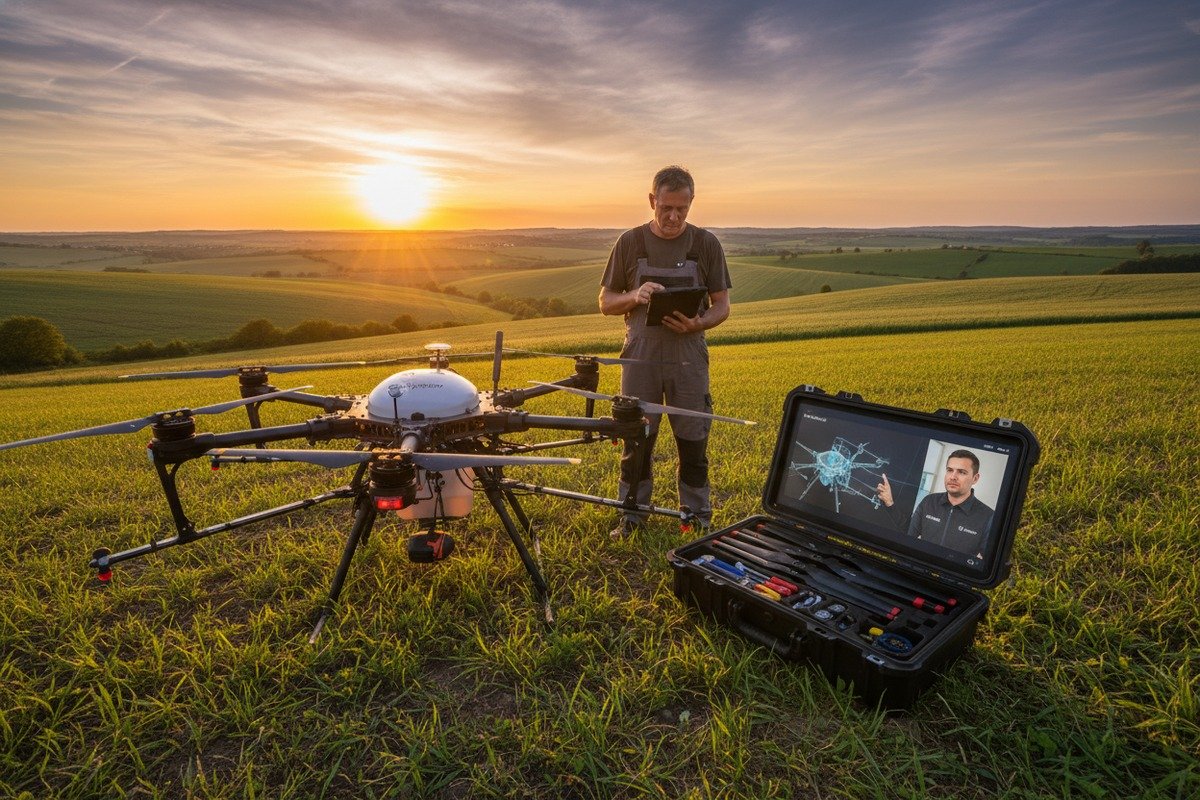
الإطار هو العمود الفقري لأي طائرة بدون طيار. تستخدم تصميمات الهيكسوكوبتر الخاصة بنا هيكلًا من ألياف الكربون باللون الأسود غير اللامع. توفر هذه المادة أفضل نسبة قوة إلى وزن. إنها تقاوم الصدمات التي من شأنها تدمير البدائل البلاستيكية.
ابحث عن هذه المواصفات:
- الحد الأدنى لسمك الإطار 2 مم من ألياف الكربون
- حوامل محركات مقواة
- قنوات أسلاك محمية
- طلاء سطحي مقاوم للأشعة فوق البنفسجية
تصنيفات حماية البيئة
تصنيفات IP 7 تشير إلى مقاومة الغبار والماء. تحتاج الطائرات بدون طيار الزراعية إلى تصنيف IP65 على الأقل للتعرض للمطر الخفيف. يسمح تصنيف IP67 بالغمر لفترات قصيرة. تحقق طائراتنا بدون طيار للرش تصنيف IP67 لأن عمليات المبيدات الحشرية غالبًا ما تحدث في الندى الصباحي.
| تصنيف IP | الحماية من الغبار | حماية المياه | مناسب لـ |
|---|---|---|---|
| IP54 | محدودة | رذاذ فقط | المناخات الجافة |
| IP65 | مكتمل | نفاثات ضغط منخفض | معظم المناطق |
| IP67 | مكتمل | غمر موجز | الظروف الرطبة |
أداء البطارية في المناخات الأوروبية
درجات الحرارة الباردة تقلل من سعة البطارية. درجات الحرارة الساخنة تسرع من التدهور. يوفر الموردون ذوو الجودة بطاريات تم اختبارها عبر نطاق المناخ الأوروبي الكامل.
تحافظ بطارياتنا على سعة 85% عند -10 درجة مئوية. وهي تتضمن أنظمة إدارة حرارية تمنع ارتفاع درجة الحرارة أثناء عمليات الصيف الإسباني. هذا التصميم المزدوج المناخي يطيل عمر البطارية بنسبة 40% مقارنة بالخلايا القياسية.
توافر قطع الغيار
يؤدي وقت التوقف عن العمل خلال موسم الحصاد إلى خسارة المال. لا ينبغي أن يؤدي تلف المروحة إلى تعطيل عمليتك لأسابيع. نحتفظ بمستودعات أوروبية تحتوي على قطع غيار شائعة.
قبل الشراء، تأكد من:
- مراكز توزيع قطع الغيار الإقليمية
- الحد الأقصى لوقت التسليم للمكونات الحيوية
- أسعار المواد الاستهلاكية (المراوح، البطاريات)
- توفر قطع غيار الموديلات القديمة
شبكات الضمان والخدمة
يعكس الضمان ثقة الموردين في منتجاتهم. يغطي ضماننا القياسي موسمين زراعيين كاملين. تتوفر ضمانات ممتدة للعمليات التجارية المكثفة.
أكدت الاختبارات الميدانية في فرنسا وإسبانيا وألمانيا أن عمليات رش الطائرات بدون طيار توفر مزايا اقتصادية مقارنة بالطرق الأرضية. لكن هذه المزايا تختفي إذا فشلت المعدات دون دعم. تقلل شبكات الخدمة المحلية من وقت التوقف وتحمي استثمارك.
كيف يمكنني التأكد من أن المورد سيدير التسليم من الباب إلى الباب ويقوم بتخليص الجمارك بكفاءة لطلباتي الأوروبية؟
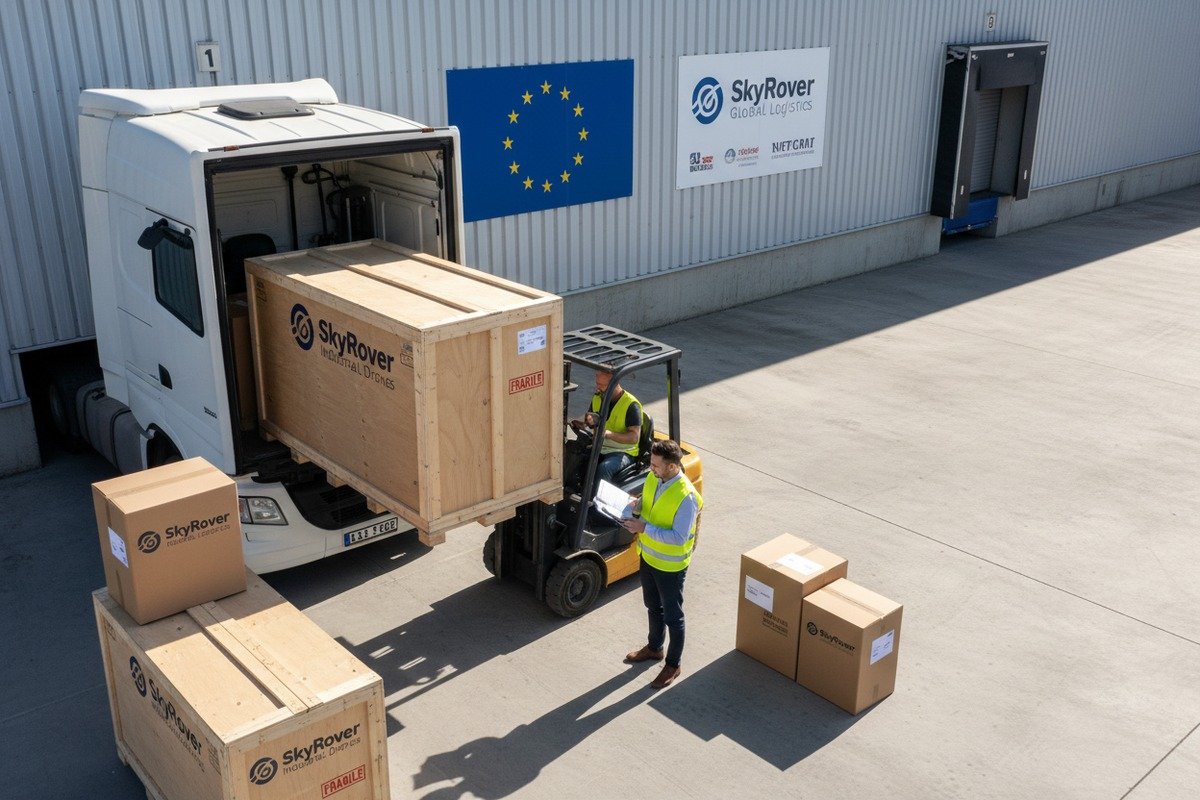
استيراد المعدات الصناعية إلى أوروبا يتطلب أوراقًا معقدة. تؤدي تأخيرات الجمارك إلى تفويت مواعيد الزراعة. يتعامل فريق اللوجستيات لدينا مع هذه التحديات يوميًا، مما يضمن تسليمًا سلسًا لشركائنا الأوروبيين.
تأكد من أن المورد الخاص بك يقدم خدمة التوصيل من الباب إلى الباب بالكامل بما في ذلك وثائق التصدير، والتخليص الجمركي المسبق للاتحاد الأوروبي، وشهادات الامتثال الصحيحة لوكالة سلامة الطيران الأوروبية (EASA) للاستيراد، والامتثال لشحن البطاريات (لوائح البضائع الخطرة للاتحاد الدولي للنقل الجوي - IATA DGR)، وتنسيق التسليم المحلي، وجهة اتصال لوجستية مخصصة تتواصل بشكل استباقي بشأن حالة الشحنة.
متطلبات وثائق التصدير
تمنع أوراق التصدير الصحيحة التأخير عند الحدود الأوروبية. نقوم بإعداد حزم وثائق شاملة لكل شحنة.
تشمل المستندات الأساسية:
- فاتورة تجارية مع رموز النظام المنسق
- قائمة التعبئة مع الأرقام التسلسلية
- شهادة المنشأ
- إعلانات الامتثال لوكالة سلامة الطيران الأوروبية (EASA)
- شهادات سلامة البطارية
خدمات التخليص الجمركي المسبق
يقوم بعض الموردين بشحن المنتجات ويتركون الجمارك لك. هذا يخلق مشاكل. تختلف إجراءات الاستيراد في دول الاتحاد الأوروبي المختلفة. تتطلب إيطاليا موافقات بيئية وطيران مدني مزدوجة. تعالج ألمانيا المعدات الصناعية بشكل مختلف عن السلع الاستهلاكية.
نعمل مع وكلاء جمارك في الموانئ الأوروبية الرئيسية. يقومون بالتخليص المسبق للشحنات قبل وصولها. هذا يقلل وقت التخليص من أيام إلى ساعات.
| مكون التسليم | ما الذي يجب التحقق منه |
|---|---|
| معالجة التصدير | تشمل لوجستيات المصنع إلى الميناء |
| الشحن البحري/الجوي | موثوقية الناقل ووقت العبور |
| التخليص الجمركي | خدمات وسيط مرتبة مسبقًا |
| التسليم المحلي | تنسيق الميل الأخير |
| دعم التركيب | المساعدة في الإعداد الفني |
الامتثال لشحن البطاريات
تتطلب بطاريات الليثيوم معالجة خاصة. لوائح الاتحاد الدولي للنقل الجوي للبضائع الخطرة 8 ينطبق على الشحن الجوي. يتسبب الشحن غير السليم للبطاريات في مصادرات وغرامات.
تلبي عبواتنا معايير اختبار UN38.3. تشمل كل شحنة بطاريات:
- صحائف بيانات سلامة المواد
- ملصقات المخاطر المناسبة
- الامتثال لقيود الكمية
- مواد التعبئة المعتمدة
الاتصال والتتبع
التواصل الواضح يمنع القلق أثناء الشحن. نوفر أرقام تتبع وتحديثات منتظمة للحالة. جهة اتصال لوجستية مخصصة تجيب على الأسئلة في غضون 24 ساعة.
قبل الطلب، اسأل:
- ما هي أنظمة التتبع التي تستخدمونها؟
- كم مرة ستقومون بتحديثي بحالة الشحنة؟
- من هو نقطة الاتصال الخاصة بي لأسئلة اللوجستيات؟
- ماذا يحدث إذا أثارت الجمارك مخاوف؟
إدارة التحديات عبر الحدود
تبسيط التوجه نحو تنسيق EASA العمليات عبر الحدود. لكن التحديات لا تزال قائمة. تختلف ضرائب الاستيراد حسب البلد. تتطلب بعض المناطق تصاريح بيئية إضافية لمعدات الرش.
يتوقع المورد ذو الخبرة في الصادرات الأوروبية هذه المشكلات. يقومون بإعداد وثائق تلبي متطلبات هيئات تنظيمية متعددة. يتجاوز معدل نجاح صادراتنا إلى أوروبا 98% لأننا نفهم هذه الفروق الدقيقة.
أبرز مشروع ICAERUS تكاليف العمليات عبر الحدود كمصدر قلق كبير. الموردون الذين يديرون اللوجستيات باحترافية يقللون من هذه التكاليف والمخاطر لعملائهم.
الخاتمة
يتطلب اختيار مورد الطائرات الزراعية المناسب للزراعة الأوروبية تقييمًا دقيقًا. تحقق من الشهادات، وقيم القدرات التقنية، وتأكد من المتانة، واضمن سلاسة اللوجستيات. الشريك المناسب يفهم كلاً من التكنولوجيا واللوائح الأوروبية. خذ وقتك لطرح هذه الأسئلة قبل اتخاذ قرار الاستثمار الخاص بك.
الحواشي
1. يقدم نظرة عامة على تشريعات الاتحاد الأوروبي بشأن تصميم الطائرات بدون طيار وتصنيعها واستخدامها. ︎
2. يقدم تقييمًا للسوق وتوقعات النمو والاتجاهات الرئيسية لسوق الطائرات بدون طيار الزراعية في أوروبا. ︎
3. الموقع الرسمي لوكالة سلامة الطيران الأوروبية، ويفصل مهمتها ودورها. ︎
4. صفحة EASA الرسمية التي تشرح ملصقات تعريف فئة الطائرات بدون طيار ومتطلباتها. ︎
5. المنهجية الرسمية لوكالة EASA لتقييم مخاطر تشغيل الطائرات بدون طيار في الفئة المحددة. ︎
6. صفحة المفوضية الأوروبية حول المبيدات الحشرية، ويفصل أهداف خفض الاتحاد الأوروبي للصفقة الخضراء. ︎
7. توفر ويكيبيديا شرحًا شاملاً لرموز IP، مما يشير إلى الحماية ضد الغبار والماء. ︎
8. وثيقة التوجيه الرسمية لـ IATA بشأن النقل الآمن لبطاريات الليثيوم عن طريق الجو. ︎

 English
  Español de México
  Deutsch
  Français
  Русский
  العربية
