
إن الحصول على طائرات بدون طيار صناعية أمر محفوف بالمخاطر. قد تبني ورشة عمل صغيرة نموذجًا أوليًا مثاليًا، لكنها تفشل في طلبك بالجملة. في SkyRover، نرى يوميًا مدى أهمية البنية التحتية القابلة للتطوير للموثوقية.
لتحديد القدرة على الإنتاج الضخم، قم بتدقيق مصنع المورد لخطوط التجميع الآلية والتحقق من شهادات ISO 9001 الخاصة بهم. قم بتحليل مرونة سلسلة التوريد الخاصة بهم للمكونات الهامة مثل المستشعرات الحرارية وراجع بيانات التسليم التاريخية للتأكد من أنهم قد أوفوا بنجاح بطلبات الحجم الكبير للأجهزة المماثلة في الماضي.
دعنا نقسم المقاييس والمؤشرات المحددة التي تحتاج إلى التحقق منها قبل توقيع العقد.
ما هو حجم الإنتاج الشهري للمورد من الطائرات بدون طيار الصناعية؟
أنت بحاجة إلى ضمان الحجم. المورد الذي يدعي إنتاجًا عاليًا بدون دليل هو علامة حمراء. عندما نخطط لجداول الإنتاج لدينا للتصدير إلى الولايات المتحدة وأوروبا، فإننا نعتمد على بيانات قوية وقابلة للتحقق.
يجب على المورد الكفء مشاركة مقاييس الإنتاج الشهري الحالية والقدرة النظرية القصوى بشفافية. يجب عليك التحقق مما إذا كان بإمكانهم إنتاج نماذج طائرات بدون طيار متعددة في وقت واحد أو ما إذا كانوا بحاجة إلى تخصيص خطوط لطرازات محددة. تؤكد هذه البيانات ما إذا كان بإمكانهم التعامل مع حجم طلبك دون اختناقات.
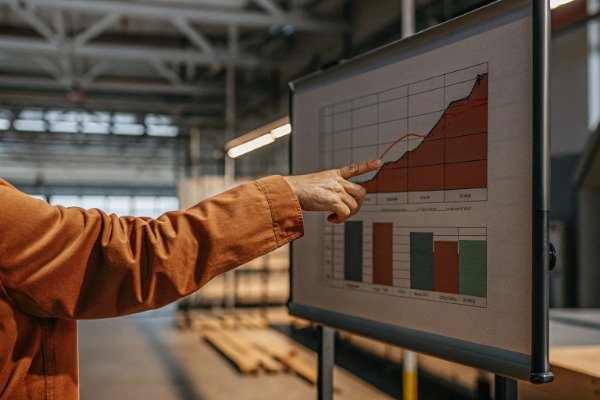
تحليل مقاييس الإنتاج والطلب في السوق
عندما تقوم بتقييم مورد، غالبًا ما يكون السؤال الأول حول الأرقام. ومع ذلك، يمكن أن تكون الأرقام الخام مضللة إذا لم يتم وضعها في سياقها. يشهد سوق الطائرات بدون طيار لمكافحة الحرائق نموًا هائلاً، مع توقعات تصل إلى أكثر من 6 مليارات دولار بحلول عام 2035. هذا يعني أن المورد الذي كان كافيًا بالأمس قد يكون غارقًا غدًا.
سوق طائرات مكافحة الحرائق بدون طيار 1
في تجربتنا، يكمن "النقطة المثالية" للطلب الحالي في السوق في شريحة حمولة 10-20 كجم. تمثل هذه الفئة جزءًا كبيرًا من السوق لأنها توازن بين القدرة التشغيلية والفعالية من حيث التكلفة. إذا ادعى موردك أنه يمكنه إنتاج 500 وحدة شهريًا، فأنت بحاجة إلى أن تسأل: "500 وحدة من ماذا؟" من الأسهل بكثير تجميع طائرة بدون طيار صغيرة للتصوير الفوتوغرافي مقارنة بطائرة بدون طيار ثقيلة لمكافحة الحرائق تحمل مواد إخماد.
نوصي بتقسيم استفسار إنتاج الإنتاج إلى فئات محددة. تحتاج إلى تقييم ما إذا كانت قدرتها الحالية تتماشى مع جدولك الزمني للنمو. إذا كنت مقاولًا حكوميًا تتطلع إلى تجهيز أسطول، فلن يكون المورد الذي ينتج 10 وحدات شهريًا يدويًا كافيًا.
أهمية القدرة على الاستجابة السريعة
مكافحة الحرائق موسمية في أجزاء كثيرة من العالم. غالبًا ما نشهد زيادة في الطلب خلال مواسم حرائق الغابات القصوى. يجب أن يكون لدى الشركة المصنعة القوية "قدرة على الاستجابة السريعة" - القدرة على زيادة الإنتاج بسرعة دون المساس بالجودة. يتضمن هذا عادةً عمليات تصنيع معيارية بدلاً من خطوط تجميع جامدة.
فيما يلي قائمة مرجعية بالمقاييس التي يجب عليك طلبها من أي شريك محتمل:
الجدول 1: مقاييس رئيسية للقدرة الإنتاجية المطلوب طلبها
| فئة المقياس | سؤال محدد لطرحه | ما أهمية ذلك |
|---|---|---|
| الإنتاج الأساسي | ما هو إنتاجك الشهري الموثق لطائرات بدون طيار بحمولة 10-20 كجم؟ | يحدد خط الأساس لواقعهم التشغيلي الحالي. |
| الحد الأقصى النظري | ما هي أقصى قدرة لديك إذا كنت تعمل على مدار الساعة طوال أيام الأسبوع؟ | يشير إلى السقف المطلق لإنتاجهم قبل أن يحتاجوا إلى مرافق جديدة. |
| مرونة المتغيرات | هل يمكنك إنتاج طائرات بدون طيار ثقيلة الرفع (> 20 كجم) ومتوسطة المدى في وقت واحد؟ | يضمن عدم إيقاف طلبك لأن عميلاً آخر طلب نموذجًا مختلفًا. |
| الجدول الزمني للتوسع | ما هو الجدول الزمني الخاص بك لإضافة خطوط تجميع جديدة؟ | يوضح ما إذا كان المورد يستثمر في النمو لمواكبة متوسط النمو السنوي للسوق. |
من خلال التحليل النقدي لهذه الأرقام، يمكنك تجنب الموردين الذين هم في الأساس "ورش عمل حرفية" تتنكر في شكل مصانع.
هل لديهم خطوط تجميع آلية أم يعتمدون على العمالة اليدوية؟
الاتساق غير قابل للتفاوض. غالبًا ما يؤدي التجميع اليدوي إلى أخطاء بشرية في أنظمة الطيران المعقدة. في ورشة العمل الخاصة بنا، نوازن بين الفنيين المهرة والأتمتة لضمان شد كل برغي بدقة.
خطوط التجميع الآلية ضرورية لتوسيع نطاق الإنتاج مع الحفاظ على جودة متسقة. غالبًا ما يواجه الموردون الذين يعتمدون فقط على العمالة اليدوية صعوبة في التوسع والتوحيد. يجب عليك تقييم استثماراتهم في الأدوات المتخصصة والأتمتة لضمان قدرتهم على تلبية متطلبات الحجم الكبير دون المساس بموثوقية الأجهزة.
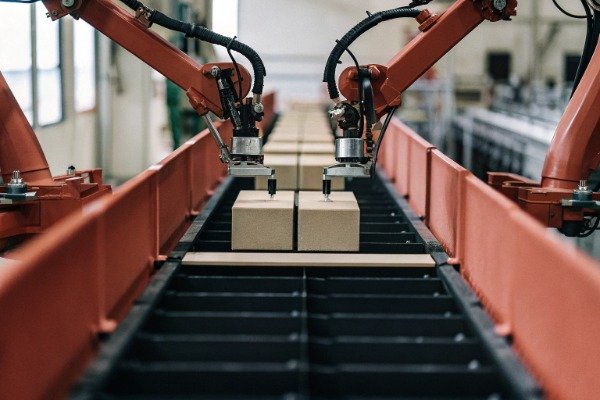
دور الاستثمار في الأجهزة
تمثل استثمارات الأجهزة عادةً الجزء الأكبر من النفقات الرأسمالية في صناعتنا. هذا حاجز دخول يحميك من البائعين ذوي الجودة المنخفضة. إذا لم يستثمر المورد في الأتمتة، فمن المحتمل أن يكون رأس ماله غير كافٍ.
يتطلب الإنتاج الضخم للطائرات بدون طيار الصناعية - خاصة تلك المستخدمة في مكافحة الحرائق - بروتوكولات "التصميم للتصنيع" (DFM). هذا يعني أن الطائرة بدون طيار مصممة من الألف إلى الياء ليتم تجميعها بواسطة آلات أو أدوات متخصصة، بدلاً من كونها نموذجًا أوليًا معقدًا يتم بناؤه يدويًا.
التصميم للتصنيع 2
عندما قمنا بتطوير منصتنا الأحدث ذات الرفع الثقيل، اضطررنا إلى إعادة تصميم الهيكل ثلاث مرات فقط لضمان إمكانية تجميعه بكفاءة على الخط. المورد الذي لا يستطيع أن يريك أدواته المتخصصة أو محطاته الآلية من المحتمل أن يقوم ببناء الوحدات واحدة تلو الأخرى. هذا النهج اليدوي جيد للنماذج الأولية ولكنه كارثي لطلب مكون من 100 وحدة.
الأتمتة مقابل العمالة الماهرة
من المهم ملاحظة أنه لا يمكن أتمتة كل شيء. غالبًا ما يتطلب تركيب وحدات التحكم في الطيران أو المستشعرات الحرارية الحساسة لمسة بشرية. ومع ذلك، يجب أتمتة التجميع الهيكلي الأساسي وتركيب المحركات والمهام المتكررة أو المساعدة بواسطة أدوات تثبيت.
إذا اعتمد المورد بالكامل على العمالة اليدوية، فإنك تواجه خطرين:
- حدود التوسع: إضافة المزيد من الأشخاص أصعب من تسريع آلة.
- عدم الاتساق: قد يقوم عاملان مختلفان بشد مثبت المروحة بشكل مختلف، مما يؤدي إلى مشاكل في الاهتزاز في الميدان.
الجدول 2: مخاطر التجميع اليدوي مقابل الآلي
| الميزة | الاعتماد على التجميع اليدوي | التجميع الآلي/الهجين |
|---|---|---|
| قابلية التوسع | منخفض. يتطلب توظيف وتدريب موظفين جدد، مما يستغرق شهورًا. | مرتفع. يمكن غالبًا تعديله عن طريق زيادة وقت تشغيل الآلة. |
| الاتساق | متغير. يعتمد على إرهاق العامل ومهارته الفردية. | مرتفع. تقوم الآلات بأداء نفس الإجراء بالضبط في كل مرة. |
| التكلفة لكل وحدة | مرتفع. تزداد تكاليف العمالة خطيًا مع الحجم. | أقل على نطاق واسع. الاستثمار الأولي يؤتي ثماره في انخفاض تكاليف الوحدة. |
| معدل الخطأ | احتمالية أعلى للخطأ البشري (مسامير مفقودة، لحام سيء). | منخفض. الفحص البصري الآلي (AOI) يلتقط العيوب مبكرًا. |
عندما تزور مصنعًا (أو تقوم بجولة افتراضية)، ابحث عن سيور ناقلة، وأذرع روبوتية لمعالجة الهيكل، ومحطات لحام آلية. هذه هي السمات المميزة للشركة المصنعة الناضجة.
محطات لحام آلية 3
كيف تتغير عملية مراقبة الجودة لديهم من العينات إلى الإنتاج الضخم؟
عينة مثالية لا تضمن دفعة مثالية. نحن نعلم أن الحفاظ على المعايير عبر آلاف الوحدات يتطلب عقلية مختلفة تمامًا عن بناء "عينة ذهبية" واحدة."
يتطلب التحكم في جودة الإنتاج الضخم تحولًا من الفحص الفردي إلى التحكم المنهجي في العمليات. يجب عليك التحقق من وجود نظام إدارة جودة مثل ISO 9001 وتدقيق البنية التحتية لاختبار نهاية الخط لديهم. تأكد من أن لديهم المرافق لاختبار كل وحدة تحت الضغط، وليس مجرد عينة عشوائية.
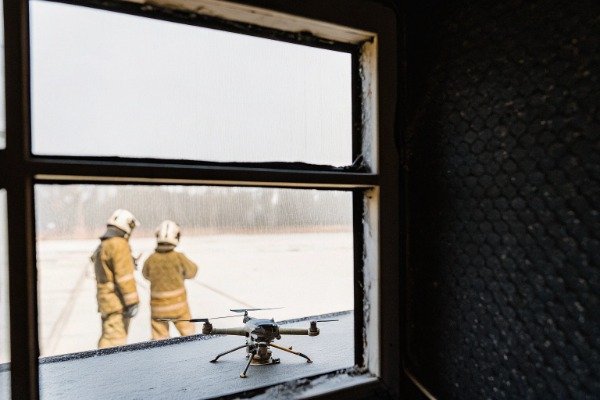
من الفحص إلى التحكم في العمليات
في مرحلة النموذج الأولي، قد يقضي المهندسون أيامًا في تعديل طائرة بدون طيار واحدة لتحقيق الكمال. في الإنتاج الضخم، تختفي هذه الرفاهية. يجب أن تضمن العملية نفسها الجودة.
هنا يأتي دور نظام إدارة الجودة (QMS). يجب أن تطلب رؤية شهادات ISO 9001 أو AS9100 الخاصة بهم. هذه ليست مجرد شارات؛ إنها تثبت أن المورد لديه عملية موثقة لكل خطوة من خطوات التصنيع.
نظام إدارة الجودة (QMS) 4
بالنسبة لطائرات مكافحة الحرائق بدون طيار، فإن المخاطر عالية للغاية. يمكن أن يعني الفشل في الميدان خسارة في الممتلكات أو الأرواح. لذلك، فإن اختبار "نهاية الخط" (EOL) أمر بالغ الأهمية. هل لدى المورد نطاق طيران؟ هل لديهم غرف محاكاة؟
فحص الإجهاد البيئي
تعمل طائرات مكافحة الحرائق بدون طيار في ظروف جحيم - حرارة عالية، ودخان، ورذاذ ماء. فحص الجودة القياسي في غرفة مكيفة غير كافٍ.
في منشأتنا، نقوم بتطبيق ما يعرف باختبار "الاحتراق". نقوم بتشغيل الطائرات بدون طيار بكامل طاقتها لفترات طويلة لضمان حدوث فشل مبكر للمكونات في المصنع، وليس في موقع الحريق. نستخدم أيضًا غرفًا بيئية لمحاكاة درجات الحرارة القصوى.
اختبار الاحتراق 5
إذا كان موردك يختبر طائرة بدون طيار واحدة فقط من كل 10 طائرات بدون طيار، فهذا خطر إحصائي تتحمله. بالنسبة للمعدات الصناعية المتطورة، يجب أن يكون الاختبار الوظيفي بنسبة 100٪ هو المعيار.
الجدول 3: بروتوكولات مراقبة الجودة - النموذج الأولي مقابل الإنتاج الضخم
| أسبكت | مراقبة جودة النموذج الأولي / العينة | مراقبة جودة الإنتاج الضخم |
|---|---|---|
| التركيز | التحقق من التصميم وضبط الأداء. | الاتساق والقضاء على العيوب. |
| حجم الاختبار | 100٪ من الوحدات، اختبار يدوي مكثف. | اختبار آلي بنسبة 100٪ + أخذ عينات إحصائية للاختبارات التدميرية. |
| التوثيق | ملاحظات الهندسة وسجلات التصميم. | إجراءات التشغيل القياسية (SOPs) وسجلات تتبع الدُفعات. |
| المعدات | طاولات المختبر والأدوات اليدوية. | تجهيزات الاختبار الآلية، وغرف البيئة، ومحاكيات الطيران. |
اطلب من موردك بيانات "معدل العيوب" من الدُفعات السابقة. إذا ادعوا أنه صفر، فهم يكذبون. الشركة المصنعة الناضجة تعرف معدل عيوبها ولديها خطة لتقليله.
هل يمكنهم ضمان أوقات تسليم مستقرة لطلبات الحجم الكبير؟
التأخير يكلف المال ويضر بالسمعة. نحن نراقب باستمرار سلسلة التوريد العالمية لدينا لمنع النقص، لأننا نعلم أنك بحاجة إلى شريك يتوقع الاضطرابات قبل حدوثها.
تعتمد أوقات التسليم المستقرة بشكل كبير على مرونة سلسلة التوريد وإدارة المخزون. تحتاج إلى التحقيق في استراتيجية المصدر للمورد للمكونات الهامة مثل المستشعرات الحرارية والبطاريات. تأكد من أن لديهم مخزون احتياطي للعناصر ذات المهلة الطويلة وموردين بديلين للتخفيف من مخاطر عدم استقرار سلسلة التوريد العالمية.
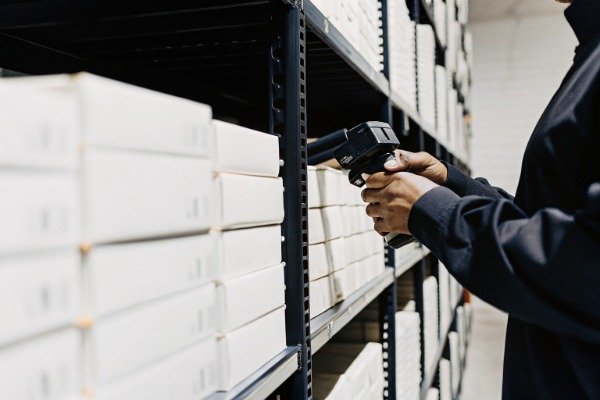
مفارقة ضعف سلسلة التوريد
النمو السريع لسوق الطائرات بدون طيار يخلق مفارقة. مع ارتفاع الطلب، يصبح نقص المكونات أكثر شيوعًا. تعتمد طائرات مكافحة الحرائق بدون طيار على مكونات متخصصة: مستشعرات حرارية عالية الدقة، وكاميرات تقريب بصري، وبطاريات ليثيوم عالية الكثافة.
الحساسات الحرارية 6
يمثل الاعتماد على هذه الأجزاء المتخصصة تحديًا ملحًا للإنتاج الضخم. على سبيل المثال، يهيمن عدد قليل من اللاعبين العالميين على سوق المستشعرات الحرارية المتطورة. إذا لم يكن لدى موردك علاقة قوية مع مصنعي هذه المكونات، فسيكونون آخر من يحصل على المخزون عند حدوث النقص.
المزايا والمخاطر الجغرافية
كوننا مقرنا في الصين يمنحنا ميزة واضحة: نحن قريبون جسديًا من سلسلة توريد المكونات. يسمح "نظام شنتشن البيئي" بالمصادر السريعة. ومع ذلك، حتى نحن نواجه مخاطر.
عند تقييم مورد، اسأل عن مورديهم من "المستوى الثاني" و "المستوى الثالث".
- المستوى 1: الشركة المصنعة للطائرات بدون طيار (نحن).
- المستوى 2: صانع وحدة التحكم في الطيران أو المحرك.
- المستوى 3: صانع الرقائق داخل وحدة التحكم في الطيران.
إذا كان المورد لا يعرف من هم موردو المستوى الثالث لديه، فلا يمكنه التنبؤ بالتأخيرات.
مخزون احتياطي وخطط طوارئ
يجب أن تسأل تحديدًا: "ما هو مخزونك الاحتياطي للمكونات ذات وقت التصنيع الطويل؟"
سيحتفظ المصنع الكفء بـ 3-6 أشهر من المخزون للعناصر الحيوية مثل الرقائق وأجهزة الاستشعار.
قيود الاستخدام المزدوج 7
علاوة على ذلك، هل لديهم موردون بديلون؟ إذا تعرض المصنع الرئيسي لبطارياتهم لحريق، فهل يمكنهم التحول إلى مصدر احتياطي دون إعادة تصميم الطائرة بدون طيار؟ هذا ما يسمى "مرونة سلسلة التوريد"."
مرونة سلسلة التوريد 8
أسئلة حاسمة لضمان وقت التسليم
- علاقات حصرية: هل لديهم وضع أولوية لدى مصنعي أجهزة الاستشعار؟
- خبرة الجمارك: هل يمكنهم التنقل في لوائح التصدير (مثل قيود الاستخدام المزدوج) بسلاسة؟ غالبًا ما تحدث التأخيرات في الجمارك، وليس في المصنع.
- الصحة المالية: هل لديهم رأس مال عامل لشراء مواد لطلبك المكون من 500 وحدة مقدمًا؟ إذا كانوا بحاجة إلى وديعتك فقط لشراء البراغي، فهم غير مستقرين ماليًا.
من خلال التعمق في تفاصيل سلسلة التوريد هذه، يمكنك التمييز بين المورد الذي يأمل في التسليم في الوقت المحدد والمورد الذي يضمن ذلك.
غرف بيئية 9
الخاتمة
لضمان قدرة الإنتاج الضخم، يجب أن تنظر إلى ما هو أبعد من عرض المبيعات. قم بتدقيق مستويات الأتمتة لديهم، وتحقق من شهادات مراقبة الجودة الخاصة بهم، واختبر مرونة سلسلة التوريد الخاصة بهم. اختيار الشريك المناسب يضمن موثوقية أسطولك عندما تشتد الأمور.
شهادات AS9100 10
الحواشي
1. صفحة رسمية موثوقة من الحكومة الأمريكية حول استخدام الطائرات بدون طيار في إدارة الحرائق. ︎
2. يحدد المنهجية الهندسية المطلوبة للإنتاج الضخم الفعال. ︎
3. يشرح معدات التصنيع الآلية المحددة المذكورة. ︎
4. تعريف موثوق من الجمعية الأمريكية للجودة. ︎
5. يحدد عملية اختبار الضغط المستخدمة للكشف عن الأعطال المبكرة. ︎
6. يشرح التكنولوجيا الكامنة وراء هذا المكون الحاسم لمكافحة الحرائق. ︎
7. مصدر رسمي للحكومة الأمريكية بشأن ضوابط التصدير مزدوجة الاستخدام. ︎
8. يقدم المعهد الوطني للمعايير والتكنولوجيا (NIST) إرشادات موثوقة حول إدارة مخاطر سلسلة التوريد. ︎
9. يشرح معدات الاختبار المستخدمة لمحاكاة الظروف القاسية. ︎
10. يوفر سياقًا حول معيار الجودة الخاص بصناعة الطيران والفضاء. ︎

 English
  Español de México
  Deutsch
  Français
  Русский
  العربية
