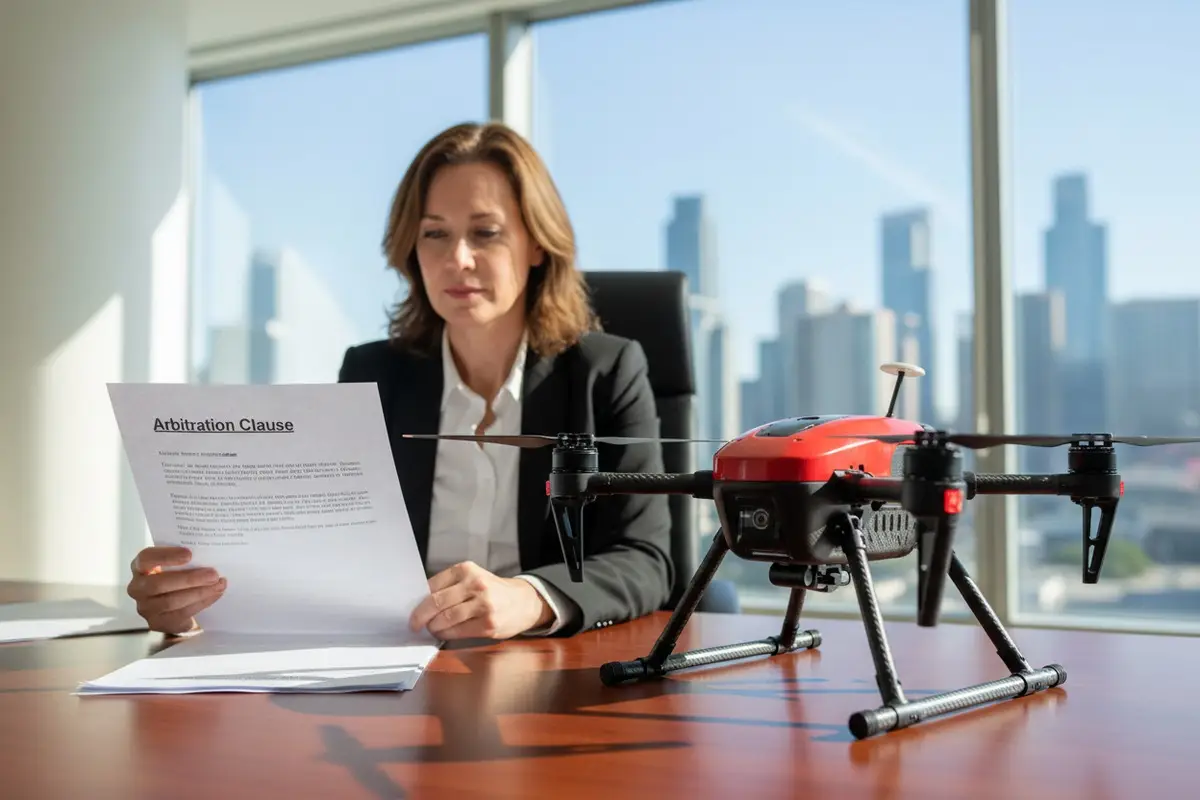
عندما يقوم فريق الهندسة لدينا بشحن طائرات بدون طيار لمكافحة الحرائق إلى الخارج، غالبًا ما تفاجئ نزاعات العقود المتعلقة بالأداء أو التسليم المشترين. غرفة التجارة الدولية 1. بدون شروط تحكيم واضحة، يمكن أن يتحول الخلاف البسيط إلى معركة قانونية مكلفة تمتد عبر بلدان متعددة.
لتحديد مكان التحكيم والقانون الحاكم لمشتريات طائرات مكافحة الحرائق بدون طيار، يجب على المشترين اختيار مؤسسة تحكيم محايدة مثل غرفة التجارة الدولية (ICC) أو جمعية التحكيم الأمريكية (AAA)، واختيار القانون الحاكم من ولاية قضائية على دراية بلوائح الطائرات بدون طيار، وتضمين بنود محددة تتناول معايير الأداء الفني، والامتثال لمتطلبات ASDA، والإنفاذ عبر الحدود بموجب اتفاقية نيويورك.
هذا الدليل يرشدك خلال القرارات الرئيسية التي تحتاج إلى اتخاذها الجمعية الأمريكية للتحكيم 2. سنغطي اختيار القانون الحاكم، وخيارات المكان، وشروط النزاعات الفنية، واستراتيجيات الإنفاذ. يقدم كل قسم نصائح عملية بناءً على تجارب التصدير الحقيقية.
ما هو القانون الحاكم الذي يجب أن أختاره لحماية اتفاقية شراء طائرة بدون طيار لمكافحة الحرائق الخاصة بي؟
لقد تعلم فريق العقود لدينا أن خيارات القانون الحاكم يمكن أن تنجح أو تفشل الصفقة عند ظهور المشاكل. يفترض العديد من المشترين أن قانون بلدهم الأصلي ينطبق تلقائيًا، ولكن هذا الافتراض يخلق مخاطر جسيمة.
اختر القانون الحاكم بناءً على ثلاثة عوامل: الإلمام باللوائح الخاصة بالطائرات بدون طيار، وقابلية التنفيذ في ولايات الطرفين، والوضوح بشأن معايير الأداء الفني. بالنسبة للمشترين الأمريكيين الذين يستوردون من الصين، فإن اختيار القانون الفيدرالي الأمريكي جنبًا إلى جنب مع قانون ولاية محدد (مثل ديلاوير أو نيويورك) يوفر حماية قوية مع ضمان الامتثال لمتطلبات إدارة الطيران الفيدرالية (FAA) و ASDA.

فهم متطلبات القانون الفيدرالي
عندما تشتري طائرات بدون طيار لمكافحة الحرائق لمشاريع ممولة فيدراليًا، فإن القانون الفيدرالي له الأولوية. بند قانون اللوائح الفيدرالية 52.240-1 3 إن قانون الطائرات بدون طيار الأمنية الأمريكية 4 (ASDA) وبند قانون اللوائح الفيدرالية 52.240-1 ينشئان متطلبات امتثال إلزامية. لا يمكن لعقدك تجاوز هذه القواعد.
قانون المشتريات الفيدرالي 5 يحكم:
- حظر أمني على طائرات بدون طيار معينة مصنعة في الخارج
- معايير تشفير البيانات والتحكم في الوصول
- بروتوكولات تحديث البرامج
- متطلبات وثائق الامتثال
يملأ قانون الولاية الفجوات حيث يكون القانون الفيدرالي صامتًا. وهذا يشمل التفسير العام للعقود، وتعويضات الإخلال، ونزاعات الضمان.
استراتيجيات اختيار قانون الولاية
تقدم ولايات مختلفة مزايا مختلفة. إليك مقارنة:
| الولاية | المزايا | العيوب |
|---|---|---|
| نيويورك | سوابق قانونية تجارية واسعة، سمعة محايدة، محاكم ذات خبرة | تكاليف تقاضي أعلى، جداول أعمال محاكم مزدحمة |
| ديلاوير | محاكم صديقة للأعمال، نتائج متوقعة، إنفاذ قوي للعقود | سوابق قضائية أقل خاصة بالطائرات بدون طيار |
| كاليفورنيا | حماية قوية للمستهلك، دراية بصناعة التكنولوجيا | لوائح معقدة، صديقة للمدعي |
| تكساس | تكاليف أقل، محاكم فعالة، صديقة للأعمال | خبرة أقل في التحكيم الدولي |
نهج القانون الحاكم المتدرج
أفضل العقود تستخدم نهجًا متعدد الطبقات. إليك كيفية هيكلته:
الطبقة 1: القانون الفيدرالي – متطلبات FAR، والامتثال لـ ASDA، ومعايير الأمان تحكم جميع القضايا المتعلقة بالمشتريات. لا يمكن تغيير هذه الطبقة بالاتفاق.
الطبقة 2: قانون الولاية المختار – اختر ولاية واحدة لتفسير العقد، وتعويضات الإخلال، وسد الثغرات. تعمل نيويورك أو ديلاوير بشكل جيد للمشتريات الدولية للطائرات بدون طيار.
الطبقة 3: المعايير الدولية – الرجوع إلى المعايير الدولية ذات الصلة مثل شهادات ISO 6 لأداء الطائرات بدون طيار. توفر هذه معايير موضوعية للنزاعات الفنية.
عندما نصيغ عقود التصدير، فإننا نحدد دائمًا أن القانون الفيدرالي يحكم أسئلة الامتثال. هذا يمنع المحكمين من تطبيق المعايير الأجنبية على المتطلبات التنظيمية الأمريكية.
كيف يمكنني اختيار مكان تحكيم يضمن حلاً عادلاً لأعمالي التجارية لاستيراد الطائرات بدون طيار؟
في تجربتنا في التصدير إلى الولايات المتحدة وأوروبا، يحدد اختيار المكان ما إذا كان يمكنك بالفعل إنفاذ حكم مواتٍ. الخيار الخاطئ يعني الفوز على الورق ولكن الخسارة في الممارسة العملية.
اختر مكانًا للتحكيم يوفر: (1) قابلية الإنفاذ بموجب اتفاقية نيويورك في كلا البلدين، (2) الوصول إلى محكمين يتمتعون بخبرة في تكنولوجيا الطائرات بدون طيار والمشتريات، (3) تكاليف وجدول زمني معقولين، و (4) قواعد إجرائية تستوعب الأدلة الفنية. توفر المراكز الرئيسية مثل سنغافورة أو هونغ كونغ أو سويسرا أرضية محايدة لنزاعات الطائرات بدون طيار بين الصين والولايات المتحدة.

اعتبارات المكان الرئيسية
الحياد الجغرافي مهم. لا ينبغي لأي من الطرفين الحصول على ميزة الملعب. إليك الخيارات الرئيسية:
| المكان | الحياد | الخبرة | التكلفة | الإنفاذ |
|---|---|---|---|---|
| سنغافورة (SIAC) | عالية | خبرة متزايدة في مجال الطائرات بدون طيار | متوسط | قوية في آسيا والغرب |
| هونغ كونغ (HKIAC) | عالية | تجارية قوية | متوسط | جسر جيد بين الصين والولايات المتحدة |
| سويسرا (ICC) | عالية جداً | راسخة | عالية | ممتازة عالميًا |
| لندن (LCIA) | عالية | تقنية قوية | عالية | قوية في الكومنولث |
| AAA (مدن أمريكية) | متوسط | خبراء المشتريات الفيدرالية | متوسط-عالي | قوي في الولايات المتحدة. |
مؤهلات المحكم
يجب أن يحدد عقدك متطلبات المحكم. بالنسبة للنزاعات المتعلقة بطائرات مكافحة الحرائق بدون طيار، يحتاج المحكمون إلى:
-
خلفية تقنية – تساعد الخبرة في الهندسة أو الطيران المحكمين على فهم أعطال وحدة التحكم في الطيران، وأعطال المستشعرات، ومعايير الأداء.
-
معرفة قانون المشتريات – بالنسبة للمشترين في الولايات المتحدة، فإن الإلمام بقواعد المشتريات الفيدرالية (FAR) وعمليات الاستحواذ الفيدرالية أمر ضروري.
-
خبرة في التجارة الدولية – تتضمن النزاعات عبر الحدود الجمارك وضوابط التصدير والأنظمة القانونية الأجنبية.
نوصي بطلب محكم واحد على الأقل يتمتع بخبرة في صناعة الطائرات بدون طيار أو الطيران. هذا يمنع شهادات الخبراء المطولة حول المفاهيم التقنية الأساسية.
التحكيم المؤسسي مقابل التحكيم المخصص
يوفر التحكيم المؤسسي الهيكلية والموثوقية. تقدم ICC و AAA و SIAC:
- قواعد إجرائية راسخة
- المساعدة في تعيين المحكمين
- دعم إدارة القضايا
- جداول الرسوم والقدرة على التنبؤ بالتكاليف
التحكيم المخصص بموجب قواعد الأونسيترال 7 يوفر مرونة أكبر ولكنه يتطلب أطرافًا متطورة. بالنسبة لمعظم عقود شراء الطائرات بدون طيار، يكون التحكيم المؤسسي أفضل.
قيود النطاق
لا يمكن تحكيم كل شيء. يجب أن تعترف عبارتك بهذه الحدود:
القضايا القابلة للتحكيم:
- نزاعات أداء العقد
- خلافات الدفع
- الامتثال للمواصفات الفنية
- مطالبات الضمان
- تأخيرات التسليم
القضايا غير القابلة للتحكيم:
- القرارات السيادية بشأن المجال الجوي
- قرارات الأمن الحكومي
- قرارات الامتثال لـ ASDA من قبل الوكالات الفيدرالية
- قرارات الإعفاء التنظيمي
يحرص فريقنا القانوني دائمًا على تضمين لغة واضحة حول نطاق العمل. هذا يمنع إضاعة الوقت في الجدال حول سلطة المحكم.
ما هي المصطلحات المحددة التي يجب أن أدرجها للتعامل مع النزاعات الفنية حول أداء الطائرات بدون طيار؟
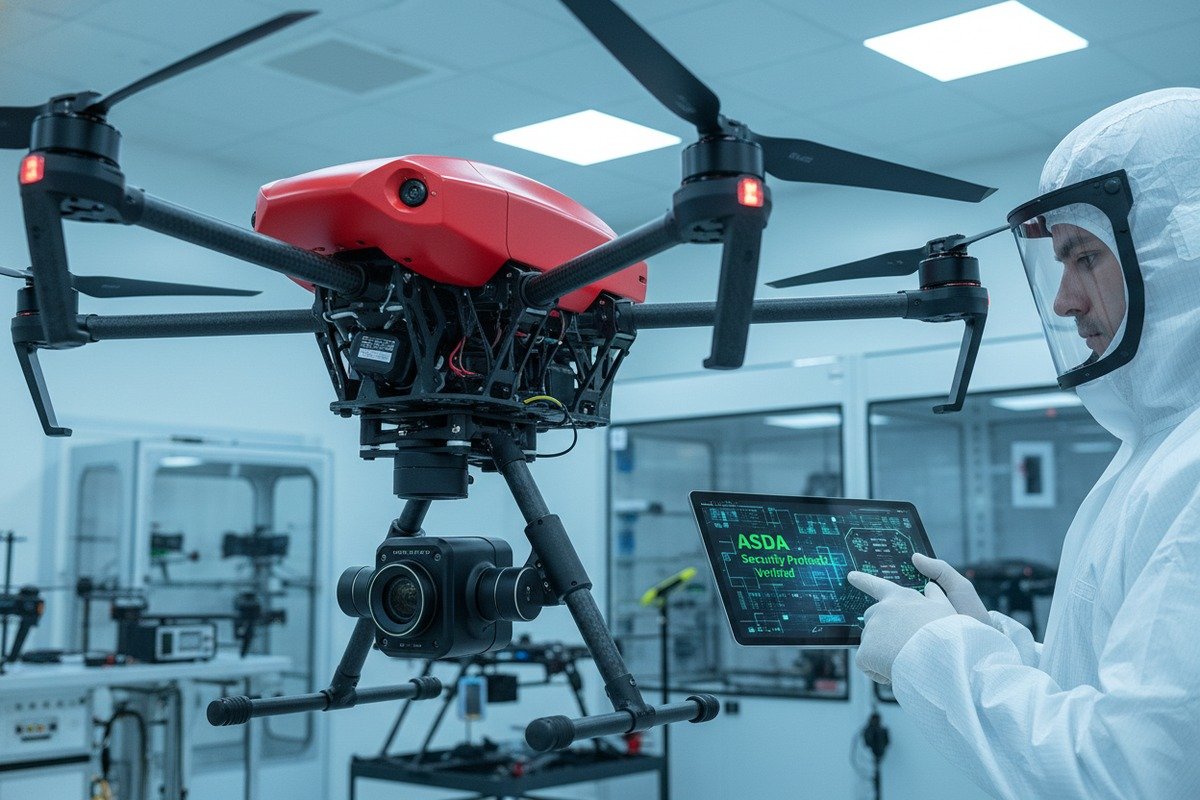
عندما نقوم بمعايرة وحدات التحكم في الطيران لدينا واختبار أنظمة الحمولة، نقوم بتوثيق كل شيء. لكن المشترين غالبًا ما يواجهون نزاعات بدون هذه الوثائق. المصطلحات التقنية الواضحة في عقدك تمنع معظم خلافات الأداء.
قم بتضمين هذه المصطلحات التقنية: معايير الأداء الكمية (وقت الطيران، سعة الحمولة، المدى)، بروتوكولات الاختبار التي تشير إلى معايير الصناعة، إجراءات اختبار القبول مع معايير النجاح/الفشل، تغطية الضمان للمكونات المحددة، وإجراءات التصعيد للنتائج الاختبارية المتنازع عليها. حدد ما تعنيه "الفشل" باستخدام عتبات قابلة للقياس بدلاً من اللغة الذاتية.
معايير الأداء الكمية
المصطلحات الغامضة مثل "أداء جيد" تخلق نزاعات. استخدم أرقامًا محددة بدلاً من ذلك:
| مقياس الأداء | الحد الأدنى | شرط الاختبار |
|---|---|---|
| مدة الرحلة | 45 دقيقة | حمولة كاملة، 15 درجة مئوية، مستوى سطح البحر |
| الحمولة القصوى | 30 كجم | التحويم على ارتفاع 50 مترًا |
| المدى التشغيلي | 5 كم | خط الرؤية، طقس صافٍ |
| مقاومة الرياح | 12 م/ث | تم الحفاظ على التحويم المستقر |
| معدل تصريف المياه | 15 لتر/دقيقة | خزان ممتلئ، أقصى ضغط |
| دقة الكاميرا | 4K بمعدل 30 إطارًا في الثانية | مثبت جيمبال نشط |
تمنح هذه المعايير المحكمين معايير واضحة. إما أن تلبي الطائرة بدون طيار هذه المعايير أو لا تلبيها.
بروتوكولات الاختبار
يجب أن يحدد عقدك كيفية إجراء الاختبار:
اختبار قبول المصنع (FAT):
- يتم إجراؤه قبل الشحن
- حضور المشتري أو مفتش طرف ثالث
- تم التحقق من جميع مقاييس الأداء
- تم تقديم الوثائق للمشتري
اختبار قبول الموقع (SAT):
- تم إجراؤه بعد التسليم
- اختبارات الظروف الواقعية
- تم التحقق من الامتثال التنظيمي المحلي
- التوقيع النهائي قبل الدفع
المراقبة المستمرة للأداء:
- متطلبات سجل الرحلات
- حفظ سجلات الصيانة
- إجراءات الإبلاغ عن الأعطال
- بروتوكولات مشاركة البيانات
شروط الضمان والمسؤولية
غالبًا ما تتمحور النزاعات الفنية حول تغطية الضمان. كن محددًا:
المكونات المغطاة:
- المحركات ووحدات التحكم الإلكترونية في السرعة (ESCs): 24 شهرًا
- وحدة التحكم في الطيران: 24 شهرًا
- الإطار والهيكل: 36 شهرًا
- الكاميرا والمستشعرات: 18 شهرًا
- البطاريات: 12 شهرًا أو 300 دورة
الاستثناءات:
- الأضرار الناتجة عن حوادث بسبب خطأ المشغل
- التعديلات غير المصرح بها
- الاستخدام خارج ظروف التشغيل المحددة
- العناصر التي تتعرض للتآكل الطبيعي (المراوح، تدهور البطارية)
تصعيد النزاعات للمسائل الفنية
عندما تختلف الأطراف حول الأداء الفني، يجب أن يوفر العقد خطوات تصعيد:
الخطوة 1: المراجعة الفنية – يقوم مهندسو الطرفين بمراجعة بيانات الرحلة وسجلات الصيانة. الهدف من الحل: 14 يومًا.
الخطوة 2: خبير مستقل – إذا فشلت الخطوة 1، يقوم خبير طائرات بدون طيار مستقل بفحص المعدات والبيانات. يتم تقسيم التكلفة بالتساوي. الهدف من الحل: 30 يومًا.
الخطوة 3: التحكيم – إذا تم رفض قرار الخبير، يبدأ التحكيم الرسمي بالأدلة الفنية من الخطوتين 1-2.
هذا النهج يحل معظم النزاعات دون الحاجة إلى تحكيم كامل. تظهر تجربتنا أن 80% من الخلافات الفنية يتم تسويتها في الخطوة 1 أو 2 عند اكتمال التوثيق.
شروط البيانات والأمن السيبراني
تجمع طائرات مكافحة الحرائق المسيرة بيانات حساسة. يجب أن يتناول عقدك:
- ملكية البيانات وموقع تخزينها
- معايير التشفير للبيانات المرسلة
- ضوابط الوصول والمصادقة على المستخدم
- إجراءات الإبلاغ عن الاختراق
- المسؤولية عن اختراق البيانات
تصبح هذه الشروط مهمة عندما تتضمن النزاعات تحليلات الذكاء الاصطناعي، وبيانات مسار الطيران، أو التصوير الحراري من مواقع الحرائق.
كيف يمكنني التأكد من أن قرار التحكيم قابل للتنفيذ في كل من الصين وبلدي الأم؟
يجب أن تعمل عقود التصدير لدينا في أنظمة قانونية متعددة. الجائزة غير القابلة للتنفيذ لا قيمة لها، بغض النظر عن مدى وضوح موقفك القانوني.
ضمان قابلية الإنفاذ من خلال: (1) اختيار مكان في بلد موقع على اتفاقية نيويورك، (2) اتباع إجراءات التحكيم السليمة التي تعترف بها كلا البلدين، (3) تجنب الأحكام التي تتطلب أداءً محددًا يتعارض مع القانون المحلي، (4) تضمين أحكام واضحة للتعويض النقدي، و (5) إلزام الطرف الخاسر بالاحتفاظ بالأصول في ولايات قضائية قابلة للتنفيذ. كل من الصين والولايات المتحدة موقعتان على اتفاقية نيويورك، مما يجعل أحكام التحكيم التجاري قابلة للتنفيذ المتبادل.

إطار اتفاقية نيويورك
عام 1958 اتفاقية نيويورك 9 يوفر الأساس للتنفيذ عبر الحدود. النقاط الرئيسية:
- 172 دولة موقعة بما في ذلك الصين والولايات المتحدة.
- يجب على المحاكم الاعتراف بقرارات التحكيم الأجنبية
- أسباب محدودة للرفض
- ينطبق على المنازعات التجارية
ومع ذلك، فإن التنفيذ ليس تلقائيًا. يجب عليك اتباع الإجراءات الصحيحة.
المتطلبات الإجرائية للتنفيذ
لتنفيذ قرار في الصين أو الولايات المتحدة، تحتاج إلى:
| المتطلبات | الصين | الولايات المتحدة الأمريكية |
|---|---|---|
| القرار الأصلي | نسخة مصدقة مطلوبة | نسخة مصدقة مطلوبة |
| اتفاق التحكيم | نسخة أصلية أو مصدقة | نسخة أصلية أو مصدقة |
| ترجمة | ترجمة صينية من مترجم معتمد | ترجمة إنجليزية إذا كانت بلغة أجنبية |
| الموعد النهائي للتقديم | سنتان من تاريخ القرار | 3 سنوات من تاريخ منح الجائزة |
| مكان الإيداع | محكمة الشعب المتوسطة | المحكمة الجزئية الفيدرالية |
عقبات الإنفاذ الشائعة
حتى مع وجود وثائق سليمة، قد يواجه الإنفاذ تحديات:
استثناء السياسة العامة: يمكن للمحاكم رفض الإنفاذ إذا كان الحكم ينتهك السياسة العامة المحلية. نادرًا ما ينطبق هذا على نزاعات الطائرات بدون طيار التجارية ولكنه قد يؤثر على الأحكام المتعلقة بقضايا الأمن القومي.
إشعار غير سليم: إذا ادعى الطرف الخاسر أنه لم يتم إخطاره بالتحكيم بشكل صحيح، فقد ترفض المحاكم الإنفاذ. استخدم دائمًا طرق اتصال متعددة ووثق التسليم.
تجاوز النطاق: إذا قرر المحكمون قضايا خارج نطاق اتفاق التحكيم، فقد ترفض المحاكم الإنفاذ. حافظ على وضوح ونطاق بند التحكيم الخاص بك.
موضوع غير قابل للتحكيم: كما نوقش سابقًا، لا يمكن تحكيم بعض القضايا. قد تكون الأحكام التي تتناول مسائل غير قابلة للتحكيم غير قابلة للتنفيذ.
استراتيجيات حماية الأصول
يتطلب الإنفاذ أصولًا للحجز. ضع في اعتبارك هذه الاستراتيجيات:
شروط الدفع: هيكلة المدفوعات مع احتجاز مبالغ مستحقة حتى يتم التحقق من الأداء. هذا يحافظ على الأموال في ولايات قضائية يسهل الوصول إليها.
خطاب الاعتماد: للطلبات الكبيرة، اطلب خطاب اعتماد من بنك دولي حسن السمعة. هذا يوفر أمانًا للدفع مستقلًا عن التحكيم.
ضمانات الشركة الأم: عند التعامل مع شركة تابعة، احصل على ضمان من الشركة الأم للالتزامات. هذا يوسع خيارات الإنفاذ.
تحديد الأصول: اعرف أين يحتفظ الطرف المقابل بأصوله. الحسابات المصرفية والعقارات والمخزون في دول اتفاقية نيويورك هي الأكثر سهولة في الوصول إليها.
اعتبارات خاصة بالصين
عند التعامل مع موردين أو مشترين صينيين، افهم هذه العوامل:
-
المحاكم الشعبية المتوسطة تتعامل مع إنفاذ قرارات التحكيم الأجنبية. المراكز التجارية الكبرى مثل شنغهاي وبكين وشنتشن لديها خبرة أكبر.
-
موافقة المحكمة الشعبية العليا قد تكون مطلوبة إذا أرادت محكمة أدنى رفض الإنفاذ. نظام المراجعة الداخلية هذا يفضل بشكل عام الإنفاذ.
-
توقيت التنفيذ يمكن أن يكون مطولاً. خطط لمدة 6-18 شهرًا من تقديم الطلب إلى مصادرة الأصول.
-
ضوابط العملة قد تؤثر على تحويلات الجوائز النقدية. قم ببناء الجوائز بعملات قابلة للتحويل وحدد آليات الدفع.
اعتبارات خاصة بالولايات المتحدة
بالنسبة للجوائز التي يتم إنفاذها في الولايات المتحدة:
-
المحاكم الفيدرالية تفضل بشكل عام الإنفاذ بموجب اتفاقية نيويورك.
-
المحاكم الولائية قد يكون لها أيضًا اختصاص قضائي اعتمادًا على موقع الأصول.
-
أدوات الكشف تساعد في تحديد الأصول للتنفيذ.
-
أتعاب المحاماة يمكن استردادها في بعض الحالات، مما يحسن اقتصاديات الإنفاذ.
يتضمن فريق العقود لدينا أحكام إنفاذ محددة لتجنب العقبات الشائعة. هذا الإعداد يؤتي ثماره عند نشوء النزاعات.
الخاتمة
تحديد مكان التحكيم والقانون الحاكم يحمي استثمارك في طائرات مكافحة الحرائق المسيرة. اختر القانون الحاكم بعناية، وحدد مكانًا محايدًا، وعرّف المصطلحات التقنية بدقة، وخطط للتنفيذ من البداية. هذه الخطوات تحول عقدك من حماية ورقية إلى أمان حقيقي.
الحواشي
1. الموقع الرسمي للمحكمة الدولية للتحكيم التابعة لغرفة التجارة الدولية، وهي مؤسسة تحكيم عالمية رائدة. ︎
2. الموقع الرسمي لـ AAA، وهي جهة رئيسية تقدم خدمات التحكيم وتسوية المنازعات البديلة. ︎
3. رابط مباشر لبند لائحة المشتريات الفيدرالية المتعلق بقيود شراء الطائرات المسيرة. ︎
4. النص الرسمي للقانون الذي يحدد القيود الفيدرالية على الطائرات المسيرة من كيانات أجنبية معينة. ︎
5. المصدر الحكومي الرسمي للائحة المشتريات الفيدرالية (FAR)، التي تحكم المشتريات الفيدرالية. ︎
6. صفحة ويكيبيديا تشرح المنظمة الدولية للتوحيد القياسي وشهاداتها. ︎
7. الصفحة الرسمية للأونسيترال (UNCITRAL) التي تفصل قواعد التحكيم الخاصة بها للمنازعات التجارية الدولية. ︎
8. يناقش أهمية وأنواع المقاييس القابلة للقياس لتقييم الأداء الهندسي. ︎
9. يقدم معلومات شاملة حول المعاهدة الدولية لإنفاذ أحكام التحكيم. ︎

 English
  Español de México
  Deutsch
  Français
  Русский
  العربية
Comments
No comments yet. Be the first to share your thoughts!
Leave a Comment