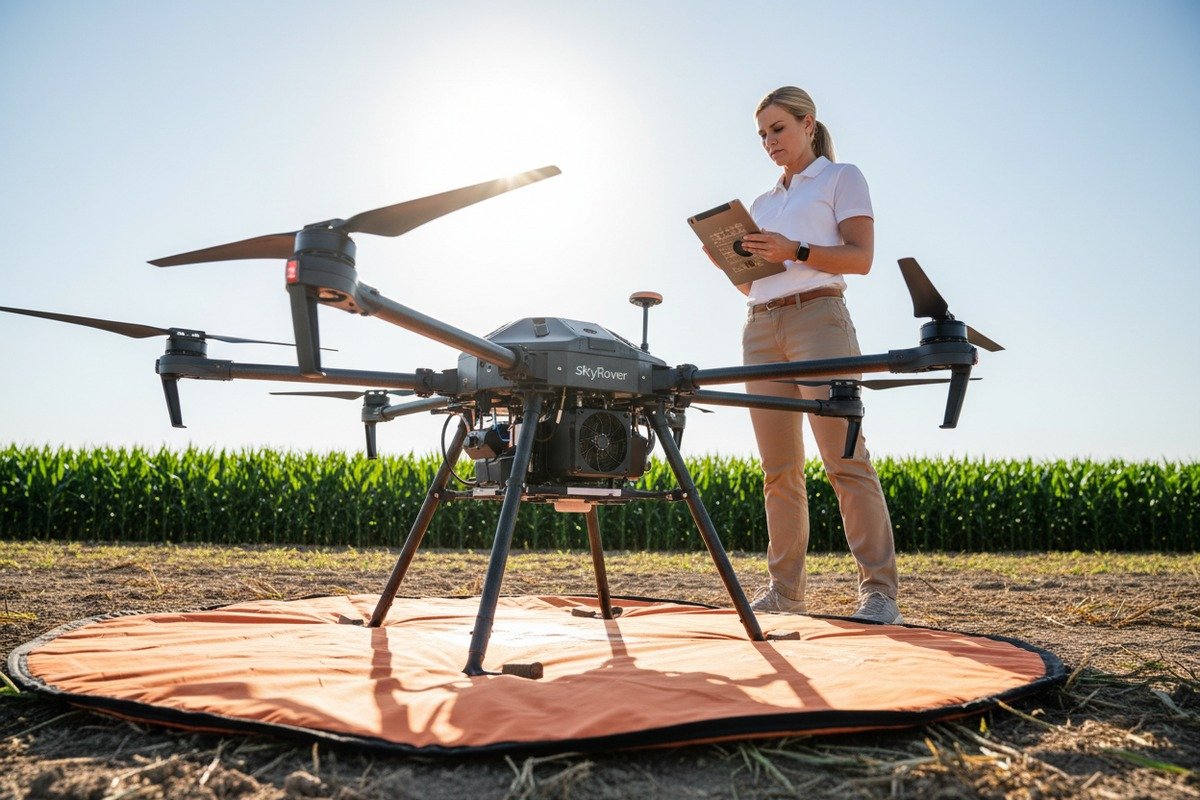
عندما بدأ فريق الهندسة لدينا في تلقي التعليقات من الموزعين في تكساس ولويزيانا، كانت الرسالة واضحة: كانت الطائرات بدون طيار تتوقف عن العمل في منتصف الرحلة في حرارة الصيف. تقارير اختبار الغرفة الحرارية 1. ارتفعت درجة حرارة المحركات، وتدهورت البطاريات بسرعة، وتسببت فترات التوقف في خسارة آلاف الدولارات للمزارعين.
لتقييم نظام تبريد الطائرات بدون طيار الزراعية لأحد الموردين لحرارة جنوب الولايات المتحدة، اطلب مواصفات إدارة الحرارة، واطلب وثائق اختبار الإجهاد لظروف تتجاوز 100 درجة فهرنهايت، وتحقق من تصنيفات IP لمقاومة الرطوبة، وقم بتأكيد نتائج التجارب الميدانية من المناخات ذات الحرارة العالية قبل الالتزام بأي عملية شراء.
يوضح هذا الدليل بالضبط ما الذي تبحث عنه، وما هي الأسئلة التي يجب طرحها، وكيفية التحقق من الادعاءات. دعنا نتعمق في كل جانب حاسم.
ما هي ميزات الإدارة الحرارية المحددة التي يجب أن أبحث عنها لمنع ارتفاع درجة حرارة المحرك في المناخات الجنوبية الرطبة؟
علمتنا تجربتنا في شحن الطائرات بدون طيار إلى فلوريدا وجورجيا أن الرطوبة تغير كل شيء. تفشل أنظمة التبريد القياسية عندما يقلل الهواء المشبع بالرطوبة من كفاءة تبديد الحرارة بشكل كبير.
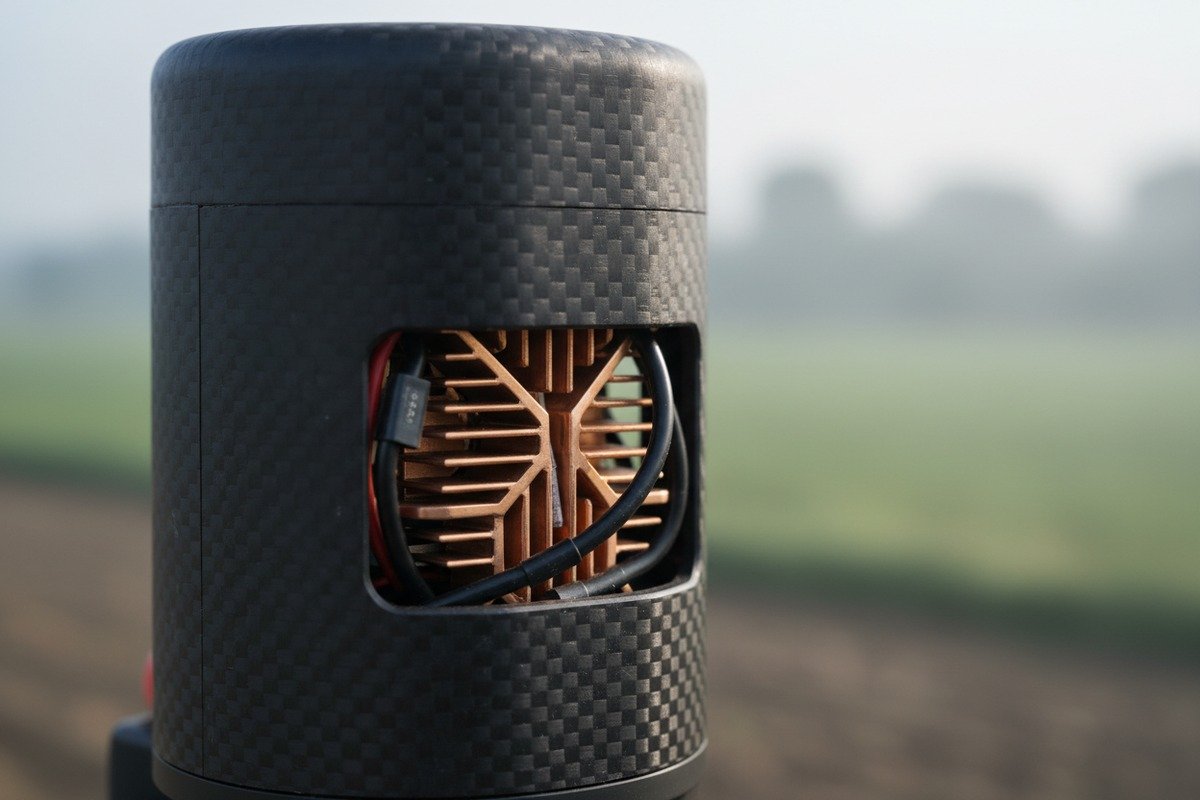
ابحث عن أغلفة محركات محكمة الغلق بتصنيف IP54 أو أعلى، ومشتتات حرارة مخصصة لكل محرك، وقنوات تدفق هواء نشطة، ومواد مقاومة للتآكل. بالإضافة إلى ذلك، تحقق من أن النظام يتضمن مستشعرات درجة حرارة مدمجة تقوم بتشغيل التقييد الوقائي قبل حدوث تلف.
فهم توليد حرارة المحرك
تولد المحركات حرارة كبيرة أثناء العمليات الزراعية. تتطلب مهام الرش التحليق المستمر، مما ينتج عنه إجهاد حراري أكبر من الطيران الأمامي. في الظروف الرطبة في الجنوب، تتضاعف هذه المشكلة.
عندما تصل درجات الحرارة المحيطة إلى 100 درجة فهرنهايت مع رطوبة 80%، يمكن أن يتجاوز مؤشر الحرارة الفعلي 115 درجة فهرنهايت. تواجه محركات طائرتك بدون طيار معركة شاقة. يجب أن تهرب الحرارة من غلاف المحرك، وتمر عبر الهواء المحيط، وتتبدد. الهواء الرطب لديه قدرة أقل على هذا النقل.
مكونات التبريد الرئيسية للفحص
إليك ما يميز الأنظمة الكافية عن الأنظمة الممتازة:
| المكوّن | الإصدار الأساسي | الإصدار المميز |
|---|---|---|
| المشتتات الحرارية | ألومنيوم، سلبي | قلب نحاسي، تصميم بزعانف |
| غلاف المحرك | تهوية مفتوحة | مغلق IP54+ مع قنوات حرارية |
| تصميم تدفق الهواء | دفع الهواء السفلي فقط | قنوات تبريد مخصصة |
| مستشعرات درجة الحرارة | لوحة واحدة على متن الطائرة | مراقبة لكل محرك |
| طلاء المواد | طلاء قياسي | مقاوم للتآكل، عاكس للحرارة |
مفاضلات التبريد النشط مقابل السلبي
يعتمد التبريد السلبي على الحمل الحراري الطبيعي وتدفق الهواء الناتج عن المروحة. إنه أبسط وأخف وزناً وأرخص. ولكن في الرطوبة الجنوبية، غالبًا ما تفشل الأنظمة السلبية خلال العمليات الممتدة.
يضيف التبريد النشط مراوح أو مجاري هواء أو حتى دوران سائل. تظهر اختبارات المصنع لدينا أن الأنظمة النشطة تحافظ على درجات حرارة محرك أقل بمقدار 15-20 درجة مئوية خلال اختبارات التحويم لمدة 30 دقيقة. المقايضة هي الوزن واستهلاك الطاقة.
ميزات خاصة بالرطوبة
اطلب هذه المواصفات التي تركز على الرطوبة:
المحركات التي تفتقر إلى هذه الميزات تتدهور بسرعة في حقول قصب السكر في لويزيانا أو بساتين الحمضيات في فلوريدا. الهواء المالح بالقرب من العمليات الساحلية يسرع هذه المشكلة بشكل أكبر.
كيف يمكنني التأكد من أن موردي قد أجرى اختبارات إجهاد لأنظمة التبريد هذه للتشغيل المستمر في طقس تزيد درجة حرارته عن 100 فهرنهايت؟
عندما نجهز الطائرات بدون طيار للأسواق الجنوبية بالولايات المتحدة، تتجاوز بروتوكولات الاختبار لدينا فحوصات الوظائف الأساسية بكثير. لقد تعلمنا أن المواصفات الورقية لا تعني شيئًا بدون التحقق من صحتها في العالم الحقيقي.
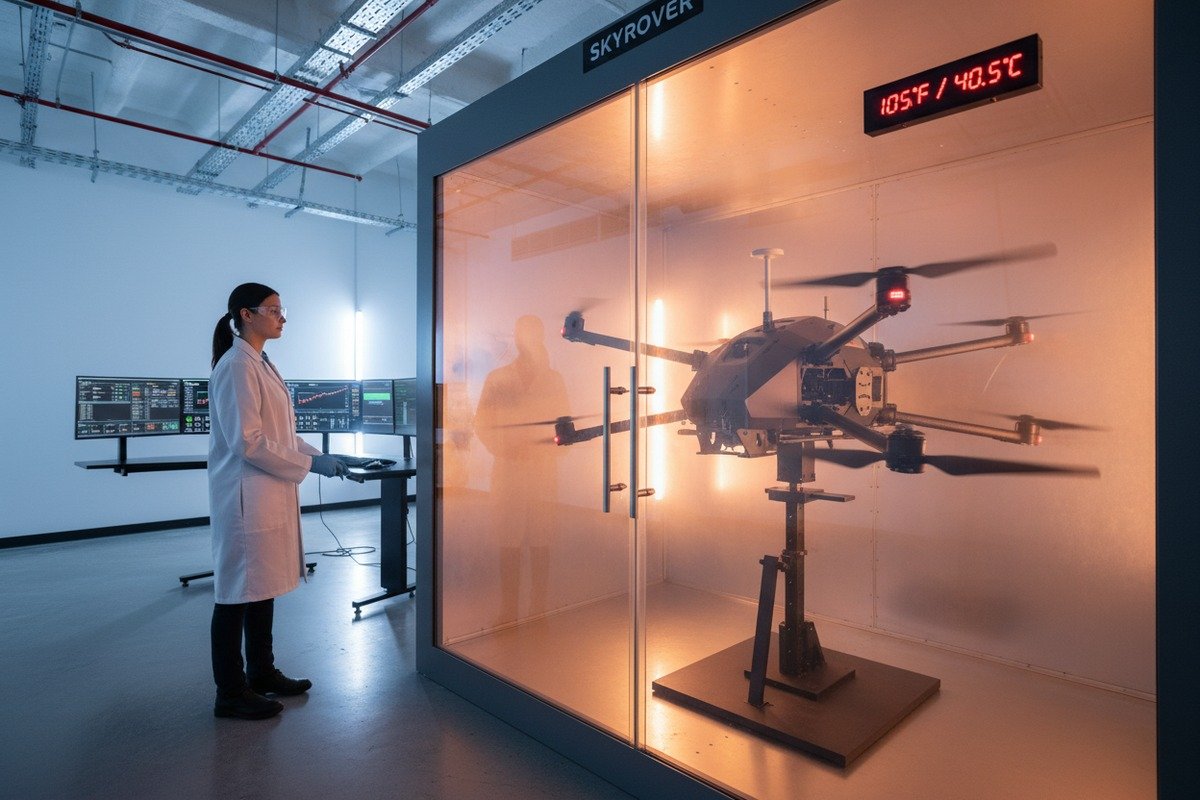
اطلب تقارير اختبار الغرفة الحرارية التي تُظهر التشغيل المستمر عند 105 درجة فهرنهايت كحد أدنى، واطلب بيانات التجارب الميدانية من مناخات مماثلة، وتحقق من مشاركة شهادات الجهات الخارجية، واطلب سجلات درجات الحرارة من العمليات الزراعية الفعلية التي تستمر لمدة 30 دقيقة أو أكثر في ظروف ذروة الصيف.
وثائق الاختبار الأساسية
يجب على أي مورد جاد تقديم هذه المستندات دون تردد:
| نوع المستند | ما الذي يظهره | العلم الأحمر إذا كان مفقوداً |
|---|---|---|
| تقرير غرفة الحرارة | أداء المختبر في درجات حرارة مضبوطة | لا يمكن التحقق من ادعاءات الحرارة |
| ملخص تجارب ميدانية | بيانات التشغيل في العالم الحقيقي | لا يوجد تحقق عملي |
| سجلات درجة حرارة المكونات | قراءات المحرك والبطارية ووحدة التحكم الإلكترونية | إخفاء مناطق المشاكل |
| تحليل الفشل | ما الذي تعطل أثناء الاختبار | ادعاءات موثوقية غير واقعية |
| شهادة طرف ثالث | التحقق المستقل | بيانات ذاتية فقط |
أسئلة لطرحها على المورد الخاص بك
كن مباشرًا ومحددًا. الإجابات الغامضة تشير إلى اختبار غير كافٍ.
"ما هو أقصى وقت طيران مستمر تم تحقيقه عند درجة حرارة محيطة تبلغ 105 فهرنهايت؟"
"عند أي درجة حرارة داخلية يبدأ النظام في تقييد الأداء الحراري؟"
"كم عدد دورات الطيران التي تم إكمالها خلال تجارب ميدانية صيفية؟"
"ما هي المكونات المحددة التي أظهرت أكبر ضغط حراري أثناء الاختبار؟"
يتتبع مهندسونا هذه المقاييس خلال كل دفعة إنتاج. يحتفظ الموردون ذوو السمعة الطيبة بسجلات مفصلة.
برامج التحقق من طرف ثالث
يقوم برنامج S.A.F.E. التابع لمركز LSU AgCenter بتقييم أنماط الرش ويمكن أن يمتد إلى التحقق من الأداء الحراري. اسأل عما إذا كان المورد الخاص بك قد شارك في برامج مماثلة.
ابحث عن:
- شراكات الإرشاد الزراعي الجامعي
- تقارير مختبرات الاختبار المستقلة
- تقييمات التأهيل المسبق لشركات التأمين
تفسير بيانات الاختبار
الأرقام الخام تحتاج إلى سياق. محرك يعمل عند 180 درجة فهرنهايت يبدو مقلقًا، ولكن العديد من المحركات تعمل بأمان حتى 200 درجة فهرنهايت. اطلب من الموردين:
- درجات حرارة التشغيل القصوى المقدرة لكل مكون
- هوامش الأمان بين نتائج الاختبار وعتبات الفشل
- منحنيات تدهور الأداء عند درجات الحرارة المستمرة
زيارات الموقع والعروض التوضيحية الحية
إذا أمكن، قم بزيارة منشأة المورد أو اطلب توثيقًا بالفيديو للاختبار الحراري. انتبه إلى:
- كاميرات التصوير الحراري التي تظهر توزيع الحرارة
- معدات تسجيل البيانات المتصلة أثناء الاختبارات
- عمليات الطيران الفعلية، وليس فقط اختبارات الطاولة
هل سيسمح تصميم نظام التبريد لطائراتي بدون طيار بالحفاظ على قدرة طيران طويلة دون تباطؤ الأداء؟
تكشف بيانات الإنتاج لدينا عن حقيقة غير مريحة: معظم الطائرات بدون طيار الزراعية تعلن عن أوقات طيران تم تحقيقها في ظروف مثالية. عمليات الصيف في جنوب الولايات المتحدة نادرًا ما ترى هذه الأرقام.
تحافظ أنظمة التبريد المصممة جيدًا على 85-95% من مدة الطيران المقدرة حتى عند درجة حرارة 100 فهرنهايت+ عن طريق منع الاختناق الحراري. توقع خسارة في القدرة على التحمل بنسبة 20-30% مع التبريد غير الكافي. اطلب بيانات وقت الطيران المحددة من اختبارات الطقس الحار، وليس فقط المواصفات المختبرية.

كيف يعمل الخنق الحراري
وحدات التحكم في السرعة الإلكترونية 3 تراقب درجات حرارة المحرك والبطارية باستمرار. عندما تتجاوز درجات الحرارة الحدود الآمنة، يقلل النظام تلقائيًا من خرج الطاقة. هذا يحمي المكونات ولكنه يقلل من وقت الطيران وقدرة الحمولة.
في سيناريو نموذجي:
- تسخن البطارية أثناء التفريغ
- تولد المحركات حرارة إضافية تحت الحمل
- تمنع الحرارة المحيطة التبديد الفعال
- يكتشف النظام الحدود الوشيكة
- يقلل الخنق الطاقة بنسبة 10-40%
- ينخفض وقت الطيران، وتنخفض تغطية الرش
تبريد البطارية: العامل الخفي
تعاني البطاريات أكثر في حرارة الجنوب. تظهر اختباراتنا:
| درجة حرارة البطارية | تأثير السعة | سرعة الشحن | تأثير العمر الافتراضي |
|---|---|---|---|
| 75°F (24°م) | خط أساس 100% | عادي | عادي |
| 95°F (35°م) | 90-95% | مخفض 20% | -15% دورات |
| 105°F (40°م) | 80-85% | مخفض 40% | -30% دورات |
| 115°F (46°م) | 70-75% | غير موصى به | -50% دورات |
يحافظ التبريد الفعال للبطارية على درجات الحرارة أقل من 95 فهرنهايت حتى عندما تتجاوز درجة الحرارة المحيطة 105 فهرنهايت. ابحث عن:
- تهوية نشطة لحجرة البطارية
- دمج مادة تغيير الطور 4
- درع حجرة البطارية من حرارة المحرك
- تصميمات التبديل السريع التي تسمح للبطاريات الساخنة بالتبريد بشكل منفصل
حسابات مدة الطيران
اطلب من الموردين تقديرات واقعية للتحمل باستخدام هذا الإطار:
الظروف القياسية: 77 درجة فهرنهايت، 50% رطوبة، 10 ميل في الساعة رياح
ظروف حارة: 100 درجة فهرنهايت، 75% رطوبة، 5 ميل في الساعة رياح
ظروف قاسية: 110 درجة فهرنهايت، 85% رطوبة، رياح هادئة
قارن الأداء المقدر عبر السيناريوهات الثلاثة. يقدم الموردون ذوو الجودة هذا التفصيل.
اعتبارات الحمولة
تضيف أنظمة التبريد وزنًا. يضيف إعداد تبريد نشط نموذجي 500-1500 جرام. هذا يقلل من سعة الحمولة أو وقت الطيران.
احسب سعة التشغيل الحقيقية الخاصة بك:
- الحد الأقصى لوزن الإقلاع مطروحًا منه وزن نظام التبريد
- السعة المتبقية لخزانات الرش، والموزعات، وأجهزة الاستشعار
- وقت الطيران الفعلي تحت حمولة كاملة في الحرارة
استراتيجيات التشغيل
حتى مع التبريد الممتاز، فإن العمليات الذكية تزيد من القدرة على التحمل:
- جدولة الرحلات في الصباح الباكر قدر الإمكان
- قم بتبريد البطاريات مسبقًا قبل التركيب
- قم بتدوير مجموعات البطاريات المتعددة لمنحها وقت تبريد مناسب
- راقب شاشات درجة الحرارة في الوقت الفعلي أثناء الرحلة
- اهبط فورًا إذا ارتفعت درجات الحرارة بشكل غير متوقع
ما نوع وثائق الهندسة التي يجب أن أطلبها لإثبات أن نظام التبريد متين بما يكفي لموسم زراعي أمريكي كامل؟
عندما نجهز وثائق التصدير للموزعين الأمريكيين، فإننا ندرج كل ما هو مطلوب لاتخاذ قرارات شراء واثقة. يجب على المورد الخاص بك أن يفعل الشيء نفسه دون تردد.
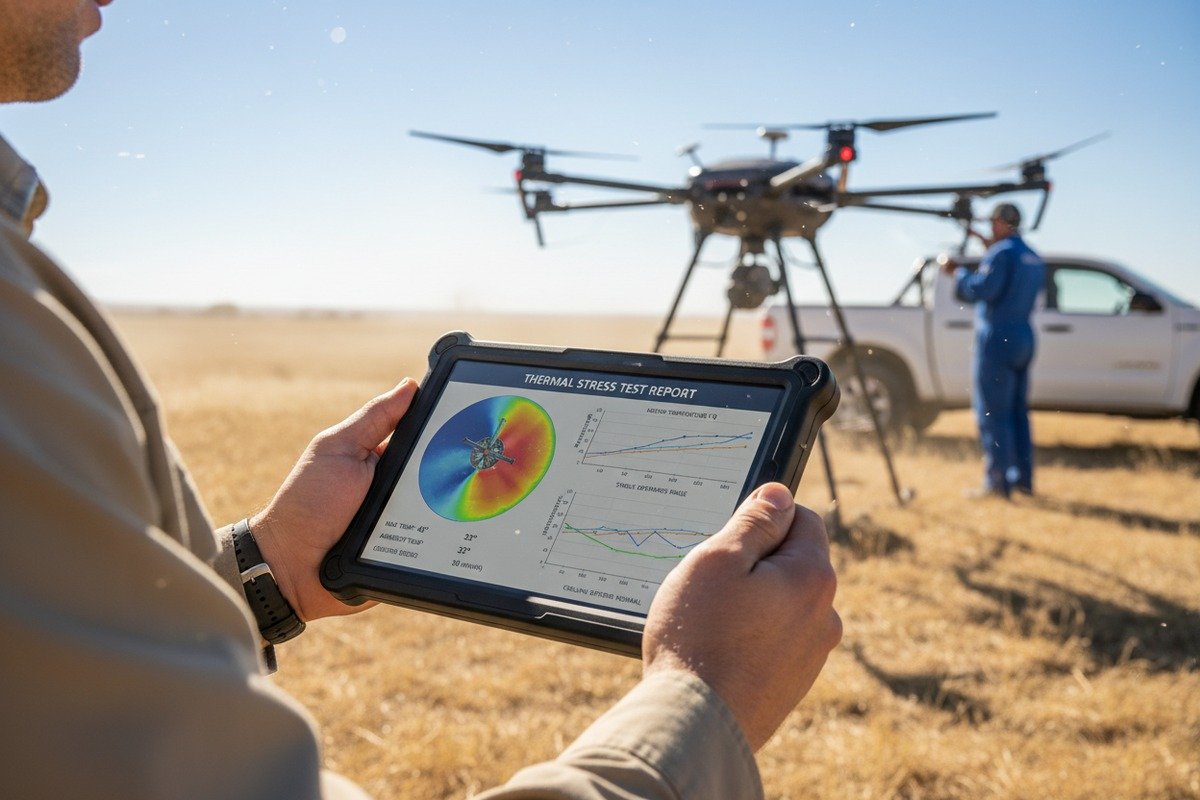
طلب حزم هندسية كاملة تشمل تقارير المحاكاة الحرارية، ومواصفات المواد مع تصنيفات مقاومة التآكل، وحسابات متوسط الوقت بين الأعطال (MTBF)، وجداول الصيانة، وشروط الضمان التي تغطي الأعطال المتعلقة بالحرارة، ومن الناحية المثالية دراسات حالة من مواسم زراعية مكتملة في مناخات مماثلة.
قائمة التحقق من الوثائق الكاملة
استخدم هذه القائمة عند تقييم الموردين:
| فئة المستند | عناصر محددة | الغرض |
|---|---|---|
| مواصفات التصميم | رسومات CAD، قوائم المواد، تعليمات التجميع | التحقق من جودة الهندسة |
| تقارير الاختبار | غرفة حرارية، اهتزاز، رطوبة، رذاذ ملحي | تأكيد ادعاءات المتانة |
| بيانات الأداء | منحنيات درجات الحرارة، تقييمات الكفاءة، استهلاك الطاقة | قارن مقابل الاحتياجات |
| مقاييس الموثوقية | متوسط الوقت بين الأعطال (MTBF)، أنماط الفشل، إحصائيات الضمان | تقييم القيمة طويلة الأجل |
| أدلة الصيانة | إجراءات التنظيف، فترات الفحص، قطع الغيار | خطط التكاليف التشغيلية |
| الشهادات | FCC، CE،, تصنيفات IP 5, ، عمليات التحقق من صحة الجهات الخارجية | ضمان الامتثال التنظيمي |
فهم متوسط الوقت بين الأعطال (MTBF) لمكونات التبريد
متوسط الوقت بين الأعطال 6 يشير إلى ساعات التشغيل المتوقعة قبل فشل المكون. لأنظمة تبريد طائرات الدرون الزراعية:
- المراوح: 20,000-50,000 ساعة نموذجية
- المشتتات الحرارية: غير محدودة تقريبًا إذا تمت صيانتها بشكل صحيح
- المضخات (أنظمة سائلة): 10,000-30,000 ساعة
- موانع التسرب والحشيات: 2,000-5,000 ساعة في ظروف قاسية
اطلب بيانات متوسط الوقت بين الأعطال (MTBF) الخاصة بالبيئات الزراعية. غالبًا ما يتجاوز متوسط الوقت بين الأعطال في المختبر متوسط الوقت بين الأعطال في الميدان بشكل كبير.
متطلبات المتانة الموسمية
يختلف موسم زراعي أمريكي كامل حسب المنطقة والمحصول:
- القطن (تكساس): مايو-أكتوبر، 500+ ساعة طيران
- قصب السكر (لويزيانا): يونيو-ديسمبر، 400+ ساعة طيران
- الحمضيات (فلوريدا): على مدار العام، 600+ ساعة طيران
يجب أن يتعامل نظام التبريد الخاص بك مع الإجهاد التراكمي، وليس فقط الرحلات الفردية. اطلب وثائق توضح:
- اختبار دورة الحياة المتسارع 7 النتائج
- ملخصات تجارب ميدانية متعددة المواسم
- معدلات استبدال المكونات من العملاء الحاليين
تحليل الضمان
افحص شروط الضمان بعناية. ابحث عن:
علامات جيدة:
- الأعطال المتعلقة بالحرارة مغطاة صراحةً
- مدة ضمان متعددة المواسم
- أحكام الاستبدال في الميدان
- إجراءات واضحة للمطالبات
علامات التحذير:
- استثناءات الأضرار الحرارية
- فترات ضمان قصيرة (أقل من 12 شهرًا)
- سياسات الإصلاح فقط تتطلب أوقات شحن طويلة
- لغة غامضة حول الظروف البيئية
توافر قطع الغيار
ستحتاج مكونات نظام التبريد إلى الاستبدال في النهاية. قبل الشراء، تأكد من:
- الجدول الزمني لتوافر الأجزاء (نفس اليوم، الأسبوع القادم، الشهر القادم)
- أسعار العناصر الشائعة للاستبدال
- التوافق مع نماذج الطائرات بدون طيار المستقبلية
- جدوى الاستبدال بنفسك مقابل متطلبات الخدمة من المصنع
يحتفظ شركاؤنا الموزعون بمخزون قطع الغيار لأن وقت التوقف عن العمل خلال موسم الرش يكلف المزارعين المال كل يوم.
دراسات الحالة والمراجع
اطلب جهات اتصال للعملاء الحاليين الذين يعملون في ظروف مماثلة. تحدث مباشرة مع:
- مقدمي خدمات الطائرات بدون طيار في تكساس ولويزيانا وفلوريدا
- التعاونيات الزراعية التي تستخدم المعدات
- التجار الذين تعاملوا مع مطالبات الضمان
تكشف التعليقات الواقعية عن مشكلات قد لا تلتقطها الوثائق.
الخاتمة
يتطلب تقييم أنظمة تبريد الطائرات بدون طيار الزراعية لحرارة جنوب الولايات المتحدة التحقق المنهجي من ميزات الإدارة الحرارية ووثائق اختبار الإجهاد وبيانات أداء التحمل وإثبات موثوقية الهندسة. اطرح أسئلة صعبة، واطلب وثائق كاملة، وثق بالموردين الذين يرحبون بالتدقيق.
الحواشي
1. يصف الغرض ومنهجية اختبار الغرفة الحرارية. ︎
2. ويكيبيديا مصدر موثوق يقدم نظرة عامة شاملة على الطلاء المتوافق. ︎
3. يشرح وظيفة وأهمية وحدات التحكم الإلكترونية في الطائرات بدون طيار. ︎
4. تقدم ويكيبيديا نظرة عامة شاملة على مواد تغيير الطور وتطبيقاتها، بما في ذلك الإدارة الحرارية. ︎
5. يشرح معنى وأهمية تصنيفات IP للأجهزة الإلكترونية. ︎
6. يحدد MTBF وتطبيقه في هندسة الموثوقية. ︎
توفر ويكيبيديا نظرة عامة شاملة على اختبارات الحياة المتسارعة، والغرض منها، ومنهجياتها. ︎

 English
  Español de México
  Deutsch
  Français
  Русский
  العربية
