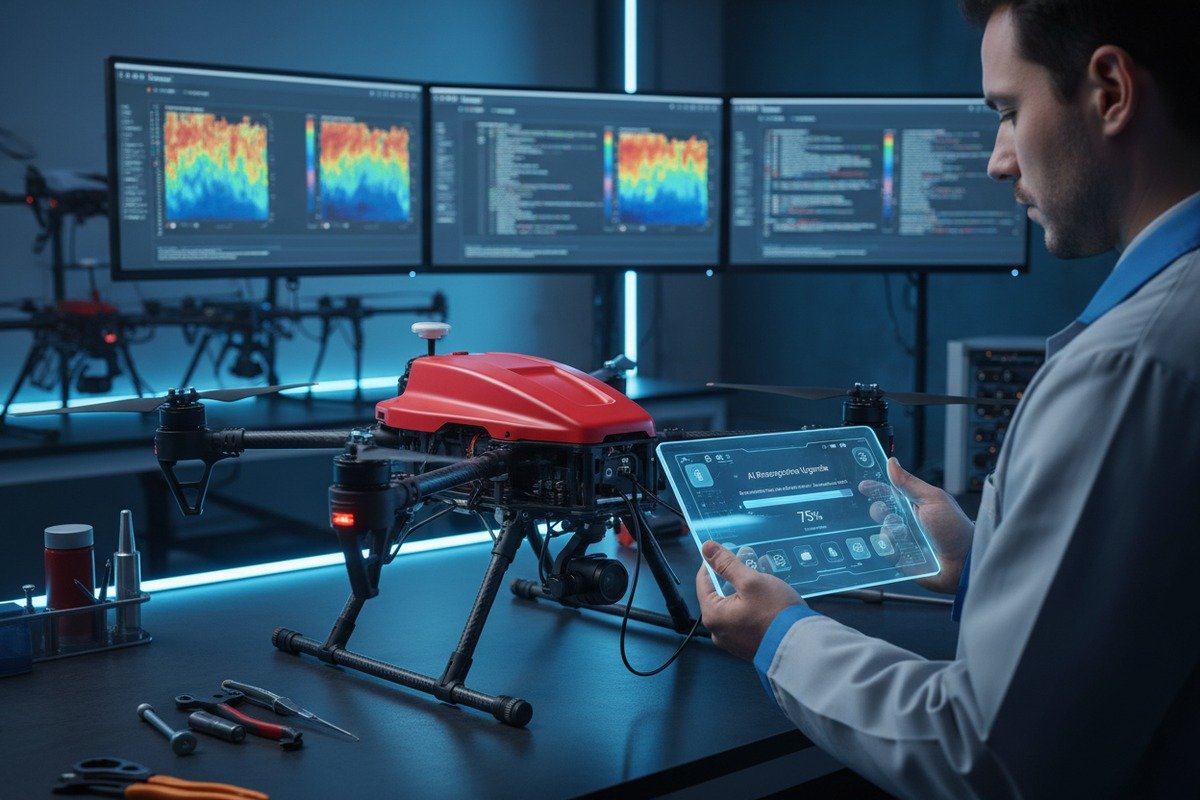
When our engineering team began developing أنظمة التصوير الحراري 1 five years ago, we never imagined how quickly AI recognition technology 2 would evolve. Today, fire departments face a critical challenge: investing in drone fleets that might become obsolete within months.
نعم، يخطط الموردون الرائدون لترقيات مستقبلية للتعرف على الذكاء الاصطناعي لطائرات مكافحة الحرائق بدون طيار. تصمم معظم الشركات المصنعة الآن هياكل أجهزة معيارية تدعم تحديثات البرامج عبر الهواء، مما يضمن أن الطائرات بدون طيار يمكنها تلقي قدرات محسنة للتعرف على أنماط الحرائق، والتحليلات التنبؤية، واكتشاف الضحايا دون الحاجة إلى استبدال الأسطول بالكامل.
This article explores how you can protect your investment while staying ahead of rapidly advancing AI technology modular hardware architectures 3. We will examine compatibility strategies, custom development opportunities, roadmap impacts, and investment protection measures.
كيف يمكنني التأكد من أن أسطول طائراتي المسيرة لمكافحة الحرائق سيظل متوافقًا مع تحديثات برامج الذكاء الاصطناعي المستقبلية؟
Our production facility processes hundreds of flight controllers monthly, and compatibility concerns rank among the top questions from procurement managers standardized communication protocols 4. The fear of buying equipment that cannot adapt to tomorrow's AI capabilities keeps many buyers hesitant.
لضمان التوافق المستقبلي، اختر طائرات بدون طيار ذات لوحات معالجة معيارية، وبروتوكولات اتصال موحدة، وبرامج ثابتة مصممة للتحديثات عبر الهواء. تحقق من أن المورد يقدم التزامات دعم برامج لا تقل عن خمس سنوات وينشر وثيقة واضحة لمسار الترقية تحدد متطلبات الأجهزة لميزات الذكاء الاصطناعي المخطط لها.

Understanding Modular Hardware Architecture
Modern firefighting drones should feature swappable computing modules. This means the AI processing unit sits on a separate board from flight controls. When new recognition algorithms require more power, you replace only the processor card.
Our engineers design central hubs with expansion slots specifically for this purpose. The carbon fiber frames on our industrial quadcopters accommodate additional sensor mounts without structural modifications.
Key Compatibility Factors to Evaluate
| العامل | ما أهمية ذلك | ما الذي يجب أن تسأله للموردين |
|---|---|---|
| Processor Architecture | يحدد تعقيد خوارزمية الذكاء الاصطناعي المدعومة | هل المعالج يعتمد على ARM أم x86؟ ما هو مسار الترقية؟ |
| سعة الذاكرة | يحد من معالجة البيانات في الوقت الفعلي | هل يمكن توسيع ذاكرة الوصول العشوائي؟ ما هو الحد الأقصى المدعوم؟ |
| بروتوكولات الاتصال | يؤثر على التكامل مع مراكز القيادة | هل تدعمون روابط MANET و 5G والأقمار الصناعية؟ |
| واجهات المستشعرات | يحدد الكاميرات ووحدات التصوير الحراري التي تعمل | هل منافذ المستشعرات موحدة؟ هل يمكنني إضافة مستشعرات طرف ثالث؟ |
| إدارة الطاقة | المزيد من ميزات الذكاء الاصطناعي تحتاج إلى المزيد من الطاقة | ما هي ميزانية الطاقة لمعالجة الذكاء الاصطناعي؟ |
آليات تحديث البرامج
ابحث عن طائرات بدون طيار تدعم ثلاث طرق للتحديث. أولاً،, تحديثات عبر الهواء 5 عبر اتصال خلوي أو عبر الأقمار الصناعية. ثانياً، تحديثات الشبكة المحلية من خلال مركز القيادة الخاص بك. ثالثاً، تحديثات الوسائط المادية للبيئات الآمنة.
تدعم أنظمة التحكم في الطيران لدينا حزم البرامج الثابتة المشفرة. هذا يحمي من التعديلات غير المصرح بها مع السماح بالترقيات المشروعة. نحافظ على التوافق مع الإصدارات السابقة لجيلين من الأجهزة على الأقل.
اتفاقيات دعم البائع
اطلب وثائق مكتوبة تغطي مدة دعم البرامج. خمس سنوات تمثل الحد الأدنى من الالتزام المقبول. تتطلب بعض الوكالات دورات حياة مدتها عشر سنوات للمعدات الرأسمالية.
اسأل عن برامج الاختبار التجريبي. الوصول المبكر إلى ميزات الذكاء الاصطناعي الجديدة يساعد فريقك على إعداد مواد التدريب. كما يسمح لك بالإبلاغ عن الأخطاء قبل الإصدار العام.
هل يمكنني التعاون مع الشركة المصنعة لتطوير ميزات مخصصة للتعرف على الذكاء الاصطناعي لاحتياجاتي الخاصة في مجال مكافحة الحرائق؟
علّمتنا العمل مع إدارات الإطفاء في جميع أنحاء أمريكا الشمالية أن وكالتين لا تواجهان تحديات متطابقة. تتطلب حرائق المباني الحضرية أنماط تعرف مختلفة عن واجهات الغابات.
نعم، يقدم المصنعون ذوو السمعة الطيبة برامج تطوير تعاونية لميزات الذكاء الاصطناعي المخصصة. تتضمن هذه الشراكات عادةً تحديدًا مشتركًا للمتطلبات، واختبارًا تجريبيًا على عمليات حرق حية، وترتيبات مشتركة للملكية الفكرية، ودمج أنماط التعرف الخاصة بالوكالة مثل أنواع النباتات المحلية أو أنماط البناء الإقليمية.

كيف يعمل التطوير التعاوني
تبدأ العملية بتقييم الاحتياجات. يزور مهندسونا عملياتكم لفهم التحديات المحددة. تحتاج خدمة غابات كاليفورنيا إلى ذكاء اصطناعي مختلف عن قسم حضري في تكساس.
تلي ذلك كتابة المواصفات المشتركة. يتفق الطرفان على أهداف التعرف وعتبات الدقة ومتطلبات الأداء. هذه الوثيقة توجه جميع التطورات اللاحقة.
نماذج شراكة التطوير
| نوع النموذج | مستوى الاستثمار | ملكية الملكية الفكرية | الجدول الزمني | الأفضل لـ |
|---|---|---|---|---|
| طلب ميزة | منخفض (مضمن في الدعم) | الشركة المصنعة | 6-12 شهراً | تحسينات طفيفة |
| التطوير المشترك | متوسط (تكاليف مشتركة) | مشترك | من 12 إلى 18 شهرًا | تعديلات إقليمية |
| عقد مخصص | مرتفع (ممولة من الوكالة) | الوكالة | من 18 إلى 24 شهرًا | متطلبات فريدة |
| شراكة بحثية | متغير | تم التفاوض عليه | 24 شهرًا فأكثر | ميزات متطورة |
أمثلة واقعية للتخصيص
يوضح مشروع البحث SMART FIRES التعاون الفعال. قامت الجامعات بتدريب نماذج الذكاء الاصطناعي على الحرائق الموصوفة باستخدام بيانات الطقس والتاريخ. قدمت وكالات الحرائق خبرة في المجال بينما ساهم الباحثون في تطوير الخوارزميات.
طورت FlytBase تكامل لوحة القيادة خصيصًا لاحتياجات مركز القيادة. جاء اكتشاف الحرائق المدعوم بالذكاء الاصطناعي الخاص بهم من ردود فعل مباشرة أثناء عمليات النشر التشغيلية.
حماية استثمارك المخصص
تفاوض على شروط واضحة للملكية الفكرية قبل البدء. تتطلب بعض الوكالات حقوقًا حصرية للميزات المخصصة. يقبل البعض الآخر ترتيبات مشتركة مع قيود جغرافية.
وثق جميع التخصيصات بشكل شامل. إذا قمت لاحقًا بتغيير الموردين، فإن هذه الوثائق تساعد في ترحيل ميزاتك المتخصصة. تتضمن عقودنا القياسية حفظ الكود المصدري 6 للمكونات الحيوية للذكاء الاصطناعي.
اعتبارات بيانات التدريب
يتطلب الذكاء الاصطناعي المخصص بيانات تدريب مخصصة. تمتلك وكالتك على الأرجح لقطات حوادث قيمة. تفاوض بعناية على شروط استخدام البيانات. يطلب بعض المصنعين حقوقًا دائمة لتحسين منتجاتهم العامة.
نقدم بيئات تدريب معزولة. تدرب بياناتك نماذجك المخصصة فقط. هذا يحمي المعلومات الحساسة مع تمكين تطوير الذكاء الاصطناعي الفعال.
كيف سيؤثر مخطط طريق المورد لتحديثات التعرف على الذكاء الاصطناعي على استراتيجية أسطولي طويلة الأجل؟
تمتد اجتماعات تخطيط منتجاتنا الآن خمس سنوات إلى الأمام. يتطور مشهد التعرف على الذكاء الاصطناعي بسرعة كبيرة لدرجة أن التفكير قصير المدى يضمن التقادم. عند معايرة وحدات التحكم في الطيران الخاصة بنا لأسواق التصدير، يجب علينا توقع متطلبات التكامل المستقبلية.
يحدد مخطط الذكاء الاصطناعي للمورد بشكل مباشر دورات استبدال أسطولك، واستثمارات التدريب، والقدرات التشغيلية. تساعد الخرائط الشفافة الوكالات على توقيت المشتريات لتتزامن مع الإصدارات الرئيسية للميزات، وتجنب شراء أجهزة لا يمكنها دعم القدرات المخطط لها، ومواءمة طلبات الميزانية مع المعالم التكنولوجية.

قراءة ما بين السطور لخرائط طريق الموردين
ينشر معظم الموردين بيانات اتجاه عامة فقط. غالبًا ما تظل الجداول الزمنية المحددة سرية لأسباب تنافسية. تعلم تفسير اللغة الغامضة.
"تعني "قدرات الكشف المحسنة" عادةً خوارزميات محسنة على الأجهزة الحالية. يشير "الاستشعار من الجيل التالي" إلى متطلبات أجهزة جديدة. غالبًا ما يشير "تطور المنصة" إلى تغييرات جذرية تتطلب استبدال الأسطول.
المسار الحالي للصناعة
| الإطار الزمني | قدرات الذكاء الاصطناعي المتوقعة | تأثير الأجهزة | اعتبارات الاستثمار |
|---|---|---|---|
| 2025 | تحسين التعرف على الأنماط الحرارية، انتشار أساسي للحرائق التنبؤي | تحديث البرنامج فقط | استثمار إضافي بسيط |
| 2026 | كشف الضحايا بشكل مستقل، التنبؤ بانهيار الهياكل | ترقية المعالج محتملة | ميزانية لاستبدال الوحدات |
| 2027-2028 | ذكاء اصطناعي لتنسيق الأسراب، إلغاء تضارب المجال الجوي في الوقت الفعلي | أجهزة اتصالات جديدة | دورة مشتريات رئيسية |
| 2029+ | عمليات قمع مستقلة بالكامل، تكامل الذكاء الاصطناعي متعدد الوكالات | منصات الجيل القادم | النظر في استبدال الأسطول |
مواءمة المشتريات مع خارطة الطريق
اطلب خارطة طريق مفصلة أثناء عمليات طلب تقديم العروض (RFP). اجعل شفافية خارطة الطريق معيارًا للتقييم. يشارك الموردون الواثقون من خططهم التطويرية مزيدًا من التفاصيل.
ضع في اعتبارك استراتيجيات الشراء المتدرجة. اشترِ أسطولًا أوليًا أصغر مع خيارات ترقية. مارس الخيارات عندما تثبت القدرات الجديدة قيمتها. هذا يقلل من مخاطر التقادم.
علامات التحذير في خارطة طريق الموردين
تشير الجداول الزمنية الغامضة التي تتجاوز السنة الواحدة إلى تطوير غير مؤكد. تشير التغييرات المتكررة في خارطة الطريق إلى سوء التخطيط. تخفي معلومات توافق الأجهزة المفقودة ترقيات قسرية محتملة.
تحدد خارطة طريقنا المنشورة بالضبط الأجهزة الحالية التي تدعم كل ميزة مخطط لها. عندما تتطلب القدرات الجديدة تغييرات في الأجهزة، نعلن عن فترات انتقالية لا تقل عن 18 شهرًا.
اعتبارات استراتيجية البائعين المتعددين
تقوم بعض الوكالات بالتنويع عبر الموردين لتقليل الاعتماد على خارطة الطريق. يزيد هذا النهج من التعقيد ولكنه يوفر المرونة. تأكد من أن جميع البائعين يدعمون معايير التشغيل البيني 7 لعمليات الأسطول المختلط.
توضح مبادرة JADC2 التابعة لشركة لوكهيد مارتن إلى أين تتجه معايير الصناعة. سيتطلب دمج المستشعرات عبر المنصات تنسيقات بيانات موحدة. اختر الموردين المشاركين في جهود التوحيد القياسي.
هل سيتم حماية استثماري الأولي إذا احتجت إلى إضافة إمكانيات تعرف بالذكاء الاصطناعي أكثر تقدمًا إلى طائراتي بدون طيار لاحقًا؟
يسمع المصدرون مثلنا هذا السؤال باستمرار. يطالب مديرو الميزانية بضمان أن الشراء اليوم سيظل مفيدًا غدًا. يزداد القلق مع توسع قدرات الذكاء الاصطناعي بشكل كبير.
يتلقى استثمارك الحماية من خلال مسارات ترقية معيارية، وبرامج استبدال، وهياكل برمجيات متوافقة مع الإصدارات السابقة. اطلب ضمانات تعاقدية تحدد فترات دعم الحد الأدنى للأجهزة، وأسعار ترقية محددة، وخطوط أساس واضحة للأداء يجب أن تحافظ عليها إصدارات البرامج الجديدة على الأجهزة الحالية.

فهم آليات حماية الاستثمار
تعمل حماية الاستثمار على مستويات متعددة. يعتمد طول عمر الأجهزة على جودة التصنيع والتصميم المعياري. يتطلب طول عمر البرامج التزام البائع والهياكل المفتوحة. يتطلب طول العمر التشغيلي استقرار برنامج التدريب.
تدوم إطاراتنا المصنوعة من ألياف الكربون باللون الأسود غير اللامع لمدة خمسة عشر عامًا في الظروف القاسية. قد يتم ترقية الإلكترونيات بالداخل ثلاث مرات خلال تلك الفترة. يؤدي فصل استثمار هيكل الطائرة عن استثمار الحوسبة إلى زيادة القيمة الإجمالية.
الحماية التعاقدية للتفاوض
| نوع الحماية | لغة العقد | ما أهمية ذلك |
|---|---|---|
| الحد الأدنى لفترة الدعم | "يجب على البائع تقديم تحديثات البرامج لمدة 7 سنوات كحد أدنى من التسليم" | يمنع نهاية العمر الافتراضي المبكر |
| حدود أسعار الترقية | "لا تتجاوز ترقيات الأجهزة 30% من تكلفة الوحدة الأصلية" | يحد من التعرض للميزانية |
| خطوط الأساس للأداء | "يجب أن تحافظ البرامج الجديدة على 95% من وقت الطيران الأصلي" | يمنع تضخم الذكاء الاصطناعي الذي يؤدي إلى تدهور العمليات |
| برامج الاستبدال | "تتلقى الوحدات في حالة جيدة رصيدًا بقيمة 40% نحو البدائل" | يضمن القيمة المتبقية |
| ترحيل البيانات | "يتم نقل جميع بيانات الوكالة إلى أنظمة جديدة دون تكلفة إضافية" | يحمي التاريخ التشغيلي |
مستويات الاستثمار في الأجهزة
فكر في أسطول طائراتك بدون طيار على أنه ثلاث مستويات استثمار. تمثل هياكل الطائرات والمحركات بنية تحتية طويلة الأجل تدوم من عشر إلى خمس عشرة سنة. تخدم وحدات الحوسبة احتياجات متوسطة الأجل تتراوح من ثلاث إلى خمس سنوات. قد يتم ترقية المستشعرات والكاميرات سنويًا مع تحسن التكنولوجيا.
يجسد تصميم الأوكتوكوبتر الخاص بنا هذا النهج. يدعم الهيكل المصنوع من ألياف الكربون ذي الأذرع الثمانية أجيالًا متعددة من حزم المستشعرات. يستوعب غلاف الإلكترونيات المركزي لوحات معالجة مختلفة. تتطلب الأغطية الديناميكية الهوائية الصفراء فقط المطابقة عند الترقية.
اعتبارات ترخيص البرمجيات
التراخيص الدائمة 8 تحمي بشكل أفضل من الاشتراكات للوكالات الحكومية. إذا فشل المورد، تسمح التراخيص الدائمة بالتشغيل المستمر. قد تؤدي نماذج الاشتراك إلى تعطيل أسطولك بين عشية وضحاها.
التفاوض على اتفاقية حفظ الكود المصدري لمكونات الذكاء الاصطناعي الحرجة. يقوم وكيل الحفظ بإصدار الكود إذا توقف المورد عن الدعم. هذه الحماية القصوى تناسب الوكالات التي تتطلب دورات حياة للمعدات تمتد لعقود.
التكلفة الحقيقية لترقيات الذكاء الاصطناعي
ضع ميزانية واقعية للاستثمار المستمر في الذكاء الاصطناعي. يمثل شراء الطائرات بدون طيار الأولي ربما 60٪ من التكلفة الإجمالية لمدة خمس سنوات. تستهلك اشتراكات البرامج والتدريب وترقيات الأجهزة الباقي.
يوضح برنامج الطائرات بدون طيار المستقلة من Rain قيمة الترقية. منصة MATRIX الخاصة بهم تحول الطائرات الأساسية إلى أنظمة إطفاء حرائق ذكية. يتجاوز الاستثمار في البرامج تكلفة الأجهزة ولكنه يتيح قدرات مستحيلة بخلاف ذلك.
حماية استثمارات التدريب
يمثل تدريب الموظفين استثمارًا خفيًا كبيرًا. اختر الموردين الذين لديهم واجهات مستخدم مستقرة. تؤدي إعادة تصميم الواجهات المتكررة إلى دورات تدريب مكلفة.
تحافظ أنظمة التحكم الخاصة بنا على واجهات طيار متسقة عبر أجيال البرامج. تظهر ميزات الذكاء الاصطناعي الجديدة في شاشات إضافية بدلاً من استبدال سير العمل المألوف. يظل المشغلون ذوو الخبرة منتجين أثناء تعلم القدرات المحسنة.
الخاتمة
يتطلب المسار إلى الأمام الموازنة بين الاحتياجات الفورية والإمكانيات المستقبلية. اختر الموردين الذين يظهرون التزامًا من خلال خرائط طريق شفافة وتصميمات معيارية وحماية تعاقدية. يمكن أن يظل استثمارك في طائرات مكافحة الحرائق بدون طيار ذا قيمة لسنوات عندما تختار شركاء يركزون على تطور القدرات طويلة الأجل بدلاً من المبيعات قصيرة الأجل.
الحواشي
1. يشرح كيفية عمل التصوير الحراري ومكوناته. ︎
2. يقدم نظرة عامة على تقنية التعرف بالذكاء الاصطناعي وتطبيقاتها. ︎
3. يفصل فوائد وتنفيذ بنية الأجهزة المعيارية في الإلكترونيات. ︎
4. شرح IBM للتوافق التشغيلي، الذي تم تمكينه بواسطة بروتوكولات الاتصال الموحدة. ︎
5. إدخال ويكيبيديا يشرح التحديثات عبر الهواء للأنظمة المضمنة والأجهزة المحمولة. ︎
6. تعريف ويكيبيديا وضرورة حفظ الكود المصدري في ترخيص البرامج. ︎
7. شرح IBM للتوافق التشغيلي، مع تسليط الضوء على دور المعايير. ︎
8. تحدد مجموعة Thales تراخيص البرامج الدائمة وخصائصها. ︎

 English
  Español de México
  Deutsch
  Français
  Русский
  العربية
