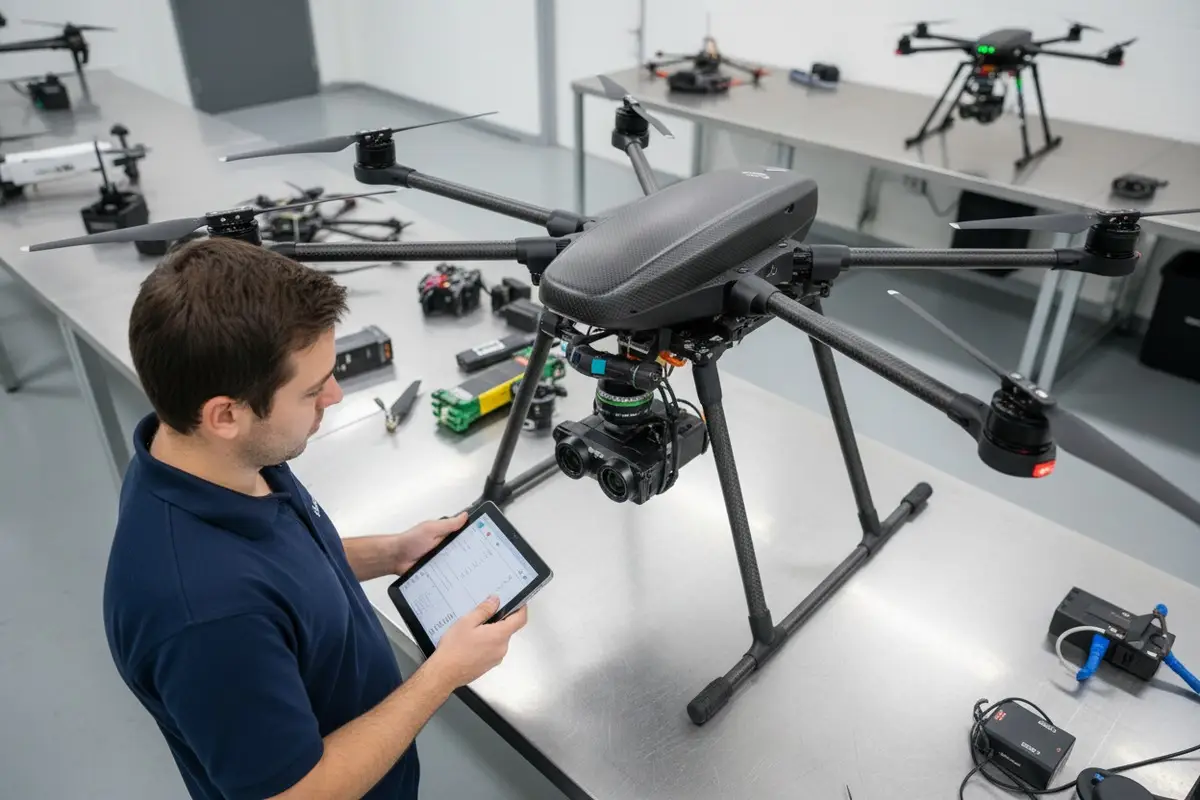

كل أسبوع، يتلقى فريق الهندسة لدينا مكالمات من موزعين محبطين بسبب طائرات بدون طيار لرسم الخرائط تعد بدقة سنتيمترية ولكنها تقدم نتائج بمستوى متر مستشعرات LiDAR أو متعددة الأطياف 1. هذه التناقضات تكلف المزارع آلافًا في المدخلات المهدرة والمحاصيل المفقودة. المشكلة ليست في التكنولوجيا نفسها - بل في معرفة ما يجب تقييمه قبل الشراء.
لتقييم وحدات رسم خرائط الطائرات بدون طيار الزراعية بفعالية، قم بتقييم خمسة مجالات أساسية: نوع المستشعر ودقته، دقة تحديد المواقع RTK/PPK، توافق البرامج، متانة البناء، ودعم المورد. أعط الأولوية للوحدات التي تحتوي على مستشعرات LiDAR أو متعددة الأطياف، ودقة تم التحقق منها أقل من سنتيمتر، وتكامل مثبت مع منصات مثل Pix4D أو DJI Terra.
في هذا الدليل، سأرشدك عبر المعايير الدقيقة التي نستخدمها عند اختبار وحدات رسم الخرائط على خط الإنتاج الخاص بنا تصنيف الحماية من الدخول (تصنيف IP) 2. سواء كنت تستورد طائرات بدون طيار لعملاء الزراعة واسعة النطاق أو تدير شركة خدمات زراعية، فإن خطوات التقييم هذه ستساعدك على تجنب الأخطاء المكلفة.
كيف أختار وحدة تعيين تضمن الدقة على مستوى السنتيمتر التي يحتاجها عملاء الزراعة واسعة النطاق؟
عندما نقوم بمعايرة وحدات التحكم في الطيران لدينا واختبار وحدات RTK في الميدان، تصبح ادعاءات الدقة إما مؤكدة أو مكشوفة. أخبرنا العديد من الموزعين أن مورديهم السابقين وعدوا بدقة سنتيمترية ولكنهم لم يشرحوا أبدًا كيفية التحقق منها. هذا يخلق مشاكل حقيقية عندما يعتمد عملاؤك الزراعيون على بيانات دقيقة لـ تطبيقات المعدل المتغير 3.
اختر وحدة رسم خرائط مع تحديد المواقع المدمج RTK أو PPK، بحد أدنى 240,000 نقطة في الثانية لـ LiDAR، وخطأ معياري نسبي (RMSE) مؤكد أقل من 2 سم. اختبر الدقة باستخدام نقاط التحكم الأرضية قبل الشراء، وتأكد من أن الوحدة تدعم سير العمليات اللاحقة لتصحيح التضاريس.

فهم مكدس الدقة
الدقة على مستوى السنتيمتر لا تأتي من مكون واحد. إنها نتيجة لمزيج من أنظمة تحديد المواقع، ومعايرة المستشعرات، وسير عمل المعالجة. دعني أفصل كل طبقة.
أولاً، يشكل نظام تحديد المواقع الأساس. الحركية في الوقت الحقيقي (RTK) 4 وتقنيات الحركية المعالجة بعد الطيران (PPK) تصحح إشارات GPS باستخدام بيانات المحطة الأساسية. توفر RTK تصحيحات أثناء الطيران، بينما تطبقها PPK بعد الهبوط. كلاهما يمكن أن يحقق دقة أفقية دون سنتيمتر عند تكوينهما بشكل صحيح.
ثانيًا، يجب أن يلتقط المستشعر نفسه تفاصيل كافية. بالنسبة لوحدات LiDAR، فإن كثافة النقاط مهمة. يمكن للمستشعر الذي يولد 240,000 نقطة في الثانية مع ما يصل إلى خمسة عوائد اختراق مظلة المحاصيل ورسم خرائط أسطح الأرض بدقة. بالنسبة للتصوير المساحي، فإن تداخل الصور بنسبة 80٪ أو أعلى يضمن التجميع المناسب.
ثالثًا، يجب أن تتعامل برامج المعالجة مع تصحيح التضاريس. تُظهر نماذج الارتفاع الرقمي (DSM) كل شيء بما في ذلك المحاصيل، بينما نماذج الارتفاع الرقمية للتضاريس (DTM) 5 تكشف عن الأرض العارية. يحتاج عملاؤك إلى كليهما لتخطيط الري وتحليل الصرف.
المواصفات الرئيسية للمقارنة
| المواصفات | وحدة الدخول | وحدة متوسطة المدى | وحدة راقية |
|---|---|---|---|
| تحديد المواقع | نظام تحديد المواقع العالمي (GPS) فقط (2-5 متر) | نظام تحديد المواقع العالمي (RTK) (1-3 سم) | نظام تحديد المواقع العالمي (RTK) + نظام تحديد المواقع العالمي (PPK) (< 1 سم) |
| كثافة النقاط | 50,000 نقطة/ثانية | 150,000 نقطة/ثانية | 240,000+ نقطة/ثانية |
| العوائد | مفرد | ثلاثي | حتى 5 |
| النطاق | 100 متر | 180 متر | 250 متر |
| التغطية/الرحلة | 0.5 كيلومتر مربع | 1.5 كم² | 2.5 كم² |
الاختبار قبل الالتزام
قبل تقديم طلب كبير، اطلب عرضًا توضيحيًا ميدانيًا. قم بإعداد خمسة على الأقل نقاط تحكم أرضية 6 عبر منطقة الاختبار. قم بتشغيل مهمة المسح وقم بمعالجة البيانات. ثم قارن إحداثيات الخريطة الناتجة بمواقع نقاط التحكم الأرضية (GCP) المعروفة لديك. يجب أن يظل خطأ متوسط المربعات (RMSE) أقل من 2 سم للتطبيقات عالية الدقة.
يوصي مهندسونا دائمًا بالاختبار على تضاريس متنوعة. الحقول المسطحة سهلة. الأرض المنحدرة مع الغطاء النباتي تكشف عن القدرة الحقيقية لوحدة المسح. إذا لم يتمكن المورد من تقديم بيانات اختبار أو رفض عرضًا توضيحيًا، فاعتبر ذلك علامة تحذير.
هل يمكنني تخصيص ميزات برامج وأجهزة رسم الخرائط لتتناسب مع متطلبات علامتي التجارية المحددة؟
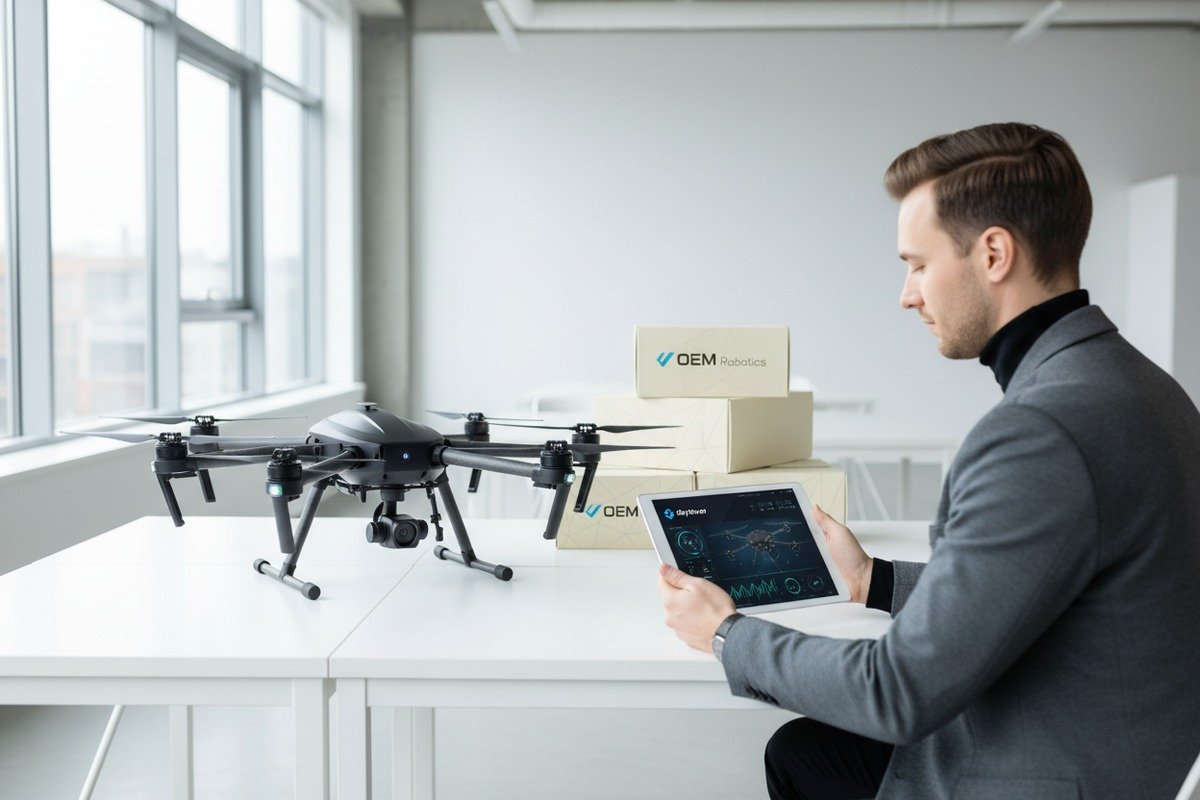
في تجربتنا في التصدير إلى أسواق الولايات المتحدة وأوروبا، فإن اتساق العلامة التجارية مهم جدًا لشركائنا الموزعين. عندما تصل طائرتك بدون طيار إلى موقع العميل، يجب أن يعكس كل عنصر - من واجهة تطبيق الطيران إلى الغلاف المطبوع - هوية شركتك. الأجهزة العامة تقوض التموضع المتميز الذي بنيته.
نعم، يقدم المصنعون ذوو السمعة الطيبة تخصيص OEM بما في ذلك تطبيقات الطيران ذات العلامات التجارية، وتكوينات المستشعرات المخصصة، وحوامل الحمولة المعدلة، والتعبئة والتغليف بعلامة بيضاء. توقع حدًا أدنى لكميات الطلب بين 20-100 وحدة للتغييرات في الأجهزة ومهلة زمنية تتراوح بين 3-6 أشهر للتعديلات البرمجية التي تتطلب الوصول إلى الكود المصدري.
خيارات تخصيص البرامج
يتراوح تخصيص البرامج من العلامات التجارية السطحية إلى التغييرات الوظيفية العميقة. إليك ما يمكن أن تقدمه معظم الشركات المصنعة:
المستوى 1: العلامات التجارية المرئية. يشمل ذلك شعارك على تطبيق تخطيط الرحلات، ومخططات الألوان المخصصة، والتقارير ذات العلامات التجارية. تتطلب هذه التغييرات الحد الأدنى من وقت التطوير ويمكن إكمالها عادةً في غضون 4-6 أسابيع.
المستوى 2: تعديلات الواجهة. يتضمن ذلك إضافة أو إزالة ميزات من واجهة المستخدم، وتغيير الإعدادات الافتراضية لسوقك المستهدف، ودمج منصة السحابة الخاصة بشركتك لتخزين البيانات. توقع 2-4 أشهر من وقت التطوير.
المستوى 3: الوظائف الأساسية. يغطي هذا إضافة خوارزميات خاصة، ودمج مستشعرات مخصصة، أو تعديل سلوك الطيران. يتطلب هذا المستوى الوصول إلى الكود المصدري وتعاونًا هندسيًا وثيقًا. الجدول الزمني: 4-6 أشهر كحد أدنى.
إمكانيات تخصيص الأجهزة
| نوع التخصيص | التعقيد | نطاق الحد الأدنى لكمية الطلب | المهلة الزمنية |
|---|---|---|---|
| العلامات التجارية الخارجية (ملصقات، ألوان) | منخفضة | 10-20 وحدة | 2-4 أسابيع |
| تعديلات على حامل الحمولة | متوسط | 50-100 وحدة | 6-8 أسابيع |
| تكامل المستشعرات المخصصة | عالية | 100+ وحدة | 3-4 أشهر |
| تغييرات في هندسة الإطار | عالية جداً | 200+ وحدة | 6+ أشهر |
| برنامج ثابت مخصص لوحدة التحكم في الطيران | عالية جداً | 100+ وحدة | 4-6 أشهر |
أسئلة لطرحها على المورد الخاص بك
قبل الالتزام بالتخصيص، قم بتوضيح هذه النقاط:
- من يمتلك كود البرمجيات المعدلة؟
- هل يمكنك تلقي تحديثات البرامج الثابتة بشكل مستقل بعد التخصيص؟
- ما هي الوثائق التي ستتلقاها للدعم بعد البيع؟
- هل يؤثر التخصيص على شهادات الاعتماد التنظيمية؟
- ما هي عملية طلب التغييرات بعد التسليم الأولي؟
في منشأتنا، نحتفظ بفروع تطوير منفصلة لكل شريك OEM رئيسي. هذا يسمح لنا بدفع التحديثات دون كسر الميزات المخصصة. لا تعمل جميع الشركات المصنعة بهذه الطريقة، لذا قم بتأكيد الترتيب قبل توقيع العقود.
تجنب الارتباط بالمورد
أحد المخاوف الشائعة بين شركائنا الموزعين هو الاعتماد على مورد واحد. لحماية نفسك، تفاوض على الوصول إلى واجهات برمجة التطبيقات المفتوحة وتنسيقات البيانات القياسية. يجب أن تصدر وحدة التعيين الخاصة بك بيانات متوافقة مع Pix4D و DJI Terra و DroneDeploy والمنصات الرئيسية الأخرى. تنسيقات الملكية تحبس عملائك وتحد من مرونتك.
ما هي معايير المتانة التي يجب أن أتوقعها من طائرة مسح جوي متطورة لتقليل تكاليف الصيانة؟
يقوم خط الإنتاج لدينا باختبار كل طائرة بدون طيار من خلال دورات درجة الحرارة، والتعرض للاهتزازات، وتأثيرات الاصطدام المحاكاة قبل الشحن. لقد تعلمنا مبكرًا أن حالات الفشل الميداني تدمر علاقات الموزعين بشكل أسرع من أي مشكلة أخرى. عندما تفشل طائرة بدون طيار لرسم الخرائط في منتصف الموسم، يخسر عميلك الزراعي نوافذ بيانات حرجة ويلومك أنت، وليس الشركة المصنعة.
توقع أن تلبي طائرات المسح عالية الجودة معايير حماية الدخول IP43 أو أعلى، وأن تتحمل درجات حرارة التشغيل من -20 درجة مئوية إلى 50 درجة مئوية، وأن تتميز بهياكل من ألياف الكربون أو البوليمر المقوى، وأن تتضمن مكونات معيارية للاستبدال في الميدان. يجب أن يتجاوز متوسط الوقت بين الأعطال للمحرك ووحدة التحكم الإلكترونية (ESC) 500 ساعة طيران.

مواصفات المتانة الحرجة
المتانة ليست تصنيفًا واحدًا. إنها تشمل عوامل متعددة تحدد معًا المدة التي ستعمل فيها طائرتك بدون طيار بشكل موثوق في البيئات الزراعية.
حماية الدخول (تصنيف IP). تتضمن البيئات الزراعية الغبار وحبوب اللقاح والمطر الخفيف والرذاذ العرضي. يوفر IP43 حماية أساسية ضد الجسيمات الكبيرة ورذاذ الماء. يفضل استخدام IP54 أو أعلى للطائرات بدون طيار التي تعمل في ظروف جوية متغيرة.
نطاق درجة الحرارة. قد تواجه رحلات الطيران في الصباح الباكر خلال موسم الزراعة الربيعي درجات حرارة قريبة من التجمد. يمكن أن تتجاوز عمليات منتصف النهار في الصيف 45 درجة مئوية تحت أشعة الشمس المباشرة. يتدهور أداء البطارية وموثوقية الإلكترونيات خارج النطاقات المحددة.
مواد الإطار. يوفر ألياف الكربون أفضل نسبة قوة إلى وزن ولكنه يكلف أكثر. توفر البوليمرات المقواة متانة جيدة بتكلفة أقل. تضيف إطارات الألمنيوم وزنًا ولكنها تبسط الإصلاحات. بالنسبة للطائرات بدون طيار لرسم الخرائط، فإن سلامة حامل الحمولة هي الأكثر أهمية - فالحامل المتصدع يسيء محاذاة المستشعرات ويدمر جودة البيانات.
عوامل تكلفة الصيانة
| المكوّن | العمر الافتراضي النموذجي | تكلفة الاستبدال | هل يمكن استبداله في الميدان؟ |
|---|---|---|---|
| المراوح | 50-100 ساعة | $20-50/مجموعة | نعم |
| المحركات | 300-500 ساعة | $80-150/لكل قطعة | نعم |
| مراكز الخدمات الإلكترونية | 400-600 ساعة | $60-100/لكل | معتدل |
| البطاريات | 200-400 دورة | $200-500/لكل | نعم |
| مخمدات المحور | 150-250 ساعة | $30-60/مجموعة | نعم |
| مستشعرات الكاميرا | 1000+ ساعة | $500-2000 | لا يوجد |
| وحدة التحكم في الطيران | 1000+ ساعة | $300-600 | لا يوجد |
تقليل التكلفة الإجمالية للملكية
قرارات الشراء الذكية تقلل التكاليف طويلة الأجل. إليك الاستراتيجيات التي يستخدمها شركاؤنا الأكثر نجاحًا في التوزيع:
اشترِ قطع الغيار مع الطلبات الأولية. مخزون قطع الغيار (المحركات، المراوح، البطاريات) يمنع التوقف عن العمل أثناء انتظار البدائل.
اختر التصاميم المعيارية. عندما يفشل محرك، يجب عليك استبدال المحرك فقط - وليس مجموعة الذراع بأكملها. يسمح تصميم الهيكساكوبتر الخاص بنا باستبدال الذراع الفردي في أقل من 15 دقيقة.
اطلب بيانات الموثوقية. اطلب من الشركات المصنعة معدلات فشل ميدانية وبيانات متوسط الوقت بين الأعطال. إذا لم يتمكنوا من تقديم ذلك، فقد تكون مراقبة الجودة لديهم غير كافية.
تفاوض على شروط الضمان. تغطي الضمانات القياسية 12 شهرًا. بالنسبة للشراكات ذات الحجم الكبير، تفاوض على تغطية ممتدة أو برامج إصلاح مخفضة.
كيف أتأكد من أن المورد الخاص بي يوفر الدعم الهندسي ووثائق التصدير اللازمة لاستيراد وحدات رسم الخرائط؟
عندما نقوم بإعداد الشحنات لشركائنا في الولايات المتحدة، فإن الوثائق تتطلب تقريبًا نفس القدر من الاهتمام مثل مراقبة الجودة. الشهادات المفقودة أو رموز النظام المنسق غير الصحيحة أو الملفات الفنية غير الكافية تتسبب في تأخيرات جمركية تتوالى لتؤدي إلى فوات مواعيد التسليم. تعتمد سمعتك على الموردين الذين يفهمون الامتثال للتصدير بنفس القدر الذي يفهمون به هندسة الطائرات بدون طيار.
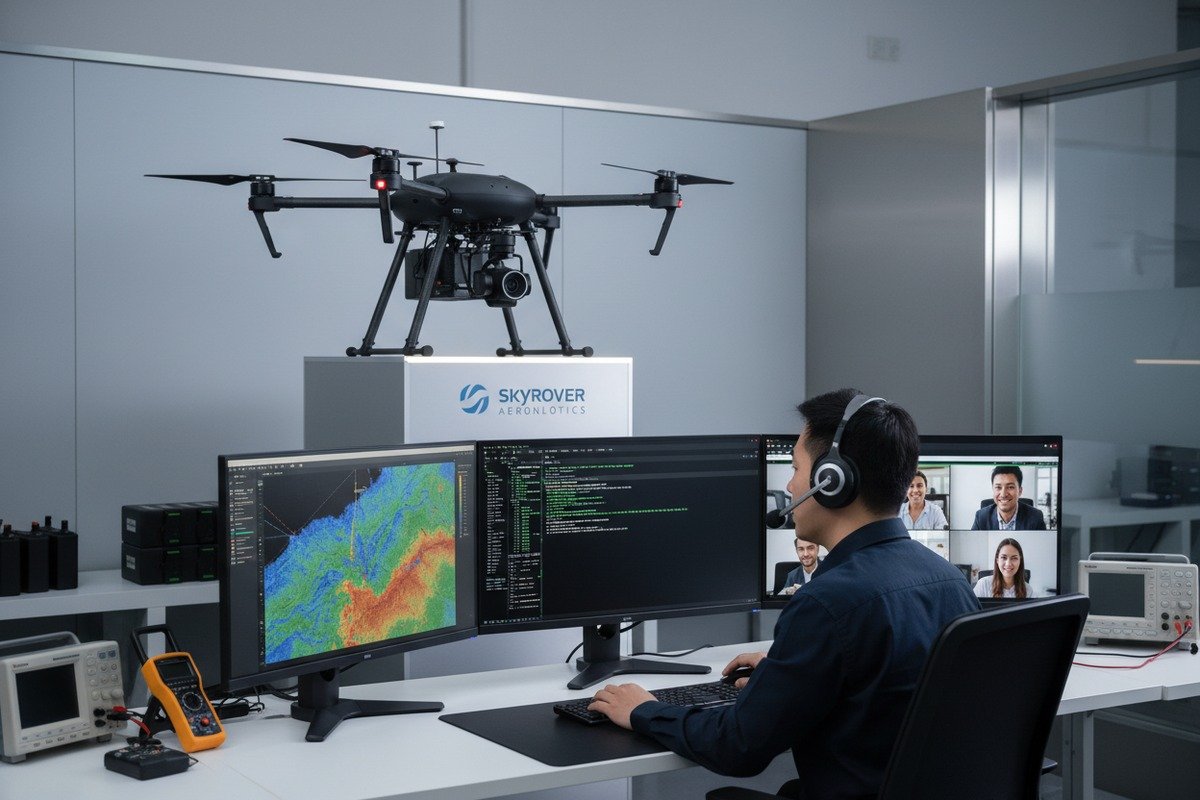
تحقق من أن المورد الخاص بك يقدم شهادات CE/FCC، وحزم وثائق فنية كاملة، وتصنيف دقيق لرمز النظام المنسق، وفواتير تجارية مع إقرارات المستخدم النهائي، ودعم هندسي سريع الاستجابة عبر البريد الإلكتروني أو مكالمة الفيديو. اطلب عينات من الوثائق قبل تقديم الطلبات وتأكد من أوقات الاستجابة من 24 إلى 48 ساعة للاستفسارات الفنية.
وثائق التصدير الأساسية
يتطلب استيراد طائرات المسح بدون طيار إلى الولايات المتحدة وأوروبا وثائق محددة. العناصر المفقودة تسبب تأخيرات ومصادرات محتملة.
الشهادات التنظيمية. بالنسبة للسوق الأمريكي،, شهادة لجنة الاتصالات الفيدرالية 7 يؤكد الامتثال للترددات الراديوية. بالنسبة لأوروبا،, علامة CE 8 يوضح الامتثال للتوجيهات المعمول بها. هذه غير قابلة للتفاوض للبيع التجاري.
الملفات الفنية. تشمل الوثائق الفنية الكاملة مخططات الدوائر الكهربائية، وقائمة المواد، وتقارير الاختبار، وأدلة المستخدم. قد تطلب السلطات الجمركية هذه للتحقق من المواصفات المعلنة.
الوثائق التجارية. تحتاج كل شحنة إلى فواتير تجارية، وقوائم تعبئة، وشهادات منشأ. بالنسبة للطائرات بدون طيار، قم بتضمين إعلانات المستخدم النهائي التي تؤكد أن المعدات ستستخدم للأغراض الزراعية، وليس للتطبيقات العسكرية.
قائمة التحقق من الوثائق
| نوع المستند | استيراد الولايات المتحدة | استيراد الاتحاد الأوروبي | الملاحظات |
|---|---|---|---|
| شهادة FCC | مطلوب | Not required | 47 CFR الجزء 15 |
| إعلان المطابقة الأوروبية (CE) | Not required | مطلوب | توجيه RED 2014/53/EU |
| تقارير الاختبار (EMC) | موصى به | مطلوب | سلسلة EN 301 489 |
| دليل المستخدم (الإنجليزية) | مطلوب | مطلوب | تضمين تحذيرات السلامة |
| شهادة المنشأ | مطلوب | مطلوب | النموذج أ للأسعار التفضيلية |
| MSDS (للبطاريات) | مطلوب | مطلوب | شحن بطاريات الليثيوم |
| إقرار المستخدم النهائي | مطلوب غالبًا | مطلوب أحيانًا | الامتثال للسلع مزدوجة الاستخدام |
توقعات الدعم الهندسي
قدرة الدعم الفني تفصل المصنعين المحترفين عن شركات التجارة. قبل توقيع الاتفاقيات، قم بتقييم أبعاد الدعم هذه:
وقت الاستجابة. للمشاريع النشطة، توقع ردود بريد إلكتروني خلال 24-48 ساعة خلال أيام العمل. يجب أن تكون للقضايا الحرجة مسارات تصعيد للمهندسين ذوي الخبرة.
قنوات الاتصال. البريد الإلكتروني يعمل للتوثيق. مكالمات الفيديو تعمل لاستكشاف الأخطاء وإصلاحها. يحتاج بعض الشركاء إلى دعم في الموقع للنشر الأولي - تأكيد التوفر والتكاليف.
جودة التوثيق. اطلب أدلة التكامل النموذجية، ووثائق واجهة برمجة التطبيقات (API)، ومخططات استكشاف الأخطاء وإصلاحها. يشير التوثيق الضعيف إلى ضعف الانضباط الهندسي بشكل عام.
برامج التدريب. يحتاج فريقك إلى معرفة المنتج لدعم عملائك. اسأل عن خيارات التدريب - الجلسات عن بعد، أو التدريب في الموقع في المصنع، أو برامج الفنيين المعتمدين.
علامات حمراء في تقييم المورد
انتبه لهذه العلامات التحذيرية:
- لا يمكن تقديم وثائق الشهادات في غضون 48 ساعة من الطلب
- الشهادات تظهر أسماء أو عناوين شركات مختلفة
- الأسئلة الفنية تتلقى ردودًا غامضة أو متأخرة
- لا يوجد موظفون مخصصون للتصدير أو الامتثال
- غير مستعد لتقديم مراجع العملاء
في شركتنا، نقوم بتعيين منسقي تصدير مخصصين لكل سوق رئيسي. يفهم هؤلاء المتخصصون اللوائح المحلية ويحتفظون بقوالب وثائق محدثة. يضمن هذا الهيكل أن تتجاوز شحناتك الجمارك دون مفاجآت.
الخاتمة
يتطلب تقييم وحدات رسم خرائط الطائرات بدون طيار الزراعية تقييمًا منهجيًا للدقة والتخصيص والمتانة ودعم المورد. استخدم الأطر وقوائم المراجعة في هذا الدليل لمقارنة الخيارات بموضوعية. عندما تجد مُصنِّعًا يلبي هذه المعايير، فإنك تبني الأساس لشراكة مربحة وطويلة الأجل تخدم عملاءك الزراعيين.
الحواشي
1. تم العثور على مقال ذي صلة وموثوق يناقش فوائد بيانات LiDAR ومتعددة الأطياف للزراعة. ︎
2. تم استبداله بمقال يشرح بوضوح تصنيفات حماية الدخول (IP) ويشير إلى معيار IEC. ︎
3. يقدم نظرة عامة أكاديمية على تكنولوجيا المعدل المتغير وتطبيقها في الزراعة الدقيقة. ︎
4. يشرح تحديد المواقع الحركي في الوقت الفعلي (RTK) وتطبيقاته عالية الدقة في الزراعة والطائرات بدون طيار. ︎
5. يحدد نماذج التضاريس الرقمية (DTM) على أنها تمثيلات ثلاثية الأبعاد للأرض العارية، وهي ضرورية للتحليل الجغرافي المكاني. ︎
6. تم استبداله بمصدر موثوق للغاية من هيئة المسح الجيولوجي الأمريكية يشرح نقاط التحكم الأرضية. ︎
7. يشرح عملية الاعتماد الإلزامية من لجنة الاتصالات الفيدرالية (FCC) للطائرات بدون طيار لضمان الامتثال والوصول إلى السوق في الولايات المتحدة. ︎
8. يقدم دليلًا شاملاً لمتطلبات لوائح علامة CE للطائرات بدون طيار في السوق الأوروبية. ︎
 English
  Español de México
  Deutsch
  Français
  Русский
  العربية
Comments
No comments yet. Be the first to share your thoughts!
Leave a Comment