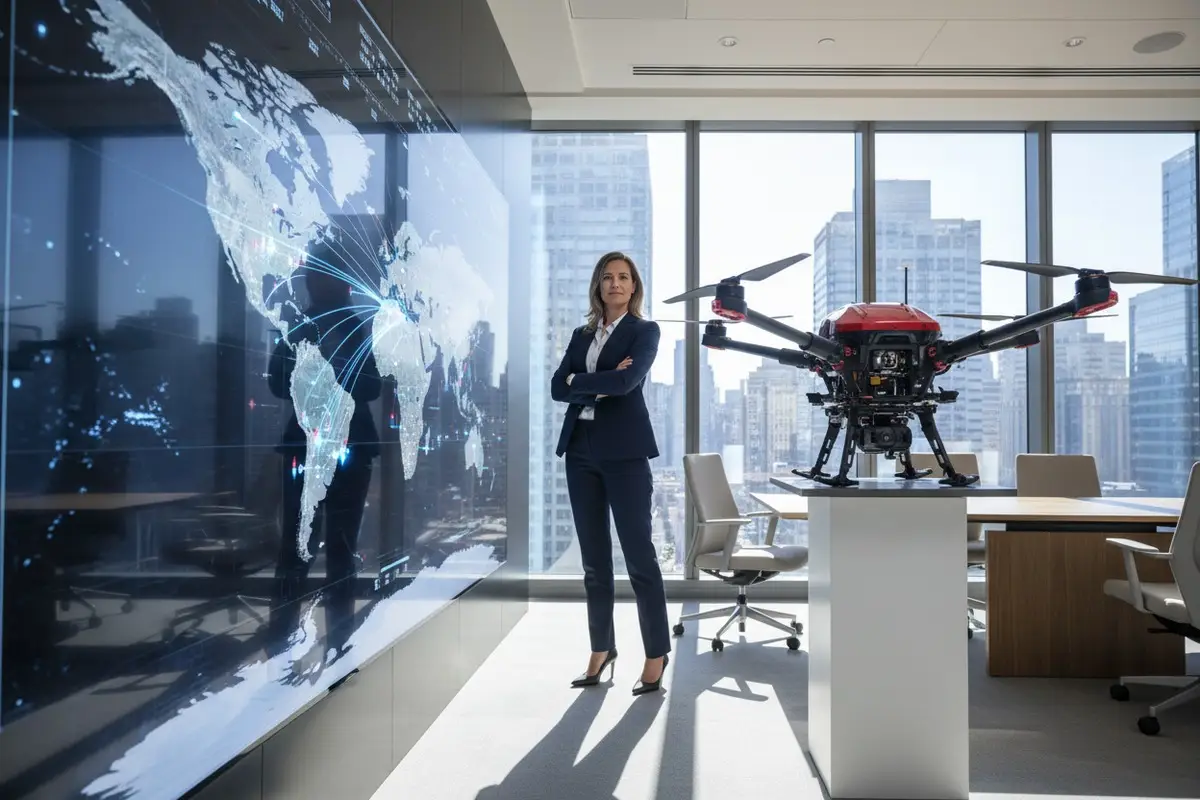

عندما يشحن فريق الإنتاج لدينا طائرات بدون طيار لمكافحة الحرائق عبر المحيط الهادئ، فإننا نعلم أن حاوية واحدة مفقودة يمكن أن تترك قسم الإطفاء عاجزًا خلال موسم حرائق الغابات. أنظمة التصوير الحراري 1. المشكلة حقيقية. يتضاعف حجم الحريق كل 30 ثانية. شحنة طائرة بدون طيار متأخرة تعني تأخيرًا في عمليات الإنقاذ. يقلل العديد من المستوردين من مخاطر الشحن البحري حتى تقع الكارثة.
لإنشاء خطة طوارئ لفقدان طائرات بدون طيار لمكافحة الحرائق أثناء الشحن البحري، يجب عليك تأمين تأمين متخصص على البضائع البحرية، والاحتفاظ بمخزون احتياطي، وإنشاء اتفاقيات استبدال سريعة مع الشركة المصنعة الخاصة بك، وجمع وثائق الشحن الكاملة، وبناء جدول مشتريات مع مخزونات أمان لضمان عدم توقف العمليات.
هذا الدليل يرشدك خلال كل خطوة. سنغطي التحقق من التأمين، وجمع المستندات، وجدولة المشتريات، واتفاقيات الشركة المصنعة. دعنا نتعمق في التفاصيل التي تحمي استثمارك وتبقي أقسام الإطفاء على استعداد.
كيف يمكنني التحقق من أن بوليصة التأمين البحري الخاصة بي تغطي على وجه التحديد التكنولوجيا عالية القيمة لطائرات مكافحة الحرائق المسيرة الخاصة بي؟
عندما نجهز شحنات التصدير من منشأتنا في شيان، تظهر أسئلة التأمين باستمرار. يفترض العديد من المستوردين أن سياسة الشحن القياسية الخاصة بهم تغطي كل شيء. إنهم مخطئون. تحتوي طائرات بدون طيار لمكافحة الحرائق على بطاريات الليثيوم 2, ، وكاميرات حرارية، ووحدات تحكم طيران حساسة. غالبًا ما تستثني التأمين البحري 3 القياسية هذه العناصر أو تحد من المدفوعات أقل بكثير من تكلفة الاستبدال.
للتحقق من أن تأمينك البحري يغطي طائرات مكافحة الحرائق بدون طيار، اطلب تعديلاً مكتوبًا على وثيقة التأمين يسرد مكونات الطائرة بدون طيار، وبطاريات الليثيوم، وأنظمة التصوير الحراري، والحمولات الإلكترونية. تأكد من أن حدود التغطية تتطابق مع قيمة فاتورتك. تحقق من الاستثناءات المتعلقة بأضرار المياه والسرقة والحوادث المتعلقة بالبطاريات على وجه التحديد.

فهم ما تفوته سياسات الشحن القياسية
تقع معظم تأمينات الشحن البحري ضمن ثلاث فئات: خالٍ من المتوسط الخاص (FPA)، مع المتوسط (WA)، وجميع المخاطر. حتى سياسات "جميع المخاطر" تحتوي على استثناءات. رأى فريق الهندسة لدينا مطالبات مرفوضة لأن شركات التأمين صنفت بطاريات الليثيوم أيون كمواد خطرة تتطلب تغطية منفصلة.
تحتاج إلى طرح هذه الأسئلة على شركة التأمين الخاصة بك مباشرة:
- هل تغطي السياسة بطاريات الليثيوم أيون أثناء النقل البحري؟
- هل تم إدراج الكاميرات الحرارية ووحدات التحكم في الطيران الإلكترونية كعناصر مغطاة؟
- ما هو الحد الأقصى للعنصر الواحد للتكنولوجيا عالية القيمة؟
- هل تمتد التغطية إلى تلف التآكل الناتج عن التعرض لمياه البحر؟
عناصر التغطية الرئيسية لتكنولوجيا الطائرات بدون طيار
| عنصر التغطية | السياسة القياسية | سياسة خاصة بالطائرات بدون طيار |
|---|---|---|
| تلف بطاريات الليثيوم | مستبعد غالباً | مغطى صراحةً |
| تآكل المياه المالحة | تغطية محدودة | تغطية كاملة |
| السرقة في الميناء | مغطى عادةً | مغطى بحدود أعلى |
| فشل المكونات الإلكترونية | مستبعد | مغطى |
| أضرار التأخير الجمركي | مستبعد | ملحق اختياري |
الحصول على تأكيد كتابي
لا تعتمد أبدًا على الوعود الشفهية من وكلاء التأمين. اطلب تعديلاً على الوثيقة أو ملحقًا يحدد طرازات طائراتك بدون طيار على وجه التحديد. يوصي فريق وثائق التصدير لدينا دائمًا بإرسال الفاتورة التجارية 4 إلى شركة التأمين قبل الشحن. هذا ينشئ سجلاً ورقيًا يوضح بالضبط ما تم تغطيته.
اطلب إجراءات المطالبات كتابيًا أيضًا. اعرف الجدول الزمني لتقديم المطالبات. تتطلب معظم وثائق التأمين البحري الإخطار في غضون 72 ساعة من اكتشاف الخسارة أو الضرر. قد يؤدي تفويت هذه الفترة إلى إلغاء تغطيتك بالكامل.
حساب حدود التغطية الكافية
يجب أن يتطابق حد التغطية الخاص بك مع قيمة CIF 5 (التكلفة والتأمين والشحن) لشحنتك، وليس فقط سعر FOB. قد تكلف طائرة بدون طيار لنظام مكافحة الحرائق بقيمة 45,000 دولار أمريكي FOB 52,000 دولار أمريكي بحلول الوقت الذي تصل فيه إلى ميناء أمريكي. أضف هامشًا بنسبة 10-15٪ لتكاليف الشراء البديلة أثناء معالجة المطالبات.
ما هي وثائق الشحن الأساسية التي يجب أن أجمعها من المورد الخاص بي لتسهيل عملية مطالبات سلسة للشحنات المفقودة؟
يقوم فريق التصدير لدينا بمعالجة مئات الشحنات سنويًا إلى الولايات المتحدة وأوروبا. لقد تعلمنا أن الوثائق غير المكتملة تقضي على مطالبات التأمين بشكل أسرع من أي شيء آخر. عندما تفقد البضائع، يطالب شركات التأمين بإثبات القيمة وإثبات المحتويات وإثبات ترتيبات الشحن. قد يؤدي فقدان مستند واحد إلى تأخير مطالبتك لعدة أشهر.
تشمل مستندات الشحن الأساسية لمطالبات شحن الطائرات بدون طيار الفاتورة التجارية، وقائمة التعبئة، وبوليصة الشحن، وشهادة المنشأ، ورخصة التصدير، وشهادات سلامة البطارية (UN38.3)، وشهادة التأمين، وتقرير فحص ما قبل الشحن، وصور للبضائع المعبأة. اجمع هذه قبل أن يقوم المورد الخاص بك بالشحن.

مجموعة المستندات الأساسية
تتضمن كل شحنة من منشأتنا حزمة مستندات موحدة. هذه ليست مجرد ممارسة جيدة. إنها مطلوبة للتخليص الجمركي ومطالبات التأمين. إليك ما تحتاجه:
| المستند | الغرض | من يقدمها |
|---|---|---|
| الفاتورة التجارية | يثبت القيمة والمحتويات | الشركة المصنعة |
| قائمة التعبئة | يفصل كل عنصر ورقم تسلسلي | الشركة المصنعة |
| بوليصة الشحن | يثبت ترتيب الشحن | وكيل الشحن |
| شهادة المنشأ | يؤكد بلد التصنيع | الشركة المصنعة / غرفة التجارة |
| شهادة بطارية UN38.3 | يثبت اختبار سلامة البطارية | الشركة المصنعة للبطارية |
| شهادة التأمين | يثبت التغطية | شركة التأمين |
لماذا الأرقام التسلسلية مهمة
تحقق شركات التأمين من المطالبات بعناية. يريدون معرفة الطائرات بدون طيار التي تم شحنها بالضبط. يقوم خط الإنتاج لدينا بتعيين أرقام تسلسلية فريدة لكل طائرة بدون طيار، ووحدة تحكم طيران، وكاميرا حرارية، وحزمة بطارية. يجب أن تتضمن قائمة التعبئة الخاصة بك جميع هذه الأرقام.
عندما نقوم بتعبئة طائرات بدون طيار لمكافحة الحرائق في علب Pelican، نقوم بتصوير لوحات الأرقام التسلسلية قبل إغلاقها. تصبح هذه الصور دليلاً حاسماً إذا فُقدت البضائع أو وصلت تالفة. اطلب من موردك تقديم صور مختومة بالوقت لعملية التعبئة.
وثائق البطارية ضرورية
تتطلب بطاريات الليثيوم وثائق خاصة بموجب رموز IATA و IMDG. الـ ملخص اختبار UN38.3 6 يثبت أن البطاريات اجتازت اختبارات السلامة للنقل. بدون هذه الوثيقة، قد يتم رفض شحنتك في الميناء. معها، لديك دليل على أن البطاريات تم اعتمادها بشكل صحيح للشحن البحري.
يقدم موردو البطاريات لدينا شهادات UN38.3 لكل دفعة. نقوم بتضمين نسخ في كل شحنة. اطلب هذه الوثيقة قبل أن يقوم موردك بحجز الشحن.
تقارير فحص ما قبل الشحن
بالنسبة لشحنات الطائرات بدون طيار ذات القيمة العالية، فكر في الاستعانة بشركة فحص خارجية. يتحققون من أن العناصر الصحيحة تم تعبئتها، وأن التعبئة تلبي المواصفات، وأن كل شيء يتطابق مع الفاتورة التجارية. يحظى تقريرهم بوزن لدى شركات التأمين لأنه يأتي من مصدر مستقل.
يجب أن يتم الفحص بعد التعبئة ولكن قبل إغلاق الحاوية. تقوم شركات الفحص الجيدة بتصوير كل شيء وتقديم تقارير مفصلة في غضون 24 ساعة.
كيف يمكنني هيكلة جدول المشتريات الخاص بي لاستيعاب خسائر الشحن البحري المحتملة دون تعطيل التوزيع المحلي الخاص بي؟
في تجربتنا في التصدير إلى السوق الأمريكية، يحدد توقيت المشتريات كل شيء. يستغرق الشحن البحري من الصين إلى الساحل الغربي 14-21 يومًا في الظروف العادية. أضف ازدحام الموانئ، وفحص الجمارك، والنقل الداخلي. يمكن أن تستغرق شحنة واحدة 30-45 يومًا من المصنع إلى مستودعك. إذا فقدت هذه الشحنة، فستواجه 30-45 يومًا أخرى للاستبدال.
قم ببناء جدول المشتريات الخاص بك مع مخزون احتياطي لا يقل عن 2-3 وحدات، واطلب قبل 60-90 يومًا من الطلب المتوقع، وقم بجدولة الشحنات عبر سفن متعددة، واحتفظ بميزانية للشحن الجوي الطارئ للبدائل الحرجة. هذا يضمن استمرارية الإمداد حتى لو فشلت شحنة واحدة.

حساب مستوى مخزون الأمان الخاص بك
مخزون الأمان هو مخزون يتم الاحتفاظ به كاحتياطي ضد اضطرابات الإمداد. مخزون الأمان الاحتياطي 7 بالنسبة لطائرات مكافحة الحرائق بدون طيار، يجب أن يأخذ الحساب في الاعتبار ثلاثة عوامل: وقت التسليم، وتقلب الطلب، ومخاطر نفاد المخزون المقبولة.
إليك نهج مبسط يستخدمه عملاؤنا:
| العامل | القيمة النموذجية | حسابك |
|---|---|---|
| متوسط وقت التسليم | 45 يومًا | وقت الشحن الخاص بك |
| تقلب وقت التسليم | ±15 يومًا | التباين التاريخي الخاص بك |
| الطلب الشهري | 2-4 وحدات | بيانات مبيعاتك |
| هدف مستوى الخدمة | 95% | متطلبات عملك |
| المخزون الاحتياطي الموصى به | 2-3 وحدات | بناءً على العوامل المذكورة أعلاه |
لا يمكن لفرق الإطفاء الانتظار لاستبدال الطائرات بدون طيار. يعني مستوى الخدمة 95٪ أنك تقبل نفاد المخزون بنسبة 5٪ فقط من الوقت. بالنسبة للمعدات الحيوية للمهام، فكر في استهداف 99٪.
استراتيجية الشحن المقسم
لا تضع كل طائراتك بدون طيار على سفينة واحدة أبدًا. يوصي فريق اللوجستيات لدينا بتقسيم الطلبات الكبيرة على سفينتين على الأقل تبحران في تواريخ مختلفة. إذا طلبت 10 وحدات، اشحن 5 في الأسبوع الأول و 5 في الأسبوع الثالث.
يضيف هذا تعقيدًا طفيفًا للتتبع ولكنه يقلل بشكل كبير من مخاطر الخسارة الكارثية. إذا فقدت حاوية أو تأخرت، فلا يزال لديك نصف طلبك يصل في الموعد المحدد.
بناء تقويم مشتريات متجدد
قم بإنشاء تقويم مشتريات لمدة 12 شهرًا يأخذ في الاعتبار زيادات الطلب الموسمية. موسم حرائق الغابات في غرب الولايات المتحدة يمتد من مايو إلى أكتوبر. اطلب مخزونًا بديلاً في فبراير ومارس عندما تكون سعة الشحن أعلى والأسعار أقل.
يجب أن يشمل التقويم الخاص بك:
- تاريخ تقديم الطلب
- تاريخ اكتمال الإنتاج المتوقع
- تاريخ مغادرة السفينة المتوقع
- تاريخ وصول السفينة المتوقع إلى الميناء
- تاريخ وصول المستودع المتوقع
- نقطة إعادة الطلب
ميزانية الشحن الجوي للطوارئ
تكلف الشحن البحري حوالي 3-5 دولارات للكيلوغرام الواحد لمعدات الطائرات بدون طيار. تكلف الشحن الجوي 8-15 دولارًا للكيلوغرام الواحد. القسط يستحق العناء في حالات الطوارئ. خصص ميزانية للشحن الجوي لنظام طائرة بدون طيار كامل واحد على الأقل كل ثلاثة أشهر. يتم تفعيل هذا الصندوق للطوارئ فقط عندما يتم تأكيد فقدان الشحنات البحرية أو تأخيرها بشكل حرج.
يمكن لمنشأتنا تجهيز شحنات الشحن الجوي في غضون 48 ساعة من استلام طلبات الطوارئ. المفتاح هو وجود فتحات إنتاج محجوزة لمثل هذه المواقف.
ما هي الخطوات التي يجب أن أتخذها مع الشركة المصنعة لضمان أولوية الإنتاج لطائرات بدون طيار بديلة للطوارئ في حالة فقدان شحنة؟
عندما نقوم بمعايرة وحدات التحكم في الطيران في منشأة الإنتاج لدينا، فإننا نبني علاقات مع الموزعين تتجاوز المعاملات الفردية. توجد اتفاقيات إنتاج ذات أولوية لأن كلا الطرفين يستفيدان. اتفاقية التصنيع 8 تحصل على سعة مضمونة عند وقوع حالات الطوارئ. نحصل على عملاء مخلصين يطلبون باستمرار. لكن هذه الاتفاقيات تتطلب هيكلًا رسميًا لتعمل.
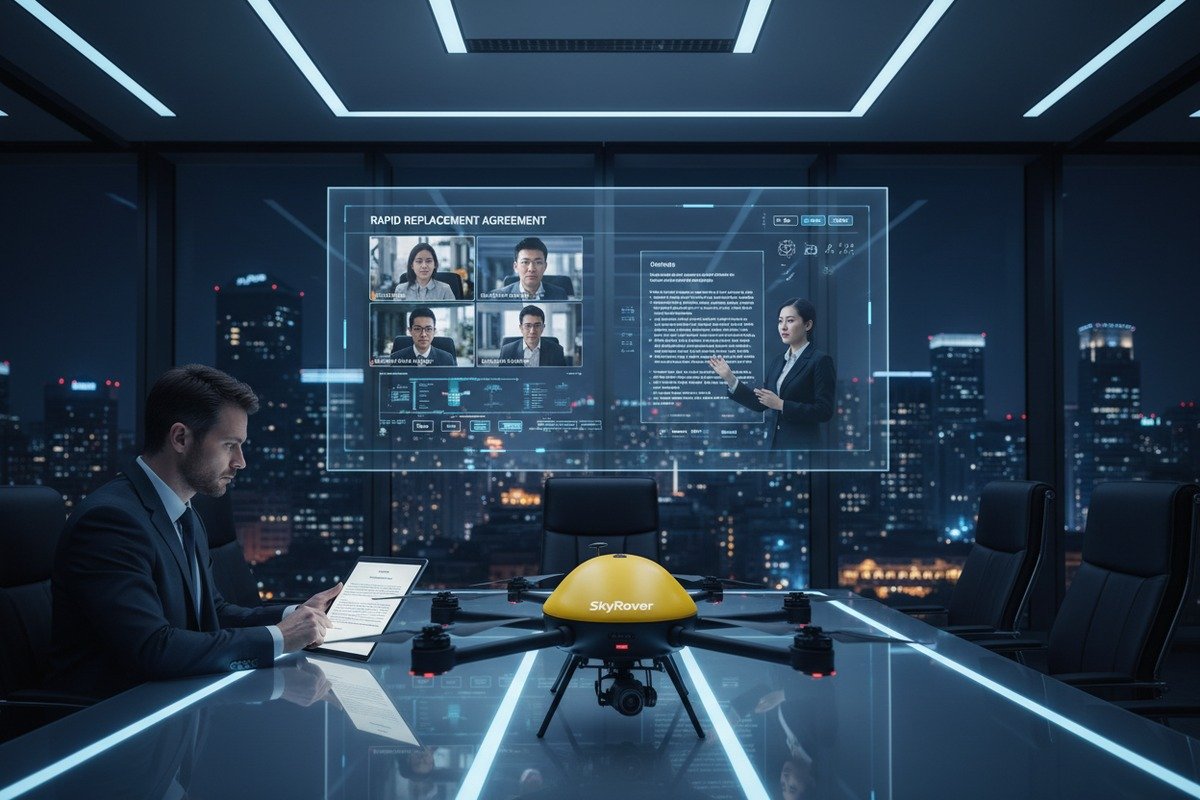
لضمان أولوية الإنتاج لعمليات الاستبدال الطارئة، تفاوض على اتفاقية تصنيع مكتوبة تتضمن فتحات إنتاج محجوزة، والتزامات بحد أقصى لوقت الاستجابة، وإجراءات فحص جودة سريعة، ومخزون مكونات مُعد مسبقًا، وبنود جزاءات لعدم الالتزام بالمواعيد النهائية. قم بإضفاء الطابع الرسمي على ذلك قبل أول شحنة رئيسية لك.
ما يجب تضمينه في اتفاقية التصنيع الخاصة بك
وعد المصافحة لا يعني شيئًا عندما تحتاج إلى طائرات بدون طيار بشكل عاجل. تتضمن عقودنا مع الموزعين الرئيسيين أحكامًا محددة لطلبات الطوارئ. إليك ما يجب أن تغطيه اتفاقيتك:
| عنصر الاتفاق | الشروط القياسية | شروط الأولوية |
|---|---|---|
| موضع قائمة الانتظار الإنتاجية | الفتحة المتاحة التالية | مقدمة قائمة الانتظار في غضون 24 ساعة |
| وقت الاستجابة لطلب الطوارئ | 5-7 أيام عمل | 24-48 ساعة |
| عملية مراقبة الجودة | فحص قياسي لمدة 3 أيام | فحص مستعجل في نفس اليوم |
| توفر المكونات | يتم الطلب عند استلام أمر الشراء | مُعدة مسبقًا في المستودع |
| ترتيبات الشحن | يقوم العميل بالترتيب | يقوم المصنع بترتيب الشحن السريع |
فتحات إنتاج محجوزة
يدير مصنعنا جداول الإنتاج قبل 6-8 أسابيع. بدون فتحات محجوزة، تنتظر الطلبات الطارئة خلف الالتزامات الحالية. اتفاقية الأولوية تحجز سعة محددة كل شهر لاحتياجاتك الطارئة.
الترتيب النموذجي يحجز سعة 1-2 وحدة شهريًا. تدفع رسوم احتفاظ صغيرة إذا لم تستخدم الفتحة. تغطي هذه الرسوم تكلفة الفرصة البديلة للاحتفاظ بالسعة خاملة. ولكن عندما تقوم بتفعيل بند الطوارئ، يبدأ الإنتاج فورًا.
مكونات مُعدة مسبقًا
تستخدم طائرات مكافحة الحرائق المسيرة مكونات متخصصة ذات أوقات تسليم طويلة. قد تستغرق الكاميرات الحرارية 4-6 أسابيع للتوريد. تتطلب وحدات التحكم في الطيران 2-3 أسابيع. تتضمن اتفاقيات الأولوية لدينا بنودًا تلزمنا بالاحتفاظ بمخزون احتياطي من المكونات الحيوية.
نقوم بتخزين هذه المكونات في مستودعنا خصيصًا للطلبات الطارئة. يتم تضمين التكلفة في الاتفاقية، ولكنها تتيح وقت إنتاج يتراوح بين 48-72 ساعة بدلاً من 4-6 أسابيع.
بروتوكولات الاتصال
تحدث حالات الطوارئ في أوقات غير مناسبة. يجب أن تحدد اتفاقيتك قنوات الاتصال ومتطلبات وقت الاستجابة. لدى عملائنا ذوي الأولوية وصول مباشر إلى مديري الإنتاج عبر WhatsApp والبريد الإلكتروني. نضمن الإقرار في غضون 4 ساعات، في أي منطقة زمنية.
إنشاء نقطة اتصال واحدة من كلا الجانبين. يتمتع هذا الشخص بسلطة بدء الإنتاج الطارئ دون انتظار موافقات من أقسام المشتريات أو الفرق المالية.
بنود الجزاء والحوافز
الاتفاقيات التي لا تترتب عليها عواقب هي مجرد أمنيات. قم بتضمين بنود جزاء لتأخيرات الشركة المصنعة في الطلبات الطارئة. قد يكون الجزاء النموذجي خصمًا بنسبة 1-2% لكل يوم تأخير يتجاوز الجدول الزمني الملتزم به.
وازن بين الجزاءات والحوافز. قدم لشركتك المصنعة التزامات حجم أو شروط عقد ممتدة مقابل الأولوية. نقدم استجابة طارئة أفضل للشركاء الذين يلتزمون بحجم المشتريات السنوية.
الخاتمة
يتطلب إنشاء خطة طوارئ لفقدان طائرة مكافحة الحرائق أثناء الشحن البحري اتخاذ إجراءات على أربعة جبهات: التحقق من التأمين، وجمع المستندات، وجدولة المشتريات، واتفاقيات الشركة المصنعة. كل عنصر يحمي استثمارك بشكل مختلف. معًا، يضمنون عدم انتظار فرق الإطفاء للمعدات أثناء حالات الطوارئ. ابدأ في بناء خطتك اليوم. موسم حرائق الغابات لا ينتظر.
الحواشي
1. يشرح تقنية وتطبيقات كاميرات التصوير الحراري. ︎
2. إرشادات الحكومة الأمريكية بشأن النقل الآمن لبطاريات الليثيوم. ︎
3. يقدم نظرة عامة شاملة على التأمين البحري. ︎
4. يعرف الفاتورة التجارية كوثيقة رئيسية للتجارة الدولية. ︎
5. يعرف CIF (التكلفة والتأمين والشحن) كمصطلح تجاري دولي. ︎
6. إرشادات الحكومة الأمريكية بشأن ملخص اختبار UN38.3 لبطاريات الليثيوم. ︎
7. يشرح مفهوم وأهمية المخزون الاحتياطي في إدارة المخزون. ︎
8. يحدد البنود الرئيسية وأهمية اتفاقية التصنيع. ︎
 English
  Español de México
  Deutsch
  Français
  Русский
  العربية
Comments
No comments yet. Be the first to share your thoughts!
Leave a Comment