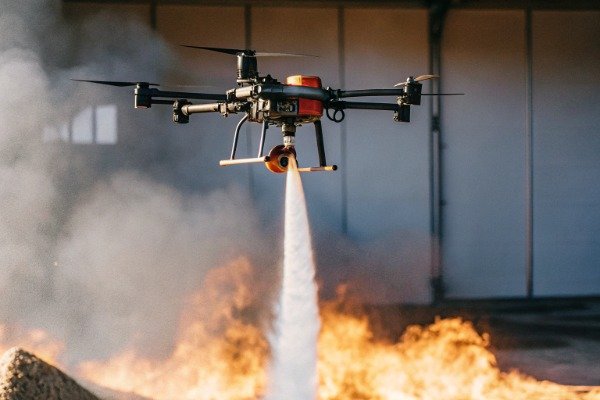
غالبًا ما نرى العملاء يعانون من نماذج أولية غير مستقرة في ساحات الاختبار لدينا في تشنغدو. تجاهل مخاطر الاستقرار يؤدي إلى فشل المهمة وتحطم مكلف، خاصة عند حمل حمولات سائلة ثقيلة.
نعم، إعطاء الأولوية لاستقرار التحكم في الطيران أمر بالغ الأهمية عند اختبار عينات طائرات بدون طيار لمكافحة الحرائق. يضمن النظام المستقر تسليم الحمولة بدقة والتشغيل الآمن في بيئات الحرائق المضطربة. بدونها، يمكن للتيارات الهوائية الحرارية والدخان أن تسبب فشلًا كارثيًا، مما يجعل الاستقرار هو الأساس لجميع مقاييس الأداء الأخرى.
دعنا نفصل بالضبط لماذا هذا مهم وكيفية التحقق منه أثناء عملية الشراء الخاصة بك.
كيف يتعامل نظام التحكم في الطيران مع عواصف الرياح المفاجئة أثناء التشغيل؟
خلال اختباراتنا الميدانية في المناطق المرتفعة، لاحظنا أن الخوارزميات القياسية غالبًا ما تفشل ضد التيارات الهوائية الصاعدة غير المتوقعة. هذا عدم اليقين يعرض المعدات والمهمة الحرجة للخطر.
يجب أن يستخدم نظام التحكم في الطيران خوارزميات متقدمة لمواجهة عواصف الرياح المفاجئة والتيارات الهوائية الحرارية التي تولدها الحرائق. يجب أن يقوم بضبط سرعات المحرك فورًا للحفاظ على تحويم ثابت، مما يضمن بقاء الطائرة بدون طيار مستقرة بما يكفي لتوجيه مدافع المياه أو إسقاط كرات إطفاء الحريق بدقة.
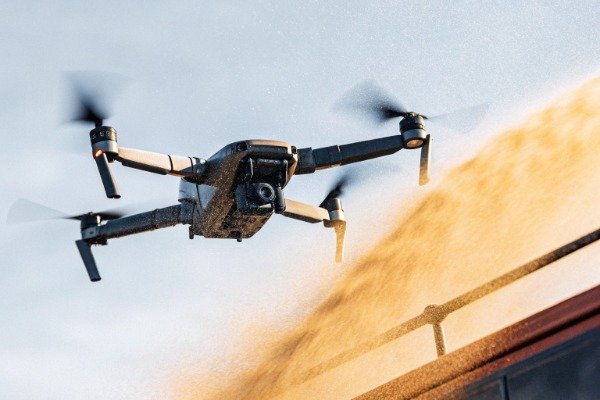
عندما نقوم بتصميم طائراتنا بدون طيار SkyRover، نقضي أشهرًا في ضبط وحدة التحكم في الطيران للتعامل مع ما نسميه "الهواء المتسخ". في سيناريو مكافحة الحرائق، الهواء ليس ثابتًا أبدًا. أنت تتعامل مع تيارات هوائية حرارية ضخمة خلقتها حرارة الحريق، جنبًا إلى جنب مع أنماط الرياح الطبيعية. إذا لم تتمكن وحدة التحكم في الطيران من الاستجابة في أجزاء من الثانية، فسوف تنجرف الطائرة بدون طيار، أو ما هو أسوأ، تنقلب.
تيارات هوائية حرارية ضخمة 1
فيزياء الرياح الناتجة عن الحرائق
التحدي الرئيسي ليس فقط سرعة الرياح ولكن عدم قابليتها للتنبؤ. قد تتعامل طائرة بدون طيار زراعية قياسية مع نسيم ثابت بسرعة 10 م/ث، ولكن طائرة بدون طيار لمكافحة الحرائق يجب أن تتعامل مع عواصف عمودية مفاجئة. نختبر وحدات التحكم في الطيران لدينا للكشف عن تغيرات الضغط السريعة هذه. يحتاج النظام إلى زيادة الطاقة إلى محركات محددة فورًا لمواجهة الرفع أو الانخفاض الناتج عن الهواء الساخن.
علاوة على ذلك، يجب أن تأخذ في الاعتبار "تأثير الاهتزاز". تحمل طائرات بدون طيار لمكافحة الحرائق السوائل أو المسحوق. أثناء حركة الطائرة بدون طيار، يتحول هذا الحمولة، مما يغير مركز الثقل. ستفسر وحدة التحكم في الطيران الأساسية هذا كقوة خارجية وقد تعوض بشكل مفرط، مما يؤدي إلى تذبذب. نستخدم خوارزميات محددة لتخفيف هذا التأثير، مما يضمن أن الطائرة بدون طيار تعرف الفرق بين الرياح وحركة الحمولة.
مركز الجاذبية 2
بروتوكولات الاختبار للمشترين
عند تقييم عينة، لا تقم فقط بتشغيلها في يوم هادئ. تحتاج إلى محاكاة هذه الظروف. بينما قد لا يكون لديك حفرة نار، يمكنك تشغيل الطائرة بدون طيار في ظروف رياح أو أداء مناورات قوية لمعرفة مدى سرعة استقرارها.
مقارنة مقاييس الاستقرار
إليك تفصيل لكيفية تأثير مستويات الاستقرار المختلفة على النجاح التشغيلي:
| ميزة الاستقرار | أداء الطائرات بدون طيار القياسية | متطلبات الطائرات بدون طيار لمكافحة الحرائق الصناعية | الأثر التشغيلي |
|---|---|---|---|
| مقاومة الرياح | المستوى 5 (8.0-10.7 م/ث) | المستوى 7 (13.9-17.1 م/ث) أو أعلى | القدرة على العمل في ظروف العواصف أو بالقرب من الحرائق الكبيرة. |
| دقة التحليق | عمودي: ±0.5 متر، أفقي: ±1.5 متر | عمودي: ±0.1 متر، أفقي: ±0.3 متر | أمر بالغ الأهمية لتوجيه نفاثات الماء عبر النوافذ. |
| وقت الاستجابة | > 100 مللي ثانية | < 20 مللي ثانية | يمنع الانهيارات أثناء الانفجارات الحرارية المفاجئة. |
| تعويض الحمولة | لا يوجد | تعديل مركز الثقل النشط (CoG) | يمنع عدم الاستقرار عندما تكون خزانات السائل نصف فارغة. |
إذا انحرفت العينة التي تختبرها بشكل كبير بعد توقف مفاجئ أو واجهت صعوبة في الحفاظ على ارتفاعها عند اشتداد الرياح، فهي ليست جاهزة للنشر.
ما هي ميزات التكرار التي يجب أن أبحث عنها لمنع التحطم؟
نصمم طائراتنا المسيرة الصناعية مع العلم أن المكونات يمكن أن تتعطل في الحرارة الشديدة. لا ينبغي لنقطة فشل واحدة أن تؤدي أبدًا إلى خسارة كاملة للطائرة أو تلف الممتلكات.
يجب أن تبحث عن وحدات IMU مزدوجة، ووحدات GPS مكررة، وأنظمة طاقة احتياطية لمنع الأعطال. تضمن هذه الميزات أنه إذا فشل مستشعر واحد بسبب الحرارة أو التلف، فإن النظام الثانوي يتولى زمام الأمور على الفور، مما يسمح للطائرة المسيرة بالهبوط بأمان أو العودة إلى المنزل دون تدخل الطيار.
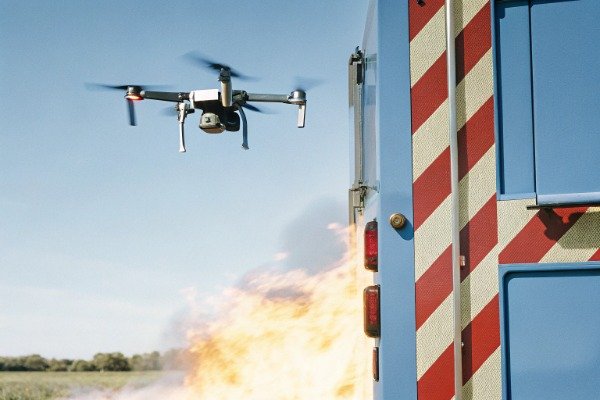
في صناعة الطيران، التكرار ليس رفاهية؛ إنه ضرورة. عندما نبني طائراتنا المسيرة الثقيلة، نفترض أن الأمور ستسير على نحو خاطئ. يمكن أن ترتفع درجة حرارة المستشعرات، ويمكن أن تحجب إشارات GPS بالدخان، ويمكن أن تعاني البطاريات من انخفاض الجهد. يعمل نظام التحكم في الطيران كعقل يدير هذه المخاطر.
تباطؤ الجهد 3
تكرار المستشعرات
وحدة القياس بالقصور الذاتي (IMU) هي الأذن الداخلية للطائرة المسيرة. تخبر وحدة التحكم في الطيران إلى أي اتجاه هو الأعلى. في البيئات ذات الحرارة العالية، يمكن أن تنحرف وحدات IMU، مما يوفر بيانات خاطئة. إذا اعتقدت الطائرة المسيرة أنها تميل إلى اليسار بينما هي في الواقع مستوية، فسوف تعوض بالطيران إلى اليمين، مما يؤدي إلى عطل.
وحدة القياس بالقصور الذاتي (IMU) 4
نقوم بتطبيق أنظمة IMU ثلاثية التكرار. تقارن وحدة التحكم في الطيران باستمرار البيانات من ثلاثة مستشعرات منفصلة. إذا قدم مستشعر واحد بيانات تتعارض مع المستشعرين الآخرين، فإن النظام يعزله ويتجاهل مدخلاته. يحدث منطق التصويت هذا آلاف المرات في الثانية. عند اختبار عينة، اطلب من المورد إظهار محاكاة فشل المستشعر.
إجراءات السلامة للطاقة والإشارة
بالإضافة إلى المستشعرات، يعد تكرار الطاقة أمرًا حيويًا. نستخدم إعدادات بطارية مزدوجة أو خطوط طاقة منفصلة لوحدة التحكم في الطيران. إذا تعرضت البطارية الرئيسية التي تشغل المحركات لانخفاض في الجهد، فيجب أن تظل وحدة التحكم في الطيران قيد التشغيل لتوجيه الطائرة المسيرة إلى الأسفل بأمان.
بالإضافة إلى ذلك، ضع في اعتبارك منطق "العودة إلى المنزل" (RTH). في حالة الحريق، غالبًا ما تكون إشارة GPS غير موثوقة. يجب أن يتحول النظام القوي تلقائيًا إلى "وضع الموقف"، مما يحافظ على مستوى الطائرة المسيرة باستخدام مقاييس الضغط الجوي والجيروسكوبات، بدلاً من الانجراف بعيدًا عند فقدان الأقمار الصناعية.
قائمة التحقق للتحقق من التكرار
استخدم هذا الجدول للتحقق من ميزات التكرار في وحدتك النموذجية:
| المكوّن | معيار التكرار | ما أهمية ذلك |
|---|---|---|
| IMU (جيروسكوب/مقياس تسارع) | تكرار ثلاثي | يمنع "التطاير" الناتج عن انحراف حرارة المستشعر. |
| بوصلة/مقياس المغناطيسية | ازدواجية التكرار | ضروري لدقة الاتجاه في مناطق التداخل المغناطيسي. |
| وحدة نظام تحديد المواقع العالمي (GPS) | نظام تحديد المواقع المزدوج RTK/GPS | يضمن ثبات الموقع حتى لو تم حجب أحد الهوائيات بالدخان. |
| رابط التحكم | نطاق مزدوج (2.4 جيجاهرتز / 5.8 جيجاهرتز) | يبدل التردد تلقائيًا لتجنب فقدان الإشارة. |
| إشارة المحرك | مراقبة PWM + CAN Bus | يكتشف فشل المحرك قبل أن يتسبب في تحطم. |
كيف يمكنني اختبار مقاومة الطائرة بدون طيار للتداخل الكهرومغناطيسي؟
يواجه مهندسونا بشكل متكرر فقدان الإشارة بالقرب من خطوط الجهد العالي أثناء تدريبات مكافحة الحرائق الحضرية. بدون درع مناسب، تصبح طائرتك بدون طيار خطرًا طائرًا في هذه السيناريوهات الشائعة.
يتضمن اختبار المقاومة للتداخل الكهرومغناطيسي تحليق الطائرة بدون طيار بالقرب من المعدات الصناعية أو خطوط الجهد العالي لمراقبة استقرار رابط التحكم. يستخدم النظام القوي الكابلات المحمية وتقنية القفز الترددي للحفاظ على اتصال قوي، مما يمنع التطاير أو السلوك المتقلب في البيئات الحضرية ذات الضوضاء المغناطيسية.
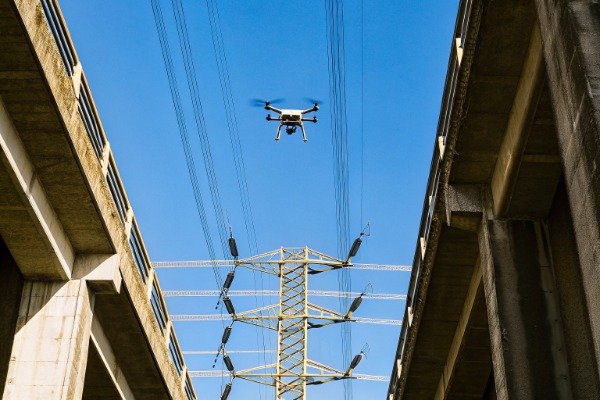
التداخل الكهرومغناطيسي (EMI) هو القاتل الصامت للطائرات بدون طيار الصناعية. في البيئات الحضرية، أنت محاط بإشارات Wi-Fi وأبراج الراديو وخطوط الطاقة ذات الجهد العالي. في بيئة حريق صناعية، تنبعث الآلات الثقيلة والمضخات أيضًا مجالات مغناطيسية قوية.
التداخل الكهرومغناطيسي (EMI) 5
مصادر التداخل
عندما نحلل سجلات الطيران للطائرات بدون طيار التي تحطمت، غالبًا ما نرى "خطأ في البوصلة" أو "خطأ في المغناطيسية" قبل الحادث مباشرة. يحدث هذا لأن مقياس المغناطيسية في الطائرة بدون طيار، والذي يعمل كبوصلة رقمية، يتشتت بسبب المجالات المغناطيسية الخارجية. إذا لم تعرف الطائرة بدون طيار اتجاهها، فلا يمكنها الحفاظ على موقعها ضد الرياح.
مقياس المغناطيسية للطائرة بدون طيار 6
مصدر آخر هو التداخل الداخلي. تولد المحركات عالية الطاقة ووحدات التحكم في السرعة الإلكترونية (ESCs) ضوضاء خاصة بها. إذا لم يستخدم المصنع كابلات محمية أو لم يعزل وحدة التحكم في الطيران بشكل صحيح، فإن الطائرة بدون طيار تقوم بتشويش نفسها.
حل الحماية
لمكافحة ذلك، نستخدم حماية من الألومنيوم أو النحاس حول المكونات الحيوية. نستخدم أيضًا بروتوكولات اتصال CAN Bus، وهي أكثر مقاومة للضوضاء بكثير من إشارات PWM التقليدية.
بروتوكولات اتصال CAN Bus 7
كيفية اختبار مقاومة التداخل الكهرومغناطيسي
لا تحتاج إلى مختبر لإجراء فحص أساسي.
- اختبار خط الطاقة: قم بتشغيل الطائرة بدون طيار (بأمان وبشكل قانوني) بالقرب من خطوط الطاقة. هل تتذبذب تغذية الفيديو؟ هل تنجرف الطائرة بدون طيار؟
- اختبار الهيكل: قم بالطيران بالقرب من هيكل معدني كبير، مثل مستودع أو حاوية شحن. تشوه الأجسام المعدنية الكبيرة المجالات المغناطيسية. ستكتشف وحدة التحكم في الطيران الجيدة هذا التشوه وتتحول إلى أوضاع غير GPS بدلاً من محاربة المجال المغناطيسي.
- فحص القياس عن بعد: انظر إلى سجلات قوة الإشارة (RSSI) بعد الرحلة. هل انخفضت الإشارة بشكل غير متوقع حتى عندما كنت قريبًا من الطائرة بدون طيار؟
إذا فشلت العينة في هذه الاختبارات، فهي غير آمنة للعمل الصناعي.
هل يسمح البرنامج بالتخطيط المستقل للمسار في البيئات المعقدة؟
ندمج الذكاء الاصطناعي في وحدات التحكم في الطيران لدينا لأن الطيار اليدوي يكاد يكون مستحيلاً في الدخان الكثيف. الاعتماد فقط على خط الرؤية البصري خطير وغير فعال.
يجب أن يسمح برنامج التشغيل الحديث بالتخطيط المستقل للمسار باستخدام مستشعرات LiDAR والمستشعرات الحرارية للتنقل في البيئات المعقدة. تتيح هذه القدرة للطائرة بدون طيار اكتشاف العوائق في الدخان، وتخطيط المسار الأكثر أمانًا إلى مصدر الحريق، وتنفيذ المهمة تلقائيًا مع تجنب الاصطدامات بالهياكل أو الأشجار.
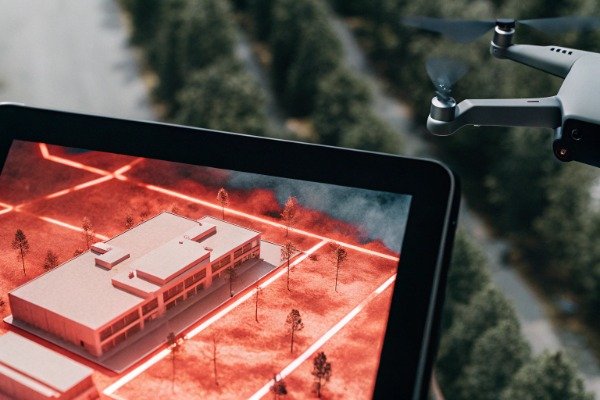
مستقبل مكافحة الحرائق لا يتعلق بالطيران فقط؛ بل يتعلق بالحوسبة. في بيئة دخان كثيف، لا يستطيع أفضل طيار رؤية الطائرة بدون طيار أو العوائق المحيطة بها. هذا هو المكان الذي يجب أن يتولى فيه برنامج التحكم في الطيران زمام الأمور.
التنقل في ظروف انعدام الرؤية
نجهز نماذجنا المتقدمة برادار LiDAR وموجات المليمتر. يمكن لهذه المستشعرات "الرؤية" عبر الدخان. يأخذ برنامج التحكم في الطيران هذه البيانات ويبني خريطة ثلاثية الأبعاد في الوقت الفعلي للمحيط.
رادار الموجات المليمترية 8
إذا كنت تختبر عينة، فتحقق مما إذا كانت تدعم "تجنب العوائق" مقابل "تخطيط المسار"."
- تجنب العقبات يتوقف ببساطة عن تشغيل الطائرة بدون طيار عندما ترى جدارًا.
- تخطيط المسار يرى الجدار، ويحسب مسارًا حوله، ويواصل المهمة.
بالنسبة لمكافحة الحرائق، فإن التجنب البسيط غير كافٍ. تحتاج الطائرة بدون طيار إلى الوصول إلى الحريق، وليس مجرد التوقف أمام شجرة.
دور الذكاء الاصطناعي والبيانات الحرارية
يجب أن يدمج البرنامج أيضًا البيانات الحرارية في مسار طيرانه. على سبيل المثال، نقوم ببرمجة طائراتنا بدون طيار لتجنب المناطق التي تتجاوز فيها درجة الحرارة عتبة معينة لحماية البطارية والإلكترونيات. تعيد الطائرة بدون طيار توجيه نفسها تلقائيًا إلى مسار اقتراب أبرد.
الأوضاع اليدوية مقابل الأوضاع المستقلة
من المهم أيضًا اختبار "التسليم". هناك أوقات يحتاج فيها الطيار إلى تولي التحكم يدويًا. يجب أن يكون الانتقال من التحكم بالذكاء الاصطناعي إلى التحكم اليدوي سلسًا. إذا كان هناك تأخير، فقد تصبح الطائرة بدون طيار غير مستقرة.
مقارنة الميزات: ما الذي يجب أن تطلبه
| الميزة | طائرة استهلاكية أساسية | طائرة بدون طيار احترافية لمكافحة الحرائق |
|---|---|---|
| اكتشاف العوائق | كاميرات مرئية (عديمة الفائدة في الدخان) | ليدار + رادار (يعمل في الدخان/الظلام) |
| تخطيط المسار | العودة إلى المنزل فقط | إعادة توجيه ديناميكي ومهام نقاط الطريق |
| تكامل حراري | عرض فقط | مسارات طيران مدركة لدرجة الحرارة |
| قدرة السرب | وحدة واحدة فقط | تنسيق طائرات بدون طيار متعددة للحرائق الكبيرة |
عند تقييم البرنامج، اطلب من المورد عرضًا توضيحيًا للمحاكاة أو ملف سجل يوضح كيف استجابت الطائرة بدون طيار لعائق. تكشف هذه البيانات عن "ذكاء" النظام.
سجلات قوة الإشارة (RSSI) 9
الخاتمة
يضمن إعطاء الأولوية لاستقرار التحكم في الطيران السلامة والكفاءة. اختبر مقاومة الرياح، والتكرار، والحماية من التداخل الكهرومغناطيسي، والاستقلالية لتأمين أفضل طائرات بدون طيار لمكافحة الحرائق لأسطولك.
تخطيط المسار المستقل باستخدام ليدار 10
الحواشي
1. يحدد الظاهرة الجوية التي تؤثر على استقرار الطائرة بدون طيار في الحرائق. ︎
2. مورد ناسا يشرح فيزياء التوازن في الطيران. ︎
3. يحدد المشكلة الكهربائية التي يمكن أن تحدث تحت الحمل. ︎
4. يشرح المكون الحساس الحاسم المستخدم لتحقيق الاستقرار. ︎
5. يوفر سياقًا حول اضطراب الإشارة المذكور. ︎
6. يشرح وظيفة المستشعر المستخدم للاتجاه. ︎
7. يفصل معيار الاتصال القوي المستخدم في الإلكترونيات الصناعية. ︎
8. يشرح تقنية الرادار المستخدمة للرؤية عبر الدخان. ︎
9. يحدد المقياس القياسي لقياس جودة الإشارة الراديوية. ︎
10. تعريف NOAA لتقنية الاستشعار بالليزر. ︎

 English
  Español de México
  Deutsch
  Français
  Русский
  العربية
