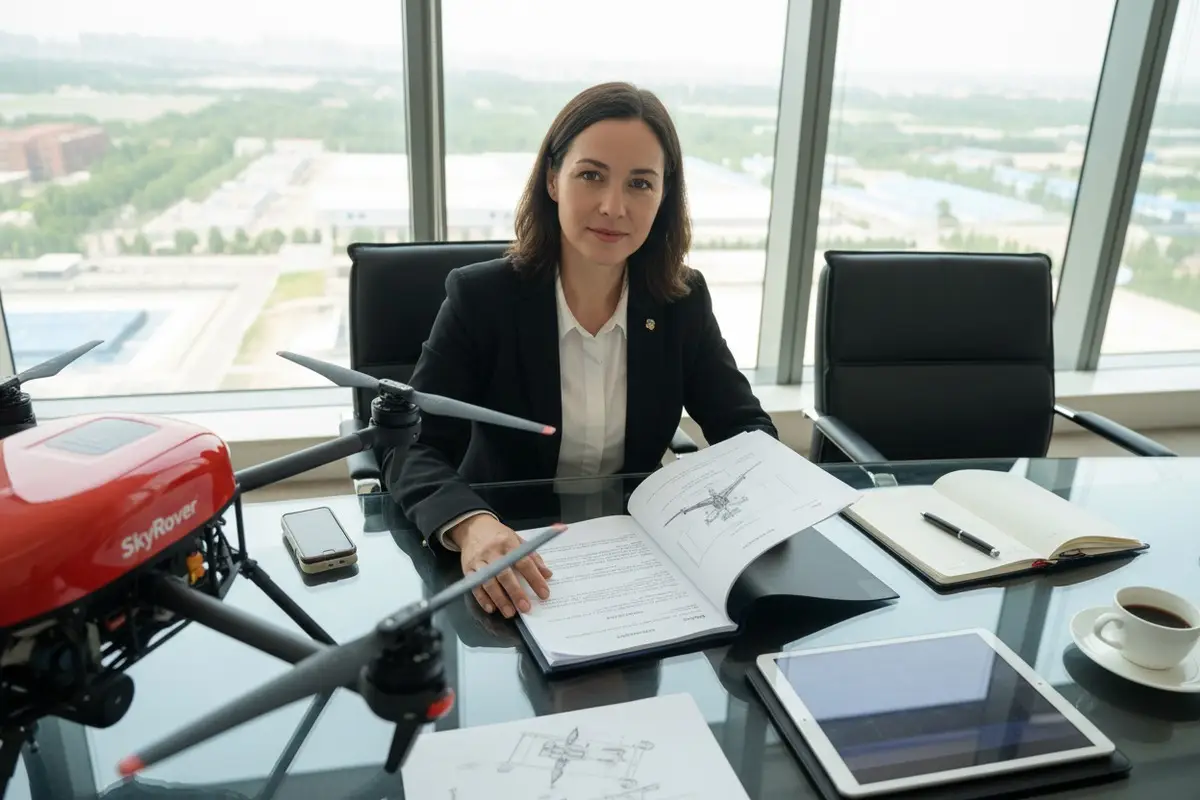

في الربع الأخير، واجهت أرضية الإنتاج لدينا سيناريو كابوسي. فقدت مواصفات حرارية حرجة بين الهندسة والتجميع. النتيجة؟ تم شحن عشرين طائرة بدون طيار لمكافحة الحرائق بأجهزة استشعار غير محاذاة. اكتشف فريق الاستجابة لحرائق الغابات لدى عميلنا الخطأ في منتصف المهمة. هذا الدرس المكلف أجبرنا على إعادة بناء إطار المسؤولية بالكامل إطار المسؤولية 1 من الصفر.
لتحديد المسؤولية عن أخطاء سوء الفهم في إنتاج طائرات بدون طيار لمكافحة الحرائق، يجب على المصنعين وضع بنود تعاقدية واضحة تحدد مسؤوليات التصميم، وتنفيذ سلاسل موافقة موثقة للمواصفات الفنية، وإنشاء بروتوكولات اتصال قابلة للتتبع، وتعيين أطر لتخصيص الخطأ تميز بين عيوب التصميم وأخطاء التصنيع وسوء استخدام المشغل أثناء عمليات النشر الطارئة.
هذا الدليل يرشدك عبر الخطوات الدقيقة التي يتبعها فريقنا الآن. ستتعلم كيفية حماية عملك وعملائك عندما يتعطل التواصل أثناء إنتاج الطائرات بدون طيار.
كيف يمكنني تحديد المسؤولية بوضوح عن أخطاء المواصفات الفنية في عقد تصنيع الطائرات بدون طيار الخاص بي؟
عندما ينهي فريق الهندسة لدينا معلمات وحدة التحكم في الطيران 2 لطائرة مكافحة حرائق مخصصة، تعلمنا بالطريقة الصعبة أن الاتفاقات الشفهية لا تعني شيئًا في المحكمة. ادعى موزع أوروبي ذات مرة أننا وعدنا بقدرة تحمل طيران تبلغ 45 دقيقة. أظهرت سجلاتنا 38 دقيقة. بدون مواصفات مكتوبة، تحملنا خسارة قدرها 47000 دولار.
تحديد المسؤولية عن أخطاء المواصفات الفنية من خلال تضمين ملاحق مفصلة تسرد جميع مقاييس الأداء، وتتطلب إقرارًا موقعًا في كل مرحلة من مراحل التصميم، وتحديد نطاقات التفاوت المقبولة، وإنشاء بروتوكولات أوامر التغيير، وتحديد بوضوح الطرف الذي يتحمل المخاطر للمواصفات الغامضة أو غير المكتملة في عقد التصنيع النهائي.

ابدأ بملحقات مواصفات شاملة
يحتاج عقدك إلى أكثر من مجرد شروط عامة. ملحقات مواصفات شاملة 3 يجب أن يظهر كل تفصيل فني كتابيًا. تتضمن عقودنا الآن ملحقات منفصلة لسعة الحمولة، ووقت الطيران، ونطاق الاتصال، ودقة الكاميرا الحرارية، ومواصفات خزان المياه. يتطلب كل ملحق توقيعات من الطرفين قبل بدء الإنتاج.
تحديد نطاقات التسامح
تعمل طائرات مكافحة الحرائق في ظروف قاسية. غالبًا ما تكون المواصفات الدقيقة مستحيلة. تحدد العقود الذكية النطاقات المقبولة. إذا كان عميلك يتوقع قدرة تحمل تبلغ 40 دقيقة، فحدد "38-42 دقيقة في ظل ظروف الاختبار القياسية عند درجة حرارة محيطة تبلغ 20 درجة مئوية"."
| نوع المواصفات | التسامح الموصى به | الوثائق المطلوبة |
|---|---|---|
| مدة الطيران | ±5% من القيمة المذكورة | فيديو الرحلة التجريبية + سجل البيانات |
| سعة الحمولة | ±3% من الوزن المقدر | شهادة خلية التحميل |
| نطاق الاتصال | ±10% في ظروف واضحة | تقرير اختبار ميداني |
| دقة الكاميرا الحرارية | ± 2 درجة مئوية اختلاف ± 2 درجة مئوية | شهادة المعايرة |
| معدل انتشار الماء | ±8% معدل التدفق | بيانات اختبار تدفق المضخة |
إنشاء بروتوكولات أوامر التغيير
تتغير المواصفات أثناء الإنتاج. بروتوكولات أوامر التغيير 4 يجب أن يعالج عقدك هذا الواقع. نحن نطلب أوامر تغيير مكتوبة موقعة من ممثلين مفوضين من كلا الطرفين. تعيد كل أمر تغيير صياغة المواصفات المتأثرة وتعيد تخصيص المسؤولية وفقًا لذلك.
تحديد حل الغموض
ماذا يحدث عندما تكون المواصفات غير واضحة؟ تتضمن عقودنا الآن "بند الغموض". ينص على أن المواصفات غير الواضحة تعود افتراضيًا إلى التفسيرات القياسية للصناعة. إذا لم يكن هناك معيار موجود، فإن تفسير الشركة المصنعة المعقول هو الذي يحكم. لقد منع هذا البند البسيط ثلاث نزاعات هذا العام وحده.
تضمين إجراءات التصعيد
عند نشوء خلافات، يجب أن تحدد العقود خطوات الحل. يتطلب إطار عملنا: أولاً، مؤتمر الفريق الفني في غضون 48 ساعة؛ ثانيًا، مراجعة الإدارة في غضون أسبوع؛ ثالثًا، تقييم هندسي مستقل إذا لزم الأمر. فقط بعد هذه الخطوات ننظر في التحكيم.
ما هي خياراتي إذا لم تتطابق ميزات طائرتي المسيرة المخصصة لمكافحة الحرائق مع التصميم المتفق عليه؟
اكتشف فريق مراقبة الجودة لدينا ذات مرة عدم تطابق خطير قبل يومين من الشحن. طلب العميل طائرات بدون طيار من نوع أوكتوكوبتر مع مراوح من ألياف الكربون 5 تظهر حواف فضية. قامت خطوط التجميع لدينا بتركيب مراوح سوداء قياسية بدلاً من ذلك. بدا الاختلاف البصري بسيطًا. كان الاختلاف في الأداء ليس كذلك. أشارت المراوح ذات الحواف الفضية إلى شفراتنا عالية الكفاءة الممتازة المصنفة لقوة دفع أعلى.
عندما لا تتطابق ميزات طائرات مكافحة الحرائق المخصصة مع التصميمات المتفق عليها، تشمل خياراتك رفض الوحدات غير المطابقة، أو التفاوض على تخفيضات في الأسعار، أو طلب تصنيع تصحيحي، أو متابعة دعاوى خرق العقد، أو تفعيل أحكام الضمان، أو قبول الوحدات مع تنازلات موثقة تقر بالانحراف وتعدل الالتزامات المستقبلية وفقًا لذلك.
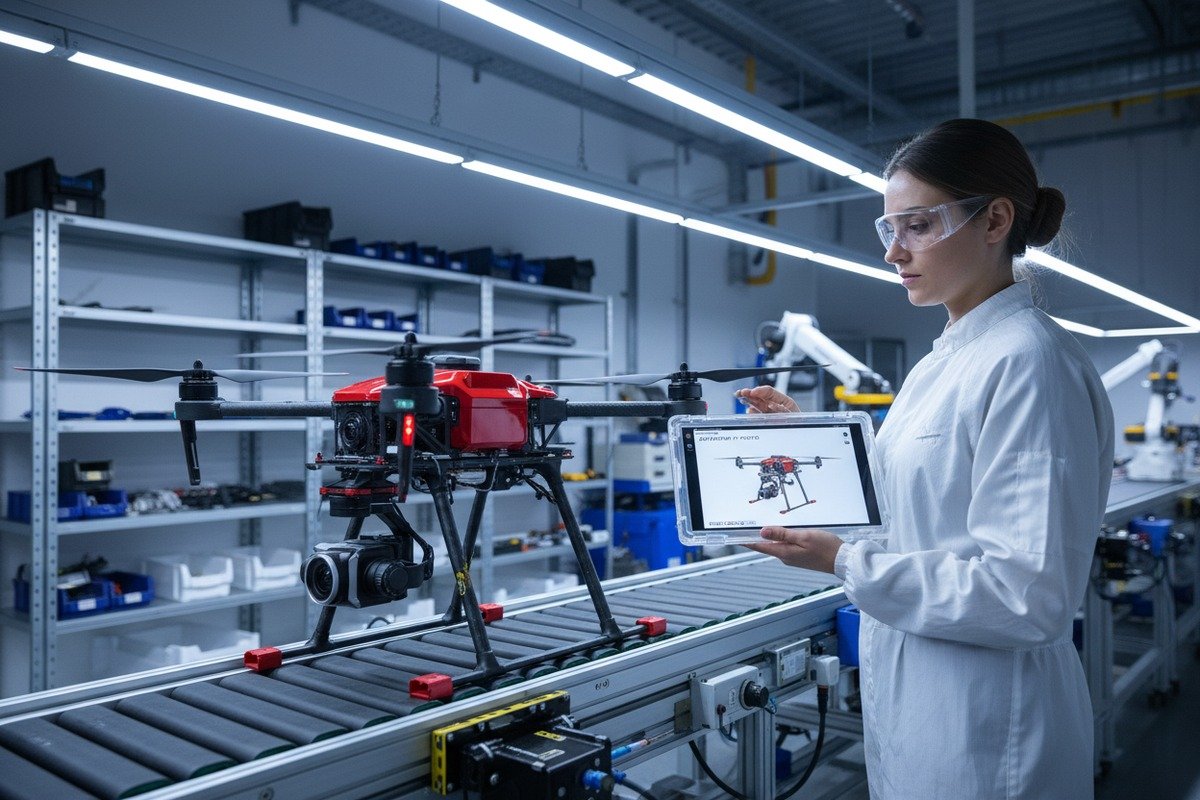
بروتوكولات الفحص الفوري
لا تقبل التسليم أبدًا دون فحص شامل. قم بإنشاء قائمة تحقق تطابق كل مواصفات متعاقد عليها. يتطلب بروتوكول الاستلام لدينا توثيقًا فوتوغرافيًا للميزات الرئيسية، واختبارًا وظيفيًا للأنظمة الحيوية، ومقارنة بالعينات المعتمدة أو الرسومات الفنية.
وثّق كل شيء على الفور
في اللحظة التي تحدد فيها عدم تطابق، قم بتوثيقه. الصور ومقاطع الفيديو والأوصاف المكتوبة تنشئ ملف الأدلة الخاص بك. لاحظ التاريخ والوقت ومن اكتشف المشكلة وكيف يختلف المنتج المسلم بالضبط عن المواصفات. يصبح هذا التوثيق حاسمًا إذا تصاعدت النزاعات.
| نوع عدم التطابق | الإجراء الموصى به | وقت الحل النموذجي |
|---|---|---|
| اختلافات تجميلية طفيفة | توثيق والتفاوض على الائتمان | من أسبوع إلى أسبوعين |
| فجوات مواصفات الأداء | رفض أو طلب التصحيح | 3-4 أسابيع |
| انحرافات حرجة للسلامة | الرفض الفوري | يختلف بناءً على الاستبدال |
| سهو ميزات البرامج | التفاوض على جدول زمني للتحديث | 2-6 أسابيع |
| بدائل المواد | يتطلب تقييم هندسي | 2-3 أسابيع |
فهم خياراتك القانونية
قانون العقود 6 يوفر عدة سبل انتصاف. يعيد الرفض البضائع غير المطابقة للمواصفات إلى الشركة المصنعة. قد تقبل أيضًا البضائع مع المطالبة بتعويضات عن فرق القيمة. في بعض الحالات، يمكن لأوامر الأداء المحددة إجبار الشركات المصنعة على إنتاج وحدات صحيحة.
التفاوض على حلول عملية
تكاليف التقاضي الوقت والمال. غالبًا ما تخدم المفاوضات العملية كلا الطرفين بشكل أفضل. عندما حدث عدم تطابق المروحة لدينا، عرضنا على العميل خيارًا: الانتظار ثلاثة أسابيع للحصول على وحدات صحيحة، أو قبول الوحدات الحالية بخصم 15%، أو الحصول على محركات مطورة للتعويض عن فرق المروحة. اختاروا ترقية المحرك.
الوقاية من خلال الموافقات على المراحل الرئيسية
الحل الأفضل يمنع عدم التطابق تمامًا. نحن الآن نطلب موافقة العميل على ثلاث مراحل إنتاج رئيسية: بعد توريد المكونات، وبعد تجميع الإطار، وبعد التكامل النهائي. تتضمن كل موافقة صورًا ومقاطع فيديو اختبار موجزة. وقد أدى هذا النهج إلى تقليل مطالبات عدم التطابق بنسبة 78% على مدار عامين.
كيف أضمن تحمل المورد المسؤولية عن عيوب الإنتاج الناتجة عن سوء التواصل؟
خلال توسعنا في السوق الأمريكية، عقدنا شراكة مع مورد مكونات لهياكل متخصصة مقاومة للحريق. حددنا "لمسة نهائية سوداء غير لامعة" في أوامر الشراء الخاصة بنا. لقد سلموا اللون الأسود اللامع. دفاعهم؟ لم يتم تعريف "غير لامع" في اتفاقنا. هذا الدرس الذي كلفنا 23000 دولار علمنا أن الافتراضات تدمر المساءلة.
ضمان مسؤولية المورد عن العيوب الناتجة عن الاتصالات من خلال تطبيق وثائق مواصفات موحدة بمصطلحات محددة، والمطالبة بتأكيد كتابي للتفاصيل الهامة، ووضع إجراءات تصعيد واضحة، والاحتفاظ بسجلات اتصالات شاملة، وتضمين أحكام تعاقدية تحدد المسؤولية بناءً على الطرف الذي سيطر على المعلومات التي أدت إلى العيب.

إنشاء وثيقة مصطلحات مشتركة
المصطلحات التقنية تعني أشياء مختلفة لأشخاص مختلفين. قد تعني "كاميرا عالية الدقة" 4K بالنسبة لك و 1080p لموردك. تتضمن اتفاقيات الموردين لدينا الآن مسردًا للمصطلحات. وثيقة المصطلحات المشتركة 7 يتم تعريف كل مصطلح تقني بتعريف محدد. يوقع الطرفان على هذا المسرد قبل بدء الإنتاج.
تطبيق بروتوكولات التأكيد
الاتصالات الهامة تتطلب تأكيدًا. عندما نرسل المواصفات إلى الموردين، نطلب إقرارًا كتابيًا في غضون 48 ساعة. يجب أن يعيد هذا الإقرار ذكر المواصفات الرئيسية بكلمات المورد الخاصة. تظهر سوء الفهم على الفور من خلال عملية "القراءة المرتدة" هذه، المستعارة من بروتوكولات السلامة الجوية.
إنشاء سلاسل الاتصال
من يتحدث مع من؟ سلاسل الاتصال غير الواضحة تسبب الأخطاء. تحدد اتفاقيات الموردين لدينا جهات اتصال محددة للأسئلة الفنية، والمسائل التجارية، وقضايا الجودة. يجب أن تمر جميع الاتصالات الفنية عبر جهات اتصال هندسية محددة. المكالمات الهاتفية العشوائية بين الموظفين العشوائيين تخلق فجوات في المسؤولية.
| نوع الاتصال | التنسيق المطلوب | موعد التأكيد | تعيين المسؤولية |
|---|---|---|---|
| المواصفات الأولية | وثيقة مكتوبة + رسومات | 72 ساعة | الطرف المنشئ |
| تغييرات المواصفات | أمر تغيير موقع | 48 ساعة | الطرف الذي يطلب التغيير |
| مخاوف الجودة | تقرير مكتوب مع صور | 24 ساعة | الطرف المسبب للعيب |
| جداول التسليم | تأكيد كتابي | 48 ساعة | الطرف الذي يفشل في الالتزام بالجدول الزمني |
| أسئلة فنية | بريد إلكتروني مع نسخة إلى مدير المشروع | نفس يوم العمل | الطرف الذي يقدم إجابة غير صحيحة |
الاحتفاظ بسجلات شاملة
كل اتصال مهم عند نشوء نزاعات. يحتفظ مديرو مشاريعنا بسجلات مفصلة لجميع تفاعلات الموردين. تتضمن هذه السجلات التواريخ والمشاركين والمواضيع التي تمت مناقشتها والقرارات المتخذة. أدوات إدارة المشاريع المستندة إلى السحابة تسجل كل شيء تلقائيًا.
تضمين بنود تخصيص المسؤولية
يجب أن ينص عقد المورد الخاص بك بوضوح على من يتحمل المسؤولية عن السيناريوهات المختلفة. إذا أساء المورد تفسير المواصفات الواضحة، فإنه يدفع. إذا كانت مواصفاتك تحتوي على غموض، فأنت تشارك المسؤولية. إذا حدث فشل في الاتصال من كلا الجانبين، يتم تقسيم المسؤولية بشكل نسبي.
إجراء اجتماعات مراجعة منتظمة
الوقاية خير من العلاج. المكالمات الفيديو الأسبوعية مع الموردين الرئيسيين تلتقط سوء الفهم مبكرًا. خلال هذه المكالمات، تقوم فرقنا بمراجعة خطوات الإنتاج القادمة، وتوضيح أي أسئلة، وتأكيد فهم المواصفات. هذه الاستثمارات التي تستغرق ثلاثين دقيقة تمنع تأخيرات مدتها ثلاثون يومًا.
ما هي الوثائق التي أحتاجها لإثبات حدوث خطأ في سوء الفهم خلال مرحلة التصنيع؟
قبل ثلاث سنوات، رفعت مقاول حكومي دعوى قضائية ضدنا بمبلغ 340 ألف دولار. ادعوا أن طائراتنا بدون طيار لمكافحة الحرائق فشلت أثناء الاستجابة لحريق غابات لأننا تجاهلنا مواصفات الحمولة الخاصة بهم. كنا نعرف القصة الحقيقية: قام فريق المشتريات الخاص بهم بتغيير المتطلبات في منتصف الإنتاج ولكنهم لم يبلغوا مهندسينا أبدًا. بدون وثائق، كانت كلمتهم ضد كلمتنا ستفلسنا.
لإثبات أخطاء سوء الفهم في مرحلة التصنيع، تحتاج إلى سلاسل بريد إلكتروني مختومة بالوقت، ومستندات مواصفات موقعة، ومحاضر اجتماعات مسجلة، وسجلات أوامر التغيير، وتقارير فحص الجودة، وسجلات الإنتاج، وأرشيفات منصات الاتصال، وسجلات التحقق من طرف ثالث تثبت تسلسل تبادل المعلومات وتحدد مكان حدوث خلل الاتصال.

فئات المستندات الأساسية
يتطلب الإثبات أنواعًا متعددة من المستندات تعمل معًا. لا يوجد مستند واحد يثبت سوء الفهم. تبحث المحاكم عن أدلة متسقة عبر مصادر مختلفة. يجب أن يلتقط نظام التوثيق الخاص بك الاتصالات والقرارات والإجراءات طوال عملية الإنتاج.
سجلات الاتصالات المسجلة بالتوقيت
يظل البريد الإلكتروني المعيار الذهبي للأدلة القانونية. تتطلب سياستنا أن تتم جميع المناقشات المتعلقة بالإنتاج عبر البريد الإلكتروني أو المنصات الموثقة. يتم متابعة المكالمات الهاتفية بملخصات مكتوبة. تذكر هذه الملخصات ما تمت مناقشته وتطلب تأكيد الفهم.
وثائق المواصفات الموقعة
تحتاج كل نسخة من المواصفات إلى توقيعات وتواريخ. عند تغيير المواصفات، يتم إنشاء مستندات جديدة بدلاً من تعديل المستندات القديمة. يوضح نظام الإصدار هذا بالضبط ما وافقت عليه كل طرف في كل مرحلة من مراحل الإنتاج.
| نوع المستند | العناصر الرئيسية | فترة الاحتفاظ | الوزن القانوني |
|---|---|---|---|
| المواصفات الأصلية | التوقيعات، التواريخ، التفاصيل الفنية الكاملة | 10 سنوات | عالية |
| أوامر التغيير | سبب التغيير، المواصفات المتأثرة، الموافقات | 10 سنوات | عالية |
| اتصالات البريد الإلكتروني | الطوابع الزمنية، الموضوع الكامل، جميع المستلمين | 7 سنوات | متوسط-عالي |
| محاضر الاجتماعات | الحضور، القرارات، بنود العمل، التاريخ | 7 سنوات | متوسط |
| ملخصات المكالمات الهاتفية | المشاركون، التاريخ، المواضيع، طلب التأكيد | 5 سنوات | متوسط |
| تقارير فحص الجودة | توقيع المفتش، نتائج الاختبار، التاريخ | 10 سنوات | عالية |
| سجلات الإنتاج | الإدخالات اليومية، أسماء المشغلين، المشكلات الملاحظة | 7 سنوات | متوسط |
توثيق مرحلة الإنتاج
توثيق أرضية المصنع يثبت ما حدث بالفعل أثناء التصنيع. تسجل سجلات الإنتاج لدينا الأنشطة اليومية، وأي مشكلات تمت مواجهتها، وكيف تم حلها. تنشئ نقاط فحص الجودة تقارير توضح المطابقة للمواصفات في كل مرحلة.
التحقق من الطرف الثالث
التحقق المستقل يعزز موقفك بشكل كبير. نستعين بمفتشين من طرف ثالث لمعالم الإنتاج الهامة. تحمل تقاريرهم وزنًا إضافيًا لأنهم لا يملكون مصلحة في النتيجة. بالنسبة للعقود ذات القيمة العالية، نستخدم أيضًا التصديق الموثق على المستندات.
مسارات التدقيق الرقمية
أدوات إدارة المشاريع الحديثة تنشئ مسارات تدقيق تلقائية. مسارات التدقيق الرقمية 8 يتم تسجيل كل إجراء مع الطوابع الزمنية وتحديد المستخدم. هذه السجلات الرقمية يصعب الاعتراض عليها مقارنة بالمستندات الورقية لأن سجلات النظام تظهر ما إذا كان أي شخص قد حاول إجراء تعديلات.
التنظيم للاسترجاع السريع
التوثيق لا يفيد إلا إذا كان بإمكانك العثور عليه. ينظم نظام الملفات لدينا المستندات حسب المشروع، ثم حسب نوع المستند، ثم حسب التاريخ. تلخص ملفات الفهرس محتويات كل مجلد. عند نشوء نزاعات، يمكننا تجميع الوثائق ذات الصلة في غضون ساعات بدلاً من أسابيع.
الحفاظ على التنسيقات الأصلية
لا تقم أبدًا بتحويل المستندات دون داعٍ. تحتفظ رسائل البريد الإلكتروني الأصلية بالبيانات الوصفية التي تثبت الأصالة. تفقد لقطات الشاشة هذه البيانات الوصفية. يقوم فريق تكنولوجيا المعلومات لدينا بأرشفة الاتصالات بالتنسيقات الأصلية مع نسخ احتياطي منتظم إلى مواقع متعددة.
الخاتمة
يتطلب تحديد المسؤولية عن سوء التواصل في إنتاج طائرات بدون طيار لمكافحة الحرائق توثيقًا استباقيًا وعقودًا واضحة وبروتوكولات اتصال منهجية. الأطر التي بنيناها تحمي شركتنا وعملائنا على حد سواء. ابدأ بتطبيق هذه الممارسات اليوم لمنع نزاعات الغد.
الحواشي
1. يشرح الإطار القانوني لمسؤولية المنتج. ︎
2. يفصل المعايير الفنية لوحدات التحكم في طيران الطائرات بدون طيار. ︎
3. تم استبداله بدليل شامل للمهنيين القانونيين حول ملحقات العقود، مع ذكر المواصفات الفنية بشكل صريح. ︎
4. يصف عملية وأهمية أوامر التغيير في المشاريع. ︎
5. يشرح فوائد وخصائص مراوح ألياف الكربون. ︎
6. يوفر فهمًا أساسيًا لمبادئ قانون العقود. ︎
7. يؤكد على أهمية مسرد مشترك للتواصل الواضح. ︎
8. يحدد ويوضح وظيفة المسارات الرقمية للمراجعة. ︎



 English
  Español de México
  Deutsch
  Français
  Русский
  العربية
Comments
No comments yet. Be the first to share your thoughts!
Leave a Comment