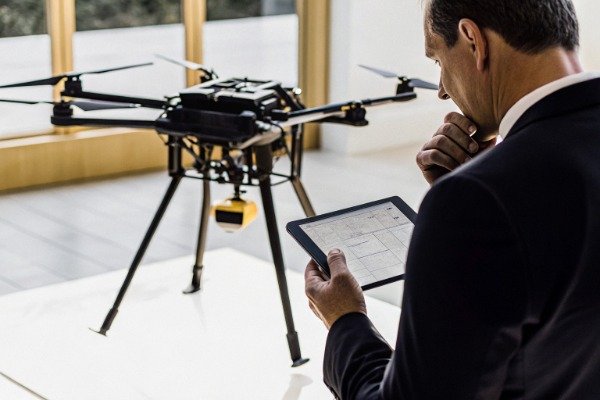
At our daily business, we frequently analyze competitor quotes that seem impossibly low. While budget-friendly options appeal to procurement teams, these underpriced units often compromise critical safety features needed for fire suppression.
A significantly lower quote typically indicates the use of refurbished components, a lack of after-sales technical support, and compromised battery safety. These risks often lead to mission failure, hidden logistical costs, and non-compliance with safety regulations, ultimately endangering personnel and inflating the total cost of ownership.
Let's break down the specific dangers hidden behind these attractive but deceptive price tags.
Could a significantly lower price indicate the use of refurbished or lower-grade components?
When we select materials for our SkyRover fleet, we reject components that fail rigorous stress tests. In contrast, budget suppliers often utilize these rejected parts, creating severe reliability issues for end-users.
Yes, drastically lower quotes often result from suppliers using refurbished motors, consumer-grade GPS modules, or rejected sensors. These substandard components lack the durability required for high-temperature environments, leading to structural failures, signal loss, and catastrophic malfunctions during active firefighting operations.
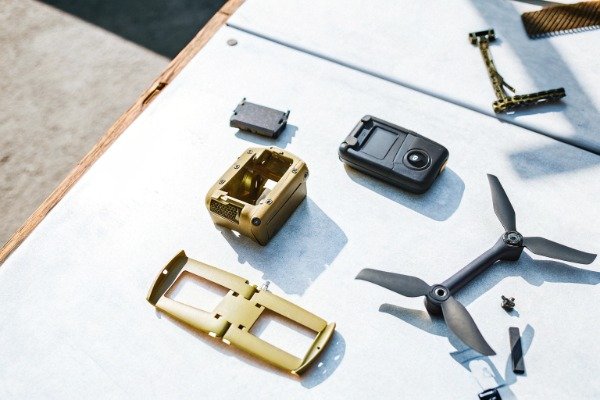
When evaluating a quote that sits well below the $10,000 to $60,000 market average for professional firefighting drones, the hardware quality is usually the first victim. In our engineering lab, we have disassembled low-cost competitor units only to find "gray market" internal components. These are often parts that failed quality control in major factories or were salvaged from used units, refurbished, and sold as new.
السوق الرمادية 1
The Hidden Danger of Consumer-Grade Electronics
For a drone to survive the intense heat and interference of a fire zone, it requires industrial-grade shielding and redundancy. Cheap models frequently substitute industrial flight controllers with hobbyist-grade versions. While these might fly well in a park, they lack the electromagnetic shielding necessary to operate near high-voltage lines or amidst the radio chaos of an emergency response scene.
Furthermore, the structural integrity of the airframe is often compromised. We use high-grade carbon fiber composites to ensure our drones can withstand thermal updrafts. Budget alternatives often use cheaper plastics or fiberglass blends. In high-temperature environments, these materials can soften or warp, leading to airframe instability or even the melting of arm joints mid-flight.
مركبات ألياف الكربون 2
Sensor Accuracy and Thermal Calibration
Firefighting relies heavily on accurate thermal data. A professional radiometric thermal camera is expensive because of the sensor calibration required to detect hotspots accurately through smoke. Low-cost drones often use uncalibrated sensors with poor resolution. This results in "ghost" readings, where the drone fails to identify the core of the fire or, worse, directs ground crews to the wrong location.
Below is a comparison of components typically found in professional vs. budget drones:
| فئة المكوّنات | Professional Standard (SkyRover/Industry Leaders) | Low-Cost / Budget Alternative | الخطر المحتمل |
|---|---|---|---|
| Airframe Material | High-modulus Carbon Fiber | Plastic or Low-grade Fiberglass | Melting or warping in high heat; structural failure. |
| وحدة نظام تحديد المواقع العالمي (GPS) | Dual-redundant RTK GNSS | Single Consumer-grade GPS | Loss of position in smoke; fly-aways. |
| كاميرا حرارية | Radiometric, High Resolution (640×512+) | Non-radiometric, Low Res (<320×240) | Inaccurate temperature readings; poor visibility. |
| الدفع | Industrial motors with active cooling | Hobbyist motors without dust protection | Motor seizure from ash/dust ingestion. |
Does a cheap quote mean the supplier will not provide after-sales technical support?
Our team dedicates significant resources to helping US clients integrate our systems. Conversely, we notice that suppliers offering rock-bottom prices rarely maintain a support staff, leaving buyers isolated when problems arise.
A cheap quote almost invariably excludes comprehensive after-sales service. Budget suppliers cut costs by eliminating remote technical assistance, firmware updates, and repair teams, leaving you stranded with unusable equipment when software glitches occur or specialized parts are needed urgently.

The reality of industrial machinery is that it requires maintenance. When you purchase a firefighting drone, you are not just buying a flying robot; you are buying a capability that must be available 24/7. The price gap between a $5,000 unit and a $25,000 unit is often funded by stripping away the service layer.
القسم 301 3
The "Ghosting" Phenomenon
We have heard countless stories from distributors who purchased low-cost units, only to find the supplier unresponsive once the money was wired. When a firmware bug prevents the drone from taking off, or a motor needs replacement after a hard landing, there is no one to call. These suppliers often lack English-speaking support teams or engineers capable of diagnosing complex issues remotely.
تحديثات البرامج الثابتة والأمان
Industrial drones run on complex software that needs regular patching to fix bugs and close security vulnerabilities. Premium manufacturers include the cost of ongoing software development in their pricing. A low-cost vendor typically ships the product with "frozen" firmware. If a vulnerability is discovered—such as a weakness that allows signal jamming—there will be no patch. For fire departments, this is a critical failure point, as unpatched drones can become liabilities.
Availability of Spare Parts
In our warehouse, we stock spare parts for models we released five years ago. This inventory costs money to maintain. Budget manufacturers operate on a "batch" basis. Once a production run is sold, they move to the next model, often changing designs entirely. This means if you break a propeller arm six months after purchase, you may find that replacement parts simply do not exist, rendering the entire investment worthless.
| ميزة الدعم | Premium Supplier Offering | Budget Supplier Offering | Impact on Operations |
|---|---|---|---|
| Remote Troubleshooting | 24/7 or Business Day Response | Email only, slow or no response | Extended downtime during emergencies. |
| تحديثات البرامج الثابتة | Regular security & feature patches | None or very rare | Vulnerability to hacking; software bugs remain. |
| Spare Parts Inventory | Guaranteed availability for 5+ years | No guarantee; often obsolete quickly | Drone becomes e-waste after minor damage. |
| موارد التدريب | Manuals, videos, simulator training | Basic quick-start guide only | Pilot error increases; higher crash risk. |
How might the battery quality and safety be compromised in a low-cost drone?
We rigorously cycle-test every battery pack to ensure stability under heavy loads. Competitors cutting corners often skip these safety checks, delivering power units that are unpredictable and dangerous.
التوافق مع لجنة الاتصالات الفيدرالية 4
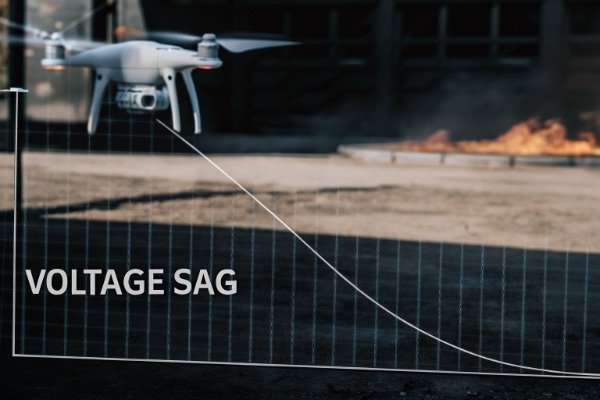
Low-cost drones frequently utilize batteries with lower energy density and poor thermal management systems to save money. These compromised power units suffer from voltage sags under load, significantly reducing flight time and increasing the risk of mid-air shutoffs or fires during intense operations.
The battery is the heart of the drone, especially for heavy-lift firefighting models carrying payloads like fire retardant bombs or heavy gimbal cameras. High-performance Lithium Polymer (LiPo) or Solid-state batteries are expensive to manufacture because they must deliver massive bursts of power without overheating.
ليثيوم بوليمر (LiPo) 6
The Risk of Voltage Sag
In a fire scenario, a drone might need to ascend rapidly to escape a sudden flare-up. This maneuver demands a huge spike in current. High-quality batteries maintain their voltage during this spike. Cheap batteries, often made from "B-grade" cells, suffer from voltage sag. The drone's flight controller detects this drop, assumes the battery is empty, and initiates an emergency landing—potentially right into the fire.
Thermal Runaway and Charging Safety
Firefighting drones are stored in trucks and deployed in hot environments. We invest in Battery Management Systems (BMS) that actively monitor cell temperature and balance. Low-cost batteries often use rudimentary BMS boards that fail to protect against overcharging or overheating. We have seen instances where cheap batteries swelled or caught fire while charging inside a fire station, posing a direct risk to the facility itself.
The "Flight Time" Deception
Marketing materials for cheap drones often claim "45 minutes of flight time." However, this is usually tested at sea level, with no wind and no payload. Once you attach a thermal camera and fly in 15 mph winds, a cheap battery's performance collapses, giving you perhaps 15 minutes of usable time. Premium batteries are rated more conservatively and hold up better under the weight of payloads and the stress of wind resistance.
Battery Grade Comparison
| الميزة | Grade A Cells (Used by SkyRover) | Grade B/C Cells (Used in Cheap Drones) |
|---|---|---|
| المقاومة الداخلية | Low (High efficiency, less heat) | High (Wasted energy, overheating) |
| دورة الحياة | 300-500+ cycles | <100 cycles before degradation |
| Discharge Rate (C-Rating) | True high discharge (e.g., 25C+) | Exaggerated ratings (Voltage sags) |
| Safety Consistency | Matched cells, stable chemistry | Mismatched cells, risk of swelling |
We prioritize transparency by offering Door-to-Door (DDP) terms to our US partners. However, we warn clients that extremely low quotes usually shift expensive logistical burdens and regulatory risks onto the buyer.
أنظمة إدارة البطارية 7
Yes, extremely low initial quotes often omit essential logistics costs like robust packaging, export licenses, and customs duties. Buyers frequently face unexpected fees for crating, insurance, and regulatory compliance at the port of entry, which can double the final landed cost.
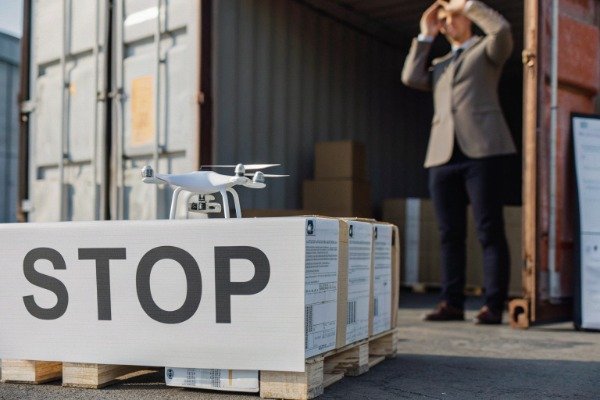
When you see a quote that is 50% lower than the market average, you must ask: "What is the Incoterm?" Many budget suppliers quote "EXW" (Ex Works), meaning their responsibility ends at their factory door in China. The price looks low because it includes nothing but the bare drone.
كاميرا حرارية إشعاعية 9
The Packaging Trap
Industrial drones are delicate instruments. We ship our units in custom-molded, military-grade hard cases that protect against shock and moisture. To cut costs, budget suppliers often ship drones in cardboard boxes with minimal foam. We have seen shipments arrive in the US with crushed gimbals and bent landing gear because the packaging could not withstand the trans-Pacific journey. The buyer then has to pay for repairs before the drone has even flown.
Customs and Regulatory Nightmares
Importing drones into the US requires specific documentation, especially regarding FCC compliance and battery certifications (UN38.3). Established manufacturers handle this paperwork. Cheap suppliers often mislabel goods to avoid taxes or simply lack the necessary certifications. If US Customs flags a shipment for lacking an FCC ID or proper battery documentation, the goods can be seized or returned at the buyer's expense.
Hidden Fees at the Port
If the quote does not include "DDP" (Delivered Duty Paid), the buyer is responsible for US import tariffs. For Chinese electronics, these tariffs can be significant (often 25% under Section 301). A $5,000 drone suddenly becomes a $6,250 drone, plus brokerage fees, harbor maintenance fees, and inland trucking costs. Suddenly, the "cheap" option is not so cheap, and the buyer is stuck navigating complex import laws they are not trained for.
الخاتمة
Sourcing firefighting drones based solely on the lowest price invites risks of hardware failure, safety hazards, and hidden costs. Investing in reliable equipment ensures mission success and pilot safety.
التدريع الكهرومغناطيسي 10
الحواشي
1. Defines the unauthorized trading channels often used to source cheaper, potentially unreliable components. ︎
2. Details the material properties of the high-strength composites used for structural integrity. ︎
3. Provides official context on the specific trade tariffs applied to imported electronics. ︎
4. Links to the official US regulatory standards for radio frequency device authorization. ︎
5. Explains the international commercial terms that define shipping responsibilities and costs. ︎
6. Provides background on the specific battery chemistry standard used in high-performance drones. ︎
7. Defines the electronic system responsible for monitoring cell health and preventing thermal runaway. ︎
8. Explains the electrical phenomenon where power drops under load, risking flight stability. ︎
9. Describes the specialized imaging technology used to measure temperature and detect fire hotspots. ︎
10. Explains the protection mechanism required to prevent interference from high-voltage lines and radio signals. ︎

 English
  Español de México
  Deutsch
  Français
  Русский
  العربية
