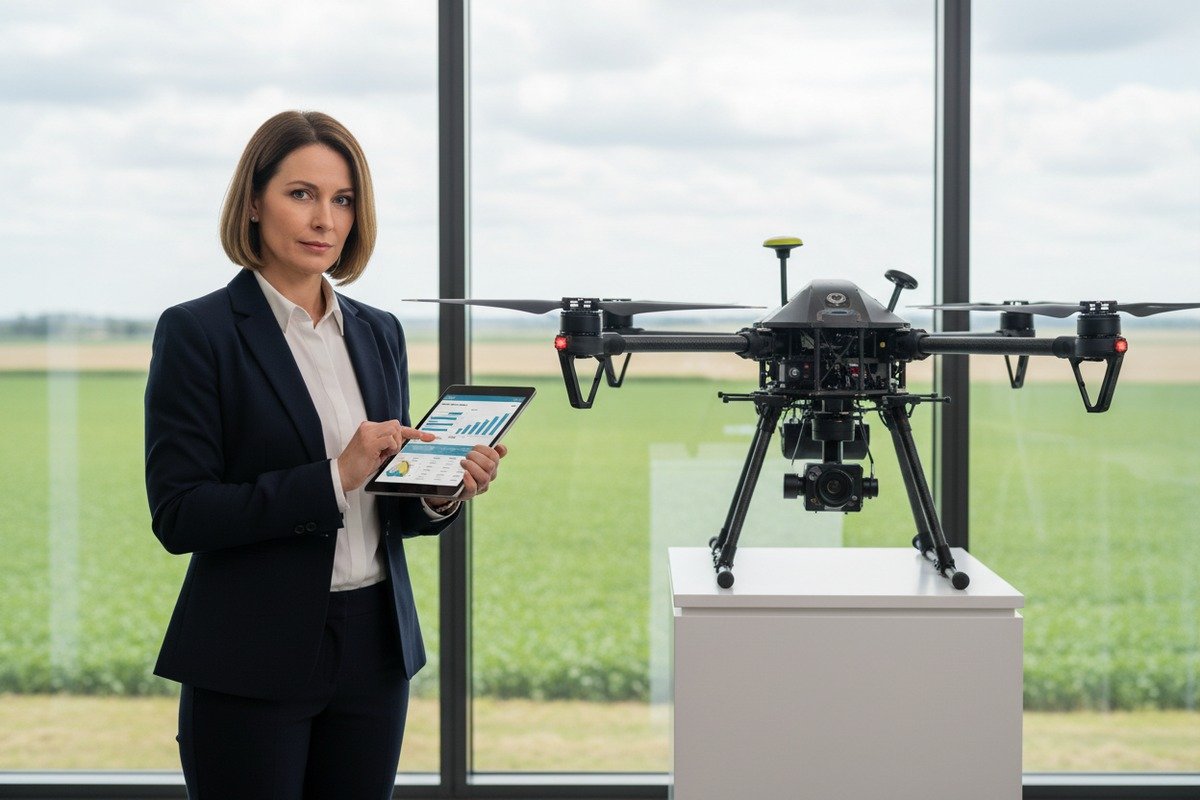
كل أسبوع، يتلقى فريق المبيعات لدينا استفسارات من الموزعين يسألون نفس السؤال: “هل هذا السعر تنافسي؟” بعد التصنيع طائرات زراعية بدون طيار 1 لأكثر من عقد من الزمان، نفهم هذا الإحباط بعمق.
لتقييم القدرة التنافسية للتسعير المتدرج للطائرات بدون طيار الزراعية، احسب التكلفة الإجمالية للملكية بما في ذلك سعر الشراء، وتكاليف التشغيل لكل فدان، ونفقات الصيانة، وقارنها بحدود عائد الاستثمار. تعني الأسعار التنافسية التعادل بأقل من 12.50 دولارًا أمريكيًا لكل فدان عند أكثر من 980 فدانًا سنويًا، مع خصومات الحجم التي تقلل تكاليف الوحدة بنسبة 10-25%.
يقسم هذا الدليل عملية التقييم إلى خطوات عملية. سنقوم بفحص خصومات الحجم 2, ، مقايضات الموثوقية، تكاليف الخدمات اللوجستية، وتأثيرات التخصيص على التسعير.
كيف أعرف ما إذا كانت خصومات الحجم التي تُعرض عليّ للطائرات الزراعية تنافسية حقًا في السوق؟
عندما نقتبس خصومات الحجم لشركائنا في الخارج، نسمعهم غالبًا يسألون كيف تقارن أسعارنا بالمنافسين. هذا القلق صحيح. ليست كل الخصومات تقدم قيمة حقيقية.
تتراوح خصومات الحجم التنافسية في السوق للطائرات الزراعية بدون طيار عادةً من 5-8% لـ 5-10 وحدات، و 10-15% لـ 11-25 وحدة، و 15-25% لـ 26+ وحدة. تتطلب القدرة التنافسية الحقيقية مقارنة أسعار الوحدات المخفضة مقابل معايير الصناعة: 15,000-30,000 دولار أمريكي للطائرات بدون طيار متوسطة المستوى للرش و 30,000-60,000 دولار أمريكي للأنظمة متعددة الأطياف عالية المستوى.

فهم مستويات أسعار الصناعة
يعمل سوق الطائرات بدون طيار الزراعية عبر أربعة مستويات تسعير متميزة. يخدم كل مستوى احتياجات تشغيلية مختلفة. فهم هذه المستويات يساعدك على قياس أي عرض خصم.
| الفئة | نطاق السعر | الميزات النموذجية | الأفضل لـ |
|---|---|---|---|
| للمبتدئين | $3,000-$15,000 | المراقبة الأساسية، كاميرات بسيطة | المزارع الصغيرة، استكشاف المحاصيل |
| المستوى المتوسط | $15,000-$30,000 | مستشعرات محسنة، استقرار أفضل | العمليات المتوسطة، الرش الأساسي |
| المستوى العالي | $30,000-$60,000 | أنظمة الرش، التصوير متعدد الأطياف | المزارع التجارية، الزراعة الدقيقة |
| بريميوم | $60,000+ | ليدار، حمولات متقدمة، أتمتة كاملة | شركات زراعية كبيرة، مقدمو خدمات |
يركز خط إنتاجنا على الأنظمة المتوسطة إلى العالية. لقد وجدنا أن المشترين غالبًا ما يقللون من شأن الفجوة بين المستويات. طائرة بدون طيار بقيمة 20 ألف دولار ليست ببساطة "أفضل بمرتين" من وحدة بقيمة 10 آلاف دولار. القفزة التكنولوجية تتضمن وحدات التحكم في الطيران 3, ، مصفوفات المستشعرات، وجودة البناء.
كيفية التحقق من صحة الخصومات
يقوم العديد من الموردين بتضخيم الأسعار الأساسية قبل تطبيق الخصومات. هذا يجعل نسبتهم تبدو مثيرة للإعجاب. إليك كيفية اكتشاف القيمة الحقيقية:
أولاً، اطلب تسعيرًا مفصلاً. سيقوم المصنع الشرعي بتقسيم التكاليف: هيكل الطائرة، البطاريات، الشواحن، وحدات التحكم، وتراخيص البرامج. عروض الأسعار لدينا تفصل دائمًا هذه المكونات.
ثانيًا، قارن تكاليف الحزمة الإجمالية. تباع حزمة DJI Agras T50 بحوالي 36 ألف دولار بعد التعريفة الجمركية. تتراوح البدائل الصينية المماثلة من 20 ألف دولار إلى 28 ألف دولار لمواصفات قابلة للمقارنة. إذا قدم مورد خصمًا بنسبة 20٪ ولكنه يبدأ من 45 ألف دولار، فأنت تدفع أكثر من اللازم.
ثالثًا، احسب التكلفة لكل سعة الحمولة 4. اقسم السعر الإجمالي على حجم الخزان. تكلف طائرات الرش التنافسية حوالي 1500 دولار - 2000 دولار لكل لتر من سعة الخزان.
علامات حمراء في عروض خصومات الحجم
انتبه لهذه العلامات التحذيرية:
- الخصومات التي تتجاوز 30٪ تشير إلى أسعار أساسية مبالغ فيها
- عدم وجود هيكل متدرج يعني أن المورد يفتقر إلى حجم الإنتاج
- الخصومات التي تتطلب التزامات سنوية دنيا دون مرونة
- الأسعار الأقل بكثير من متوسط السوق قد تشير إلى تنازلات في الجودة
عندما يصمم فريق الهندسة لدينا نماذج جديدة، فإننا نأخذ في الاعتبار هوامش ربح واقعية. تأتي الخصومات المستدامة من كفاءة الإنتاج، وليس من اختصار الطرق.
هل يجب أن أعطي الأولوية لسعر الوحدة المنخفض أو الموثوقية طويلة الأجل والدعم الهندسي لأسطول طائراتي بدون طيار؟
في تجربتنا في التصدير إلى الولايات المتحدة وأوروبا، رأينا مشترين يتخذون كلا الخيارين. البعض يسعى للحصول على أقل سعر. يستثمر آخرون في البنية التحتية الداعمة. تختلف النتائج بشكل كبير.
إعطاء الأولوية للموثوقية طويلة الأجل والدعم الهندسي على أقل سعر للوحدة عندما تكون تكلفة الملكية الإجمالية مهمة. طائرة بدون طيار بقيمة 25,000 دولار أمريكي مع دعم سنوي بقيمة 2,000 دولار أمريكي غالبًا ما تتفوق على وحدة بقيمة 18,000 دولار أمريكي تتطلب 8,000 دولار أمريكي في الإصلاحات. احسب تكلفة الملكية الإجمالية لمدة خمس سنوات: الأساطيل الموثوقة توفر 0.50 دولار أمريكي - 1.50 دولار أمريكي لكل فدان من خلال تقليل وقت التوقف عن العمل والأداء المتسق.

التكلفة الحقيقية للطائرات بدون طيار الرخيصة
يتتبع قسم الخدمة لدينا معدلات الفشل عبر نقاط سعر مختلفة. البيانات تحكي قصة واضحة. تفشل الطائرات بدون طيار الاقتصادية بمعدل 3-4 أضعاف معدل الوحدات عالية الجودة.
| عامل التكلفة | طائرة بدون طيار اقتصادية (15,000 دولار) | طائرة بدون طيار عالية الجودة (28,000 دولار) | فرق 5 سنوات |
|---|---|---|---|
| سعر الشراء | $15,000 | $28,000 | +$13,000 |
| إصلاحات سنوية | $4,500 | $1,200 | -$16,500 |
| تكاليف وقت التوقف عن العمل | 6,000 دولار/سنة | 1,500 دولار/سنة | -$22,500 |
| استبدال البطاريات | $8,000 | $5,500 | -$2,500 |
| إجمالي 5 سنوات | $58,000 | $46,700 | -$11,300 |
تكلف الطائرة بدون طيار عالية الجودة أقل على مدى خمس سنوات على الرغم من الاستثمار الأولي الأعلى.
ما الذي يجب أن يشمله الدعم الهندسي
عند ضم موزعين جدد، نقدم حزم دعم شاملة. يجب أن يقدم الموردون التنافسيون تغطية مماثلة:
التشخيص عن بُعد: مراقبة القياس عن بعد في الوقت الفعلي لتحديد المشكلات قبل حدوث الفشل. تسجل وحدات التحكم في الطيران لدينا أكثر من 200 معلمة في الثانية.
تحديثات البرامج الثابتة: تحسينات منتظمة للبرامج. نصدر تحديثات ربع سنوية تعالج الأخطاء وتضيف ميزات.
توافر قطع الغيار: شحن مضمون لمدة 48-72 ساعة للمكونات الهامة. تخزين العناصر الشائعة الاستهلاك محليًا.
تدريب فني: دروس فيديو ووثائق ودعم مباشر لإجراءات الصيانة.
شروط الضمان: تغطية لا تقل عن 12 شهرًا للهيكل، و 6 أشهر للبطاريات. يجب أن تكلف الضمانات الممتدة 8-12% من سعر الوحدة سنويًا.
متى يكون السعر المنخفض منطقيًا
يمكن تبرير أسعار الوحدات المنخفضة في سيناريوهات محددة:
- العمليات الموسمية التي تقل عن 500 فدان حيث يكون تأثير وقت التوقف عن العمل ضئيلًا
- عمليات الشراء التجريبية قبل الالتزامات الأكبر للأسطول
- التطبيقات التي تستخدم لمرة واحدة مع مخاطر عالية للتحطم
- الطيارون الذين لديهم قيود في الميزانية ويبنون خبرة أولية
ومع ذلك، بالنسبة للعمليات التجارية التي تتجاوز 1000 فدان سنويًا، تهيمن الموثوقية. يؤدي وقت التوقف عن العمل خلال نوافذ الرش الحرجة إلى تدمير عائد الاستثمار.
حساب نقطة التعادل الخاصة بك
استخدم هذه الصيغة: (علاوة الدعم × السنوات) مقابل (مدخرات الإصلاح المتوقعة × السنوات)
إذا كانت تكلفة الدعم المميز 3000 دولار سنويًا وتمنع 5000 دولار من الإصلاحات، فإن الاستثمار يعود بعائد 67% سنويًا. يبلغ عملاؤنا الذين يشغلون أساطيل تزيد عن 2000 فدان باستمرار عن عائد استثمار إيجابي من حزم الدعم.
كيف يمكنني تضمين تكاليف التوصيل من الباب إلى الباب والتخليص الجمركي في تحليل التسعير المتدرج الخاص بي؟
يقوم فريق اللوجستيات لدينا بمعالجة عشرات الشحنات الدولية شهريًا. لقد تعلمنا أن تكاليف التسليم تختلف اختلافًا كبيرًا بناءً على الوجهة والحجم وتعقيد الجمارك. تؤثر هذه النفقات بشكل كبير على التكلفة الحقيقية للوصول.
عامل تكاليف التوصيل والجمارك بإضافة 8-15% من قيمة المنتج للشحن الجوي القياسي إلى الولايات المتحدة/الاتحاد الأوروبي، بالإضافة إلى 3-7% للرسوم الجمركية ورسوم السمسرة ووثائق الامتثال. تبلغ تكلفة خدمة التوصيل من الباب إلى الباب عادةً $2,500-$4,500 للوحدة للطائرات بدون طيار الزراعية، وتختلف حسب الوزن والأبعاد وقيود شحن البطاريات.

تفصيل تكاليف اللوجستيات
تتضمن الشحن الدولي مكونات تكلفة متعددة. يؤثر كل منها على سعر الوصول النهائي الخاص بك بشكل مختلف.
| مكون التكلفة | النطاق النموذجي | المتغيرات |
|---|---|---|
| الشحن الجوي | 800-2000 دولار أمريكي/وحدة | الوزن، الأبعاد، الاستعجال |
| الشحن البحري | 300-600 دولار أمريكي/وحدة | الحجم، قرب الميناء، التوقيت |
| الرسوم الجمركية | 0-25% من القيمة | البلد، تصنيف HTS |
| رسوم السمسرة | 150-400 دولار أمريكي/شحنة | التعقيد، أسعار الوكيل |
| التأمين | 1-21% من القيمة | مستوى التغطية، الناقل |
| التسليم المحلي | $100-$300/وحدة | متطلبات المسافة والمناولة |
| الامتثال للبطارية | $200-$500/شحنة | اختبار UN38.3، التوثيق |
عندما نقتبس أسعارًا من الباب إلى الباب، يتم تضمين كل هذه العناصر. يقتبس بعض المنافسين أسعار المصنع فقط، ويخفون تكاليف إضافية كبيرة.
تأثيرات التعريفات الجمركية على التكلفة النهائية
أثرت التغييرات في التعريفات الجمركية الأمريكية لعام 2025 بشكل كبير على أسعار الطائرات بدون طيار الزراعية. واجهت منتجات DJI زيادات كبيرة. أفاد عملاؤنا بالتأثيرات التالية:
حزمة DJI T50 قبل التعريفة الجمركية: حوالي $28,000
التكلفة النهائية بعد التعريفة الجمركية: حوالي $36,000-$40,000
دفعت هذه الزيادة بنسبة 30-40% العديد من المشترين نحو البدائل. تستفيد الشركات المصنعة غير الصينية في الدول المتحالفة من معدلات رسوم تفضيلية. ومع ذلك، غالبًا ما تبدأ أسعارهم الأساسية أعلى.
بالنسبة للمصنعين الصينيين مثلنا، فقد تكيفنا من خلال:
- إنشاء شراكات مستودعات مجمركة في مناطق التجارة الحرة 5
- العمل مع وسطاء جمارك لتحسين تصنيفات النظام المنسق (HTS)
- تقديم أسعار DDP (التسليم المدفوع الرسوم) للشفافية
تكاليف الخدمات اللوجستية المخفية التي يجب الانتباه إليها
تفاجئ بعض النفقات المشترين:
رسوم إضافية لشحن البطاريات: بطاريات الليثيوم 6 تتطلب معالجة خاصة. توقع 300-800 دولار إضافية لكل شحنة للتعبئة والتوثيق المتوافقين.
الوزن البعدي: تشحن الطائرات بدون طيار خفيفة ولكنها ضخمة. تفرض شركات النقل رسومًا بناءً على الحجم، وليس الوزن الفعلي. قد يتم فوترة طائرة بدون طيار بوزن 15 كجم بوزن بعدي يبلغ 35 كجم.
رسوم ازدحام الموانئ: تؤدي التأخيرات في الموانئ الرئيسية إلى إضافة رسوم تخزين ورسوم انتظار. قم ببناء فترة احتياطية مدتها 5-7 أيام في جداول التسليم.
تصاريح الاستيراد: تتطلب بعض المناطق تراخيص خاصة لاستيراد الطائرات بدون طيار. تستغرق المعالجة 2-4 أسابيع وتكلف 200-500 دولار.
حساب التكلفة الحقيقية عند الوصول
إليك صيغتنا الموصى بها:
التكلفة النهائية = سعر الوحدة + (الشحن ÷ الوحدات) + (الرسوم × سعر الوحدة) + (السمسرة ÷ الوحدات) + التأمين + التسليم المحلي
لطائرة بدون طيار بقيمة 25000 دولار تم شحنها إلى الولايات المتحدة:
- الشحن: 1500 دولار
- الرسوم (7.5%): 1875 دولار
- السمسرة: $250
- التأمين: $500
- التوصيل المحلي: $200
- التكلفة النهائية: $29,325
يمثل هذا 17.3% فوق سعر المصنع. ضع هذا دائمًا في الاعتبار عند مقارنة الأسعار المتدرجة.
هل سيتغير تسعيري المتدرج بشكل كبير إذا طلبت علامة تجارية OEM وتطوير برامج مخصصة؟
عندما نقوم بمعايرة وحدات التحكم في الطيران لدينا لمتطلبات العملاء المحددة، فإن ساعات الهندسة تتزايد بسرعة. العمل المخصص يغير ديناميكيات التسعير. فهم هذه التأثيرات يساعدك على وضع ميزانية دقيقة.
عادةً ما تزيد العلامة التجارية للمصنع الأصلي (OEM) وتطوير البرامج المخصصة من التسعير المتدرج بنسبة 15-40%. تضيف العلامة التجارية الأساسية (الشعار، الألوان، التعبئة والتغليف) 5-10% أو 1500-3000 دولار أمريكي لكل طراز. يتراوح تطوير البرامج المخصصة من 8000 دولار أمريكي إلى 50000 دولار أمريكي اعتمادًا على التعقيد، موزعة على حد أدنى لكميات الطلب تتراوح بين 20-100 وحدة لتحقيق تكاليف معقولة لكل وحدة.
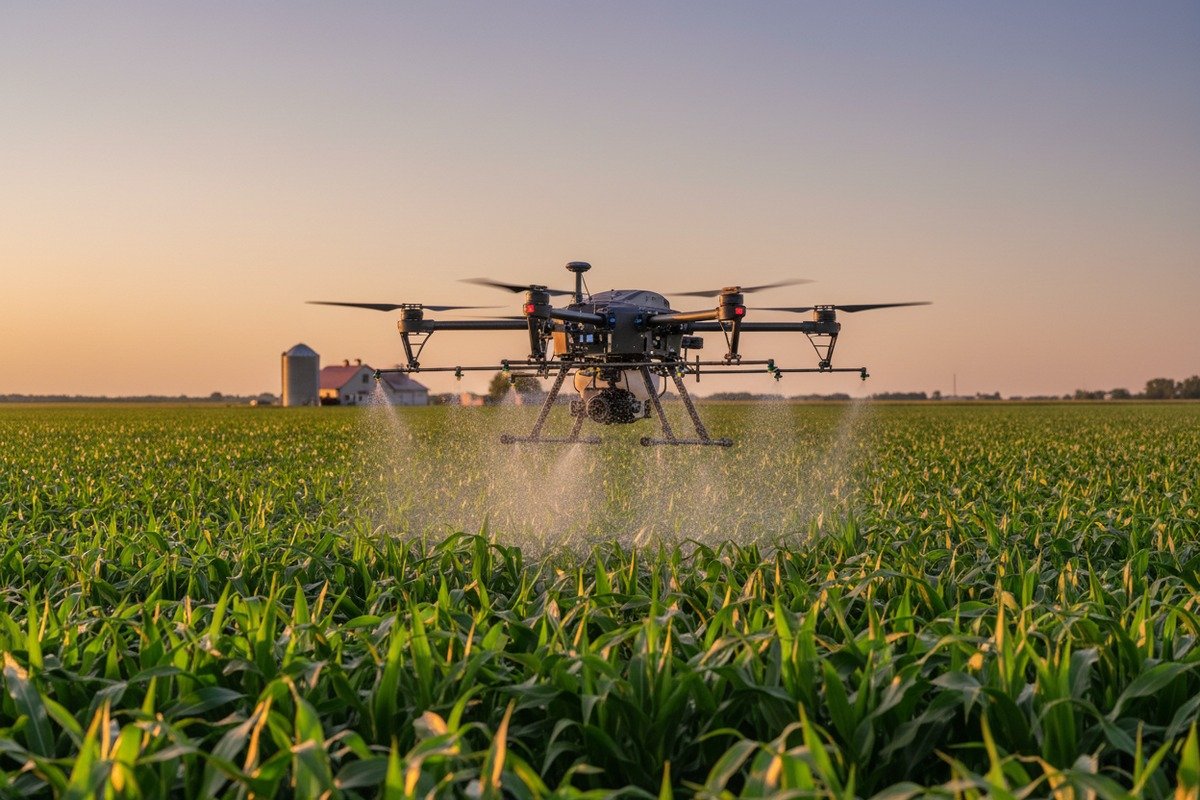
تفصيل تكلفة العلامة التجارية للمصنع الأصلي للمعدة (OEM)
تخصيص العلامة التجارية يمتد عبر مستويات متعددة. كل مستوى يضيف تكلفة إضافية.
| مستوى التخصيص | التكلفة النموذجية | الحد الأدنى للطلب | التأثير لكل وحدة |
|---|---|---|---|
| ملصقات الشعار | $500-$1,000 | 10 وحدات | $50-$100 |
| ألوان الغلاف المخصصة | $3,000-$8,000 | 50 وحدة | $60-$160 |
| تغليف يحمل العلامة التجارية | $2,000-$5,000 | 30 وحدة | $65-$165 |
| تسميات وحدة التحكم المخصصة | $1,500-$3,000 | 25 وحدة | $60-$120 |
| علامة تجارية بيضاء كاملة | $8,000-$15,000 | 100 وحدة | $80-$150 |
يتعامل فريق التصميم لدينا مع طلبات العلامات التجارية أسبوعيًا. تستغرق العملية عادةً 3-4 أسابيع للموافقة و 2-3 أسابيع للتنفيذ الإنتاجي.
مستويات تسعير تطوير البرمجيات
يمثل تطوير البرمجيات المخصصة عامل التكلفة الأكثر تغيراً. تحدد التعقيدات مستويات الاستثمار:
تخصيص أساسي ($8,000-$15,000):
- شعار ونظام الألوان في تطبيق الهاتف المحمول
- شاشات البدء المخصصة
- تخطيطات واجهة المستخدم المعدلة
- ترجمة اللغة
تطوير متوسط ($15,000-$30,000):
- أوضاع طيران مخصصة
- التكامل مع محدد منصات إدارة المزارع 7
- شاشات القياس عن بعد المعدلة
- تخصيص تحديد الموقع الجغرافي
تطوير متقدم ($30,000-$80,000):
- خوارزميات تخطيط المهام الخاصة
- ميزات الذكاء الاصطناعي المخصصة لتحليل المحاصيل
- معالجة بيانات المستشعرات الفريدة
- تطوير واجهة برمجة التطبيقات الكاملة للتكامل مع أطراف ثالثة
عندما يقوم مهندسو البرمجيات لدينا بتحديد نطاق المشاريع، فإننا نقدر 80-120 ساعة للعمل الأساسي، و 200-400 ساعة للعمل المتوسط، و 500+ ساعة للتطوير المتقدم.
توزيع تكاليف التطوير
يكمن مفتاح إدارة تكاليف التطوير المخصص في حجم الطلب. إليك كيف تعمل الحسابات:
مشروع برنامج مخصص بقيمة 25,000 دولار موزعة على الطلبات:
- 25 وحدة: 1,000 دولار/وحدة (زيادة 400%)
- 50 وحدة: 500 دولار/وحدة (زيادة 200%)
- 100 وحدة: 250 دولار/وحدة (زيادة 100%)
نوصي العملاء بالالتزام باتفاقيات متعددة السنوات عند طلب تخصيص كبير. هذا يوزع استثمار التطوير على أحجام أكبر.
ما يقدمه التخصيص
إلى جانب العلامة التجارية، يخلق التخصيص مزايا تنافسية:
التمايز في السوق: طائراتك المسيرة ذات العلامة التجارية تبرز عن البدائل العامة. يربط العملاء الجودة باسمك.
تفوق التكامل: البرامج المخصصة التي تتصل بمنصاتك الحالية تخلق تكاليف تحويل للمستخدمين النهائيين.
تبسيط الدعم: التكوينات الموحدة عبر أسطولك تقلل من تعقيد التدريب واستكشاف الأخطاء وإصلاحها.
حماية الهامش: الميزات الفريدة تتطلب تسعيرًا مميزًا. الواردات العامة تواجه ضغطًا مستمرًا في الأسعار.
التفاوض على شروط التطوير المخصص
بناءً على خبرتنا، تشترك مشاريع التخصيص الناجحة في هياكل مشتركة:
- إيداع 30% لبدء التطوير
- 40% عند الموافقة على النموذج الأولي
- 30% مع أول طلب إنتاج
- ملكية الملكية الفكرية 8 محددة بوضوح
- فترات حصرية للميزات الفريدة (عادة 12-24 شهرًا)
- رسوم صيانة مستمرة بنسبة 10-15% سنويًا لتحديثات البرامج
تتضمن اتفاقيات الشراكة لدينا تعريفات واضحة للمراحل. هذا يحمي الطرفين ويضمن توافق التوقعات.
الخاتمة
يتطلب تقييم القدرة التنافسية للتسعير المتدرج تحليل التكلفة الإجمالية للملكية، وليس فقط أسعار الوحدات. ضع في اعتبارك خصومات الحجم، واستثمارات الموثوقية، ونفقات اللوجستيات، وتأثيرات التخصيص معًا. يضمن هذا النهج الشامل أن يوفر شراء طائراتك الزراعية قيمة حقيقية.
الحواشي
1. يقدم نظرة عامة على الطائرات بدون طيار الزراعية وتطبيقاتها. ︎
2. يشرح المبدأ الاقتصادي وفوائد خصومات الحجم. ︎
3. يفصل وظيفة ومكونات وحدات التحكم في طيران الطائرات بدون طيار. ︎
4. يحدد سعة حمولة الطائرات بدون طيار وتأثيرها على الأداء. ︎
5. تم استبداله بصفحة ويكيبيديا موثوقة تقدم تعريفًا عامًا ونظرة عامة على مناطق التجارة الحرة. ︎
6. تم استبداله بصفحة ويكيبيديا شاملة وموثوقة حول بطاريات الليثيوم أيون، وهي النوع الأكثر شيوعًا من بطاريات الليثيوم القابلة لإعادة الشحن. ︎
7. تم استبداله بدليل شامل لتطبيقات وبرامج إدارة المزارع، يقدم نظرة عامة وشرحًا للمفهوم. ︎
8. يوضح الجوانب القانونية وأهمية ملكية الملكية الفكرية. ︎

 English
  Español de México
  Deutsch
  Français
  Русский
  العربية
