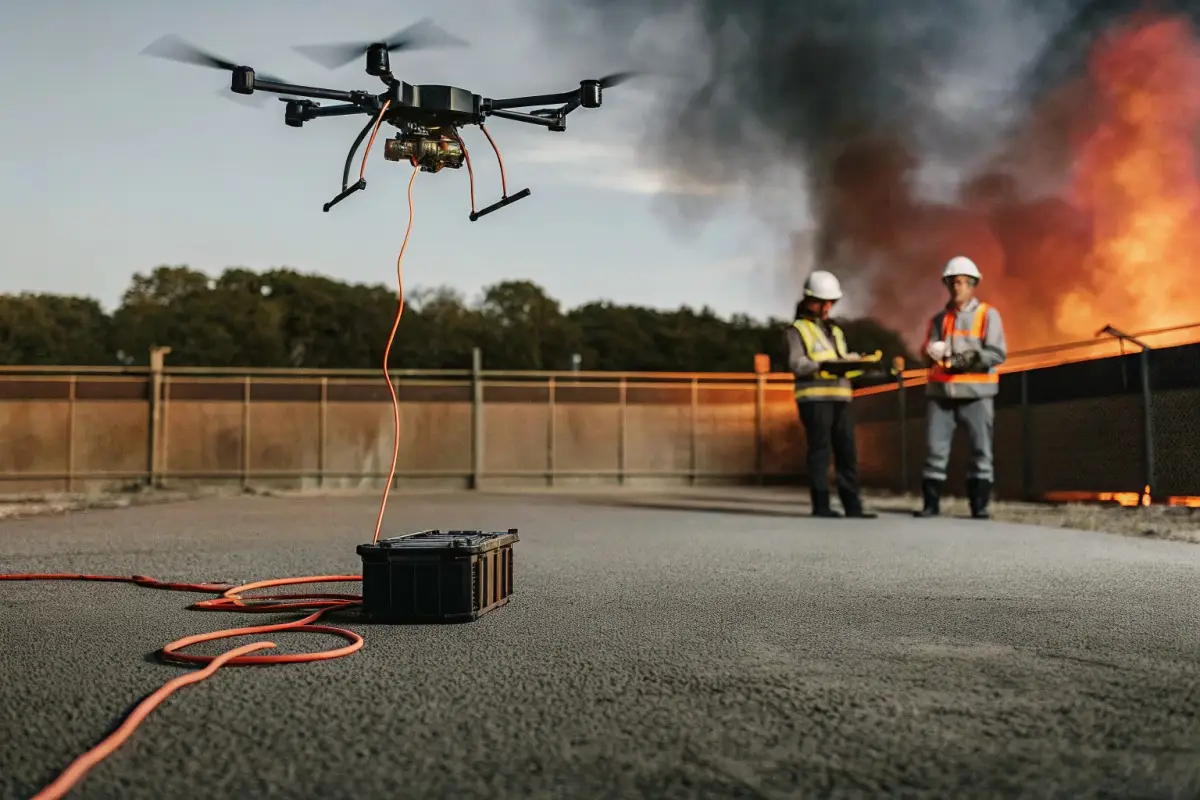

الشهر الماضي، تلقى فريق الهندسة لدينا مكالمات عاجلة من ثلاث إدارات إطفاء مختلفة MIL-spec 1. لقد انحرفت. تدهورت بطارياتهم أثناء الشحن. الجاني؟ ضعف التحكم في درجة الحرارة في علب النقل. كابلات الطائرات المسيرة المقيدة 2 تشابكت في منتصف المهمة. كان الدخان في كل مكان. تحطمت الطائرات المسيرة. هذه الإخفاقات ذكرتنا لماذا التقييم السليم مهم قبل النشر.
لتقييم إدارة الكابلات التلقائية لمحطات الطائرات المسيرة الميدانية المربوطة، قم بتقييم خمسة مجالات رئيسية: موثوقية التحكم في الشد تحت الرياح والحرارة، وآليات الرافعة المضادة للتشابك، واستقرار توصيل الطاقة، وخيارات تخصيص البرامج، والمتانة طويلة الأمد مع متطلبات الصيانة. يعد الاختبار الميداني في ظروف حريق محاكاة أمرًا ضروريًا.
الأقسام التالية تفصل كل معيار تقييم الحماية البيئية 3. سنشارك الاختبارات العملية التي يمكنك إجراؤها والمواصفات التي يجب أن تطلبها من الموردين.
كيف يمكنني تقييم موثوقية التحكم التلقائي في شد الكابل أثناء عمليات مكافحة الحرائق على ارتفاعات عالية؟
عندما نقوم بمعايرة وحدات التحكم في الطيران لدينا في المصنع، فإن التحكم في الشد هو أول شيء نختبره. فشل شد واحد على ارتفاع 200 متر فوق حريق نشط يمكن أن يدمر معدات بقيمة آلاف الدولارات. والأسوأ من ذلك، أنه يمكن أن يعرض رجال الإطفاء في الأسفل للخطر.
تقييم موثوقية التحكم في الشد عن طريق اختبار زمن استجابة النظام لعواصف الرياح التي تزيد سرعتها عن 20 عقدة، وقياس تعويض الارتخاء أثناء تغيرات الارتفاع السريعة، والتحقق من الاستقرار الحراري عند التعرض لتيارات صاعدة تزيد عن 50 درجة مئوية. اطلب بيانات اختبار موثقة تظهر أداءً متسقًا عبر 100 ساعة على الأقل من التشغيل المستمر.

فهم أساسيات التحكم في الشد
التحكم التلقائي في الشد يحافظ على الحبل مشدودًا ولكنه مرن. مشدود جدًا، والكابل يسحب الطائرة المسيرة عن مسارها. فضفاض جدًا، ويخلق ارتخاء حلقات خطيرة. تستخدم الأنظمة الذكية خلايا الحمل ومقاييس التسارع 4 لمراقبة الشد في الوقت الفعلي.
تضيف بيئات الحرائق تعقيدًا. يمكن للتيارات الحرارية الصاعدة أن ترفع طائرة مسيرة فجأة 10-20 مترًا في ثوانٍ. يجب أن يعوض نظام الشد فورًا. وجد فريق البحث والتطوير لدينا أن أوقات الاستجابة الأقل من 200 مللي ثانية ضرورية للطيران المستقر في الظروف العاصفة.
المواصفات الرئيسية المطلوبة
| المواصفات | الحد الأدنى من المعايير | المعيار الأمثل |
|---|---|---|
| وقت الاستجابة | < 500 مللي ثانية | < 200 مللي ثانية |
| تحمل الرياح | 20 عقدة | 30+ عقدة |
| نطاق الشد | 5-50 نيوتن | 2-80 نيوتن |
| تصنيف درجة الحرارة | -10 درجات مئوية إلى 50 درجة مئوية | -20 درجة مئوية إلى 70 درجة مئوية |
| تواتر التحديث | 10 هرتز | 50 هرتز |
طرق الاختبار العملية
قم بإجراء هذه الاختبارات قبل الشراء:
- اختبار محاكاة الرياح: استخدم مراوح صناعية لخلق رياح معاكسة بقوة 25 عقدة. راقب تذبذب الكابل واستقرار الطائرة بدون طيار.
- اختبار الصعود السريع: قم بقيادة الطائرة بدون طيار للصعود 50 مترًا في 10 ثوانٍ. راقب تراكم الارتخاء.
- اختبار التعرض للحرارة: ضع المحطة الأرضية بالقرب من مصدر حرارة متحكم فيه. تحقق من اتساق الشد مع ارتفاع درجات الحرارة.
يقوم مصنعنا بتشغيل كل نظام مقيد عبر 72 ساعة من اختبار الإجهاد المستمر. نقوم بمحاكاة هبات الرياح كل 30 ثانية وتقلبات درجات الحرارة كل ساعة. تتم إعادة تصميم الأنظمة التي تفشل.
نقاط الفشل الشائعة
انتبه لهذه العلامات التحذيرية:
- حركة كابل متقطعة أثناء التحويم الثابت
- صوت نقر من محرك الرافعة
- ظهور ارتخاء مرئي أثناء الهبوط
- قراءات توتر غير متناسقة على برنامج التحكم
الضرر الحراري لمستشعرات التوتر هو أكثر الأعطال شيوعًا التي نراها في الوحدات المرتجعة. أغلفة مقاومة للحرارة وإلكترونيات محمية تستحق التكلفة الإضافية.
ما هي المواصفات الفنية التي يجب أن أعطيها الأولوية لضمان أن ونش المحطة المتصلة يمنع تشابك الكابل؟
يقوم خط إنتاجنا بتجميع أكثر من 200 نظام رافعة شهريًا. يخضع كل واحد لاختبار التشابك قبل الشحن. لقد تعلمنا من شكاوى العملاء المبكرة أن التشابك هو الفشل التشغيلي رقم واحد في الميدان.
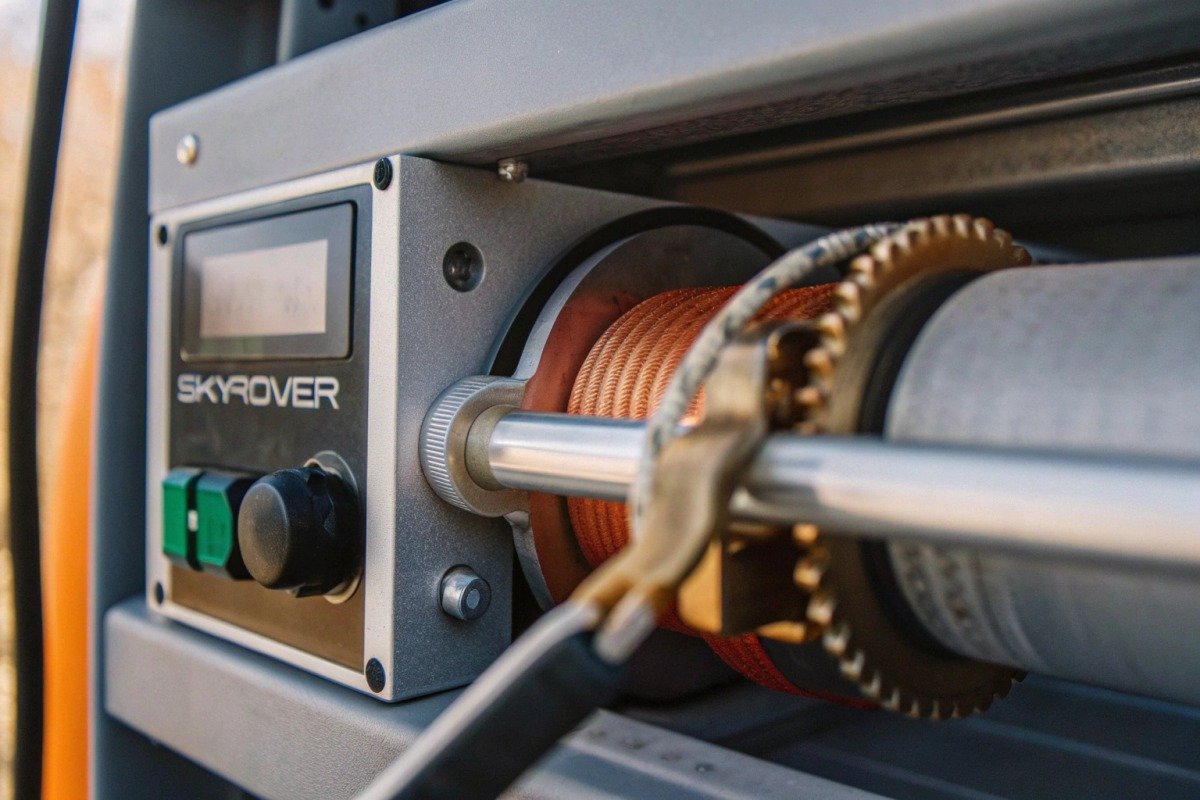
إعطاء الأولوية لأنظمة الرافعة ذات آليات اللف المستوي، وسرعة بكرة قابلة للتعديل تتناسب مع سرعة الطائرة بدون طيار، وتروس مانعة للارتداد، وبكرات توجيه الكابل. يجب أن تتعامل الرافعة مع أقطار الكابلات من 3-8 مم وأن تتضمن اكتشافًا تلقائيًا للعكس لمنع اللف الزائد. يجب أن تستوعب سعة البكرة الدنيا الحد الأقصى لارتفاع التشغيل الخاص بك بالإضافة إلى هامش أمان بنسبة 20%.
آليات منع التشابك
يحدث تشابك الكابل في ثلاث سيناريوهات: لف غير متساوٍ أثناء السحب، حلقات مرتخية أثناء الهبوط السريع، وتراكم التواء الكابل على مدار رحلات متعددة. تصميم الرافعة الجيد يعالج الثلاثة.
آليات اللف المستوي 5 تحرك دليل الكابل عبر عرض البكرة أثناء اللف. هذا يخلق طبقات متساوية. بدون اللف المستوي، تتراكم الكابلات بشكل غير متساوٍ وتتشابك مع بعضها البعض.
مواصفات الرافعة الحرجة
| الميزة | ما أهمية ذلك | ما الذي تبحث عنه |
|---|---|---|
| اللف المستوي | يمنع التراص غير المتساوي | سرعة حركة متزامنة |
| التحكم في سرعة البكرة | يتطابق مع حركة الطائرة بدون طيار | متغير 0-5 م/ث |
| تروس مانعة للانحراف | يلغي إنشاء الارتخاء | تروس كوكبية بدون انحراف |
| موجهات الكابل | يقلل من تآكل الاحتكاك | بكرات PTFE أو سيراميك |
| مستشعر عزم الدوران | يكتشف التشابك مبكرًا | مراقبة عزم الدوران في الوقت الفعلي |
| إيقاف الطوارئ | يمنع انقطاع الكابل | إيقاف تلقائي عند الحمل الزائد |
اختبار مقاومة التشابك
قبل النشر، قم بإجراء هذه الاختبارات الميدانية:
اختبار الشكل الثماني: قم بتطيير الطائرة بدون طيار في أنماط على شكل ثمانية لمدة 30 دقيقة. هذا يخلق ضغطًا دورانيًا يكشف عن مشاكل تراكم الالتواء.
اختبار السحب السريع: من أقصى ارتفاع، قم بتفعيل أمر الهبوط الطارئ. راقب البكرة بحثًا عن التكتل أو التداخل.
اختبار البدء والإيقاف: قم بإجراء 50 دورة من النشر والسحب والنشر. تحقق من طبقات الكابل المتسقة.
في تجربتنا في التصدير إلى السوق الأمريكية، غالبًا ما يعيد المشترون الذين يتخطون هذه الاختبارات الوحدات في غضون 90 يومًا. الظروف الميدانية دائمًا ما تكون أقسى من المتوقع.
اعتبارات المواد
يؤثر الكابل نفسه على خطر التشابك. الكابلات الهجينة ذات النوى المصنوعة من الكيفلار تقاوم الانثناء بشكل أفضل من التصميمات النحاسية النقية. تحتفظ حبالنا المركبة ذات الدرجة للطيران بالمرونة حتى بعد 1000 دورة من الرياح والسحب.
قطر الكابل مهم أيضًا. الكابلات الأكثر سمكًا تقاوم التشابك ولكنها تضيف وزنًا. لتطبيقات مكافحة الحرائق، نوصي بقطر 5-6 مم كالتوازن الأمثل.
هل يمكنني تخصيص برنامج إدارة الكابلات ليتناسب مع معلمات طيران طائرة الدرون الخاصة بمكافحة الحرائق؟
عندما نتعاون مع العملاء في التصميم والتطوير، غالبًا ما يكون تخصيص البرامج هو الميزة الأكثر طلبًا. كل قسم إطفاء لديه بروتوكولات مختلفة. كل منصة طائرات بدون طيار لديها خصائص طيران مختلفة. نادرًا ما تعمل البرامج ذات المقاس الواحد الذي يناسب الجميع بشكل جيد.
نعم، توفر أنظمة إدارة الكابلات عالية الجودة التخصيص البرمجي من خلال الوصول إلى واجهة برمجة التطبيقات (API)، وجداول المعلمات القابلة للتعديل، وروتينات الأتمتة القابلة للتكوين. ابحث عن الأنظمة التي تسمح بتعديل منحنيات الشد، وملفات تعريف سرعة البكرة، وبروتوكولات الاستجابة للطوارئ. تحقق من أن المورد يوفر وثائق حزمة تطوير البرامج (SDK) والدعم الهندسي للتكامل مع وحدات التحكم في طيران الطائرات بدون طيار الحالية لديك.

ما الذي يمكن تخصيصه
تتحكم برامج إدارة الكابلات الحديثة في عشرات المعلمات. إليك أهمها لتطبيقات مكافحة الحرائق:
ملفات تعريف الشد: تتطلب مراحل الطيران المختلفة شدًا مختلفًا. يتطلب الإقلاع شدًا أقل من التحويم في الرياح القوية. تسمح لك الملفات الشخصية المخصصة بالتحسين لظروفك الخاصة.
منحنيات السرعة: ما مدى سرعة استجابة الرافعة لتغيرات الارتفاع؟ المنحنيات العدوانية تناسب الطائرات المسيرة الرشيقة. المنحنيات اللطيفة تناسب منصات الرفع الثقيل.
عتبات الأمان: ما الذي يؤدي إلى التراجع في حالات الطوارئ؟ يمكنك تعيين حدود مخصصة لسرعة الرياح ودرجة الحرارة وشذوذ الشد.
متطلبات التكامل
| نقطة التكامل | Standard Protocol | خيار مخصص |
|---|---|---|
| وحدة التحكم في الطيران | MAVLink | واجهة برمجة تطبيقات تسلسلية مباشرة |
| المحطة الأرضية | USB/Ethernet | جسر لاسلكي |
| بيانات المستشعرات | CAN bus | مدخلات تناظرية |
| أنظمة الطوارئ | مرحل الأجهزة | مشغل البرامج |
| القياس عن بعد | الترددات القياسية | قنوات مشفرة |
عملية التخصيص
يتبع فريق الهندسة لدينا عملية منظمة لتخصيص البرامج:
- تعيين المعلمات: نقوم بتوثيق نطاق طيران طائرتك بدون طيار - السرعة القصوى، الارتفاع الأقصى، الحمولة النموذجية.
- تطوير الملف الشخصي: يقوم مهندسو البرمجيات لدينا بإنشاء ملفات تعريف للتوتر والسرعة مطابقة لمواصفاتك.
- اختبار المحاكاة: نقوم بتشغيل أكثر من 100 ساعة من الرحلات التجريبية المحاكاة قبل التحميل على الأجهزة.
- التحقق الميداني: نقدم الدعم عن بعد أثناء اختباراتك الميدانية الأولية.
- تكرار: بناءً على بيانات العالم الحقيقي، نقوم بتحسين المعلمات حتى يلبي الأداء معاييرك.
تستغرق هذه العملية عادةً 2-4 أسابيع للتخصيصات القياسية. قد تتطلب عمليات التكامل المعقدة مع أنظمة الطرف الثالث وقتًا أطول.
الأنظمة المفتوحة مقابل الأنظمة المغلقة
يقوم بعض الموردين بقفل برامجهم. لا يمكنك تعديل المعلمات دون دفع مقابل خدمات الهندسة. يوفر آخرون وصولاً كاملاً إلى SDK ولكن مع دعم محدود.
نحن نؤمن بالمسار الأوسط. يتم شحن أنظمتنا مع جداول معلمات قابلة للتعديل تغطي 90% من حالات الاستخدام. بالنسبة للـ 10% المتبقية، نقدم الوصول إلى واجهة برمجة التطبيقات (API) 6 مع دعم هندسي. يوازن هذا النهج بين المرونة والموثوقية.
طلبات التخصيص الشائعة
من عملائنا في الولايات المتحدة وأوروبا، هذه هي الطلبات الأكثر تكرارًا:
- التكامل مع منصات إدارة الأدلة Axon
- حدود مخصصة للسياج الجغرافي للامتثال للمجال الجوي
- ملفات تعريف المهمة الآلية لمراقبة المحيط
- معلمات العمليات الليلية مع تقليل ردود الفعل البصرية
- بروتوكولات التنسيق متعددة الطائرات بدون طيار لنشر الأسراب
كيف يمكنني تقييم المتانة طويلة الأجل واحتياجات الصيانة لنظام التعبئة التلقائية؟
يتتبع قسم مراقبة الجودة لدينا كل وحدة نقوم بشحنها. بعد ثلاث سنوات من جمع البيانات الميدانية، نعرف بالضبط المكونات التي تفشل أولاً. تشكل هذه المعرفة تحسينات تصميمنا وتساعد العملاء على تخطيط ميزانيات الصيانة.
قم بتقييم المتانة طويلة الأمد من خلال فحص تصنيفات المحرك (متوسط الوقت بين الأعطال لا يقل عن 10000 ساعة)، وجودة المحمل (يفضل أن يكون من الفولاذ المقاوم للصدأ المحكم)، وشهادة الكابل (MIL-spec أو ما يعادلها)، والحماية البيئية (IP54 كحد أدنى، ويفضل IP65). اطلب جداول الصيانة التي توضح فترات الفحص، والجداول الزمنية لاستبدال المواد الاستهلاكية، وتكاليف الصيانة السنوية المقدرة. يجب أن تقدم الأنظمة عمر تشغيلي لا يقل عن 5 سنوات مع العناية المناسبة.

تحليل عمر المكونات
تتآكل المكونات المختلفة بمعدلات مختلفة. فهم هذه الأنماط يساعدك على وضع ميزانية للاستبدالات:
| المكوّن | العمر المتوقع | مؤشرات الفشل | نطاق تكلفة الاستبدال |
|---|---|---|---|
| محرك القيادة | 8,000-15,000 ساعة | ضوضاء، زيادة الحرارة | $800-1,500 |
| المحامل الرئيسية | 5,000-10,000 ساعة | الاهتزاز، المقاومة | $200-400 |
| كابل الربط | 500-1,000 دورة | تآكل مرئي، صلابة | $300-600 |
| مستشعرات الشد | 3-5 years | انحراف، عدم اتساق | $150-300 |
| لوحة التحكم | 5-7 سنوات | أخطاء، فقدان الاتصال | $400-800 |
| تجميع البكرة | 7-10 سنوات | تشققات، تشوه | $500-900 |
عوامل الإجهاد البيئي
بيئات مكافحة الحرائق تسرع التآكل. جسيمات الدخان تتسلل إلى المحامل. الحرارة تتلف موانع التسرب المطاطية. الماء من الإسقاطات الجوية يسبب تآكل الإلكترونيات.
يقوم فريق الهندسة لدينا بالتصميم لهذه الظروف. نستخدم:
- أغلفة محامل محكمة الغلق مع تهوية بضغط إيجابي
- حشوات سيليكون مصنفة حتى 200 درجة مئوية
- طلاء واقٍ 7 على جميع لوحات الدوائر
- مثبتات من الفولاذ المقاوم للصدأ في جميع الأنحاء
حتى مع هذه الحمايات، تحتاج طائرات مكافحة الحرائق بدون طيار إلى صيانة متكررة أكثر من تطبيقات المراقبة. خطط لفحص ربع سنوي بدلاً من سنوي.
قالب جدول الصيانة
بناءً على بياناتنا الميدانية، إليك جدول صيانة موصى به:
بعد كل مهمة:
- فحص بصري للكابل بحثًا عن قطع أو تآكل
- تحقق من قراءات الشد مقابل خط الأساس
- تنظيف الحطام من البكرة والموجهات
شهرياً:
- تشحيم المحامل وفقًا لمواصفات الشركة المصنعة
- اختبار وظيفة الإيقاف الطارئ
- التحقق من معايرة البرنامج
ربع سنوي:
- فحص كامل للكابل تحت التكبير
- قياس سحب تيار المحرك
- التحقق من معايرة مستشعر الشد
سنوياً:
- تفكيك وتنظيف كامل
- استبدال المحامل (وقائي)
- استبدال الكابل (إذا اقترب من حدود الدورة)
حساب التكلفة الإجمالية للملكية
سعر الشراء يروي جزءًا فقط من القصة. احسب التكلفة الإجمالية للملكية 8 أكثر من 5 سنوات:
- سعر الشراء الأولي
- تكاليف صيانة سنوية (تقدير 20 ساعة)
- ميزانية قطع الغيار (عادة 15-20% من سعر الشراء سنويًا)
- تكاليف تدريب موظفي الصيانة
- تكاليف التوقف عن العمل أثناء الإصلاحات
عملاؤنا الذين يقومون بالصيانة المناسبة يبلغون عن تكاليف ملكية إجمالية أقل بنسبة 30% مقارنة بمن يتخطون الفحوصات المجدولة. الوقاية أرخص من الإصلاح.
تقييم دعم المورد
اطرح على الموردين المحتملين هذه الأسئلة:
- هل تحتفظون بقطع الغيار محليًا؟
- ما هو وقت تسليم قطع الغيار المعتاد لديك؟
- هل تقدمون دعمًا تشخيصيًا عن بُعد؟
- هل يمكنكم تقديم خدمات إصلاح في الموقع؟
- ما هي تغطية الضمان التي تقدمونها؟
نحتفظ بمخزون قطع الغيار في الولايات المتحدة وأوروبا لعملائنا الرئيسيين. يستغرق التسليم من الباب إلى الباب للمكونات الهامة عادةً 3-5 أيام عمل. هذا الدعم يقلل من وقت التوقف عن العمل بشكل كبير.
الخاتمة
يتطلب تقييم إدارة الكابلات التلقائية اختبارًا منهجيًا للتحكم في الشد، وآليات الرافعة، ومرونة البرامج، والمتانة طويلة الأجل. استخدم المواصفات وطرق الاختبار الموضحة أعلاه لاتخاذ قرارات شراء مستنيرة. تظل التجارب الميدانية في ظروف واقعية ضرورية قبل النشر.
الحواشي
1. مصدر حكومي يحدد معايير MIL-SPEC و MIL-STD للمعدات والمواد العسكرية. ︎
2. يقدم شرحًا واضحًا للطائرات المسيرة المقيدة، والغرض منها، ومكوناتها. ︎
3. يشرح تصنيفات حماية الدخول (IP)، وتصنيفاتها، وأهميتها لحماية العبوات الكهربائية. ︎
4. يشرح وظائف وتطبيقات كل من خلايا التحميل ومقاييس التسارع في أنظمة القياس. ︎
5. يقدم فحصًا تقنيًا مفصلاً لأنظمة اللف المستوي، ومكوناتها، وتشغيلها. ︎
6. يعرف واجهات برمجة التطبيقات (APIs) ويشرح دورها في تكامل البرامج. ︎
7. تقدم ويكيبيديا تعريفًا شاملاً وموثوقًا للطلاء الواقي. ︎
8. يشرح مفهوم التكلفة الإجمالية للملكية (TCO) وأهميته في التقييم المالي. ︎
 English
  Español de México
  Deutsch
  Français
  Русский
  العربية
Comments
No comments yet. Be the first to share your thoughts!
Leave a Comment