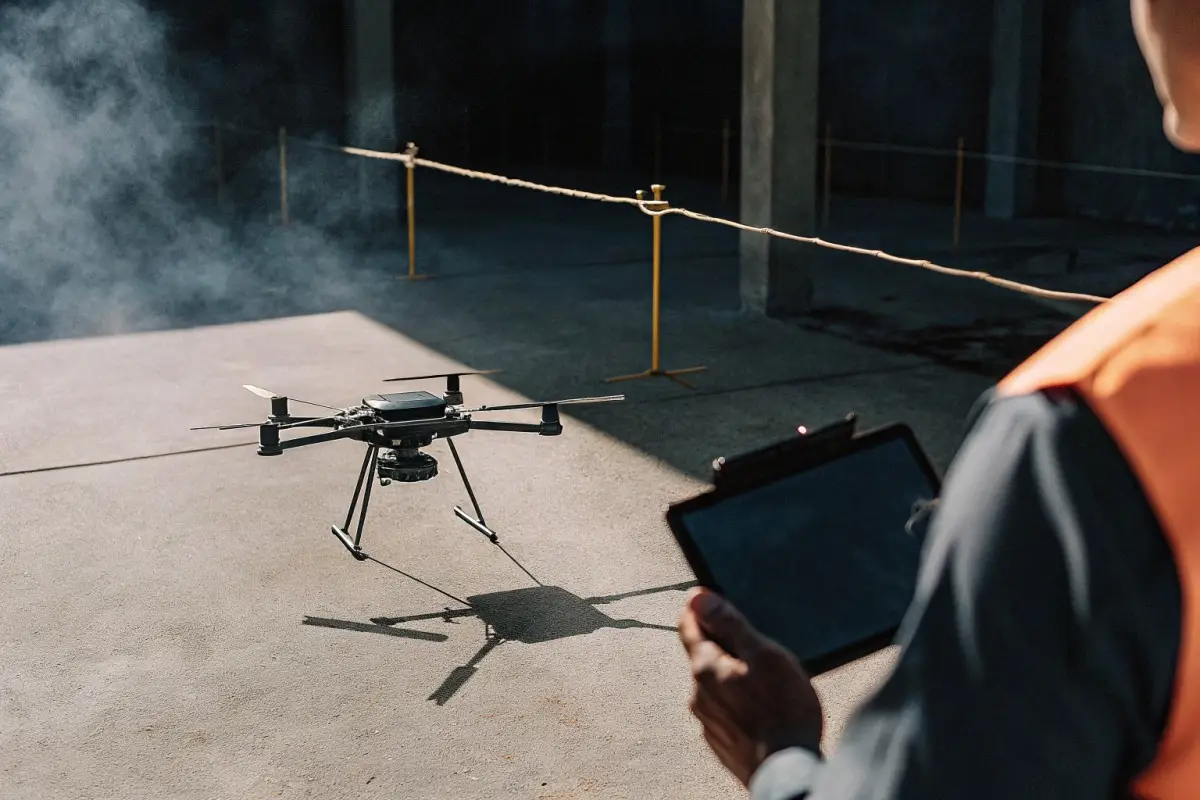

عندما واجه فريق الهندسة لدينا لأول مرة حادث اصطدام طائرة بدون طيار حادث اصطدام طائرة بدون طيار 1 بأسلاك كهرباء في ظروف مليئة بالدخان، أدركنا أن بروتوكولات اختبار المشتريات بحاجة إلى ترقيات جادة. تواجه العديد من إدارات الإطفاء والموزعين نفس المشكلة - غالبًا ما تفشل ادعاءات الرادار القياسية في بيئات الحرائق الفعلية. تمتد تكلفة الخطأ في هذا الأمر إلى ما هو أبعد من خسارة المعدات إلى فشل المهمة ومخاطر السلامة.
لاختبار رادار تجنب العوائق للطائرات المسيرة لمكافحة الحرائق للأسلاك الرفيعة، قم بإجراء اختبارات ميدانية مضبوطة باستخدام أسلاك بقطر 1-3 مم على مسافات تتراوح من 5-30 مترًا، وقم بتقييم معدلات الكشف في البيئات المليئة بالدخان، وتحقق من أوقات الاستجابة أقل من 100 مللي ثانية، وقم بتأكيد زمن الاستجابة للتكامل مع وحدة التحكم في الطيران أثناء عروض الموردين.
يرشدك هذا الدليل خلال عملية اختبار المشتريات الكاملة. نغطي المواصفات الفنية، وطرق الاختبار الميداني، وتوقعات دعم الشركة المصنعة، والتحقق في ظروف الحريق. يقدم كل قسم خطوات قابلة للتنفيذ بناءً على سنوات من الخبرة الإنتاجية وتعليقات العملاء من إدارات الإطفاء في جميع أنحاء الولايات المتحدة وأوروبا.
ما هي مواصفات الرادار التقنية التي يجب أن أعطيها الأولوية لضمان اكتشاف الطائرة بدون طيار لخطوط الكهرباء الرفيعة؟
لقد عالجت أرضية الإنتاج لدينا آلاف طلبات دمج الرادار. الخطأ الأكثر شيوعًا الذي يرتكبه المشترون هو التركيز فقط على أقصى مدى للكشف مع تجاهل المقطع العرضي للرادار 2 الحساسية. تشكل الأسلاك الرفيعة تحديات فريدة تتطلب معلمات فنية محددة تتجاوز المواصفات الأساسية.
إعطاء الأولوية لرادار الموجات المليمترية بتردد 77 جيجاهرتز بحساسية RCS أقل من -20dBsm، ومدى اكتشاف أدنى يبلغ 30 مترًا، ومجال رؤية يتجاوز 100 درجة، ووقت استجابة أقل من 100 مللي ثانية، وتوافق مخرج UART/CAN مع وحدة التحكم في الطيران الخاصة بك للكشف الموثوق عن الأسلاك الرفيعة.

فهم المقطع العرضي للرادار للأسلاك الرفيعة
تخلق الأسلاك الرفيعة انعكاسًا ضعيفًا للرادار. يُطلق على هذا المقطع العرضي المنخفض للرادار. عادةً ما يبلغ قطر أسلاك الكهرباء 5-15 مم. يمكن أن تكون أسلاك التثبيت والأسوار رفيعة تصل إلى 1-3 مم. تكافح أنظمة الرادار القياسية مع هذه الأهداف لأن الإشارة المنعكسة ضعيفة للغاية.
يحدد المقطع العرضي للرادار مقدار الإشارة التي ترتد إلى المستشعر. بالنسبة للأسلاك الرفيعة، تنخفض هذه القيمة بشكل كبير مقارنة بالعوائق الصلبة مثل الجدران أو الأشجار. يجب أن يطالب مواصفات الشراء الخاصة بك بحساسية RCS أقل من -20dBsm. يضمن هذا الحد أن الرادار يمكنه اكتشاف الأهداف ذات الانعكاس المنخفض على مسافات التشغيل.
معلمات المواصفات الرئيسية
| المعلمة | الحد الأدنى من المتطلبات | المواصفات المثالية | ما أهمية ذلك |
|---|---|---|---|
| نطاق التردد | 24 جيجاهرتز | 77 جيجاهرتز | التردد الأعلى يحسن دقة الأجسام الرفيعة |
| نطاق الكشف | 20 متر | 30 متر+ | يوفر وقت رد فعل كافٍ بسرعات الطيران |
| مجال الرؤية | 60° | 100°+ | تغطي زوايا اقتراب أوسع للأسلاك |
| حساسية المقطع العرضي الراداري (RCS) | -15dBsm | -20dBsm أو أقل | حاسم للكشف عن الأسلاك الرفيعة |
| وقت الاستجابة | 150ms | أقل من 100 مللي ثانية | يتيح مناورات تجنب في الوقت المناسب |
| بروتوكول الإخراج | UART | UART + CAN | يضمن توافق وحدة التحكم في الطيران |
لماذا يتفوق تردد 77 جيجاهرتز على الترددات الأقل
اختبر مهندسونا أنظمة 24 جيجاهرتز و 77 جيجاهرتز على نطاق واسع. نطاق 77 جيجاهرتز 3 توفر دقة فائقة للأجسام الخطية الرفيعة. الطول الموجي الأقصر يتفاعل بشكل أكثر فعالية مع الأسلاك ذات القطر الصغير. هذا يترجم إلى أعلى احتمالية الكشف 4 على مسافات أطول.
المقايضة هي انخفاض طفيف في المدى الأقصى مقارنة بـ 24 جيجاهرتز في بعض الظروف. ومع ذلك، بالنسبة لتطبيقات مكافحة الحرائق حيث يكون اصطدام الأسلاك مصدر قلق أساسي، فإن تحسين اكتشاف الأجسام الرفيعة يبرر هذه المقايضة.
متطلبات التكامل
اطلب وثائق تكامل مفصلة من الموردين. يجب أن يتواصل الرادار بسلاسة مع وحدة التحكم في طيران 5. الطائرة بدون طيار. يجب ألا تتجاوز مدة التأخير بين الكشف وأمر التجنب 50 مللي ثانية. اطلب عينة من كود التكامل وبيانات اختبار توضح أحداث اكتشاف الأسلاك الفعلية.
تحقق من تطابق المواصفات المادية مع منصة الطائرة بدون طيار الخاصة بك. يجب أن يظل الوزن أقل من 200 جرام لتطبيقات الطائرات الرباعية. يضمن التصنيف IP56 أو أعلى مقاومة الغبار والماء الضرورية لمواقع الحرائق. يجب أن يمتد نطاق درجة حرارة التشغيل بحد أدنى من -30 درجة مئوية إلى 50 درجة مئوية.
كيف يمكنني إجراء اختبار ميداني عملي للكشف عن الأسلاك أثناء عملية تقييم الموردين؟
عندما نشحن وحدات عرض توضيحي للموزعين المحتملين، نوصي دائمًا بإجراء اختبارات ميدانية منظمة. المواصفات الورقية تخبر جزءًا فقط من القصة. يكشف الأداء في العالم الحقيقي عما إذا كان الرادار يحمي بالفعل من اصطدامات الأسلاك أثناء عمليات مكافحة الحرائق.
إجراء اختبارات ميدانية عملية عن طريق بناء ساحة اختبار أسلاك بأسلاك قطرها 1-3 مم على فترات تتراوح بين 5-30 مترًا، وتحليق الطائرة بدون طيار بسرعات تشغيلية نحو الأسلاك بزوايا متعددة، وتسجيل أحداث الكشف والمسافات، وحساب احتمالية الكشف ومعدلات الإنذار الكاذب من 50 مرورًا اختباريًا على الأقل.

إعداد ساحة الاختبار الخاصة بك
قم ببناء بيئة اختبار خاضعة للرقابة قبل تقييم أي مورد. قم بتعليق أسلاك بأقطار مختلفة بين أعمدة على ارتفاعات مختلفة. استخدم سلكًا فولاذيًا بقطر 1 مم و 2 مم و 3 مم لمحاكاة أسلاك الدعم والكابلات الرفيعة. قم بتضمين أسلاك بقطر 10 مم و 15 مم لتمثيل خطوط الطاقة القياسية.
قم بتباعد عوائق الأسلاك على مسافات 5 و 10 و 15 و 20 و 25 و 30 مترًا من نقطة اقتراب ثابتة. يغطي هذا المدى مسافات الكشف النموذجية المطلوبة للتجنب الآمن بسرعات طيران مختلفة. قم بتركيب الأسلاك على ارتفاعات تطابق ارتفاع طيرانك التشغيلي، عادةً ما بين 10-50 مترًا فوق سطح الأرض.
خطوات بروتوكول الاختبار
| مرحلة الاختبار | الإجراء | القياسات | معايير النجاح |
|---|---|---|---|
| اختبار على المنصة | وجّه الرادار نحو الأسلاك الثابتة | مسافة الكشف، قوة الإشارة | يكتشف سلكًا بقطر 2 مم على مسافة 20 مترًا |
| النهج البطيء | حلّق بسرعة 2 م/ث نحو الأسلاك | مسافة الكشف الأولى | الكشف قبل مسافة 15 مترًا |
| سرعة التشغيل | حلّق بسرعة 8 م/ث نحو الأسلاك | توقيت الكشف والتجنب | توقف آمن أو انحراف قبل الاصطدام |
| اختبار زاوي | اقترب من الأسلاك بزوايا 30 درجة، 45 درجة، 60 درجة | معدل الكشف لكل زاوية | >85% كشف عند جميع الزوايا |
| البيئة | إضافة مولدات الدخان | معدل الكشف في الدخان | <10% تدهور من الهواء النقي |
تسجيل وتحليل النتائج
سجل كل حدث كشف تلقائيًا من خلال وحدة التحكم في الطيران. سجل المسافة عند أول كشف، ومستوى الثقة الذي أبلغ عنه الرادار، والوقت اللازم لأمر التجنب. احسب احتمالية الكشف بقسمة حالات الكشف الناجحة على إجمالي الاقترابات.
يجب أن تشمل مقاييسك المستهدفة احتمالية الكشف فوق 90% عند 20 مترًا،, معدل الإنذار الكاذب 6 أقل من 5%، ووقت الاستجابة أقل من 100 مللي ثانية. اطلب سجلات البيانات الأولية من رحلات العرض التوضيحي للمورد. قارن أداءهم المعلن مقابل نتائج اختبارك المستقلة.
أهمية الاختبار متعدد الزوايا
تقدم الأسلاك توقيعات رادار مختلفة اعتمادًا على زاوية الاقتراب. السلك العمودي على مسار الطيران يعكس إشارة أكبر من السلك الذي يتم الاقتراب منه بزاوية ضحلة. اختبر الكشف بزوايا اقتراب 30 درجة و 45 درجة و 60 درجة بالنسبة لاتجاه السلك.
يشير الأداء الزاوي الضعيف إلى أن الرادار قد يفوت الأسلاك أثناء العمليات الفعلية. نادراً ما تتضمن مهام مكافحة الحرائق اقترابات مستقيمة للعقبات المعروفة. يجب على الطائرة بدون طيار اكتشاف الأسلاك من اتجاهات مختلفة أثناء أنماط الطيران الديناميكية حول مواقع الحرائق.
متطلبات العرض التوضيحي للمورد
اطلب من الموردين إجراء عروض توضيحية في موقع الاختبار الخاص بك باستخدام إعداد الأسلاك الخاص بك. هذا يلغي أي تحسين للظروف الخاضعة للرقابة الخاصة بهم. قدم إشعارًا لمدة 48 ساعة على الأقل حتى يتمكنوا من الاستعداد، ولكن لا تشارك مواقع الأسلاك الدقيقة مسبقًا.
اطلب ثلاث تسلسلات اختبار كاملة: رحلة خاضعة لرقابة الشركة المصنعة، ورحلة خاضعة لرقابة المشغل الخاص بك، ومهمة نقطة طريق مستقلة عبر حقل الأسلاك. قارن النتائج عبر السيناريوهات الثلاثة لتحديد أي فجوات في الأداء.
ما هو الدعم الهندسي الذي يجب أن أتوقعه من الشركة المصنعة لتحسين تجنب العوائق لبيئتي المحلية؟
عمل فريقنا مع إدارات الإطفاء عبر تضاريس ومناخات مختلفة. كل بيئة تقدم تحديات فريدة. الشركة المصنعة التي تقوم ببساطة بشحن الأجهزة دون دعم التخصيص تتركك تحل مشاكل التكامل بمفردك. الشراكات الهندسية القوية تحدث فرقًا بين نظام يعمل وورقة وزن باهظة الثمن.
توقع من المصنعين تقديم جلسات ضبط عن بعد للمعلمات، والمساعدة في تكامل وحدة التحكم في الطيران، ومعايرة حساسية مخصصة لأنواع الأسلاك الخاصة بك، وتحديثات البرامج الثابتة التي تعالج المشكلات المكتشفة في الميدان، وخيارات الدعم في الموقع لعمليات النشر المعقدة ضمن أطر زمنية متفق عليها للاستجابة.
خدمات الدعم الأساسية
تقدم الشركة المصنعة عالية الجودة أكثر من مجرد منتج في صندوق. إنها توفر شراكة تقنية مستمرة. قبل التوقيع على أي اتفاقية شراء، وضح ما هي خدمات الدعم المضمنة وما هي التكاليف الإضافية.
| نوع الدعم | قياسي متضمن | خيار ممتاز | لماذا تحتاجه |
|---|---|---|---|
| وثائق التكامل | نعم | غير متاح | متطلبات الإعداد الأساسية |
| ضبط المعلمات عن بعد | محدودة | جلسات غير محدودة | التحسين للظروف المحلية |
| تحديثات البرامج الثابتة | 1 سنة | ضمان ممتد | معالجة الأخطاء والتحسينات |
| معايرة في الموقع | لا يوجد | نعم | تحسين التضاريس المعقدة |
| تطوير خوارزميات مخصصة | لا يوجد | قائم على المشروع | أنواع عقبات فريدة |
| خط المساعدة الفني على مدار الساعة طوال أيام الأسبوع | لا يوجد | نعم | دعم المهام الحرجة |
المعايرة للظروف المحلية
تقدم المناطق المختلفة أنواعًا مختلفة من الأسلاك وظروفًا بيئية. قد تعاني المناطق الساحلية من تآكل الملح على الأسلاك مما يؤثر على انعكاس الرادار. المناطق الجبلية لديها أسلاك تثبيت رفيعة على أبراج الاتصالات. تشمل البيئات الحضرية أسلاك عربات الترام وكابلات دعم المباني.
اطلب جلسات معايرة حيث يقوم المصنع بضبط حساسية الرادار ومعلمات التصفية لأنواع العقبات الخاصة بك. تتطلب هذه العملية عادةً بيانات عينة من منطقة التشغيل الخاصة بك. قم بتزويد الشركة المصنعة بسجلات الرحلات التي تظهر اكتشافات خاطئة أو أسلاك مفقودة حتى يتمكنوا من ضبط الخوارزميات.
توقعات المساعدة في التكامل
يجب أن تعمل وحدة الرادار مع وحدة التحكم في الطيران الحالية لديك و برامج تحكم أرضي محددة 7. يتضمن التكامل اتصالات الأجهزة وبروتوكولات الاتصال وتكوين البرامج. توفر الشركة المصنعة القادرة أدلة تكامل مفصلة مع أمثلة على التعليمات البرمجية.
اسأل عن التوافق مع وحدات التحكم في الطيران الشائعة مثل Pixhawk و DJI A3/N3 والأنظمة الخاصة. تحقق من قدرتهم على دعم برنامج التحكم الأرضي الخاص بك لعرض بيانات الرادار والتنبيهات. اطلب تكاملًا تجريبيًا قبل الشراء بالجملة للتأكد من أن كل شيء يعمل معًا.
التزامات وقت الاستجابة
وثق أوقات الاستجابة المتوقعة لمستويات الدعم المختلفة. يجب أن تتلقى القضايا الحرجة التي تؤثر على سلامة الطيران استجابة في نفس اليوم. قد يكون لأسئلة التكامل نوافذ استجابة مدتها 48 ساعة. قد تستغرق طلبات الميزات أسابيع لتقييمها.
احصل على هذه الالتزامات كتابيًا كجزء من اتفاقية الشراء الخاصة بك. قم بتضمين عقوبات لعدم الالتزام بأوقات الاستجابة للقضايا الحرجة المتعلقة بالسلامة. هذا يحمي عملياتك ويحفز الشركة المصنعة على الحفاظ على عدد كافٍ من موظفي الدعم.
مؤشرات الشراكة طويلة الأجل
قم بتقييم سجل الشركة المصنعة مع العملاء الحاليين. اطلب مراجع من إدارات الإطفاء أو الموزعين الذين استخدموا منتجاتهم لمدة عامين على الأقل. اسأل على وجه التحديد عن جودة الدعم بعد البيع الأولي.
ستقدم الشركة المصنعة التي تستثمر في البحث والتطوير تحديثات للبرامج الثابتة تحسن اكتشاف الأسلاك الرفيعة بمرور الوقت. اسأل عن خارطة طريق التطوير الخاصة بهم. هل يعملون على اكتشاف معزز بالذكاء الاصطناعي؟ دمج متعدد المستشعرات؟ تشير هذه إلى الالتزام بتحسين المنتج.
كيف يمكنني التحقق من أن نظام الرادار يظل فعالاً في ظروف الحرارة الشديدة والدخان لموقع الحريق؟
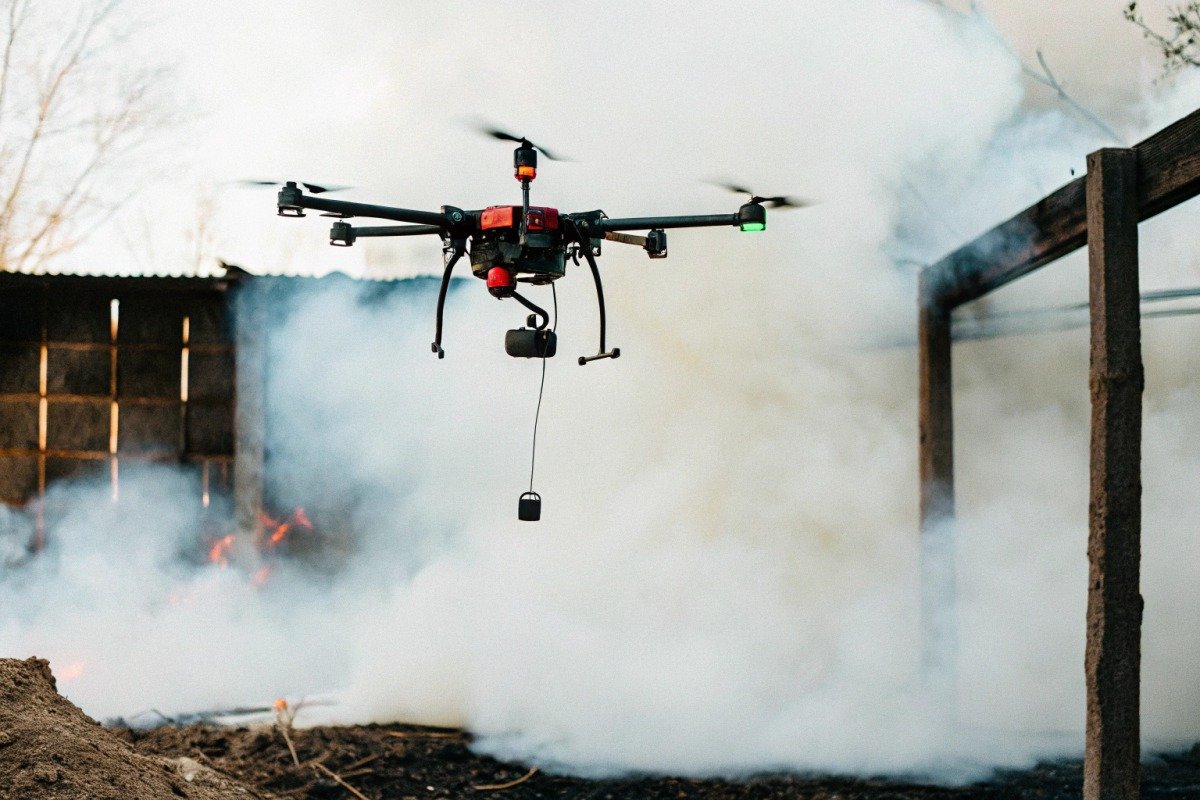
عندما نصمم أغلفة الرادار في منشأتنا، فإن البقاء على قيد الحياة في بيئة الحريق هو اعتبار أساسي. لا تعني اختبارات المختبر في الهواء النقي شيئًا إذا فشل الرادار عندما يتصاعد الدخان. يجب أن يشمل اختبار الشراء محاكاة واقعية لظروف الحريق للتحقق من القدرة التشغيلية الفعلية.
التحقق من فعالية مشهد الحريق عن طريق اختبار الرادار في غرف دخان اصطناعي مع الحفاظ على الرؤية أقل من 5 أمتار، وتعريض النظام للحرارة المشعة حتى 200 درجة مئوية بدون اتصال مباشر باللهب، وتأكيد تصنيفات حماية الدخول IP56 أو أعلى، وقياس تدهور معدل الكشف مقارنة بالأداء الأساسي في الهواء الصافي.

لماذا يتفوق رادار mmWave في الدخان
رادار الموجات المليمترية 8 يستخدم ترددات الراديو التي تمر عبر الدخان والضباب والغبار. تصبح الكاميرات عديمة الفائدة في الدخان الكثيف. يتدهور أداء LiDAR بشكل كبير في الهواء المليء بالجسيمات. هذا يجعل mmWave المستشعر الأساسي لتجنب العوائق في موقع الحريق.
ومع ذلك، لا تعمل جميع أنظمة mmWave بنفس القدر في الظروف القاسية. يؤثر تصميم الغلاف وحماية الهوائي والإدارة الحرارية على اختراق الدخان في العالم الحقيقي. يجب أن يتحقق اختبارك من أن الوحدة المحددة تحافظ على الأداء في ظروف الحريق الفعلية.
بروتوكول اختبار غرفة الدخان
قم بإنشاء أو استئجار غرفة اختبار دخان. استخدم مولدات دخان مسرحية لخلق ظروف رؤية يمكن التحكم فيها. قم بقياس الرؤية باستخدام مقاييس كثافة الدخان القياسية. اختبر عند مستويات رؤية 20 مترًا و 10 أمتار و 5 أمتار ومترين.
ضع أهداف اختبار الأسلاك الخاصة بك داخل الغرفة. قم بتشغيل الطائرة بدون طيار عبر الدخان باتجاه الأسلاك. سجل مسافات الكشف وقارنها بخط الأساس للهواء النقي الخاص بك. يظهر الأداء المقبول تدهورًا أقل من 15% عند رؤية 5 أمتار.
التحقق من التعرض للحرارة
| حالة الاختبار | المدة | القياس | عتبة القبول |
|---|---|---|---|
| محيط 25 درجة مئوية | Baseline | معدل الكشف | إنشاء مرجع |
| محيط 50 درجة مئوية | 30 دقيقة | معدل الكشف | تدهور أقل من 5% |
| مشع 100 درجة مئوية | 15 دقيقة | معدل الكشف | <10% تدهور |
| مشع 150 درجة مئوية | 10 دقائق | معدل الكشف | <15% تدهور |
| مشع 200 درجة مئوية | 5 دقائق | وظيفة النظام | لا يوجد ضرر دائم |
التحقق من تصنيف IP
Ingress Protection ratings 9 تشير إلى مقاومة الغبار والماء. IP56 هو الحد الأدنى لتطبيقات مكافحة الحرائق. الرقم الأول (5) يعني محمي من الغبار. الرقم الثاني (6) يعني محمي ضد نفاثات الماء القوية.
اطلب وثائق شهادة IP من طرف ثالث. إذا لم تكن متاحة، قم بإجراء اختبارات مبسطة خاصة بك. رش غلاف الرادار بمسدس غسيل بالضغط من مسافة 3 أمتار لمدة 3 دقائق. اختبر الوظائف فورًا. كرر مع التعرض للغبار الناعم باستخدام غرفة غبار خاضعة للرقابة.
تقييم إدارة الحرارة
تولد إلكترونيات الرادار الحرارة أثناء التشغيل. درجات الحرارة المحيطة في موقع الحريق تضيف حملاً حراريًا إضافيًا. افحص كيف يعالج المصنع تبديد الحرارة. قد يكون التبريد السلبي من خلال المشتتات الحرارية غير كافٍ في ظروف الحريق. يضيف التبريد النشط وزنًا وتعقيدًا.
اطلب التصوير الحراري للرادار أثناء التشغيل الممتد. النقاط الساخنة فوق تصنيفات المكونات تشير إلى نقاط فشل محتملة. اطلب بيانات متوسط الوقت بين الأعطال خصيصًا للتشغيل في درجات حرارة مرتفعة.
اختبار الإجهاد المشترك
تقدم مشاهد الحريق الحقيقية تحديات متزامنة. اختبر مع الدخان ودرجة الحرارة المرتفعة معًا. أضف الاهتزاز لمحاكاة ديناميكيات الطيران. يكشف اختبار الإجهاد المشترك هذا عن نقاط ضعف قد تفوتها الاختبارات ذات العامل الواحد.
راقب أنماط تدهور الأداء. هل يقل مدى الكشف تدريجيًا أم يفشل فجأة؟ يسمح التدهور التدريجي بالوعي التشغيلي. يؤدي الفشل المفاجئ إلى مواقف خطيرة. افهم وضع الفشل قبل الالتزام بالشراء.
الخاتمة
يتطلب اختبار رادار تجنب العوائق للطائرات بدون طيار لمكافحة الحرائق تقييمًا منهجيًا عبر المواصفات، والأداء الميداني، ودعم الشركة المصنعة، وظروف الحريق. استخدم هذا الدليل لتنظيم عملية الشراء الخاصة بك وحماية استثمارك في معدات موثوقة.
الحواشي
1. يوفر معلومات حول سلامة الطائرات بدون طيار بالقرب من خطوط الكهرباء ومنع الاصطدام. ︎
2. يحدد المقطع العرضي للرادار والعوامل التي تؤثر على قابليته للكشف بواسطة الرادار. ︎
3. يفصل مزايا وتطبيقات تقنية رادار 77 جيجاهرتز. ︎
4. يشرح احتمالية الكشف في سياق أنظمة الرادار والإنذارات الكاذبة. ︎
5. يشرح وظيفة وأهمية وحدة التحكم في طيران الطائرة بدون طيار. ︎
6. تم استبداله بمقالة ويكيبيديا، وهي مصدر موثوق، تحدد معدل الإنذار الكاذب الثابت في أنظمة الرادار. ︎
7. يصف الغرض وقدرات برنامج محطة التحكم الأرضية للطائرات بدون طيار. ︎
8. يشرح تقنية وتطبيقات الاستشعار بالموجات المليمترية. ︎
9. يحدد تقييمات الحماية من الدخول (IP) وأهميتها لأغلفة المنتجات. ︎
 English
  Español de México
  Deutsch
  Français
  Русский
  العربية
Comments
No comments yet. Be the first to share your thoughts!
Leave a Comment