في SkyRover، نرى العديد من المشترين يعانون من ضمان الجودة. الشهادات المزيفة تعرض الأرواح للخطر وتُهدر الميزانيات، وتتركك مع معدات إطفاء حرائق غير موثوقة تفشل عندما تكون في أمس الحاجة إليها.
للتحقق من شهادة ISO 9001 لمورد طائرات بدون طيار لمكافحة الحرائق، قم أولاً بالتحقق من صحة المستند عبر قاعدة بيانات IAF CertSearch العالمية. بعد ذلك، قم بمقارنة حالة اعتماد هيئة إصدار الشهادات مع السلطات الوطنية. أخيرًا، اطلب سجلات التدقيق الداخلي للتأكد من تطبيق نظام إدارة الجودة بنشاط على خط إنتاج الطائرات بدون طيار المحدد.
دعنا نفحص الخطوات والموارد المحددة التي تحتاجها لضمان أن وثائق المورد الخاص بك شرعية وأن أنظمة الجودة الخاصة به حقيقية.
ما هي قواعد البيانات عبر الإنترنت التي يمكنني استخدامها للتحقق من صحة شهادة ISO لمورد صيني؟
عندما نصدر إلى أوروبا، يتحقق عملاؤنا دائمًا من بيانات اعتمادنا مقابل المعايير العالمية. الاعتماد على المستندات الورقية غير الموثقة يجلب الاحتيال والمخاطر التشغيلية لمشترياتك، خاصة مع الأجهزة الحيوية للسلامة.
يجب عليك في المقام الأول استخدام قاعدة بيانات IAF CertSearch، التي تجمع بيانات الاعتماد العالمية. بالإضافة إلى ذلك، تحقق من الموقع الرسمي لهيئة إصدار الشهادات باستخدام رقم الشهادة الفريد. بالنسبة للموردين الصينيين، فإن قاعدة بيانات CNCA (إدارة الاعتماد والشهادات لجمهورية الصين الشعبية) هي أيضًا مورد حاسم للمقارنة المرجعية للصلاحية المحلية.
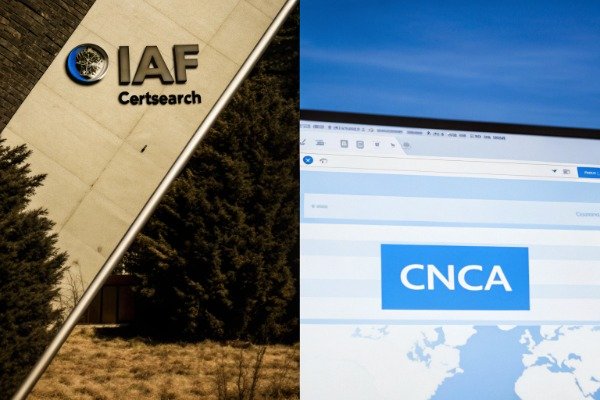
المعيار العالمي: IAF CertSearch
الأداة الأكثر موثوقية المتاحة لك هي IAF CertSearch قاعدة البيانات. يدير منتدى الاعتماد الدولي (IAF) هذا السجل العالمي. إذا ادعى مورد أن شهادته معتمدة من قبل جهة موقعة من IAF (وهو ما ينبغي أن يكون)، فيجب أن تظهر هنا.
عندما نخضع لعمليات التدقيق الخاصة بنا، نتأكد من مزامنة بياناتنا هنا لأنها المكان الأول الذي يبحث فيه مديرو المشتريات المحترفون. لاستخدامه بفعالية:
- حدد موقع "رقم الشهادة" في ملف PDF الذي قدمه المورد.
- أدخل اسم الشركة بالضبط كما يظهر في ترخيص عملهم.
- تحقق من أن الحالة هي "نشط"."
رخصة تجارية 1
الأداة الخاصة بالصين: قاعدة بيانات CNCA
بما أنك تستورد من الصين، لديك ميزة فريدة. تحتفظ الحكومة الصينية بقاعدة بيانات صارمة تُعرف باسم CNCA (إدارة الاعتماد والترخيص لجمهورية الصين الشعبية).
في تجربتنا، إذا كانت شهادة ISO 9001 الخاصة بالشركة المصنعة الصينية شرعية، فإنها يجب ستكون مدرجة على منصة الخدمة العامة لـ CNCA (cx.cnca.cn). إذا أرسل لك مورد شهادة تبدو مثالية ولكن لا يمكن العثور عليها على موقع CNCA، فمن المؤكد تقريبًا أنها مزيفة أو صادرة عن هيئة اعتماد غير قانونية "في السوق السوداء". هذا فخ شائع للمشترين الأجانب الذين يتحققون فقط من قواعد البيانات باللغة الإنجليزية.
التحقق المباشر مع هيئة الاعتماد (CB)
كل شهادة شرعية تصدر عن هيئة اعتماد محددة (مثل SGS، TUV، Intertek، أو هيئات محلية مثل CQC). تحتفظ هذه الهيئات بسجلات عبر الإنترنت خاصة بها.
هيئة الاعتماد 2
نوصي باستراتيجية تحقق متقاطع من ثلاث خطوات للقضاء على الشك:
الجدول 1: استراتيجية التحقق من قاعدة البيانات المقارنة
| مصدر قاعدة البيانات | ما الذي يتحقق منه | القيود | الإجراء الموصى به |
|---|---|---|---|
| IAF CertSearch | الوضع العالمي للاعتماد والاعتراف الدولي. | قد تعاني بعض هيئات الاعتماد الصغيرة والصالحة من تأخير في تحميل السجلات. | استخدم كمرشحك الأساسي "للموافقة/عدم الموافقة". |
| CNCA (الصين) | الصلاحية القانونية بموجب القانون الصيني. | الواجهة باللغة الصينية بشكل أساسي (تتطلب أدوات ترجمة). | فحص إلزامي لأي مورد صيني. |
| الموقع الرسمي لـ CB | تفاصيل محددة للشهادة (النطاق، تاريخ الانتهاء). | يغطي فقط الشهادات الصادرة عن تلك الهيئة المحددة. | استخدم للتحقق من تطابق مستند PDF المحدد مع السجل الرقمي. |
من خلال استخدام هذه قواعد البيانات الثلاث بالتوازي، فإنك تنشئ "مثلث تحقق" يجعل من المستحيل تقريبًا أن تمر شهادة احتيالية.
كيف أتأكد من أن شهادة ISO تغطي خط الإنتاج المحدد لطائرات بدون طيار لمكافحة الحرائق؟
خلال عمليات تدقيق المصانع لدينا، لاحظنا أن العديد من الشهادات تغطي فقط إدارة المكاتب أو أنشطة التجارة. هذا التباين يترك معداتك عالية المخاطر المصنعة بدون ضوابط جودة موحدة، على الرغم من أن المورد يحمل شهادة ورقية "صالحة".
افحص قسم "نطاق الشهادة" في المستند الفعلي للتأكد من أنه يدرج صراحةً "تصنيع أنظمة الطائرات بدون طيار" أو "تجميع الطائرات بدون طيار". إذا كان النطاق يذكر فقط المبيعات أو التجارة أو الإلكترونيات غير ذات الصلة، فإن الشهادة لا تغطي جودة الإنتاج لإدارة طائرات مكافحة الحرائق الخاصة بك.
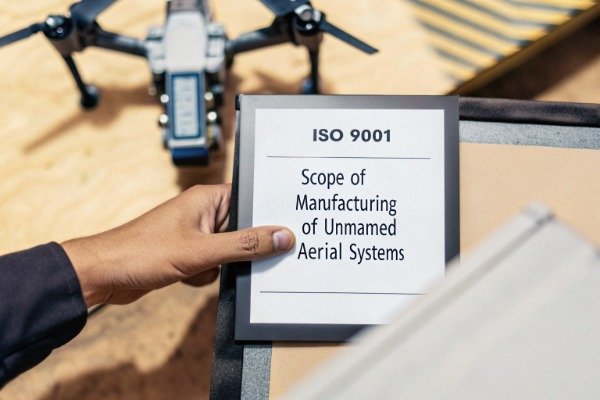
فك رموز "نطاق الشهادة"
"النطاق" هو النص الأكثر أهمية في الشهادة. لقد رأينا منافسين هم في الأساس شركات تجارية يقدمون شهادة ISO 9001 للعملاء. ومع ذلك، عند قراءة التفاصيل الدقيقة، يقرأ النطاق "مبيعات المنتجات الإلكترونية" بدلاً من "تصميم وتصنيع الطائرات بدون طيار الصناعية"."
بالنسبة للطائرات بدون طيار لمكافحة الحرائق، فإن المخاطر عالية للغاية. يجب أن ينطبق معيار ISO على عملية الإنتاج, ، وليس فقط مكتب المبيعات. تحتاج إلى التحقق من أن نظام إدارة الجودة (QMS) يحكم تجميع الطائرات واختبارها في الجو ومعايرتها.
مشكلة شهادة "الإيجار"
في السوق الصينية، قد يقوم بعض الموردين بـ "استئجار" شهادة. يحدث هذا عندما تستخدم شركة تجارية شهادة مصنع شريك للمطالبة بأنهم الشركة المصنعة.
للكشف عن ذلك، قارن العنوان الموجود على شهادة ISO مع العنوان الذي تخطط لإرسال مفتشك الخارجي إليه.
- السيناريو أ: تتطابق العناوين. يشير هذا إلى أن حامل الشهادة هو على الأرجح الكيان الذي يصنع السلع.
- السيناريو ب: تختلف العناوين. يشير هذا إلى أن المورد هو تاجر، أو أنهم يستعينون بمصادر خارجية للإنتاج إلى منشأة قد تكون معتمدة أو لا تكون كذلك.
الكلمات المفتاحية الرئيسية التي يجب الانتباه إليها
عند مراجعة النطاق، ابحث عن أفعال محددة تدل على القدرة التصنيعية.
الجدول 2: تحليل الكلمات المفتاحية للنطاق
| الفئة | الكلمات المفتاحية التي يجب البحث عنها (علامات خضراء) | الكلمات المفتاحية التي يجب تجنبها (علامات حمراء) | الآثار المترتبة |
|---|---|---|---|
| التصنيع | التصميم، الإنتاج، التجميع، التصنيع، البحث والتطوير | المبيعات، التجارة، التسويق، التوزيع، الخدمات اللوجستية | "نطاق "المبيعات" يعني أن نظام إدارة الجودة لا يمس أرضية المصنع. |
| نوع المنتج | طائرات بدون طيار (UAV)، طائرات بدون طيار صناعية، معدات طيران | ملحقات إلكترونية، ألعاب، آلات عامة، إلكترونيات استهلاكية | قد تخفي المصطلحات العامة حقيقة أنها تفتقر إلى بروتوكولات محددة لسلامة الطيران. |
| الموقع | عنوان المصنع المحدد (على سبيل المثال، رقم 88 في المنطقة الصناعية...) | مبنى المكاتب، رقم الغرفة في برج تجاري | نادراً ما يحدث التصنيع في جناح مكتبي بوسط المدينة. |
التفكير النقدي: جانب "التصميم"
بالنسبة للطائرات بدون طيار الصناعية، فإن "التصميم" لا يقل أهمية عن "التصنيع". إذا لم يكن لدينا "تصميم" في نطاق شهادة الأيزو الخاصة بنا، فهذا يعني أننا نقوم فقط بتجميع أجزاء صممها شخص آخر. بالنسبة للمنتجات المعقدة مثل طائرات مكافحة الحرائق بدون طيار، فإنك تريد موردًا يغطي نظام إدارة الجودة الخاص به التصميم والتطوير المرحلة لضمان إدارة تغييرات الهندسة بشكل صحيح.
هل يجب عليّ توظيف وكالة طرف ثالث لتدقيق نظام إدارة الجودة في المصنع شخصيًا؟
نرحب بمدققي الطرف الثالث في مصنعنا في تشنغدو بانتظام لأن ذلك يثبت صحة عملنا الشاق. الاعتماد على التدقيق في الموقع يعتمد بشكل أعمى على الوعود الورقية، مما يؤدي غالبًا إلى استلام سلع دون المستوى بدت مثالية في الكتيب.
مدققو الطرف الثالث 3
نعم، يُنصح بشدة بالاستعانة بوكالة طرف ثالث لشراء طائرات مكافحة الحرائق بدون طيار ذات القيمة العالية. يؤكد التدقيق في الموقع أن نظام ISO 9001 ليس مجرد شهادة تم شراؤها ولكنه مطبق بنشاط في العمليات اليومية، مما يضمن جودة المنتج المتسقة والالتزام بمعايير السلامة.
ظاهرة "الشهادة المشتراة"
إليك حقيقة قاسية في الصناعة: يقوم العديد من الموردين الصينيين بشراء شهادة ISO 9001 ولكنهم لا يقومون بتشغيل النظام فعليًا.
قد يدفعون لمستشار لتوليد الأوراق مرة كل ثلاث سنوات لاجتياز التدقيق الخارجي، ولكن في عملياتهم اليومية، نظام إدارة الجودة غير موجود. لا يتبع العمال إجراءات التشغيل القياسية، ولا يتم فحص المواد الواردة، ولا يتم تتبع الأجزاء غير المطابقة.
لا يمكن لشهادة PDF أن تخبرك ما إذا كان النظام "حيًا". المدقق على أرض الواقع فقط هو من يمكنه التحقق من ذلك.
ما يتحقق منه المدقق (والذي لا يمكنك فعله)
عندما نستضيف المدققين، فإنهم لا ينظرون فقط إلى الشهادة المعلقة على الحائط. يطلبون دليل الاستخدام. يجب عليك توجيه وكالتك الخارجية للبحث تحديدًا عن "وثائق العمليات"."
إذا ادعى مورد أنه حاصل على شهادة ISO 9001، فيجب أن يكون قادرًا على تقديم:
- سجلات فحص الجودة الواردة (IQC): سجلات توضح فحص المحركات الواردة، ووحدات التحكم في الطيران، وإطارات ألياف الكربون.
- تقارير عدم المطابقة: سجلات الأجزاء المعيبة والإجراءات التصحيحية المتخذة. نصيحة: إذا قالت مصنع إن لديهم "صفر" تقارير عدم مطابقة لمدة عام، فهم يكذبون أو لا يقومون بالفحص. التصنيع الحقيقي دائمًا ما تكون لديه مشاكل؛ ISO يتعلق بـ إدارة ها.
- سجلات المعايرة: دليل على أن الأدوات المستخدمة لاختبار الطائرات بدون طيار (مثل أجهزة القياس المتعددة أو منصات الدفع) تتم معايرتها بانتظام.
- سجلات التدريب: توقيعات تُظهر أن العمال قد تم تدريبهم على خطوات التجميع المحددة لطائرات مكافحة الحرائق بدون طيار.
الجدول 3: الشهادة الورقية مقابل الواقع التشغيلي
| نقطة فحص التدقيق | ما تمتلكه المصانع "الورقية فقط" | ما تمتلكه شركة تصنيع حقيقية حاصلة على شهادة ISO 9001 |
|---|---|---|
| دليل الجودة | دليل نظيف وعام محفوظ في مكتب المدير. | دليل مستخدم ومُستهلك في متناول مديري الإنتاج. |
| تعليمات العمل | مفقودة أو مخفية في مجلد على الكمبيوتر. | معروضة بصريًا في كل محطة عمل (إجراءات التشغيل القياسية). |
| التتبع | لا شيء؛ الأجزاء مكدسة في صناديق. | أرقام الدُفعات على الأجزاء مرتبطة بطائرات بدون طيار محددة مكتملة. |
| مراجعة الإدارة | محاضر مزيفة تم إنشاؤها قبل التدقيق مباشرة. | محاضر الاجتماعات الدورية لمناقشة قضايا الجودة والبيانات الحقيقية. |
تحليل التكلفة والعائد
قد يكلف توظيف مدقق ما بين 300 دولار إلى 500 دولار لليوم الواحد. قارن هذا بتكلفة طائرة بدون طيار واحدة لمكافحة الحرائق (غالبًا ما تكون 10000 دولار أو أكثر). إذا لم يكن المصنع يقوم بتشغيل نظام الجودة الخاص به بالفعل، فإن خطر سقوط طائرة بدون طيار من السماء بسبب موصل مفكوك أو وصلة لحام سيئة يكون مرتفعًا. رسوم التدقيق هي قسط تأمين صغير للتحقق من أن "نظام الجودة" لدى المورد هو ممارسة يومية، وليس مجرد ديكور على الحائط.
الفاتورة الأولية (PI) 4
ما هي العلامات الحمراء التي يجب أن أبحث عنها في الوثائق التي تشير إلى شهادة مزورة؟
غالبًا ما يكتشف فريق الامتثال لدينا تزويرًا سيئًا في السوق، يتم إنشاؤه عادةً بواسطة وسطاء يحاولون الظهور بمظهر المصنعين. الشعارات المفقودة أو الخطوط غير المتطابقة تشير إلى الخداع، مما يعرض سلسلة التوريد بأكملها لخطر الفشل القانوني والسلامة.
الإجراءات التصحيحية 5
ابحث عن شعارات الاعتماد المفقودة، مثل علامة IAF أو رمز هيئة الاعتماد المحلية. عدم الاتساق في اسم المورد أو عنوانه أو تواريخ انتهاء الصلاحية هي علامات حمراء كبيرة. بالإضافة إلى ذلك، إذا لم يتمكن المورد من تقديم اتصال مباشر في هيئة إصدار الشهادات، فمن المحتمل أن تكون الوثيقة مزورة.
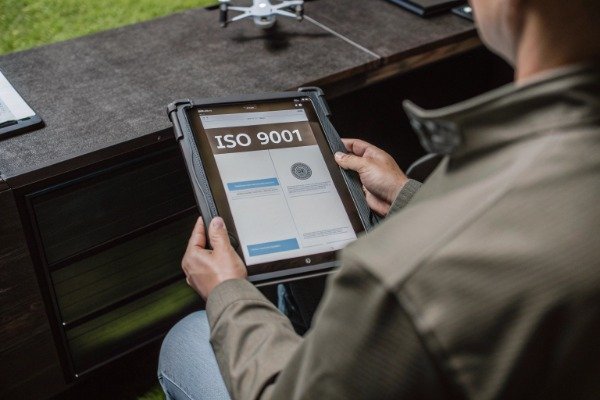
الفحص البصري: قاعدة "العلامات الثلاث"
تعرض شهادة ISO 9001 المشروعة عادةً ثلاثة شعارات مميزة. نسمي هذا قاعدة "العلامات الثلاث". إذا كان أي منها مفقودًا، يجب أن تكون متشككًا.
نظام إدارة الجودة (QMS) 7
- شعار هيئة إصدار الشهادات (CB): شعار الشركة التي أصدرت الشهادة (مثل SGS، BV، TUV).
- شعار هيئة الاعتماد (AB): شعار الهيئة الوطنية التي اعتمدت هيئة إصدار الشهادات (مثل UKAS للمملكة المتحدة، ANAB للولايات المتحدة الأمريكية، CNAS للصين).
- علامة IAF: شعار المنتدى الدولي للاعتماد.
علامة حمراء: إذا كانت الشهادة فقط تحمل شعار "ISO" عامًا أو شعار هيئة الاعتماد فقط بدون شعار هيئة الاعتماد، فمن المحتمل أن تكون شهادة "غير معتمدة". على الرغم من أنها ليست غير قانونية، إلا أن هذه الشهادات لا تحمل وزنًا كبيرًا وغالبًا ما تُباع من قبل "مطاحن الشهادات" دون تدقيق حقيقي.
علامات التلاعب الرقمي
في عصر الفوتوشوب، التزوير شائع. عندما نراجع مستندات المنافسين، نبحث عن هذه العلامات الدقيقة للتعديل:
- عدم اتساق الخطوط: هل اسم الشركة بخط مختلف قليلاً أو بمستوى بكسلة عن بقية النص؟ هذا يشير إلى أن الاسم تم لصقه فوق شهادة قديمة.
- عدم محاذاة النص: هل التواريخ أو أرقام الشهادات ليست محاذية تمامًا لرؤوس الحقول؟
- مسح ضوئي نظيف مقابل أصول رقمية: غالبًا ما يكون للمسح الضوئي لورقة مادية انحراف طفيف أو ضوضاء. قد يكون ملف PDF رقمي "مثالي" يفتقر إلى البيانات الوصفية أو يحتوي على طبقات مكسورة مشبوهًا.
هيئة الاعتماد "غير القابلة للتحقق"
يستخدم بعض الموردين هيئات اعتماد هي في الأساس شركات وهمية. قد يكون لديهم أسماء تبدو مثيرة للإعجاب مثل "Global International Quality Trust"، لكن ليس لديهم موقع ويب، أو أن موقعهم على الويب عبارة عن صفحة واحدة بها مربع "تحقق" يعود دائمًا بـ "صالح"."
إدارة الشهادات والاعتماد 8
فحص حاسم: إذا لم تتمكن من العثور على هيئة الاعتماد في قائمة IAF CertSearch، أو إذا كان موقعها على الويب يبدو هاويًا ويفتقر إلى عنوان فعلي، فاعتبر الشهادة غير صالحة. هيئة الاعتماد الحقيقية هي منظمة محترفة ذات سمعة عالمية أو وطنية.
عدم اتساق في تفاصيل العمل
أخيرًا، قارن الشهادة مع الفاتورة الأولية (PI) أو رخصة العمل.
- تطابق الاسم: هل الاسم الإنجليزي في شهادة ISO يطابق الاسم الإنجليزي في حسابهم البنكي؟ (ملاحظة: الشركات الصينية لديها اسم صيني رسمي واحد؛ يمكن أن تختلف الأسماء الإنجليزية، ولكن يجب أن تكون متسقة).
- تاريخ الانتهاء: هل الشهادة منتهية الصلاحية؟ أو، بشكل مثير للشك، هل لها صلاحية لمدة 10 سنوات؟ (شهادات ISO الحقيقية صالحة لمدة 3 سنوات).
من خلال التحقق المنهجي من هذه العلامات الحمراء، فإنك تحمي عملك من الشراكة مع موردين غير أمناء يختصرون الطريق في الجودة والامتثال.
ISO 9001 9
الخاتمة
يتطلب التحقق من شهادة ISO 9001 التحقق من قواعد بيانات IAF و CNCA، والتأكد من أن النطاق يشمل التصنيع، والتدقيق لوثائق العمليات النشطة. لا تثق بالورق وحده؛ تحقق من أن النظام حي.
المنتدى الدولي للاعتماد (IAF) 10
الحواشي
- تعريف ويكيبيديا للوثيقة القانونية. ︎
- تعريف نوع الكيان من ويكيبيديا. ︎
- مدخل ويكيبيديا يشرح دور المدققين الخارجيين. ︎
- تعريف رسمي من إدارة التجارة الدولية الأمريكية. ︎
- مدخل ويكيبيديا لمفهوم مراقبة الجودة. ︎
- تعريف ويكيبيديا لعملية الطيران المذكورة. ︎
- تعريف من الجمعية الأمريكية للجودة (ASQ). ︎
- مدخل ويكيبيديا للهيئة الحكومية الصينية (CNCA). ︎
- الصفحة الرسمية للمنظمة الدولية للتوحيد القياسي التي تحدد المعيار. ︎
- مدخل ويكيبيديا الموثوق للمنظمة المذكورة. ︎
 English
  Español de México
  Deutsch
  Français
  Русский
  العربية
Comments
No comments yet. Be the first to share your thoughts!
Leave a Comment