
كل أسبوع، يتلقى فريق الهندسة لدينا مكالمات من أصحاب المصانع الذين اشتروا طائرات بدون طيار لمكافحة الحرائق 1 ليكتشفوا فقط أنهم لا يستطيعون نشرها بأمان. المشكلة ليست في الطائرة بدون طيار نفسها. إنها عدم وجود تقييم مناسب للإقلاع قبل الشراء.
لتقييم متطلبات إقلاع طائرات مكافحة الحرائق المسيرة لمصنعك، يجب عليك تقييم أربعة مجالات رئيسية: مواصفات المساحة المادية والخلوص، توافق البنية التحتية للإشارة والطاقة، شهادات السلامة واللوائح المحلية، ودعم الهندسة من المورد لبروتوكولات النشر المخصصة. يؤثر كل عامل بشكل مباشر على ما إذا كانت طائرتك المسيرة يمكنها الإقلاع بسرعة وأمان أثناء حالات الطوارئ.
دعني أستعرض معك كل مجال تقييم بناءً على ما تعلمناه من مئات التركيبات المصنعية في جميع أنحاء الولايات المتحدة وأوروبا.
ما هي المساحة المادية والخلوص التي يجب أن أجهزها للإقلاع الآمن لطائرة بدون طيار لمكافحة الحرائق في منشأتي الصناعية؟
عندما تصل فرق التركيب لدينا إلى موقع مصنع جديد، فإن السؤال الأول يكون دائمًا عن المساحة تسجيل Transport Canada 2. يقلل العديد من مديري المرافق من تقدير المساحة التي تحتاجها طائرة بدون طيار لمكافحة الحرائق للإقلاع بأمان والعودة أثناء سيناريو حريق نشط.
تحتاج إلى مساحة واضحة بحد أدنى 10 أمتار في 10 أمتار للإقلاع القياسي للطائرات الرباعية، مع خلو عمودي لا يقل عن 15 مترًا من العوائق العلوية. بالنسبة لأنظمة الطائرات الثمانية الأكبر التي تحمل حمولات تبلغ 150 كجم، قم بتوسيع ذلك إلى 15 مترًا في 15 مترًا مع خلو عمودي يبلغ 20 مترًا.
فهم متطلبات الإقلاع العمودي
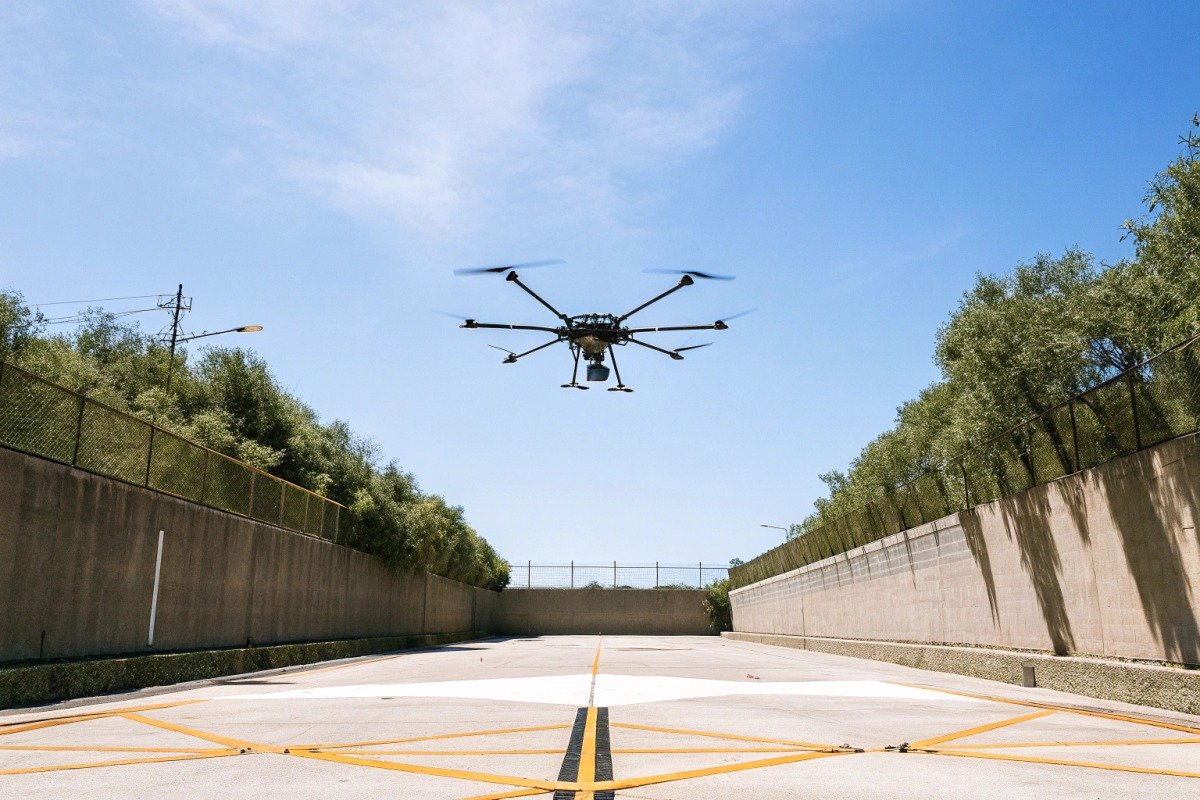
استخدام طائرات بدون طيار لمكافحة الحرائق تقنية الإقلاع والهبوط العمودي (VTOL) 3. هذا يعني أنها ترتفع مباشرة قبل التحرك أفقيًا. على عكس الطائرات ذات الأجنحة الثابتة، لا تحتاج إلى مدارج. ومع ذلك، فهي تحتاج إلى مساحة عمودية غير معاقة.
وجد مهندسونا أن المصانع التي تحتوي على رافعات علوية، أو مداخن عادم، أو مسارات كابلات غالبًا ما تتجاهل هذه العوائق. أثناء حالة الطوارئ، لا يملك الطيارون وقتًا لحساب الخلوص. يجب أن تكون منطقة الإقلاع خالية مسبقًا ومميزة بشكل دائم.
اعتبارات سطح الأرض
سطح الإقلاع مهم أكثر مما يدرك معظم المشترين. طائرة بدون طيار لمكافحة الحرائق تحمل 150 كجم من عامل الإطفاء تولد تيارًا سفليًا كبيرًا. الحصى السائب، أو الرمل، أو الحطام سيصبح مقذوفات. وسادات الخرسانة أو الأسفلت تعمل بشكل أفضل. إذا كانت ساحة مصنعك تحتوي على أسطح مختلطة، فحدد منطقة معينة مرصوفة.
| نوع السطح | الملاءمة | التحضير المطلوب |
|---|---|---|
| وسادة خرسانية | ممتاز | ضع حدودًا فقط |
| أسفلت | جيد | تأكد من عدم وجود بقع مفككة |
| حصى مضغوط | مقبول | أضف حصيرة مطاطية |
| حصى مفكك | فقير | قم بتركيب قاعدة خرسانية |
| عشب | فقير | قم بالضغط وأضف منصة |
الخلوص الأفقي لعودات الطوارئ
ستعود طائرتك بدون طيار إلى نقطة انطلاقها بعد كل مهمة. إذا تحركت عوائق إلى المنطقة أثناء الطوارئ، فهناك خطر الاصطدام. نوصي بمنطقة عازلة إضافية بمقدار 5 أمتار حول منطقة الإطلاق الأساسية الخاصة بك.
منصات الإطلاق المرتفعة
بالنسبة للمصانع متعددة الطوابق أو المرافق ذات المساحة الأرضية المحدودة، توفر المنصات الموجودة على الأسطح أو المنصات المرتفعة حلولاً. قام فريقنا بتركيب منصات إطلاق على أسطح المستودعات، ومنصات الرافعات الجسرية، وهياكل فولاذية مخصصة. توفر هذه المواقع رؤية جوية فورية وتتجاوز العوائق على مستوى الأرض.
ومع ذلك، تتطلب المنصات المرتفعة تقييمًا هيكليًا إضافيًا. تتسبب طائرة بدون طيار بوزن إقلاع أقصى يبلغ 257.8 كجم تهبط بشكل متكرر في إجهاد إرهاق. يجب على مهندس الإنشاءات الخاص بك التحقق من قدرة التحمل.
| موقع المنصة | المزايا | المتطلبات الرئيسية |
|---|---|---|
| سطح السطح | مساحة عمودية واضحة | التحقق من تصنيف الحمل |
| منصة رافعة | ميزة الارتفاع | عزل الاهتزاز |
| برج مخصص | تحديد الموضع الأمثل | تحليل حمل الرياح |
| مستوى الأرض | سهولة الوصول للصيانة | محيط خالٍ من العوائق |
كيف يمكنني التحقق من أن البنية التحتية للإشارات والطاقة في مصنعي يمكنها دعم النشر السريع للطائرات بدون طيار؟
يعمل مصنعنا في شيان على عشرات الرحلات التجريبية يوميًا. لقد تعلمنا أن أفضل طائرة بدون طيار تصبح عديمة الفائدة إذا كانت البيئة الكهرومغناطيسية لمصنعك أو أنظمة الطاقة لديك تتداخل مع العمليات.
تحقق من البنية التحتية الخاصة بك عن طريق إجراء مسح لإشارات الموقع لتحديد تداخل الترددات الراديوية، وضمان دوائر طاقة مخصصة بقوة 220 فولت/30 أمبير لمحطات الشحن، وتأكيد أن رؤية أقمار GPS الصناعية تتجاوز 12 قمرًا صناعيًا عند نقاط الإطلاق، واختبار استقرار رابط التحكم عبر كامل نطاق منشأتك.

تقييم تداخل الترددات الراديوية
تحتوي المصانع الحديثة على العديد من باعثات الترددات الراديوية. تداخل الترددات الراديوية 4 محركات التردد المتغير، وأجهزة الاستشعار اللاسلكية، وأجهزة الاتصالات اللاسلكية، وأجهزة البلوتوث كلها تخلق ضوضاء كهرومغناطيسية. تعمل طائرات مكافحة الحرائق بدون طيار عادةً على ترددات 2.4 جيجاهرتز و 5.8 جيجاهرتز لروابط التحكم.
قبل الشراء، اطلب مسحًا للإشارة من المورد الخاص بك. تجلب فرقنا الفنية محللات طيف لتحديد مصادر التداخل. تشمل الأسباب الشائعة:
- شبكات الواي فاي الصناعية
- معدات اللحام
- محركات الأقراص ذات التدريع الضعيف
- أنظمة الأمن
- أبراج الاتصالات الخلوية المجاورة
جودة استقبال نظام تحديد المواقع العالمي (GPS)
تعتمد طائرات مكافحة الحرائق بدون طيار على نظام تحديد المواقع العالمي (GPS) لتثبيت الموضع 5, ووظائف العودة إلى المنزل ومسارات الطيران المستقلة. يمكن للمباني المعدنية والهياكل العلوية والمعدات الكهربائية أن تحجب أو تعكس إشارات الأقمار الصناعية.
اختبر استقبال نظام تحديد المواقع العالمي (GPS) في مواقع الإطلاق المقترحة لديك خلال أوقات مختلفة من اليوم. تحتاج إلى قفل موثوق به على 12 قمرًا صناعيًا أو أكثر. أقل من 8 أقمار صناعية يؤدي إلى انحراف في تحديد المواقع مما يجعل العمليات الدقيقة خطيرة.
البنية التحتية للطاقة لمحطات الشحن
يتطلب النشر السريع بطاريات جاهزة للطيران في جميع الأوقات. تحتاج أنظمة البطاريات القابلة للتبديل السريع إلى بنية تحتية شحن مستمرة. لنظام طائرة بدون طيار واحد، خطط لـ:
| المكوّن | متطلبات الطاقة | مواصفات الدائرة |
|---|---|---|
| شاحن سريع (أساسي) | 3.5 كيلوواط | 220 فولت / 20 أمبير مخصص |
| شاحن سريع (احتياطي) | 3.5 كيلوواط | 220 فولت / 20 أمبير مخصص |
| محطة التحكم | 500 واط | منفذ قياسي |
| خزانة تدفئة البطارية | 1 كيلوواط | 220 فولت / 10 أمبير |
| الإجمالي الموصى به | 8.5 كيلوواط | لوحة خدمة 50 أمبير |
الاتصال الشبكي للأنظمة المتكاملة
تتصل عمليات التكامل المتقدمة في المصنع بطائرات بدون طيار بأنظمة إدارة المباني (BMS) أو شبكات SCADA. يتيح ذلك الإقلاع الآلي عند اكتشاف حريق. يجب أن تدعم البنية التحتية لتكنولوجيا المعلومات لديك:
- اتصالات بزمن انتقال منخفض أقل من 100 مللي ثانية
- شبكة VLAN مخصصة لأنظمة الطائرات بدون طيار
- استثناءات جدار الحماية لبروتوكولات التحكم
- مسارات اتصال احتياطية
عند تكوين عمليات التكامل هذه، نعمل مع فريق تكنولوجيا المعلومات الخاص بك لضمان بقاء معايير الأمن السيبراني سليمة مع تمكين الاستجابة السريعة للطوارئ.
ما هي شهادات السلامة واللوائح المحلية التي يجب أن آخذها في الاعتبار عند إنشاء منطقة إطلاق طائرات بدون طيار في ممتلكاتي؟
يتعامل فريق التصدير لدينا مع وثائق الشهادات للعملاء في أكثر من 30 دولة. يختلف المشهد التنظيمي لطائرات مكافحة الحرائق بدون طيار بشكل كبير حسب الولاية القضائية، ويمكن أن يؤدي عدم الامتثال إلى تعطيل الطائرات وفرض عقوبات قانونية.
يجب عليك مراعاة متطلبات تسجيل الطائرات بدون طيار، ومستويات شهادات الطيارين، وتصريح المجال الجوي، وشهادات عمليات الطيران الخاصة للعمليات التي تتجاوز خط الرؤية البصري، وبروتوكولات التنسيق مع إدارة الإطفاء المحلية. في الولايات المتحدة، الامتثال للجزء 107 أو الجزء 91 من إدارة الطيران الفيدرالية (FAA) إلزامي، بينما تتطلب العمليات الكندية تسجيلًا لدى وزارة النقل الكندية وربما شهادة RPAS المتقدمة.

متطلبات التسجيل حسب المنطقة
تتطلب كل ولاية قضائية تسجيل الطائرات بدون طيار قبل التشغيل. تعتمد المتطلبات المحددة على وزن الطائرة والغرض من استخدامها.
| المنطقة | حد الوزن | سلطة التسجيل | الجدول الزمني النموذجي |
|---|---|---|---|
| الولايات المتحدة الأمريكية | أكثر من 0.55 رطل | إدارة الطيران الفيدرالية | 1-3 أيام |
| كندا | 250 جرام إلى 25 كجم | هيئة النقل الكندية | من أسبوع إلى أسبوعين |
| الاتحاد الأوروبي | أكثر من 250 جرام | هيئة الطيران المدني الوطنية | 2-4 أسابيع |
| المملكة المتحدة | أكثر من 250 جرام | هيئة الطيران المدني في المملكة المتحدة | من أسبوع إلى أسبوعين |
بالنسبة لطائرات مكافحة الحرائق التي تزيد عن 55 رطلاً (25 كجم)، تنطبق شهادات إضافية. يتطلب نظام YSF-150 الخاص بنا بوزن إقلاع أقصى يبلغ 257.8 كجم ترخيصًا خاصًا في جميع الولايات القضائية.
معايير شهادة الطيار
يتطلب تشغيل طائرات مكافحة الحرائق بالقرب من المنشآت الصناعية عادةً شهادة طيار متقدمة. تقتصر الشهادات الأساسية على العمليات بعيدًا عن الأشخاص والمجال الجوي الخاضع للرقابة. نادرًا ما تتناسب الاستجابة للطوارئ مع هذه القيود.
في الولايات المتحدة، يحتاج الطيارون إلى شهادة الجزء 107 كحد أدنى. تتطلب العمليات التي توزع مواد (مثل مثبطات الحريق) خبرة إضافية: 7 ساعات على طراز الطائرة بدون طيار المحدد و 25 ساعة كقائد طائرة لعمليات التوزيع.
تسمح شهادة RPAS المتقدمة الكندية بالتحليق في المجال الجوي الخاضع للرقابة، وفي حدود 30 مترًا من الأشخاص، وفوق الأشخاص إذا تم استيفاء متطلبات السلامة الإضافية. يحدد موقع المصنع الخاص بك مستوى الشهادة الذي يحتاجه الطيارون لديك.
ترخيص المجال الجوي
غالبًا ما تقع المصانع القريبة من المطارات أو المستشفيات أو المرافق الحكومية ضمن المجال الجوي المحظور. قبل الشراء، تحقق من تصنيف المجال الجوي لمنطقة الإطلاق الخاصة بك.
يطبق حد الارتفاع البالغ 400 قدم على معظم عمليات الطائرات بدون طيار التجارية. قد تتطلب مكافحة الحرائق تنازلات مؤقتة لارتفاعات أعلى عند إخماد الحرائق في الهياكل العالية. تتطلب هذه التنازلات تقديم طلب وموافقة مسبقة.
شهادات العمليات الجوية الخاصة
عمليات ما وراء خط البصر (BVLOS) 6 تمكّن الطائرات بدون طيار من القيام بدوريات في مجمعات المصانع الكبيرة بشكل مستقل. ومع ذلك، تتطلب عمليات ما وراء خط البصر شهادات عمليات الطيران الخاصة (SFOC) 7 في كندا أو تنازلات مماثلة في ولايات قضائية أخرى.
يتطلب طلب شهادة عمليات الطيران الخاصة (SFOC) وثائق تشمل:
- تفاصيل موقع وطبيعة العملية
- تدابير تخفيف المخاطر
- مؤهلات المشغل
- المواصفات الفنية للطائرة بدون طيار
- تفاصيل تنسيق المجال الجوي
تتراوح أطر زمنية تقديم الطلبات من 30 إلى 90 يومًا. خطط لجدولك الزمني للشراء وفقًا لذلك.
التنسيق مع إدارة الإطفاء المحلية
حتى مع وجود جميع شهادات الطيران، يجب عليك التنسيق مع إدارات الإطفاء المحلية. يجب أن تندمج الطائرات بدون طيار المستخدمة في مكافحة الحرائق والتي تعمل أثناء حالة طوارئ نشطة مع فرق الاستجابة الأرضية. يمكن أن تتداخل عمليات الطائرات بدون طيار غير المنسقة مع الطائرات المأهولة، بما في ذلك طائرات الهليكوبتر المستخدمة في مكافحة الحرائق.
نساعد العملاء على تطوير بروتوكولات التنسيق كجزء من دعم التنفيذ لدينا. يشمل ذلك إجراءات الاتصال، وتجنب تضارب استخدام المجال الجوي المشترك، وتمارين التدريب المشتركة.
هل يمكن لموردي تقديم الدعم الهندسي الذي أحتاجه لتخصيص بروتوكولات الاستلام لتناسب التصميم المحدد لمصنعي؟
عندما يزور العملاء مقرنا الرئيسي في شيان، يرون أن فريقنا المكون من 70 شخصًا يشمل مهندسي تطبيقات متخصصين. نعتقد أن شراء طائرة بدون طيار لمكافحة الحرائق بدون دعم هندسي يشبه شراء آلات صناعية بدون خدمات تركيب.
نعم، يجب على الموردين المؤهلين تقديم دعم هندسي شامل بما في ذلك المسوحات الميدانية، وبرمجة مسارات الطيران المخصصة، والتكامل مع أنظمة الكشف عن الحرائق الحالية، وبرامج تدريب الطيارين، وبروتوكولات الصيانة، والمساعدة الفنية المستمرة. اطلب توثيقًا مفصلاً لهذه القدرات قبل الشراء.

خدمات المسح والتقييم الموقعي
قبل الانتهاء من عملية الشراء، يجب على المورد الخاص بك إجراء تقييم في الموقع. تقوم فرقنا الهندسية بتقييم:
- خيارات منطقة الإقلاع المادية
- رسم خرائط العوائق لممرات الطيران
- تحليل بيئة الإشارة
- تقييم البنية التحتية للطاقة
- فرص التكامل مع الأنظمة الحالية
يحدد هذا المسح المشاكل المحتملة قبل أن تصبح تعديلات مكلفة. تعمل التقييمات عن بعد باستخدام الوثائق المقدمة للتقييم الأولي، ولكن المرافق المعقدة تستفيد من الزيارات الشخصية.
برمجة مسار الطيران المخصص
يختلف تخطيط كل مصنع. تضمن مسارات الطيران المبرمجة مسبقًا أن تتمكن طائرتك بدون طيار من التنقل إلى المناطق المعرضة للحريق بكفاءة. تقوم فرق البرامج لدينا بإنشاء تسلسلات نقاط طريق مخصصة بناءً على:
- تخطيط وأبعاد المبنى
- مناطق خطر الحريق (تخزين المواد الكيميائية، الغرف الكهربائية، مناطق الوقود)
- مواقع وارتفاعات العوائق
- أنماط المراقبة المثلى
- طرق العودة الطارئة
تعمل هذه التخصيصات على تحويل طائرة بدون طيار عامة إلى أداة مكافحة حرائق مصممة خصيصًا لمنشأتك.
التكامل مع الأنظمة الحالية
تتضمن الحماية الحديثة من الحرائق أنظمة مترابطة. يجب أن تتكامل طائرة مكافحة الحرائق بدون طيار الخاصة بك مع:
| النظام | نوع التكامل | المزايا |
|---|---|---|
| لوحة إنذار الحريق | مشغل الإطلاق الآلي | استجابة فورية |
| BMS/SCADA | مراقبة الحالة | تحكم مركزي |
| كاميرات المراقبة | مراقبة منسقة | وعي محسّن بالموقف |
| أنظمة الرش | تنسيق التفعيل | استجابة تكميلية |
| التحكم في الوصول | فتح الأبواب تلقائيًا | مسارات طيران واضحة |
نقوم بتطوير بروتوكولات تكامل مخصصة لكل تركيب. يعمل فريق الهندسة لدينا مع أقسام المرافق وتكنولوجيا المعلومات لديكم لضمان التواصل السلس بين الأنظمة.
شمولية برنامج التدريب
يتطلب تشغيل طائرات بدون طيار لمكافحة الحرائق تدريبًا متخصصًا. تتراوح برامج الشركة المصنعة عادةً من 40 إلى 80 ساعة تغطي:
- عمليات الطيران وبروتوكولات السلامة
- إجراءات الصيانة واستكشاف الأخطاء وإصلاحها
- استراتيجيات النشر التكتيكي
- متطلبات الامتثال التنظيمي
- إجراءات الطوارئ
يجب أن يوفر المورد الخاص بك التدريب الأولي والدورات التنشيطية. تحدث تغييرات في الموظفين، ويحتاج المشغلون الجدد إلى شهادة قبل الطيران.
الدعم الفني المستمر
بعد التركيب، تنشأ المشاكل. تحتاج المعدات إلى معايرة. يتطلب البرنامج تحديثات. تتغير اللوائح. يجب أن يوفر المورد الخاص بك:
- الدعم الفني عن بعد عبر الهاتف أو البريد الإلكتروني أو الفيديو
- الدعم في الموقع للمشاكل المعقدة
- توفر قطع الغيار مع أوقات تسليم معقولة
- تحديثات البرامج وتصحيحات الأمان
- تحديثات الامتثال التنظيمي
عند التصدير إلى الولايات المتحدة وأوروبا، نحافظ على قدرات الدعم الإقليمي. لا ينبغي أن تؤخر فروق التوقيت المساعدة الطارئة.
المساعدة في التوثيق والامتثال
يجب أن يوفر المورد الخاص بك جميع الوثائق اللازمة للامتثال التنظيمي. ويشمل ذلك:
- مواصفات الطائرات وتقارير الاختبار
- بيانات صلاحية الطيران
- أدلة الصيانة
- شهادات التدريب
- وثائق التخليص الجمركي
يقوم فريق التصدير لدينا بإعداد حزم وثائق شاملة تلبي متطلبات الاستيراد في بلدان الوجهة. هذا يمنع التأخير في الجمارك ويضمن وصول طائرتك المسيرة إلى حالة التشغيل بسرعة.
الخاتمة
يتطلب تقييم متطلبات إقلاع طائرات مكافحة الحرائق تقييمًا دقيقًا للمساحة المادية، والبنية التحتية، واللوائح، ودعم المورد. فريقنا على استعداد لإرشادك خلال كل خطوة لضمان أن استثمارك يوفر قدرة استجابة طارئة موثوقة.
الحواشي
1. يقدم نظرة شاملة على الطائرات بدون طيار المستخدمة في عمليات مكافحة الحرائق وتطبيقاتها. ︎
2. المتطلبات الرسمية لتسجيل الطائرات بدون طيار في كندا، مع تحديد الخطوات والمعايير اللازمة. ︎
3. تم استبداله بصفحة ويكيبيديا موثوقة تشرح تقنية الإقلاع والهبوط العمودي (VTOL). ︎
4. يحدد تداخل الترددات الراديوية (RFI)، ومصادره، وكيف يمكن أن يعطل عمل الأجهزة الإلكترونية. ︎
5. يشرح كيفية عمل نظام تحديد المواقع العالمي (GPS) ودوره الحاسم في تحديد الموقع الدقيق والملاحة. ︎
6. يشرح عمليات الطائرات بدون طيار خارج نطاق الرؤية البصرية (BVLOS) والإطار التنظيمي للطيران بالطائرات بدون طيار خارج نطاق الرؤية. ︎
7. معلومات رسمية حول تصاريح العمليات الخاصة (SFOCs) المطلوبة للعمليات غير القياسية أو المعقدة للطائرات بدون طيار في كندا. ︎
8. لوائح إدارة الطيران الفيدرالية (FAA) للأنظمة الجوية غير المأهولة الصغيرة، وهي ضرورية لعمليات الطائرات بدون طيار في الولايات المتحدة. ︎
 English
  Español de México
  Deutsch
  Français
  Русский
  العربية
Comments
No comments yet. Be the first to share your thoughts!
Leave a Comment