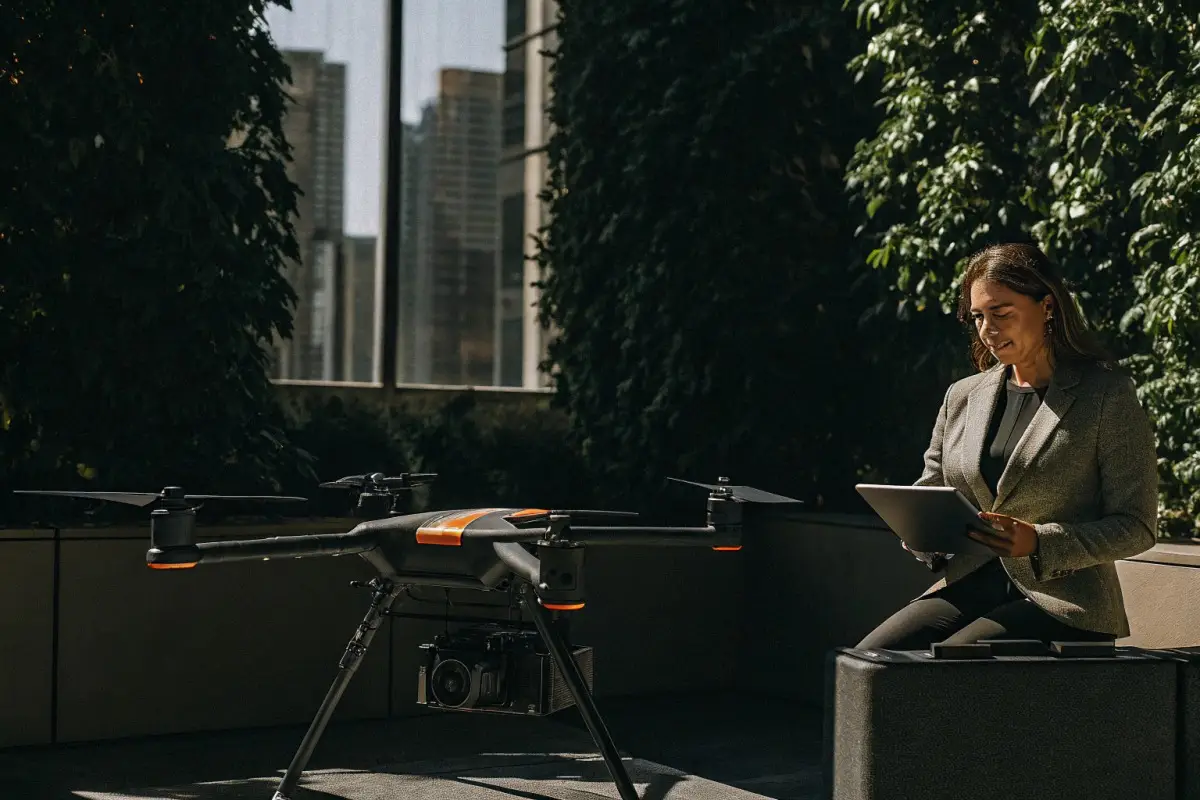
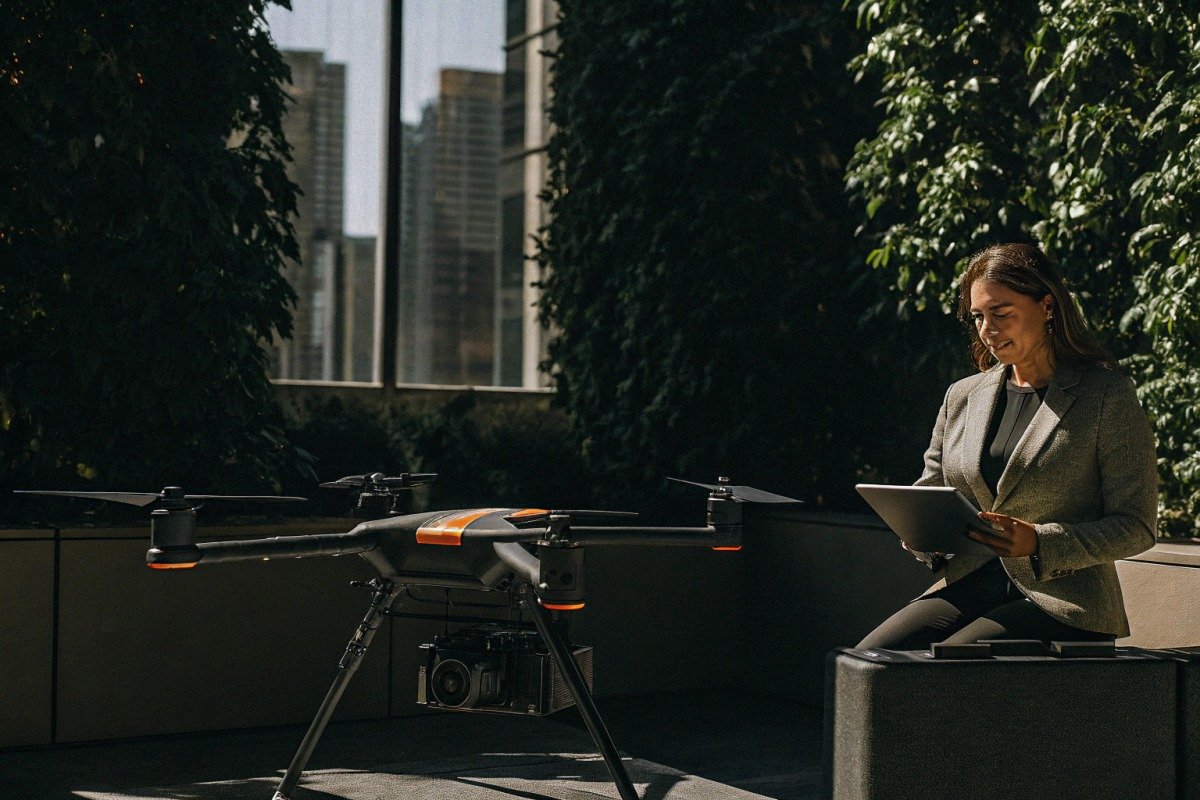
كل أسبوع، يتلقى فريق الهندسة لدينا استفسارات من مديري مشتريات الطاقة في الولايات المتحدة يطرحون نفس السؤال الامتثال لـ NFPA 1. يحتاجون طائرات بدون طيار لمكافحة الحرائق 2. يرون الشركات المصنعة الصينية تقدم إمكانيات متقدمة. لكنهم قلقون بشأن الجودة والامتثال والدعم طويل الأجل.
للتحقق بشكل صحيح من موردي طائرات بدون طيار لمكافحة الحرائق الصينية لتطبيقات الطاقة في الولايات المتحدة، يجب عليك التحقق من شهادات السلامة مثل CE و FCC، وطلب دراسات حالة موثقة من عمليات النشر لدى المرافق، وتأكيد توفر الدعم الفني في الولايات المتحدة، وتقييم بروتوكولات الأمن السيبراني، وتقييم قدرات تخصيص الشركة المصنعة للمعدات الأصلية من خلال عمليات تدقيق المصنع وبرامج تجريبية.
هذا الدليل يرشدك خلال كل خطوة فحص حرجة. سنغطي الشهادات، والتحقق من السجل، والدعم الفني، والخدمات اللوجستية. دعنا نبدأ.
ما هي شهادات السلامة المحددة التي يجب أن أطلبها من الشركة المصنعة للطائرات بدون طيار لمكافحة الحرائق الصينية لتلبية معايير صناعة الطاقة الأمريكية؟
عندما نجهز وثائق التصدير لعملائنا في مجال الطاقة بالولايات المتحدة، تأتي أسئلة الشهادات دائمًا في المقدمة. بدون الشهادات المناسبة، لا يمكن لطائرتك بدون طيار العمل بشكل قانوني بالقرب من البنية التحتية الحيوية. والأسوأ من ذلك، أنك تخاطر بعقوبات تنظيمية وحوادث سلامة.
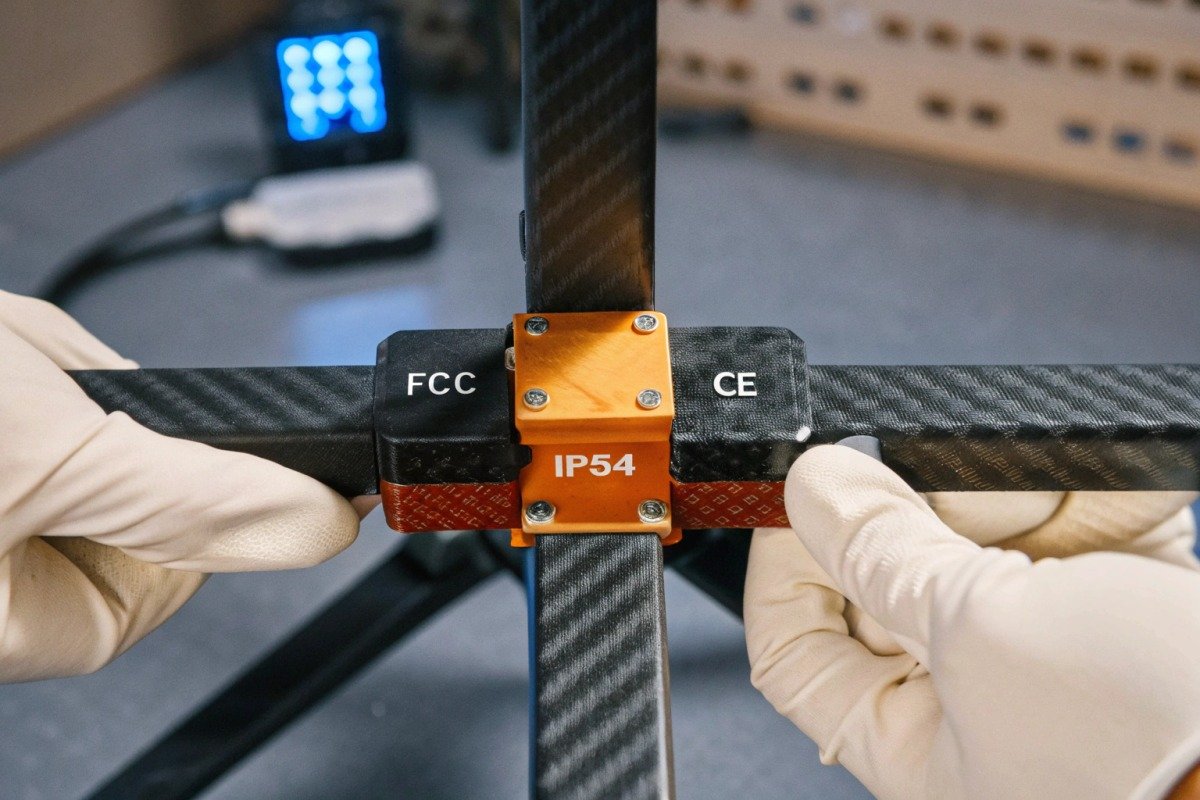
يجب عليك المطالبة بشهادة CE، والامتثال للجنة الاتصالات الفيدرالية (FCC) للمعدات اللاسلكية، وإدارة الجودة ISO 9001، والتحقق من مسار الشركة المصنعة لمتطلبات التشغيل الخاصة بالجزء 107 من إدارة الطيران الفيدرالية (FAA). للاستخدام في قطاع الطاقة، اطلب أيضًا وثائق توضح الامتثال لمعايير NFPA وأي تقارير اختبار سلامة من طرف ثالث من مختبرات معترف بها.
فهم مشهد الشهادات
الشهادات تخدم أغراضًا مختلفة. علامة CE 3 يظهر الامتثال لمعايير السلامة الأوروبية. شهادة لجنة الاتصالات الفيدرالية 4 يؤكد أن معدات الراديو لن تتداخل مع الأنظمة الأخرى. آيزو 9001 5 يثبت أن الشركة المصنعة تتبع عمليات إدارة الجودة.
ومع ذلك، فإن هذه الشهادات الأساسية ليست كافية لتطبيقات الطاقة في الولايات المتحدة. يمتلك قطاع الطاقة متطلبات محددة. قد تطير طائرتك بدون طيار بالقرب من خطوط نقل الجهد العالي. قد تعمل أثناء حالات الطوارئ المتعلقة بحرائق الغابات. قد تحمل حمولات إخماد الحرائق فوق المناطق المأهولة بالسكان.
الشهادات الرئيسية للتحقق
| التصديق | ما الذي يثبته | لماذا تحتاجها شركات الطاقة |
|---|---|---|
| علامة CE | الامتثال للسلامة الأوروبية | مؤشر جودة أساسي |
| الجزء 15/الجزء 107 من لجنة الاتصالات الفيدرالية (FCC) | الامتثال للترددات الراديوية | تشغيل قانوني في الولايات المتحدة |
| آيزو 9001 | نظام إدارة الجودة | تصنيع متسق |
| RoHS | حدود المواد الخطرة | الامتثال البيئي |
| تصنيف IP (IP54+) | مقاومة الغبار والماء | موثوقية ميدانية |
| اختبار طرف ثالث للحريق | التحقق من سلامة الحمولة | متطلبات التأمين |
ما وراء الشهادات الأساسية
تُظهر تجربتنا أن الشهادات الأساسية هي مجرد نقطة البداية. يجب على شركات الطاقة الأمريكية أيضًا أن تطلب:
تقارير اختبار من طرف ثالث. يمكن للمختبرات المستقلة مثل UL أو Intertek التحقق من ادعاءات الشركة المصنعة. لا تعتمد فقط على البيانات المقدمة من البائع.
التوافق مع NFPA 1710. يغطي هذا المعيار أوقات استجابة فرق الإطفاء. يجب أن يتكامل نظام الطائرات بدون طيار الخاص بك مع بروتوكولات الطوارئ الحالية.
وثائق الأمن السيبراني. تواجه الطائرات بدون طيار الصينية تدقيقًا من CISA و DHS. اسأل الموردين عن تشفير البيانات وأمان البرامج الثابتة وما إذا كان يمكن تخزين بيانات الرحلة محليًا دون إرسالها إلى السحابة. وثائق الأمن السيبراني 6
شفافية سلسلة التوريد. اعرف من أين تأتي المكونات الحيوية. يجب أن يكون للبطاريات ووحدات التحكم في الطيران والكاميرات أصول موثقة.
علامات حمراء في ادعاءات الشهادات
انتبه لهذه العلامات التحذيرية:
- شهادات بتاريخ انتهاء صلاحية
- إعلان ذاتي عن المطابقة دون تدخل مختبر الاختبار
- عدم القدرة على تقديم مستندات الشهادة الأصلية
- ادعاءات غامضة مثل "تتوافق مع المعايير الدولية" دون تفاصيل
- رفض مشاركة تقارير الاختبار أو نتائج التدقيق
كيف يمكنني التأكد من أن المورد لديه سجل حافل في تسليم الطائرات بدون طيار الصناعية لشركات المرافق أو الطاقة واسعة النطاق؟
خلال سنوات تصديرنا إلى أسواق أمريكا الشمالية، تعلمنا أن التحقق من السجل الحافل هو المكان الذي يواجه فيه العديد من مديري المشتريات أكبر صعوبة. بيانات الجمارك الأمريكية 7 يقدم الموردون ادعاءات مثيرة للإعجاب. لكن إثبات هذه الادعاءات يتطلب تحقيقًا منهجيًا.
تأكيد سجل المورد من خلال طلب جهات اتصال مرجعية قابلة للتحقق من عملاء الطاقة الحاليين في الولايات المتحدة، ومراجعة دراسات الحالة الموثقة التي تتضمن تفاصيل نشر محددة، والتحقق من سجلات الاستيراد من خلال بيانات الجمارك الأمريكية، وإجراء مكالمات فيديو مع العملاء المرجعيين لمناقشة الأداء الفعلي وجودة الدعم.
تحدي التحقق
غالبًا ما يخدم المصنعون الصينيون الأسواق العالمية. قد يكون لديهم خبرة ممتازة في أوروبا أو آسيا أو الشرق الأوسط. لكن خبرة قطاع الطاقة الأمريكي مختلفة. اللوائح الأمريكية أكثر صرامة. متطلبات التأمين أعلى. توقعات الدعم الفني أكثر تطلبًا.
عندما نعمل مع شركات المرافق الأمريكية، فإنهم يريدون معرفة: هل تم نشر هذا الطراز المحدد من الطائرات بدون طيار في ظروف مماثلة؟ ما المشاكل التي حدثت؟ كيف تم حلها؟
Verification Methods That Work
| طريقة التحقق | ما تتعلمه | مستوى الصعوبة |
|---|---|---|
| مكالمات مرجعية مباشرة | ملاحظات أداء حقيقية | متوسط |
| بيانات استيراد الجمارك الأمريكية | تاريخ التصدير الفعلي | منخفضة |
| زيارة ميدانية للعميل المرجعي | الواقع التشغيلي | عالية |
| جولة في مصنع الفيديو | القدرة الإنتاجية | متوسط |
| تقرير العناية الواجبة لطرف ثالث | تقييم شامل | عالية |
أسئلة لطرحها على العملاء المرجعيين
إذا قدم المورد جهات اتصال مرجعية، فقم بإعداد أسئلة محددة:
- ما هي مدة استخدامكم لطائراتهم بدون طيار؟
- ما هي المشاكل التي حدثت خلال السنة الأولى؟
- ما مدى سرعة استجابتهم لطلبات الدعم؟
- هل تطابق الأداء الفعلي مع المواصفات؟
- هل ستشتري منهم مرة أخرى؟
- كيف تعمل إتاحة قطع الغيار؟
مخاوف السجل الخاص بالقطاع الصناعي
تواجه عمليات النشر في قطاع الطاقة تحديات فريدة. يجب أن يشمل التحقق من مرجعك:
الاستجابة لحرائق الغابات. هل عملت طائرة المورد المسيرة أثناء ظروف الحريق النشط؟ الحرارة والدخان والرماد تسبب ضغطًا شديدًا على المعدات.
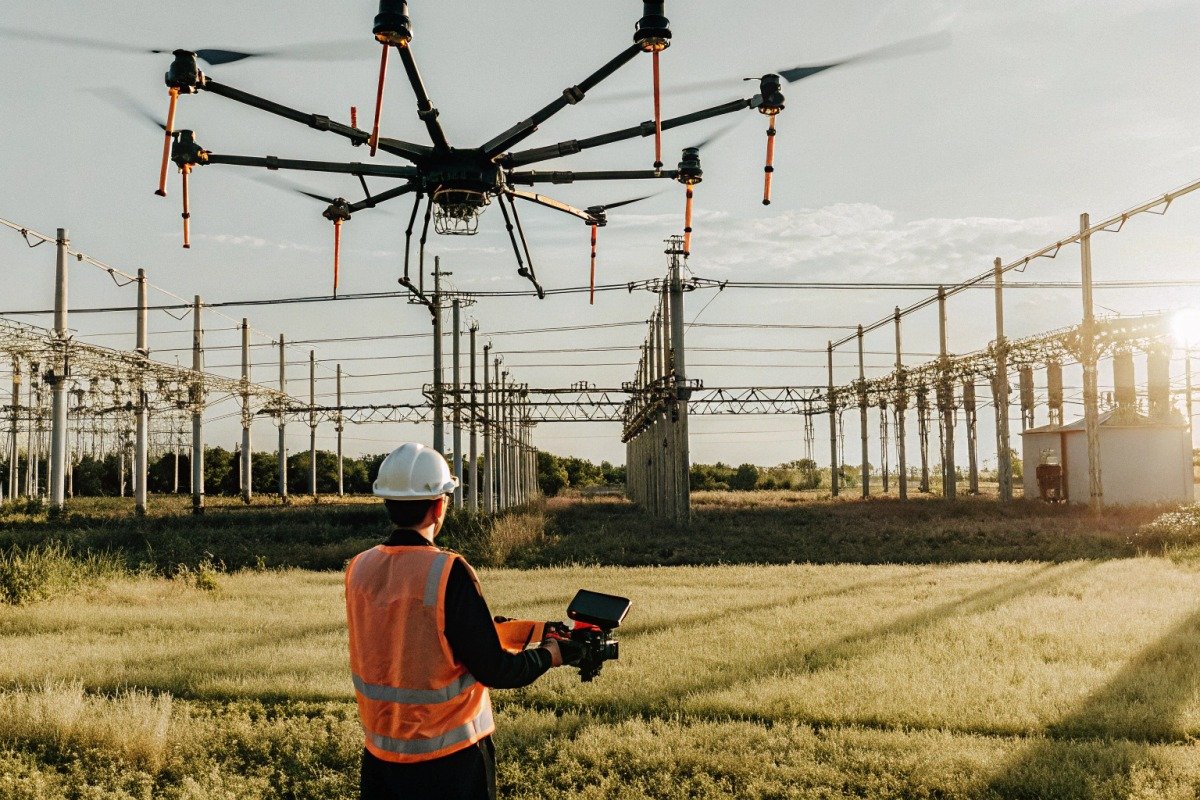
فحص خطوط النقل. الطيران بالقرب من خطوط الجهد العالي يتطلب تحكمًا دقيقًا ومقاومة للتداخل الكهرومغناطيسي.
حماية المنشآت الصناعية. تمتلك مصافي النفط ومحطات الطاقة مناطق أمان محددة. يجب على المورد فهم هذه القيود.
سجل الامتثال التنظيمي. هل اجتازت معدات المورد عمليات تفتيش إدارة الطيران الفيدرالية (FAA)؟ أي حوادث أو مخالفات؟
بناء قائمة تحقق للتحقق
قم بإنشاء قائمة تحقق موحدة لكل مورد محتمل:
- 3 مراجع أمريكية قابلة للتحقق كحد أدنى
- وجود موثق في السوق الأمريكية لمدة عامين على الأقل
- أمثلة محددة للنشر في قطاع الطاقة
- أوقات استجابة موثقة لطلبات الدعم
- سجل واضح لمطالبات الضمان ومعدلات الحل
هل سيقدم شريكي الصيني للطائرات بدون طيار الدعم الفني طويل الأجل وتوافر قطع الغيار الذي تتطلبه شركة الطاقة الخاصة بي؟
عندما يدعم فريق ما بعد البيع لدينا العملاء في الولايات المتحدة، فإننا ندرك أن شراء طائرة بدون طيار هو مجرد البداية. تحتاج شركات الطاقة إلى دعم موثوق به لسنوات، وأحيانًا لعقود. المورد الذي لا يستطيع تقديم دعم طويل الأجل يخلق مخاطر تشغيلية.
يجب على شريكك الصيني للطائرات بدون طيار أن يثبت قدرته على تقديم الدعم الفني في الولايات المتحدة، وأن يحتفظ بمخزون قطع الغيار في أمريكا الشمالية مع أوقات تسليم موثقة تقل عن 72 ساعة للمكونات الحيوية، وأن يقدم برامج تدريب شاملة، وأن يوفر شروط ضمان واضحة تغطي عامين على الأقل مع تعريفات صريحة لنطاق التغطية.
لماذا يهم الدعم طويل الأجل شركات الطاقة أكثر
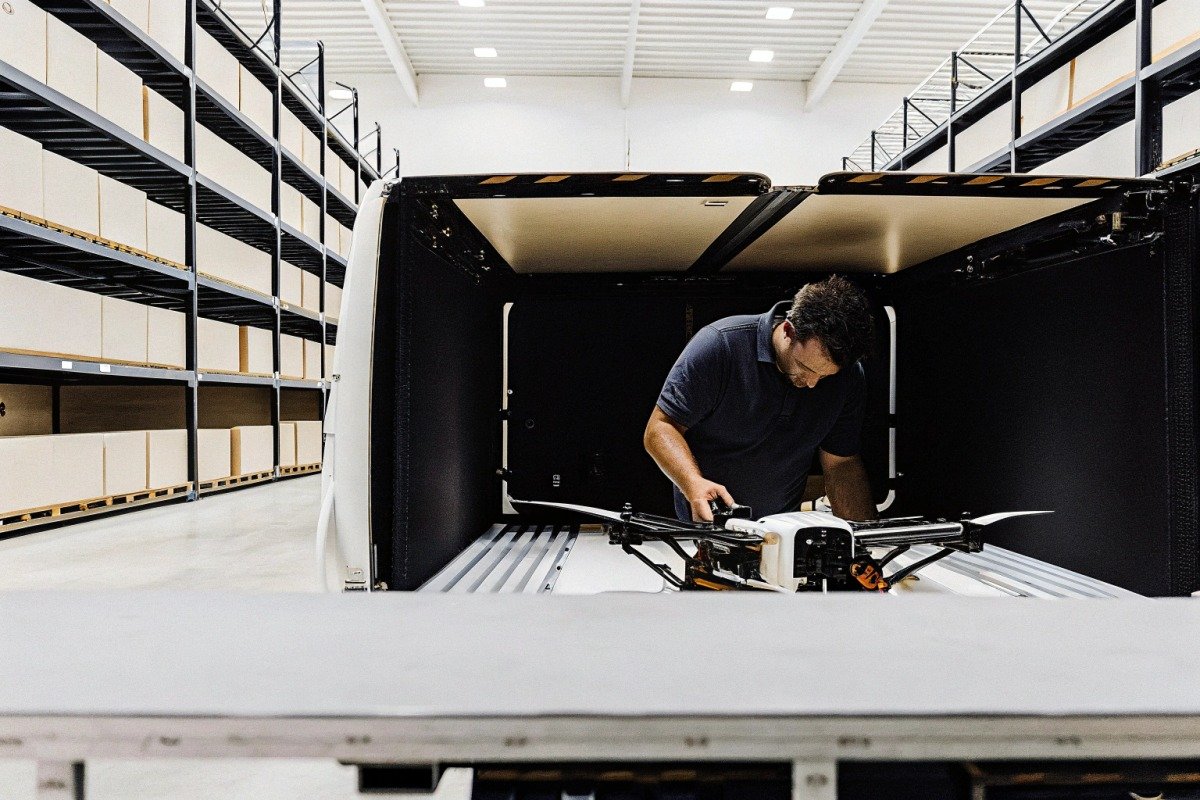
تعمل البنية التحتية للطاقة بشكل مستمر. طائرة بدون طيار لمكافحة الحرائق تجلس على الأرض لمدة أسبوعين في انتظار قطع الغيار من الصين تشكل خطرًا غير مقبول. تختفي قدرتك على الاستجابة للطوارئ.
تظهر تجربتنا أن متطلبات الدعم تزداد بعد السنة الأولى. يبدأ النشر الأولي بسلاسة. ثم تحتاج العناصر القابلة للتآكل إلى الاستبدال. تحتاج البرامج إلى تحديثات. يواجه المشغلون حالات استثنائية غير مغطاة في التدريب الأساسي.
عناصر الدعم الحيوية للتفاوض عليها
| عنصر الدعم | الحد الأدنى من المعايير المقبولة | المعيار المثالي |
|---|---|---|
| وقت الاستجابة | 48 ساعة | 4 ساعات |
| مهلة قطع الغيار | 2 أسبوعان | 72 ساعة |
| فنيون مقيمون في الولايات المتحدة | الدعم عن بعد | في الموقع خلال 48 ساعة |
| فترة الضمان | 1 سنة | 2 سنوات فأكثر |
| تحديثات البرامج | سنتان | عمر المنتج |
| توفر التدريب | مبدئي فقط | تجديد سنوي |
استراتيجية قطع الغيار
توفر قطع الغيار هو نقطة الفشل الأكثر شيوعًا في علاقات الموردين الصينيين. اطرح هذه الأسئلة المحددة:
أين يتم تخزين قطع الغيار؟ مستودع في الولايات المتحدة ضروري للمكونات الحيوية. الشحن من الصين يستغرق وقتًا طويلاً أثناء حالات الطوارئ.
ما هو الحد الأدنى لكمية الطلب؟ يتطلب بعض الموردين عمليات شراء بالجملة. هذا يربط رأس المال ويخلق مشاكل تخزين.
ما هي مدة توفر قطع الغيار المضمون؟ تتغير نماذج الطائرات بدون طيار. هل ستكون قطع الغيار متاحة في 5 سنوات؟ 10 سنوات؟
ما هي التكاليف؟ احصل على قائمة أسعار كاملة لقطع الغيار. انتبه إلى الزيادات غير المعقولة في الأسعار التي تشير إلى أن المورد يستفيد بشكل أساسي من قطع الغيار، وليس من مبيعات الطائرات بدون طيار.
البنية التحتية للدعم الفني
يتطلب الدعم الفني القوي استثمارًا في البنية التحتية. قم بتقييم:
حجم فريق الدعم وموقعه. كم عدد الفنيين الذين يخدمون السوق الأمريكية؟ ما هي مناطقهم الزمنية؟
القدرة على التشخيص عن بعد. هل يمكن للمورد تشخيص المشاكل عن بعد؟ هذا يسرع الحل بشكل كبير.
جودة التوثيق. هل أدلة الصيانة كاملة وباللغة الإنجليزية؟ التوثيق الضعيف يزيد من الاعتماد على الدعم.
برامج التدريب. ما هو التدريب الذي يقدمه المورد؟ التدريب في الموقع أكثر قيمة من الدروس التعليمية بالفيديو.
شروط العقد لحماية مصالحك
قم بتضمين هذه الأحكام في اتفاقية الشراء الخاصة بك:
- توفر قطع الغيار مضمون لمدة 5 سنوات أو أكثر
- الحد الأقصى لوقت الاستجابة مع شروط جزائية
- إجراءات تصعيد محددة
- التزامات تحديث البرامج
- شروط الإنهاء في حالة تدهور جودة الدعم
كيف يمكنني تقييم ما إذا كان بإمكان الشركة المصنعة التعامل مع التخصيص المعقد للمعدات الأصلية (OEM) ولوجستيات التسليم الآمنة اللازمة لعملياتي في الولايات المتحدة؟
يعمل فريق الإنتاج لدينا بانتظام في مشاريع OEM لموزعي الولايات المتحدة. نحن نعلم أن التخصيص والخدمات اللوجستية هي المكان الذي تفشل فيه العديد من علاقات الموردين. يقول المصنع "نعم" لكل شيء أثناء المبيعات. ثم تظهر المشاكل أثناء التنفيذ.
تقييم قدرة الشركة المصنعة للمعدات الأصلية على التخصيص من خلال مراجعة المشاريع المخصصة السابقة ذات التعقيد المماثل، وإجراء عمليات تدقيق للمصنع لتقييم القدرة الهندسية، وطلب جداول زمنية مفصلة للمشروع مع المعالم الرئيسية، والتحقق من الخدمات اللوجستية الآمنة من خلال الخبرة الموثقة في التخليص الجمركي للولايات المتحدة، وترخيص التصدير المناسب، وشراكات الشحن الراسخة.
فهم تعقيد تخصيص OEM
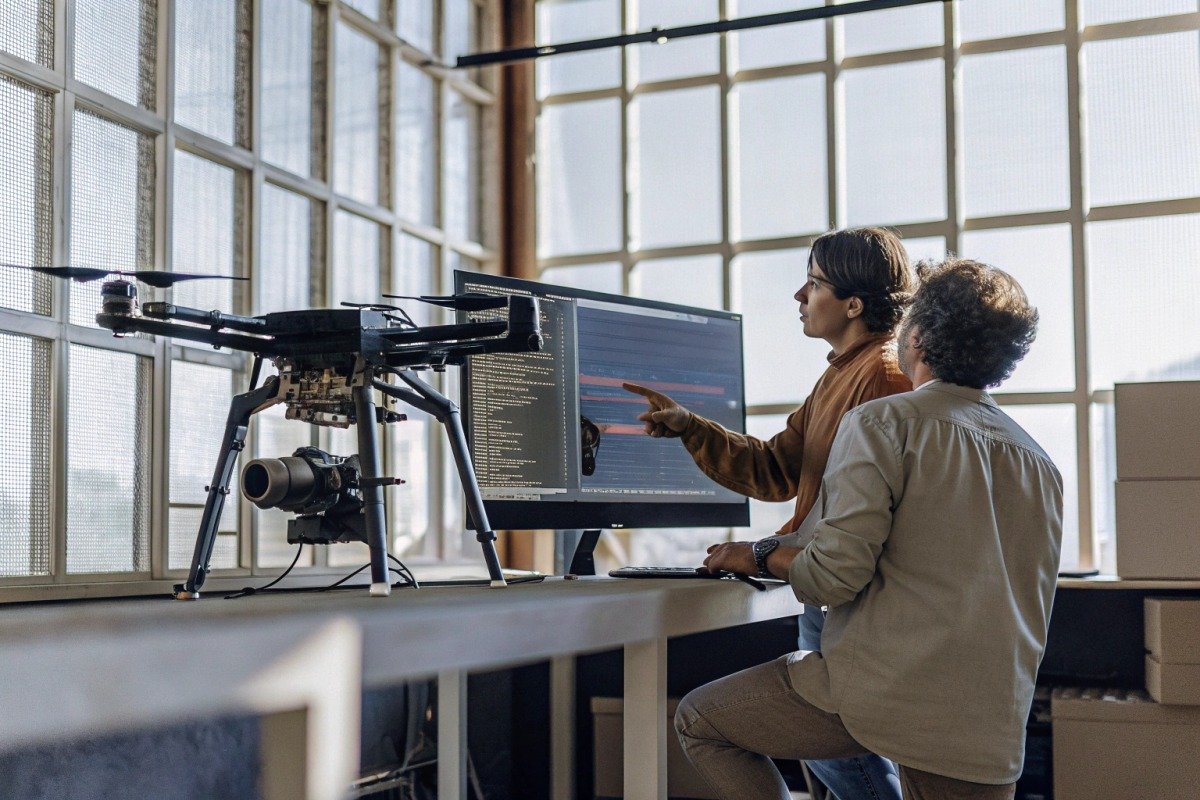
تخصيص المعدات الأصلية 9 يتراوح من العلامات التجارية البسيطة إلى إعادة تصميم النظام بالكامل. عادةً ما تقع متطلبات شركات الطاقة في المنتصف. قد تحتاج إلى:
- تكوينات حمولة مخصصة لأنظمة إخماد الحرائق المحددة
- تكامل البرامج مع منصات الاستجابة للطوارئ الحالية
- مظاريف طيران معدلة لبيئات تشغيل محددة
- مستشعرات متخصصة لفحص البنية التحتية
- معالجة بيانات مخصصة لتلبية متطلبات الأمان
تقييم القدرة الهندسية
| مجال القدرة | الأسئلة التي يجب طرحها | الأدلة التي يجب طلبها |
|---|---|---|
| تعديل الأجهزة | هل يمكنك تعديل تصميم الإطار لحمولات محددة؟ | مشاريع الأجهزة المخصصة السابقة |
| تطوير البرمجيات | هل لديكم مهندسو برمجيات داخليون؟ | وثائق واجهة برمجة التطبيقات (API)، توفر حزمة تطوير البرامج (SDK) |
| اختبار التكامل | كيف تتحقق من صحة التكوينات المخصصة؟ | بروتوكولات الاختبار، تقارير الجودة |
| دعم الشهادات | هل يمكنك المساعدة في إعادة اعتماد الأنظمة المعدلة؟ | تقديمات الشهادات السابقة |
| إدارة المشاريع | من سيدير مشروع التخصيص الخاص بي؟ | مدير مشروع مسمى، الجدول الزمني |
أساسيات تدقيق المصنع
إذا أمكن، قم بإجراء تدقيق للمصنع قبل الالتزام بمشروع OEM كبير. قم بتقييم:
الطاقة الإنتاجية. هل يمكنهم التعامل مع حجمك دون تدهور الجودة؟ ما هو معدل استخدامهم الحالي؟
أنظمة مراقبة الجودة. هل لديهم عمليات فحص موثقة؟ ما هي نسبة الوحدات التي تفشل في مراقبة الجودة؟
الموارد الهندسية. كم عدد المهندسين الذين يعملون على مشاريع مخصصة؟ ما هي خلفياتهم؟
مصادر المواد. من أين تأتي المكونات؟ هل يمكنهم تقديم وثائق سلسلة التوريد؟
بروتوكولات الأمان. كيف يحمون تصميماتك ومواصفاتك الخاصة؟
اعتبارات اللوجستيات والتسليم
تتضمن لوجستيات التسليم الآمن مكونات متعددة:
ترخيص التصدير. قد تتطلب الطائرات بدون طيار تراخيص تصدير من الصين. تحقق من أن الشركة المصنعة لديها خبرة في التعامل مع هذه المتطلبات.
التخليص الجمركي للاستيراد في الولايات المتحدة. يجب أن يفهم المصنع الخاص بك متطلبات الجمارك الأمريكية للطائرات بدون طيار. الوثائق غير الصحيحة تسبب تأخيرات وعقوبات.
اختيار طريقة الشحن. الشحن الجوي أسرع ولكنه أغلى. الشحن البحري يوفر المال ولكنه يطيل المواعيد النهائية. يجب على الشركة المصنعة تقديم المشورة بناءً على أولوياتك.
تغطية التأمين. الطائرات بدون طيار هي سلع عالية القيمة وهشة. تحقق من تغطية تأمين كافية أثناء النقل.
تتبع التسليم. يجب أن تتضمن الخدمات اللوجستية الحديثة تتبعًا في الوقت الفعلي. هذا مهم بشكل خاص للمشاريع الطاقوية الحساسة للوقت.
الأمن السيبراني في تكوينات الشركة المصنعة للمعدات الأصلية (OEM)
حذرت وكالات الحكومة الأمريكية من مخاطر الأمن السيبراني مع الطائرات الصينية بدون طيار. بالنسبة لتطبيقات قطاع الطاقة، فإن هذا القلق بالغ الأهمية. عالج هذه القضايا أثناء مناقشات الشركة المصنعة للمعدات الأصلية (OEM):
تخزين البيانات. أين يتم تخزين بيانات الرحلة؟ هل يمكن الاحتفاظ بها بالكامل على الأنظمة المحلية؟
أمان البرامج الثابتة. من يتحكم في تحديثات البرامج الثابتة؟ هل يمكن مراجعة التحديثات قبل التثبيت؟
عزل الشبكة. هل يمكن للطائرة بدون طيار العمل بدون اتصال بالإنترنت؟
قدرة التدقيق. هل يمكنك فحص البرنامج بحثًا عن نقاط ضعف أمنية؟
إدارة علاقة الشركة المصنعة للمعدات الأصلية
تتطلب مشاريع الشركة المصنعة للمعدات الأصلية الناجحة تواصلًا واضحًا واتفاقيات موثقة:
- وثيقة مواصفات مفصلة مع معايير القبول
- جدول دفع قائم على المراحل
- شروط واضحة لملكية الملكية الفكرية
- حقوق فحص الجودة في كل مرحلة إنتاج
- شروط جزائية للتأخير أو فشل المواصفات
الخاتمة
يتطلب فحص موردي الطائرات بدون طيار الصينية لمكافحة الحرائق لتطبيقات الطاقة في الولايات المتحدة تقييمًا منهجيًا عبر الشهادات، والسجل الحافل، والبنية التحتية الداعمة، وقدرات التخصيص. خذ وقتك للتحقق من الادعاءات، وإجراء عمليات التدقيق، وبناء حماية تعاقدية قبل الالتزام بشراكة مع مورد.
الحواشي
1. يوفر معلومات حول معايير NFPA للأنظمة الجوية غير المأهولة الصغيرة في السلامة العامة. ︎
2. يوفر دليلًا شاملاً لتطبيقات واستخدامات الطائرات بدون طيار في مكافحة الحرائق. ︎
3. تم استبدال ملف PDF HTTP 400 بدليل رسمي للاتحاد الأوروبي حول علامة CE. ︎
4. يفصل عملية ومتطلبات شهادة FCC لمنتجات الاتصالات اللاسلكية في الولايات المتحدة. ︎
5. يشرح معيار ISO 9001 لأنظمة إدارة الجودة وفوائده. ︎
6. يقدم أفضل الممارسات والإرشادات للأمن السيبراني في عمليات الطائرات بدون طيار التجارية. ︎
7. يشرح كيفية الوصول إلى بيانات الاستيراد والتصدير العامة واستخدامها من الجمارك الأمريكية. ︎
8. يناقش أهمية إدارة مخزون قطع الغيار في كفاءة سلسلة التوريد. ︎
9. يحدد تخصيص الشركة المصنعة للمعدات الأصلية (OEM) ودورها في تلبية احتياجات العملاء المحددة. ︎
 English
  Español de México
  Deutsch
  Français
  Русский
  العربية
Comments
No comments yet. Be the first to share your thoughts!
Leave a Comment