عندما يقوم فريق الهندسة لدينا بتطوير برامج الطائرات بدون طيار، نسمع غالبًا من الموزعين الذين يعانون من فشل تكامل واجهة برمجة التطبيقات. تتسبب هذه الانتكاسات في تأخير عمليات الإطلاق، وإحباط العملاء، وخسارة الإيرادات.
وللتحقق من واجهات واجهة برمجة التطبيقات (API) عند الحصول على طائرات بدون طيار لمكافحة الحرائق، يجب على الموزعين التحقق من امتثال البروتوكول الموحد، وطلب وثائق SDK شاملة، واختبار استقرار البيانات في الوقت الحقيقي في سيناريوهات محاكاة الحرائق، والتأكد من أن المورد يوفر دعمًا فنيًا مخصصًا عن بُعد لتحديات التكامل.
سيرشدك هذا الدليل خلال كل خطوة تحقق حاسمة. سنغطي فحوصات التوافق، ومتطلبات التوثيق، واختبار استقرار البيانات، وتوقعات الدعم. دعنا نتعمق.
كيف يمكنني التأكد من أن واجهة برمجة التطبيقات الخاصة بالطائرة بدون طيار متوافقة تماماً مع برنامج الاستجابة للطوارئ الموجود لدي؟
يتلقى مصنعنا أسئلة التوافق أسبوعيًا من مديري المشتريات. إنهم قلقون بشأن إعادة كتابة البرامج المكلفة. يخشون فشل النشر في الميدان.
تأكد من توافق واجهة برمجة التطبيقات من خلال التحقق من الالتزام بالبروتوكولات الموحدة مثل واجهات برمجة التطبيقات الموحدة مثل RESTful APIs و MQTT و MISB ST 0601. اطلب تقارير اختبار التكامل، وتأكد من توافق تنسيق البيانات مع أنظمة الطوارئ الخاصة بك، وقم بتشغيل عمليات محاكاة بيئة الحماية قبل الالتزام بالطلبات الكبيرة.

فهم معايير البروتوكول
تشكل معايير البروتوكول العمود الفقري للتكامل السلس. من المحتمل أن يستخدم برنامج الاستجابة للطوارئ الحالي الخاص بك طرق اتصال محددة. يجب أن تتحدث واجهة برمجة تطبيقات الطائرة بدون طيار نفس اللغة.
واجهات برمجة التطبيقات RESTful 1 تظل المعيار الأكثر شيوعًا. يستخدمون طلبات HTTP لتبادل البيانات. تدعم معظم أنظمة الأوامر والإرسال بالفعل REST. MQTT 2 يتعامل مع الرسائل في الوقت الفعلي بكفاءة. إنه يعمل بشكل جيد لتدفقات القياس عن بعد وتحديثات الحالة.
لبيانات الفيديو والمستشعرات،, MISB ST 0601 3 أمر بالغ الأهمية. يضمن هذا المعيار انتقال البيانات الوصفية بشكل صحيح مع خلاصات الفيديو. تحتاج إدارات الإطفاء إلى إحداثيات GPS دقيقة مضمنة في اللقطات. بدون الامتثال المناسب لـ MISB، لا يمكن للمشغلين تحديد مواقع الحرائق.
نقاط فحص التوافق الرئيسية
| نقطة فحص | ما الذي يجب التحقق منه | ما أهمية ذلك |
|---|---|---|
| تنسيق البيانات | محاذاة JSON/XML مع أنظمتك | يمنع أخطاء التحليل أثناء العمليات |
| المصادقة | دعم OAuth 2.0 أو مفتاح API | يضمن الوصول الآمن إلى ضوابط الطائرات بدون طيار |
| هيكل نقطة النهاية | يتناسب مع بنية برامجك | يقلل تكاليف التطوير المخصص |
| تحديد المعدل | يدعم متطلبات حجم أسطولك | يتجنب الاختناق أثناء عمليات الطائرات بدون طيار المتعددة |
| معالجة الأخطاء | رموز حالة HTTP القياسية | يبسط استكشاف الأخطاء وإصلاحها |
تشغيل محاكاة البيئة الرملية
قبل توقيع أي اتفاقية شراء، اطلب الوصول إلى البيئة الرملية. في منشأتنا، نوفر بيئات طائرات بدون طيار افتراضية للاختبار. تسمح لك هذه المحاكاة بالتحقق من استدعاءات واجهة برمجة التطبيقات دون المخاطرة بالأجهزة.
اختبر الأوامر الأساسية أولاً. أرسل تعليمات الإقلاع والتحويم والهبوط. تحقق من أوقات الاستجابة. ثم اختبر الوظائف الخاصة بمكافحة الحرائق. قم بتشغيل أوامر نشر الحمولة. اطلب تغذية الكاميرا الحرارية. تحقق من استجابة ضوابط مدفع المياه بشكل صحيح.
وثق كل نتيجة اختبار. لاحظ أرقام زمن الاستجابة. سجل أي رسائل خطأ. هذه البيانات تحميك أثناء مفاوضات العقد.
اختبار التكامل على نطاق واسع
يحتاج الموزعون الكبار إلى واجهات برمجة تطبيقات تتعامل مع عمليات الأسطول. قد تعمل واجهة برمجة تطبيقات طائرة بدون طيار واحدة بشكل مثالي. ولكن هل يمكنها إدارة خمسين طائرة بدون طيار في وقت واحد؟
اطلب من المورد الخاص بك نتائج اختبار التحميل. اطلب وثائق توضح حدود الاتصال المتزامن. تدعم أنظمتنا ما يصل إلى 200 اتصال طائرة بدون طيار متزامن لكل مثيل خادم. هذه قابلية التوسع مهمة لسيناريوهات حرائق الغابات التي تتطلب طائرات متعددة.
ما هي المستندات التي يجب أن أطلبها للتحقق من مجموعة تطوير البرمجيات SDK الخاصة بالشركة المصنعة وقدرات التطوير المخصصة؟
في تجربتنا في التصدير إلى الموزعين في الولايات المتحدة، تحدد جودة التوثيق الموردين الموثوقين من الموردين الذين يمثلون مشكلة. الوثائق المفقودة تسبب صداعًا في التكامل. تضيع حزم تطوير البرامج (SDKs) غير المكتملة وقت المطورين.
اطلب أدلة مرجعية شاملة لواجهة برمجة التطبيقات، ورمز مصدر SDK مع نماذج من التطبيقات، وسجلات التغيير التي توضح تاريخ الإصدار، ودروس التكامل، وبروتوكولات الاتصال بالدعم الفني. يقلل التوثيق الكامل من وقت التطوير بما يصل إلى 60% ويمنع فشل التكامل المكلف.
حزمة الوثائق الأساسية
يوفر كل مصنع جاد حزمة توثيق. يجب أن تتضمن هذه الحزمة مكونات متعددة. كل منها يخدم غرضًا محددًا في سير عمل التطوير الخاص بك.
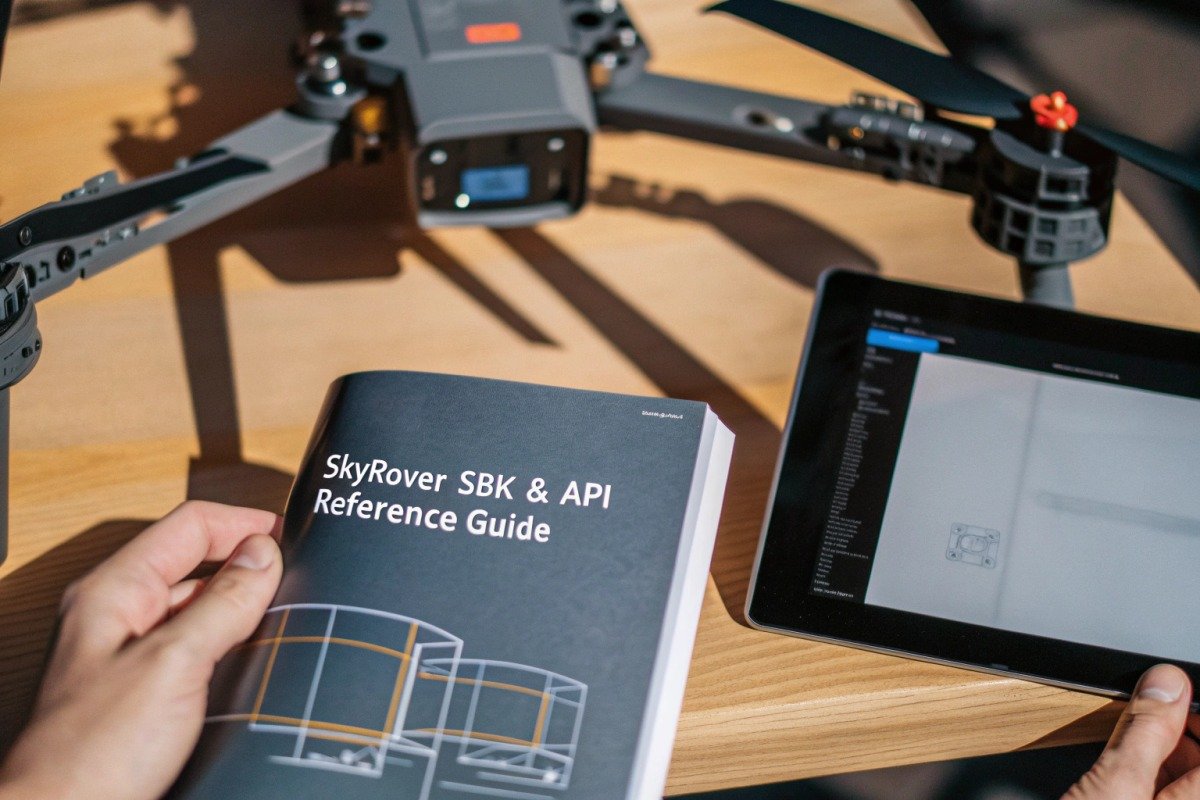
إن دليل مرجع واجهة برمجة التطبيقات 4 يسرد كل نقطة نهاية متاحة. يصف معلمات الطلب وتنسيقات الاستجابة. تتضمن المراجع الجيدة أمثلة تعليمات برمجية بلغات متعددة. تساعد عينات Python و Java و JavaScript مطوريكم على البدء بسرعة.
يتيح الكود المصدري لحزمة تطوير البرامج (SDK) التخصيص العميق. تسمح حزم تطوير البرامج مفتوحة المصدر لفريقك بتعديل الوظائف. لا تزال حزم تطوير البرامج الخاصة مع تطبيقات العينات تقدم قيمة. إنها توضح أنماط التنفيذ الصحيحة.
قائمة التحقق من جودة الوثائق
| نوع المستند | يجب تضمين | الأعلام الحمراء |
|---|---|---|
| مرجع واجهة برمجة التطبيقات | جميع نقاط النهاية والمعلمات والأمثلة | رموز الخطأ المفقودة، لا يوجد إصدار |
| حزمة تطوير البرامج (SDK) | الكود المصدري، قائمة التبعيات، تعليمات البناء | توزيع ثنائي فقط، لا توجد عينات |
| سجل التغييرات | سجل الإصدارات، التغييرات الجذرية، الإيقافات | لا يوجد سجل تحديثات، تواريخ مفقودة |
| دليل التكامل | دروس تعليمية خطوة بخطوة، حالات استخدام | تعليمات عامة، لا توجد أمثلة لحل المشكلات الطارئة |
| بروتوكول الدعم | طرق الاتصال، اتفاقيات مستوى الخدمة لوقت الاستجابة | لا توجد جهات اتصال فنية مخصصة |
تقييم قدرات التطوير المخصصة
غالبًا ما يحتاج الموزعون الكبار إلى ميزات مخصصة. ربما يحتاج عملاؤك إلى تصدير بيانات محدد. ربما تحتاج إلى واجهات تحكم خاصة. يجب على الشركة المصنعة إظهار مرونة التطوير.
يحافظ فريق الهندسة لدينا على عملية تطوير مخصصة. نوثقها بوضوح. يتلقى العملاء جداول زمنية للتطوير، وتعريفات للمراحل الرئيسية، وبروتوكولات اختبار. اطلب وثائق مماثلة من أي مورد.
تحقق من دعم بيئة التطوير. توفر الشركات المصنعة الجيدة حاويات Docker للاختبار المحلي. إنها توفر خوادم مرحلية للتحقق من التكامل. تسرع هذه الموارد مشاريع التطوير المخصصة الخاصة بك.
التحكم في الإصدارات والتحديثات
تتغير إصدارات واجهة برمجة التطبيقات بمرور الوقت. تصل ميزات جديدة. يتم إيقاف نقاط النهاية القديمة. يجب أن تتناول حزمة الوثائق الخاصة بك إدارة الإصدارات 5.
اطلب سجل التغييرات لمدة عامين على الأقل. ابحث عن الأنماط. هل تصدر الشركة المصنعة تغييرات جذرية بشكل متكرر؟ هل توفر أدلة ترحيل؟ تحافظ سياستنا على التوافق مع الإصدارات السابقة لمدة ثمانية عشر شهرًا على الأقل. هذا يمنح الموزعين وقتًا لتحديث عمليات التكامل الخاصة بهم.
كيف يمكنني تقييم ما إذا كانت واجهة API توفر استقرار البيانات في الوقت الحقيقي المطلوب لعمليات مكافحة الحرائق؟
عندما نقوم بمعايرة وحدات التحكم في الطيران لدينا، فإننا نختبر في ظل ظروف قاسية. تدفع بيئات مكافحة الحرائق المعدات إلى أقصى حدودها. تهدد الحرارة والدخان والتداخل اتصالات البيانات.
تقييم استقرار البيانات في الوقت الفعلي عن طريق اختبار زمن الاستجابة في ظل ظروف محاكاة للحريق، والتحقق من مسارات الاتصال المتكررة، والتحقق من قدرات الحوسبة الطرفية للتشغيل دون اتصال، وتأكيد أن واجهة برمجة التطبيقات تحافظ على أوقات استجابة أقل من ثانية للأوامر الهامة أثناء تدهور الشبكة.

متطلبات زمن الاستجابة الحرجة
لا يمكن لطائرات مكافحة الحرائق تحمل التأخير. قد يعني تأخير لمدة ثانيتين في بث الفيديو تفويت جبهة حريق منتشرة. تؤدي تأخيرات الأوامر إلى تعريض المعدات والأفراد للخطر.
حدد متطلبات زمن الاستجابة الخاصة بك بوضوح. يجب أن يحافظ بث الفيديو على تأخير أقل من 200 مللي ثانية. تحتاج استجابات الأوامر إلى تأكيد أقل من 100 مللي ثانية. يجب أن تصل تحديثات القياس عن بعد عشر مرات على الأقل في الثانية.
اطلب نتائج اختبار زمن الاستجابة من الموردين. نجري اختبارات موحدة في منشأتنا. تظهر النتائج الأداء عبر ظروف الشبكة المختلفة. اطلب وثائق مماثلة.
إطار عمل اختبار استقرار البيانات
| سيناريو الاختبار | الأداء المقبول | طريقة الاختبار |
|---|---|---|
| ظروف واضحة | <100 مللي ثانية زمن استجابة الأوامر | محاكاة البيئة الخاضعة للرقابة |
| ازدحام الشبكة | <300 مللي ثانية مع تحديد أولويات الحزم | اختبارات اختناق النطاق الترددي |
| اتصال متقطع | إعادة الاتصال التلقائي في غضون 5 ثوانٍ | محاكاة انقطاع الاتصال |
| بيئة الحرارة العالية | لا يوجد تأثير لتقييد الحرارة | اختبار غرفة درجة الحرارة |
| عمليات متعددة الطائرات بدون طيار | قابلية التوسع الخطي إلى 50+ وحدة | اختبار التحميل باستخدام طائرات بدون طيار افتراضية |
قدرات الحوسبة الطرفية
تفشل اتصالات الشبكة أثناء الحرائق. قد تتضرر أبراج الاتصالات الخلوية. تواجه روابط الأقمار الصناعية تداخلاً. يجب أن تستمر طائراتك بدون طيار في العمل.
الحوسبة الطرفية 6 يحل هذه المشكلة. تحدث المعالجة الحرجة على متن الطائرة بدون طيار. يكتشف الذكاء الاصطناعي المحلي أنماط انتشار الحريق. تستمر الملاحة الذاتية دون مدخلات من المحطة الأرضية.
تتضمن طائراتنا بدون طيار وحدات معالجة طرفية. تتعامل مع التحليل الحراري في الوقت الفعلي محليًا. تخزن بيانات الرحلة أثناء فقدان الاتصال. تتم مزامنتها تلقائيًا عند استعادة الاتصالات.
اسأل الموردين المحتملين عن بنية الحوسبة الطرفية الخاصة بهم. اطلب مواصفات لقوة المعالجة على متن الطائرة. تحقق من سعة تخزين البيانات المحلية. تحدد هذه الميزات موثوقية التشغيل في سيناريوهات الكوارث.
مسارات اتصال زائدة
تؤدي نقاط الفشل الفردية إلى فشل المهمة. تحتاج طائرات مكافحة الحرائق الاحترافية إلى قنوات اتصال احتياطية.
تستخدم الروابط الأساسية عادةً شبكات خلوية. توفر شبكات LTE و 5G نطاقًا تردديًا جيدًا لتدفقات الفيديو. قد تستخدم الروابط الاحتياطية شبكات شبكية بين الطائرات بدون طيار. قد تستخدم روابط الطوارئ اتصالات الأقمار الصناعية.
يجب أن تدعم واجهة برمجة التطبيقات التبديل السلس بين المسارات. لا يجب أن يتعطل برنامجك عندما تغير الطائرة بدون طيار أوضاع الاتصال. اختبر هذا جيدًا قبل النشر.
دمج المستشعرات للموثوقية
تجمع طائرات مكافحة الحرائق الحديثة بين مستشعرات متعددة. تكتشف الكاميرات الحرارية بصمات الحرارة. يرسم LiDAR التضاريس عبر الدخان. يوفر GPS تحديد المواقع. تتتبع مستشعرات IMU الاتجاه.
يجب أن يكشف واجهة برمجة التطبيقات عن جميع بيانات المستشعرات باستمرار. دمج المستشعرات 7 تجمع الخوارزميات المدخلات لتحقيق وعي دقيق بالموقف. قام فريق الهندسة لدينا بتطبيق طبقات التحقق من البيانات. يقومون بالتحقق المتقاطع لقراءات المستشعرات للكشف عن الحالات الشاذة.
اطلب وثائق دمج المستشعرات من الموردين. افهم كيف يتم حل بيانات المستشعرات المتضاربة. هذا مهم عندما تضعف إشارات GPS بالقرب من الهياكل المعدنية أو الغابات الكثيفة.
ما هو مستوى الدعم الفني عن بعد الذي سيقدمه المورد الخاص بي إذا واجهت تحديات في التكامل أثناء التنفيذ؟
يتعامل فريق الدعم لدينا مع مكالمات التكامل من الموزعين في جميع أنحاء العالم. نحن نعلم أن مشاكل النشر نادراً ما تحدث في أوقات مناسبة. يحدد توفر الدعم نجاح النشر.
توقع من الموردين تقديم دعم فني للطوارئ على مدار الساعة طوال أيام الأسبوع، ومهندسي تكامل متخصصين، وضمانات وقت استجابة أقل من أربع ساعات، وقدرات تشخيص عن بعد، وإجراءات تصعيد موثقة. تحقق من هذه الالتزامات كتابيًا قبل الشراء.

تعريفات مستويات الدعم
لا تحمل جميع طلبات الدعم نفس الأولوية. يجب على الموردين تحديد مستويات دعم واضحة. يحمل كل مستوى التزامات استجابة مختلفة.
تؤثر المشكلات الحرجة على عمليات مكافحة الحرائق الحية. تتطلب هذه استجابة فورية. طائراتكم بدون طيار متوقفة أثناء حريق نشط. يجب أن يجيب شخص ما في غضون ثلاثين دقيقة.
تؤثر المشكلات ذات الأولوية العالية على جداول النشر. فشل التكامل الذي يعيق النشر يقع هنا. الاستجابة في غضون أربع ساعات معقولة.
تتضمن المشكلات القياسية أسئلة حول الوثائق أو طلبات الميزات. الاستجابة في يوم العمل التالي تعمل بشكل جيد.
مقارنة مستويات الدعم
| جانب الدعم | الحد الأدنى المقبول | المعيار المفضل |
|---|---|---|
| الاستجابة للطوارئ | 4 ساعات كحد أقصى | استدعاء خلال 30 دقيقة |
| ساعات العمل العادية | ساعات العمل بمنطقتك الزمنية | توفر على مدار الساعة طوال أيام الأسبوع |
| قنوات الاتصال | نظام البريد الإلكتروني والتذاكر | الهاتف، مكالمة الفيديو، مشاركة الشاشة |
| وصول مهندس التكامل | عند الطلب | تعيين جهة اتصال مخصصة |
| التشخيص عن بُعد | مراجعة السجل اليدوي | القدرة على الوصول للنظام المباشر |
| مسار التصعيد | إجراء موثق | جهات اتصال رئيسية مسماة |
قدرات التشخيص عن بُعد
الدعم الحديث يتجاوز المكالمات الهاتفية. يجب أن يوفر المورد الخاص بك أدوات تشخيص عن بعد.
تسمح لوحات معلومات مراقبة واجهة برمجة التطبيقات لمهندسي الدعم برؤية حالة التكامل الخاص بك. تقوم أدوات تجميع السجلات بجمع بيانات الأخطاء تلقائيًا. يمكن لبعض الموردين الوصول إلى بيئة الاختبار الخاصة بك مباشرةً لاستكشاف الأخطاء وإصلاحها.
في شركتنا، نوفر خيارات وصول آمنة عن بعد. بإذن العميل، يتصل مهندسونا بأنظمة التطوير. نقوم بتصحيح المشكلات في الوقت الفعلي. هذا النهج يحل المشكلات بشكل أسرع من تبادل رسائل البريد الإلكتروني.
اتفاقيات مستوى الخدمة
الوعود الشفهية لا تعني شيئًا أثناء حالات الطوارئ. احصل على التزامات الدعم مكتوبة. اتفاقيات مستوى الخدمة 8 تحديد أوقات الاستجابة، ومسارات التصعيد، والعقوبات على حالات الفشل.
راجع مستندات اتفاقية مستوى الخدمة (SLA) بعناية. ابحث عن التزامات زمنية محددة، وليس لغة غامضة. افهم ما تعنيه "الاستجابة". هل تعني الإقرار أم مشاركة المهندس الفعلية؟
يضمن اتفاق مستوى الخدمة القياسي لدينا استجابة لمدة ساعتين للقضايا الحرجة. ويشمل تقارير دعم شهرية. ويحدد التعويض عن خروقات اتفاق مستوى الخدمة. اطلب التزامات مماثلة من مورديك.
بناء علاقات دعم طويلة الأمد
التكامل الأولي هو مجرد البداية. الدعم المستمر مهم طوال دورة حياة المنتج.
اسأل عن دعم تحديثات البرامج. هل سيساعدك المورد في اختبار إصدارات واجهة برمجة التطبيقات الجديدة؟ ماذا يحدث عند وصول تغييرات جذرية؟
ناقش خيارات التدريب. هل يمكن لفريقك الفني تلقي تدريب متقدم على واجهة برمجة التطبيقات؟ تقدم شركتنا ندوات عبر الإنترنت ربع سنوية لفرق هندسة الموزعين. نغطي الميزات الجديدة وأفضل الممارسات.
ضع في اعتبارك توافق المنطقة الزمنية للمورد. توفر الدعم خلال ساعات عملك مهم. قد يواجه المورد الذي يسبقك باثنتي عشرة ساعة صعوبة في تقديم المساعدة في الوقت المناسب.
الخاتمة
التحقق من واجهة برمجة التطبيقات يحمي استثمارك ويضمن نجاح عمليات نشر طائرات مكافحة الحرائق بدون طيار. تحقق من التوافق مع البروتوكولات الموحدة. اطلب وثائق شاملة. اختبر استقرار البيانات في الوقت الفعلي بدقة. احصل على التزامات دعم فني قوية مكتوبة قبل الشراء.
الحواشي
1. يشرح تعريف ومبادئ واجهات برمجة التطبيقات RESTful. ︎
2. يوفر المعيار الرسمي وتعريف بروتوكول MQTT. ︎
3. يحدد معيار MISB ST 0601 لبيانات التعريف للصور المتحركة في أنظمة الطائرات بدون طيار (UAS). ︎
4. يفصل مكونات والغرض من دليل مرجع واجهة برمجة التطبيقات للمطورين. ︎
5. تم استبداله بمقال من Postman، وهو مصدر موثوق للغاية في تطوير واجهات برمجة التطبيقات، والذي يغطي بشكل شامل أفضل الممارسات والاستراتيجيات لإصدار واجهات برمجة التطبيقات. ︎
6. يحدد الحوسبة الطرفية ودورها في معالجة البيانات بالقرب من مصدرها. ︎
7. يشرح مفهوم دمج المستشعرات وفوائده لفهم البيئة. ︎
8. يشرح ما هو اتفاق مستوى الخدمة وطبيعته التعاقدية. ︎
 English
  Español de México
  Deutsch
  Français
  Русский
  العربية
Comments
No comments yet. Be the first to share your thoughts!
Leave a Comment