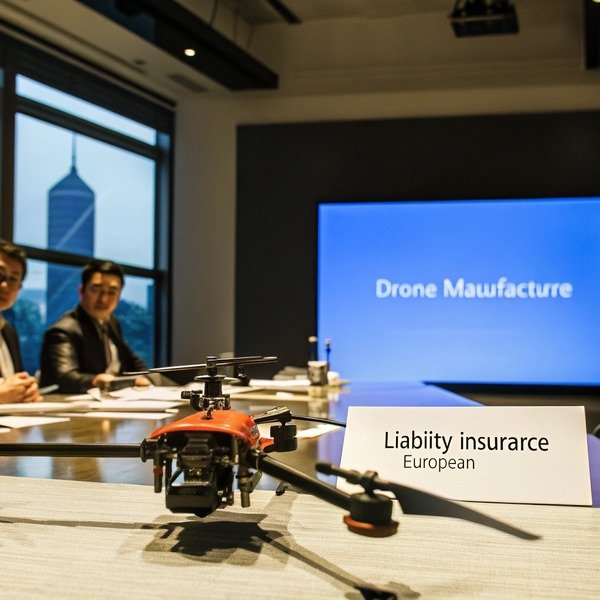
رؤية طائراتنا الرباعية الثقيلة محملة على منصات للعملاء الأوروبيين غالباً ما تجعلني قلقاً بشأن ما يحدث بعد عندما تغادر أرض المصنع وتدخل الخدمة الفعلية.
لبيع طائرات بدون طيار صينية الصنع لمكافحة الحرائق في أوروبا، تحتاج قانونياً إلى تأمين المسؤولية تجاه الغير للطيران متوافق مع اللائحة (EC) 785/2004. بالإضافة إلى ذلك، بصفتك مستورداً، يجب أن تحمل تأمين مسؤولية المنتج الشامل لتغطية المسؤولية الصارمة عن العيوب، بالإضافة إلى المسؤولية السيبرانية للحمولات الثقيلة بالبيانات.
دعنا نفصل بالضبط لماذا تفشل سياسات الأعمال القياسية في حماية عمليات الطائرات بدون طيار عالية المخاطر وما هي التغطية المحددة التي تحتاجها.
هل تأمين المسؤولية العامة كافٍ لعملي التجاري للطائرات بدون طيار الصناعية؟
عندما نختبر خوارزميات الطيران لقمع الحرائق، نعلم أن قواعد السلامة القياسية لا تنطبق؛ وبالمثل، يفشل التأمين القياسي عندما تحلق الآلات الثقيلة.
المسؤولية العامة غير كافية لأنها تحتوي عادةً على استثناءات للطيران. تتطلب عمليات الطائرات بدون طيار التجارية تأمين مسؤولية الطيران المتخصص الذي يغطي على وجه التحديد المخاطر الجوية، وإصابات الطرف الثالث، والأضرار التي تلحق بالممتلكات من الطائرات الساقطة، ويلبي الحد الأدنى من عتبات SDR التي يفرضها قانون الاتحاد الأوروبي.
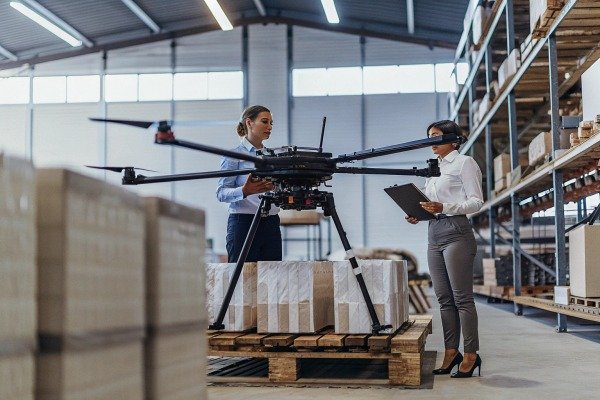
يفترض العديد من شركائنا في البداية أن بوليصة التأمين التجاري العام (CGL) الحالية الخاصة بهم ستغطي مخزونهم من الطائرات بدون طيار وعمليات المبيعات. هذا اعتقاد خاطئ خطير. تحتوي بوالص CGL القياسية تقريباً عالمياً على بند "استثناء الطائرات". هذا البند يبطل فعلياً التغطية لأي إصابة جسدية أو ضرر للممتلكات ينشأ عن ملكية أو صيانة أو استخدام طائرة. في نظر وكالة سلامة الطيران الأوروبية (EASA) وكالة الاتحاد الأوروبي لسلامة الطيران الأوروبية (EASA) 1 والجهات التنظيمية الوطنية، تُصنف طائراتنا بدون طيار لمكافحة الحرائق - بغض النظر عن وزنها - على أنها طائرات.
تفاصيل مسؤولية الطيران
للعمل بشكل قانوني في الاتحاد الأوروبي، يجب عليك تأمين تأمين المسؤولية تجاه الغير للطيران. هذا ليس اختيارياً. إنه إلزامي بموجب اللائحة (EC) رقم 785/2004 اللائحة (EC) رقم 785/2004 2. تضع هذه اللائحة الحد الأدنى لمتطلبات التأمين بناءً على الحد الأقصى لكتلة الإقلاع (MTOM) للطائرة بدون طيار. نظرًا لأن نماذج مكافحة الحرائق لدينا غالبًا ما تحمل حمولات ثقيلة مثل الماء أو مثبطات الحريق، فإنها تقع ضمن فئات وزن أعلى، مما يؤدي إلى فرض حدود تغطية دنيا أعلى مقاسة بحقوق السحب الخاصة (SDRs). حقوق السحب الخاصة (SDRs) 3.
إذا كنت تعرض طائرة بدون طيار على عميل وفشل محرك، مما يتسبب في تحطم الوحدة في سيارة متوقفة أو إصابة شخص عابر، فإن السياسة القياسية ستجعلك تدفع ثمن هذه الأضرار من جيبك الخاص. يغطي تأمين الطيران المتخصص هذه المخاطر المحددة، بما في ذلك:
- إصابة طرف ثالث جسديًا: التكاليف الطبية والتعويضات للأشخاص العابرين الذين أصيبوا بسبب الطائرة بدون طيار.
- ضرر ممتلكات طرف ثالث: تكاليف إصلاح المباني أو المركبات أو البنية التحتية التي تضررت أثناء الرحلة.
- مسؤولية الضوضاء والخصوصية: المطالبات المتعلقة بالإزعاج أو انتهاك الخصوصية، والتي أصبحت شائعة بشكل متزايد في أوروبا.
مقارنة أنواع التغطية
من الضروري فهم الفجوة بين ما لديك وما تحتاجه. يوضح الجدول أدناه سبب كون الترقية إلى تغطية خاصة بالطيران أمرًا غير قابل للتفاوض لاستمرارية عملك.
| الميزة | المسؤولية العامة القياسية (CGL) | مسؤولية الطرف الثالث للطيران |
|---|---|---|
| قابلية التطبيق | عمليات تجارية أرضية | عمليات الطيران والمخاطر الجوية |
| استثناء الطائرات | موجود دائمًا تقريبًا | يغطي الطائرات خصيصًا |
| الامتثال التنظيمي | لا يفي باللائحة الأوروبية 785/2004 | متوافق تمامًا مع تفويضات الاتحاد الأوروبي |
| نطاق التغطية | الانزلاقات والتعثر والسقوط في مكتبك | حوادث التحطم، سقوط الحمولة، والاصطدامات الجوية |
| الأنشطة عالية المخاطر | يستثني الأنشطة الخطرة | يمكن المصادقة على الاستخدام في مكافحة الحرائق/الاستخدام الطارئ |
بالاعتماد فقط على المسؤولية العامة، فإنك تعمل فعليًا بدون شبكة أمان للوظيفة الأساسية للمنتج الذي تبيعه.
ما هو تغطية مسؤولية المنتج المحددة المطلوبة لاستيراد الطائرات بدون طيار إلى الاتحاد الأوروبي؟
نقوم بفحص كل محرك ووحدة تحكم إلكترونية في السرعة (ESC) بدقة قبل الشحن، ولكن القانون الأوروبي يضع عبء السلامة النهائي بالكامل على عاتق المستورد، وليس على عاتقنا.
يُصنف المستوردون على أنهم “مصنعون مفترضون” في الاتحاد الأوروبي، مما يتطلب تأمين مسؤولية المنتج الذي يغطي الإصابات الجسدية والأضرار التي تلحق بالممتلكات الناجمة عن أعطال الأجهزة. توفر هذه التغطية الحماية ضد المطالبات الناشئة عن عيوب التصميم، أو فشل البطارية، أو عيوب التصنيع بموجب معايير المسؤولية الصارمة لتوجيه مسؤولية المنتج في الاتحاد الأوروبي.
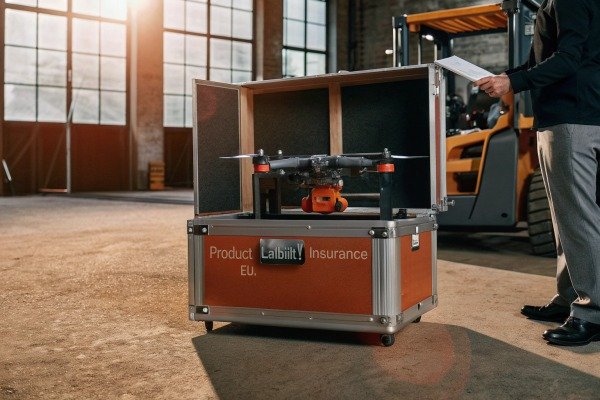
عندما تستورد طائراتنا المسيرة إلى المنطقة الاقتصادية الأوروبية (EEA)، يتغير وضعك القانوني بشكل كبير. لم تعد مجرد موزع؛ بموجب توجيه مسؤولية المنتج في الاتحاد الأوروبي، فإنك توجيه مسؤولية المنتج في الاتحاد الأوروبي 4 "المصنع المفترض". هذا يعني أنه إذا تسبب عيب في الطائرة المسيرة في إصابة أو ضرر، فلن يحتاج الطرف المتضرر إلى مقاضاتنا في الصين. يمكنهم، وسوف، مقاضاتك مباشرة في محكمتهم المحلية.
واقع المسؤولية الصارمة
المسؤولية الصارمة تعني أن المدعي لا يحتاج المسؤولية الصارمة 5 لإثبات أنك كنت مهملاً أو غير حذر. يحتاجون فقط إلى إثبات ثلاثة أشياء:
- كان المنتج معيبًا.
- لقد عانوا من ضرر أو إصابة.
- تسبب العيب في الضرر.
حتى لو نشأ العيب في خط التجميع الخاص بنا - ربما خطأ في اللحام أو مستشعر معيب - فأنت مسؤول. بدون تأمين مسؤولية المنتج المخصص، يمكن أن تؤدي حريق بطارية واحد أو حادث "طيران" ناتج عن خلل في البرامج الثابتة إلى إفلاس شركة توزيع صغيرة إلى متوسطة الحجم.
مجالات التغطية الحرجة لمستوردي الطائرات بدون طيار
يجب تخصيص بوليصة مسؤولية المنتج الخاصة بك للمخاطر المحددة للأجهزة عالية الأداء.
- سلامة البطارية: ليثيوم بطاريات ليثيوم بوليمر (LiPo) 6 بطاريات البوليمر (LiPo) هي سلع خطرة. إذا تعطلت بطارية أثناء الشحن في مستودع العميل وتسببت في حريق، فقد تستبعدها السياسات القياسية ما لم يتم التصديق عليها بشكل خاص.
- البرامج الثابتة والبرامج: تعتمد طائرات مكافحة الحرائق الحديثة بدون طيار بشكل كبير على البرامج. إذا منع خطأ في الترميز الطائرة بدون طيار من العودة إلى المنزل أو تسبب في إسقاط حمولتها قبل الأوان، فهذا يعتبر عيبًا في المنتج.
- الفشل في التحذير: غالبًا ما تنشأ المسؤولية ليس من الجهاز نفسه، بل من التعليمات. إذا فشل الدليل (الذي ربما قمت بترجمته) في التحذير الكافي للمستخدم بشأن حدود التشغيل في درجات الحرارة المرتفعة، فقد تتحمل المسؤولية عن الحادث الناتج.
المسؤولية السيبرانية: الخطر الخفي
طائرات مكافحة الحرائق هي أدوات لجمع البيانات. تنقل صورًا حرارية وبيانات قياس عن بعد صور حرارية 7. إذا تم اختراق هذه الإشارة، أو إذا تم التشويش على الطائرة بدون طيار وتحطمت، فقد تصبح المسؤولية معقدة. نوصي بشدة بإضافة تغطية المسؤولية السيبرانية المسؤولية السيبرانية 8. هذا يحميك إذا ادعى طرف ثالث أن المنتج الذي بعته كان لديه بروتوكولات أمنية ضعيفة أدت إلى خرق للبيانات أو تحطم مادي بسبب القرصنة.
هل ستغطي بوليصة التأمين الخاصة بالشركة المصنعة الصينية الخاصة بي الحوادث التي تحدث في أوروبا؟
تغطي بوليصة التأمين الخاصة بمصنعنا منشآتنا المحلية في شيان بفعالية، ولكنها نادرًا ما تمتد الحماية لتشمل عمليات عملك المحددة عبر الحدود الأوروبية.
لا، عادةً لا تحميك بوليصة التأمين المحلية لشركتك المصنعة في أوروبا. غالبًا ما تستبعد حدود الولاية القضائية المطالبات الأجنبية، وبصفتك المستورد المسجل، فإن المحاكم الأوروبية تعتبرك مسؤولاً بشكل أساسي. يجب عليك تأمين بوالص التأمين المحلية الخاصة بك لتلبية متطلبات الجهات التنظيمية في الاتحاد الأوروبي وحماية أصولك.
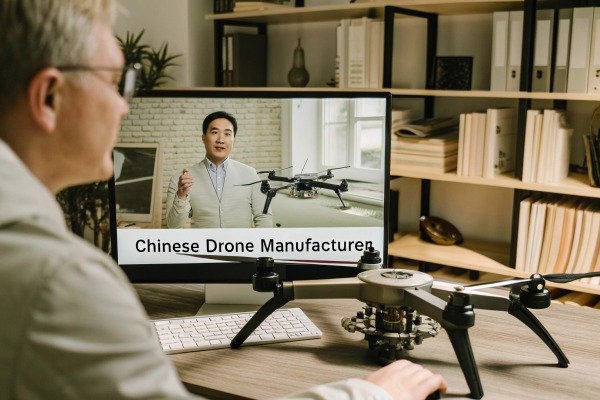
نسمع هذا السؤال كثيرًا من شركائنا الجدد. يأملون أن تعمل بوليصة التأمين الخاصة بشركتنا كمظلة لعملياتهم. للأسف، لا يعمل قانون التأمين الدولي بهذه الطريقة. تتم كتابة بوليصة المسؤولية الخاصة بنا بموجب القانون الصيني وهي مصممة لحماية أصولنا في الصين. تحتوي عادةً على حدود إقليمية تستبعد المطالبات المقدمة في المحاكم الأجنبية، خاصة في المناطق التي تكثر فيها الدعاوى القضائية مثل أوروبا أو أمريكا الشمالية.
فجوة الولاية القضائية
إذا وقع حادث في ألمانيا، فسيتم رفع الدعوى في محكمة ألمانية. قد لا يكون لدى شركة التأمين الصينية واجب الدفاع عن دعوى مرفوعة خارج الصين، وحتى لو كان لديها، فإن عملية إنفاذ هذه التغطية بطيئة وغير موثوقة. تتطلب الجهات التنظيمية والعملاء الأوروبيون إثباتًا للتأمين من شركة معتمدة - وهي شركة تأمين مرخصة لممارسة الأعمال التجارية في بلدهم المحدد. غالبًا ما ترفض سلطات الطيران في الاتحاد الأوروبي شهادة من شركة تأمين صينية لهذا السبب.
مخاطر الحلول
حتى لو كانت لدينا علاقة جيدة، فإن الآلية القانونية تعمل بشكل مستقل. إذا كان لديك تأمين خاص بك وتم دفع مطالبة، فمن المرجح أن تسعى شركة التأمين الخاصة بك إلى "الحلول". هذا يعني أنها ستدفع المطالبة لحمايتك، ولكن بعد ذلك سترفع دعوى قضائية ضدنا (الشركة المصنعة) لاسترداد خسائرها. إذا لم يكن لديك تأمين خاص بك، فأنت خط الدفاع الأول. سيتعين عليك دفع الأضرار ثم محاولة مقاضاتنا دوليًا لاسترداد أموالك - وهي معركة قانونية مكلفة وطويلة.
إضافات البائع
في بعض الحالات النادرة، يطلب الموزعون الكبار إضافتهم كـ "مؤمن عليه إضافي" على بوليصة الشركة المصنعة عبر ملحق المورد. بينما يمكننا ترتيب ذلك أحيانًا، إلا أنه نادرًا ما يكون كافيًا للمنتجات عالية المخاطر مثل طائرات مكافحة الحرائق بدون طيار. غالبًا ما تكون الحدود مشتركة (مما يعني أنه إذا كان لدينا مطالبة في مكان آخر، يتوفر لك مال أقل)، والتغطية مقيدة بشكل صارم بالمنتج نفسه، وليس بإهمالك في التدريب أو الصيانة.
| الجانب التأميني | بوليصة الشركة المصنعة (الصين) | بوليصتك (أوروبا) |
|---|---|---|
| النطاق الإقليمي | غالبًا ما يقتصر على الصين/آسيا | يغطي بلدك المحدد في الاتحاد الأوروبي |
| الاختصاص القضائي | المحاكم الصينية | المحاكم المحلية في الاتحاد الأوروبي |
| الاستجابة للمطالبات | عملية بطيئة ومعقدة عبر الحدود | دفاع قانوني محلي فوري |
| القبول التنظيمي | غالبًا ما ترفضه الوكالة الأوروبية لسلامة الطيران/السلطات المحلية | مقبول لطلبات التصاريح |
| التحكم في البوليصة | يتحكم فيه المصنع | يتحكم فيه أنت (الموزع) |
تصميم هياكل مقاومة للحرارة مكلف، وتأمينها لمناطق الحرائق النشطة مكلف بنفس القدر بسبب المخاطر التشغيلية الشديدة المتضمنة.
مكافحة الحرائق نشاط عالي المخاطر يزيد بشكل كبير من الأقساط ويؤدي إلى استثناءات محددة. تحتاج إلى ملحقات لعمليات “الضوء الأزرق” لتجاوز البنود القياسية التي تبطل التغطية أثناء حالات الطوارئ. سيطلب مقدمو التأمين حدود مسؤولية أعلى، غالبًا ما تتجاوز 5 ملايين يورو، والالتزام الصارم بحالات سلامة التشغيل للفئة المحددة.
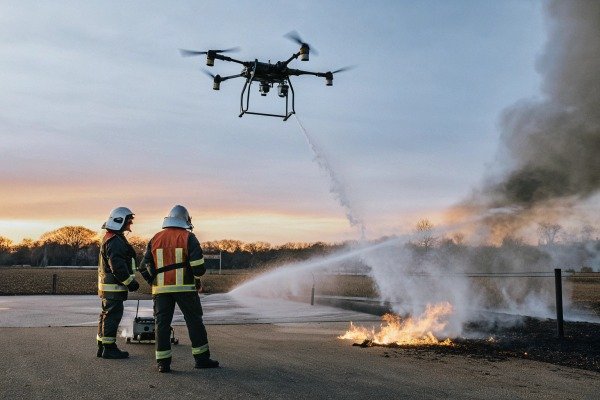
بيع الطائرات بدون طيار لخدمات "الضوء الأزرق" (الشرطة، الإطفاء، الإسعاف) يضع عملك في أعلى فئة مخاطر. يعتبر مقدمو التأمين عمليات مكافحة الحرائق خطيرة بطبيعتها. تطير الطائرات بدون طيار خارج خط البصر المرئي (BVLOS) ما وراء خط الرؤية البصرية (BVLOS) 9, ، وتعمل بالقرب من الحرارة الشديدة والاضطرابات، وغالبًا ما تطير فوق مناطق مأهولة بالسكان أو بنية تحتية قيمة للوصول إلى الحريق.
استثناء "خدمات الطوارئ"
غالبًا ما تحتوي وثائق التأمين الجوية القياسية على بنود تستثني العمليات التي تتم في ظروف الطوارئ. يفضلون مسارات طيران مستقرة وقابلة للتنبؤ. لكي تبيع بفعالية لإدارات الإطفاء، يجب عليك التأكد من أن وثيقتك - والوثيقة التي توصي بها لعملائك - تتضمن ملحق "الضوء الأزرق" أو تغطي عمليات الاستجابة للطوارئ بشكل خاص. بدون ذلك، قد تبطل التغطية في اللحظة التي يتم فيها نشر الطائرة بدون طيار في حريق فعلي.
مسؤولية الأضرار البيئية
هذا خطر محدد لطائرات مكافحة الحرائق بدون طيار. غالبًا ما تحمل وحداتنا مواد كيميائية مثبطة للحريق. إذا تحطمت طائرة بدون طيار وسكبت هذه المواد الكيميائية في مصدر مياه أو محمية طبيعية، يمكن أن تكون تكاليف التنظيف فلكية. تغطي المسؤولية القياسية الإصابات الجسدية والأضرار المادية، ولكنها غالبًا ما تستثني التلوث البيئي. تحتاج إلى مسؤولية الأضرار البيئية (EIL) لتغطية مسؤولية الأضرار البيئية 10 تكاليف المعالجة والغرامات.
التأثير على الأقساط والحدود
نظرًا لأن احتمالية الضرر مرتفعة، فإن أقساط التأمين لشركات طائرات مكافحة الحرائق بدون طيار أعلى بكثير من تلك الخاصة بطائرات التصوير أو الزراعة بدون طيار.
- حدود أعلى: بينما قد يكون الحد الأدنى القانوني حوالي 1 مليون وحدة حقوق سحب خاصة يورو، غالبًا ما تطلب إدارات الإطفاء منك بموجب العقد أن تحتفظ بـ 5 ملايين يورو أو حتى 10 ملايين يورو في تغطية المسؤولية.
- متطلبات التدريب: ستقوم شركات التأمين بمراجعة بروتوكولات التدريب الخاصة بك. إذا كنت تقدم تدريبًا لفرق الإطفاء (وهو ما يفعله العديد من موزعينا)، فأنت بحاجة إلى تأمين المسؤولية المهنية. هذا يحميك إذا ارتكب طيار خطأ أثناء عملية حية وادعى أن ذلك كان بسبب تعليماتك السيئة.
تفصيل عوامل التكلفة
يوضح الجدول أدناه العوامل المحددة التي ستزيد من تكاليف التأمين الخاصة بك عند التعامل مع نماذج مكافحة الحرائق الخاصة بنا.
| عامل المخاطرة | التأثير على قسط التأمين | السبب |
|---|---|---|
| نوع الحمولة | زيادة عالية | تحمل المواد الكيميائية المثبطة لمخاطر التلوث؛ الأحمال الثقيلة تزيد من تأثير الاصطدام. |
| منطقة التشغيل | زيادة عالية | الطيران بالقرب من الحرائق ينطوي على تيارات حرارية غير متوقعة ورؤية منخفضة. |
| الطيران الذاتي | زيادة معتدلة إلى عالية | يقلل السرب المدفوع بالذكاء الاصطناعي من التحكم البشري، مما يعقد المسؤولية. |
| العمليات الليلية | زيادة معتدلة | غالبًا ما تحدث مكافحة الحرائق ليلاً، مما يزيد من خطر خطأ الطيار. |
| قدرات الطيران خارج خط البصر | زيادة كبيرة | يتطلب الطيران خارج خط البصر حالات سلامة صارمة (SORA). |
الخاتمة
يضمن تأمين التغطية المناسبة بقاء عملك على قيد الحياة لفترة طويلة بعد البيع. نحن نبني طائرات بدون طيار قوية لتحمل الحرارة والإجهاد، ولكن التأمين الشامل ضد المسؤولية وحده يمكن أن يبني عملاً مرنًا يتحمل الضغط القانوني.
الحواشي
1. الموقع الرسمي للهيئة التنظيمية المذكورة. ︎
2. النص الرسمي للائحة المحددة المشار إليها. ︎
3. تعريف وحدة العملة المستخدمة لحدود التأمين. ︎
4. صفحة المفوضية الأوروبية الرسمية التي تشرح التوجيه. ︎
5. التعريف القانوني العام لمفهوم المسؤولية. ︎
6. إرشادات السلامة لهذا النوع المحدد من البطاريات. ︎
7. نظرة عامة من الشركة المصنعة على التكنولوجيا الحرارية في مكافحة الحرائق. ︎
8. شرح لهذا النوع المحدد من تغطية التأمين. ︎
9. تعريف الصناعة لوضع تشغيل الطيران هذا. ︎
10. شرح تغطية المسؤولية عن التلوث من قبل وسيط رئيسي. ︎

 English
  Español de México
  Deutsch
  Français
  Русский
  العربية
