
عندما نختبر نماذج أولية جديدة مقابل منصاتنا المثبتة في شيان، غالبًا ما تفاجئ الاختلافات في الموثوقية زوارنا. يمكن أن يؤدي اختيار طائرة بدون طيار خاطئة إلى تعطيل عمليتك بالكامل بشكل غير متوقع، مما يحول أداة حيوية إلى عبء.
يجب على المشترين المبتدئين إعطاء الأولوية للنماذج القياسية الناضجة على الإصدارات الجديدة لضمان الاستقرار التشغيلي والسلامة. توفر المنصات المثبتة سلاسل توريد راسخة، وموثوقية طيران موثقة في الحرارة العالية، وتدريبًا موحدًا، بينما غالبًا ما تحمل النماذج الجديدة مخاطر خفية مثل أخطاء البرامج الثابتة وندرة قطع الغيار.
دعنا نستكشف لماذا غالبًا ما تفوق الموثوقية الحداثة بالنسبة للأسطول الأول.
هل توفر نماذج طائرات الإطفاء بدون طيار الناضجة استقرارًا أفضل لأول عملية شراء لي؟
تُظهر سجلات طيراننا باستمرار أن إصدارات البرامج الثابتة القديمة غالبًا ما تتفوق على الإصدارات التجريبية في الاستقرار. يعد الانهيار أثناء مهمة إطفاء حريق حقيقية كابوسًا لا يمكن لأي قسم تحمله، ونحن نسعى جاهدين لمنع ذلك من خلال الاختبارات الصارمة.
توفر النماذج الناضجة بالتأكيد استقرارًا فائقًا لأنها تراكمت لديها آلاف ساعات الطيران في العالم الحقيقي في ظل ظروف قاسية. على عكس النماذج الأولية الجديدة المستندة إلى بيانات المختبر، فقد حلت النماذج القياسية مشاكل الفشل الحرجة، مما يضمن أداءً ثابتًا في الرياح العاتية والإجهاد الحراري النموذجي لمشاهد الحرائق النشطة.

الاستقرار هو العامل الأكثر أهمية عند العمل بالقرب من حريق. عندما تكون مشتريًا مبتدئًا، قد تغريك الكتيبات اللامعة لنموذج جديد تمامًا يعد بسرعات أعلى أو رشاقة نظرية. ومع ذلك، في مركز الهندسة لدينا، نعلم أن الاستقرار الحقيقي يأتي من التكرار. لقد كان النموذج الناضج في السوق لسنوات. هذا يعني أن المستخدمين قد وجدوا بالفعل الأخطاء، وقام المصنع بإصلاحها.
منحنى حوض الاستحمام للموثوقية
في الهندسة، غالبًا ما نشير إلى "منحنى حوض الاستحمام" لفشل المنتج منحنى حوض الاستحمام 1. تتمتع المنتجات الجديدة بمعدل فشل مرتفع في وقت مبكر بسبب عيوب التصميم التي تم تفويتها في المختبر. تجلس المنتجات الناضجة في أسفل هذا المنحنى، حيث تكون معدلات الفشل هي الأدنى. عندما تشتري نموذجًا تم إصداره حديثًا، فأنت تدفع في الأساس لتكون مختبرًا تجريبيًا. بالنسبة للهواة، يعد الانهيار إزعاجًا. بالنسبة لقائد الإطفاء، فإن طائرة بدون طيار تسقط من السماء قائد الإطفاء 2 قد تؤذي أطقم الأرض أو تنشر الحريق.
النماذج الناضجة لديها وحدات تحكم طيران مضبوطة وحدات التحكم في الطيران 3. تم تحسين البرنامج الذي يحافظ على مستوى الطائرة بدون طيار في الرياح العاتية على مدار آلاف الرحلات. لقد رأينا نماذج جديدة تكافح للحفاظ على قفل GPS بالقرب من الحرائق الكبيرة قفل نظام تحديد المواقع العالمي (GPS) 4 لأن الدخان يتداخل مع المستشعرات. غالبًا ما تحتوي النماذج الناضجة على أنظمة زائدة وخوارزميات محسّنة للتعامل مع هذه التداخلات المحددة.
نضج البرامج الثابتة
استقرار البرنامج لا يقل أهمية عن الأجهزة. غالبًا ما يتم إطلاق الطائرات بدون طيار الجديدة ببرنامج "الإصدار 1.0". غالبًا ما يحتوي هذا البرنامج على أخطاء يمكن أن تتسبب في سلوك الطائرة بدون طيار بشكل غير متوقع. تعمل النماذج الناضجة على "الإصدار 4.0" أو أعلى. الكود نظيف وفعال ويمكن التنبؤ به.
فيما يلي مقارنة لما يمكنك توقعه فيما يتعلق بالاستقرار بين الخيارين:
| الميزة | نموذج قياسي ناضج | نموذج تم إصداره حديثًا |
|---|---|---|
| حالة البرامج الثابتة | مستقر للغاية، تحديثات قليلة مطلوبة | تصحيحات متكررة، أخطاء محتملة |
| مقاومة الرياح | تم اختباره في عواصف حقيقية | تم اختباره نظريًا/في المختبر فقط |
| معايرة المستشعر | محسّن للدخان/الحرارة | قد يؤدي إلى إيجابيات خاطئة |
| معدل الفشل | منخفض (موثق) | غير معروف/خطر مبكر مرتفع |
| سلوك الطيران | يمكن التنبؤ به وسلس | يمكن أن يكون متقطعًا في الحالات الهامشية |
باختيار منصة ناضجة، فإنك تزيل "المتغيرات المجهولة" من تخطيط مهمتك. أنت تعرف بالضبط كيف ستتفاعل الآلة لأن الآلاف من الطيارين الآخرين قد قاموا بالفعل بتشغيلها في مواقف مماثلة.
هل سأواجه صعوبة في الصيانة وقطع الغيار إذا اخترت نموذجًا تم إصداره حديثًا؟
غالبًا ما نرى قوائم انتظار طويلة للمكونات في خطوط إنتاجنا الأحدث خلال فترة زيادة الإنتاج الأولية. انتظار أسابيع لاستبدال مروحة بسيط يجعل استثمارك عديم الفائدة خلال المواسم الحرجة، وهو إحباط نحاول مساعدة العملاء على تجنبه.
من المحتمل أن تواجه تحديات صيانة كبيرة مع الموديلات التي تم إصدارها حديثًا بسبب سلاسل التوريد غير الناضجة. غالبًا ما تكون قطع الغيار للمدخلين الجدد نادرة أو قيد الانتظار، بينما تستفيد الموديلات الناضجة من شبكات الموزعين العالمية التي تخزن المكونات الأساسية مثل المحركات والأذرع والبطاريات للإرسال الفوري.

الصيانة هي الجانب غير اللامع لملكية الطائرات بدون طيار التي يتجاهلها العديد من المشترين المبتدئين. عندما نشحن وحدات إلى الولايات المتحدة أو أوروبا، ننصح دائمًا شركائنا بتخزين المواد الاستهلاكية. ومع ذلك، مع نموذج ناضج، يكون هذا سهلاً. سلسلة التوريد هي آلة جيدة التزييت سلسلة التوريد 5. من المحتمل أن تكون لدى الموزعين في منطقتك المحلية رفوف مليئة بالبطاريات والمراوح ومعدات الهبوط.
لوجستيات الإصلاح
إذا قمت بتحطيم نموذج ناضج، يمكنك غالبًا العثور على ورشة إصلاح محلية تعرف كيفية إصلاحه. المخططات متوفرة على نطاق واسع، والفنيون الخارجيون لديهم خبرة في البنية. إذا قمت بتحطيم نموذج تم إصداره حديثًا، فقد تكون أول شخص في بلدك يكسر هذا الجزء المحدد. قد تضطر إلى شحن الطائرة بدون طيار مرة أخرى إلى المصنع في الصين أو الانتظار أشهر لتصنيع جزء بديل.
الأجزاء الخاصة مقابل الأجزاء القياسية
غالبًا ما تتميز الموديلات الجديدة بموصلات خاصة أو أشكال بطاريات مخصصة غير متوافقة مع أي شيء آخر. يمكن أن يكون هذا الإغلاق خطيرًا. إذا توقف المصنع عن الإنتاج أو واجه تأخيرات في الشحن، فأنت متوقف. غالبًا ما تحتوي الموديلات الناضجة على نظام بيئي من الملحقات الخارجية. يمكنك شراء مراوح من علامات تجارية مختلفة إذا كان مصنع المعدات الأصلية (OEM) غير متوفر.
تكلفة الملكية
سعر الشراء الأولي هو مجرد البداية. تشمل التكلفة الإجمالية للملكية وقت التوقف عن العمل التكلفة الإجمالية للملكية 6. إذا ظل طائرتك بدون طيار على الرف لمدة ستة أسابيع في انتظار محرك، فهذه ستة أسابيع من القيمة المفقودة. النماذج الناضجة تقلل من وقت التوقف هذا.
يوضح الجدول أدناه الجدول الزمني النموذجي لتوافر قطع الغيار:
| نوع قطعة الغيار | توافر النموذج الناضج | توافر النموذج الجديد |
|---|---|---|
| المراوح | فوري (مخزون محلي) | 2-4 أسابيع (استيراد) |
| البطاريات | فوري (بائعون متعددون) | محدود (المصنع فقط) |
| المحركات/الأذرع | أقل من أسبوع | 4-8 أسابيع |
| أدلة الإصلاح | متاح للجمهور | للاستخدام الداخلي فقط |
| مهارة الفني | عالٍ (معرفة شائعة) | منخفض (منحنى التعلم) |
بالنسبة للمشتري المبتدئ، فإن القدرة على العودة إلى الجو بسرعة بعد حادث بسيط لا تقدر بثمن. لا تريد أن يتعطل منحنى التعلم الخاص بك بسبب لوجستيات سلسلة التوريد.
هل تبرر الميزات المتقدمة للنماذج الجديدة المخاطر التشغيلية لعملي؟
يحب فريق البحث والتطوير لدينا إضافة أجهزة استشعار متطورة، لكننا نعلم أيضًا أن الأنظمة المعقدة تفشل بشكل متكرر أكثر من الأنظمة البسيطة. يمكن للميزات غير المثبتة أن تشتت الطيارين عن المهمة الأساسية المتمثلة في إنقاذ الأرواح والممتلكات، مما يخلق مخاطر غير ضرورية.
نادرًا ما تبرر الميزات المتقدمة المخاطر التشغيلية للمشترين المبتدئين، حيث غالبًا ما تقدم هذه الابتكارات تعقيدًا للنظام ونقاط فشل محتملة. في حين أن القدرات مثل الإشعال الذاتي مثيرة للإعجاب، فإن الموثوقية الأساسية والتصوير الحراري التي توفرها النماذج القياسية كافية لـ 90% من مهام مكافحة الحرائق دون مسؤولية التكنولوجيا غير المثبتة.
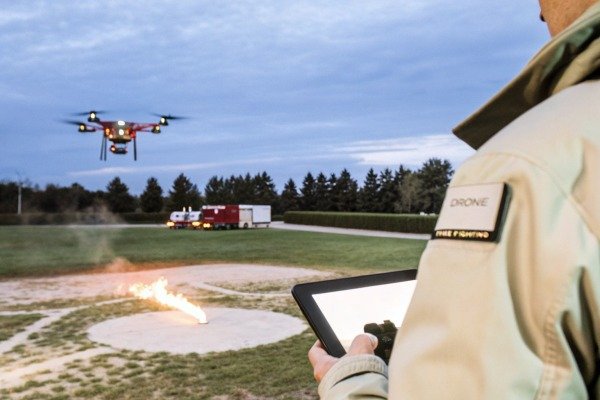
من السهل الإثارة بشأن أحدث التقنيات. نرى هذا في المعارض التجارية طوال الوقت. تعد الطائرات بدون طيار الجديدة بقدرات أسراب مدفوعة بالذكاء الاصطناعي، أو إسقاط المواد الكيميائية بشكل مستقل، أو تجنب العقبات التي تعمل تجنب العوائق 7 بسرعات تفوق سرعة الصوت. في حين أن هذه الميزات هي إنجازات هندسية رائعة، إلا أنها غالبًا ما تأتي مع مقايضة: الموثوقية.
فخ التعقيد
كلما زاد عدد الأكواد وأجهزة الاستشعار التي تضيفها إلى طائرة بدون طيار، زادت الأشياء التي يمكن أن تسوء. قد يحتوي النموذج الناضج "فقط" على كاميرا حرارية عالية الدقة ونظام تحديد المواقع العالمي (GPS) أساسي. لكن هذه الميزات تعمل طوال الوقت. قد يحتوي النموذج الجديد على نظام رؤية ذكي معقد. إذا ارتبك هذا النظام بسبب وهج الحرارة من حريق، فقد يمنع الطائرة بدون طيار من الطيران إلى حيث تحتاج إلى الذهاب. نسمي هذا "زحف الميزات"، ويمكن أن يكون خطيرًا في حالات الطوارئ.
ميزات متخصصة مقابل أساسية
اسأل نفسك ما تحتاجه حقًا. تتضمن معظم مهام مكافحة الحرائق ثلاثة أشياء:
- الوعي بالموقف: رؤية الحريق من الأعلى.
- الكشف الحراري: العثور على النقاط الساخنة أو الأشخاص عبر الدخان.
- لوجستيات بسيطة: ربما إسقاط سترة نجاة أو حمولة صغيرة.
تتفوق النماذج الناضجة في هذه المهام الأساسية. غالبًا ما تركز النماذج الجديدة على القدرات المتخصصة، مثل حمل قنابل إخماد ثقيلة أو الطيران في أسراب. هذه مهام متخصصة. إذا كنت مبتدئًا، فأنت لست مستعدًا لإدارة سرب طائرات بدون طيار. تحتاج إلى إتقان الأساسيات أولاً.
إدارة المخاطر
استخدام نموذج جديد يقدم "مخاطر تكنولوجية"." مخاطر تكنولوجية 8 إذا فشلت الطائرة بدون طيار، فسيتعين عليك شرح سبب اختيارك لوحدة تجريبية بدلاً من المعيار الصناعي. المسؤولية هي مصدر قلق كبير لمديري المشتريات في الغرب مديري المشتريات 9. الالتزام بمنصة مثبتة يوفر طبقة من الحماية. لقد مارست العناية الواجبة باختيار معدات ذات سجل أمان.
مقارنة الميزات
إليك تفصيل للميزات الشائعة "المبالغ فيها" مقابل ما هو عملي فعليًا للمبتدئين:
| فئة الميزة | نموذج جديد "مبالغ فيه" | واقع النموذج الناضج | ضرورة المبتدئين |
|---|---|---|---|
| تجنب العقبات | رؤية رادار ذكاء اصطناعي بزاوية 360 درجة | أمامي/أسفل قياسي | معتدل – القياسي عادة ما يكون كافياً. |
| وقت الرحلة | محركات هجينة (3+ ساعات) | بطارية (45-55 دقيقة) | منخفضة – تبديل البطاريات أكثر أمانًا/سهولة. |
| حمولات | قنابل ثقيلة/رغوة | كاميرات/إسقاط خفيف | منخفضة – ابدأ بالملاحظة. |
| التحكم | أسراب ذاتية التحكم | يدوي + مساعدة GPS | لا يوجد – المهارة اليدوية ضرورية. |
| رابط البيانات | بث 5G/سحابي | راديو مشفر | عالية – الراديو أكثر موثوقية. |
لا تدع حيل التسويق تقوض سلامة مهمتك. الأداة البسيطة التي تعمل دائمًا أفضل من الأداة المعقدة التي تتعطل.
كيف أحدد ما إذا كان النموذج القياسي كافيًا لاحتياجات مكافحة الحرائق الخاصة بي؟
أثناء الاستشارات، نقوم بتحليل ملف تعريف مهمة العميل المحدد بعناية قبل التوصية بتكوين وحدة. يدرك معظم المشترين أن متطلباتهم الفعلية تقع ضمن حدود التكنولوجيا الحالية، مما يجعل الحلول المخصصة غير ضرورية.
يمكنك تحديد الكفاية عن طريق مراجعة متطلبات مهمتك الأساسية مقابل المواصفات المعتمدة للنماذج القياسية. إذا كانت عملياتك تتضمن بشكل أساسي استطلاعًا حراريًا، أو وعيًا بالموقف، أو توصيل حمولات خفيفة في غضون 45 دقيقة، فإن المنصة الناضجة توفر التوازن المثالي بين الأداء والسلامة المثبتة.

يتطلب تحديد ما إذا كان النموذج القياسي "جيدًا بما يكفي" نظرة متأنية على عملياتك اليومية الفعلية. يبالغ العديد من المشترين في تقدير ما يحتاجونه. يتخيلون أنهم بحاجة إلى طائرة بدون طيار يمكنها الطيران لمدة ساعتين وحمل 50 رطلاً. في الواقع، تستمر معظم الرحلات لمدة 20 دقيقة وتحمل كاميرا.
مراجعة ملف تعريف مهمتك
ابدأ بكتابة السيناريوهات التي تتوقع مواجهتها.
- استطلاع حرائق الغابات: تحتاج إلى وقت طيران ومدى. يمكن لطراز ناضج مثل طائرة رباعية الدفع ثقيلة الرفع أن تطير لمدة 45-50 دقيقة. هل هذا كافٍ؟ عادةً، نعم. يمكنك الهبوط، وتبديل البطاريات في دقيقتين، والإقلاع مرة أخرى.
- حرائق المباني: تحتاج إلى دقة حرارية لرؤية النقاط الساخنة على الأسطح. تحمل الطرازات الناضجة كاميرات حرارية متطورة (دقة 640 × 512). هذا هو المعيار الصناعي. لن يمنحك طراز أحدث بالضرورة بيانات حرارية أفضل ما لم تنفق ثروة.
- البحث والإنقاذ: تحتاج إلى كاميرات تقريب. غالبًا ما تحتوي الطرازات الناضجة على تقريب بصري 30x أو أكثر. هذا يسمح لك برصد شخص من مسافة آمنة.
مقاومة البيئة (تصنيف IP)
مكافحة الحرائق رطبة وقذرة. تحتاج إلى طائرة بدون طيار بتصنيف حماية من الدخول (IP) تصنيف الحماية من الدخول (IP) 10. عادةً ما تأتي الطائرات الصناعية الناضجة بتصنيفات IP43 أو IP45 أو IP55. هذا يعني أنها يمكن أن تتعامل مع المطر والغبار. تحقق من المواصفات. إذا كان الطراز القياسي يتعامل مع المطر، فلن تحتاج إلى طائرة متخصصة جديدة باهظة الثمن ما لم تخطط للطيران داخل مبنى مشتعل (وهو أمر نادر).
تكامل البيانات
ضع في اعتبارك كيف تتواصل الطائرة بدون طيار مع فريقك. تحتوي الطرازات الناضجة على مخرجات فيديو قياسية (HDMI) وتتكامل مع برامج رسم الخرائط القياسية. قد تحاول الطرازات الجديدة إجبارك على نظام سحابي خاص. إذا كان مركز قيادة الحرائق الخاص بك يستخدم شاشات وأجهزة راديو قياسية، فستتصل طائرة بدون طيار ناضجة مباشرة.
قائمة "كافٍ"
استخدم هذه القائمة لمعرفة ما إذا كان الطراز الناضج يناسب احتياجاتك:
- وقت الطيران: هل أحتاج حقًا إلى أكثر من 45 دقيقة متواصلة؟ (تذكر أن تبديل البطاريات سريع).
- المدى: هل أحتاج إلى الطيران خارج خط البصر المرئي (BVLOS)؟ (معظم المبتدئين مقيدون قانونيًا بخط البصر على أي حال).
- الحرارة: هل سأطير في بالنار أو فوق بها؟ (الطائرات بدون طيار القياسية تتعامل مع الاقتراب من الحرائق بشكل جيد؛ فقط الطائرات بدون طيار الخزفية المتخصصة يمكنها الذهاب في الداخل).
- الميزانية: هل يمكنني تحمل شراء اثنتين طائرتين بدون طيار ناضجتين بسعر طائرة جديدة؟ (التكرار أفضل من طائرة واحدة فائقة).
إذا كانت إجاباتك تتوافق مع القدرات القياسية، فلا يوجد سبب للمخاطرة بطراز جديد. الطرازات القياسية هي "قياسية" لسبب وجيه - فهي تلبي احتياجات 95% من المستخدمين بشكل مثالي.
الخاتمة
بالنسبة للمشتري المبتدئ، لا ينبغي أبدًا أن تطغى جاذبية التكنولوجيا الجديدة على ضرورة الموثوقية. توفر الطرازات القياسية الناضجة شبكة أمان من الأداء المثبت، وقطع الغيار المتاحة، والسلوك المتوقع الذي لا تستطيع الطرازات الجديدة مطابقته ببساطة. بمجرد أن تكتسب فريقك الخبرة ويتوسع أسطولك، يمكنك استكشاف الابتكارات المتخصصة، ولكن بالنسبة لعملية الشراء الأولى، يجب أن تأتي السلامة والاستقرار دائمًا في المقام الأول.
الحواشي
1. يشرح مفهوم هندسة الموثوقية فيما يتعلق بمعدلات الفشل العالية في بداية دورة حياة المنتج. ︎
2. وكالة حكومية رسمية في الولايات المتحدة تقدم موارد القيادة والتدريب لقادة خدمات الإطفاء. ︎
3. برنامج قيادة مفتوح المصدر للتحكم في الطيران يستخدم كمعيار في العديد من منصات الطائرات بدون طيار الصناعية. ︎
4. معلومات حكومية رسمية حول دقة نظام تحديد المواقع العالمي (GPS) وعوامل تداخل الإشارة. ︎
5. جمعية مهنية مكرسة لتقدم وتوحيد إدارة سلسلة التوريد. ︎
6. يحدد التقدير المالي الذي يساعد المشترين على فهم التكاليف المباشرة وغير المباشرة مثل وقت التوقف عن العمل. ︎
7. شركة رائدة في تصنيع الطائرات بدون طيار متخصصة في أنظمة تجنب العوائق الذاتية المتقدمة. ︎
8. مورد أكاديمي يناقش استراتيجيات إدارة مخاطر الأعمال والتكنولوجيا. ︎
9. الوكالة الأمريكية التي تضع المعايير والسياسات للمشتريات الحكومية وإدارة الممتلكات. ︎
10. تحدد اللجنة الكهروتقنية الدولية المعايير العالمية لتصنيفات حماية العلب. ︎

 English
  Español de México
  Deutsch
  Français
  Русский
  العربية
