
عند تكوين وحدات التحكم في الطيران للطلبات العاجلة وحدات التحكم في الطيران 1, ، نعلم أن الشحن المتأخر يعني تفويت مواسم الحرائق. لا يمكنك تحمل طائرات بدون طيار فارغة عندما تندلع حرائق الغابات، ومع ذلك فإن العقود الغامضة غالبًا ما تترك المشترين بدون تعويض أو معدات بديلة.
قم بصياغة بندك عن طريق تحديد معدل يومي محدد بناءً على الخسائر المقدرة، وتحديد الحد الأقصى للمبلغ الإجمالي بين 10% و 15%، وتسميته صراحةً كتعويضات تعويضية بدلاً من عقوبة لضمان قابليته للتنفيذ في المحاكم الدولية.
دعنا نفحص المكونات المحددة المطلوبة لجعل هذا البند فعالاً وعادلاً.
ما هي النسبة المئوية اليومية المعقولة التي يجب أن أفرضها على شحنات الطائرات بدون طيار المتأخرة؟
غالبًا ما نرى المشترين يطالبون بمعدلات باهظة تعيق المفاوضات قبل بدء الإنتاج القوة القاهرة 2. الرسوم المرتفعة لا تسرع خطوط التجميع لدينا، ولكن الشروط العادلة تضمن المساءلة عندما تكون نوافذ النشر الحرجة معرضة للخطر.
يتراوح المعدل اليومي المعقول عادةً من 0.1% إلى 0.5% من إجمالي قيمة العقد. يجب أن تعكس هذه النسبة المئوية خسائرك اليومية المقدرة الفعلية، مثل تكاليف استئجار المعدات أو وقت التوقف التشغيلي، بدلاً من أن تكون بمثابة إجراء عقابي ضد المورد.
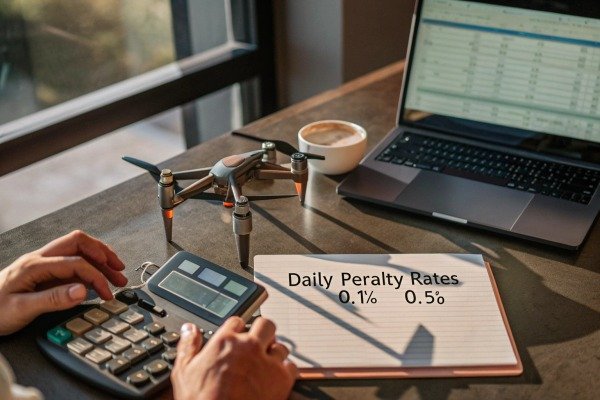
تحديد النسبة المئوية اليومية الصحيحة هو علم أكثر منه تفاوض. في منشأة الإنتاج لدينا، نرى عقودًا تفشل لأن معدل العقوبة يتم اختياره بشكل عشوائي. إذا قمت بتعيين معدل 5% في اليوم، فمن المؤكد تقريبًا أن المحكمة ستعتبر ذلك عقوبة بدلاً من تقدير حقيقي للخسارة، مما يجعل البند بأكمله باطلاً. على العكس من ذلك، فإن المعدل المنخفض جدًا لا يوفر أي حافز للمورد لإعطاء الأولوية لطلبك على الطلبات الأخرى.
حساب الخسائر اليومية الفعلية
لتبرير معدلك، يجب عليك حساب ما تكلفه التأخير فعليًا لمؤسستك. بالنسبة لطائرة بدون طيار رباعية كبيرة مصممة لمكافحة الحرائق، فإن الخسارة ليست مجرد قيمة الأجهزة. إنها تكلفة الفجوة في قدرتك التشغيلية.
يجب أن تبني حسابك على العوامل التالية:
- تكاليف الإيجار: كم يكلف استئجار طائرة بدون طيار حرارية بديلة أو طائرة هليكوبتر طائرة بدون طيار حرارية 3 للمراقبة الجوية؟
- وقت توقف الطاقم: هل تدفع للطيارين المدربين الذين يجلسون بلا عمل لأن المعدات لم تصل؟
- استبدال العمالة اليدوية: بدون الطائرة بدون طيار لنشر مثبطات الحريق أو تقييم النقاط الساخنة، كم عدد ساعات إضافية لطاقم الأرض المطلوبة للقيام بنفس العمل؟
هيكل التسعير المتدرج
غالبًا ما يكون السعر الثابت غير كافٍ لمعدات مكافحة الحرائق لأن تأثير التأخير يتغير حسب الموسم. التأخير في الشتاء مزعج؛ التأخير خلال موسم حرائق الغابات الذروة كارثي موسم حرائق الغابات 4. نوصي باستخدام هيكل متدرج أو "مضاعف الموسمية"."
على سبيل المثال، قد تفرض سعرًا قياسيًا للتأخيرات التي تحدث في غير موسمها. ومع ذلك، إذا دفع التأخير التسليم إلى موسم الحرائق النشط لديك، يزداد السعر ليعكس الارتفاع الأسي في المخاطر وتكاليف الاستبدال. هذا النهج قابل للدفاع عنه بشدة في المحكمة لأنه يرتبط مباشرة بشدة الضرر الذي تعاني منه.
مقارنة نماذج التسعير
فيما يلي مقارنة لهياكل التسعير المختلفة التي نصادفها في عقود تصدير الطائرات بدون طيار ذات القيمة العالية.
| هيكل التسعير | المعدل اليومي المعتاد | الإيجابيات | السلبيات |
|---|---|---|---|
| سعر ثابت | 0.11% – 0.25% | سهل الحساب؛ سهل التفاوض. | قد لا يغطي الخسائر خلال موسم الحرائق الذروة. |
| معدل متصاعد | 0.11% (الأيام 1-14) 0.51% (اليوم 15+) |
يشجع المورد على إصلاح التأخيرات القصيرة بسرعة. | يمكن أن يصبح عقابيًا إذا كان التصعيد شديدًا جدًا. |
| معدل موسمي | 0.11% (خارج الذروة) 1.01% (موسم الحرائق) |
يعكس بدقة المخاطر التشغيلية؛ قابل للتنفيذ بدرجة عالية. | يتطلب تعريفات واضحة لتواريخ "موسم الحرائق". |
تحديد "القيمة التشغيلية" كميًا"
عندما نبيع طائرة رباعية كبيرة، فإننا نبيع قدرة - إسقاط مثبط أو تحديد النقاط الساخنة الحرارية. إذا كان المعدل اليومي لا يغطي تكلفة صيانة هذه القدرة بوسائل أخرى، فإن شرط الأضرار السائلة يفشل في تحقيق غرضه الأساسي. يجب أن ينص عقدك صراحة على أساس الحساب. على سبيل المثال: "يمثل المعدل اليومي لـ $X تكلفة تقديرية لاستئجار دعم جوي مكافئ." يمنع هذا التوثيق المورد من الادعاء بأن الرقم تم استخراجه من العدم.
كيف يجب أن أحدد الحد الأقصى للتعويضات المحددة الإجمالية؟
يقوم فريق تقييم المخاطر لدينا بتمييز العقود غير المحدودة على الفور، لأنها تعرضنا لمسؤولية غير محدودة. بدون حد واضح، يمكن أن يؤدي خلل واحد في سلسلة التوريد إلى إفلاس المشروع، مما يدفعنا إلى الانسحاب بدلاً من التوقيع.
يجب عليك تعيين الحد الأقصى بين 10% و 15% من إجمالي سعر العقد. هذا النطاق قياسي في التجارة الدولية، ويوفر ما يكفي من النفوذ لضمان التسليم في الوقت المناسب مع الحفاظ على المخاطر قابلة للإدارة بما يكفي للمصنعين ذوي الجودة العالية لقبول العرض.

الحد الأقصى الإجمالي هو صمام الأمان للعقد. بينما قد ترغب في استرداد كل سنت من الخسارة المحتملة، فإن شرط المسؤولية غير المحدود هو صفقة لا يمكن إتمامها للمصنعين ذوي السمعة الطيبة. نستثمر بكثافة في البحث والتطوير ومراقبة الجودة، ولكن لا يمكننا قبول ملف مخاطر حيث يمكن أن يؤدي تأخير شحنة المحركات من مورد فرعي إلى أضرار تتجاوز قيمة الطائرة بدون طيار نفسها.
وظيفة الحد الأقصى
يخدم الحد الأقصى غرضين رئيسيين. أولاً، يحدد الحد الأقصى للتعرض للمورد، مما يسمح لنا بتسعير العقد بدقة. إذا كانت المخاطر غير محدودة، فيجب علينا إضافة "علاوة مخاطر" كبيرة إلى سعر الوحدة لتغطية الكوارث المحتملة. يقلل الحد المعقول من سعر الشراء الخاص بك. ثانيًا، يمنع المحكمة أو المحكم من اعتبار العقد غير معقول.
الحدود القياسية للصناعة
في قطاع الطائرات بدون طيار الصناعية، وخاصة للمعدات المتخصصة مثل الطائرات الرباعية لمكافحة الحرائق، يقع الحد القياسي بثبات بين 10% و 15%.
- أقل من 5%: غالبًا ما يُنظر إلى العقوبة على أنها مجرد "تكلفة ممارسة الأعمال التجارية". قد يعطي المورد الأولوية لطلب أكثر ربحية أو إلحاحًا، مع العلم أن العقوبة لا تذكر.
- أكثر من 20%: هذا نادر وعادة ما يتم قبوله فقط إذا كانت هوامش الربح مرتفعة بشكل استثنائي. بالنسبة لعقود الأجهزة التنافسية، من المرجح أن يؤدي حد مرتفع بهذا الشكل إلى "عدم تقديم عطاء" أو سعر مرتفع بشكل كبير.
سيناريوهات الحد الأقصى والتأثير المالي
لفهم كيف يؤثر الحد الأقصى على استردادك وتسعيرنا، ضع في اعتبارك عقدًا لأسطول من الطائرات بدون طيار بقيمة $500,000.
| نسبة الحد الأقصى | الحد الأقصى للمبلغ القابل للاسترداد | مستوى مخاطر المورد | التأثير المحتمل على سعر الوحدة |
|---|---|---|---|
| 5% | $25,000 | منخفضة | محايد (تسعير قياسي) |
| 10% | $50,000 | معتدل | زيادة طفيفة (1-2%) |
| 15% | $75,000 | عالية | زيادة معتدلة (3-5%) |
| غير محدود | غير محدود | متطرف | تسعير +20% أو رفض العرض |
تسليمات جزئية وحدود نسبية
تنشأ نقطة ارتباك شائعة عندما يتم تسليم طلب جزئيًا. إذا طلبت عشر طائرات بدون طيار وسلمنا ثمانية في الوقت المحدد، فهل يجب تطبيق العقوبة على العقد بأكمله أم على الوحدتين المفقودتين فقط؟
بالنسبة لعمليات مكافحة الحرائق، يعتمد هذا على "قابلية الاستخدام". إذا كانت الطائرات بدون طيار المفقودة ضرورية لعمل الأسطول (على سبيل المثال، فهي تحمل أجهزة الاستشعار الحرارية المحددة اللازمة لعمل الطائرات الثمانية الأخرى بفعالية)، فإن النظام غير مكتمل. ومع ذلك، إذا كان يمكن نشر الطائرات بدون طيار الثمانية بشكل مستقل، فيجب تطبيق الحد والسعر اليومي بشكل نسبي على قيمة البضائع غير المسلمة. يجب أن يحدد عقدك ما إذا كان الحد ينطبق على "إجمالي قيمة العقد" أو "قيمة الجزء غير المسلم"."
ما هي معالم التسليم المحددة التي يجب أن تؤدي إلى تفعيل بند العقوبة في عقدي؟
لقد قمنا بشحن صناديق بقيت مغلقة لأسابيع لأن التدريب لم يتم تحديده أو لم يتم دمج البرامج. طائرة بدون طيار في صندوق لا تكافح الحرائق؛ فقط نظام تم نشره بالكامل ينقذ الأرواح ويحمي استثمارك.
قم بتفعيل بند العقوبة بناءً على الإكمال الناجح لاختبارات قبول الموقع (SAT) وتدريب الطيارين، بدلاً من مجرد التخليص الجمركي. هذا يضمن أن المعدات تعمل بكامل طاقتها ومتوافقة مع متطلبات مهمتك قبل أن يبدأ الوقت في العد.
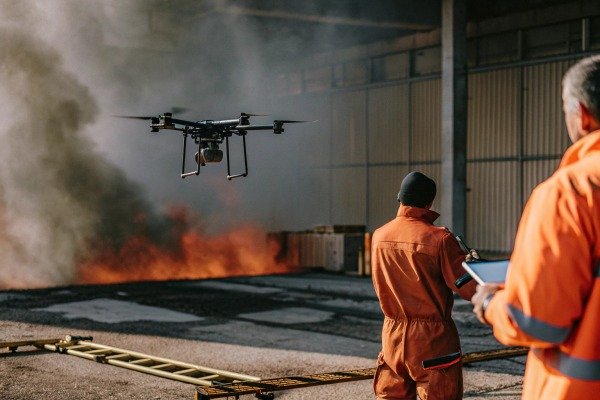
في عالم الطائرات الصناعية المتخصصة بدون طيار، يعد مصطلح "التسليم" مصطلحًا غامضًا. إذا قمنا بشحن هيكل طائرة بدون طيار رباعي كبير ولكن وحدة التحكم المخصصة لكرات مثبطات الحريق الخاصة بك قيد الطلب، فهل قمنا بالتسليم؟ من الناحية الفنية، الطائرة بدون طيار موجودة. من الناحية التشغيلية، إنها مجرد قطعة ورق.
تعريف "التسليم التشغيلي"
لحماية مصالحكم، يجب عليكم نقل نقطة التسليم من "تسليم الإنكوترمز" (مثل DDP أو FOB) تسليم الإنكوترمز 5 إلى "التسليم التشغيلي". نوصي بتحديد نقطة التحفيز على أنها التنفيذ الناجح لاختبار قبول الموقع (SAT) اختبار قبول الموقع (SAT) 6.
يتحقق اختبار قبول الموقع (SAT) من:
- أن الطائرة بدون طيار تطير بثبات مع حمولة كاملة.
- أن رابط البيانات ينقل الفيديو إلى محطة التحكم الأرضية الخاصة بكم دون تأخير.
- أن آليات مكافحة الحرائق المحددة (مثل مشغلات إطلاق المواد) تعمل كما هو مقصود.
إذا وصلت الطائرة بدون طيار ولكنها فشلت في اختبار قبول الموقع (SAT)، فيجب أن تستمر ساعة التعويضات المحددة في العمل. هذا يجبرنا، الشركة المصنعة، على ضمان جودة مثالية قبل مغادرة الوحدة لمصنعنا في شيان.
نهج "النظام التشغيلي الكلي"
طائرات مكافحة الحرائق بدون طيار هي أنظمة من الأنظمة. مشكلة شائعة نراها هي عدم التوافق بين الأجهزة والبرامج. إذا وصلت الأجهزة في الوقت المحدد، ولكن برنامج التحكم في الطيران يفتقر إلى ميزة "السرب" المحددة التي طلبتموها، فلا يمكن للطائرة بدون طيار أداء مهمتها.
يجب أن تحدد فقرتكم التسليم على أنه استلام:
- الأجهزة: هيكل الطائرة، البطاريات، وحدة التحكم.
- الحمولة: الكاميرات الحرارية، خزانات المواد المثبطة.
- البرامج: البرنامج الثابت مرخص بالكامل ومحدث ومفتوح.
- المعرفة: إكمال شهادة "تدريب المدربين" أو الشهادة التجريبية.
المعالم الحاسمة للأضرار
يوضح الجدول التالي كيفية هيكلة المعالم الخاصة بك لتجنب الغموض بشأن متى تبدأ العقوبات وتتوقف.
| مرحلة المعلم | تعريف الإنجاز | هل يتوقف عداد التأخير؟ |
|---|---|---|
| الوصول الفعلي | البضائع تتجاوز الجمارك وتصل إلى مستودع المشتري. | لا. لم يتم التحقق من المعدات بعد. |
| الفحص المادي | يؤكد المشتري عدم وجود تلف في الشحن والكمية الصحيحة. | لا. لم يتم اختبار الوظائف. |
| اختبار قبول الموقع (SAT) | عرض توضيحي مباشر للطيران يثبت الامتثال الفني. | نعم (مؤقتًا). تم التحقق من الأجهزة. |
| إتمام التدريب | فريق المشتري معتمد لتشغيل النظام. | نعم (بالكامل). النظام قيد التشغيل. |
أحكام تقادم التكنولوجيا
بالنظر إلى الوتيرة السريعة لتكنولوجيا الطائرات بدون طيار تكنولوجيا الطائرات بدون طيار 7, ، يمكن أن يعني التأخير الطويل أن التكنولوجيا التي طلبتها قديمة بحلول الوقت الذي تصل فيه. يجب أن تتضمن فقرة قوية شرطًا بأنه إذا تأخر التسليم بأكثر من 6 أشهر، فيجب على المورد ترقية المكونات (مثل خلايا البطارية أو المستشعرات) إلى الجيل الحالي دون أي تكلفة إضافية. هذا يضمن عدم معاقبتك مرتين - مرة بسبب التأخير، ومرة أخرى بسبب استلام معدات قديمة.
كيف أتأكد من أن بند التعويضات المحددة الخاص بي قابل للتنفيذ في التجارة الدولية؟
لقد رأينا عقودًا محكمة تفشل في المحكمة لأن كلمة واحدة كانت خاطئة أو تم تفسير النية بشكل خاطئ. يتطلب التنقل في القوانين بين الصين والولايات المتحدة لغة دقيقة، وليس تهديدات عدوانية أو مطالب عاطفية.
تأكد من قابلية التنفيذ من خلال التصريح صراحةً بأن المبلغ هو "تقدير مسبق حقيقي للخسارة" وليس عقوبة. يجب عليك أيضًا تضمين استثناءات للقوة القاهرة والسماح بالخصم من الفواتير المعلقة لتأمين الاسترداد دون دعاوى قضائية مكلفة.

أكبر خطأ يرتكبه المشترون هو استخدام كلمة "عقوبة". في العديد من الأنظمة القانونية، بما في ذلك القانون العام الإنجليزي القانون العام الإنجليزي 8 وقانون العقود الأمريكي، فإن بنود العقوبة غير قابلة للتنفيذ. ستقوم المحكمة بإلغائها، تاركة لك إثبات الأضرار الفعلية من الصفر - وهي عملية صعبة ومكلفة.
معيار "التقدير المسبق الحقيقي"
لجعل فقرتك حصينة، يجب أن ينص النص صراحةً على أن المبلغ المتفق عليه تعويضي. أنت لا تعاقبنا على التأخير؛ أنت تسترد التكاليف التي وافقت على أنها ستحدث على الأرجح.
يجب أن يتضمن عقدك تمهيدًا مشابهًا لهذا:
"يقر الطرفان بأن الأضرار الناجمة عن التأخير في التسليم يصعب تحديدها وقت التعاقد، وأن المبالغ المنصوص عليها هنا تمثل تقديرًا معقولًا وحقيقيًا للخسائر المتوقعة للمشتري، ولا يُقصد بها كعقوبة."
تشير هذه اللغة إلى قاضٍ أو محكّم بأن الطرفين تفاوضا على ذلك بحسن نية.
الاستثناءات: صمام "القوة القاهرة"
لا يمكن لأي مصنع التحكم في الطقس أو الأوبئة العالمية. إذا حاولت فرض تعويضات عن التأخيرات الناجمة عن زلزال أو حظر تصدير فرضته الحكومة حظر تصدير 9, ، فقد يتم الطعن في البند بأكمله باعتباره غير معقول.
يجب عليك تضمين "التأخيرات المعذورة" الواضحة:
- القوة القاهرة: أعمال الطبيعة، الحرب، الأوبئة.
- تأخيرات المشتري: إذا فشلت في تقديم تراخيص الاستيراد اللازمة أو تصاريح الطيران في الوقت المحدد، فلا يمكن تحميلنا المسؤولية عن تأخير الشحن الناتج.
- التعديلات المخصصة: إذا طلبت تغييرًا في التصميم في منتصف الإنتاج، فيجب إعادة ضبط ساعة التسليم أو إيقافها مؤقتًا.
تأمين الدفع: حق الخصم
الفوز بحجة قانونية لا فائدة منه إذا لم تتمكن من تحصيل الأموال. إذا كنا في الصين وأنت في الولايات المتحدة، فإن مقاضاتنا بمبلغ 20 ألف دولار كتعويضات محددة مسبقًا ليست فعالة من حيث التكلفة.
الأداة الأكثر قوة للتنفيذ هي حق المقاصة. يجب أن يسمح عقدك صراحةً بخصم الأضرار السائلة المتراكمة تلقائيًا من الفواتير المعلقة أو مرحلة الدفع النهائية.
- الآلية: إذا كان الدفع النهائي مستحقًا عند التسليم، وكنا متأخرين 20 يومًا (مما يؤدي إلى تراكم أضرار بقيمة 5000 دولار أمريكي)، فإنك ببساطة ترسل لنا الرصيد المتبقي مطروحًا منه 5000 دولار أمريكي.
- النتيجة: هذا يضع العبء على المورد للاعتراض على الخصم، بدلاً من تحميل المشتري مسؤولية المطالبة باسترداد الأموال.
الاختصاص القضائي وتسوية المنازعات
نظرًا لأننا نصدر من الصين، فإن القانون الحاكم أمر بالغ الأهمية. بينما نتفق غالبًا على التحكيم في مواقع محايدة (مثل هونغ كونغ أو سنغافورة)، فإن قابلية إنفاذ بند الأضرار تعتمد على القانون المختار. بموجب قانون العقود الصيني، فإن الأضرار السائلة قابلة للتنفيذ قانون العقود الصيني 10 ولكن يمكن تعديلها من قبل المحكمة إذا كانت "أعلى بكثير" من الخسائر الفعلية. لهذا السبب فإن وجود تقديرات موثقة لتكاليف الإيجار ووقت التوقف عن العمل (كما نوقش في القسم الأول) أمر حيوي - فهو يثبت أن المبلغ ليس أعلى بكثير من الخسارة، مما يحافظ على مطالبتك.
الخاتمة
يتطلب صياغة بند الأضرار السائلة لطائرات بدون طيار لمكافحة الحرائق الموازنة بين الحاجة الملحة والواقع التجاري. من خلال تحديد معدل يومي بناءً على خسائر تشغيلية قابلة للإثبات (0.1٪ - 0.5٪)، وتحديد الحد الأقصى للمسؤولية الإجمالية عند 10٪ - 15٪ قياسي، وتحديد التسليم من خلال مراحل تشغيلية مثل اختبار القبول النهائي (SAT)، فإنك تحمي استثمارك دون تنفير المصنعين ذوي الجودة العالية. تذكر أن الهدف ليس معاقبة المورد الخاص بك، بل ضمان أنه عندما يرن الإنذار، يكون لدى فريقك المعدات التي يحتاجونها للاستجابة للنداء.
الحواشي
1. الوثائق الفنية لأجهزة التحكم القياسية في طيران الطائرات بدون طيار. ︎
2. التعريف القانوني لبند العقد. ︎
3. نظرة عامة من الشركة المصنعة على التكنولوجيا الحرارية في تطبيقات مكافحة الحرائق. ︎
4. الإحصاءات الرسمية الحكومية التي تحدد مواسم الحرائق. ︎
5. التعريف الرسمي لشروط التجارة الدولية التجارية. ︎
6. التعريف الفني لإجراءات اختبار القبول في الهندسة. ︎
7. منشور صناعي يغطي التطورات في الأنظمة غير المأهولة. ︎
8. خلفية عامة عن النظام القانوني المذكور. ︎
9. اللوائح الحكومية المتعلقة بضوابط التصدير والقيود. ︎
10. تحليل قانوني لقوانين العقود الخاصة بالولاية القضائية المحددة. ︎

 English
  Español de México
  Deutsch
  Français
  Русский
  العربية
