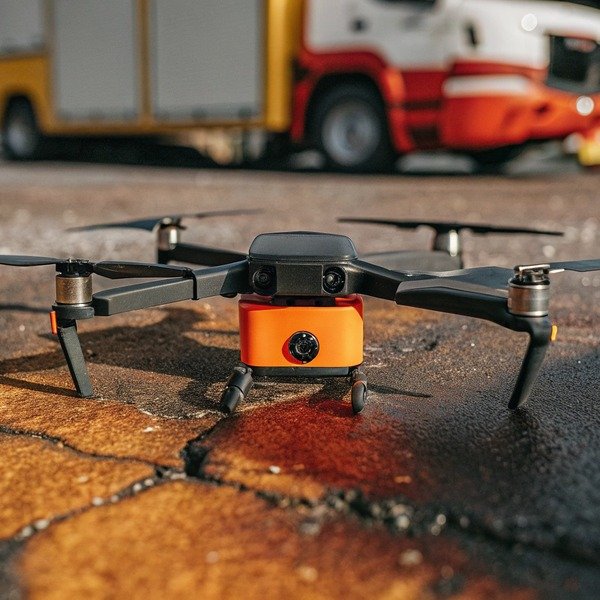
في سنوات تحليلنا لبيانات الحوادث من مواقع الحرائق بيانات الحوادث 1, ، رأينا الكثير من المهام المكلفة تفشل ببساطة لأن أقدام الهبوط انكسرت عند الهبوط. لا يمكنك تحمل خسارة حمولة قيمة بسبب ضعف هيكلي.
لضمان الموثوقية، اطلب من الموردين التركيبة المادية المحددة، مثل سبائك الألومنيوم 7075 أو ألياف الكربون، واطلب تقارير اختبار الأحمال الديناميكية التي تظهر مقاومة للصدمات تصل إلى 2.5 ضعف وزن الطائرة بدون طيار. بالإضافة إلى ذلك، تحقق مما إذا كان التصميم يتضمن مخمدات لامتصاص الصدمات وثباتًا مثبتًا على التضاريس غير المستوية.
إليك بالضبط كيف يمكنك فحص الموردين لضمان أن معدات الهبوط الخاصة بهم تلبي المتطلبات الصارمة لعمليات مكافحة الحرائق عمليات مكافحة الحرائق 2.
ما هي المواد المحددة التي يجب أن أبحث عنها لضمان أن معدات الهبوط يمكنها التعامل مع الحمولات الثقيلة؟
عندما نقوم بتوريد المواد الخام لخط التجميع الخاص بنا، فإننا نرفض على الفور البلاستيك القياسي لأنه يصبح هشًا تحت الحرارة الشديدة والإجهاد في مناطق الحرائق. المواد الرخيصة هي السبب الرئيسي لفشل الأجهزة في الميدان.
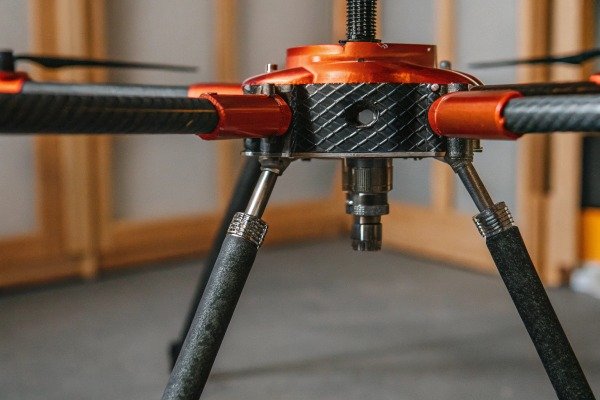
يجب أن تبحث عن معدات هبوط مصنوعة من سبائك الألومنيوم 7075 بدرجة الطيران لتحقيق أقصى قدر من الصلابة الهيكلية أو ألياف الكربون عالية المعامل لتحقيق نسبة قوة إلى وزن مثالية. هذه المواد تقاوم التشوه تحت الحمولات الثقيلة التي تبلغ 100 كجم أو أكثر وتحافظ على سلامتها حتى عند تعرضها لدرجات الحرارة المحيطة العالية لموقع الحريق.
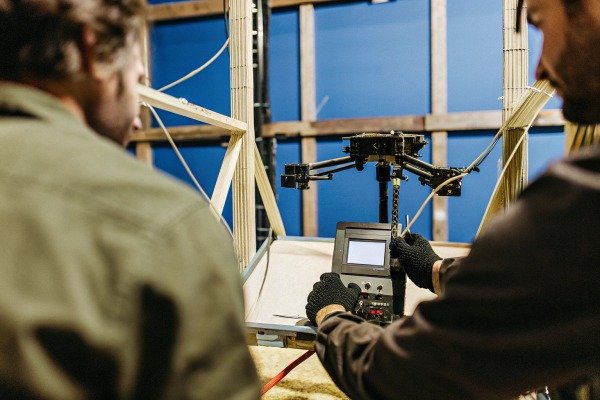
عند التواصل مع مورد، لا تقبل بالمصطلحات العامة مثل "معدن" أو "مركب". غالبًا ما يكمن الفرق بين النجاح والفشل في السبائك المحددة أو درجة الألياف المستخدمة. في منشأة الهندسة الخاصة بنا، وجدنا أن المواد القياسية للاستخدام الاستهلاكي تتشوه ببساطة عندما تهبط طائرة بدون طيار تحمل قنبلة إطفاء حريق ثقيلة على الأسفلت الساخن.
تحتاج إلى طلب الدرجة المحددة للمادة. بالنسبة للألومنيوم، المعيار الصناعي للأجزاء عالية الإجهاد في الطيران هو سلسلة 7000 على وجه التحديد 7075 3, ، على وجه التحديد 7075. تحتوي هذه السبائك على الزنك وهي أقوى بكثير من الألومنيوم 6061 الأكثر شيوعًا والأرخص والذي غالبًا ما يستخدم في الطائرات بدون طيار للهواة. بالنسبة لألياف الكربون، اسأل عن النسيج والسمك. الأنبوب البسيط ليس كافيًا؛ فهو يحتاج إلى مفاصل مقواة، غالبًا ما تكون مصنوعة من مركبات النايلون أو الألومنيوم المصقول بتقنية CNC، لمنع التشقق عند نقاط الاتصال.
قائمة تدقيق خصائص المواد
تعمل طائرات بدون طيار لمكافحة الحرائق في بيئات من شأنها تدمير المعدات القياسية. معدات الهبوط هي الفاصل الوحيد بين حمولة المستشعر باهظة الثمن لديك والأرض. إذا أصبح المادة لينة بسبب الحرارة أو انكسرت بسبب هشاشة البرد، فإن مثبت الكاميرا هو عادةً أول مكون يتعطل.
استخدم الجدول أدناه لمقارنة الإجابات التي تتلقاها من الموردين مع أفضل الممارسات الصناعية:
| نوع المادة | تصنيف القوة | مقاومة الحرارة | تأثير الوزن | الاستخدام الموصى به |
|---|---|---|---|---|
| 7075 ألومنيوم 7075 | عالية جداً | ممتاز (>400 درجة فهرنهايت) | متوسط | طائرات بدون طيار ثقيلة الرفع (>50 كجم حمولة) |
| ألياف الكربون | عالية | جيد (يعتمد على الراتنج) | منخفضة جداً | طائرات استطلاع سريعة أو نماذج طويلة التحمل |
| نايلون (معبأ بالزجاج) | متوسط | متوسط | منخفضة | موصلات مشتركة وحوامل صدمات |
| بلاستيك قياسي (ABS) | منخفضة | ضعيف (يذوب/يتشوه) | منخفضة | تجنب لعمليات مكافحة الحرائق |
| 6061 ألومنيوم 6061 | متوسط | جيد | متوسط | مقبول لوحدات التدريب، وليس للرفع الثقيل |
أهمية مقاومة الانحراف الحراري
جانب آخر حاسم لمناقشته مع المورد الخاص بك هو درجة حرارة الانحراف الحراري درجة حرارة الانحراف الحراري 4 (HDT) لمعدات الهبوط. غالبًا ما تهبط طائرات بدون طيار لمكافحة الحرائق على أسطح تم تسخينها بواسطة اللهب القريب. إذا كانت أقدام معدات الهبوط مصنوعة من مطاط أو بلاستيك منخفض الجودة، فيمكن أن تذوب أو تلتصق بالأرض. نوصي دائمًا بالسؤال عما إذا كانت "الأقدام" أو وسادات الانزلاق مصنوعة من السيليكون المقاوم للحرارة أو النايلون عالي الحرارة لضمان قدرة الطائرة بدون طيار على الإقلاع مرة أخرى بعد هبوط قصير في منطقة ساخنة.
ما هي اختبارات مقاومة الصدمات التي يجب أن أطلبها للتحقق من متانة هيكل معدات الهبوط؟
يقوم فريق مراقبة الجودة لدينا بإسقاط النماذج الأولية بشكل متكرر من ارتفاعات مختلفة لأن البيانات الهندسية النظرية غالبًا ما تفشل في حساب الواقع الفوضوي للهبوط الاضطراري. المورد الذي لا يختبر ماديًا هو مجرد تخمين، وليس هندسة.
اطلب دليلًا محددًا على اختبارات السقوط التي تم إجراؤها من ارتفاع متر واحد على الأقل بينما تكون الطائرة بدون طيار محملة بالكامل إلى أقصى وزن إقلاع لها. اطلب أيضًا تقارير دورات الإجهاد التي تثبت قدرة المعدات على تحمل آلاف صدمات الهبوط والاهتزازات دون حدوث كسور إجهاد.
طلب بيانات الاختبار هو الطريقة الأكثر فعالية لاستبعاد الموردين ذوي الخبرة القليلة. سيكون لدى الشركة المصنعة ذات السمعة الطيبة هذه التقارير في متناول اليد. تريد رؤية متانة "في العالم الحقيقي"، وليس مجرد محاكاة حاسوبية (نماذج FEA). في حين أن المحاكاة مفيدة للتصميم، فإن اختبار التدمير المادي اختبار دورة الإجهاد 5 يؤكد الموثوقية.
بروتوكول "اختبار السقوط"
عندما نقوم بالتحقق من صحة نموذج جديد لطائرة إطفاء حرائق، نجري اختبار سقوط قياسي. نقوم بتحميل الطائرة بدون طيار إلى أقصى وزن إقلاع لها (MTOW) الحد الأقصى لوزن الإقلاع 6, ، والذي يشمل البطاريات والكاميرا الحرارية والحمولة (مثل كرة إطفاء الحريق أو خزان سائل). ثم نسقطها بحرية من ارتفاع 1 إلى 3 أمتار على سطح خرساني صلب.
يجب أن تسأل المورد:
- "ما هو ارتفاع السقوط؟" (يجب أن يكون >1 متر).
- "هل كانت الطائرة بدون طيار بوزن كامل؟" (الاختبارات الفارغة لا معنى لها).
- "هل تشوهت المعدات بشكل دائم؟" (الانحناء المرن جيد؛ الانحناء الدائم هو فشل).
تحليل الإجهاد والاهتزاز
التأثير ليس العدو الوحيد؛ الاهتزاز قاتل صامت. غالبًا ما تحتوي طائرات مكافحة الحرائق بدون طيار على محركات قوية تولد اهتزازات عالية التردد اهتزازات عالية التردد 7. بمرور الوقت، يؤدي هذا إلى ارتخاء البراغي وحدوث تشققات دقيقة في المعادن وألياف الكربون.
اسأل المورد عما إذا كانوا يقومون بإجراء اختبار دورة الإجهاد. يتضمن ذلك آلة تضغط وتطلق معدات الهبوط بشكل متكرر آلاف المرات لمحاكاة سنوات من الهبوط. إذا لم يتمكنوا من تقديم هذه البيانات، فاسأل عما إذا كانوا يستخدمون سوائل قفل الخيوط (مثل Loctite) وصواميل قفل على جميع أجهزة معدات الهبوط. في تجربتنا، غالبًا ما تكون الوصلات المسمرة أكثر متانة من الوصلات الملولبة لمعدات الهبوط الثابتة لأنها لا يمكن أن تهتز وتنفصل.
فحص الإجهاد البيئي
أخيرًا، استفسر عن الاختبارات البيئية. تواجه طائرات مكافحة الحرائق بدون طيار الماء من الخراطيم، ومثبطات المواد الكيميائية، وجزيئات الدخان.
- مقاومة التآكل: اسأل عما إذا كانت الأجزاء المصنوعة من الألومنيوم مؤكسدة. يؤدي الأكسدة إلى إنشاء طبقة واقية صلبة تقاوم التآكل الناتج عن الماء والمواد الكيميائية.
- إغلاق المفاصل: اسأل عما إذا كانت المفاصل التي تلتقي فيها ألياف الكربون بالمعادن مغلقة. يمكن أن يتجمد تسرب الماء على ارتفاعات عالية أو يسبب تآكلًا داخليًا بمرور الوقت.
كيف أحدد ما إذا كان تصميم معدات الهبوط يوفر امتصاصًا كافيًا للصدمات للهبوط على تضاريس وعرة؟
الأرض غير المستوية هي القاعدة في حرائق الغابات، وقد تعلمنا من عمليات النشر الميدانية المبكرة أن معدات الهبوط الصلبة غالبًا ما تتسبب في انقلاب الطائرات بدون طيار عند التلامس. الاستقرار لا يقل أهمية عن القوة.
حدد ذلك عن طريق فحص المعدات بحثًا عن مخمدات هيدروليكية أو أنظمة زنبركية قوية مدمجة في الدعامات الرأسية. يجب عليك أيضًا التحقق من أن زلاجات الهبوط لها قاعدة عريضة ومركز ثقل منخفض لمنع الانقلاب عند الهبوط على المنحدرات أو الحصى أو الحطام.
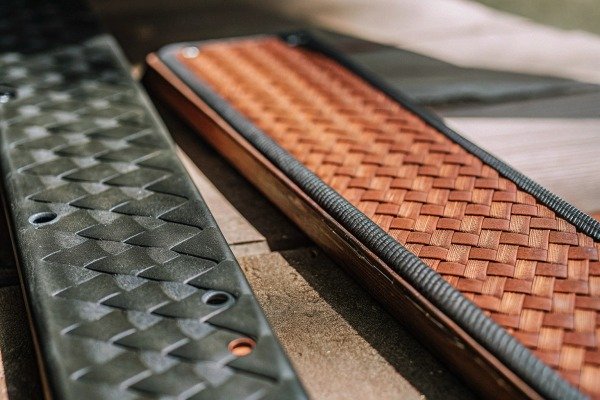
في البيئة المعقمة لأرضية المصنع، يمكن لأي طائرة بدون طيار أن تهبط بسلاسة. ومع ذلك، في سيناريو حريق الغابات أو حطام ما بعد الكارثة، لا تكون الأرض مسطحة أبدًا. إنها مغطاة بالصخور وأغصان الأشجار وخطوط الخراطيم. إذا كانت معدات الهبوط صلبة تمامًا، فإن صدمة الاصطدام بصخرة بساق واحدة تنتقل فورًا إلى هيكل الطائرة بدون طيار، مما يربك جيروسكوب وحدة التحكم في الطيران (IMU). يمكن أن يتسبب هذا في انقلاب الطائرة بدون طيار - وهو فشل كارثي الانقلاب الديناميكي 8 يُعرف باسم "الانقلاب الديناميكي"."
امتصاص الصدمات النشط مقابل السلبي
يجب عليك فحص الآلية المستخدمة لامتصاص الصدمات.
- معدات صلبة: الخيار الأرخص. يعتمد بالكامل على مرونة المادة (مثل انحناء ساق بلاستيكية). هذا عادة ما يكون غير كافٍ لطائرات مكافحة الحرائق الثقيلة.
- نظام تعليق زنبركي سلبي: زنبرك معدني داخل الساق ينضغط عند الاصطدام. هذا أفضل، ولكن بدون تخميد، يمكن أن يتسبب في "ارتداد" الطائرة بدون طيار للأعلى، مما يؤدي إلى عدم الاستقرار.
- تخميد هيدروليكي/هوائي: المعيار الذهبي. على غرار ممتص الصدمات في السيارة، يستخدم السائل أو الهواء لقمع طاقة الاصطدام. ينضغط ولكنه لا يرتد فورًا.
اسأل موردك: "هل تتميز معدات الهبوط بتخميد ارتدادي؟" تمنع هذه الميزة تأثير "عصا القفز" الخطير أثناء الهبوط القوي.
هندسة الاستقرار: الزلاجات مقابل الأرجل
لتطبيقات مكافحة الحرائق، تعتبر هندسة المعدات أمرًا بالغ الأهمية.
- أربع أرجل مستقلة: جيدة للتضاريس غير المستوية إذا كانت كل ساق بها نظام تعليق، ولكنها تنطوي على مخاطر أعلى للانقلاب إذا غرقت ساق واحدة في الطين الناعم أو الرماد.
- الزلاجات (على طراز المروحيات): قضيبان أفقيان طويلان. هذه أفضل بشكل عام لمكافحة الحرائق لأنها توزع الوزن على مساحة سطح أكبر. هذا يمنع الطائرة بدون طيار من الغرق في الأرض الناعمة أو الطين أو طبقات الرماد العميقة.
تحليل الخلوص الأرضي
لا تنس أن تسأل عما يحدث بين معدات الهبوط. غالبًا ما تحمل طائرات مكافحة الحرائق بدون طيار حمولات ضخمة تحت بطنها حمولات ضخمة 9.
- خلوص الارتفاع: تأكد من وجود خلوص لا يقل عن 15-20 سم بعد نظام التعليق مضغوط بالكامل. لا تريد أن تتحطم كاميرتك الحرارية باهظة الثمن على صخرة لأن نظام التعليق كان ناعمًا جدًا.
- خلوص العرض: يجب أن تكون معدات الهبوط أوسع من الحمولة لحمايتها إذا هبطت الطائرة بدون طيار بزاوية.
ما هي الأسئلة التي يجب أن أطرحها حول أقصى قدرة على تحمل الأحمال أثناء عمليات الهبوط الطارئة؟
عمليات الهبوط الطارئة تمارس قوى تسارع هائلة تتجاوز بكثير الوزن الثابت للطائرة بدون طيار، وتظهر سجلات رحلاتنا أن هذه الارتفاعات في القوة هي المكان الذي تحدث فيه الأعطال الهيكلية عادةً. الشراء بناءً على الوزن الثابت وحده خطير.
اطلب تصنيف الحمل الديناميكي على وجه التحديد، مع التأكد من أن المعدات يمكنها تحمل 2.5 إلى 3 أضعاف الحد الأقصى لوزن الإقلاع (MTOW) لحساب التباطؤ السريع. تأكد من أن هذه الحسابات تشمل القصور الذاتي للحمولات المرفقة، مثل خزانات السوائل المتحركة أو آليات الإسقاط، والتي تضيف ضغطًا أثناء الاصطدام.
غالبًا ما يرتكب مديرو المشتريات خطأ طرح السؤال: "هل يمكن لهذه المعدات دعم طائرة بدون طيار تزن 50 كجم؟" يجيب المورد "نعم" لأنه يمكنه حمل 50 كجم أثناء الثبات (حمل ثابت). ومع ذلك، عندما تهبط طائرة بدون طيار بسرعة في حالة طوارئ - ربما بسبب انخفاض البطارية أو هبوب رياح قادمة - فقد تصطدم بالأرض بسرعة 3 أمتار في الثانية. يمكن لقوة هذا الاصطدام أن تضاعف وزن الطائرة بدون طيار مؤقتًا.
حسابات هوامش الأمان
تحتاج إلى التصرف كمهندس عند طرح هذه الأسئلة عامل الأمان 10. أنت تبحث عن عامل الأمان.
- الحمل الثابت: وزن الطائرة بدون طيار في حالة الراحة (1G).
- الحمل ديناميكي: القوة المبذولة أثناء الاصطدام (غالبًا 2G إلى 3G).
إذا كان وزن طائرة مكافحة الحرائق الخاصة بك يبلغ 20 كجم عند التحميل الكامل، فيجب اختبار معدات الهبوط لتحمل قوة لا تقل عن 50 كجم إلى 60 كجم دون أن تنكسر. إذا اختبر المورد المعدات بـ 20 كجم فقط، فستنهار المعدات أثناء هبوط قوي.
القصور الذاتي للحمولة وتحولات الإجهاد
تقدم حمولات مكافحة الحرائق تحديات فريدة. السوائل (مثل الماء أو مثبطات الحريق) تتطاير، وآليات الإسقاط (مثل كرات النار) تغير توزيع الوزن على الفور.
- أحمال التموج: إذا كنت تحمل سائلًا، فإن زخم السائل يستمر في الاتجاه السفلي حتى بعد ملامسة المعدات للأرض. هذا "الاصطدام الثانوي" يمكن أن يكسر معدات الهبوط التي لم يتم تصميمها له.
- الإجهاد الجانبي: الرياح القوية في مناطق الحرائق تعني أن الطائرات بدون طيار نادرًا ما تهبط عموديًا تمامًا. غالبًا ما تأتي بشكل جانبي. اسأل المورد عن تصنيفات الحمل الجانبي. هل يمكن للمعدات البقاء على قيد الحياة عند السحب الجانبي إذا هبطت الطائرة بدون طيار أثناء الانجراف؟
جدول مرجع الحمل الديناميكي
استخدم هذا الجدول لتقييم ما إذا كانت المواصفات المذكورة من قبل المورد آمنة لعملياتك المحددة.
| السيناريو التشغيلي | عامل الأمان المطلوب | ما أهمية ذلك |
|---|---|---|
| التدريب القياسي | 1.5x MTOW | هبوط متحكم فيه على أسطح مستوية وهادئة. |
| عمليات الرياح العالية | 2.0x MTOW | يتسبب الاضطراب في هبوط أصعب وغير متساوٍ. |
| هبوط طارئ | 2.5x MTOW | تزيد سرعات الهبوط السريعة من طاقة الاصطدام بشكل كبير. |
| حمولة سائلة | 3.0x MTOW | تضيف ديناميكيات السوائل ارتفاعات إجهاد غير متوقعة. |
| تضاريس غير مستوية | 3.0x MTOW | قد تتحمل ساق واحدة 100% من الحمل مبدئيًا. |
من خلال الإصرار على هذه التصنيفات الديناميكية، فإنك تستبعد الموردين الذين يعدلون إطارات الهواة للاستخدام الصناعي. أنت تضمن أن المعدات التي تشتريها مصممة خصيصًا للواقع القاسي لمكافحة الحرائق.
الخاتمة
معدات الهبوط هي أساس عملياتك الجوية؛ إذا فشلت، تنتهي المهمة. من خلال المطالبة بدرجات مواد محددة مثل الألومنيوم 7075، وطلب إثبات اختبارات التحميل الديناميكي حتى 3x MTOW، والتحقق من قدرات امتصاص الصدمات، فإنك تضمن عودة أسطولك بأمان في كل مرة. اطرح الأسئلة الصعبة الآن حتى لا يواجه فريقك فشلاً صعبًا لاحقًا.
الحواشي
1. مصدر رسمي لبيانات حوادث الطيران وإحصاءات التحقيق. ︎
2. إرشادات خدمة الغابات الأمريكية بشأن أنظمة الطائرات بدون طيار في مكافحة الحرائق. ︎
3. معيار SAE الدولي لسبائك الألومنيوم 7075 المستخدمة في الطيران. ︎
4. شرح تعليمي لـ HDT في علم المواد. ︎
5. معيار ISO لاختبار إجهاد المواد المعدنية. ︎
6. التعريف الرسمي من إدارة الطيران الفيدرالية وشرح لوزن الإقلاع الأقصى في الطيران. ︎
7. شرح تقني لقياس الاهتزازات وتأثيراتها على الهياكل الميكانيكية. ︎
8. منشور بحثي يشرح فيزياء الانقلاب الديناميكي في الطائرات. ︎
9. المواصفات الفنية لطائرة بدون طيار ثقيلة قادرة على حمل حمولات ضخمة. ︎
10. نظرة عامة على مبادئ عامل الأمان في الهندسة الإنشائية. ︎
 English
  Español de México
  Deutsch
  Français
  Русский
  العربية
Comments
No comments yet. Be the first to share your thoughts!
Leave a Comment