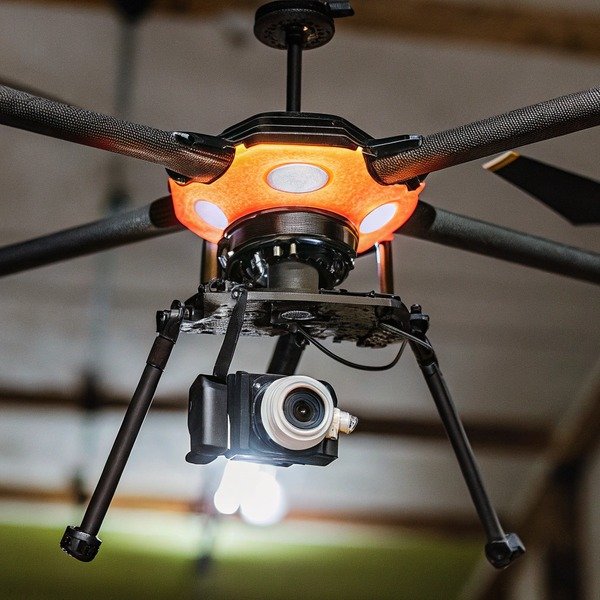
عند إدارة خطوط إنتاجنا في شيان، نرى كيف تثير النقص العالمي في الرقائق ذعر المشترين الذين يحتاجون إلى أساطيل موثوقة. النقص العالمي في الرقائق 1 أنت بحاجة إلى اليقين، وليس الأعذار، عندما تكون مواسم حرائق الغابات مواسم حرائق الغابات 2 تتطلب نشرًا فوريًا.
لتقييم الاستقرار، قم بمراجعة مخزون المورد من المكونات الحيوية مثل أجهزة الاستشعار الحرارية أجهزة الاستشعار الحرارية 3 وأجهزة التحكم في الطيران. تحقق من تنوعهم الجغرافي لتجنب الإغلاقات الإقليمية الفردية وتحقق من عقود الشراء المسبق التي تضمن تخصيص أشباه الموصلات خلال النقص العالمي، مما يضمن التسليم المتسق على الرغم من تقلبات السوق.
دعنا نفصل الأدلة المحددة التي تحتاج إلى طلبها من شريك الطائرات بدون طيار الخاص بك لضمان الموثوقية.
كيف يمكنني التحقق من أن الشركة المصنعة تحتفظ بمخزون كافٍ من المكونات لمنع تأخير الإنتاج؟
عندما نجدول عمليات الإنتاج في منشأتنا في تشنغدو، نعلم أن "التسليم في الوقت المناسب" يفشل أثناء الأزمات. التأخير يكلف الأرواح، لذلك يجب عليك تأكيد المخزون المادي، وليس مجرد الوعود.
اطلب تقرير مخزون في الوقت الفعلي يفصل مستويات المخزون للأجزاء عالية المخاطر مثل المحركات والبطاريات. اسأل عما إذا كانوا يحتفظون بما لا يقل عن ستة أشهر من المواد الخام وتحقق مما إذا كان نظام إدارة المستودعات الخاص بهم يقوم تلقائيًا بإعادة الطلب قبل تجاوز الحدود الحرجة.
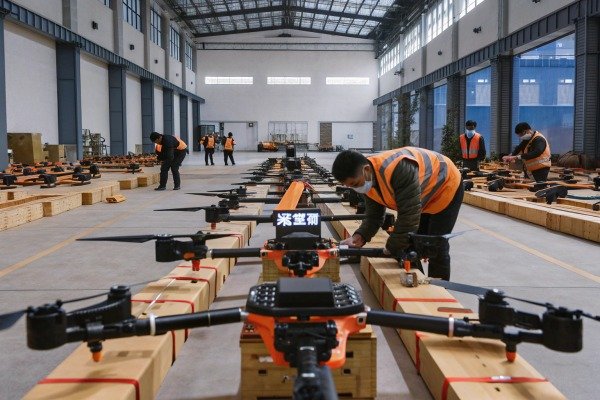
التحقق من مطالبات المخزون هو خط الدفاع الأول ضد اضطراب سلسلة التوريد. في قطاع الطائرات بدون طيار الصناعية، وخاصة لتطبيقات مكافحة الحرائق، غالبًا ما تكون المكونات الأكثر عرضة للنقص هي الأكثر أهمية. قطاع الطائرات بدون طيار الصناعية 4: بطاريات ليثيوم عالية التفريغ بطاريات الليثيوم 5, ، مستشعرات التصوير الحراري، ووحدات تحكم دقيقة محددة وحدات تحكم دقيقة 6 (MCUs). قد يدعي المورد أن لديه مخزونًا، ولكنك تحتاج إلى التمييز بين السلع النهائية ومخزون المكونات الخام.
مراجعة استراتيجية "مخزون الأمان"
يجب أن تسأل المورد المحتمل عن سياسة "مخزون الأمان" الخاصة به. في مصنعنا، تعلمنا أن الاعتماد على التسليم في الوقت المناسب لأشباه الموصلات أمر خطير. يجب أن يعمل المورد القوي بنموذج "في حالة الحاجة" للمكونات المتقلبة. اطلب منهم إظهار رسم خرائط سلسلة التوريد من المستوى N الخاصة بهم. هذا يعني أنه يجب عليهم معرفة ليس فقط من يزود وحدة التحكم في الطيران الخاصة بهم، ولكن من يزود رقائق السيليكون في الداخل التي تتحكم في تلك الوحدة.
إذا لم يتمكن المورد من إظهار تفصيل لمخزونه الحالي مقابل طلباته الملتزم بها، فمن المحتمل أنهم يخصصون الإنتاج المستقبلي الذي يعتمد على مواد لا يمتلكونها بعد. هذه علامة حمراء كبيرة. تريد رؤية مخزن مؤقت مادي مخصص لقطع الغيار الخاصة بالضمان والطلبات العاجلة.
تحليل مخزن المكونات الحيوية
يوضح الجدول التالي معايير الحد الأدنى للمخزون التي يجب أن تتوقعها لبرنامج طائرات بدون طيار مستقر لمكافحة الحرائق.
| فئة المكوّنات | مستوى مخاطر سلسلة التوريد | المخزون الاحتياطي الموصى به | ما أهمية ذلك |
|---|---|---|---|
| المستشعرات الحرارية | مرتفع (نقص عالمي) | 6-9 أشهر | غالبًا ما تكون البصريات المتخصصة لها أطول فترات زمنية للتسليم (تصل إلى 50 أسبوعًا). |
| بطاريات الليثيوم | متوسط (تقلب الأسعار) | 3-4 أشهر | تتقلب تكاليف المواد؛ يضمن المخزون استقرار الأسعار والتوافر. |
| محركات الطيران | منخفض (سلعة) | شهران | أسهل في الحصول عليها، ولكن يجب أن تتطابق تصنيفات الجهد الكهربائي المحددة تمامًا مع مواصفات الأسطول. |
| إطارات من ألياف الكربون | منخفض (مادة خام) | 2-3 أشهر | إنتاج الإطار سريع، ولكن أوقات المعالجة تتطلب جدولة مخططة. |
من خلال تحليل هذه المستويات، يمكنك تحديد ما إذا كان المورد قادرًا ماليًا على الاحتفاظ بالمخزون أو ما إذا كان يعمل من راتب إلى راتب، مما يعرضك لمشاكل التدفق النقدي لديهم.
ما هي الأسئلة المحددة التي يجب أن أطرحها حول مورديهم في المراحل الأولى لضمان أن لديهم قنوات توريد متنوعة؟
علمنا البحث عن مكونات لسلسلة SkyRover الخاصة بنا أن الاعتماد على مورد واحد أمر خطير. يمكن لحريق مصنع واحد أن يوقف طلبك بالكامل إذا لم يتم تقسيم سلسلة التوريد.
اسأل عما إذا كانوا يحصلون على مكونات حرجة مثل الكاميرات الحرارية ووحدات التحكم في الطيران من مناطق جغرافية متعددة. اطلب قائمة بالموردين الأساسيين والثانويين لكل نظام فرعي رئيسي لضمان أن عدم الاستقرار السياسي أو الكوارث الطبيعية في موقع واحد لن توقف إنتاجك.

التنوع في سلسلة التوريد لا يتعلق فقط بوجود رقمي هاتف للاتصال بهما؛ بل يتعلق بالمرونة الجيوسياسية واللوجستية. المرونة اللوجستية 7 عند استيراد طائرات بدون طيار إلى الولايات المتحدة، يجب عليك التأكد من أن موردك لا يعتمد فقط على منطقة واحدة قد تواجه تجارة مفاجئة التعريفات التجارية 8 التعريفات الجمركية أو قيود التصدير.
البحث عن نقاط فشل فردية
تحتاج إلى طرح أسئلة مباشرة تجبر المورد على الكشف عن مستويات اعتماده. يفضل العديد من المصنعين استخدام مصدر واحد لأجزاء مثل أنظمة نقل الفيديو لأن ذلك يبسط تكامل البرامج. ومع ذلك، فإن هذا يخلق عنق زجاجة. إذا توقف مصنع وحدة الإرسال هذه عن الإنتاج، فإن أسطولك يصبح قديمًا.
اسأل المورد: "إذا توقف مزود المستشعرات الحرارية الأساسي لديك عن الشحن غدًا، فهل لديك بديل مدمج مسبقًا جاهز للتركيب؟" يجب أن تكون الإجابة "نعم" قاطعة، مدعومة بالمواصفات الفنية للمكون الاحتياطي.
التكرار الجغرافي والمورد
من الضروري التحقق من أن المورد لديه علاقات مع موردين في ولايات قضائية مختلفة. على سبيل المثال، بينما نصنع في الصين، نحافظ على علاقات مع مزودي المستشعرات عبر مقاطعات مختلفة وندمج مكونات متوافقة مع المعايير العالمية. هذا يضمن أن الإغلاق المحلي أو انقطاع التيار الكهربائي في حديقة صناعية واحدة لا يجمد إنتاجنا بالكامل.
فيما يلي قائمة مرجعية بالأسئلة لمساعدتك في الكشف عن المخاطر المخفية في شبكتهم الأولية.
| مجال الاهتمام | سؤال لطرحه على المورد | مؤشر الاستجابة المثالي |
|---|---|---|
| الاعتماد على المستشعرات | "هل لديك مورد ثانٍ للحمولات البصرية والحرارية؟" | "نعم، لقد قمنا بدمج واختبار مستشعرات من المورد ب." |
| شراء الرقائق | "هل تشتري الرقائق مباشرة من المسابك أم عبر وسطاء؟" | "لدينا عقود تخصيص مباشرة مع المسابك." |
| المخاطر الجغرافية | "هل يقع جميع موردي المكونات الرئيسيين لديك في نفس المدينة أو المقاطعة؟" | "لا، قاعدة التوريد لدينا موزعة عبر مناطق متعددة." |
| توافق البرامج | "هل برنامج الطيران الخاص بك مقيد بمجموعة أجهزة محددة؟" | "برنامجنا معياري ويدعم تكوينات أجهزة متعددة." |
كيف أحدد ما إذا كانت قدرة مصنعهم الإنتاجية مرنة بما يكفي للتعامل مع التحولات المفاجئة في سوق المواد الخام؟
نقوم بتعديل خطوط التجميع لدينا بشكل متكرر لاستيعاب الطلبات المخصصة العاجلة من العملاء في الولايات المتحدة. أنت بحاجة إلى شريك يمكنه التكيف بسرعة، وليس شريكًا عالقًا في سير عمل جامد.
قم بتقييم قابلية التصنيع لديهم للتوسع من خلال مراجعة بيانات الإنتاج التاريخية خلال فترات ذروة السوق السابقة. اسأل عما إذا كانوا يمتلكون مرافق التجميع الخاصة بهم أو يستعينون بمصادر خارجية، حيث أن الملكية المباشرة تسمح بتعديلات أسرع في الورديات وتحديد أولويات طلبك عندما تتقلب توافر المواد الخام بشكل غير متوقع.
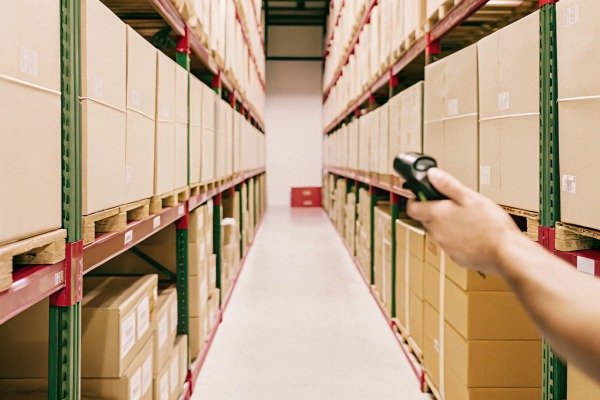
المرونة هي الفرق بين المورد الذي يقول "انتظر ستة أشهر" والذي يقول "يمكننا التكيف". في سياق طائرات مكافحة الحرائق بدون طيار، غالبًا ما يكون الطلب موسميًا وغير متوقع. يمكن أن يؤدي موسم حرائق شديد مفاجئ في كاليفورنيا أو جنوب أوروبا إلى تدفق الطلبات الذي يستنزف المخزون العالمي.
التصنيع الداخلي مقابل الاستعانة بمصادر خارجية
العامل الأكثر أهمية هنا هو الملكية. المصنعون الذين يمتلكون مصانعهم، مثلنا في تشنغدو، لديهم سيطرة كاملة على الجدول الزمني للإنتاج. إذا أثر نقص المواد الخام على خط إنتاج واحد، يمكننا على الفور تحويل العمالة والموارد لإعطاء الأولوية لإنتاج وحدات مكافحة الحرائق على نماذج المنتجات الزراعية أو الاستهلاكية الأقل أهمية.
إذا كان المورد الخاص بك يستعين بمصادر خارجية للتجميع لطرف ثالث من مصنعي المعدات الأصلية (OEM)، فهو تحت رحمة قائمة انتظار هذا الطرف الثالث. أثناء النقص، سيقوم المصنع التابع لجهة خارجية بإعطاء الأولوية للعميل الأكبر، والذي قد لا يكون مورد الطائرات بدون طيار الخاص بك. يجب عليك أن تسأل صراحة، "هل تمتلك خط التجميع النهائي، أم أنه متعاقد عليه؟"
استراتيجية "الاستيلاء على المكونات"
يدرك المورد المرن حقًا مفهوم "الاستيلاء على المكونات" أثناء حالات الطوارئ. هذا يعني أنهم على استعداد لأخذ المكونات المخصصة للمبيعات الجديدة واستخدامها لدعم العملاء الحاليين الذين يحتاجون إلى قطع غيار للإصلاح. هذا أمر حيوي لطول عمر الأسطول. لا تريد موردًا يرفض بيع محرك بديل لك لأنه يريد الاحتفاظ به لبيع طائرة بدون طيار كاملة.
تقييم مرونة الإنتاج
استخدم المقاييس التالية للحكم على ما إذا كان المصنع يمكنه تحمل ضغط صدمات الإمداد.
- قابلية توسيع الورديات: هل يمكنهم إضافة وردية ليلية في غضون 24 ساعة؟ غالبًا ما نفعل ذلك لتلبية ضغوط المواعيد النهائية.
- التصميم المعياري: هل تم تصميم الطائرات بدون طيار بطريقة تسمح بتبديل المكونات المختلفة على خط التجميع دون إعادة تشكيل؟
- السيولة المالية: هل تمتلك الشركة التدفق النقدي لشراء المواد الخام بأسعار مرتفعة خلال فترة النقص؟ الموردون الذين يعانون من ضعف التدفق النقدي سيتوقفون ببساطة عن الإنتاج عندما ترتفع الأسعار.
ما هي الأدلة التي يجب أن أبحث عنها لتأكيد أن المورد لديه خطة طوارئ لنقص المكونات الحيوية؟
يقوم فريق الهندسة لدينا باختبار أجهزة استشعار بديلة بشكل استباقي لضمان الاستمرارية إذا اختفى جزء أساسي. بدون خطة بديلة، ستبقى أسطولك متوقفًا بينما تشتعل الحرائق.
ابحث عن أوامر تغيير هندسية موثقة (ECOs) تصادق على مكونات بديلة للأنظمة الحيوية للطيران. تأكد من أن لديهم تصاميم احتياطية معتمدة مسبقًا لأجهزة الاستشعار والبطاريات، مما يسمح لهم بتبديل الموردين فورًا دون الحاجة إلى عملية إعادة اعتماد طويلة عند حدوث نقص.
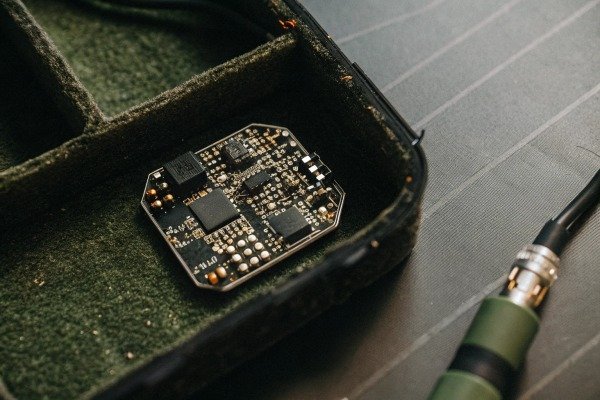
خطة الطوارئ ليست وثيقة مخزنة في درج؛ إنها عملية هندسية نشطة. في صناعة الطائرات بدون طيار، تصبح المكونات "نهاية العمر" (EOL) بسرعة. المورد المستقر هو الذي يتنبأ بهذه التغييرات ويصمم حولها قبل أن تصبح أزمة.
التحقق من أوامر التغيير الهندسية (ECOs)
يجب أن تطلب رؤية أمثلة لأوامر التغيير الهندسية السابقة. أوامر التغيير الهندسية 9 أمر التغيير الهندسي هو وثيقة قياسية تفصل كيفية تعديل المنتج - على سبيل المثال، التبديل من الشريحة أ إلى الشريحة ب لأن الشريحة أ لم تكن متاحة. إذا لم يتمكن المورد من إظهار أمر تغيير هندسي لك، فهذا يعني أنه من المحتمل أن يتخبط ويتصرف بشكل ارتجالي عند حدوث نقص، مما يؤدي إلى مشاكل في مراقبة الجودة.
يؤدي الموردون الموثوقون "الهندسة الأمامية". هذا يعني أننا نقوم بتصميم واختبار وحدات التحكم في الطيران لدينا بنشاط باستخدام شرائح دقيقة بديلة حتى عندما تكون الشريحة الأساسية متوفرة. هذا يضمن أنه إذا جف الإمداد الأساسي، فإن برامج تشغيل البرامج للشريحة الاحتياطية مكتوبة ومختبرة بالفعل.
التحوط والشراء الآجل
الأدلة المالية هي أيضًا جزء من خطة الطوارئ. اسأل عما إذا كان المورد يشارك في استراتيجيات "الشراء الآجل" أو التحوط للمواد الخام. يتضمن ذلك شراء كميات كبيرة من الليثيوم أو ألياف الكربون بسعر ثابت للتسليم المستقبلي. ألياف الكربون 10 هذا يحميك من الزيادات في الأسعار ويضمن حجز المادة فعليًا لطلباتك.
مصفوفة الطوارئ
راجع هذه المصفوفة لفهم كيف تبدو خطة الطوارئ القوية مقابل خطة ضعيفة.
| سيناريو الاضطراب | استجابة ضعيفة من المورد | استجابة قوية من المورد (ما تريده) |
|---|---|---|
| نهاية عمر المستشعر الأساسي | "نحن نوقف هذا الطراز من الطائرات بدون طيار." | "لدينا موافقة على تغيير هندسي لمستشعر أحدث بمواصفات متساوية." |
| نقص خلايا البطارية | "التسليم متأخر لمدة 4 أشهر." | "لدينا احتياطيات استراتيجية ومورد خلية ثانوي مؤهل." |
| حظر لوجستي | "لا يمكننا الشحن إلى منطقتك." | "لدينا شركاء لوجستيون بديلون وطرق جمركية راسخة." |
| ارتفاع أسعار الرقائق | "يجب علينا زيادة سعرك بنسبة 30٪." | "عقود الشراء الآجل لدينا تثبت سعرك لمدة 12 شهرًا." |
الخاتمة
سلاسل التوريد الموثوقة تنقذ الأرواح. من خلال تدقيق المخزون، والتحقق من التنويع، والمطالبة بخطط طوارئ، تضمن أن أسطولك يطير عند الحاجة. اختر الاستقرار على الوعود الفارغة.
الحواشي
1. يوفر سياقًا حول أزمة أشباه الموصلات العالمية المذكورة في المقال. ︎
2. إحصاءات وبيانات حكومية رسمية حول حالات حرائق الغابات ومتطلبات الاستجابة لها. ︎
3. شرح تقني لتقنية المستشعرات الحرارية من شركة رائدة في الصناعة. ︎
4. خلفية عامة حول التطبيقات التجارية والصناعية للمركبات الجوية غير المأهولة. ︎
5. لوائح ومعايير السلامة الرسمية لنقل واستخدام بطاريات الليثيوم. ︎
6. المواصفات الفنية والوثائق الخاصة بالتحكم الدقيق المستخدم في الإلكترونيات الصناعية. ︎
7. بحث أكاديمي في مجال الأعمال حول بناء المرونة وإدارة اللوجستيات في سلاسل التوريد العالمية. ︎
8. وثائق حكومية رسمية تتعلق بتعريفات التجارة ولوائح نقل التكنولوجيا. ︎
9. شرح معياري للصناعة لأوامر تغيير الهندسة في عمليات التصنيع والهندسة. ︎
10. معيار دولي لمواد ألياف الكربون المستخدمة في التصنيع الصناعي والفضائي. ︎

 English
  Español de México
  Deutsch
  Français
  Русский
  العربية
