
نحن ندرك الإحباط العميق لرؤية خط إنتاج حرج متوقف ببساطة لأن مستشعر حراري معين عالق مستشعر حراري 1 في ميناء في نصف الكرة الأرضية الآخر. عندما نصمم وحدات الرفع الثقيل الخاصة بنا، فإن تأمين تدفق ثابت للمكونات أمر بالغ الأهمية بالنسبة لنا مثل الديناميكا الهوائية للهيكل نفسه.
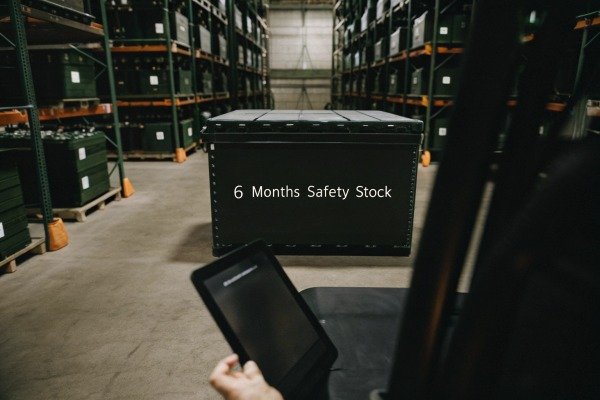
لتقييم الاستقرار، اطلب سلسلة توريد متعددة المستويات مخاطر سلسلة التوريد 2 خريطة سلسلة تحدد بلد المنشأ للرقائق والبطاريات الحيوية. تحقق من أن المورد يحتفظ بما لا يقل عن ستة أشهر من مخزون الأمان للعناصر ذات المهلة الطويلة وتحقق من سيولته المالية لاستيعاب ارتفاعات مفاجئة في أسعار المواد الخام دون تعطيل جدول التسليم الخاص بك.
دعنا نلقي نظرة على المؤشرات المحددة التي تفصل بين الشركاء الموثوقين والرهانات المحفوفة بالمخاطر.
كيف يمكنني التحقق مما إذا كان مصنع طائرات بدون طيار قد أمّن مصادر متعددة للمكونات الحيوية؟
الاعتماد على مورد واحد لوحدات التحكم في الطيران يبقي فريق المشتريات لدينا مستيقظًا في الليل وحدات التحكم في الطيران 3, ، لذلك نتجنبه بنشاط لحماية عملائنا. إذا لم يتمكن المورد من إظهار خطته الاحتياطية لنقص مفاجئ في المحركات، فإن طلبك معرض للخطر بالفعل قبل توقيع العقد.
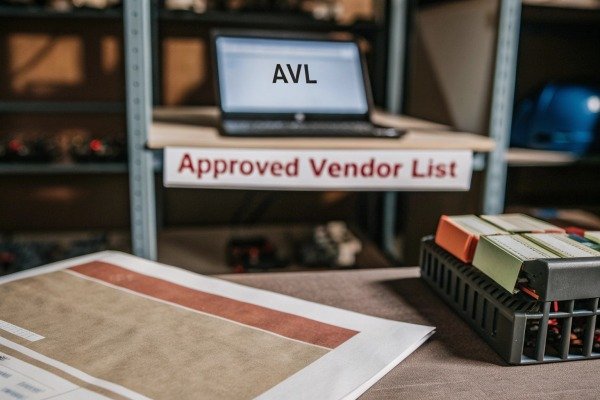
اطلب قائمة موردين معتمدة (AVL) تفصل المصادر الأولية والثانوية للأجهزة الرئيسية مثل المحركات والمستشعرات. يجب على الشركة المصنعة المستقرة إظهار عقود نشطة مع موردين بديلين في مناطق جغرافية مختلفة لمنع الاختناقات إذا واجه موقع واحد اضطرابات جيوسياسية أو لوجستية.
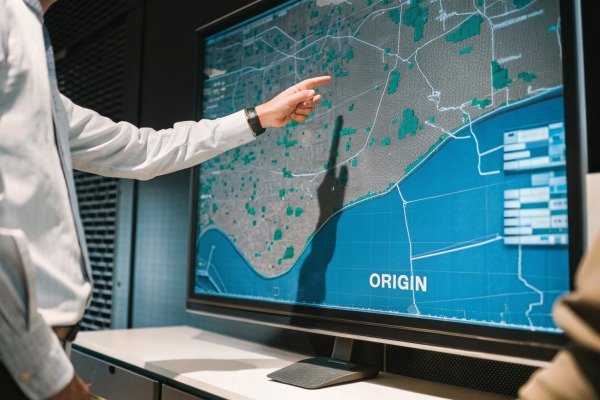
للتحقق حقًا مما إذا كان المورد مرنًا، يجب عليك التعمق أكثر من كتيباتهم التسويقية. في قطاع الطائرات بدون طيار الصناعية، وخاصة للمعدات المتخصصة مثل طائرات مكافحة الحرائق بدون طيار، فإن تعقيد فاتورة المواد فاتورة المواد 4 (BOM) هائل. قد تحتوي طائرة بدون طيار واحدة على أكثر من 2000 مكون مميز، تتراوح من الكربون ألواح ألياف الكربون 5 ألياف ورقية للطائرة إلى أشباه الموصلات المجهرية لوحدة إدارة الطاقة.
تدقيق قائمة الموردين المعتمدين (AVL)
عندما نتفاوض مع موردينا الفرعيين، نصر على الشفافية، ويجب عليك فعل الشيء نفسه. اطلب مراجعة نسخة منقحة من قائمة الموردين المعتمدين (AVL) الخاصة بهم. أنت تبحث عن "التكرار". على سبيل المثال، إذا كان المصنع يورد محركاته الكهربائية عديمة الفرشاة ذات عزم الدوران العالي حصريًا من مصنع واحد في منطقة معرضة للإغلاق أو التعريفات التجارية، فهذه نقطة فشل واحدة. ستدرج سلسلة التوريد القوية مصدرًا "أساسيًا" ومصدرًا "ثانويًا مؤهلًا" لكل مكون حاسم.
يجب أن يكون المصدر الثانوي نشطًا، وليس نظريًا. غالبًا ما نرى المصنعين يدرجون موردًا احتياطيًا لم يشتروا منه منذ ثلاث سنوات. هذا ليس أمانًا؛ هذه قائمة أمنيات. تحتاج إلى التحقق من أنهم يقومون بتدوير الطلبات بنشاط بين الموردين للحفاظ على كلا القناتين مفتوحتين وصالحين.
التنويع الجغرافي
الاحتكاكات الجيوسياسية حقيقة واقعة في صناعة الطائرات بدون طيار. صناعة الطائرات بدون طيار 6 إذا كان جميع الموردين البديلين يقعون في نفس المدينة أو في نفس خط الشحن، فإن المخاطر تظل مرتفعة. نركز على تنويع مصادر المواد الخام لدينا لضمان أن حدثًا محليًا - سواء كان انقطاعًا في التيار الكهربائي أو إضرابًا في الميناء - لا يجمد عملياتنا بأكملها.
فئات مخاطر المكونات
لا تحمل جميع الأجزاء نفس المخاطر. نقوم بتصنيف الأجزاء بناءً على التوفر والتأثير. يجب أن تطلب من موردك تصنيف قائمة المواد (BOM) الخاصة به إلى هذه الفئات لك.
| مستوى المخاطرة | نوع المكون | استراتيجية سلسلة التوريد التي يجب البحث عنها |
|---|---|---|
| مخاطر عالية | مستشعرات حرارية، شرائح ذكاء اصطناعي، وحدات تحكم طيران متخصصة | التخزين الاستراتيجي: يجب أن يحتفظ المورد بمخزون لمدة 6-12 شهرًا. التوريد المتعدد: شرائح بديلة تم التحقق منها مسبقًا بواسطة الهندسة. |
| مخاطر متوسطة | خلايا ليثيوم أيون، ألياف كربون، محركات | الشراء المسبق: عقود مؤمنة لمدة 12 شهرًا لضمان السعر والحجم. المصادر المزدوجة: موردان نشطان على الأقل. |
| مخاطر منخفضة | مراوح، معدات هبوط، أسلاك قياسية | المصادر الإقليمية: القدرة على الحصول عليها من بائعين محليين متعددين أو تصنيعها داخليًا (على سبيل المثال، عبر الطباعة ثلاثية الأبعاد). |
من خلال فحص استراتيجية المصادر الخاصة بهم مقابل هذا الجدول، يمكنك تحديد ما إذا كانوا تفاعليين أم استباقيين. المورد الذي يعامل مستشعر حراري (مخاطر عالية) بنفس الطريقة التي يعامل بها قدم معدات هبوط بلاستيكية (مخاطر منخفضة) هو مورد سيواجه تأخيرات.
ما هي الأسئلة التي يجب أن أطرحها للتأكد من أن المورد يحتفظ بما يكفي من مخزون المواد الخام لطلبي؟
نحتفظ بمستودع مخصص لـ “مخزون الأمان” لأننا تعلمنا أن نماذج “التسليم في الوقت المحدد” الصارمة غالبًا ما تفشل نماذج التسليم في الوقت المحدد 7 خلال الأزمات العالمية. لا يمكن للمورد الذي يعمل بأرفف فارغة أن يضمن تاريخ التسليم الخاص بك عندما تضرب تقلبات السوق، بغض النظر عن وعوده.
اسأل تحديدًا عن نسبة دوران المخزون ومستويات المخزون الحالية للعناصر ذات المهلة الطويلة مثل خلايا ليثيوم أيون وألياف الكربون. أكد أنهم يحتفظون باستراتيجية مخزون احتياطي بدلاً من نموذج التسليم في الوقت المحدد، مما يضمن أن لديهم مواد في متناول اليد لإكمال طلبك حتى لو تجمدت خطوط الإمداد العالمية.
مفهوم التصنيع "في الوقت المناسب" (JIT) ممتاز لتوفير التكاليف في صناعة السيارات، ولكنه يمكن أن يكون كارثيًا للإلكترونيات المتخصصة عالية التقنية مثل طائرات مكافحة الحرائق بدون طيار. تقلبات أوقات التسليم للمكونات المتخصصة ذات الدرجة الطيرانية بشكل كبير في السنوات الأخيرة.
سؤال "مخزون الأمان"
تحتاج إلى أن تسأل المورد الخاص بك: "ما هي سياسة مخزون الأمان الخاصة بك للعناصر ذات المهلة الطويلة؟" في مصنعنا، نحدد المكونات التي تستغرق أكثر من 90 يومًا للوصول ونضمن أن لدينا مخزونًا احتياطيًا في متناول اليد. إذا أخبرك المورد أنهم يطلبون قطع الغيار فقط بعد أنت تمول مخاطر سلسلة التوريد الخاصة بهم.
بالنسبة لمدير المشتريات، فإن الإجابة الصحيحة التي تريد سماعها هي أن الشركة المصنعة تحتفظ بـ "مخزون استراتيجي". هذا يعني أنهم قاموا بالفعل بشراء المكونات الأساسية (مثل وحدات التحكم في الطيران ونوى الكاميرات الحرارية) قبل أن ترسل طلب عرض الأسعار (RFQ).
السيولة المالية والمخزون
يتطلب الاحتفاظ بالمخزون نقدًا. لا يستطيع المورد الذي يعاني من نقص السيولة النقدية تحمل تكلفة تخزين بطاريات الليثيوم باهظة الثمن أو ألياف الكربون. بطاريات الليثيوم 8 لذلك، فإن السؤال عن المخزون هو في الواقع سؤال عن صحتهم المالية. إذا لم يتمكنوا من تحمل تكلفة شراء المواد الخام مقدمًا، فهم عرضة لارتفاع الأسعار.
التحقق من وقت التسليم
لا تقبل مجرد وعد شفهي بـ "تسليم 4 أسابيع". اطلب رؤية أوقات التسليم الحالية من الموردين السابقين لديهم. إذا كان وقت التسليم العالمي لمتحكم دقيق معين هو 52 أسبوعًا، ويدعي المورد الخاص بك أنه يمكنه بناء طائرتك بدون طيار في 4 أسابيع دون وجود المخزون في متناول اليد، فمن المحتمل أنهم يراهنون على السوق الرمادية أو يكذبون ببساطة.
العناصر "ذات المهلة الطويلة" الحرجة
عند تدقيق المورد، ركز أسئلتك على هذه الاختناقات المحددة. هذه هي العناصر التي تسبب عادةً متلازمة "اكتمل 99% ولكن لا يمكن الشحن".
| المكوّن | لماذا يسبب التأخير | سؤال رئيسي لطرحه |
|---|---|---|
| خلايا البطارية | تقلب أسعار الليثيوم ولوائح الشحن الخطرة. | "هل لديك الخلايا لطلبي ماديًا في مستودعك الآن؟" |
| الكاميرات الحرارية | ضوابط التصدير والمصنعون العالميون المحدودون (مثل مستشعرات FLIR). | "هل تم تخصيص هذه المستشعرات لمشروعي المحدد، أم أنها مخزون مشترك؟" |
| ألياف الكربون | تؤثر النقص في المواد الخام على إنتاج الإطارات. | "هل تقومون بتصنيع الإطارات داخليًا أم تعتمدون على مصنع قولبة تابع لجهة خارجية؟" |
إذا قاموا بتصنيع الإطارات داخليًا - كما نفعل في منشأتنا - فإن لديهم تحكمًا أكبر بكثير في سلسلة توريد ألياف الكربون مما لو كانوا ينتظرون من بائع طرف ثالث تشكيل الأجزاء. هذا التكامل الرأسي هو علامة قوية على الاستقرار.
كيف أعرف ما إذا كان المصنع لديه خطة طوارئ موثوقة لاضطرابات سلسلة التوريد العالمية؟
عندما واجهنا تأخيرات في أشباه الموصلات العام الماضي، قام فريق الهندسة لدينا بالتبديل فورًا إلى مجموعات شرائح بديلة تم التحقق منها مسبقًا تأخيرات أشباه الموصلات 9 للحفاظ على استمرار التجميع. إذا كان شريكك المحتمل يفتقر إلى “خطة ب” موثقة، فقد يصبح تأخير شحن بسيط إلغاءً دائمًا لمعداتك الهامة.
قم بتقييم خطة إدارة تقادم المكونات الخاصة بهم لمعرفة ما إذا كان لديهم بدائل هندسية تم التحقق منها مسبقًا للتكنولوجيا سريعة التطور. تستخدم المصانع الموثوقة أيضًا عقود الشراء المسبق للمواد المتقلبة وتمتلك قدرات تصنيع لا مركزية، مثل طباعة قطع الغيار ثلاثية الأبعاد، لتجاوز اختناقات الخدمات اللوجستية أثناء الاضطرابات العالمية الكبرى.
لم تعد الاضطرابات حالات شاذة؛ إنها الوضع الطبيعي الجديد. سواء كان ذلك جائحة، أو حربًا تجارية، أو نقصًا في المواد الخام، يجب بناء مورد طائرات بدون طيار لمكافحة الحرائق ليتحمل الاضطرابات. "خطة الطوارئ" ليست مجرد وثيقة؛ إنها فلسفة هندسية تُعرف باسم التصميم لسلسلة التوريد (DFSC).
بدائل تم التحقق منها مسبقًا
أقوى مؤشر على المرونة هو ما إذا كان فريق الهندسة لدى الشركة المصنعة قد قام بـ "التحقق المسبق" من الأجزاء البديلة. في عملية البحث والتطوير لدينا، غالبًا ما نصمم لوحات دوائر يمكنها قبول بصمات من اثنين أو ثلاثة من كبار مصنعي الشرائح المختلفين.
إذا توقف المورد أ عن إنتاج منظم جهد معين، أو إذا حظر تجاري أثر على مستشعر معين، يمكن للشركة المصنعة المرنة التبديل إلى مكون المورد ب على الفور لأنهم كتبوا بالفعل برامج التشغيل واختبروا الأجهزة. إذا لم يقوموا بهذا العمل مقدمًا، فإن النقص يجبرهم على دورة إعادة تصميم مدتها 6 أشهر، وسيتأخر تسليمك لمدة نصف عام.
دور التصنيع الإضافي
ابحث عن الموردين الذين يستخدمون التصنيع الإضافي (الطباعة ثلاثية الأبعاد) للأجزاء الهيكلية غير الحرجة. التصنيع الإضافي 10 بينما لا يمكنك طباعة بطارية أو محرك ثلاثي الأبعاد، فأنت يمكن طباعة الأقواس والحوامل والأغلفة.
خلال اختناقات الخدمات اللوجستية، فإن القدرة على طباعة موصل بلاستيكي مفقود داخليًا بدلاً من انتظار شحنة قولبة بالحقن من منطقة مغلقة يمكن أن ينقذ الشحنة بأكملها. لقد وجدنا أن وجود طابعات ثلاثية الأبعاد صناعية في الموقع يسمح لنا بتجاوز مشكلات سلسلة التوريد البسيطة التي قد توقف خط الإنتاج بخلاف ذلك.
تقييم قائم على السيناريو
عند مقابلة مورد، لا تسأل فقط "هل لديك خطة؟" اختبرهم بسيناريوهات.
- السيناريو 1: "إذا تضاعف سعر الليثيوم الشهر المقبل، فكيف يؤثر ذلك على سعر عقدي؟" (ابحث عن إجابات التحوط أو المخزون بسعر ثابت).
- السيناريو 2: "إذا أغلق ميناء التصدير الرئيسي، فهل لديك شركاء لوجستيون بديلون؟" (ابحث عن خيارات الشحن الجوي مقابل الشحن البحري).
قائمة التحقق من الطوارئ
استخدم قائمة التحقق هذه لتقييم مدى استعدادهم:
| عامل الطوارئ | ما الذي تبحث عنه | ما أهمية ذلك |
|---|---|---|
| مرونة الهندسة | بنية تصميم معيارية. | يسمح بتبديل المكونات (على سبيل المثال، تغيير حمولة كاميرا) دون إعادة تصميم الطائرة بدون طيار بأكملها. |
| مرونة الخدمات اللوجستية | حسابات مع شركات شحن متعددة (DHL، FedEx، وكلاء الشحن). | يمنع التعثر إذا قامت إحدى شركات الشحن بتعليق الخدمة لمنطقة معينة. |
| إدارة التقادم | خطة رسمية للمكونات التي وصلت إلى نهاية عمرها الافتراضي (EOL). | يضمنون أنهم لن يبيعوا لك طائرة بدون طيار تصبح غير قابلة للإصلاح في غضون عامين لأن الرقائق قد تم إيقاف إنتاجها. |
المورد الذي يمكنه الإجابة على هذه الأسئلة بثقة يظهر أنه يدير سلسلة التوريد، وليس مجرد الاستجابة لها.
ما هي العلامات التحذيرية التي تشير إلى أن المورد يعاني من نقص في المواد الخام قبل أن أوقع العقد؟
غالبًا ما نرى المنافسين يقدمون أوقات تسليم قصيرة بشكل مستحيل فقط للفوز بعطاء، ثم يقومون بتمديدها لاحقًا بمجرد دفع العربون. التعرف على العلامات الحمراء الدقيقة في أسلوب تواصل المورد وهيكل عروض الأسعار يمكن أن ينقذك من مشروع متعثر وميزانية ضائعة.
كن حذرًا من تواريخ التسليم الغامضة أو رفض الالتزام ببنود الجزاء للتأخير. التعديلات المتكررة للأسعار على عروض الأسعار الصالحة، وعدم القدرة على تقديم دليل حديث على الإنتاج، أو نقص الشفافية فيما يتعلق بالموردين الفرعيين غالبًا ما تشير إلى أنهم يكافحون بالفعل لتأمين المواد الخام اللازمة.
قبل أن توقع على أمر شراء، يكون المورد في أفضل سلوك له. ومع ذلك، هناك "علامات" - إشارات خفية تشير إلى أنهم تحت ضغط فيما يتعلق بالمواد الخام. يمكن أن يمنعك تحديد هذه العلامات مبكرًا من الدخول في عقد مقدر له الفشل.
تحذير "صلاحية السعر"
راقب فترة صلاحية عرض أسعارهم. في سوق مستقر، قد يكون عرض الأسعار صالحًا لمدة 30 إلى 60 يومًا. إذا أرسل لك المورد عرض أسعار صالحًا لمدة 3 إلى 7 أيام فقط، فهم يشيرون إلى أن تكاليف المواد الخام لديهم متقلبة وليس لديهم مخزون احتياطي. إنهم يشترون المواد "فوريًا" (بسعر السوق الحالي) بدلاً من وجود عقود طويلة الأجل. هذه علامة حمراء كبيرة للاستقرار.
رفض بنود الجزاء
ننصح دائمًا مديري المشتريات باقتراح بند جزاء للتسليم المتأخر. إذا رفض المورد القبول أي جزاء للشحن المتأخر (على سبيل المثال، خصم 0.5% لكل أسبوع تأخير)، فهم يفتقرون إلى الثقة في سلسلة التوريد الخاصة بهم. الشركة المصنعة التي تعرف أن لديها الأجزاء في المخزون ستقبل بشكل عام شروط الأداء المعقولة. إذا رفضوا بشكل قاطع، فمن المحتمل أنهم يعلمون أن النقص وشيك.
أوقات تسليم غامضة
"في أقرب وقت ممكن" ليس وقت تسليم. "4-6 أسابيع" هو وقت تسليم قياسي. "تقدير 12-20 أسبوعًا حسب الأجزاء" هو علامة تحذير. عندما لا يستطيع المورد أن يمنحك نافذة ضيقة، فهذا يعني أنهم ليسوا في سيطرة على مورديهم. إنهم ينتظرون شخصًا آخر، والذي ينتظر على الأرجح شخصًا آخر.
عجز الشفافية
اطلب صورًا لطرازك المحدد حاليًا على خط الإنتاج. إذا أرسلوا لك صورًا للعرض المخزون أو صورًا من ثلاث سنوات مضت، فكن متشككًا.
غالبًا ما يحاول المورد الذي يتعامل مع النقص إخفاءه حتى اللحظة الأخيرة الممكنة. اطلب "فحص صحة قائمة المواد". إذا رفضوا مشاركة أي معلومات حول مصدر محركاتهم أو بطارياتهم، مستشهدين بـ "السرية" بشكل واسع جدًا، فقد يكونون يخفون حقيقة أنهم يستمدون من كيانات غير موثوقة أو خاضعة للعقوبات.
تقييم أنماط الاتصال
| سلوك المورد الصحي | علامات التحذير من النقص |
|---|---|
| جداول زمنية واضحة: يوفر مخطط جانت للإنتاج. | الغموض: "سنبذل قصارى جهدنا" أو "حسب التوفر"." |
| تحديثات استباقية: يخطرونك بالمخاطر المحتملة قبل أن تسأل. | الصمت: يستغرق أيامًا للرد على أسئلة المخزون البسيطة. |
| تسعير ثابت: يحترم سعر الاقتباس. | رسوم إضافية: يضيف "رسوم الطوارئ" أو "الرسوم المفروضة على المواد" في اللحظة الأخيرة. |
ثق بحدسك. إذا بدت عملية البيع فوضوية، فستكون عملية التصنيع أسوأ.
الخاتمة
إن تأمين أسطول من طائرات مكافحة الحرائق بدون طيار هو أكثر من مجرد وقت طيران وقدرة حمولة؛ يتعلق الأمر بضمان أن الشريك الذي يقف وراء الآلة يمكنه التسليم عندما يكون الأمر مهمًا. من خلال تدقيق استراتيجيات المخزون الخاصة بهم، والمطالبة بالشفافية بشأن أصول المكونات، واختبار خطط الطوارئ الخاصة بهم، يمكنك استبعاد الموردين الهشين. نعتقد أن الموثوقية الحقيقية تأتي من الاستعداد، وبصفتك مشتريًا، فإن العناية الواجبة هي خط الدفاع الأول ضد عدم استقرار سلسلة التوريد العالمية.
الحواشي
1. المواصفات الفنية لأجهزة الاستشعار الحرارية الدقيقة المستخدمة في تطبيقات الطائرات بدون طيار الصناعية ومكافحة الحرائق. ︎
2. يوفر ISO 28000 إطارًا لإدارة الأمن والمخاطر ضمن سلسلة التوريد العالمية. ︎
3. بحث أكاديمي يتعلق بتصميم وموثوقية أنظمة التحكم في الطيران للمركبات الجوية غير المأهولة. ︎
4. نظرة عامة عامة على هيكل وغرض قائمة المواد في عمليات التصنيع. ︎
5. معلومات المنتج عن مواد ألياف الكربون عالية الأداء المستخدمة في صناعة هياكل الطائرات والطائرات بدون طيار. ︎
6. تقرير رسمي عن ضوابط التصدير والعوامل الجيوسياسية التي تؤثر على صناعات التكنولوجيا والدفاع. ︎
7. تحليل تاريخي وتقني لنموذج التصنيع "في الوقت المناسب" وتطبيقاته الصناعية. ︎
8. موارد ولوائح السلامة الحكومية الرسمية لنقل ومعالجة بطاريات الليثيوم. ︎
9. تقرير إخباري عن نقص أشباه الموصلات العالمي وتأثيره المستمر على قطاع التكنولوجيا. ︎
10. معلومات أساسية عن تقنيات الطباعة ثلاثية الأبعاد واستخدامها في التصنيع الصناعي. ︎

 English
  Español de México
  Deutsch
  Français
  Русский
  العربية
