عند شراء طائرات بدون طيار لمكافحة الحرائق، هل يقدم الموردون حلولاً داعمة مثل المولدات المحمولة أو محطات الشحن السريع؟
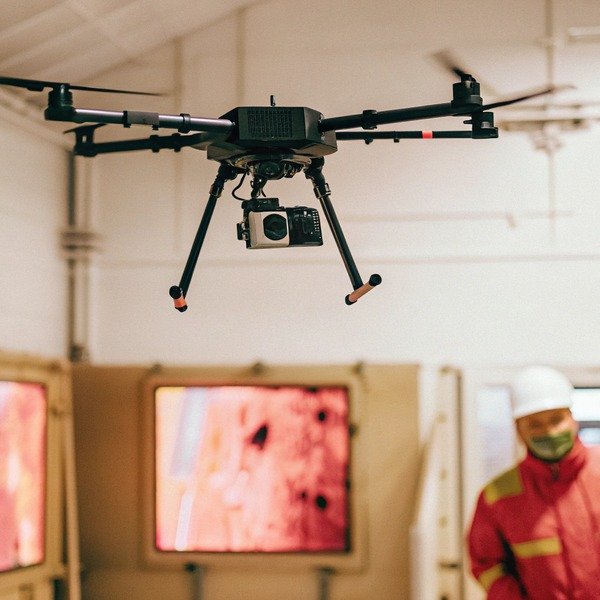
عندما يختبر فريق الهندسة لدينا طائرات بدون طيار جديدة للتصوير الحراري في غرف محاكاة عالية الضغط طائرات بدون طيار للتصوير الحراري 1, ، فإن العامل المحدد نادرًا ما يكون الديناميكا الهوائية للطائرة بدون طيار - بل هو مصدر الطاقة. من المحتمل أن تواجه نفس التحدي: وقت طيران مدته 30 دقيقة لا فائدة منه إذا استغرق الشحن ساعتين بينما تنتشر حرائق الغابات. حرائق الغابات تنتشر 2 نرى العديد من مديري المشتريات يركزون بالكامل على بصريات الطائرة، فقط ليدركوا في وقت متأخر جدًا أنهم يفتقرون إلى البنية التحتية للحفاظ على أسطول الطائرات في الجو أثناء أزمة طويلة.
نعم، يقدم موردو الطائرات بدون طيار للمؤسسات ذات السمعة الطيبة عادةً حلولًا داعمة، بما في ذلك بطارية ذكية أنظمة إدارة البطارية 3 محطات ومولدات محمولة متوافقة، غالبًا ما يتم تجميعها كـ “حزم جاهزية”. بينما تشمل المجموعات الأساسية شواحن قياسية، يوفر الموردون المتقدمون مراكز شحن سريعة مع تبريد نشط ويمكنهم التوصية أو توفير مولدات موجة جيبية نقية تحمي إلكترونيات الطائرات بدون طيار الحساسة من زيادة التيار.
لضمان بقاء أسطولك قيد التشغيل على مدار الساعة طوال أيام الأسبوع، نحتاج إلى النظر إلى ما وراء الطائرة وفحص البنية التحتية الأساسية للطاقة المتاحة اليوم.
كيف يمكنني التأكد من أن المولدات المحمولة المقدمة متوافقة تمامًا مع أسطول طائرات مكافحة الحرائق بدون طيار الخاص بي؟
غالبًا ما نتلقى استفسارات من عملاء مضطربين قاموا بإتلاف أنظمة إدارة البطاريات (BMS) باهظة الثمن الخاصة بهم عن طريق توصيلها بمولدات رخيصة من الدرجة الإنشائية. في منشأة اختبار المصنع لدينا، رأينا كيف يمكن للطاقة “القذرة” من مصادر غير متوافقة أن تؤدي إلى تدهور صحة البطارية أو تشغيل إيقافات السلامة في الوقت الذي تحتاج فيه إلى الطيران أكثر. يتطلب منع ذلك فهمًا دقيقًا لما يتطلبه مركز شحن الطائرة بدون طيار الخاص بك من مصدر طاقة.
لضمان التوافق، يجب عليك التحقق من أن المولد يوفر خرج “موجة جيبية نقية” بدلاً من “موجة جيبية معدلة”، حيث تتطلب شواحن الطائرات بدون طيار كهرباء نظيفة ومستقرة لتعمل بشكل صحيح. بالإضافة إلى ذلك، يجب أن يتجاوز خرج الواط المستمر للمولد استهلاك الطاقة الأقصى لمركز الشحن الخاص بك بنسبة 20٪ على الأقل لمنع التحميل الزائد.
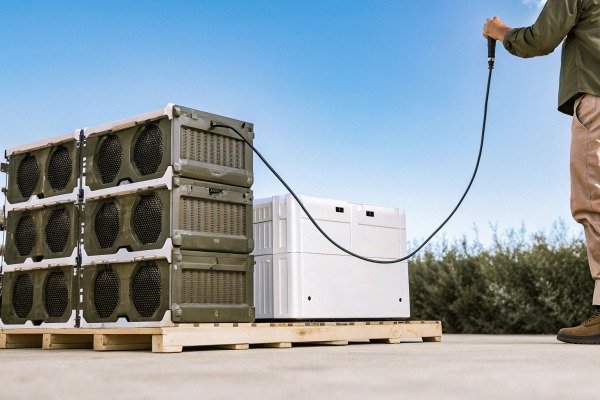
عندما نقوم بتكوين حزم لعملائنا في الولايات المتحدة وأوروبا، غالبًا ما يكون الحديث عن المولدات تقنيًا ولكنه حاسم. تعتمد طائرات مكافحة الحرائق بدون طيار، وخاصة تلك التي تحتوي على كاميرات حرارية ثقيلة وأغلفة برتقالية عالية الوضوح، على بطاريات لي بو (بوليمر الليثيوم) أو ليثيوم أيون عالية السعة بوليمر الليثيوم 4. تتم إدارة هذه البطاريات بواسطة أجهزة كمبيوتر داخلية متطورة تسمى أنظمة إدارة البطاريات (BMS).
خطر "الطاقة القذرة"
الكهرباء التي تخرج من مقبس الحائط القياسي هي موجة سلسة. ومع ذلك، غالبًا ما تنتج المولدات القياسية "موجات كهربائية متعرجة" أو غير منتظمة. في حين أن مثقابًا كهربائيًا أو مصباح عمل لا يمانعان هذه "الطاقة المتسخة"، فإن شاحن بطارية الطائرة بدون طيار حساس للغاية. شاحن بطارية الطائرة بدون طيار 5
إذا قمت بتوصيل شاحن طائرة بدون طيار عالي الجودة بمولد قياسي، يحدث أحد أمرين عادةً:
- يرفض الشاحن العمل: يكتشف الشاحن عدم الاستقرار ويدخل في وضع الحماية. تترك ببطاريات فارغة في موقع حريق.
- تلف المكونات: تتجاوز ارتفاعات الجهد دوائر الحماية، مما يؤدي إلى تلف المكثفات داخل الشاحن الخاص بك، أو ما هو أسوأ، نظام إدارة البطارية (BMS) داخل البطارية نفسها.
حساب هامش الطاقة
التوافق يتعلق أيضًا بالقوة الخام. الخطأ الشائع هو النظر إلى "واط الذروة" للمولد بدلاً من "واط التشغيل"."
على سبيل المثال، إذا كان مركز الشحن السريع SkyRover الخاص بنا يستهلك 1200 واط لشحن بطاريتين في وقت واحد، فقد يبدو مولد بقوة 1500 واط كافيًا. ومع ذلك، بمجرد أن يسخن المولد ويستقر الحمل، ينخفض إنتاجه. إذا واجه المولد صعوبة، ينخفض الجهد، وسيتوقف شاحن الطائرة بدون طيار عن العمل.
نوصي بزيادة قدرة تتراوح بين 20% و 30%. هذا يضمن أن المولد يعمل بشكل أبرد ويوفر طاقة أنظف.
دليل اختيار المولد
فيما يلي تفصيل لما يجب البحث عنه بناءً على اختبارات التوافق الداخلية لدينا.
| الميزة | مولد البناء القياسي | مولد العاكس (موصى به) | لماذا يهم للطائرات بدون طيار |
|---|---|---|---|
| شكل الموجة | موجة جيبية معدلة (مربعة/متكتلة) | موجة جيبية نقية (ناعمة) | الموجات المعدلة تسبب ارتفاع درجة حرارة الشواحن أو فشلها. |
| سرعة دوران المحرك في الدقيقة | ثابت (ضوضاء عالية) | متغير (يتكيف مع الحمل) | مولدات العاكس أهدأ، وهي ضرورية للتواصل في موقع الحادث. |
| استقرار الجهد | يتقلب مع الحمل | منظم رقميًا | الجهد المستقر يحمي محور شحن الطائرة بدون طيار باهظ الثمن. |
| قابلية النقل | إطار ثقيل وضخم | علبة مدمجة ومغلقة | يحتاج رجال الإطفاء إلى معدات يمكن حملها يدويًا إلى المناطق النائية. |
ننصح دائمًا موزعينا بتوريد مولدات العاكس. مولدات العاكس 6 بينما تكلف أكثر مقدمًا، فإنها تمنع التكلفة الأعلى بكثير لاستبدال بطاريات طائرات بدون طيار المؤسسية التالفة.
ما هي تقنيات الشحن السريع المتاحة لتقليل وقت التوقف عن العمل أثناء عمليات الطوارئ الحرجة؟
الوقت هو العدو في الاستجابة للطوارئ، وفريق التصميم لدينا يقاتل باستمرار فيزياء الحرارة مقابل السرعة. نحن نعلم أنه إذا كانت طائرة بدون طيار لديك متوقفة لمدة ساعة للشحن، فإنك تفقد الوعي الظرفي الذي يمكن أن يكلف الأرواح. لهذا السبب ابتعدنا عن الشواحن القياسية في حزم المؤسسات الخاصة بنا ونركز الآن بشكل كبير على أنظمة التيار العالي التي تفرض الطاقة بأمان في الخلايا دون التسبب في هروب حراري. الهروب الحراري 7
تستخدم تقنيات الشحن السريع الحالية مراكز ذكية عالية التيار قادرة على شحن البطاريات من 20% إلى 90% في حوالي 30 دقيقة. تتميز هذه الأنظمة بتبريد الهواء النشط أو التكييف الكهروحراري لخفض درجة حرارة البطارية فورًا بعد الرحلة، مما يسمح لبدء دورة الشحن على الفور دون فترة تبريد إلزامية.
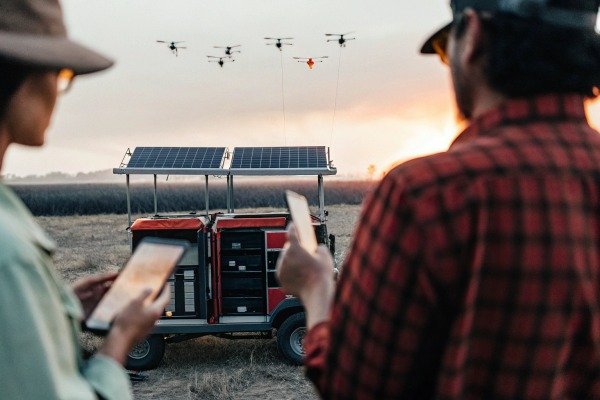
في سياق طائرات مكافحة الحرائق الصناعية، لا يعني "الشحن السريع" مجرد تيار كهربائي أعلى. ويعني بشكل أساسي الإدارة الحرارية.
مشكلة الحرارة
عندما تهبط طائرة بدون طيار بعد رحلة مدتها 30 دقيقة تحمل حمولة ثقيلة، تكون البطاريات ساخنة. لا يمكن لبطاريات الليثيوم قبول الشحن بأمان حتى تنخفض درجة حرارتها الداخلية إلى ما دون عتبة معينة (عادة حوالي 40 درجة مئوية أو 104 درجة فهرنهايت).
إذا استخدمت شاحنًا قياسيًا، فسيتعين عليك الانتظار 20 دقيقة حتى تبرد البطارية بشكل طبيعي قبل أن تتمكن من توصيلها. ثم يستغرق الشحن ساعة أخرى. هذا ما يقرب من 90 دقيقة من وقت التوقف. 90 دقيقة من وقت التوقف 8
تقنية التبريد النشط
الحلول التي ندمجها للعملاء المتميزين تستخدم التبريد النشط. تعمل علبة الشحن نفسها كمكيف هواء للبطاريات.
- تبريد الهواء القسري: يحتوي مركز الشحن على مراوح عالية السرعة تنفخ الهواء عبر فتحات غلاف البطارية.
- التبريد الكهروحراري (TEC): تستخدم بعض الأنظمة المتطورة ألواح بلتيير لتبريد نقطة توصيل البطارية بنشاط.
تسمح لك هذه التقنية بتوصيل بطارية ساخنة فورًا بعد الهبوط. تقوم المحطة بتبريد البطارية أثناء شحنها.
فهم تصنيفات C وعمر الدورة
من المهم فهم المقايضة. شحن البطارية بشكل أسرع يسبب ضغطًا على التركيب الكيميائي.
- الشحن القياسي (1C): يستغرق حوالي 60-90 دقيقة. الأفضل لطول عمر البطارية.
- الشحن السريع (2C – 3C): يستغرق 20-30 دقيقة. ضروري لحالات الطوارئ.
نقوم ببرمجة شواحن SkyRover الخاصة بنا بوضعَين: "وضع التخزين" للصيانة و"وضع المهمة" لحالات الطوارئ. ننصح العملاء باستخدام وضع الشحن السريع "وضع المهمة" فقط عند مكافحة حريق بنشاط. الشحن السريع المستمر سيقلل من العمر الإجمالي لبطاريتك من ربما 400 دورة إلى 200 دورة. ومع ذلك، في سيناريو الإنقاذ، هذا ثمن يستحق الدفع.
مقارنة طرق الشحن
إليك كيف تؤثر التقنيات المختلفة على جاهزيتك التشغيلية.
| طريقة الشحن | الأجهزة المطلوبة | وقت الشحن إلى 90% | أفضل حالة استخدام |
|---|---|---|---|
| شاحن حائط قياسي | محول طاقة أساسي | 60-90 دقيقة | تدريب روتيني؛ شحن طوال الليل. |
| محور ذكي (سلبي) | مركز متعدد الخلجان | 45-60 دقيقة | الدوران عبر أسطول كبير من 8 بطاريات أو أكثر. |
| شحن سريع (تبريد نشط) | علبة الضاغط/المروحة | 25-30 دقيقة | طوارئ نشطة؛ طيران مستمر مع 3 مجموعات بطاريات. |
| نظام الطاقة المربوط | كابل المحطة الأرضية | غير محدود (لا شحن) | مراقبة طويلة الأمد لخط إشعال ثابت. |
بالنسبة لمعظم إدارات الإطفاء، نوصي بخيار الشحن السريع مع التبريد النشط. إنه يحقق أفضل توازن بين سهولة الحركة ووقت التشغيل.
هل يمكنني طلب محطات شحن مخصصة أو إعدادات مولدات لمتطلبات الطائرات بدون طيار الصناعية الخاصة بي؟
أحد الأسباب الرئيسية التي تجعلنا نحافظ على خط إنتاج مرن في الصين هو أنه لا توجد إدارتا إطفاء لهما بروتوكولات متطابقة. لقد تعاونا مع عملاء أوروبيين احتاجوا إلى شواحن مدمجة مباشرة في مركبات القيادة الخاصة بهم، وشركاء أمريكيين احتاجوا إلى علب مولدات متينة ومقاومة للماء لعمليات المستنقعات. نجد أن المنتجات الجاهزة غالبًا ما تفشل في تلبية هذه المتطلبات المتخصصة، مما يؤدي إلى مراكز قيادة مزدحمة وغير فعالة.
نعم، يمكن للمصنعين والمدمجين المتخصصين توفير حلول طاقة مخصصة، بما في ذلك أسطح شحن مدمجة في المركبات، ومقطورات شمسية متينة، ومحولات جهد لشاحنات إطفاء محددة. تسمح خدمات OEM بتعديل مدخلات الشحن وتصميمات العلب لتناسب بيئات التشغيل الفريدة أو تخطيطات مراكز القيادة الحالية.
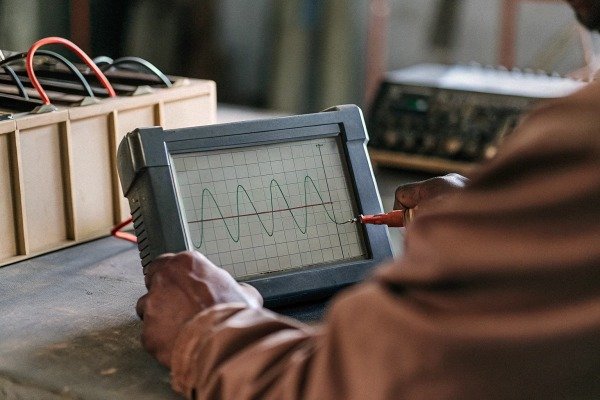
بصفتي مصنعًا، يمكنني أن أخبرك أن التخصيص ليس ممكنًا فحسب؛ بل إنه ضروري غالبًا للتطبيقات الصناعية واسعة النطاق. نقوم بتصنيف هذه الطلبات إلى نوعين: دمج المركبات و تقوية ميدانية.
تكامل المركبات (مراكز القيادة المتنقلة)
ترغب العديد من إدارات الإطفاء في أن تكون محطة شحن الطائرات بدون طيار جزءًا دائمًا من سيارات الدفع الرباعي أو شاحنات الإطفاء الخاصة بهم. لا تم تصميم محور شحن بلاستيكي قياسي ليتم تثبيته في مركبة تهتز.
عندما نتلقى طلبًا من الشركة المصنعة للمعدات الأصلية لهذا، نقوم بتصميم:
- تخميد الاهتزازات: نقوم بتعديل حوامل لوحة الدوائر لتحمل صدمات الشاحنة المتحركة.
- تحويل التيار المستمر إلى تيار مستمر: تعمل شاحنات الإطفاء بالطاقة المستمرة 12 فولت أو 24 فولت. تتوقع شواحن الطائرات بدون طيار القياسية تيارًا مترددًا 110 فولت/220 فولت. استخدام العاكس غير فعال. يمكننا بناء أو الحصول على شواحن تيار مستمر مباشرة تتصل مباشرة بنظام الطاقة المساعد للشاحنة. هذا يلغي الحاجة إلى مولد محمول تمامًا إذا كانت الشاحنة تعمل.
التصميم للبيئات القاسية
كان لدينا عملاء يعملون في بيئات شديدة الغبار أو الرطوبة. بيئات غبار أو رطبة 9 تحتوي المولدات والشواحن القياسية على فتحات مفتوحة للتبريد. إذا سحبت رمادًا من حريق غابات، فسوف تفشل المعدات.
لهؤلاء العملاء، نقوم بتخصيص "علب طاقة مقواة"."
- حماية من الدخول: نقوم بإغلاق الإلكترونيات الحساسة في علبة صلبة مصنفة IP67.
- مشتتات حرارة خارجية: بدلاً من نفخ الهواء عبر ننقل الحرارة إلى زعانف معدنية كبيرة على السطح الخارجي للحاوية.
حزمة OEM مقابل الحزمة القياسية
هل التخصيص مناسب لك؟ يعتمد ذلك على ميزانيتك والجدول الزمني الخاص بك.
| أسبكت | حزمة الاستعداد القياسية | حل طاقة OEM مخصص |
|---|---|---|
| المهلة الزمنية | فوري (متوفر في المخزون) | 4–8 أسابيع (الهندسة والاختبار) |
| التكلفة | منخفض (إنتاج بكميات كبيرة) | مرتفع (رسوم NRE + تكلفة الوحدة) |
| التكامل | معدات مستقلة | مدمجة بسلاسة في المركبات/المقطورات |
| المتانة | غلاف بلاستيكي قياسي | معدن أو بوليمر مقوى |
| الضمان | سنة واحدة قياسية | شروط ممتدة/مخصصة |
إذا كنت محطة إطفاء واحدة، فإن الحزمة القياسية تكون كافية عادةً. إذا كنت وكالة على مستوى الولاية تقوم بتجهيز أسطول من 20 مركبة قيادة، فإن التخصيص يضمن سير عملك بسلاسة.
هل سيتولى المورد الخدمات اللوجستية وشهادات السلامة لشحن البطاريات والمولدات الثقيلة؟
يقضي قسم اللوجستيات لدينا ما يقرب من نصف وقته في التنقل في الشبكة المعقدة للوائح البضائع الخطرة الدولية لوائح البضائع الخطرة 10 حتى لا تضطر أنت. نحن نعرف الإحباط الناتج عن مصادرة شحنة في الجمارك بسبب فقدان ملصق بطارية أو احتواء مولد على وقود متبقي. هذه نقطة ألم كبيرة للمشترين، وبصراحة، غالبًا ما يخطئ الموردون عديمو الخبرة في هذا الأمر، تاركين العميل بغرامات أو معدات متأخرة.
سيدير الموردون ذوو الخبرة اللوجستيات المعقدة لشحن البضائع الخطرة من الفئة 9 (البطاريات) والآلات الثقيلة، مما يضمن الامتثال للوائح UN38.3 و IATA و DOT. يجب أن يقدموا شحن DDP (التسليم المدفوع الرسوم الجمركية) للتعامل مع التخليص الجمركي والتحقق من أن المولدات يتم شحنها جافة لتلبية معايير السلامة.
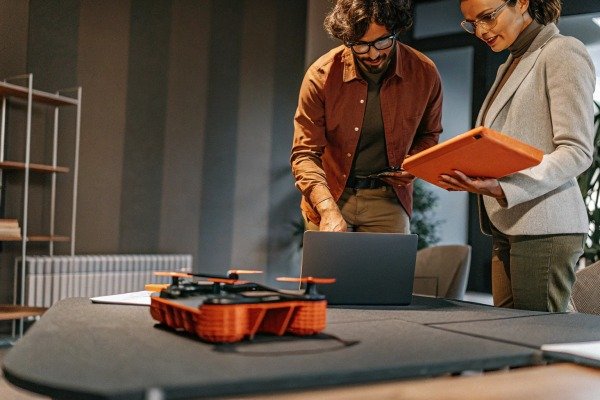
شحن طائرة بدون طيار أمر سهل. شحن نظام الطاقة لتلك الطائرة بدون طيار أمر صعب. هذا هو المكان الذي يصبح فيه الفرق بين المصدر المحترف والبائع العادي واضحًا.
التنقل في البضائع الخطرة (DG)
بطاريات الطائرات بدون طيار لمكافحة الحرائق كبيرة - غالبًا ما تزيد عن 100 واط ساعة (Wh). في عالم اللوجستيات، هذه هي البضائع الخطرة من الفئة 9. لا يمكن ببساطة وضعها في صندوق كرتوني وشحنها.
- شهادة UN38.3: يجب أن تجتاز كل بطارية نبيعها هذا الاختبار (الاهتزاز، الصدمة، الدائرة القصيرة الخارجية). بدون هذا التقرير، سترفض شركات الشحن الجوي الشحنة.
- تعليمات التعبئة (PI 965): هناك حدود صارمة على حالة الشحن (SoC). يجب علينا شحن البطاريات بنسبة 30٪ أو أقل. إذا كانت مشحونة بالكامل، فهي غير قانونية للطيران على متن طائرات الشحن.
لوجستيات المولدات
تشكل المولدات مشكلة مختلفة. حتى لو كانت جديدة تمامًا، فإن مسؤولي الجمارك حذرون من بقايا الوقود.
- الشحن الجاف: نضمن أن كل مولد "جاف المصنع" - لم يتم تشغيله بالبنزين مطلقًا. إذا تم اختبار مولد بالوقود، فيجب تفريغه واعتماده، وهو أمر مكلف وخطير.
- الوزن والحجم: المولدات ثقيلة. شحن مولد بوزن 50 رطلاً عبر الشحن الجوي مكلف للغاية. غالبًا ما ننصح العملاء بشحن الطائرة بدون طيار خفيفة الوزن عبر الجو (للسرعة) والمولدات الثقيلة/حقائب الشحن عبر الشحن البحري (لتوفير التكاليف).
أهمية DDP (التسليم مع دفع الرسوم الجمركية)
لعملائنا في الولايات المتحدة وأوروبا، نوصي بشدة بـ شروط DDP.
- DAP (تسليم في المكان): يقوم المورد بشحنه، ولكن أنت (المشتري) يتعين عليه توظيف وسيط جمارك، ودفع رسوم الاستيراد، والتعامل مع الأوراق عند وصوله. إذا لم يكن لديك وسيط، فإن البضائع تعلق.
- DDP (التسليم مدفوع الرسوم المدفوعة): نحن نتعامل مع كل شيء. ندفع الرسوم، ونتعامل مع إعلان البضائع الخطرة، وتصل الشاحنة إلى باب محطة الإطفاء الخاصة بك.
قائمة التحقق من الوثائق الأساسية
عند استلام البنية التحتية للطاقة الخاصة بك، يجب عليك التحقق من وجود المستندات التالية.
| اسم المستند | الغرض | مهم لـ… |
|---|---|---|
| صحيفة بيانات السلامة والصحة المهنية/صحيفة بيانات السلامة والصحة المهنية | صحيفة بيانات سلامة المواد | إثبات سلامة كيمياء البطارية لرجال الإطفاء/الناقلين. |
| تقرير الاختبار UN38.3 | إثبات متانة البطارية | مطلوب قانونًا للنقل الجوي. |
| شهادة المنشأ | إثبات مكان التصنيع | حساب التعريفات ورسوم الاستيراد. |
| الفاتورة التجارية | إعلان القيمة | التخليص الجمركي. |
إذا لم يتمكن المورد الخاص بك من تقديم تقرير MSDS أو UN38.3 على الفور، فلا تشترِ منه. يشير ذلك إلى أن بطارياتهم قد تكون غير آمنة أو غير معتمدة.
الخاتمة
شراء طائرة بدون طيار لمكافحة الحرائق ليس مجرد شراء كاميرا طائرة؛ إنه يتعلق باكتساب قدرة. تعتمد هذه القدرة بالكامل على البنية التحتية للطاقة لديك. سواء اخترت حزمة قياسية مع مولد موجة جيبية نقية أو اخترت تكاملًا مخصصًا بالكامل لمركبة القيادة، فإن الهدف هو الاستعداد على مدار الساعة طوال أيام الأسبوع. من خلال طرح الأسئلة الصحيحة حول توافق المولد، وأنظمة التبريد للشحن السريع، ولوجستيات البضائع الخطرة، فإنك تضمن أن أسطولك جاهز للإطلاق في اللحظة التي يرن فيها الإنذار.
الحواشي
1. خلفية عامة حول نشر طائرات بدون طيار للتصوير الحراري في مكافحة الحرائق. ︎
2. معلومات رسمية من الحكومة الأمريكية حول استخدام الطائرات بدون طيار أثناء حرائق الغابات النشطة. ︎
3. نظرة عامة فنية على أنظمة إدارة البطاريات من شركة تصنيع إلكترونيات رئيسية. ︎
4. لوائح IATA للنقل الجوي الآمن لبطاريات الليثيوم بوليمر. ︎
5. معيار IEEE لتشغيل المعدات الإلكترونية الحساسة مثل شواحن الطائرات بدون طيار. ︎
6. وثائق الشركة المصنعة تشرح فوائد مولدات العاكس للإلكترونيات الحساسة. ︎
7. ورقة حقائق رسمية من وزارة الطاقة حول سلامة بطاريات الليثيوم أيون والهروب الحراري. ︎
8. بحث حول تبريد بلتيير لتقليل وقت تعطل البطارية وتحسين كفاءة الشحن. ︎
9. معيار ISO لتصنيفات IP، ذي صلة بالمعدات المستخدمة في البيئات المتربة أو الرطبة. ︎
10. إرشادات FAA حول الامتثال للوائح البضائع الخطرة لبطاريات الطائرات بدون طيار. ︎
 English
  Español de México
  Deutsch
  Français
  Русский
  العربية
اترك تعليقاً