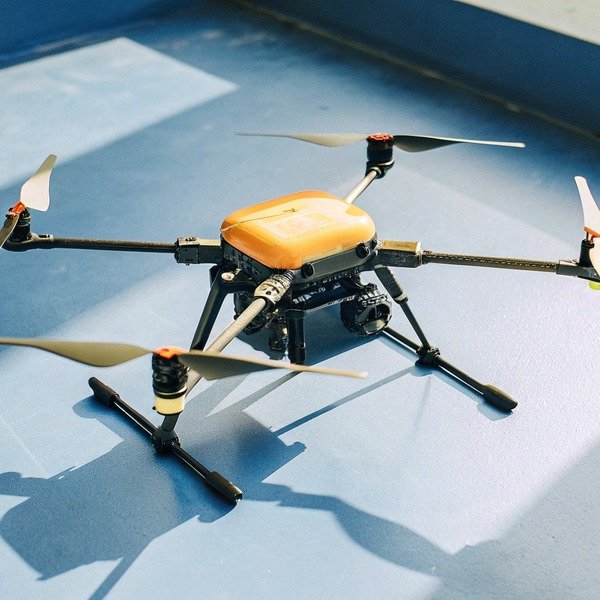
حرائق الغابات لا يمكن التنبؤ بها، وفشل المعدات ليس خيارًا. غالبًا ما نرى كيف تؤدي عمليات المصنع التي تم تجاهلها إلى طائرات بدون طيار غير موثوقة تفشل أثناء المهام الحرجة.
نعم، التحقق من شهادة إدارة البيئة أمر بالغ الأهمية. يؤكد أن المورد يتبع معايير ISO 14001 الصارمة لتقليل النفايات والتعامل مع المواد الخطرة. هذا يضمن أن خط الإنتاج يقلل من التأثير البيئي مع الحفاظ على اتساق التصنيع العالي، مما يؤدي إلى طائرات بدون طيار أكثر أمانًا ومتانة لمكافحة الحرائق لعمليات الطوارئ.
دعنا نستكشف لماذا هذه الشهادات التصنيعية مهمة أكثر مما قد تعتقد لموثوقية أسطولك.
لماذا يجب أن أعطي الأولوية لشهادة ISO 14001 عند اختيار مصنع طائرات بدون طيار لمكافحة الحرائق؟
يعد الحصول على معدات متينة أمرًا مرهقًا عندما يتجاهل الموردون الممارسات المستدامة. يعطي فريق الهندسة لدينا الأولوية للإنتاج النظيف لمنع العيوب المخفية التي يمكن أن تعرض أسطولك للخطر في الميدان.
تضمن إعطاء الأولوية لشهادة ISO 14001 أن يدير المورد الخاص بك المخاطر البيئية بشكل استباقي. يشير إلى خط إنتاج متطور يتحكم في النفايات الخطرة مثل غبار ألياف الكربون ومواد البطاريات الكيميائية. غالبًا ما يرتبط هذا المستوى من التحكم في العمليات بجودة بناء منتج فائقة وتقليل المسؤولية لقسم المشتريات الخاص بك.
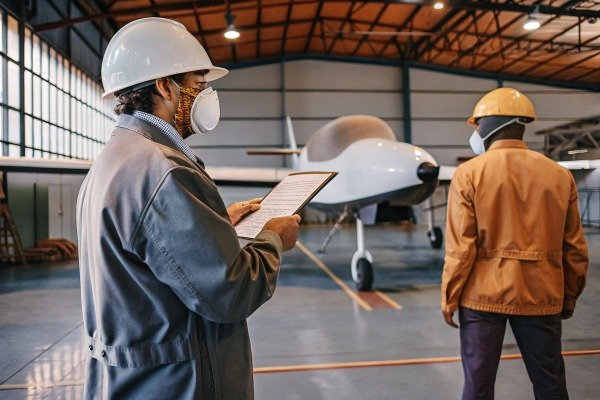
الارتباط بين المصانع النظيفة والطائرات بدون طيار الموثوقة
عندما نحلل الأسباب الجذرية لفشل الطائرات بدون طيار في الميدان، غالبًا ما نرجع المشكلة إلى البيئة التي تم فيها تجميع الوحدة. غالبًا ما تعاني أرضية التصنيع التي تفتقر إلى نظام إدارة بيئية صارم (EMS) من التلوث المتبادل. على سبيل المثال، ينتج عن إنتاج هياكل طائراتنا المصنوعة من ألياف الكربون السوداء كميات كبيرة من الغبار الموصل. غبار موصل 1 إذا لم يكن لدى المصنع بروتوكولات ترشيح الهواء وإدارة النفايات المتوافقة مع ISO 14001، يمكن لهذا الغبار المجهري أن يستقر على لوحات الدوائر المطبوعة (PCBs) المكشوفة أو وحدات التحكم في الطيران قبل إغلاق الغلاف. وحدات التحكم في الطيران 2 لوحات الدوائر المطبوعة 3
في تجربتنا، هذا هو السبب الرئيسي للدوائر القصيرة "غير المبررة" التي تحدث بعد أشهر من الشراء. من خلال الالتزام بالمعايير البيئية الصارمة، نضمن استخراج الجسيمات من المصدر. هذا لا يتعلق فقط بحماية الكوكب؛ بل يتعلق بحماية سلامة إلكترونيات الطائرة بدون طيار. المصنع النظيف بما يكفي لاجتياز تدقيق بيئي هو، افتراضيًا، نظيف بما يكفي لتجميع إلكترونيات الطيران عالية الدقة.
إدارة المواد الخطرة في تجميع الطائرات بدون طيار
تعتمد طائرات مكافحة الحرائق بدون طيار على بطاريات ليثيوم بوليمر عالية السعة ومواد مركبة قوية. بطاريات الليثيوم بوليمر 4 تتضمن عملية التصنيع الراتنجات والمذيبات وعوامل الربط الكيميائية التي تعتبر خطرة إذا تم التعامل معها بشكل خاطئ. لدى المورد المعتمد وفقًا لمعيار ISO 14001 دورة "خطط-نفذ-تحقق-تصرف" تم التحقق منها للتعامل مع هذه المواد.
بدون شهادة، هناك خطر أكبر من أن تكون المذيبات المستخدمة في تنظيف المكونات غير متسقة أو ملوثة، مما يؤدي إلى روابط هيكلية ضعيفة. بالنسبة لطائرة بدون طيار تحمل حمولة ثقيلة أو تقاتل رياحًا قوية، يمكن أن يكون الرابط اللاصق الضعيف كارثيًا. نحن نتعامل مع الامتثال البيئي كبديل للانضباط الكيميائي. إذا قام المورد بتوفير التكاليف في التخلص من نفايات الراتنج السامة، فمن المحتمل أن يقوم بتوفير التكاليف في نسب خلط هذا الراتنج أثناء الإنتاج.
المرونة التشغيلية وسمعة العلامة التجارية
بالنسبة لمدير المشتريات، يمتد الخطر إلى ما هو أبعد من الأجهزة. يؤدي التوريد من مصنع ينتهك اللوائح البيئية إلى تعريض مؤسستك لأضرار في السمعة. إذا تم إغلاق مصنع من قبل السلطات المحلية بسبب انتهاكات التلوث - وهو أمر شائع في المناطق الصناعية التي تفتقر إلى الشهادات - فإن سلسلة التوريد الخاصة بك لقطع الغيار تختفي بين عشية وضحاها. يعد إعطاء الأولوية للشهادات خطوة استراتيجية لضمان بقاء المورد الخاص بك تشغيليًا ومتوافقًا على المدى الطويل.
الجدول 1: مخاطر الإنتاج للمصانع المعتمدة وغير المعتمدة وفقًا لمعيار ISO 14001
| الميزة | مصنع معتمد وفقًا لمعيار ISO 14001 | مصنع غير معتمد |
|---|---|---|
| التحكم في الغبار | يمنع الترشيح الصارم غبار الكربون الموصل من الاستقرار على الإلكترونيات. | خطر كبير من غبار ألياف الكربون الذي يسبب دوائر قصر كامنة على لوحات الدوائر المطبوعة. |
| التعامل مع المواد الكيميائية | يضمن التخزين والتخلص الموحد نقاء المذيبات المتسق. | قد يؤدي التعامل غير المتسق إلى مواد لاصقة ملوثة وروابط هيكلية ضعيفة. |
| استقرار سلسلة التوريد | انخفاض خطر إغلاق الحكومة بسبب الامتثال البيئي. | خطر مرتفع للإغلاق المفاجئ بسبب الانتهاكات البيئية، مما يعطل توريد الأجزاء. |
| إدارة النفايات | الفصل المنظم للنفايات الخطرة (البطاريات، الراتنجات). | التخلص العشوائي يزيد من مخاطر الحرائق داخل المصنع والمسؤولية القانونية المحتملة. |
كيف يؤثر نظام الإدارة البيئية للمورد على الجودة طويلة الأجل لطلبات الطائرات بدون طيار الخاصة بي؟
الدُفعات غير المتناسقة تُحبط مديري المشتريات الذين يحتاجون إلى أساطيل موثوقة. نحن نفرض ضوابط بيئية صارمة في مصنعنا في تشنغدو لضمان أن كل وحدة تعمل بشكل متطابق مع الوحدة السابقة.
يحسن نظام الإدارة البيئية الفعال بشكل مباشر الجودة طويلة الأجل من خلال فرض إجراءات تشغيل موحدة. من خلال التحكم الصارم في ظروف المصنع مثل درجة الحرارة والرطوبة ومستويات الغبار لتلبية الأهداف البيئية، يمنع المصنعون تدهور المواد. ينتج عن ذلك عمر أطول للمكونات الإلكترونية الحساسة والسلامة الهيكلية في البيئات القاسية لمكافحة الحرائق.
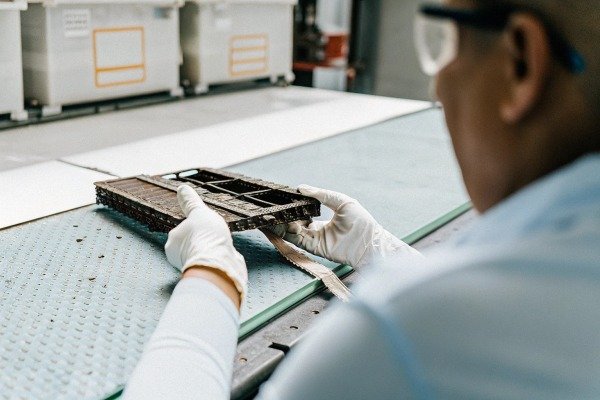
التحكم في المتغيرات على خط التجميع
تكمن العلاقة بين الإدارة البيئية وجودة المنتج في تقليل المتغيرات. يتطلب نظام الإدارة البيئية منا مراقبة استهلاك الطاقة وإنتاج النفايات، مما يؤدي حتمًا إلى تحكم أفضل في مناخ المنشأة. على سبيل المثال، الرطوبة العالية هي عدو لكل من الكفاءة البيئية (بسبب حمل التدفئة والتهوية وتكييف الهواء) وجودة اللحام. في خط الإنتاج الخاص بنا، يضمن الحفاظ على المعلمات البيئية الصارمة أن معجون اللحام المطبق على وحدة التحكم في الطيران يتصرف بشكل متسق.
إذا كان المورد يفتقر إلى هذه الضوابط، فإن تقلبات الرطوبة يمكن أن تسبب تشققات دقيقة في وصلات اللحام. هذه العيوب غير مرئية أثناء الفحص الأولي ولكنها ستتوسع عندما تتعرض الطائرة بدون طيار للتغيرات السريعة في درجات الحرارة لمشهد حريق - الطيران من الهواء البارد إلى الحرارة الشديدة. من خلال إدارة بيئة المصنع لتلبية معايير الشهادات، فإننا نخلق عن غير قصد الظروف المثالية لتصنيع الإلكترونيات عالية الموثوقية.
متانة المواد والطلاءات
تتميز طائرات مكافحة الحرائق بدون طيار لدينا بغلاف علوي برتقالي ساطع وجسم أسود متين مصمم لتحمل الماء والدخان. تطبيق هذه الطلاءات الواقية هو عملية كيميائية تطلق مركبات عضوية متطايرة (VOCs). يجب على المصنع المعتمد من نظام الإدارة البيئية التقاط هذه المركبات العضوية المتطايرة وتصفيتها. للقيام بذلك بفعالية، يجب أن تكون كبائن الطلاء والطلاء محكمة الإغلاق وآلية.
هذه الضرورة البيئية تترجم إلى فائدة جودة: تضمن عملية الطلاء المحكمة والآلية سمكًا موحدًا للطلاء المقاوم للعوامل الجوية. غالبًا ما تؤدي العملية اليدوية غير المنظمة في ورشة عمل غير معتمدة إلى تغطية غير متساوية، مما يترك أجزاء من الطائرة بدون طيار عرضة لتسرب الرطوبة. عندما ترى تصنيف "مقاوم للماء" على ورقة بيانات، فإن صلاحية هذا الادعاء غالبًا ما تكون متجذرة في قدرة المورد على التحكم في بيئة الطلاء الخاصة به.
تقليل "معدل الوفيات المبكرة" في الإلكترونيات
"يشير "معدل الوفيات المبكرة" إلى فشل الإلكترونيات في وقت مبكر من دورة حياتها. أحد الأسباب الرئيسية هو الكهرباء الساكنة والتلوث أثناء التجميع. غالبًا ما تفرض المعايير البيئية أرضيات مضادة للكهرباء الساكنة ومستويات رطوبة محددة لمنع تفريغ الشرارة التي يمكن أن تشعل أبخرة المذيبات. هذه الإجراءات الوقائية نفسها تحمي مكونات الطائرات بدون طيار الحساسة من تلف التفريغ الكهروستاتيكي (ESD). التفريغ الكهروستاتيكي 5
عندما ننفذ نظام إدارة البيئة (EMS)، فإننا نبني فعليًا شبكة أمان للمنتج. الوثائق الصارمة المطلوبة لمعيار ISO 14001 تعني أنه إذا نشأت مشكلة جودة، يمكننا تتبعها إلى ظروف بيئية محددة في يوم التصنيع. هذه القدرة على التتبع مستحيلة في مصنع غير منظم وغير معتمد، مما يجعل من الصعب حل الأسباب الجذرية للفشل.
الجدول 2: تأثير الضوابط البيئية على مكونات الطائرات المسيرة الرئيسية
| المكوّن | التهديد البيئي في المصنع | التأثير على جودة المنتج |
|---|---|---|
| وحدة التحكم في الطيران | الرطوبة العالية / الغبار | يسبب تآكلًا دقيقًا وكسورًا في وصلات اللحام، مما يؤدي إلى فشل أثناء الطيران. |
| الغلاف البرتقالي | الرش غير المتحكم فيه / المركبات العضوية المتطايرة | يؤدي إلى سماكة غير متساوية للطلاء، مما يقلل من الرؤية ومقاومة العوامل الجوية. |
| بطاريات الليثيوم | تخزين درجة الحرارة غير السليم | يؤدي إلى تدهور كيمياء البطارية قبل الاستخدام، مما يقلل من وقت الطيران وعمر الدورة الإجمالي. |
| أذرع المروحة | التلوث الكيميائي | يضعف مصفوفة ألياف الكربون، مما يتسبب في كسر الأذرع تحت ضغط الحمولة الثقيلة. |
هل سيساعدني الشراء من مصنع معتمد بيئيًا في تلبية معايير المشتريات الحكومية؟
التنقل في المناقصات الحكومية المعقدة صعب بدون الوثائق الصحيحة. نساعد شركاءنا على الفوز بالعطاءات من خلال مواءمة معايير الإنتاج لدينا مع متطلبات القطاع العام الصارمة.
نعم، يساعد التوريد من المصانع المعتمدة بشكل كبير في تلبية معايير المشتريات الحكومية. تفرض العديد من وكالات السلامة العامة الآن سياسات المشتريات الخضراء، وتتطلب من الموردين إثبات الحد الأدنى من التأثير البيئي. الشهادات الصالحة بمثابة دليل على الامتثال، مما يساعد قسمك على الحصول على درجات أعلى في تقييمات المناقصات وتلبية أهداف المسؤولية الاجتماعية للشركات.
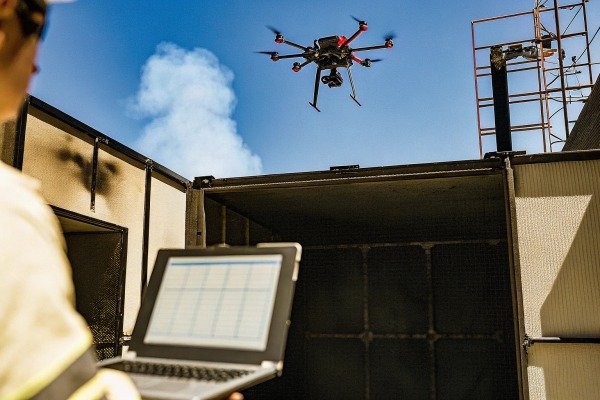
صعود المشتريات الخضراء في مجال السلامة العامة
في السنوات الأخيرة، لاحظنا تحولاً في كيفية تقييم الوكالات الحكومية الأمريكية والأوروبية للعطاءات. لم يعد الأمر يتعلق فقط بأقل سعر أو أطول وقت طيران. يُكلف مسؤولو المشتريات بشكل متزايد بـ "المشتريات العامة الخضراء" (GPP). المشتريات العامة الخضراء 6 هذا يعني أن الوكالات مطالبة بشراء سلع تسبب الحد الأدنى من الضرر للبيئة.
عند تقديم عطاء أو طلب أمر شراء لطائرات بدون طيار لمكافحة الحرائق، فإن وجود مورد حاصل على شهادة ISO 14001 يمكن أن يكون العامل الحاسم. شهادة ISO 14001 7 إنها توفر تحققًا من طرف ثالث بأن المعدات تم تصنيعها بمسؤولية. بدون هذا، قد تجد مقترحك مرفوضًا خلال مرحلة التأهيل المسبق، بغض النظر عن أداء الطائرة بدون طيار. نحن نجهز وثائقنا لضمان أن يتمكن موزعونا والمستخدمون النهائيون من التحقق من هذا الأمر بثقة.
تخفيف مخاطر الامتثال والتدقيق العام
تعمل إدارات الإطفاء ووكالات السلامة العامة تحت أنظار الجمهور. هناك حساسية متزايدة فيما يتعلق بسلسلة توريد المعدات الممولة حكوميًا. إذا تبين أن قسمًا ما يشتري معدات من مصنع معروف بتلويث مصادر المياه المحلية أو سوء إدارة النفايات السامة، فإن رد الفعل العنيف يمكن أن يكون شديدًا.
من خلال الشراء من منشأة معتمدة بيئيًا، فإنك تشتري فعليًا بوليصة تأمين ضد هذا النوع من التدقيق. إنه يوضح العناية الواجبة. علاوة على ذلك، تقوم العديد من المناطق بتطبيق لوائح مماثلة للائحة REACH أو RoHS في الاتحاد الأوروبي، والتي تقيد المواد الخطرة في الإلكترونيات. REACH أو RoHS 8 من المرجح جدًا أن يكون المصنع المعتمد من EMS متوافقًا مع هذه القيود على المواد لأنه لديه بالفعل أنظمة معمول بها لتتبع وإبلاغ استخدام المواد الكيميائية.
تسجيل النقاط في تقييمات المناقصات
تستخدم العديد من طلبات تقديم العروض (RFPs) الآن نظام تسجيل مرجح. بينما تحمل المواصفات الفنية والسعر الوزن الأكبر، فإن "الاستدامة" أو "المسؤولية الاجتماعية للشركات" (CSR) غالبًا ما تشكل 10-15% من النتيجة الإجمالية. في بيئة تقديم عطاءات تنافسية، هذه النقاط مهمة.
لقد رأينا حالات تم فيها رفض طائرة بدون طيار متفوقة لأن المورد لم يتمكن من تقديم دليل على الإدارة البيئية. على العكس من ذلك، فإن تقديم شهادة ISO 14001 صالحة، جنبًا إلى جنب مع تقرير استدامة الشركة المصنعة، يمكن أن يدفع عطاءً من المركز الثاني إلى الأول. إنه يشير إلى لجنة التقييم أن المورد كيان عالمي ناضج قادر على تلبية المعايير الدولية، بدلاً من ورشة عمل صغيرة تختصر الطرق.
الجدول 3: متطلبات المشتريات الحكومية الشائعة مقابل شهادات الموردين
| متطلبات الشراء | الشهادة/المعيار ذو الصلة | ما أهمية ذلك |
|---|---|---|
| درجة الاستدامة | ISO 14001 (نظام إدارة البيئة) | تعزيز درجات تقييم المناقصات من خلال إثبات التصنيع الصديق للبيئة. |
| سلامة المواد | الامتثال لـ RoHS / REACH | يضمن خلو الطائرة بدون طيار من المواد الخطرة المحظورة (الرصاص، الزئبق). |
| أخلاقيات سلسلة التوريد | تقرير المسؤولية الاجتماعية للشركات / ISO 45001 | يثبت أن المورد يقدر سلامة العمال والصحة البيئية. |
| كفاءة الطاقة | Energy Star (الشواحن) / ISO 50001 | يوضح الكفاءة في أنظمة شحن البطاريات واستخدام الطاقة في الإنتاج. |
كيف يمكنني التحقق من أن خط إنتاج مورد الطائرات بدون طيار الخاص بي يحمل شهادات بيئية صالحة؟
الشهادات المزيفة فخ شائع يمكن أن يدمر سمعتك. نشجع عملائنا على تدقيق منشآتنا لأن الشفافية تبني الثقة وتضمن الأصالة.
يمكنك التحقق من الشهادات عن طريق طلب شهادة ISO 14001 سارية من المورد والتحقق من قاعدة بيانات هيئة الاعتماد عبر الإنترنت. بالإضافة إلى ذلك، قم بإجراء عمليات تدقيق في الموقع أو افتراضية لفحص بروتوكولات إدارة النفايات. اطلب تقارير تدقيق حديثة من طرف ثالث لتأكيد أن الشهادة تغطي خط التجميع المحدد المستخدم لطائراتك المسيرة لمكافحة الحرائق.
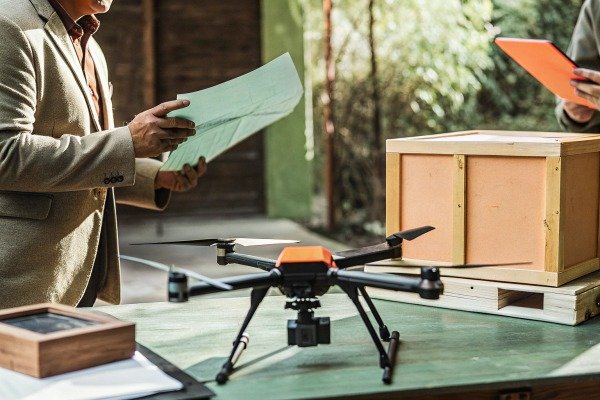
طلب والتحقق من المستندات
الخطوة الأولى في التحقق هي طلب المستندات الصحيحة. لا تقبل ادعاءً غامضًا على موقع ويب. يجب عليك طلب نسخة عالية الدقة من شهادة ISO 14001. بمجرد استلامها، انظر عن كثب إلى قسم "النطاق". هذه تفاصيل حاسمة يتجاهلها العديد من المشترين.
يجب أن يذكر النطاق صراحةً "تصنيع وتجميع الطائرات المسيرة (UAVs)" أو صياغة مماثلة. في بعض الأحيان، ستقدم شركة تجارية شهادة تغطي عمليات مكتبها فقط، وليس أرض المصنع حيث يتم بناء الطائرات المسيرة فعليًا. علاوة على ذلك، كل شهادة مشروعة لها رقم تعريف فريد وتدرج هيئة اعتماد (مثل UKAS، ANAB، أو CNAS). يجب عليك زيارة موقع هيئة الاعتماد وإدخال رقم التعريف للتحقق من أن الشهادة نشطة حاليًا وليست منتهية الصلاحية.
التدقيق الافتراضي أو في الموقع
إذا كان السفر إلى الصين غير ممكن، فإننا غالبًا ما نسهل عمليات التدقيق الافتراضية لعملائنا. في جولة فيديو مباشرة، يجب أن تطلب رؤية دليل محدد على نظام الإدارة البيئية قيد التنفيذ. لا تنظر فقط إلى الطائرات المسيرة النهائية. اطلب رؤية منطقة تخزين المواد الكيميائية - هل هي جيدة التهوية؟ هل توجد منصات احتواء ثانوية لالتقاط التسربات؟
انظر إلى منطقة التخلص من النفايات. في مصنع معتمد، سترى صناديق مميزة بوضوح لأنواع مختلفة من النفايات: خطرة (بطاريات، خرق كيميائية)، قابلة لإعادة التدوير (كرتون، بلاستيك)، ونفايات عامة. اطلب من مدير الإنتاج أن يريك "قوائم" التخلص من النفايات الخطرة. هذه إيصالات من الشركات المرخصة التي تأخذ النفايات بعيدًا. المصنع الذي لا يستطيع إنتاج هذه الإيصالات على الأرجح لا يمتلك نظام إدارة بيئية فعالًا، بغض النظر عما تقوله شهادته.
تحديد العلامات الحمراء و"الغسل الأخضر"
"الغسل الأخضر" هو عندما تقضي الشركة وقتًا أطول في الادعاء بأنها خضراء بدلاً من أن تكون خضراء بالفعل. علامة حمراء رئيسية هي شهادة صادرة عن "هيئة اعتماد" لا يبدو أنها معتمدة من قبل عضو في المنتدى الدولي للاعتماد (IAF). المنتدى الدولي للاعتماد 9
علامة تحذير أخرى هي عدم وجود تكامل بين نظام الإدارة البيئية ونظام إدارة الجودة (QMS). إذا ادعى المورد أنه حاصل على شهادة ISO 14001 ولكنه يمتلك أرضية مصنع فوضوية وقذرة في مقاطع الفيديو التسويقية الخاصة به، فكن متشككًا. يجب أن يعمل النظامان جنبًا إلى جنب. على سبيل المثال، يجب أن يتتبع نفس النظام الذي يتتبع بطارية معيبة (الجودة) أيضًا التخلص الآمن منها (البيئة). إذا لم يتمكن المورد من شرح كيفية ربط هاتين العمليتين معًا، فقد تكون شهادته مجرد قطعة ورق تم شراؤها لتلبية متطلب، بدلاً من أن تكون انعكاسًا حقيقيًا لعملياته.
فهم أهمية انبعاثات النطاق 3
يطالب المشترون المتقدمون الآن بانبعاثات النطاق 3، والتي تغطي الانبعاثات غير المباشرة في سلسلة التوريد. انبعاثات النطاق 3 10 على الرغم من أنها ليست إلزامية دائمًا للشراء، إلا أن سؤال المورد عن بصمته الكربونية للخدمات اللوجستية (شحن الطائرة المسيرة إلى الولايات المتحدة) يكشف عن مدى نضجه.
المورد الذي يمكنه مناقشة كيفية تحسين التعبئة والتغليف لتقليل الوزن وحجم الشحن - وبالتالي تقليل انبعاثات الكربون - يظهر مستوى عالٍ من الكفاءة البيئية. على سبيل المثال، تم تصميم عبواتنا لسلسلة SkyRover لتكون بسيطة ولكنها واقية، مما يقلل من النفايات وتكاليف الشحن في وقت واحد. هذا المستوى من التفاصيل نادرًا ما يوجد في الموردين غير المعتمدين.
الخاتمة
التحقق من الشهادات البيئية يحمي استثمارك ويضمن موثوقية التشغيل. اختر شريكًا ملتزمًا بالتصنيع المستدام لحلول مكافحة الحرائق الأكثر أمانًا وطويلة الأمد.
الحواشي
1. التوجيهات الرسمية من المعهد الوطني للسلامة والصحة المهنية بشأن مخاطر الصحة والسلامة للتعامل مع ألياف الكربون الموصلة. ︎
2. وثائق فنية لأنظمة التحكم في الطيران الصناعية المستخدمة في الطائرات بدون طيار الاحترافية. ︎
3. خلفية عامة عن المكونات الإلكترونية المذكورة في عملية التجميع. ︎
4. إرشادات السلامة من شركة مصنعة رئيسية للطائرات بدون طيار فيما يتعلق بتقنية البطارية المحددة المستخدمة. ︎
5. معايير الصناعة لمنع التلف الكهروستاتيكي للمكونات الإلكترونية الحساسة أثناء التصنيع. ︎
6. أخبار حديثة بشأن تفويضات حكومية لسياسات الشراء المستدامة والخضراء. ︎
7. صفحة ISO الرسمية تشرح معيار نظام الإدارة البيئية المذكور في النص. ︎
8. توجيهات حكومية رسمية بشأن قيود المواد الخطرة للمنتجات الإلكترونية. ︎
9. الموقع الرسمي للتحقق من شرعية هيئات الاعتماد لشهادات ISO. ︎
10. إطار عمل موحد للمحاسبة عن التأثيرات البيئية غير المباشرة لسلسلة التوريد. ︎

 English
  Español de México
  Deutsch
  Français
  Русский
  العربية
