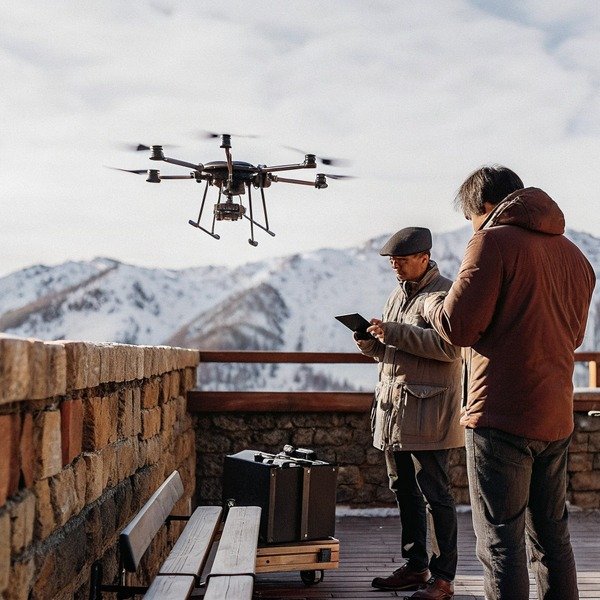
عندما يختبر فريق الهندسة لدينا طائرات بدون طيار ثقيلة الرفع في المناطق الجبلية القريبة من مصنعنا، نلاحظ على الفور الصعوبة التي تواجهها المعدات القياسية في الهواء الرقيق. الهواء الرقيق 1. بدون إعداد دفع مناسب، تبدو طائرة الأوكتوكوبتر القوية بطيئة، وتستنزف البطاريات بسرعة، ويزداد خطر فشل المهمة أثناء الاستجابة الحرجة لحرائق الغابات بشكل كبير.
نعم، يقدم الموردون ذوو السمعة الطيبة تكوينات مراوح متخصصة مصممة خصيصًا للعمليات على ارتفاعات عالية. تتميز هذه المراوح بمسننات أكثر حدة ومساحات سطح أكبر للتعويض عن انخفاض كثافة الهواء. يسمح هذا التحسين لطائرات مكافحة الحرائق بدون طيار بالحفاظ على قوة دفع أساسية، وحمل حمولات ثقيلة، والعمل بأمان على ارتفاعات تتجاوز 3000 متر فوق مستوى سطح البحر.
يعد فهم الفروق التقنية لهذه المكونات أمرًا حيويًا لضمان أداء أسطولك بشكل موثوق في البيئات القاسية.
كيف تحسن المراوح المتخصصة استقرار الرحلة لمهامي على ارتفاعات عالية؟
في تجربتنا في معايرة وحدات التحكم في الطيران للعملاء في جبال الأنديز أو جبال روكي، نرى أن الشفرات القياسية تجبر المحركات على الدوران بالقرب من حدها الأقصى لمجرد التحويم. هذا يترك احتياطي طاقة صفريًا لتثبيت الطائرة بدون طيار عندما تضرب رياح جبلية غير متوقعة، مما يخلق وضعًا خطيرًا للمشغلين.
تعمل المراوح المتخصصة على تحسين الاستقرار عن طريق توليد قوة رفع كافية عند دورات في الدقيقة أقل، مما يخلق مخزنًا حرجًا للطاقة للمحركات. تسمح هذه المساحة الإضافية للحاسوب الطائر بتسريع المحركات الفردية على الفور لمواجهة الاضطرابات، مما يضمن بقاء الطائرة بدون طيار مستقرة وسريعة الاستجابة حتى عند مكافحة أنماط الرياح المتقلبة في الهواء الرقيق.
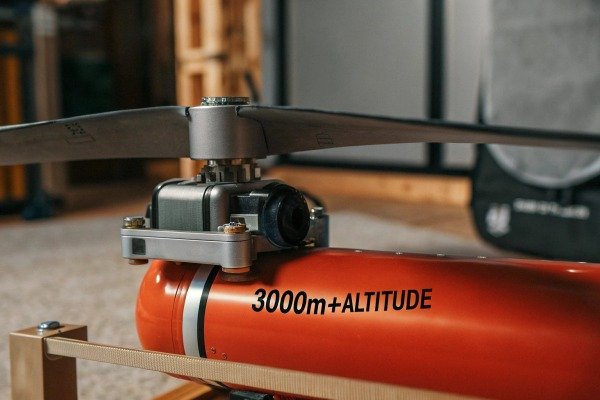
فيزياء الاستقرار في الهواء الرقيق
استقرار الرحلة ليس مجرد قوة خام؛ بل هو استجابة. عندما نصمم أنظمة دفع للبيئات على ارتفاعات عالية، فإننا نقاتل ضد الفيزياء. على ارتفاع 4000 متر، تبلغ كثافة الهواء حوالي 65% على ارتفاع 4000 متر، كثافة الهواء 2 مما هي عليه عند مستوى سطح البحر. يجب أن تدور المروحة القياسية بشكل أسرع بكثير "للامساك" بما يكفي من الهواء لتوليد الرفع.
عندما تدور المروحة القياسية بنسبة 85% أو 90% من سعتها القصوى لمجرد إبقاء الطائرة بدون طيار تحوم، فإن المحركات لديها "مساحة إضافية" قليلة متبقية. إذا ضربت عاصفة رياح الطائرة بدون طيار، يحاول متحكم الطيران تسريع محركات معينة لتسوية الطائرة. ومع ذلك، إذا كانت هذه المحركات قريبة بالفعل من حدها، فلا يمكنها التسارع بما يكفي لمواجهة الرياح. يؤدي هذا إلى فقدان السيطرة، والمعروف باسم "انهيار الاستقرار"."
زيادة نطاق التحكم
تعمل المراوح عالية الارتفاع على حل هذه المشكلة عن طريق تغيير هندسة الشفرة. نستخدم درجة ميل أكثر انحدارًا (زاوية الشفرة) وغالبًا ما يكون وترًا أوسع (عرض الشفرة). يلتقط هذا التصميم "لقمًا" أكبر من الهواء الرقيق.
ونتيجة لذلك، يمكن للمحركات التحليق عند قدرة خانق صحية تتراوح بين 55% و 60%. هذا يترك 40% من طاقة المحرك متاحة للتصحيحات الفورية. عندما نستعرض سجلات الطيران من اختباراتنا على ارتفاعات عالية، يكون الفرق واضحًا: تظهر الطائرات بدون طيار ذات المراوح المتخصصة خطوط اتجاه أكثر سلاسة وتتطلب تصحيحات أقل عدوانية من نظام الطيار الآلي.
مقارنة مقاييس الاستقرار
يوضح الجدول التالي فرق الأداء الذي نلاحظه بين الإعدادات القياسية والمتخصصة على ارتفاع 4500 متر.
| مقياس الأداء | المروحة القياسية (تصميم مستوى سطح البحر) | مروحة متخصصة للارتفاعات العالية |
|---|---|---|
| نسبة الخانق في وضع التحويم | 85% – 90% (قريب من التشبع) | 55% – 65% (النطاق الأمثل) |
| مقاومة الرياح | منخفض (ينجرف بشكل كبير في العواصف) | مرتفع (يحافظ على الوضع بقوة) |
| درجة حرارة المحرك | حرج (خطر ارتفاع درجة الحرارة) | عادي (تبريد فعال) |
| وقت الاستجابة | بطيء / متأخر | سريع / فوري |
| استقرار الهبوط | غير مستقر (عرضة للاهتزاز) | مستقر (هبوط متحكم فيه) |
صلابة المواد والاهتزاز
عامل آخر نعطيه الأولوية هو صلابة المواد. في البيئات المرتفعة، لا تكون الرياح سريعة فحسب؛ بل تكون مضطربة. يمكن أن تتأرجح أو تتشوه المراوح البلاستيكية المرنة أو المركبة منخفضة الجودة تحت الحمل، مما يتسبب في اهتزازات تربك وحدة القياس بالقصور الذاتي (IMU) للطائرة بدون طيار. وحدة القياس بالقصور الذاتي 3. وحدة القياس بالقصور الذاتي 4
بالنسبة لبناء طائراتنا المرتفعة، نستخدم ألياف الكربون الأكثر صلابة. هذا يضمن أنه عندما يطلب المحرك قوة دفع، فإن الشفرة تقدمها فورًا دون انحناء. تترجم هذه الصلابة الميكانيكية مباشرة إلى دقة مسار الطيران، وهو أمر غير قابل للتفاوض عندما تقوم بقيادة طائرة بدون طيار بالقرب من وجه صخري لإسقاط قنبلة مثبطة للحريق.
هل يمكنني طلب تصميمات مراوح مخصصة لتتناسب مع متطلبات الارتفاع الخاصة بي؟
عندما نصدر إلى مناطق ذات تضاريس متنوعة، نجد أن “مقاس واحد يناسب الجميع” نادرًا ما يكون النهج الأفضل للآلات الصناعية. تتطلب طائرة بدون طيار تعمل في الأراضي المنخفضة الرطبة ملفًا هوائيًا مختلفًا تمامًا مقارنة بتلك التي تقوم بمهام إنقاذ على قمة ثلجية، مما يدفعنا إلى تقديم حلول هندسية مخصصة.
نعم، يسمح لك المصنعون المحترفون بطلب تصميمات مراوح مخصصة مصممة خصيصًا لارتفاع قاعدة عملياتك. نقوم بحساب الميل والقطر الدقيق المطلوبين لملف الارتفاع الخاص بك، وإنشاء قوالب مخصصة وتركيبات من ألياف الكربون التي تزيد من الكفاءة الهوائية وعمر البطارية لمعلمات مهمتك الفريدة.
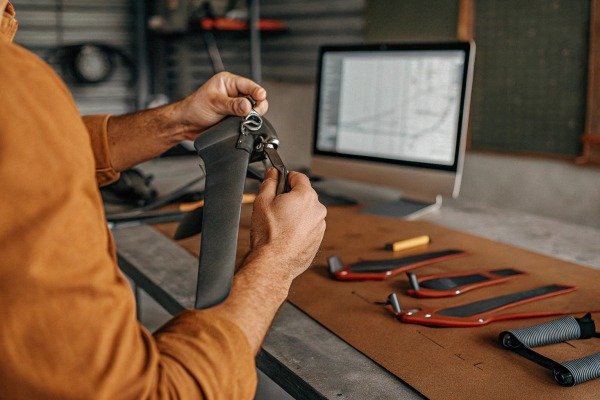
عملية التخصيص
تطوير مروحة مخصصة ليس مجرد اختيار منتج من الرف؛ إنه تعاون هندسي. عندما يتصل بنا مدير المشتريات بمتطلبات محددة لأسطول مرتفع، تبدأ عمليتنا بجمع البيانات. نحتاج إلى معرفة متوسط ارتفاع التشغيل، والحد الأقصى للسقف المطلوب، ووزن الحمولة النموذجية.
باستخدام هذه البيانات، يقوم مهندسونا بإجراء عمليات محاكاة لتحديد "نسبة التقدم" و"ري رقم رينولدز 5 رقم رينولدز 6 " المثلى لشفرات المروحة. على سبيل المثال، إذا كانت عمليتك الأساسية عند 3500 متر، فقد تكون المروحة القياسية "المرتفعة" المصممة لـ 5000 متر شديدة العدوانية، مما يتسبب في عدم كفاءة المحرك. التصميم المخصص يصل إلى "النقطة المثالية"."
هندسة المواد لصدمة درجات الحرارة
غالبًا ما تتضمن العمليات المرتفعة تغيرات قاسية في درجات الحرارة. تغيرات قاسية في درجات الحرارة 7 قد تقلع طائرة بدون طيار لمكافحة الحرائق من حافة متجمدة عند -10 درجة مئوية وتطير إلى منطقة حريق حيث يكون الهواء ساخنًا جدًا.
يمكن أن تتشوه الراتنجات القياسية في مراوح ألياف الكربون أو تصبح هشة تحت هذه الصدمة الحرارية. للطلبات المخصصة، يمكننا تعديل نظام الراتنج المستخدم في عملية تصنيع ألياف الكربون. نختار راتنجات ذات درجة حرارة انتقال زجاجي عالية (Tg) تظل مستقرة حتى عند الانتقال السريع بين البرد القارس والحرارة الشديدة. درجة حرارة الانتقال الزجاجي 8 يضمن هذا بقاء المروحة على شكلها وعامل الأمان الخاص بها طوال المهمة.
تفصيل خيارات التخصيص
نقدم عدة مستويات من التخصيص اعتمادًا على احتياجات العميل. يساعد فهم هذه الخيارات في صياغة متطلبات شراء أفضل.
| ميزة التخصيص | الوصف | الفائدة التي تعود على المشتري |
|---|---|---|
| هندسة الميل | ضبط زاوية الهجوم للشفرات. | يزيد من الرفع عند كثافات هواء معينة دون ارتفاع درجة حرارة المحركات. |
| قطر الشفرة | زيادة أو تقليل الامتداد الكلي. | توفر المراوح الأكبر كفاءة أكبر؛ توفر المراوح الأصغر رشاقة أفضل. |
| تصميم الطرف | تعديل شكل طرف الجناح (مثل الأطراف المائلة). | يقلل الضوضاء ويقلل من دوامات السحب لرحلة أكثر سلاسة. |
| مادة اللب | تغيير كثافة رغوة اللب أو قرص العسل. | يقلل من كتلة الدوران لأوقات استجابة أسرع للمحرك. |
| تشطيب السطح | طلاءات غير لامعة، لامعة، أو مقاومة للماء. | يمنع تراكم الجليد ويحسن التدفق الهوائي. |
التحقق من صحة التصميم
بمجرد الانتهاء من تصميم مخصص، لا نقوم بشحنه فحسب. نقوم بإنتاج قوالب نماذج أولية واختبار المراوح في غرف اختبار الدفع الخاصة بنا. نقوم بمحاكاة كثافة الهواء لارتفاعك المستهدف للتحقق من أرقام الدفع.
هذه الخطوة التحققية حاسمة. نقدم لك تقرير اختبار يوضح بالضبط عدد الأمبيرات التي يسحبها المحرك عند التحويم وعند أقصى سرعة. تثبت هذه البيانات أن التصميم المخصص ليس مجرد ادعاء تسويقي بل هو حل هندسي تم التحقق منه سيحمي استثمارك في الميدان.
هل ستؤثر تكوينات المراوح على ارتفاعات عالية على سعة حمولة طائرات مكافحة الحرائق بدون طيار الخاصة بي؟
غالبًا ما نسمع مخاوف من رؤساء الإطفاء الذين يقلقون من أن الترقية إلى معدات الارتفاعات العالية قد تجبرهم على حمل أحمال أخف. في الواقع، محاولة تشغيل إعداد قياسي في الهواء الرقيق هو ما يقتل قدرة الحمولة، مما يجبرنا على شرح كيف تحل الديناميكا الهوائية المتخصصة معادلة الرفع.
تكوينات المروحة للارتفاعات العالية ضرورية لاستعادة سعة الحمولة التي تُفقد بشكل طبيعي في الهواء الرقيق. من خلال زيادة مساحة المسح والخطوة، تولد هذه المراوح قوة الرفع اللازمة لحمل أحمال إطفاء كاملة، مثل خزانات المياه أو طفايات المسحوق الجاف الثقيلة، دون تجاوز حدود تيار المحرك.
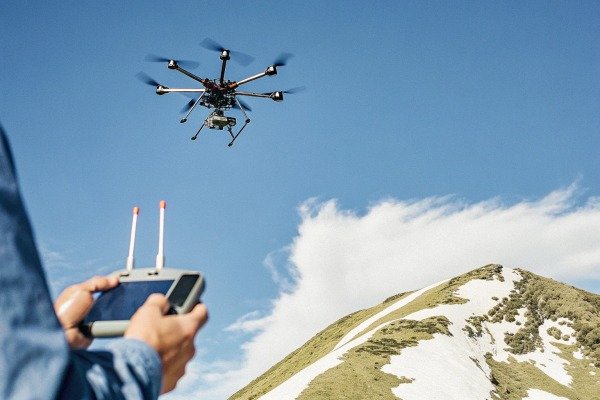
"عقوبة الرفع" للارتفاعات العالية
لفهم سعة الحمولة، يجب أن ننظر إلى معادلة الرفع. الرفع يتناسب طرديًا مع كثافة الهواء. إذا انخفضت كثافة الهواء بنسبة 30٪، ينخفض الرفع بنسبة 30٪ - ما لم تغير شيئًا آخر.
إذا كنت تستخدم مراوح قياسية على ارتفاعات عالية، فإنك تفقد سعة الحمولة. قد ترفع طائرة بدون طيار 20 كجم عند مستوى سطح البحر 12 كجم فقط على ارتفاع 4000 متر لأن الهواء رقيق جدًا لدعم الوزن. ستصرخ المحركات عند 100٪ من السرعة القصوى لمجرد رفع الطائرة بدون طيار الفارغة، تاركةً لا قوة لحمل قنابل مثبطات الحريق أو الكاميرات الحرارية.
استعادة السعة من خلال الهندسة
المراوح للارتفاعات العالية لا تضيف بشكل سحري إضافية سعة تتجاوز الحد الهيكلي للطائرة بدون طيار؛ بل هي تستعيد السعة التي تفقدها بسبب البيئة.
بزيادة قطر المروحة، نزيد "مساحة القرص" - كمية الهواء التي تعمل عليها المروحة. بزيادة الميل، نزيد كمية الهواء التي تتحرك لكل دورة. هذه التغييرات تعوض عن الكثافة المنخفضة.
على سبيل المثال، في طائراتنا الثقيلة ذات الثمانية مراوح، يسمح التبديل إلى مراوح الارتفاعات العالية مقاس 28 بوصة بدلاً من المراوح القياسية مقاس 24 بوصة للطائرة بدون طيار بحمل حمولتها الكاملة المقدرة بـ 25 كجم على ارتفاع 4500 متر. بدون التبديل، ستكون الحمولة الآمنة محدودة بحوالي 15 كجم.
مفاضلات استهلاك التيار وزمن الطيران
هناك مفاضلة فنية يجب على المشترين فهمها. بينما تستعيد المراوح المتخصصة الرفع، فإن تدوير شفرات أكبر وأكثر انحدارًا يتطلب عزم دوران أكبر. هذا يعني أن المحركات تسحب تيارًا أكبر (أمبير) لكل دورة مقارنة بمروحة أصغر تدور في هواء كثيف.
ومع ذلك، نظرًا لأن المروحة المتخصصة أكثر كفاءة في الهواء الرقيق، فإن الإجمالي استهلاك الطاقة يتوازن مقارنة بمروحة قياسية تدور بسرعات دوران عالية بشكل غير فعال.
مقارنة كفاءة الحمولة
يوضح الجدول أدناه كيف تتغير قدرة الحمولة بناءً على اختيار المروحة في نشر على ارتفاع عالٍ (4000 متر فوق مستوى سطح البحر).
| السيناريو | وزن الحمولة | نوع المروحة | حالة المحرك | نتيجة الطيران |
|---|---|---|---|---|
| A | 15 كجم (حمولة كاملة) | قياسي 22 بوصة | تيار زائد / ارتفاع درجة الحرارة | غير آمن: خطر احتراق المحرك أو تحطمه. |
| B | 8 كجم (حمل جزئي) | قياسي 22 بوصة | 90% دواسة الوقود | غير فعال: وقت طيران قصير جدًا (5 دقائق). |
| C | 15 كجم (حمولة كاملة) | متخصص 26 بوصة | 65% دواسة الوقود | أمثل: طيران آمن، قدرة تحمل قياسية (20+ دقيقة). |
التأثير على تنوع المهام
استعادة سعة الحمولة تفتح ملفات تعريف مهمة. في مكافحة الحرائق، "الحمولة" ليست مجرد وزن؛ إنها قدرة.
- الكاميرات الحرارية: أجهزة الاستشعار الإشعاعية المتطورة ثقيلة.
- آليات الإسقاط: خطافات الإطلاق لتوصيل الطعام أو الدواء في عمليات الإنقاذ الجبلي تضيف وزنًا.
- كرات الإطفاء: القدرة على حمل 4 كرات بدلاً من 2 تضاعف فعالية المهمة.
من خلال الاستثمار في التكوين المناسب للارتفاعات العالية، تضمن أن تظل طائرتك بدون طيار أداة متعددة الاستخدامات بدلاً من كونها أصلًا باهظ الثمن ومحدود الاستخدام.
ما هو الدعم الفني الذي يقدمه الموردون لتحسين دفع الطائرات بدون طيار للهواء الرقيق؟
الأجهزة هي نصف المعركة فقط؛ عندما نشحن طائرة بدون طيار إلى عميل في منطقة مرتفعة، نعلم أن إعدادات البرامج يجب تعديلها لتتناسب مع الواقع المادي الجديد. إهمال هذه التعديلات يؤدي غالبًا إلى أخطاء “وهمية”، ولهذا السبب يوجه فريق الدعم لدينا العملاء بشكل استباقي خلال عملية الضبط.
يقدم الموردون دعمًا فنيًا شاملاً بما في ذلك ضبط البرامج الثابتة عن بُعد، وتعديلات مكاسب PID، ومعايرة ESC لتناسب الديناميكا الهوائية للمناطق المرتفعة. نقدم إرشادات مفصلة حول تعديل عتبات حماية الجهد وسرعات المحرك الخاملة لمنع إيقاف التشغيل في منتصف الرحلة، مما يضمن أن وحدة التحكم في الطيران تفسر بشكل صحيح سلوك المراوح الكبيرة ذات عزم الدوران العالي.
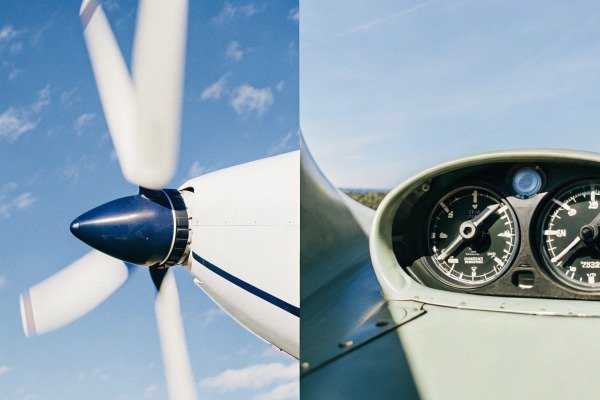
ضبط ESC والبرامج الثابتة
مجرد تركيب مراوح أكبر خطير إذا لم تعرف البرامج أنها موجودة. وحدات التحكم في السرعة الإلكترونية (ESCs) هي العقل المدبر بين وحدة التحكم في الطيران والمحرك.
عندما نوفر مراوح للمناطق المرتفعة، نقدم معلمات برامج ثابتة محددة. المراوح الكبيرة لديها قصور ذاتي دوراني أكبر؛ فهي تسرع وتبطئ ببطء أكبر من المراوح الصغيرة. إذا كانت ESC تتوقع مروحة صغيرة، فقد تحاول تسريع المحرك بسرعة كبيرة، مما يتسبب في "عدم تزامن". يؤدي عدم التزامن إلى تعثر المحرك أو توقفه في منتصف الرحلة، مما يؤدي إلى تحطم. نساعدك على ضبط إعدادات "التوقيت" و"التسارع" لضمان توصيل طاقة سلس.
تعديل مكاسب PID
تستخدم وحدة التحكم في الطيران حلقة تغذية راجعة تسمى PID (التناسبي-التكاملي-التفاضلي) PID (تناسبي-إدماجي-مشتق-مركب-مشتق-مركب) 9 لتحقيق استقرار الطائرة. حلقة تغذية راجعة 10
- الهواء القياسي: الهواء كثيف، لذا "تقضم" الطائرة بدون طيار بسرعة.
- الهواء الرقيق: الهواء رقيق، لذا تشعر الطائرة بدون طيار بأنها "فضفاضة"."
إذا استخدمت إعدادات PID لمستوى سطح البحر على ارتفاع 5000 متر، فقد تتأرجح الطائرة بدون طيار (تتذبذب) لأنها تصحح بشكل مفرط، أو قد تنجرف لأنها تصحح بشكل ناقص. يطلب فريق الدعم الفني لدينا غالبًا سجلات رحلات "الصندوق الأسود" من رحلات الاختبار الأولية الخاصة بك. نقوم بتحليل هذه السجلات ونرسل لك ملف "ضبط" دقيق لتحميله، مما يحسن المكاسب لارتفاعك المحدد.
تعديلات حدود السلامة
تحتوي الطائرات بدون طيار الصناعية الحديثة على العديد من ميزات السلامة التي يمكن أن تأتي بنتائج عكسية في البيئات الفريدة إذا لم يتم تعديلها.
- اكتشاف انسداد المحرك: تراقب وحدات التحكم في الطيران التيار للكشف عما إذا كان المروحة مسدودة. تسحب مراوح الارتفاعات العالية تيارًا عاليًا أثناء التسارع السريع. قد تخطئ الإعدادات القياسية هذا على أنه انسداد وتقطع الطاقة. نساعدك على ضبط هذه الحدود.
- سرعة الخمول: في الهواء الرقيق، إذا دار المحرك ببطء شديد أثناء الهبوط، فقد يتوقف. نوصي بزيادة "نسبة خمول المحرك" للحفاظ على دوران المراوح بشكل موثوق أثناء المناورات ذات الخانق المنخفض.
دعم منع التجمد
غالبًا ما يعني الارتفاع العالي درجات حرارة متجمدة. على الرغم من أنه ليس "ضبطًا للدفع" بالمعنى الدقيق للكلمة، إلا أننا ننصح بالحماية من الجليد. نقدم مراوح بطلاءات كارهة للماء تطرد الماء قبل أن يتجمد.
علاوة على ذلك، نقوم بتثقيف المشغلين حول "نقطة الندى". يؤدي الطيران عبر سحابة دخان (تحتوي على رطوبة) إلى هواء متجمد إلى تجمد سريع على الشفرات. يشمل دعمنا قوائم مرجعية تشغيلية لمساعدة الطيارين على التعرف على الظروف التي تتجاوز نظام الدفع وتجنبها، مما يضمن طول عمر معداتك.
الخاتمة
يتطلب شراء طائرات بدون طيار لمكافحة الحرائق في بيئات الارتفاعات العالية أكثر من مجرد اختيار نموذج قياسي للرفع الثقيل؛ فهو يتطلب تقييمًا مركّزًا لنظام الدفع. المراوح المتخصصة ليست ملحقات اختيارية بل مكونات حاسمة تستعيد سعة الحمولة، وتضمن استقرار الرحلة، وتمنع احتراق المحرك في الهواء الرقيق. من خلال التعاون مع الشركات المصنعة لتأمين تصميمات شفرات مخصصة والاستفادة من الدعم الفني الخبير لضبط البرامج الثابتة، يمكن لمديري المشتريات ضمان تشغيل أساطيلهم بأمان وفعالية، بغض النظر عن الارتفاع.
الحواشي
1. مورد تعليمي من ناسا يشرح خصائص الهواء وتأثيرات الكثافة على الطيران. ︎
2. جدول مرجعي هندسي يؤكد كثافة الغلاف الجوي القياسية على ارتفاعات مختلفة. ︎
3. نظرة عامة أكاديمية موثوقة تحدد تقنية IMU وتطبيقاتها. ︎
4. معيار ISO لأنظمة الطائرات بدون طيار وأجهزة الاستشعار الخاصة بها. ︎
5. صفحة ناسا الرسمية تحدد رقم رينولدز في سياق الديناميكا الهوائية. ︎
6. خلفية حول مفهوم ميكانيكا الموائع المستخدم في تصميم المروحة. ︎
7. المواصفات الفنية للطائرات بدون طيار الصناعية المصممة للبيئات ذات الارتفاعات العالية. ︎
8. تعريف علمي للخاصية الحرارية المذكورة للراتنجات. ︎
رائد الصناعة في أنظمة التحكم يشرح نظرية حلقة PID. ︎
بحث حول تحكم PID لاستقرار الطائرات بدون طيار في ظروف متغيرة. ︎
 English
  Español de México
  Deutsch
  Français
  Русский
  العربية
Comments
No comments yet. Be the first to share your thoughts!
Leave a Comment