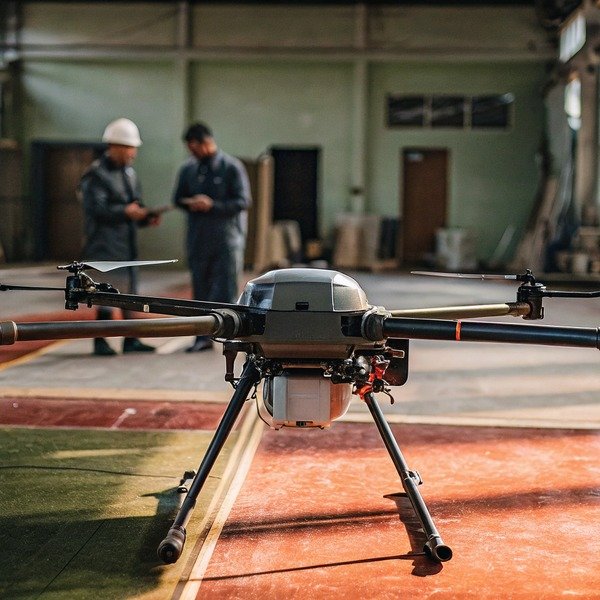
نقف في أرضية مصنعنا في شيان، ونرى العديد من المشترين يكافحون لبناء ولاء العلامة التجارية عند إعادة بيع ولاء العلامة التجارية 1 معدات عامة. الاعتماد على هندستنا مع إخفاء المصدر هو خطوة ذكية لنمو عملك.
نعم، معظم مصنعي الطائرات بدون طيار الصناعية B2B على استعداد لتقديم خدمات الملصقات البيضاء للطائرات بدون طيار لمكافحة الحرائق. يتيح لك ذلك تطبيق علامتك التجارية الخاصة على هيكل الطائرة والبرامج والتعبئة والتغليف. ومع ذلك، تتطلب هذه الخدمة عادةً حدًا أدنى لكمية الطلب ورسوم إعداد إضافية لتغطية تكاليف التخصيص على خط الإنتاج.
دعنا نستكشف بالضبط كيف يمكنك تحويل منصات الطيران الخاصة بنا إلى أصول علامتك التجارية الحصرية مع إدارة اللوجستيات المعنية.
ما هي متطلبات الحد الأدنى للطلب لوضع علامة بيضاء على طائرات بدون طيار لمكافحة الحرائق؟
أثناء اختبار نماذج أولية جديدة من طائرات الأوكتوكوبتر، غالبًا ما نتلقى طلبات لوحدات مخصصة فردية، مما يعطل خطوط الإنتاج القياسية لدينا ويزيد من تكاليف الوحدة بشكل كبير للمشتري.
يفرض الموردون عمومًا حدًا أدنى لكمية الطلب (MOQ) يتراوح بين 10 إلى 50 وحدة لطباعة الشعار الأساسي على هياكل الطائرات. غالبًا ما يتطلب التخصيص الكامل للمعدات الأصلية (OEM)، الذي يتضمن تغييرات عميقة في الأجهزة أو تصميمات قوالب حصرية، التزامات تزيد عن 100 وحدة لاسترداد التكاليف الهندسية والأدوات العالية المتضمنة في عملية التصنيع. عملية التصنيع 2
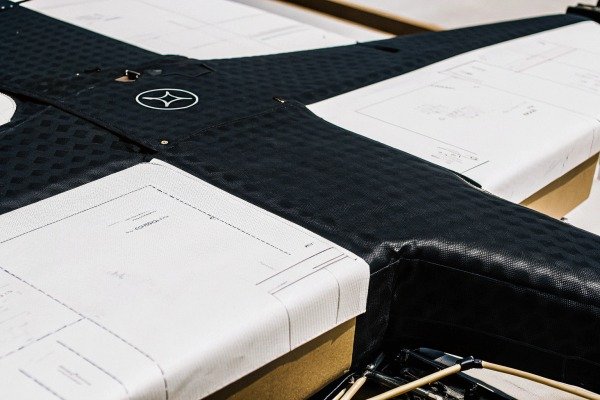
فهم واقع الحد الأدنى لكمية الطلب في تصنيع الطائرات بدون طيار
عندما نتفاوض مع مديري المشتريات من الولايات المتحدة أو أوروبا، فإن مفهوم الحد الأدنى لكمية الطلب (MOQ) غالبًا ما يكون الحد الأدنى لكمية الطلب (موك) 3 العقبة الأولى. من المهم أن نفهم أن وضع الملصقات البيضاء ليس مجرد وضع ملصق على منتج نهائي. لكي نطبق علامتك التجارية بشكل صحيح، يجب علينا مقاطعة عملية التجميع القياسية لدينا.
بالنسبة للعناصر عالية القيمة مثل طائرات مكافحة الحرائق ذات الرفع الثقيل، فإن الحد الأدنى لكمية الطلب أقل بشكل عام من الإلكترونيات الاستهلاكية، ولكنها لا تزال موجودة. إذا كنت تريد شعارًا بسيطًا مطبوعًا بالشاشة على ذراع ألياف الكربون أو المظلة ألياف الكربون 4, ، عادةً ما نطلب التزامًا بما لا يقل عن 10 إلى 20 وحدة. هذا لأن إعداد ألواح الطباعة ومعايرة الآلات لوحدة واحدة يستغرق نفس القدر من الوقت الذي يستغرقه لدفعة من خمسين وحدة.
مستويات التزامات التخصيص
إذا كنت تبحث عن تخصيص أعمق، مثل لون هيكل طائرة فريد (مثل "أحمر إدارة الإطفاء") أو تصميم معدّل لعجلات الهبوط ليناسب حمولة معينة، فإن المتطلبات تتغير بشكل كبير. يتطلب الطلاء المخصص منا تنظيف وإعداد وطلاء ومعالجة هياكل ألياف الكربون بشكل منفصل عن مخزوننا القياسي باللون الأسود أو الرمادي الداكن. هذا يضيف ساعات عمل كبيرة.
فيما يلي تفصيل لمتطلبات الكمية النموذجية بناءً على مستوى التخصيص الذي قد تحتاجه:
| مستوى التخصيص | الوصف | الحد الأدنى لكمية الطلب النموذجية (وحدات) | التأثير على الإنتاج |
|---|---|---|---|
| المستوى 1: العلامة التجارية الأساسية | طباعة الشعارات بالشاشة الحريرية على الأذرع/المظلة؛ ملصقات مخصصة. | 5 – 10 وحدات | تأثير منخفض؛ يتم إجراؤه عند التجميع النهائي. |
| المستوى 2: تغييرات جمالية | لون طلاء مخصص (مثل البرتقالي/الأحمر للسلامة)؛ حقائب طيران تحمل علامة تجارية. | 20 – 50 وحدة | تأثير متوسط؛ يتطلب جدول طلاء منفصل. |
| المستوى 3: تصنيع المعدات الأصلية للأجهزة | تعديل شكل الهيكل؛ منافذ حمولة مخصصة؛ تصميم قالب حصري. | أكثر من 100 وحدة | تأثير عالٍ؛ يتطلب البحث والتطوير وأدوات جديدة. |
معضلة "العينة"
نسمع غالبًا العملاء يقولون: "هل يمكنني شراء عينة تحمل علامة تجارية بيضاء لعرضها على عملائي الحكوميين؟" الإجابة عادةً ما تكون لا. يمكننا أن نبيع لك وحدة عينة قياسية لإظهار الأداء واستقرار الطيران وقدرة الحمولة. ومع ذلك، فإن إنتاج وحدة واحدة تحمل علامة تجارية واحدة مكلف للغاية. ينصحك معظم المصنعين بشراء وحدة قياسية للعرض التوضيحي وتطبيق ملصق فينيل محليًا إذا كنت بحاجة إلى عرض العلامة التجارية أثناء العرض التقديمي. توفر هذه الاستراتيجية عليك المال وتسمح لك بالتحقق من جودة الجهاز قبل الالتزام بالطلب بالجملة المطلوب لوضع العلامات التجارية على مستوى المصنع.
هل يمكنني تخصيص واجهة البرنامج والتعبئة والتغليف بالإضافة إلى جسم الطائرة بدون طيار؟
يقضي مهندسو البرمجيات لدينا أسابيع في برمجة وحدات التحكم في الطيران، ونحن نتفهم أن شاشة بدء تشغيل عامة يمكن أن تكسر الوهم الاحترافي الذي تريد تقديمه لعملاء الإطفاء لديك.
نعم، غالبًا ما تتضمن حزم العلامات التجارية البيضاء الشاملة تخصيص محطة التحكم الأرضي (GCS)، مثل استبدال شاشات بدء التشغيل والشعارات واللغات المحلية. بالإضافة إلى ذلك، يمكن تخصيص التعبئة والتغليف بالكامل بعلامتك التجارية، على الرغم من أن تغييرات البرامج عادةً ما تتكبد رسوم هندسية لمرة واحدة وتتطلب اتفاقيات ترخيص صالحة للرمز الأساسي.
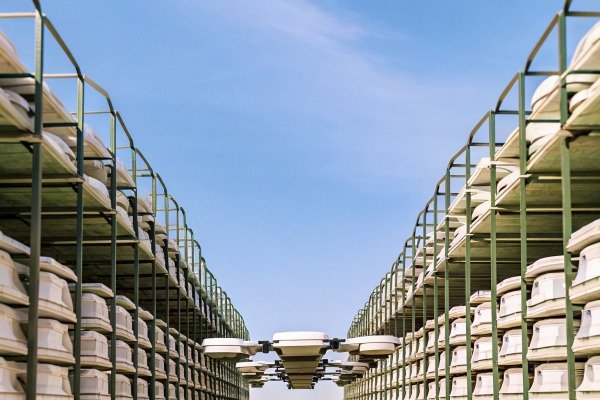
أهمية محطة التحكم الأرضي (GCS)
في قطاع مكافحة الحرائق، يتم تعريف تجربة المستخدم من خلال محطة التحكم الأرضي (GCS) محطة التحكم الأرضية (GCS) 5— جهاز التحكم عن بعد المزود بالشاشة المدمجة. هذا هو ما ينظر إليه رئيس الإطفاء أو طيار الطائرة بدون طيار لساعات. إذا عرضت الشاشة شعار المصنع الافتراضي الخاص بنا في كل مرة يتم تشغيلها، فإن ذلك يقلل من سلطة علامتك التجارية.
نقدم خدمات لتعديل أنظمة Android التي تعمل على محطة التحكم الأرضي (GCS) الخاصة بنا. يتضمن هذا عادةً:
- رسوم متحركة لبدء التشغيل: استبدال شعار بدء التشغيل الخاص بالشركة المصنعة بشعار شركتك.
- واجهة التطبيق: تغيير أيقونة التطبيق وقسم "حول" في قائمة الإعدادات.
- توطين اللغة: التأكد من أن الواجهة افتراضيًا باللغة الإنجليزية (أو لغتك المحلية) دون ظهور أحرف صينية في القوائم الفرعية.
ومع ذلك، يجب أن يكون المشترون على دراية بأننا لا نستطيع إعادة كتابة برنامج التحكم في الطيران الأساسي لأسباب تتعلق بالسلامة. يجب أن يظل "عقل" الطائرة بدون طيار مقفلاً لضمان الاستقرار وضبط PID الموثوق. ضبط PID 6 التخصيص هو تجميلي بحت (واجهة المستخدم/تجربة المستخدم)، وليس وظيفيًا.
التعبئة والتغليف: تجربة فتح الصندوق
غالبًا ما يتم إغفال التعبئة والتغليف ولكنها ضرورية للمعدات الصناعية المتطورة. تتوقع إدارات الإطفاء وصول المعدات في علب متينة واحترافية، وليس صناديق كرتونية عامة.
عندما نتعامل مع التعبئة والتغليف الأبيض، فإننا لا نطبع شعارك على صندوق فحسب. يمكننا تخصيص علب النقل الصلبة (عادةً EVA أو الألومنيوم). يتضمن ذلك النقش بالليزر لشعارك على غطاء العلبة وتخصيص إدخالات الرغوة لتناسب حزمة الملحقات الخاصة بك.
علاوة على ذلك، فإن التوثيق أمر حيوي. يمكننا تزويدك بملفات InDesign أو Word الأولية لأدلة المستخدم وسجلات الصيانة. يمكنك بعد ذلك ترجمتها، وإضافة تفاصيل الاتصال بالدعم الخاصة بك، وإدراج تحذيرات السلامة الخاصة بك قبل طباعتها.
القيود الفنية والتكاليف
من المهم ملاحظة أن تخصيص البرامج يتطلب وقت المهندس. على عكس طباعة شعار على صندوق، يتطلب تغيير البرنامج الثابت لنظام GCS تجميع إصدار جديد من البرنامج. هذا ينشئ "فرعًا" في نظام التحكم في الإصدار الخاص بنا.
| المكوّن | خيارات التخصيص | متطلبات المورد |
|---|---|---|
| شاشة بدء تشغيل GCS | شعارك / اسم علامتك التجارية | رسوم إعداد الهندسة (حوالي 500 دولار - 2000 دولار) |
| واجهة مستخدم تطبيق الطيران | أيقونات مخصصة / نظام الألوان | متاح فقط للكميات الكبيرة (50+ وحدة) |
| حالة النقل | النقش بالليزر / اللون | الحد الأدنى للدفعة لمورد العلب (عادةً 20+) |
| أدلة المستخدم | اللغة / معلومات الاتصال | الملفات الرقمية مقدمة مجانًا؛ تكاليف الطباعة إضافية |
من خلال التحكم في كل من واجهة البرنامج والتعبئة والتغليف المادي، تصبح فعليًا الشركة المصنعة في نظر العميل. سيتصلون بك للدعم، وليس بنا، مما يؤمن مكانتك في السوق.
كيف يؤثر إضافة علامتي التجارية الخاصة على التكلفة الإجمالية لطلب الشراء؟
نقوم بحساب تكاليف الوحدة يوميًا، وبينما يبدو إضافة شعار بسيط رخيصًا، فإن الخدمات اللوجستية المخفية لإدارة المخزون المخصص يمكن أن تفاجئ المشترين غير المستعدين للفاتورة النهائية.
تزيد العلامة التجارية الخاصة عادةً من تكلفة الشراء الأولية بنسبة 10% إلى 15% بسبب رسوم الإعداد، وألواح الطباعة، ومواد التعبئة والتغليف المخصصة. بينما تنخفض تكلفة الوحدة مع زيادة الحجم، يجب عليك أيضًا تخصيص ميزانية لرسوم الهندسة الأولية إذا كنت تتطلب تعديلات برمجية عميقة أو ألوانًا فريدة.
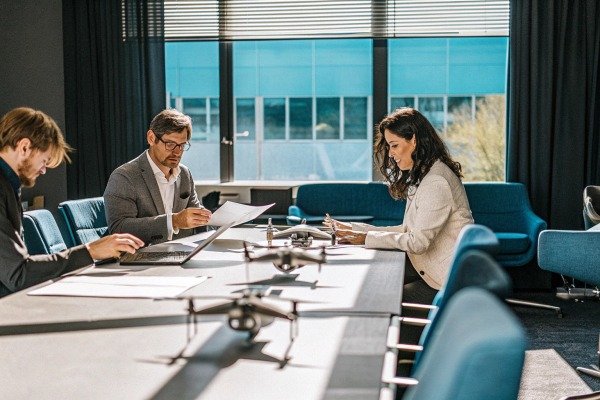
تفصيل تكاليف العلامة التجارية المباشرة
عندما تطلب منا وضع علامة تجارية بيضاء على طائرة بدون طيار لمكافحة الحرائق، يظل السعر الأساسي للأجهزة (المحركات، البطارية، وحدة التحكم في الطيران) كما هو. ومع ذلك، تزداد تكاليف "التشطيب". هناك نوعان رئيسيان من التكاليف التي تحتاج إلى توقعها: تكاليف NRE (الهندسة غير المتكررة) و تكاليف الوحدة.
-
تكاليف NRE (رسوم لمرة واحدة):
- ألواح الطباعة بالشاشة الحريرية: لطباعة شعارك على ذراع الطائرة بدون طيار، نحتاج إلى إنشاء شبكة طباعة مادية أو لوحة طباعة بالوسادة. يكلف هذا عادةً ما بين $100 و $300 لكل لون.
- رسوم تجميع البرامج: لكي نقوم بتعديل برنامج GCS بشعارك، يتقاضى فريق البرامج لدينا مقابل الساعات التي يقضيها في الترميز والاختبار لهذا الإصدار المحدد لضمان عدم إدخال أي أخطاء.
- رسوم القوالب (للحالات الصلبة المخصصة): إذا كنت ترغب في نقش شعار معين في بلاستيك العلبة الصلبة، يلزم وجود إدخال قالب جديد.
-
تكاليف الوحدة:
- العمل: يستغرق الأمر وقتًا إضافيًا لتفريغ غلاف قياسي، والطباعة عليه، وتجفيفه، وتجميعه.
- مواد مخصصة: تكلف الدلائل المطبوعة خصيصًا أكثر من الدلائل العامة التي نطبعها بكميات كبيرة. تكلف الصناديق ذات العلامة التجارية أكثر من صناديق التصدير البنية.
التكاليف المخفية: اللوجستيات والامتثال
بخلاف الفاتورة التي نرسلها إليك، هناك تكاليف مخفية للتوسيم الأبيض يجب أن تأخذها في الاعتبار. عندما تستورد طائرة بدون طيار تحمل علامتك التجارية، تصبح أنت الشركة المصنعة المسجلة في العديد من الولايات القضائية (مثل الولايات المتحدة).
هذا يعني أنك قد تحتاج إلى دفع تكاليف شهادات الامتثال الخاصة بك. على سبيل المثال، إذا كان لدينا شهادة FCC لـ شهادة FCC 7 علامتنا التجارية "SkyRover"، فقد لا تنطبق تلقائيًا على علامتك التجارية "FireGuard"، حتى لو كانت الأجهزة متطابقة. قد تحتاج إلى دفع رسوم للمختبر لإعادة إصدار الأوراق باسمك لإرضاء السلطات الجمركية أو سلطات الطيران.
مثال على تحليل التكاليف
لإعطائك فكرة واقعية، إليك تفصيل افتراضي للتكاليف لمجموعة من 20 طائرة بدون طيار لمكافحة الحرائق:
| عنصر التكلفة | طلب عام قياسي | طلب توسيم أبيض (20 وحدة) | الملاحظات |
|---|---|---|---|
| تكلفة الطائرة بدون طيار الأساسية | 5000 دولار أمريكي / وحدة | 5000 دولار أمريكي / وحدة | الأجهزة متطابقة. |
| طباعة الشعار | $0 | +$15 / وحدة | العمالة والحبر. |
| أدلة مخصصة | $0 (ملف PDF متوفر) | +$10 / وحدة | طباعة عالية الجودة. |
| رسوم الإعداد (مرة واحدة) | $0 | +$500 (رسوم ثابتة) | الألواح وإعداد البرامج. |
| وثائق الامتثال | متضمنة | +$2,000 (تقديري) | إعادة تقديم طلبات FCC/CE باسمك. |
| الإجمالي لكل وحدة (متوسط) | $5,000 | $5,150 | ~3% زيادة (باستثناء الامتثال) |
بينما تظل تكلفة الأجهزة زيادة هامشية (حوالي 3-5%)، فإن التكاليف الإدارية وتكاليف الامتثال هي المكان الذي يكمن فيه الاستثمار الحقيقي. ومع ذلك، يتيح لك هذا الاستثمار فرض هامش ربح أعلى على عملائك النهائيين لأنه لا يمكنهم بسهولة مقارنة أسعار نموذجك "الحصري" مع الموردين الآخرين.
هل ستؤخر عملية التخصيص بشكل كبير الجدول الزمني للإنتاج والتسليم؟
خلال موسم التصدير الذروة لدينا إلى الولايات المتحدة، غالبًا ما نرى الطلبات المخصصة تتعثر في مرحلة الموافقة على التصميم، مما يسبب الإحباط عندما يحتاج المستخدمون النهائيون إلى المعدات فورًا لموسم الحرائق. موسم الحرائق 8
يؤدي التخصيص حتمًا إلى إطالة وقت التسليم، مما يضيف عادةً من 2 إلى 4 أسابيع إلى جدول التسليم القياسي. يرجع هذا التأخير إلى عملية الموافقة على التصميم، وإنتاج عبوات مخصصة، والتطبيق المحدد للشعارات أو الطلاء، والذي يستغرق وقتًا أطول من شحن المخزون الجاهز.
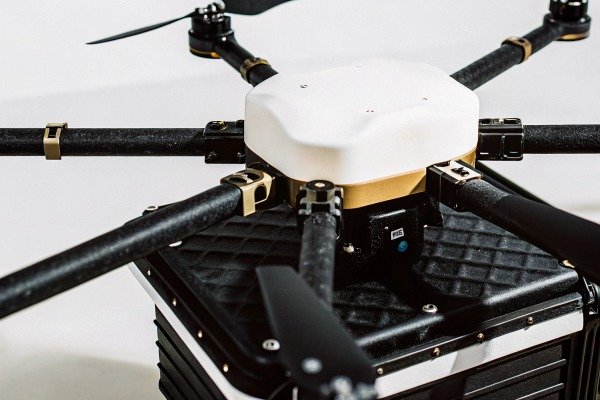
حلقة الموافقة على التصميم
أكبر تأخير في مشاريع الملصقات البيضاء ليس عادةً التصنيع نفسه، بل حلقة الاتصال. عندما نتلقى طلبًا عامًا، يمكننا غالبًا الشحن في غضون 3 إلى 5 أيام لأن المنتج موجود في مستودعاتنا في تشنغدو.
بالنسبة لطلب الملصق الأبيض، تبدو العملية كالتالي طلب الملصق الأبيض 9:
- تقديم الملف: ترسل لنا ملفات شعارك (متجه تنسيق المتجه 10 تنسيق).
- التدقيق الرقمي: يقوم المصممون لدينا بإنشاء نموذج توضيحي لكيف سيبدو الشعار على ذراع الطائرة بدون طيار والحافظة.
- الموافقة: تقوم بمراجعة النموذج التوضيحي. إذا كنت تريد الشعار أكبر أو نقله 5 مم إلى اليسار، فيجب علينا إعادة التدقيق.
- عينة مادية (اختياري): يطلب بعض المشترين الحذرين صورة لأول طباعة مادية قبل الإنتاج الكامل. هذا يضيف أيامًا.
يمكن أن تستهلك هذه الاتصالات المتبادلة، بالإضافة إلى فروق التوقيت بين الولايات المتحدة والصين، بسهولة أسبوعين قبل بدء الإنتاج.
اختناقات التصنيع
بمجرد الموافقة على التصميم، يستغرق الإنتاج المادي وقتًا.
- معالجة الطلاء: إذا طلبت هياكل مطلية حسب الطلب، فإن الطلاء يحتاج إلى وقت للمعالجة والتصلب قبل التجميع. لا يمكننا الاستعجال في ذلك، وإلا فإن التشطيب سيتعرض للخدش بسهولة في الميدان.
- وميض البرامج: وميض البرامج الثابتة المخصصة على 50 جهاز تحكم عن بعد هو عملية يدوية. يجب على فني توصيل كل وحدة وتحديثها والتحقق من تحميل شاشة التمهيد بشكل صحيح.
- وقت تجهيز التعبئة: غالبًا ما نستعين بمصادر خارجية للصناديق الصلبة والصناديق المطبوعة لموردي التعبئة المحليين. حتى لو كانت طائراتنا بدون طيار جاهزة، فقد ننتظر 10 أيام لوصول الصناديق المخصصة إلى مصنعنا.
إدارة التوقعات لموسم الحرائق
مكافحة الحرائق صناعة موسمية في أجزاء كثيرة من العالم. ننصح شركاءنا بشدة بتقديم طلبات العلامات البيضاء قبل شهرين على الأقل قبل بداية موسم الحرائق.
إذا احتاجت إدارة الإطفاء إلى طائرة بدون طيار غدًا في حالات الطوارئ، لا يمكن تقديم حلول العلامة البيضاء. في هذه الحالات، نوصي الموزعين بالاحتفاظ بمخزون من الطائرات بدون طيار "المحايدة" (بدون علامة تجارية) التي يمكن نشرها على الفور، بينما يتم تصنيع الأسطول ذي العلامة التجارية.
مقارنة الجدول الزمني:
- طلب قياسي: تم استلام الدفعة -> فحص الجودة -> الشحن (3-7 أيام).
- طلب علامة بيضاء: الدفع -> إثبات التصميم (7 أيام) -> إنتاج التعبئة والتغليف (10 أيام) -> التجميع والطباعة (7 أيام) -> فحص الجودة -> الشحن (إجمالي 3-4 أسابيع).
التخطيط المسبق هو الطريقة الوحيدة للتخفيف من هذه التأخيرات. نشجع دائمًا موزعينا على توقع احتياجاتهم حتى نتمكن من إعداد مواد التعبئة والتغليف المخصصة مسبقًا، مما يقلل من وقت التسليم للطلبات المتكررة.
الخاتمة
يتيح لك شراء طائرات بدون طيار لمكافحة الحرائق ذات العلامة البيضاء بناء علامة تجارية خاصة بك دون التكاليف الضخمة للبحث والتطوير. في حين أنه يتطلب استثمارًا أوليًا أعلى، والحد الأدنى لكميات الطلب الصارمة، والصبر فيما يتعلق بأوقات التسليم، فإن النتيجة هي خط إنتاج احترافي وحصري يؤمن قيمتك السوقية. في SkyRover، نحن على استعداد لدعم رحلة علامتك التجارية بقدراتنا الهندسية.
الحواشي
1. يحدد مفهوم العمل الذي يكافح المشترون معه عند إعادة بيع المعدات العامة. ︎
2. معايير ISO لأنظمة إدارة الجودة في بيئات التصنيع والإنتاج. ︎
3. يشرح مصطلح الشراء القياسي المستخدم لوصف متطلبات الحجم. ︎
4. المواصفات الفنية من شركة رائدة في تصنيع ألياف الكربون المستخدمة في صناعة الطيران والطائرات بدون طيار. ︎
5. يوفر تعريفًا تقنيًا لواجهة التحكم الحرجة المذكورة. ︎
6. ورقة بحثية تقنية من IEEE بخصوص التحكم في PID والاستقرار للطائرات بدون طيار متعددة الدوارات. ︎
7. مصدر حكومي رسمي بخصوص الامتثال التنظيمي المحدد المذكور. ︎
8. إحصاءات وبيانات رسمية من الحكومة الأمريكية بخصوص مواسم حرائق الغابات والنشاط التاريخي للحرائق. ︎
9. معلومات أساسية حول نموذج عمل العلامة البيضاء وتطبيقاته الصناعية. ︎
10. شرح موثوق لنوع الملف الرسومي المطلوب للطباعة عالية الجودة. ︎

 English
  Español de México
  Deutsch
  Français
  Русский
  العربية
