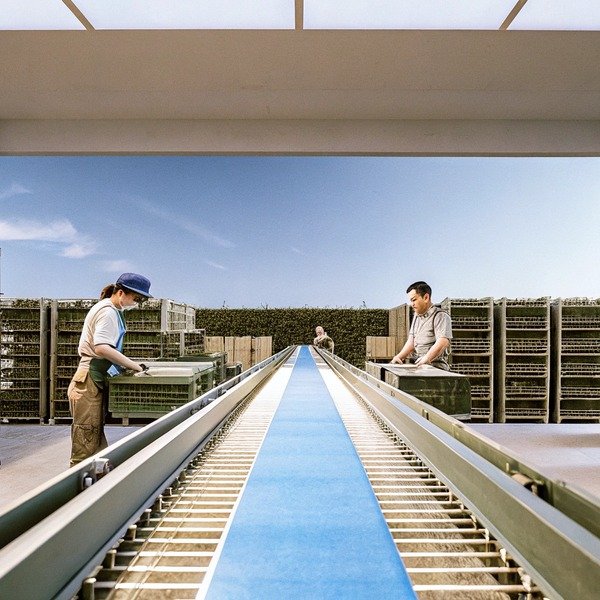
مشاهدة شحنة من طائرات الأوكتوكوبتر عالية القيمة وهي تغادر أرض مصنعنا في شيان يمنح شعوراً بالإنجاز، ولكن بالنسبة لك، قد يؤدي عبور المحيط الطويل إلى إثارة القلق بشأن التأخير أو سوء التعامل. بدون استراتيجية مراقبة قوية، فإنك تخاطر باكتشاف تلف المستشعرات الحرج أو تفويت مواعيد التسليم النهائية فقط بعد وصول الحاوية.
لمراقبة شحنتك بفعالية، يجب عليك الجمع بين التتبع المستند إلى الناقل باستخدام بوليصة الشحن الرئيسية مع مسجلات بيانات إنترنت الأشياء المستقلة الموضوعة داخل الحاوية. تسمح لك هذه الطرق بتتبع موقع السفينة في الوقت الفعلي مع التحقق في نفس الوقت من أن الظروف البيئية الداخلية، مثل الرطوبة والصدمات، تظل ضمن الحدود الآمنة للإلكترونيات الحساسة.
من خلال تطبيق نهج تتبع متعدد الطبقات، يمكنك الحفاظ على رؤية أصولك وإدارة مخاطر الخدمات اللوجستية بشكل استباقي.
ما هي أفضل الأدوات لتتبع شحنة طائراتي بدون طيار في الوقت الفعلي؟
عندما ننسق الخدمات اللوجستية لعملائنا في الولايات المتحدة، نرى غالباً أنهم يعتمدون فقط على تحديثات البريد الإلكتروني، مما يتركهم في الظلام بين الرسائل. هذا النهج السلبي يخلق ضغطاً غير ضروري عندما تواجه السفينة ازدحاماً في الموانئ أو انحرافات في المسار.
تجمع أدوات التتبع الأكثر فعالية بين مجمعي السفن من طرف ثالث مثل MarineTraffic لبيانات الموقع الخارجية مع مسجلات بيانات إنترنت الأشياء المستقلة الموضوعة داخل الصناديق. بالإضافة إلى ذلك، يوفر استخدام لوحة المعلومات الرقمية لشركة الشحن الخاصة بك رؤية مركزية لتقدم التخليص الجمركي والتحقق من المستندات، مما يضمن أن لديك وعياً كاملاً بالوضع لشحنتك.
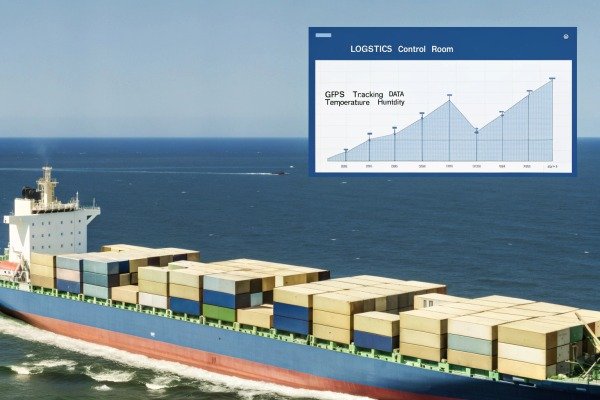
تسلسل تقنيات التتبع
في قطاع الطائرات بدون طيار الصناعية، لا يكفي الاعتماد على إشعار بسيط "تم الشحن". نوصي بنهج متدرج للتتبع ينتقل من موقع السفينة العام إلى مراقبة حالة الشحنة التفصيلية. موقع السفينة العام 1 هذا التمييز حيوي لأن معرفة مكان السفينة لا يخبرك ما إذا كانت كاميراتك الحرارية الحساسة تتعرض للتآكل بسبب المياه المالحة أو تأثيرات القوة الجاذبية المفرطة.
منصات الناقل والمجمّع
تأتي الطبقة الأولى من الرؤية من خط الشحن نفسه. خط الشحن 2 عن طريق إدخال بوليصة الشحن الرئيسية (MBL) أو رقم الحاوية في موقع الناقل 3 موقع الناقل (مثل Maersk، COSCO، MSC)، تحصل على الحالة الرسمية للحاوية. ومع ذلك، يمكن أن تكون مواقع الناقلين غير سهلة الاستخدام. مجمّعات الطرف الثالث مثل MarineTraffic أو VesselFinder تقدم تجربة مرئية أفضل MarineTraffic 4, ، مما يسمح لك برؤية موقع السفينة المباشر عبر نظام تحديد المواقع العالمي (GPS) على الخريطة. موقع السفينة المباشر عبر نظام تحديد المواقع العالمي (GPS) 5 هذا مفيد بشكل خاص لتوقع التأخيرات الناجمة عن الطقس أو إضرابات الموانئ.
مسجلات بيانات إنترنت الأشياء المستقلة
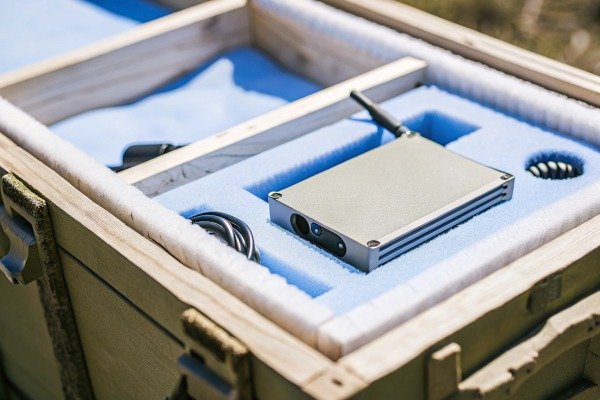
بالنسبة للمعدات عالية القيمة مثل طائراتنا بدون طيار لمكافحة الحرائق، ننصح العملاء بشدة بتثبيت أجهزة إنترنت الأشياء المستقلة. هذه الوحدات الصغيرة، التي غالباً ما تكون مغناطيسية، تُثبت على جدار الحاوية أو توضع داخل المنصة. تنقل البيانات عبر شبكات الهاتف المحمول (GSM) عند الاقتراب من اليابسة وتخزن البيانات أثناء وجودها في البحر. شبكات الهاتف المحمول (GSM) 6 الإصدارات المتقدمة تستخدم وصلات الأقمار الصناعية لتوفير رؤية عالمية حقيقية في الوقت الفعلي. إنها تراقب:
- موقع نظام تحديد المواقع العالمي (GPS): مستقل عن الموضع المبلغ عنه للسفينة.
- درجة الحرارة: حاسم لضمان عدم ارتفاع درجة حرارة بطاريات LiPo.
- الرطوبة: للكشف عن أمطار الحاوية أو خروقات الختم.
- صدمة/إمالة: لمعرفة ما إذا كانت الصندوق قد سقط أو انقلب.
مقارنة أنظمة التتبع البيئية
يعتمد اختيار الأداة المناسبة على ميزانيتك ومدى تفصيل البيانات التي تحتاجها. فيما يلي مقارنة للطرق الشائعة التي يستخدمها شركاؤنا في المشتريات.
| الميزة | الموقع الإلكتروني للناقل | مجمع طرف ثالث | مسجل إنترنت الأشياء مستقل |
|---|---|---|---|
| مصدر بيانات أساسي | مسح المحطة/السفينة الرسمية | نظام التعرف الآلي (AIS) | مستشعرات الجهاز الداخلية |
| دقة الوقت الفعلي | متأخر (مبني على المعالم) | عالٍ (موضع السفينة) | عالٍ (حالة الشحن وموقعه) |
| البيانات البيئية | لا يوجد | لا يوجد | درجة الحرارة، الرطوبة، الصدمة، الضوء |
| التكلفة | مجاناً | نموذج مجاني / اشتراك | تكلفة الجهاز + خطة البيانات |
| أفضل حالة استخدام | تأكيد الحالة الرسمية | توقع وقت الوصول المقدر | حماية الإلكترونيات عالية القيمة |
من خلال دمج هذه الأدوات، تنتقل من التخمين حول مكان شحنتك إلى معرفة بالضبط كيف يتم التعامل مع استثمارك في البحر.
كم مرة يجب أن أطلب تحديثات الشحن من مورد طائراتي بدون طيار الصيني؟
يدرك فريق اللوجستيات لدينا أن الإلحاح المستمر للحصول على تحديثات يستنزف الطاقة، ومع ذلك فإن الصمت خلال عبور المحيط الهادئ لمدة ثلاثة أسابيع يكون مرعبًا للمشتري. إيجاد التوازن بين الإدارة التفصيلية والإهمال هو مفتاح تجربة شراء سلسة.
يجب عليك هيكلة اتصالاتك حول مراحل اللوجستيات الهامة بدلاً من تكرار يومي ثابت. اطلب إشعارات فورية عند مغادرة المصنع، وتحميل الميناء، والتخليص الجمركي، مع وضع بروتوكول لـ “تنبيهات الاستثناء” التي تطلق اتصالًا فوريًا فقط إذا واجهت الشحنة تأخيرات غير متوقعة، أو عمليات تفتيش، أو تغييرات في المسار.
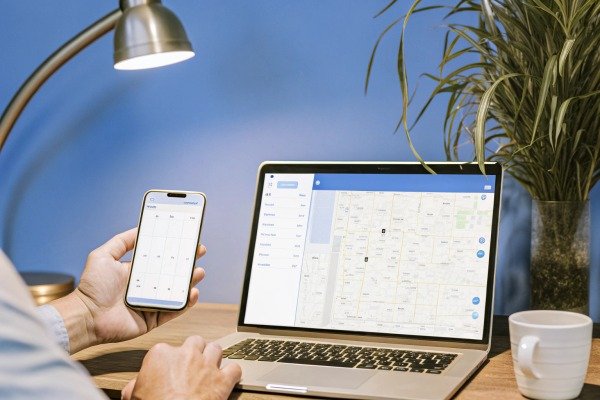
وضع بروتوكول الاتصال
الكفاءة في الاتصالات اللوجستية لا تتعلق بحجم رسائل البريد الإلكتروني بل بأهمية المعلومات. عندما نقوم بتصدير طائراتنا بدون طيار الثمانية، نضع بروتوكول "المراحل مقابل الاستثناءات" مع عملائنا. هذا يمنع إرهاق البريد الوارد مع ضمان تنبيهك فورًا عند الحاجة إلى اتخاذ إجراء.
نهج المراحل
بدلاً من السؤال "أين هو؟" كل يوم اثنين، اتفق على محفزات محددة تتطلب تحديثًا من المورد أو وكيل الشحن الخاص بك. هذا يوحد تدفق المعلومات.
- الدخول إلى البوابة: تأكيد وصول البضائع إلى ميناء المنشأ (مثل شنغهاي أو شنتشن).
- تحميل السفينة: تأكيد أن الحاوية موجودة فعليًا على السفينة، بما في ذلك اسم السفينة ورقم الرحلة.
- إشعار الوصول: عادة ما يتم إرساله قبل 3-5 أيام من وصول السفينة إلى ميناء الوجهة (مثل لونج بيتش أو روتردام).
- الإفراج الجمركي: أهم تحديث، يشير إلى أن الشحنة جاهزة للتسليم النهائي.
إدارة الاستثناءات
أهم التحديثات هي تلك التي لم تخطط لها. يجب عليك توجيه المورد الخاص بك لإعطاء الأولوية لـ "تنبيهات الاستثناء". هذه تحديثات غير روتينية يتم تشغيلها بسبب مشاكل. على سبيل المثال، إذا حدث "تأجيل" (تم نقل الشحنة إلى السفينة التالية بسبب الحجز الزائد) أو إذا كان هناك احتجاز جمركي لفحص بالأشعة السينية.
تأثير شروط التجارة الدولية (Incoterms) على الاتصال
تحدد شروط التجارة الدولية (Incoterms) التي اخترتها من المسؤول عن إنشاء هذه التحديثات. المصطلح 7 شروط التجارة الدولية المختارة 8
| المصطلح | المتواصل الأساسي | مستوى المسؤولية | طلب التحديث الموصى به |
|---|---|---|---|
| EXW (أعمال سابقة) | وكيل الشحن الخاص بك | أنت تتحكم في السلسلة بأكملها. | يجب عليك الضغط على وكيل الشحن الخاص بك للحصول على جميع التحديثات؛ المورد سلبي. |
| فوب (مجاناً على ظهر السفينة) | المورد -> وكيل الشحن | المورد يتولى المنشأ؛ أنت تتولى العبور. | يقوم المورد بالتحديث حتى التحميل؛ يقوم وكيل الشحن بالتحديث أثناء النقل البحري. |
| CIF/DDP | المورد | يدير المورد النقل إلى الوجهة. | المورد هو جهة الاتصال الوحيدة لديك. اطلب ملخصات أسبوعية + تنبيهات استثنائية فورية. |
يضمن فهم هذه الفروقات أنك تسأل الشخص المناسب للحصول على المعلومات الصحيحة في الوقت المناسب.
كيف أستخدم بوليصة الشحن للتحقق من الموقع الحالي لشحنتي؟
نقوم بتدقيق كل رقم في مستندات الشحن لأن خطأ مطبعي واحد يمكن أن يترك حاوية عالقة في المحطة. بوليصة الشحن ليست مجرد إيصال؛ إنها المفتاح الأساسي لفتح الرؤية لرحلة شحنتك عبر المحيط.
لتتبع شحنتك بفعالية، حدد موقع رقم بوليصة الشحن الرئيسية (MBL) أو رقم الحاوية المكون من 11 رقمًا على مستندك وأدخله في الموقع الرسمي لخط الشحن. يتيح لك هذا الوصول المباشر تجاوز الوسطاء وعرض بيانات المحطة الأولية، مما يؤكد ما إذا كانت طائراتك بدون طيار قد تم تحميلها أو إعادة شحنها أو تفريغها.
فك رموز بوليصة الشحن (B/L)
بالنسبة لمدير المشتريات، تعد بوليصة الشحن مصدر الحقيقة. ومع ذلك، غالبًا ما تكون البيانات الأولية على مواقع شركات النقل غامضة، ومليئة بالمصطلحات والرموز الصناعية. لاستخدام هذا المستند بفعالية لتتبع الموقع، تحتاج إلى فهم ما تبحث عنه.
تحديد أرقام التتبع
هناك رقمان حاسمان في الجزء العلوي الأيمن من المستند:
- رقم بوليصة الشحن: عادة ما يكون مزيجًا من الأحرف والأرقام (على سبيل المثال، COSU123456789 لـ COSCO). هذا يتتبع المستند والشحنة ككل.
- رقم الحاوية: دائمًا 4 أحرف متبوعة بـ 7 أرقام (على سبيل المثال، MSKU1234567). هذا يتتبع الصندوق المعدني الفعلي.
غالبًا ما يكون استخدام رقم الحاوية أكثر موثوقية لتتبع الموقع لأن الحاوية قد يتم نقلها بين سفن مختلفة (سفن تغذية وسفن أم)، بينما يظل رقم بوليصة الشحن إداريًا.
تفسير رموز الحالة
عند إدخال هذه الأرقام في موقع مثل MSC أو CMA CGM، سترى جدولًا زمنيًا للأحداث. إليك كيفية تفسير تحديثات الحالة الهامة المتعلقة بشحنات الطائرات بدون طيار:
- دخول البوابة / ممتلئ: دخلت الحاوية إلى المحطة وهي جاهزة للتحميل.
- التحميل على متن السفينة: الحاوية موجودة فعليًا على السفينة. هذا هو الوقت الذي يتم فيه ختم تاريخ "تم الشحن على متن السفينة".
- إعادة الشحن: إذا توقفت شحنتك في مركز مثل سنغافورة أو بوسان، فسترى "تم التفريغ" متبوعًا بـ "تم التحميل" على سفينة جديدة. هذه نقطة شائعة للتأخير.
- تم التفريغ: تم إنزال الحاوية من السفينة في ميناء وجهتك.
- خروج البوابة / ممتلئ: تم استلام الحاوية من قبل سائق شاحنة للتسليم النهائي.
إم بي إل مقابل إتش بي إل
كن على دراية بالفرق بين بوليصة الشحن الرئيسية (MBL) الصادرة عن خط الشحن وبوليصة الشحن الفرعية (HBL) الصادرة عن وكيل الشحن. بوليصة الشحن الرئيسية 9 يتم استخدام MBL على موقع شركة النقل. عادةً ما يمكن تتبع HBL فقط على البوابة المحددة لوكيل الشحن. إذا حاولت تتبع رقم HBL على موقع Maersk أو Evergreen، فستظهر رسالة "لم يتم العثور على سجل"، مما يسبب ذعرًا غير ضروري.
كيف يمكنني التحقق من أن طائراتي بدون طيار المستخدمة في مكافحة الحرائق محمية من الرطوبة والصدمات أثناء النقل؟
يكرس مهندسونا مئات الساعات لضمان استقرار وحدات التحكم في الطيران وأجهزة التثبيت، لذا فإن فكرة التعامل الخشن مع البحر الذي يضر بهذه الدقة هو مصدر قلق مشروع. المراقبة المادية لا تقل أهمية عن تتبع الموقع للمعدات الحساسة.
يجب عليك التحقق من الحماية عن طريق فرض استخدام ملصقات تسجيل الصدمات ثلاثية المحاور وبطاقات مؤشر الرطوبة داخل الصندوق قبل إغلاقه. علاوة على ذلك، اطلب دليلًا فوتوغرافيًا لتغليف مثبط التآكل المتطاير (VCI) وتأكد من توثيق بطاريات الليثيوم في حالة الشحن المثلى لمنع التدهور أو المخاطر الحرارية.

المخاطر الخفية للشحن البحري
طائرات مكافحة الحرائق هي آلات قوية، ولكنها أيضًا أدوات دقيقة. الهواء المالح، وتقلبات درجات الحرارة لـ "مطر الحاوية"، والصدمات الميكانيكية لعمليات الرافعة تشكل مخاطر كبيرة. تتطلب مراقبة هذه العوامل مؤشرات مادية تسافر مع البضائع.
مراقبة الصدمات والتأثير
تتميز الطائرات الصناعية بآليات تثبيت معقدة وأجهزة استشعار معايرة. يمكن أن يؤدي سقوط بضع بوصات فقط أثناء التحميل إلى اختلال محاذاة هذه المكونات.
- ملصقات الصدمات: هذه ملصقات فعالة من حيث التكلفة توضع على العبوة الخارجية. إذا تعرض الصندوق لتأثير يتجاوز عتبة قوة معينة (على سبيل المثال، 25G أو 50G)، يتحول القارورة إلى اللون الأحمر. يوفر هذا دليلاً قاطعًا على انتهاك بروتوكولات المناولة.
- مؤشرات الميل: تكشف هذه الملصقات عما إذا كان الصندوق الذي يجب أن يظل مستقيمًا قد انقلب أو تم وضعه بشكل مسطح، مما قد يؤدي إلى تلف أقواس التثبيت الداخلية.
التحكم في الرطوبة والتآكل
يمكن أن تتراوح درجة الحرارة داخل الحاوية بين 0 درجة مئوية و 50 درجة مئوية أثناء عبورها للمناطق المناخية. هذا يسبب التكثف، المعروف باسم "مطر الحاوية"، والذي يمكن أن يؤدي إلى تآكل لوحات الدوائر والموصلات المكشوفة.
- تقنية VCI: نستخدم أكياس مثبط التآكل المتطاير التي تطلق طبقة جزيئية من الحماية على الأسطح المعدنية.
- حساب المجفف: ضمان استخدام الكمية الصحيحة من هلام السيليكا أو المجفف الطيني بناءً على حجم الصندوق ومدة الرحلة.
- بطاقات المؤشر: بطاقة بسيطة داخل الغلاف البلاستيكي يتغير لونها (على سبيل المثال، من الأزرق إلى الوردي) إذا تجاوزت مستويات الرطوبة 40٪ أو 60٪. هذا يخبرك فورًا عند الفتح إذا كان حاجز الرطوبة قد تعرض للخطر.
مراقبة سلامة البطارية
بطاريات الليثيوم بوليمر (LiPo) هي سلع خطرة من الفئة 9. البضائع الخطرة 10 إنها قلب الطائرة بدون طيار ولكنها أيضًا ناقل خطر أساسي.
- حالة الشحن (SoC): يجب شحن البطاريات بنسبة شحن تقريبية تبلغ 30٪. تخزينها مشحونة بالكامل لأسابيع في البحر يمكن أن يؤدي إلى انتفاخ (تضخم) وفقدان دائم للسعة. تخزينها فارغة يمكن أن يسبب انهيار الخلية.
- التوثيق: نقدم تقارير اختبار البطارية التي تظهر مستويات الجهد قبل التعبئة.
قائمة التحقق من تدابير الحماية
قبل أن يقوم المورد الخاص بك بإغلاق الحاوية، استخدم قائمة التحقق هذه للتأكد من وجود جميع أنظمة المراقبة والحماية.
| فئة الحماية | الجهاز/الطريقة | الغرض | إجراء التفتيش |
|---|---|---|---|
| التأثير | ملصق الصدمات ثلاثي المحاور | اكتشاف السقوط/الصدمات | تحقق من وجود صبغة حمراء عند الاستلام. |
| الاتجاه | مؤشر الميل | اكتشاف الانقلاب | تأكد من أن الخرز/الصبغة تشير إلى السفر بشكل مستقيم. |
| الرطوبة | بطاقة مؤشر الرطوبة | اكتشاف الرطوبة العالية | تحقق من تطابق اللون مع المنطقة "الآمنة". |
| التآكل | كيس VCI ومجففات | منع الصدأ/الأكسدة | تحقق من تمزق الكيس أو تشبعه. |
| الطاقة | مسجل الجهد / مقياس متعدد | مراقبة صحة البطارية | تحقق من أن الجهد حوالي 3.8 فولت لكل خلية (مستوى التخزين). |
الخاتمة
تتطلب مراقبة شحنة طائرة إطفاء حرائق أكثر من مجرد مراقبة نقطة على الخريطة؛ فهي تتطلب استراتيجية استباقية تجمع بين أدوات التتبع الرقمي وبروتوكولات الاتصال الواضحة وأجهزة الاستشعار البيئية المادية. من خلال الاستفادة من بوليصة الشحن الرئيسية، ونشر مسجلات إنترنت الأشياء، وفرض معايير تغليف صارمة، تضمن وصول معداتك بنفس حالة المعايرة الدقيقة التي كانت عليها عند مغادرتها مصنعنا، جاهزة للنشر الفوري في عمليات الطوارئ الحرجة.
الحواشي
1. خلفية تقنية حول الأنظمة المستخدمة لتتبع وتحديد السفن في البحر. ︎
2. معلومات رسمية حول لجنة التجارة البحرية الفيدرالية، التي تنظم النقل الدولي البحري في الولايات المتحدة. ︎
3. بوابة تتبع رسمية لشركة ميرسك، وهي ناقل عالمي رئيسي لشحنات الطائرات بدون طيار المعبأة في حاويات. ︎
4. الموقع الرسمي لخدمة تتبع السفن المذكورة. ︎
5. المعايير الدولية لتحديد هوية السفن ونظام التعرف الآلي (AIS). ︎
6. المنظمة الرسمية التي تمثل صناعة الاتصالات المتنقلة العالمية. ︎
7. قواعد الغرفة التجارية الدولية الرسمية التي تحدد شروط التجارة الدولية (Incoterms). ︎
8. قواعد الغرفة التجارية الدولية الرسمية التي تحدد مسؤوليات المشتري والبائع في التجارة العالمية. ︎
9. نظرة عامة شاملة على دور بوليصة الشحن كوثيقة ملكية. ︎
10. لوائح المنظمة البحرية الدولية الرسمية لنقل البضائع الخطرة بحراً. ︎

 English
  Español de México
  Deutsch
  Français
  Русский
  العربية
