
رؤية عميل يفقد فدانات من التغطية لأنه تجاهل نسب الحمولة يبقي فريق الهندسة لدينا مستيقظًا في الليل. شراء مواصفات خاطئة يضر بجدول حصادك.
يجب أن تسأل كيف تؤثر النسبة مباشرة على مدة الطيران لكل شحنة بطارية والاستقرار تحت الحمل. على وجه التحديد، اطلب بيانات توضح نسبة الدفع إلى الوزن (TWR)، ويفضل أن تستهدف 2:1، لضمان أن الطائرة بدون طيار تحافظ على الرشاقة ومقاومة الرياح حتى عندما تكون الخزان ممتلئًا.
إليك كل ما تحتاج لمعرفته للتحقق من هذه الادعاءات قبل التوقيع على أمر شراء.
كيف تؤثر نسبة الوزن إلى الحمولة على مدة الطيران وكفاءة طائرتي بدون طيار الزراعية؟
خلال اختبارات الطيران في منشأتنا في شيان، غالبًا ما نرى أطرًا ثقيلة تستنزف البطاريات بسرعة كبيرة. تجاهل مقاييس الكفاءة يؤدي إلى فترات إعادة شحن متكررة ومكلفة.
وزن جاف أقل بالنسبة لسعة الحمولة يطيل بشكل كبير مدة الطيران عن طريق تقليل الطاقة المطلوبة للرفع. نسبة محسّنة تقلل من استهلاك الطاقة لكل فدان، مما يسمح للطائرة بدون طيار بتغطية المزيد من الأرض بشحنة واحدة وتقليل إجمالي وقت التوقف التشغيلي.
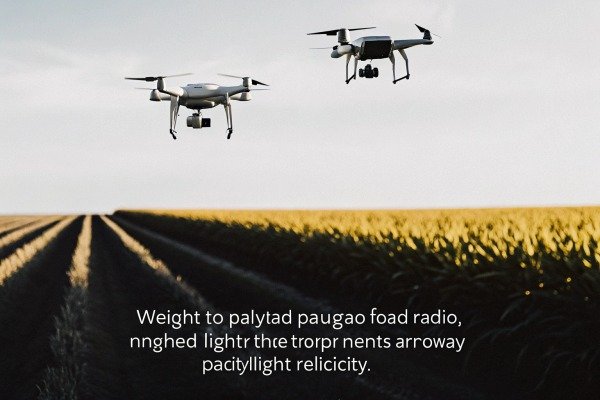
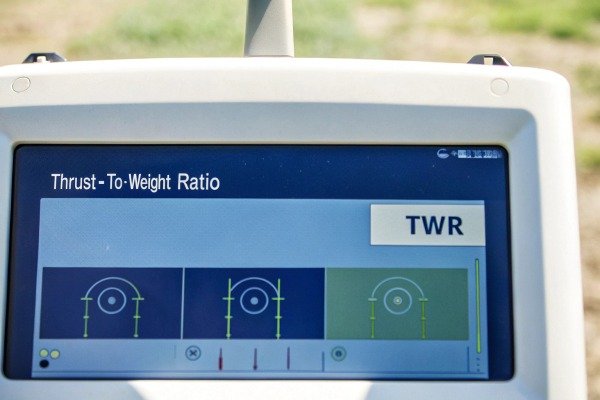
الفيزياء الأساسية لطيران الطائرات بدون طيار تملي أن كل جرام الفيزياء الأساسية لطيران الطائرات بدون طيار 1 من الوزن يتطلب كمية معينة من الطاقة للبقاء في الجو. في مختبرات الاختبار لدينا، نراقب باستمرار نسبة الدفع إلى الوزن (TWR). نسبة الدفع إلى الوزن (TWR) 2 TWR هي العلاقة بين إجمالي الدفع الذي تولده المحركات والوزن الإجمالي للطائرة بدون طيار (بما في ذلك الإطار والبطاريات والحمولة الكاملة).
بالنسبة للطائرات بدون طيار الزراعية، لا تتعلق الكفاءة بمجرد الطيران لفترة أطول؛ بل تتعلق بالطيران بذكاء أكبر. الطائرة بدون طيار ذات نسبة وزن إلى حمولة ضعيفة تجبر محركاتها على الدوران بسرعات أعلى لمجرد التحويم. هذا يولد حرارة زائدة ويستنزف البطارية بسرعة. على العكس من ذلك، يمكن للطائرة بدون طيار المحسّنة ذات TWR عالية - حوالي 2:1 مثاليًا - أن تحوم بحوالي 50% من قوة الدفع. هذه "المساحة الاحتياطية لقوة الدفع" ضرورية. هذا يعني أن الطائرة بدون طيار لا تقاوم الجاذبية بأقصى جهد، تاركة احتياطيات طاقة للمناورة ومقاومة الرياح.
حساب استنزاف البطارية
عند تقييم طائرة بدون طيار، يجب أن تفهم "عقوبة الطاقة" للوزن الزائد. الإطار الثقيل بشكل غير ضروري (وزن جاف مرتفع) يقلل من الحمولة الفعالة التي يمكنك حملها لمدة محددة. على سبيل المثال، إذا كان إطار طائرة بدون طيار أثقل بـ 2 كجم من منافسها بسبب تصميم غير فعال أو مواد أرخص، فإن هذا الوزن الميت يستهلك طاقة كان يمكن استخدامها لحمل 2 لتر إضافي من المبيدات الحشرية أو للطيران لمدة 3 دقائق إضافية. حمل 2 لتر إضافي من المبيدات الحشرية 3
مقاييس الكفاءة التشغيلية
نشجع المشترين على النظر إلى ما هو أبعد من الكتيب التسويقي. قد تدعي طائرة بدون طيار وقت طيران يبلغ 30 دقيقة، ولكن هل هذا مع خزان ممتلئ؟ عادة، لا يكون كذلك. قد تنخفض مدة طيران طائرة بدون طيار ثقيلة بحمولة كاملة إلى 10-12 دقيقة. هذا يجبر فريقك على الهبوط، وتبديل البطاريات، وإعادة ملء الخزان بشكل متكرر. كل دورة هبوط وإقلاع تكسر سير العمل وتقلل من إجمالي الأفدنة التي يتم تغطيتها في الساعة.
| المقياس التشغيلي | نسبة محسّنة (كفاءة عالية) | نسبة ضعيفة (كفاءة منخفضة) |
|---|---|---|
| نسبة الخانق في وضع التحويم | 45% – 55% | 65% – 80% |
| درجة حرارة البطارية | معتدلة (عمر أطول) | مرتفعة (تدهور السعة) |
| وقت الطيران (مع الحمولة) | 15 – 20 دقيقة | 8 – 12 دقائق |
| فدان في الساعة | مرتفع (توقفات أقل) | منخفض (تبديلات متكررة) |
من خلال إعطاء الأولوية لنسبة وزن إلى حمولة فائقة، فإنك تشتري الوقت فعليًا. تقلل من عدد دورات البطارية المطلوبة لإنهاء حقل، مما يقلل بشكل مباشر من تكاليف التشغيل طويلة الأجل.
هل تعني سعة الحمولة الأعلى أنني يجب أن أضحي بالمتانة الهيكلية أو الاستقرار؟
نحن نوازن بين درجات ألياف الكربون في مصنعنا لتجنب الإطارات الهشة. الحمولة العالية على إطار ضعيف تخاطر بالفشل الكارثي أثناء مناورات منتصف الرحلة.
لا تتطلب سعة الحمولة الأعلى التضحية بالمتانة إذا تم استخدام ألياف الكربون عالية المعامل والألمنيوم بدرجة الطيران الفضائي. ومع ذلك، يجب على المشترين التحقق من أن وفورات الوزن تأتي من مواد متقدمة بدلاً من الإطارات الأرق، والتي يمكن أن تضر بالاستقرار في الرياح العاتية أو أثناء التحول السريع للسائل.
هناك اعتقاد خاطئ شائع بأنه للحصول على نسبة حمولة جيدة، يجب أن تكون الطائرة بدون طيار هشة. هذا غير صحيح، شريطة أن تكون الهندسة سليمة. يكمن المفتاح في المواد المستخدمة. في خط الإنتاج الخاص بنا، نستخدم ألياف الكربون عالية المعامل ألياف الكربون عالية المعامل 4. ألياف الكربون عالية المعامل 5 توفر هذه المادة نسبة قوة إلى وزن مذهلة، مما يسمح لنا ببناء إطارات خفيفة للغاية وصلبة بما يكفي للتعامل مع الأحمال الثقيلة. قد توفر المواد البلاستيكية الرخيصة أو الألمنيوم منخفض الدرجة المال، لكنها تضيف وزنًا دون إضافة قوة مكافئة.
تأثير "الارتداد" ومركز الثقل
تواجه الطائرات بدون طيار الزراعية تحديًا فريدًا لا تواجهه طائرات التصوير الفوتوغرافي: الحمولة السائلة. عندما تتسارع الطائرة بدون طيار أو تكبح أو تنعطف، يتحرك السائل في الخزان. هذا "الارتداد" يخلق ديناميكية تحول ديناميكي في مركز الثقل 6 تحول في مركز الثقل (CG). إذا ضحى المصنع بصلابة الهيكل لتقليل الوزن (على سبيل المثال، باستخدام أذرع رفيعة أو وصلات ضعيفة)، يمكن أن ينثني الإطار تحت هذا الحمل المتحول. هذا الانثناء يربك مستشعرات جيروسكوب وحدة التحكم في الطيران، مما يؤدي إلى تذبذب أو "تذبذب" في الهواء.
سلامة الهيكل مقابل وفورات الوزن
عندما تسأل عن المتانة، فأنت تسأل عن عامل الأمان. يجب أن يكون لدى الطائرة بدون طيار الصناعية القوية عامل أمان هيكلي لا يقل عن 1.5x إلى 2x الحد الأقصى لوزن الإقلاع (MTOW). الحد الأقصى لوزن الإقلاع (MTOW) 7 يضمن هذا أنه إذا اصطدمت الطائرة بدون طيار بتيار هابط مفاجئ أو احتاجت إلى مناورة قوية لتجنب عقبة، فلن تنكسر الأذرع تحت الضغط.
تقييم هندسة الإطار
يلعب تصميم الإطار أيضًا دورًا كبيرًا. التصميمات المدمجة والقابلة للطي شائعة للنقل، ولكن يجب أن تكون آليات القفل متينة. تضيف آلية القفل المصممة جيدًا قدرًا صغيرًا من الوزن ولكنها توفر صلابة الإطار الصلب. عند التحدث إلى الموردين، اسأل عن اختبارات الإجهاد لهذه المفاصل. سعة الحمولة العالية على إطار به مفاصل ضعيفة هي وصفة لكارثة بعد بضعة أشهر من الاستخدام المكثف.
| المادة / ميزة التصميم | التأثير على الوزن | التأثير على المتانة | موصى به؟ |
|---|---|---|---|
| ألياف الكربون عالية المعامل | منخفضة | عالية جداً | نعم |
| أنابيب الألمنيوم القياسية | متوسط | عالية | نعم (للموديلات الاقتصادية) |
| بلاستيك مصبوب بالحقن | عالية | منخفضة | لا (للطائرات الزراعية الثقيلة بدون طيار) |
| أقفال أذرع متينة | متوسط | عالٍ (حاسم) | نعم |
في النهاية، لا يتعين عليك التضحية بالمتانة. عليك فقط أن تكون على استعداد للاستثمار في مواد فائقة. إذا كانت طائرة بدون طيار رخيصة بشكل مريب وتدعي حمولة ضخمة، فمن المحتمل أن يكون المصنع قد اختصر في مواد الإطار.
ما هي المعايير التي يجب أن أستخدمها لتحديد ما إذا كان توزيع وزن الطائرة بدون طيار محسّنًا للمهام الشاقة؟
عندما يقوم مهندسونا بمعايرة المحركات، فإنهم يبحثون عن علامات أداء محددة. يؤدي الافتقار إلى معايير واضحة إلى تخمين ما إذا كانت الطائرة بدون طيار يمكنها التعامل مع ظروف المزرعة الحقيقية.
استخدم نسبة الدفع إلى الوزن (TWR) 2:1 كمعيارك الأساسي للمهام الشاقة، مع التأكد من أن المحركات توفر ضعف قوة الدفع للوزن المحمل بالكامل. بالإضافة إلى ذلك، تحقق من أن الحمولة تشكل 25% إلى 50% من إجمالي وزن الإقلاع لتحقيق تحكم متوازن للطاقة.
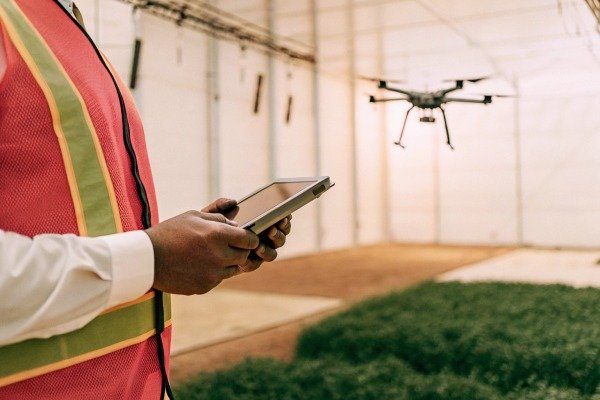
لتحديد ما إذا كانت الطائرة بدون طيار "شاقة" حقًا أم مجرد دعاية تسويقية، تحتاج إلى الاعتماد على أرقام دقيقة. المعيار الأكثر أهمية هو نسبة الدفع إلى الوزن (TWR). نوصي بنسبة 2:1 أو أعلى قليلاً.
المعيار 1: نسبة الدفع إلى الوزن (TWR)
إليك كيفية حسابه: خذ الحد الأقصى لقوة الدفع لجميع المحركات مجتمعة واقسمها على الحد الأقصى لوزن الإقلاع (MTOW).
- الصيغة:
إجمالي قوة دفع المحرك / (وزن الطائرة بدون طيار + الحد الأقصى للحمولة) - مثال: إذا كان وزن الطائرة بدون طيار 20 كجم وتحمل حمولة 20 كجم (إجمالي 40 كجم)، فيجب أن تكون المحركات قادرة على توليد 80 كجم على الأقل من قوة الدفع.
إذا كانت النسبة 1.5:1, ، ستشعر الطائرة بدون طيار بالتباطؤ. ستواجه صعوبة في التوقف بسرعة وقد تنجرف في الرياح العاتية لأنها تفتقر إلى احتياطيات الطاقة لتصحيح موضعها على الفور. إذا كانت النسبة 2:1, ، فإن الطائرة بدون طيار سريعة الاستجابة وآمنة.
المعيار 2: نسبة الحمولة
يقيس هذا المعيار مقدار الوزن "المفيد" في الطائرة بدون طيار.
- الهدف: يجب أن تمثل الحمولة 30% إلى 50% من MTOW.
- النقطة المثالية: إذا كان وزن الطائرة بدون طيار 50 كجم محملة بالكامل، فيجب أن يكون الحمولة (سائل/بذور) حوالي 20 كجم إلى 25 كجم.
- علامة تحذير: إذا كانت الحمولة تمثل 15% فقط من الوزن الإجمالي، فإن الطائرة بدون طيار غير فعالة (وزن هيكل كبير جدًا). إذا تجاوزت الحمولة 60%، فمن المحتمل أن تكون الطائرة بدون طيار محملة بشكل زائد وغير مستقرة.
المعيار 3: تحميل القرص
يشير تحميل القرص إلى الوزن الذي تدعمه المساحة المكتسحة تحميل القرص 8 للمراوح. يعني تحميل القرص المنخفض بشكل عام كفاءة أعلى (أوقات طيران أطول). يؤدي تحميل القرص المرتفع (مراوح صغيرة تحمل وزنًا ثقيلًا) إلى طائرة بدون طيار صاخبة جدًا تستهلك الكثير من الطاقة وتخلق اضطرابًا مفرطًا. في حين أن بعض التدفق السفلي جيد لدفع المبيدات الحشرية إلى مظلة المحصول، فإن الكثير منها يمكن أن يتلف النباتات الرقيقة.
فهم هامش الأمان
عند تصميم معلمات الطيران، ننظر أيضًا إلى "هامش الأمان". هذا هو المخزن المؤقت بين العلاقة بين الدفع الكلي 9 التشغيل الطبيعي والفشل. الطائرة بدون طيار التي تعمل بأقصى طاقتها باستمرار تشبه السيارة التي تسير بسرعة قصوى - ستفشل مبكرًا. يؤكد طلب هذه المعايير ما إذا كانت الطائرة بدون طيار تعمل بشكل مريح أم أنها تجهد نفسها.
كيف يمكنني التحقق من أن نسبة الحمولة المعلنة من قبل الشركة المصنعة تترجم إلى عائد استثمار أفضل لعملي؟
نحن نصمم نماذج التصدير لدينا لزيادة الأفدنة في الساعة، وليس فقط المواصفات. غالبًا ما يؤدي الشراء بناءً على الإحصائيات الورقية وحدها إلى عوائد ميدانية ضعيفة.
تحقق من عائد الاستثمار عن طريق حساب "التكلفة لكل فدان" بناءً على حجم الرش الذي تنتجه الشركة المصنعة لكل دورة بطارية. اطلب بيانات اختبار ميدانية تُظهر معدلات تغطية فعلية بدلاً من الحد الأقصى النظري، وخذ في الاعتبار تكاليف استبدال البطارية، حيث أن النسب غير الفعالة تقلل من عمر البطارية بشكل أسرع.
يتم حساب العائد على الاستثمار (ROI) في الطائرات بدون طيار الزراعية بواسطة مقياس واحد بسيط: التكلفة لكل وحدة عمل (على سبيل المثال، التكلفة لكل فدان تم رشه). نسبة الوزن إلى الحمولة هي مضاعف خفي في هذه المعادلة. إذا اشتريت طائرة بدون طيار بنسبة ضعيفة، فقد يكون سعر الشراء الأولي أقل، ولكن تكاليف التشغيل سترتفع بشكل كبير.
التكلفة الخفية للبطاريات
البطاريات هي أكبر تكلفة استهلاكية في عمليات الطائرات بدون طيار. تضع طائرة بدون طيار ذات نسبة وزن إلى حمولة ضعيفة ضغطًا هائلاً على خلايا البطارية.
- سحب أمبير عالي: تسحب الطائرات بدون طيار الثقيلة أمبيرات عالية، مما يتسبب في ارتفاع درجة حرارة البطاريات. الحرارة تقلل من كيمياء أيونات الليثيوم كيمياء أيونات الليثيوم 10.
- دورة الحياة: قد تدوم البطارية في طائرة بدون طيار غير فعالة لمدة 200 دورة. في طائرة بدون طيار محسّنة، قد تدوم نفس البطارية لمدة 400 دورة.
- الحسابات: إذا كانت تكلفة البطارية 1000 دولار، فإن مضاعفة عمرها يضاعف ميزانية البطارية الخاصة بك. على مدار موسم، يمكن أن يصل هذا إلى عشرات الآلاف من الدولارات.
حساب كفاءة العمل الحقيقية
لا تسأل فقط "ما هو حجم الخزان؟" اسأل "كم فدانًا يمكنني رشه في الساعة، بما في ذلك تبديل البطاريات؟"
تتطلب طائرة بدون طيار بسعة 40 لترًا تستنزف بطاريتها في 7 دقائق هبوطًا وتبديلًا مستمرًا. قد تغطي طائرة بدون طيار بسعة 30 لترًا تطير لمدة 15 دقيقة مساحة أكبر في الساعة لأنها تقضي وقتًا أقل على الأرض في الصيانة.
أسئلة لطرحها للتحقق من عائد الاستثمار
للتحقق من ادعاءات الشركة المصنعة، استخدم هذه الأسئلة المحددة أثناء مفاوضاتك:
- "هل يمكنك تقديم منحنى التفريغ للبطارية عند الحمولة الكاملة؟" (ابحث عن انخفاضات حادة في الجهد - علامة سيئة).
- "ما هي الفترة الزمنية الموصى بها لاستبدال المحركات ووحدات التحكم الإلكترونية (ESCs) عند أقصى حمولة؟" (الأحمال الثقيلة تستهلك المحامل بشكل أسرع).
- "هل لديك آلة حاسبة لتكلفة الملكية الإجمالية (TCO) تتضمن المواد الاستهلاكية؟"
جدول مقارنة العائد على الاستثمار
يساعدك هذا الجدول على تصور التأثير طويل الأجل للنسبة.
| عامل التكلفة | نسبة جيدة (محسّنة) | نسبة سيئة (غير فعالة) | التأثير على الأعمال التجارية |
|---|---|---|---|
| عمر البطارية | 400+ دورة | < 200 دورة | تكلفة استبدال عالية |
| الصيانة | روتيني | فشل متكرر للمحرك/وحدة التحكم الإلكترونية | تكلفة وقت التوقف والإصلاح |
| الخدمات اللوجستية الميدانية | بطاريات أقل مطلوبة | المزيد من البطاريات والشواحن | وقت النقل والإعداد |
| النتيجة الصافية | عائد استثمار مرتفع | عائد استثمار سلبي | الربحية |
من خلال التركيز على هذه الآثار المالية، فإنك تحول المحادثة من "الميزات الرائعة" إلى "ربحية الأعمال". الطائرة بدون طيار هي أداة، وأفضل أداة هي تلك التي تجعلك تجني أكبر قدر من المال بأقل وقت توقف.
الخاتمة
تحديد نسبة الوزن إلى الحمولة المناسبة يضمن السلامة والربحية. اطرح الأسئلة الصعبة لتأمين طائرة بدون طيار تقدم قيمة حقيقية لعملياتك الزراعية.
الحواشي
1. شرح موثوق للقوى الديناميكية الهوائية. ︎
2. يوفر مفهومًا عامًا لخلفية فيزياء الدفع والوزن في الطيران. ︎
3. توجيهات حكومية رسمية بشأن التطبيق الآمن والمنظم للمبيدات في الزراعة. ︎
4. نظرة عامة فنية على خصائص المواد. ︎
5. يشرح خصائص المواد المتقدمة المستخدمة لتحقيق نسب قوة إلى وزن عالية. ︎
6. يشرح المفهوم الفيزيائي لمركز الثقل. ︎
7. توجيهات إدارة الطيران الفيدرالية الرسمية فيما يتعلق بحدود الوزن واللوائح الخاصة بأنظمة الطائرات بدون طيار التجارية. ︎
8. التعريف التقني للمصطلح الديناميكي الهوائي. ︎
9. يحدد آليات الدفع المشار إليها. ︎
10. مورد حكومي حول تكنولوجيا البطاريات. ︎
 English
  Español de México
  Deutsch
  Français
  Русский
  العربية
Comments
No comments yet. Be the first to share your thoughts!
Leave a Comment