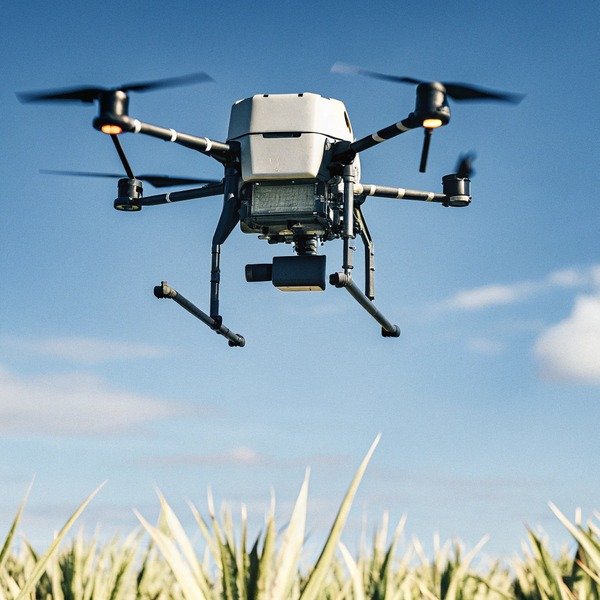
يؤدي ارتفاع الرش غير المتناسق إلى إتلاف المحاصيل وإهدار المواد الكيميائية. في مصنعنا، نقوم بمعايرة أنظمة الرادار بدقة للقضاء على هذا الخطر، مما يضمن أن طائراتنا بدون طيار تحافظ على استقرار مثالي فوق أي تضاريس.
للتحقق من دقة الارتفاع، اختر طائرة بدون طيار تستخدم رادار الموجات المليمترية بمعدل تحديث عالٍ لا يقل عن 30 هرتز. قم بإجراء اختبارات ميدانية باستخدام أعمدة مرجعية مادية لقياس الانحراف بين بيانات القياس عن بعد التي تبلغ عنها الطائرة بدون طيار والارتفاع الفعلي للأرض عبر مراحل نمو المحاصيل المختلفة.
فهم التكنولوجيا وراء هذه المستشعرات هو الخطوة الأولى لضمان حصولك على آلة تعمل بشكل موثوق في الميدان.
ما هي تقنيات مستشعرات الرادار المحددة التي توفر أفضل تتبع للتضاريس لارتفاعات المحاصيل المتغيرة؟
يؤدي اختيار المستشعر الخاطئ إلى حوادث في الحقول المعقدة. نقوم باختبار الترددات المختلفة بشكل صارم في مختبر البحث والتطوير لدينا لضمان حصول عملائنا على وحدات تتبع التضاريس الأكثر استقرارًا المتاحة.
يوفر رادار الموجات المليمترية الذي يعمل بتردد 77 جيجاهرتز أو الترددات المزدوجة أفضل أداء. تخترق هذه المستشعرات الغبار والضباب بفعالية مع توفير دقة على مستوى السنتيمتر ومعدلات تحديث سريعة، مما يسمح لوحدة التحكم في الطيران بالتكيف فورًا مع التغييرات المفاجئة في ارتفاع المحاصيل.
عندما نصمم إلكترونيات الطيران لسلسلة SkyRover الزراعية الخاصة بنا، غالبًا ما نناقش أي مجموعة مستشعرات ستوفر أكبر قيمة للمستخدم النهائي. في الأيام الأولى للصناعة، استخدم العديد من المصنعين أجهزة قياس الضغط الجوي أو المستشعرات فوق الصوتية. مستشعرات فوق صوتية 1 ومع ذلك، وجد فريق الهندسة لدينا أن هذه غير كافية للبيئة المتطلبة للزراعة الحديثة. لا يمكن لجهاز قياس الضغط الجوي رؤية الأرض؛ فهو يقيس ضغط الهواء فقط، والذي ينجرف مع الطقس. المستشعرات فوق الصوتية، على الرغم من أنها رخيصة، إلا أن لها نطاقًا محدودًا للغاية ويتم الخلط بينها بسهولة بسبب الأسطح الناعمة مثل مظلات المحاصيل، مما يؤدي إلى انخفاضات خطيرة في الارتفاع.
تحول معيار الصناعة بشكل حاسم نحو رادار الموجات المليمترية (mmWave). ولكن ليست كل أجهزة الرادار متساوية. ستصادف عادةً نطاقين تردديين رئيسيين: 24 جيجاهرتز و 77 جيجاهرتز. من خلال اختباراتنا الداخلية، لاحظنا أن رادار 77 جيجاهرتز يوفر دقة فائقة. يوفر رادار 77 جيجاهرتز دقة فائقة 2 رادار 77 جيجاهرتز 3 تسمح هذه الترددات الأعلى للمستشعر بتمييز الأجسام الأصغر والتغيرات في التضاريس بدقة أكبر. إنه "يرى" نسيج مظلة المحصول بشكل أفضل من وحدات 24 جيجاهرتز القديمة.
عامل حاسم آخر هو معدل التحديث. طائرة بدون طيار تتحرك بسرعة 6 أمتار في الثانية تغطي مساحة كبيرة. إذا كان الرادار يحدث فقط بمعدل 10 هرتز (10 مرات في الثانية)، فإن الطائرة بدون طيار تكون عمياء لمسافات كبيرة بين القراءات. نصر على مستشعرات بمعدلات تحديث تبلغ 30 هرتز أو أعلى. هذا يضمن أن مكاسب PID لوحدة التحكم في الطيران 4 تتلقى وحدة التحكم تدفقًا مستمرًا من البيانات، مما يسمح بإجراء تعديلات دقيقة وسلسة بدلاً من تصحيحات متشنجة.
مقارنة تقنيات مستشعرات الارتفاع
| الميزة | مستشعر الموجات فوق الصوتية | ليدار (ليزر) | رادار الموجات المليمترية (موصى به) |
|---|---|---|---|
| المبدأ الأساسي | موجات صوتية | نبضات ضوئية | موجات راديوية |
| الدقة | منخفض (يتأثر بالرياح/الضوضاء) | عالٍ (على مستوى السنتيمتر) | عالٍ (على مستوى السنتيمتر) |
| اختراق الغبار/الضباب | فقير | منخفضة إلى متوسطة | ممتاز |
| القدرة على العمل ليلاً ونهارًا | جيد | جيد | جيد |
| اكتشاف المظلة الناعمة | ضعيف (غالباً ما يتم امتصاصه) | ممتاز | ممتاز |
| النطاق النموذجي | أقل من 5 أمتار | أكثر من 50 مترًا | 30 – 100 متر |
نوصي بالسؤال عن نطاق التردد ومعدل تحديث وحدة الرادار من المورد الخاص بك. إذا لم يتمكنوا من الإجابة أو إذا كانوا لا يزالون يستخدمون أجهزة استشعار بالموجات فوق الصوتية لتثبيت الارتفاع، فمن المحتمل أن يكون الطائرة بدون طيار تصميمًا قديمًا سيعاني مع ارتفاعات المحاصيل المتغيرة.
كيف يمكنني اختبار استقرار ارتفاع الطائرة بدون طيار فوق المظلات غير المستوية أثناء عرض ميداني؟
عرض تقديمي سلس على أرض مستوية يخفي العيوب المحتملة. عند تقييم الموردين، أنصح دائمًا الموزعين لدينا بالاختبار على المنحدرات للكشف عن كيفية تعامل الرادار مع التعقيد الواقعي.
قم بإجراء اختبار استقرار المنحدر عن طريق تحليق الطائرة بدون طيار فوق حقل به ارتفاعات متفاوتة وقياس زمن الاستجابة. يجب عليك التحقق من أن الطائرة بدون طيار تحافظ على مسافة ثابتة من المظلة دون تذبذب، باستخدام عمود قياس مادي لتأكيد تطابق بيانات القياس عن بعد مع الواقع.
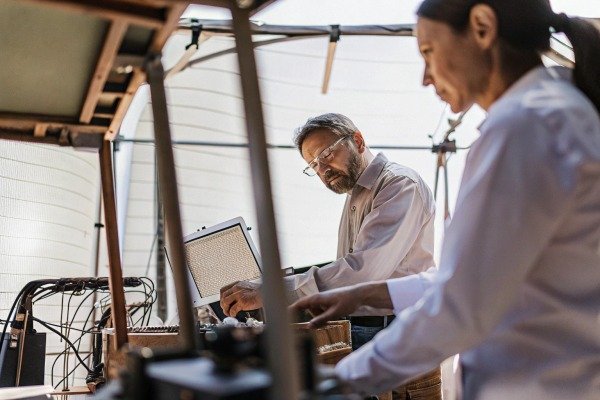
غالبًا ما يتم إجراء العروض التقديمية الميدانية في ظروف مثالية - حقول كرة قدم مسطحة أو مواقف سيارات. هذا لا يمثل واقع مزرعتك. عندما ندعو العملاء إلى أراضي الاختبار الخاصة بنا في تشنغدو، نقوم عن قصد بالتحليق فوق تضاريس متموجة لإثبات قوة نظامنا. تحتاج إلى تكرار هذه الصرامة.
لاختبار استقرار الارتفاع بشكل صحيح، تحتاج إلى إعداد "اختبار استقرار المنحدر". ابحث عن قسم من الحقل بمنحدر ملحوظ، ويفضل أن يكون بين 10 إلى 20 درجة. قم بتحليق الطائرة بدون طيار يدويًا أو على مسار آلي لأعلى المنحدر بسرعة ثابتة. راقب سلوك الطائرة بدون طيار بعناية. سيرتفع النظام المضبوط جيدًا بسلاسة، ليطابق منحدر التل. سيؤدي النظام المضبوط بشكل سيئ إما إلى التأخر، ليقترب بشكل خطير من المحصول قبل أن يرتفع فجأة، أو سيعوض بشكل مفرط ويطير عالياً جدًا.
نستخدم أيضًا فحص "زمن الاستجابة". قم بتحليق الطائرة بدون طيار من بقعة أرض عارية (مثل طريق ترابي) مباشرة فوق محصول طويل (مثل الذرة الناضجة). هناك قفزة مفاجئة في ارتفاع السطح. يجب أن يكتشف الرادار هذا على الفور، ويجب أن ترتفع الطائرة بدون طيار للحفاظ على مسافة الرش المحددة مسبقًا. إذا انخفضت الطائرة بدون طيار في الذرة قبل الارتفاع، فإن قدرة المستشعر على النظر إلى الأمام أو مكاسب PID لوحدة التحكم في الطيران ليست مضبوطة بشكل صحيح.
قائمة التحقق من الاختبار الميداني لتثبيت الارتفاع
| سيناريو الاختبار | الإجراء | معايير النجاح |
|---|---|---|
| التحويم الثابت | التحليق على ارتفاع 2 متر فوق المحاصيل المسطحة لمدة 60 ثانية. | انحراف الارتفاع أقل من ± 10 سم. لا يوجد "ارتداد" عمودي." |
| اختبار المنحدر | الطيران لأعلى منحدر بزاوية 15 درجة بسرعة 5 م/ث. | الطائرة بدون طيار تحافظ على ارتفاع ثابت فوق سطح الأرض (AGL). |
| انتقال المظلة | الطيران من أرض جرداء (ارتفاع 0 متر) إلى محصول (ارتفاع 2 متر). | رد فعل سريع. لا تغوص في أوراق الشجر. |
| سرعة التشغيل | الطيران بأقصى سرعة رش (على سبيل المثال، 7-8 م/ث). | يظل الارتفاع مستقرًا على الرغم من تغيرات ضغط الهواء. |
خلال هذه الاختبارات، لا تعتمد فقط على الشاشة. اجعل مراقبًا يضع عمودًا مميزًا في الحقل (بعيدًا بأمان عن مسار الطيران ولكن مرئيًا) لتأكيد الارتفاع بصريًا. قد تقول محطة التحكم الأرضية (GCS) "3 أمتار"، ولكن إذا كانت الطائرة بدون طيار بصريًا على ارتفاع 2 متر، فإن معايرة المستشعر غير صحيحة.
هل تؤثر كثافة أوراق المحاصيل على قدرة الرادار على الحفاظ على مسافة رش ثابتة؟
يمكن للمحاصيل الرقيقة أن تخدع المستشعرات لقراءة التربة، وليس المظلة. يقوم مهندسونا بضبط الخوارزميات لمنع هذا "الانخفاض في الارتفاع" عند الطيران فوق الشتلات المتفرقة، مما يضمن تغطية متسقة.
نعم، تؤثر كثافة أوراق الشجر بشكل كبير على الأداء، حيث قد تسمح المحاصيل المتفرقة لإشارات الرادار بالاختراق إلى الأرض، مما يتسبب في طيران الطائرة بدون طيار منخفضة جدًا. تستخدم أنظمة الرادار عالية الجودة خوارزميات ترشيح متطورة للتمييز بين قمة المظلة وسطح التربة أدناه.
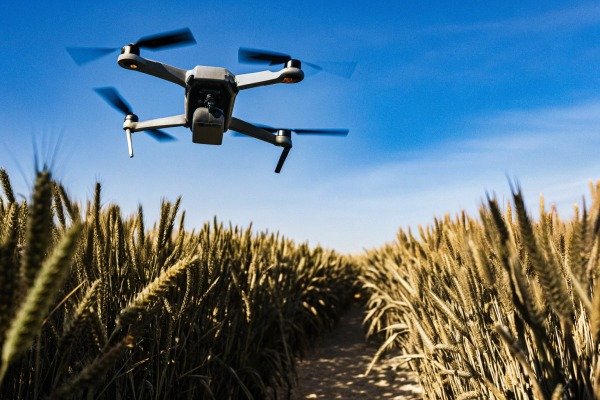
هذه واحدة من أكثر المشكلات شيوعًا التي نراها مع أنظمة الرادار العامة. موجات الرادار هي موجات راديو؛ يمكنها المرور عبر الأشياء التي ليست كثيفة بما يكفي لعكسها. عندما تقوم برش محصول ناضج وكثيف مثل البطاطس أو القطن، تعمل المظلة كجدار صلب للرادار. الانعكاس قوي، وتثبيت الارتفاع دقيق.
ومع ذلك، يتغير الوضع مع المحاصيل "المتفرقة"، مثل الذرة أو القمح المزروعة حديثًا في مراحل النمو المبكرة. في هذه الحالات، توجد فجوات كبيرة بين الأوراق. قد ينتقل شعاع رادار أساسي عبر هذه الفجوات، ويضرب التربة، ويرتد. تعتقد الطائرة بدون طيار أنها أعلى مما هي عليه في الواقع (تقيس إلى التربة بدلاً من قمة النبات) وتنخفض للتعويض. يمكن أن يؤدي ذلك إلى سحب الطائرة بدون طيار لفوهاتها عبر المحصول، مما يتلف المعدات والنباتات على حد سواء.
لحل هذه المشكلة، نستخدم منطق "دمج المستشعرات المتعددة" في طرازاتنا الأعلى. دمج المستشعرات المتعددة 5 نجمع البيانات من الرادار مع مدخلات أخرى أو نستخدم معالجة إشارات متقدمة تحلل معالجة الإشارات 6 "ضوضاء" الإشارة المرتدة. يبحث الرادار عن الأول الإشارة المرتدة (قمة النبات) بدلاً من الأقوى الإشارة المرتدة (الأرض).
تأثير أنواع المحاصيل على إشارة الرادار
| نوع المحصول | الكثافة | خاصية انعكاس الرادار | الخطر المحتمل |
|---|---|---|---|
| البساتين / الأشجار | عالية | إشارات مرتجعة قوية ومتفرقة. | اكتشاف عوائق خاطئ بسبب الأغصان. |
| الذرة الناضجة | عالية | انعكاس سطح صلب. | خطر ضئيل؛ طيران مستقر. |
| قمح (مرحلة مبكرة) | منخفضة | انعكاس ضعيف للغطاء النباتي. | اختراق الإشارة؛ الطائرة بدون طيار تحلق منخفضة جدًا. |
| أرز (غارق) | متوسط | انعكاس من سطح الماء. | تشتت الإشارة؛ أخطاء المسار المتعدد. |
عامل آخر هو الرطوبة. الندى الصباحي أو بقايا الأمطار الغزيرة على الأوراق يمكن أن تشتت إشارات الرادار بشكل مختلف عن الأوراق الجافة. نوصي باختبار شراء الطائرة بدون طيار المحتملة في الصباح الباكر عندما يكون الندى موجودًا. إذا كان قراءة الارتفاع تتقلب بشكل كبير (ترتد لأعلى ولأسفل)، فمن المحتمل أن تكون حساسية الرادار عالية جدًا أو أن خوارزمية التصفية ضعيفة. تحتاج إلى نظام يوفر تعديلات "حساسية تتبع التضاريس" في البرنامج، مما يسمح لك بإخبار الطائرة بدون طيار ما إذا كانت تحلق فوق حقل صلب أو حقل متناثر.
ما هي بيانات سجل الطيران التي يجب أن أطلبها من الشركة المصنعة لإثبات موثوقية تثبيت الارتفاع؟
الادعاءات اللفظية لا تعني شيئًا بدون بيانات. نقدم لعملائنا المصدرين سجلات مفصلة توضح مدخلات المستشعر الخام مقابل مخرجات الارتفاع المصفاة لإثبات استقرار نظامنا.
اطلب سجلات البيانات الخام التي توضح مقياس "الارتفاع مع التضاريس" ومستويات ثقة الرادار أثناء الرحلة. قم بتحليل التباين بين الارتفاع المستهدف والارتفاع المسجل الفعلي لضمان بقاء الانحراف المعياري ضمن نطاق الدقة المحدد من قبل الشركة المصنعة وهو ±10 سنتيمتر.

عندما تكون جادًا بشأن عملية شراء بالجملة، لا تكتفِ بمشاهدة الطائرة بدون طيار وهي تحلق؛ اطلب رؤية ملفات ".bin" أو ".log" من وحدة التحكم في الطيران. وحدة التحكم في الطيران 7 تعمل معظم الطائرات بدون طيار الصناعية، بما في ذلك طائراتنا، على منصات تستند إلى ArduPilot أو PX4 أو ما شابهها. ArduPilot أو PX4 8 تسجل هذه الأنظمة كل ما يحدث مئات المرات في الثانية.
يجب عليك أن تطلب تحديدًا دفق بيانات "Rangefinder" أو "Radar". في برنامج تحليل السجلات (مثل Mission مخطط المهام 9 Planner أو أدوات الشركة المصنعة المخصصة)، تريد رسم خطين: Rangefinder_Distance (ما يراه الرادار) و CTUN_Alt (ارتفاع الطائرة المسيرة المستهدف). من الناحية المثالية، يجب أن يكون خط مقياس المدى خطًا مستقيمًا مسطحًا إذا كانت الطائرة المسيرة تحلق فوق أرض مستوية، أو منحنى ناعمًا يطابق ميل التضاريس. إذا رأيت قفزات متعرجة أو انخفاضات مفاجئة إلى الصفر، فإن المستشعر يفشل أو يفقد "القفل"."
مقياس حاسم آخر هو "جودة الإشارة" أو "درجة الثقة". غالبًا ما تصدر وحدة الرادار درجة من 0 إلى 100 تشير إلى مدى ثقتها في القياس. إذا قمت بمراجعة سجل رحلة فوق حقل قمح ورأيت درجة الثقة تنخفض بشكل متكرر إلى أقل من 50٪، فهذه علامة حمراء. هذا يعني أن وحدة التحكم في الطيران تخمن الارتفاع لجزء كبير من الرحلة.
نبحث أيضًا عن مستويات "الاهتزاز" في المحور Z. في بعض الأحيان، يكون الرادار جيدًا، لكن هيكل الطائرة المسيرة يهتز كثيرًا لدرجة أن المستشعر لا يمكنه الحصول على قراءة واضحة. تشير سجلات الاهتزاز العالية إلى تجميع ميكانيكي ضعيف أو مراوح غير متوازنة، مما يؤدي في النهاية إلى تدهور أداء الرادار بمرور الوقت.
مقاييس السجل الرئيسية لتقييم الرادار
- مسافة مقياس المدى (RFND): المسافة الخام المقاسة بالأمتار. ابحث عن الضوضاء أو القفزات.
- ارتفاع التضاريس: الارتفاع المقدر للتضاريس بالنسبة لنقطة البداية.
- ارتفاع الابتكار: مقياس مرشح كالمان يوضح التباين بين الارتفاع المتوقع والارتفاع المقاس. القيم العالية تعني أن الطائرة المسيرة "مرتبكة"."
- وقت الحلقة: إذا تباطأت حلقة المعالجة، فلا يمكن للطائرة المسيرة الاستجابة للتضاريس بالسرعة الكافية.
من خلال تحليل هذه السجلات، تتجاوز الكتيبات التسويقية وترى الواقع الهندسي. إذا رفضت الشركة المصنعة مشاركة ملف سجل عينة لمهمة، فيجب أن تكون حذرًا للغاية. الشفافية هي السمة المميزة للموثوقية.
الخاتمة
التحقق من دقة تثبيت ارتفاع الرادار لا يتعلق فقط بقراءة ورقة مواصفات؛ بل يتطلب فهم التفاعل بين تردد المستشعر وكثافة المحاصيل والتضاريس في العالم الحقيقي. من خلال الإصرار على تقنية الموجات المليمترية، وإجراء اختبارات صارمة للميل تقنية الموجات المليمترية 10 واختبارات المظلة، وتحليل سجلات الطيران، يمكنك ضمان أن استثمارك في الطائرات الزراعية المسيرة يوفر رشًا دقيقًا ومتجانسًا لسنوات قادمة. في SkyRover، نرحب بهذه الاختبارات لأنها تثبت الجودة التي نبنيها في كل آلة.
الحواشي
1. خلفية عن كيفية عمل المستشعرات فوق الصوتية وقيودها في البيئات المعقدة. ︎
2. شرح موثوق لتقنية رادار الموجات المليمترية وفوائد التردد. ︎
3. بحث حول أداء رادار 77 جيجاهرتز للارتفاع الدقيق للطائرات المسيرة واتباع التضاريس. ︎
4. وثائق رسمية تشرح آلية الضبط لاستقرار الطائرة المسيرة. ︎
5. يحدد المفهوم الهندسي المستخدم لدمج بيانات المستشعرات للدقة. ︎
6. مواد تعليمية من معهد ماساتشوستس للتكنولوجيا حول مبادئ معالجة الإشارات ودمج المستشعرات. ︎
7. وثائق لأحد أكثر المنصات مفتوحة المصدر استخدامًا للطائرات المسيرة الصناعية. ︎
8. المواصفات الفنية لمنطق المدى والارتفاع لمكدس طيران PX4. ︎
9. الموقع الرسمي لبرنامج تحليل السجلات المحدد المذكور. ︎
10. خلفية تقنية حول طيف تردد الموجات المليمترية وخصائصه. ︎

 English
  Español de México
  Deutsch
  Français
  Русский
  العربية
Comments
No comments yet. Be the first to share your thoughts!
Leave a Comment