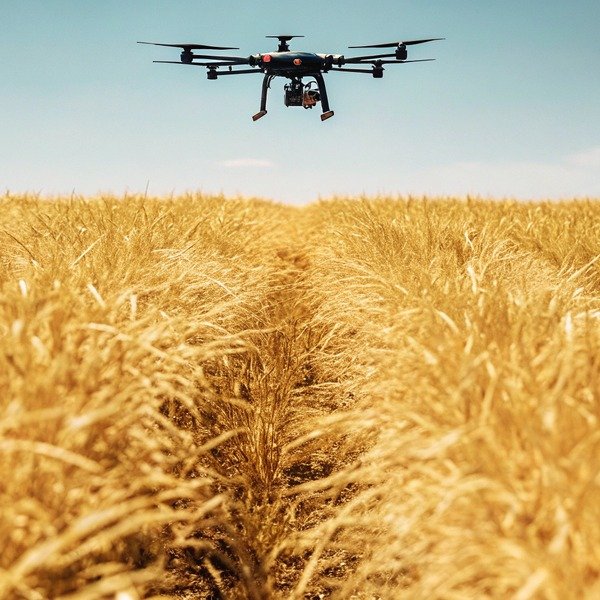
يمكن للحرارة والرطوبة العالية أن تدمر إلكترونيات الطائرات بدون طيار الحساسة في دقائق، محولة الاستثمار إلى خردة. عندما نختبر وحدات التحكم في الطيران لدينا في شيان، نرى مدى سرعة فشل الأختام القياسية في ظل هذه الظروف القاسية.
لضمان المتانة في المناخات القاسية، يجب عليك التأكد من تصنيف IP67 لمقاومة الماء، والتبريد النشط للسائل أو المروحة لتبديد الحرارة، والطلاء الواقي على لوحات الدوائر المطبوعة الداخلية. بالإضافة إلى ذلك، تحقق من استخدام مواد مقاومة للتآكل مثل ألياف الكربون والبوليمرات المثبتة بالأشعة فوق البنفسجية لمنع التدهور الهيكلي.
دعنا نلقي نظرة على تفاصيل الهندسة المحددة والمواصفات الوقائية التي تحتاج إلى التحقق منها قبل تقديم طلبك التالي.
ما هي مواصفات تصنيف IP التي أحتاجها لضمان مقاومة الماء والغبار في الحقول الرطبة؟
رؤية طائرة بدون طيار تتعرض لقصر في الدائرة أثناء الطيران بسبب الندى الصباحي هو كابوس لأي مشغل. نقوم باستمرار بتحسين أختام هيكل الطائرة وتصميمات الموصلات لمنع هذا التوقف المكلف وضمان الموثوقية.
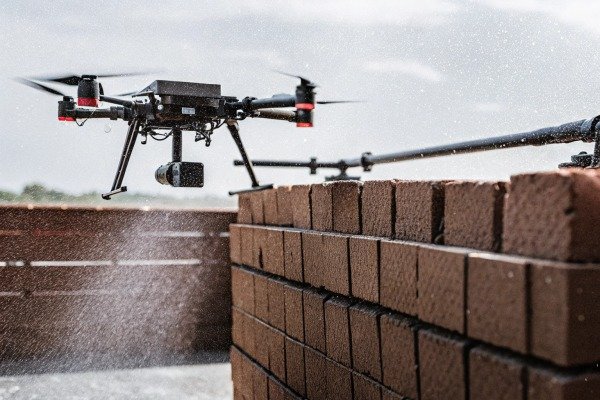
تحتاج بشكل عام إلى تصنيف لا يقل عن IP67 للوحدة الأساسية والمحركات. يضمن هذا المستوى أن الطائرة بدون طيار محكمة الغلق تمامًا ضد الغبار ويمكنها تحمل الغمر المؤقت أو ضغط الماء الشديد أثناء التنظيف، وهو أمر ضروري لحماية الدوائر من الرطوبة العالية والبقايا الكيميائية.
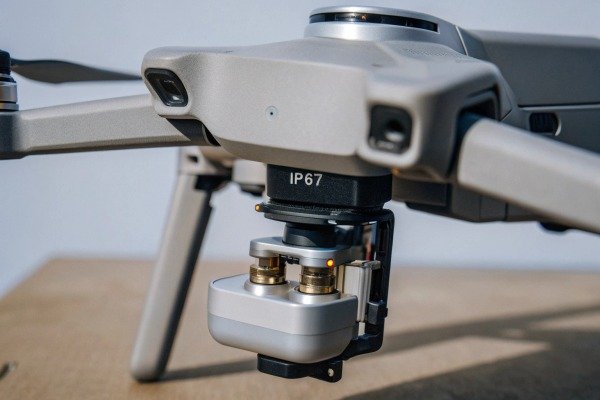
عند العمل في بيئات ذات رطوبة عالية - مثل حقول الأرز في جنوب شرق آسيا أو حقول الذرة في الغرب الأوسط الأمريكي خلال فصل الصيف - يكون تسرب المياه هو السبب الرئيسي لفشل الأجهزة. الرطوبة ليست مجرد مطر؛ إنها تتعلق بجزيئات الرطوبة المجهرية التي تخترق الفجوات غير المحكمة.
فهم أرقام تصنيف IP
رمز الحماية من الدخول (IP) هو خط دفاعك الأول. رمز الحماية من الدخول (IP) 1 رمز الحماية من الدخول (IP) 2 يمثل الرقم الأول الحماية ضد الأجسام الصلبة (الغبار)، ويمثل الرقم الثاني الحماية ضد السوائل. بالنسبة للتطبيقات الزراعية، غالبًا ما يكون تصنيف IP54 غير كافٍ. ننصح شركاءنا بشدة بالبحث عن IP67 أو أعلى للمكونات الحيوية.
- الرقم الأول (6): يشير هذا إلى أن الوحدة "محكمة الغلق ضد الغبار". في الزراعة، غالبًا ما يحتوي الغبار على الأسمدة الكيماوية والمبيدات الحشرية. إذا دخل هذا الغبار إلى محامل المحرك أو وحدات التحكم الإلكترونية في السرعة (ESCs)، فقد يتسبب ذلك في احتكاك أو ارتفاع درجة الحرارة أو حدوث دوائر قصر.
- الرقم الثاني (7): يشير هذا إلى الحماية ضد آثار الغمر في الماء بين 15 سم ومتر واحد لمدة 30 دقيقة. بينما من غير المرجح أن تطير الطائرة بدون طيار تحت الماء، فإن هذا التصنيف هو مؤشر على مدى جودة الأختام في مواجهة الأمطار الغزيرة والرطوبة العالية، والأهم من ذلك، الغسيل بعد الطيران.
أهمية الختم المعياري
في مصنعنا، نصمم الطائرات بدون طيار بنهج "معياري مختوم". هذا يعني أنه بدلاً من محاولة ختم الغلاف الخارجي بالكامل (وهو أمر صعب بسبب تبديل البطاريات وإعادة تعبئة الخزانات)، نقوم بختم الوحدات النمطية الهامة بشكل فردي: صندوق التحكم في الطيران، والرادار، وكاميرا FPV، والمحركات.
عند تقييم مورد، اسألهم عما إذا كانت الطائرة بدون طيار تتميز بإلكترونيات "مغلفة" أو وحدات مختومة. يتضمن التغليف ملء الغلاف الإلكتروني بمركب صلب أو هلامي يستبعد الرطوبة تمامًا.
مقارنة تصنيفات IP للاستخدام الزراعي
| تصنيف IP | الحماية من الغبار | حماية المياه | الملاءمة الزراعية |
|---|---|---|---|
| IP54 | دخول محدود للغبار | رشاشات من أي اتجاه | فقير. غير قابلة للغسل؛ عرضة للرطوبة الشديدة. |
| IP65 | محكمة الغلق ضد الغبار | نفاثات مياه منخفضة الضغط | معتدل. جيد للمطر الخفيف، ولكنه محفوف بالمخاطر للتنظيف عالي الضغط. |
| IP67 | محكمة الغلق ضد الغبار | الغمر حتى 1 متر | ممتاز. يمكن غسلها؛ مقاومة للضباب والرطوبة الشديدة. |
| IP68 | محكمة الغلق ضد الغبار | الغمر المستمر | متفوق. غالبًا ما يكون مبالغًا فيه بالنسبة لهياكل الطائرات ولكنه جيد للمستشعرات الغاطسة. |
نقاط فحص حرجة للمشترين
بعيدًا عن الملصق الموجود على الصندوق، تحقق من البناء المادي. ابحث عن حشوات مطاطية على جميع منافذ الوصول. في البيئات ذات الرطوبة العالية، يمكن أن يتكون التكثيف داخل الطائرة بدون طيار إذا تم نقلها من غرفة تخزين مكيفة إلى حقل حار. لمكافحة ذلك، نقوم بتركيب "فتحات تهوية مقاومة للماء" (غالبًا ما تكون مصنوعة من غشاء ePTFE) تسمح بتوازن ضغط الهواء دون السماح لجزيئات الماء بالدخول. إذا كانت الطائرة بدون طيار التي تفكر فيها تفتقر إلى هذه الفتحات لمعادلة الضغط، فإن التكثيف الداخلي يمثل خطرًا كبيرًا.
كيف يمكنني التحقق من أن نظام تبريد الطائرة بدون طيار يدير الحرارة بفعالية أثناء التشغيل المستمر؟
يؤدي ارتفاع درجة الحرارة إلى فقدان مفاجئ للطاقة، مما يعرض للخطر حوادث وتدمير المحاصيل القيمة. يعطي مهندسونا الأولوية لمنطق تبديد الحرارة للحفاظ على برودة المحركات حتى تحت أشعة الشمس الحارقة والحمولات الثقيلة.
تحقق من وجود آليات تبريد نشطة مثل مراوح الطرد المركزي عالية السرعة أو حلقات التبريد السائل المدمجة في وحدات التحكم الإلكترونية في السرعة (ESCs). يجب عليك أيضًا التحقق من وجود خنق حراري قائم على البرامج يقوم تلقائيًا بضبط خرج الطاقة لمنع تلف الأجهزة عند اكتشاف المستشعرات الداخلية لحدود درجة الحرارة الحرجة.
الحرارة هي عدو الكفاءة. في الطائرات الزراعية بدون طيار، يكون استهلاك الطاقة هائلاً - غالبًا ما يسحب 100+ أمبير بشكل مستمر لرفع خزانات سائلة ثقيلة. عندما تجمع بين توليد الحرارة الداخلي هذا ودرجة حرارة محيطة خارجية تبلغ 35 درجة مئوية أو 40 درجة مئوية (95 درجة فهرنهايت+)، نادرًا ما يكون التبريد السلبي كافيًا.
التبريد النشط مقابل التبريد السلبي
تعتمد العديد من الطائرات بدون طيار للمبتدئين على التبريد السلبي، والذي يستخدم مشتتات حرارة معدنية لتبديد الحرارة في الهواء. على الرغم من بساطتها، إلا أن هذا يفشل عندما يكون الهواء نفسه ساخنًا وتكون الطائرة بدون طيار تحوم (تدفق هواء منخفض).
- مراوح الطرد المركزي: نقوم بدمج مراوح عالية السرعة مباشرة في غلاف وحدة التحكم الإلكترونية في السرعة (ESC). هذه تدفع الهواء فوق المشتتات الحرارية بغض النظر عن سرعة طيران الطائرة بدون طيار. عند فحص وحدة، استمع إلى دوران المروحة عند التهيئة.
- التبريد السائل: بالنسبة للطائرات بدون طيار ذات الحمولة الثقيلة (حمولة 40 لترًا+)، تستكشف بعض الشركات المصنعة، بما في ذلك نحن، أو تستخدم أنابيب تبريد سائل تدور السائل حول المكونات الأكثر سخونة. هذا أكثر تعقيدًا ولكنه فعال للغاية في الحرارة الشديدة.
دور البرمجيات في إدارة الحرارة
الأجهزة هي نصف المعركة فقط. تحتاج إلى التحقق من أن البرنامج الثابت لوحدة التحكم في الطيران يتضمن منطق "الخنق الحراري" أو "التقليل".
- حد التحذير: يجب أن ينبه النظام الطيار عندما تصل درجة حرارة النواة إلى حد الأمان (على سبيل المثال، 70 درجة مئوية).
- وضع الحماية: إذا استمرت درجة الحرارة في الارتفاع، فلا يجب أن تنطفئ الطائرة بدون طيار ببساطة (مما يتسبب في تحطمها). بدلاً من ذلك، يجب أن تقلل تلقائيًا من الرشاقة أو ضغط الرش لخفض سحب التيار، مما يسمح لها بالهبوط بأمان.
إدارة حرارة البطارية
غالبًا ما تكون البطاريات هي المكون الأول الذي يتعطل في درجات الحرارة المرتفعة. تتحلل بطاريات الليثيوم بوليمر (LiPo) بسرعة فوق 60 درجة مئوية. بطاريات ليثيوم بوليمر (LiPo) 3
- نظام إدارة البطارية الذكي (BMS): تأكد من أن البطارية تحتوي على نظام إدارة بطارية ذكي يتواصل مع بيانات درجة الحرارة مع الطيار.
- تصميم تدفق الهواء: انظر إلى حجرة البطارية. هل هي صندوق أسود مغلق يحبس الحرارة؟ أم أنها تحتوي على قنوات هواء مصممة لتوجيه الهواء الناتج عن المراوح فوق سطح البطارية؟
قائمة فحص نظام التبريد للمشترين
| المكوّن | ما الذي تبحث عنه | العلامات التحذيرية |
|---|---|---|
| ESC (وحدة التحكم في السرعة) | مراوح تبريد مدمجة، زعانف تبريد من الألومنيوم. | غلاف بلاستيكي بدون فتحات تهوية؛ غطاء "غلاف بلاستيكي". |
| المحركات | تصميم شبكي مفتوح لتدفق الهواء (إذا كان مقاومًا للماء داخليًا) أو زعانف تبريد طاردة مركزية. | أجراس صلبة تمامًا للمحركات غير الثقيلة الرفع بدون تبريد نشط. |
| البطارية | نظام إدارة البطارية مع مستشعرات درجة الحرارة؛ خليج تركيب جيد التهوية. | البطاريات التي تشعر بأنها شديدة السخونة (> 60 درجة مئوية) بعد رحلة قياسية. |
إذا كنت تبحث عن عميل في منطقة مثل تكساس أو كوينزلاند تكساس أو كوينزلاند 4, ، حيث تكون درجات حرارة الصيف قاسية، اطلب من المورد "تقارير اختبار الغرفة الحرارية". نقدم عادةً بيانات تظهر تشغيلًا مستقرًا عند درجة حرارة محيطة تبلغ 50 درجة مئوية لفترات طويلة.
ما هي المواد المقاومة للتآكل التي يجب أن أعطيها الأولوية لإطار الطائرة بدون طيار ومكوناتها؟
الإطارات التي تتشوه أو تتآكل بعد موسم رش الأسمدة الكيماوية تقلل من هوامش ربحك بشكل كبير. نختار مواد تتحمل كلاً من الأشعة فوق البنفسجية الشديدة والعوامل الزراعية المسببة للتآكل.
إعطاء الأولوية لمركبات ألياف الكربون 3K لهيكل الطائرة نظرًا لنسبة قوتها إلى وزنها العالية وخمولها الكيميائي. بالنسبة للموصلات والمثبتات، أصر على سبائك الألومنيوم من الدرجة الطيران أو الفولاذ المقاوم للصدأ، وتأكد من أن جميع المكونات البلاستيكية تستخدم البولي كربونات المثبت بالأشعة فوق البنفسجية لمنع التشقق في ضوء الشمس الشديد.
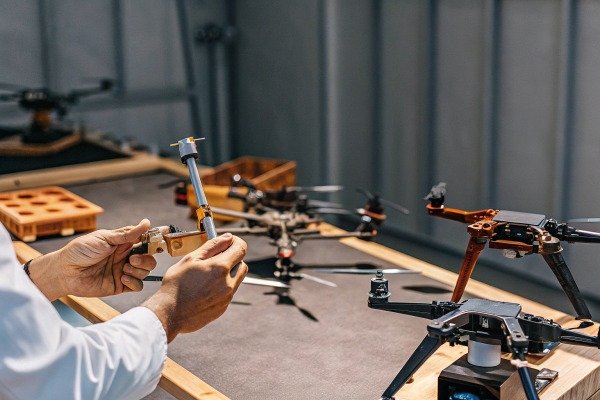
توجد الطائرات الزراعية بدون طيار في بيئة كيميائية معادية. إنها مغطاة باستمرار برذاذ دقيق من المبيدات الحشرية ومبيدات الأعشاب والأسمدة. العديد من هذه المواد الكيميائية أكالة للمعادن وتتلف البلاستيك. جنبًا إلى جنب مع الرطوبة العالية، التي تسرع الأكسدة (الصدأ)، يحدد اختيار المواد عمر الآلة.
تفوق ألياف الكربون
للهيكل الرئيسي وأذرع المروحة،, ألياف الكربون هو المعيار الصناعي لسبب وجيه.
- مقاومة المواد الكيميائية: ألياف الكربون لا تصدأ. إنها مقاومة لمعظم المواد الكيميائية الزراعية.
- الاستقرار الحراري: على عكس البلاستيك، الذي يلين في الحرارة، أو المعدن، الذي يتمدد، تحافظ ألياف الكربون على شكلها وصلابتها في درجات الحرارة العالية. هذا يضمن بقاء هندسة الطيران دقيقة، مما يمنع مشاكل الاهتزاز.
- تحذير: احذر من المواد "الشبيهة بألياف الكربون" أو خلطات الألياف الزجاجية منخفضة الجودة التي تبيعها الموردون الأرخص. تتميز ألياف الكربون الحقيقية بنسيج منسوج مميز وهي موصلة.
المكونات المعدنية: الألومنيوم مقابل الفولاذ
لا يمكنك صنع طائرة بدون طيار بالكامل من ألياف الكربون ألياف الكربون 5 ألياف الكربون 6; ؛ المفاصل القابلة للطي وحوامل المحرك عادة ما تكون معدنية.
- ألومنيوم الطيران 7075: نستخدم هذا السبيكة لأنها قوية وخفيفة. ومع ذلك، يتآكل الألومنيوم الخام عند تعرضه للأسمدة الحمضية.
- الأنودة: من الضروري أن تكون جميع أجزاء الألومنيوم "مؤنودة بشدة". هذا يخلق طبقة واقية من الأكسيد. عند فحص عينة، قم بخدش السطح برفق في منطقة غير حرجة. إذا تقشر اللون بسهولة، فإن الأنودة ضعيفة.
- المثبتات: يجب أن تكون البراغي والمسامير من الفولاذ المقاوم للصدأ 304 أو 316. فولاذ مقاوم للصدأ 304 أو 316 7 براغي الصلب العادية ستصدأ في غضون أسبوع في بيئة رطبة، مما يجعل الصيانة مستحيلة.
خطر التدهور الناتج عن الأشعة فوق البنفسجية
في البيئات ذات درجات الحرارة العالية، تكون الشمس ضارة مثل المواد الكيميائية. تصبح المواد البلاستيكية الرخيصة (ABS أو النايلون القياسي) هشة تحت التعرض للأشعة فوق البنفسجية. بعد بضعة أشهر، يمكن أن يؤدي تأثير هبوط بسيط إلى تحطيم حامل المحرك.
- ما الذي تطلبه تأكد من أن أي أجزاء بلاستيكية (مثل غطاء نظام تحديد المواقع العالمي (GPS) أو غطاء الخزان) مصنوعة من بولي كربونات مقاوم للأشعة فوق البنفسجية أو نايلون مقوى بالألياف الزجاجية. تمتص هذه المواد طاقة الأشعة فوق البنفسجية دون تكسير سلاسل البوليمر.
جدول توافق المواد
| نوع المادة | الاستخدام الموصى به | لماذا يعمل في الحرارة/الرطوبة |
|---|---|---|
| ألياف الكربون 3K | أذرع الإطار الرئيسية، المراوح | خامل كيميائيًا؛ تمدد حراري صفر؛ خفيف الوزن. |
| ألومنيوم 7075 (مؤكسد) | مفاصل قابلة للطي، حوامل المحرك | قوة عالية؛ الأكسدة تمنع التآكل الكيميائي. |
| فولاذ مقاوم للصدأ 304 | براغي، مسامير، محاور | يقاوم الصدأ الناتج عن الرطوبة ومياه الغسيل. |
| بولي كربونات (مثبت بالأشعة فوق البنفسجية) | مظلات، أغطية خزانات | يقاوم الاصفرار والتشقق تحت أشعة الشمس المباشرة. |
عندما نصمم للتصدير، نفترض أسوأ السيناريوهات. نشجعك على سؤال الموردين عن نتائج "اختبار رذاذ الملح" الخاص بهم. اختبار رذاذ الملح 8 يحاكي هذا الاختبار سنوات من التآكل في غضون أيام قليلة. إذا لم يتمكن المورد من تقديم دليل على مقاومة التآكل، فقد لا تدوم طائرته بدون طيار سوى موسم واحد في المناخ الاستوائي.
هل تتميز المكونات الإلكترونية الداخلية بطلاء واقي لمنع حدوث دوائر قصر بسبب الرطوبة؟
الرطوبة غير المرئية داخل وحدة التحكم في الطيران هي قاتل صامت للإلكترونيات التي نعمل بجد للقضاء عليها. أثناء عملية التجميع لدينا، نطبق طلاءات كيميائية متخصصة لضمان بقاء كل لوحة دوائر مطبوعة على قيد الحياة في المناطق الاستوائية الرطبة.
نعم، الطلاء المتوافق عالي الجودة أمر غير قابل للتفاوض للطائرات الزراعية بدون طيار. هذه الطبقة الكيميائية الرقيقة تحمي لوحات الدوائر المطبوعة (PCBs) من الرطوبة ورذاذ الملح والغبار الكيميائي. بدونها، سيؤدي التكثيف الناجم عن تغيرات درجة الحرارة حتماً إلى دوائر قصيرة وفشل دائم للمكونات.
غالبًا ما يكون الطلاء المتوافق هو الفرق بين "لعبة" و "أداة"." طلاء واقٍ 9 إنها طبقة كيميائية واقية يتم تطبيقها على لوحة الدوائر المطبوعة (PCB) بعد لحام المكونات. تعمل كعازل كهربائي وحاجز بيئي.
لماذا لا يكفي إغلاق العلبة
حتى مع الإغلاق الخارجي IP67، يمكن للهواء الرطب أن يدخل الطائرة بدون طيار أثناء الصيانة أو من خلال فتحات معادلة الضغط. عندما ترتفع الطائرة بدون طيار إلى ارتفاع أو تسخن، ثم تبرد، يتكثف هذا الرطوبة إلى قطرات ماء سائلة مباشرة على الإلكترونيات.
- خطر الدائرة القصيرة: تعمل قطرات الماء على سد الفجوة بين الدبابيس الصغيرة على شريحة دقيقة، مما يتسبب في حدوث دائرة قصيرة.
- خطر التآكل: حتى لو لم يحدث قصر كهربائي على الفور، يتفاعل الماء مع مسارات النحاس والكهرباء ليسبب "هجرة كهروكيميائية" (نمو تشعبات)، مما يؤدي في النهاية إلى تلف اللوحة.
أنواع الطلاء
عند مقابلة الموردين، اسألهم عن نوع الطلاء الواقي الذي يستخدمونه.
- الأكريليك: حماية أساسية جيدة، سهلة الإصلاح، ولكن مقاومة كيميائية محدودة.
- السيليكون: ممتاز لدرجات الحرارة العالية والدورات الحرارية. هذا ما نفضل استخدامه لطائرات الرش الزراعية لأنه يبقى مرنًا ويتحمل الحرارة الناتجة عن لوحات توزيع الطاقة.
- اليوريثان: صلب ومتين للغاية، مقاومة كيميائية ممتازة، ولكن يصعب إصلاحه.
طرق التحقق للمشترين
من الصعب رؤية الطلاء الواقي بالعين المجردة لأنه شفاف. ومع ذلك، هناك طرق للتحقق منه:
- الفحص بالأشعة فوق البنفسجية: تحتوي معظم الطلاءات الواقية الصناعية على مادة متتبعة للأشعة فوق البنفسجية. إذا قمت بتسليط مصباح يدوي يعمل بالأشعة فوق البنفسجية (ضوء أسود) على لوحة الدائرة، فيجب أن تتوهج باللون الأزرق أو الأرجواني. هذا يؤكد وجود الطلاء ويظهر ما إذا كان التغطية متساوية.
- اطلب المواصفات: في ورقة مواصفات الشراء، ابحث عن "فئة حماية لوحة الدوائر المطبوعة" أو الإشارات إلى المعايير معايير مثل IPC-CC-830 10 مثل IPC-CC-830.
المناطق الحرجة للطلاء
ليست كل اللوحات متساوية. تأكد من تطبيق الطلاء على:
- وحدة التحكم في الطيران: دماغ الطائرة بدون طيار.
- وحدة التحكم الإلكترونية في السرعة (ESC): هذه تتعامل مع الجهد العالي وهي عرضة للتقوس إذا كانت رطبة.
- لوحة توزيع الطاقة (PDB): مركز كل الطاقة.
- الموصلات: بينما لا يمكن طلاء المسامير نفسها (تحتاج إلى التوصيل)، يجب حماية وصلات اللحام خلف الموصلات.
آثار الصيانة
تفصيل واحد نخبر به دائمًا موزعينا: الطلاء الواقي يجعل الإصلاحات أكثر صعوبة قليلاً. إذا احتاج مكون إلى الاستبدال، يجب على الفني إزالة الطلاء أولاً. ومع ذلك، فإن المقايضة تستحق العناء. قد تدوم اللوحة المطلية لمدة 5 سنوات في بيئة رطبة؛ قد تفشل لوحة غير مطلية في 3 أشهر.
الخاتمة
عند البحث عن طائرات بدون طيار زراعية للمناطق الحارة والرطبة، لا تعتمد على ادعاءات التسويق وحدها. يجب عليك التحقق من تصنيف IP67 لمقاومة الماء، تأكد أنظمة تبريد نشطة متوفرة للإدارة الحرارية، تحقق من ألياف الكربون والألمنيوم المؤكسد البناء، وتأكد من وجود طلاء مطابق على جميع الإلكترونيات. اتخاذ هذه الخطوات يضمن أن استثمارك يحقق عائدًا طويل الأجل بدلاً من فشل قصير الأجل.
الحواشي
1. الهيئة الرسمية للمعايير الدولية التي تحدد تصنيفات تصنيف IP. ︎
2. يوفر خلفية فنية حول المعيار الدولي لتصنيف حماية العلب ضد المواد الصلبة والسوائل. ︎
3. مورد تعليمي يشرح الكيمياء والقيود الحرارية لتقنية بطاريات الليثيوم. ︎
4. بيانات الطقس الحكومية الرسمية للمناطق المعروفة بظروف الحرارة الشديدة المذكورة في النص. ︎
5. المواصفات الفنية من شركة مصنعة رائدة فيما يتعلق بخصائص ومقاومة المواد المركبة من ألياف الكربون للمواد الكيميائية. ︎
6. مورد علمي موثوق يوضح خصائص ألياف الكربون. ︎
7. إرشادات الصناعة حول اختيار درجات محددة من الفولاذ المقاوم للصدأ للمقاومة للتآكل الجوي والكيميائي. ︎
8. المعيار الرسمي لجهاز رش الملح (الضباب) المستخدم لاختبار مقاومة المواد للتآكل. ︎
9. خلفية عامة حول العملية الكيميائية المستخدمة لحماية الدوائر الإلكترونية من العوامل البيئية. ︎
10. المعيار الصناعي الرسمي لتأهيل وأداء الطلاءات المتوافقة على الإلكترونيات. ︎
 English
  Español de México
  Deutsch
  Français
  Русский
  العربية
Comments
No comments yet. Be the first to share your thoughts!
Leave a Comment