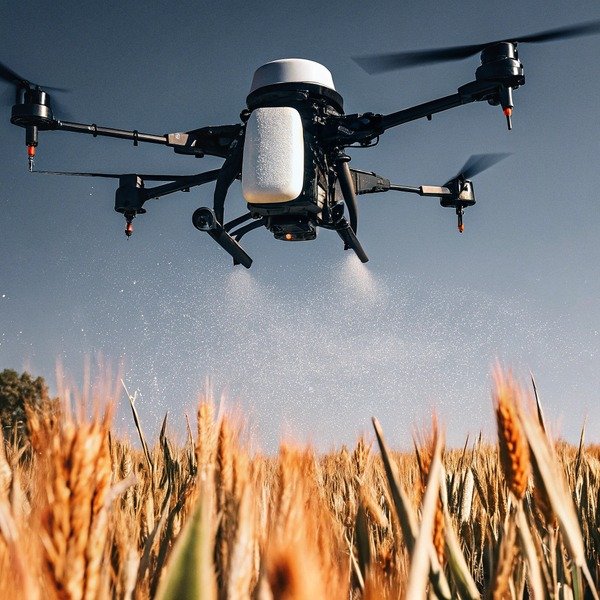
We often see Western buyers struggle when their rigid timelines clash Western buyers struggle 1 with our collaborative process in Xi’an. Ignoring these subtle cues risks stalling your entire fleet procurement.
To facilitate cooperation with Chinese drone suppliers, prioritize relationship-building (Guanxi) and indirect communication over direct confrontation. Respect hierarchy during meetings, embrace holistic negotiations where terms remain flexible until the end, and demonstrate patience, as rushing complex technical discussions is often viewed as a lack of sincerity.
Understanding the nuances below will help you navigate the negotiation table and secure reliable partners.
How does the concept of "Guanxi" affect my long-term partnership with Chinese drone manufacturers?
When we invite partners to Chengdu for tea, we are not wasting time; we are assessing if we can trust you with our latest flight control algorithms. خوارزميات التحكم في الطيران 2
Guanxi creates a safety net for your long-term partnership, ensuring your orders get priority during peak agricultural seasons. It moves the relationship from a transactional contract to a reciprocal reciprocal favors and mutual protection 3 obligation, where favors are exchanged, and intermediaries help bridge trust gaps before sensitive technical discussions occur.

The Foundation of Trust Before Business
In the West, a signed contract often signals the start of a business relationship. In our industry, the contract is merely a milestone in a relationship that must already exist. Guanxi (relationships/connections) is the engine that drives your order through our production lines. جوانشي (علاقات/صلات) 4 لا يتعلق الأمر فقط بالتشبيك؛ بل هو نظام من الخدمات المتبادلة والحماية المتبادلة خدمات متبادلة 5. إذا كنت تعاملنا كمورد للأجهزة فقط، فقد تجد أنه خلال نقص المكونات، يتأخر طلبك بينما يحصل "صديق" للمصنع على شحنته أولاً.
نحن نبحث عن شركاء يستثمرون الوقت في معرفة فريقنا. هذا لا يعني أنك بحاجة إلى أن تكون أفضل صديق للجميع، ولكن يجب أن تظهر التزامًا بالأشخاص الذين يقفون وراء المنتج. على سبيل المثال، عند البحث عن طائرات زراعية بدون طيار، تكون المخاطر التقنية عالية. تحتاج إلى تأكيد بأننا سندعمك إذا أثر خطأ برمجي على دقة الرش في الحقل. هذا المستوى من الدعم نادرًا ما يضمنه مجرد ورقة؛ بل يضمنه الوجه الذي نقدمه لك لأن لدينا جوانشي.
دور الوسيط (تشونغ جيان رن)
قد يكون محاولة بناء جوانشي من الصفر أمرًا صعبًا بالنسبة للأجنبي. هذا هو المكان الذي يصبح فيه الوسيط أمرًا بالغ الأهمية. يمكن لجهة اتصال مشتركة موثوقة أن تشهد على مصداقيتك. في تجربتنا، الصفقات التي تم تقديمها من قبل طرف ثالث محترم تتحرك 40% أسرع من الاستفسارات الباردة. هذا الشخص يعمل كجسر، يفسر ليس فقط اللغة، بل النية. يمكنهم إخبارك عندما يعني "صمتنا" أننا نفكر في طلبك أو عندما يعني أننا مستاءون.
مناهج المعاملات مقابل المناهج العلائقية
يسلط الجدول التالي الضوء على الفرق بين النهج الغربي القياسي والنهج القائم على جوانشي الذي نقدره:
| الميزة | النهج المعاملي (الغربي) | نهج جوانشي (الصيني) |
|---|---|---|
| التركيز | شروط الصفقة الفورية والسعر | المنفعة المتبادلة والثقة على المدى الطويل |
| التواصل | مباشر، قانوني، محدد | غير مباشر، يعتمد على السياق والعلاقة |
| حل المشكلات | الإشارة إلى بنود العقد | Calling upon the relationship for help |
| Time Horizon | Quarterly or per shipment | Decades or generational |
| المرونة | Rigid adherence to signed terms | Terms evolve as the situation changes |
Building Guanxi takes patience. It requires multiple visits and shared experiences, but the ROI is a supplier who will work overtime to solve your emergency.
What communication adjustments should I make to ensure my technical requirements are fully understood?
Our engineers sometimes hesitate to say “no” to impossible specs, leading to confusion. Misreading these polite signals can result in hardware that fails to meet your field requirements.
You must switch to high-context communication, where silence or a hesitant “maybe” often means “no.” Explicitly define technical tolerances in writing rather than relying on verbal “yeses,” and use visual aids to bridge language gaps regarding spray precision and data sovereignty protocols.

Decoding the Indirect "No"
In our culture, directly refusing a request causes the other person to lose face lose face 6. Therefore, you will rarely hear a blunt "no" from our sales team. Instead, you might hear "we will study this," "it is difficult but we will try," or simply silence. For a buyer expecting clear-cut answers, this is frustrating. However, you must learn to read between the lines. If we say a customization for a larger spray tank "might take some time," it usually means it is currently impossible without a significant redesign that we are reluctant to undertake.
To ensure clarity, avoid yes/no questions. Instead of asking, "Can you make the tank 50 liters?" ask, "What are the engineering challenges of increasing the tank to 50 liters?" This allows us to explain the difficulties without having to reject you directly. It opens a dialogue where we can present alternative solutions, such as optimizing the spray width instead of tank size. optimizing the spray width 7
The "Chabuduo" (Good Enough) Mindset
أحد الحواجز الثقافية التي نحاربها، حتى داخليًا، هو مفهوم "تشابودو" - والذي يعني "قريب بما فيه الكفاية". في الصناعات عالية الدقة مثل طائرات الزراعة بدون طيار، يتسبب "قريب بما فيه الكفاية" في حوادث. إذا طلبت عمر بطارية لمدة 30 دقيقة، وقدمنا 28 دقيقة، فقد يرى العقل التقليدي هذا مقبولاً. عمر البطارية 8
لمواجهة ذلك، يجب أن تكون محددًا للغاية. لا ترسل ورقة مواصفات فحسب؛ أرسل بروتوكول اختبار. حدد بالضبط ما يشكل "نجاحًا" و "فشلًا". عندما نرى أنك تفهم التفاصيل الفنية ولديك معايير صارمة، فإننا نواءم مراقبة الجودة لدينا لتتناسب مع جديتك.
تصور الاحتياجات الفنية
حواجز اللغة حقيقية، حتى مع وجود مترجمين جيدين. نجد أن الرسوم البيانية والمخططات الانسيابية ومقاطع الفيديو تعمل بشكل أفضل. عند مناقشة أمن البيانات وتخزين السحابة - وهو موضوع ساخن مع اللوائح الجديدة - لا تعتمد على الاتفاقات الشفهية. قدم مخططًا انسيابيًا لكيفية انتقال البيانات من الطائرة بدون طيار إلى خادمك.
عبارات رئيسية يجب الانتباه إليها
إليك دليل لتفسير الردود الشائعة أثناء المناقشات الفنية:
| العبارة التي تسمعها | الترجمة الحرفية | المعنى الثقافي / السياقي |
|---|---|---|
| "إنه غير مريح." | إنه مزعج. | مستحيل تمامًا. |
| "سننظر في الأمر." | سنفكر في الأمر. | رفض مهذب؛ لا تتوقع متابعة. |
| "هذه فكرة مثيرة للاهتمام للغاية." | إنه مثير للاهتمام. | نختلف أو نعتقد أنه محفوف بالمخاطر. |
| "لا مشكلة." | لا مشكلة. | سمعتك، لكنني لم أتحقق بعد مما إذا كان بإمكاننا القيام بذلك. |
| "من فضلك قدم لنا النصيحة." | أخبرنا بما يجب علينا فعله. | نحن نحترم خبرتك؛ يرجى إرشادنا. |
How can I negotiate better terms without causing my supplier to lose face during the process?
لقد رأينا صفقات واعدة تنهار على الفور لأن مشتريًا انتقد علنًا استراتيجية التسعير لدى مدير كبير. مهاجمة قرار قائد أمام فريقه تدمر الطريق إلى الاتفاق.
تفاوض على شروط أفضل من خلال معالجة القضايا الحساسة مثل التسعير أو التأخير بشكل خاص مع كبار القادة، وليس أبدًا أمام المرؤوسين. قم بتأطير التنازلات على أنها انتصارات متبادلة للحفاظ على "ميانزي" (الوجه)، وتجنب الإنذارات العدوانية، التي تجبر الموردين على الاختيار بين الكرامة والصفقة.

هرمية الوجه (ميانزي)
"ميانزي"، أو "الوجه"، هو سمعة الشخص السمعة والمكانة الاجتماعية 9 والمكانة الاجتماعية. في المفاوضات، إذا أجبرت موردًا على التراجع عن السعر أمام موظفيه الصغار، فقد أتلفت سلطته. قد يلغون الصفقة ببساطة لاستعادة كرامتهم. ننصحك بفصل الأشخاص عن المشكلة. إذا كنت بحاجة إلى الضغط بشدة على السعر، فافعل ذلك في جلسة جانبية خاصة أو أثناء احتساء قهوة هادئة مع صانع القرار، وليس في غرفة المؤتمرات الرئيسية.
عندما تسمح للطرف الآخر بالحفاظ على وجهه، فإنك تبني رأس مال اجتماعي. على سبيل المثال، بدلاً من المطالبة بخصم بنسبة 10٪ لأن "سعرك مرتفع جدًا"، اقترح أن تعديلًا بنسبة 10٪ "سيساعدك على شرح القيمة لمستثمريك". هذا يحول اللوم بعيدًا عن هيكل تسعير المورد ويجعلك شركاء في حل مشكلة خارجية.
مفاوضات شاملة مقابل خطية
غالبًا ما يكون التفاوض الغربي خطيًا: تسوية السعر، ثم تسوية التسليم، ثم تسوية الضمان. نحن نفضل نهجًا شموليًا. لا شيء يتم الاتفاق عليه حتى يتم الاتفاق على كل شيء. قد نتنازل عن السعر إذا تنازلت عن شروط الدفع. قد نقدم ضمانًا أفضل إذا زدت حجم الطلب الأولي.
لا تشعر بالإحباط إذا أعدنا فتح موضوع كنت تعتقد أنه "مغلق". نحن نرى الصفقة كحزمة واحدة. إذا ضغطت علينا بشدة بشأن تكلفة أجهزة الطائرات بدون طيار، فقد نحتاج إلى إعادة النظر في تكلفة مجموعة قطع الغيار للحفاظ على توازن الحزمة. إنها عملية مرنة.
استراتيجيات التنازلات "الرابحة للطرفين"
للحصول على شروط أفضل دون احتكاك، قم بتجميع طلباتك. لا تطلب سعرًا أقل بمعزل عن غيره. اطلب سعرًا أقل مقابل عقد طويل الأجل أو شهادة. هذا يسمح للمورد بتأطير التنازل على أنه انتصار استراتيجي بدلاً من خسارة.
تجنب التكتيكات العدوانية
يُنظر إلى الإنذارات النهائية العدوانية مثل "خذه أو اتركه" على أنها غير ناضجة وغير محترمة. إنها تشير إلى أنك لا تقدر العلاقة. حتى لو قبلنا الشروط للحصول على المال، فمن المحتمل ألا نعطي الأولوية لحسابك في المستقبل.
| تكتيك عدواني (تجنبه) | بديل يحفظ ماء الوجه (استخدمه) |
|---|---|
| "سعرك أعلى بنسبة 20٪ من السوق." | "لدينا تحدٍ في الميزانية؛ هل يمكننا النظر في المواصفات لتناسب هدفنا؟" |
| "تاريخ التسليم هذا غير مقبول." | "يحتاج مزارعونا إلى هذه الرش للموسم؛ كيف يمكننا تسريع هذا معًا؟" |
| "أحتاج إلى إجابة بحلول الغد وإلا سأنسحب." | "لدينا مواعيد نهائية داخلية تقترب؛ متى تعتقد أنه يمكنك التأكيد؟" |
ما هي آداب العمل وعادات تناول الطعام التي يجب أن أتبعها عند زيارة مصنع المورد الخاص بي؟
أثناء زيارات المصنع في شيان، طاولة العشاء هي المكان الذي تحدث فيه المفاوضات الحقيقية، وليس قاعة الاجتماعات. رفض كأس نخب أو الجلوس في الكرسي الخطأ يمكن أن يبرد الجو.
اتبع بروتوكولات جلوس صارمة بناءً على الرتبة، قم بتحية كبار المضيفين أولاً، وانخرط في محادثات قصيرة حول الثقافة بدلاً من الانتقال مباشرة إلى العمل. قم برد الضيافة، جرب الأطباق المحلية لإظهار الاحترام، وتجنب مناقشة المواضيع السياسية الحساسة للحفاظ على جو متناغم.

بروتوكول الجلوس
عندما تدخل غرفة طعام، لا تجلس على أي كرسي. ترتيب الجلوس صارم ويعكس التسلسل الهرمي. يجلس المضيف (عادةً الرئيس أو المدير الأقدم) مواجهاً للباب. يجلس الضيف المكرم (أنت) على يمينه مباشرة. يجلس مساعدك الثاني على يسار المضيف.
الانتظار ليتم توجيهك للجلوس يظهر الاحترام. إذا جلست عن طريق الخطأ في مكان المضيف، فإن ذلك يخلق موقفاً محرجاً سيتذكره الجميع. إذا كنت غير متأكد، قف ببساطة وانتظر حتى يرشدك. هذا الفعل البسيط من التوقير محل تقدير كبير.
فن رفع الكؤوس
الشرب هو مادة تشحيم اجتماعية في ثقافة أعمالنا. من المحتمل أن يتم تقديم نخب لك مع مشروب بايجييو (مشروب روحي أبيض قوي). يجب أن تقف عند تقديم نخب لشخص أقدم. أمسك بكأسك بكلتا يديك - واحدة على الأسفل، وواحدة على الجانب - كعلامة على الاحترام. عند اصطدام الكؤوس، حاول خفض حافة كأسك قليلاً تحت حافتهم. هذا يظهر التواضع جسدياً.
لست بحاجة إلى أن تسكر لممارسة الأعمال التجارية، ولكن يجب عليك المشاركة في الطقوس. إذا كنت لا تستطيع شرب الكحول، أعلن ذلك مبكراً وتمسك بالشاي أو العصير، ولكن قم بحركات رفع الكؤوس. الإيماءة أهم من السائل.
المحادثة والمحظورات
العشاء لبناء "قوانشي" (العلاقات)، وليس للجدال حول تكلفة الوحدة للمراوح. اجعل المحادثة خفيفة. اسأل عن مسقط رأسهم، عائلتهم (إذا ذكروها)، أو الطعام المحلي. نحن نحب مشاركة ثقافتنا. الإشادة بالمطبخ المحلي أو التطور السريع للمدينة يبني الألفة.
تجنب المواضيع المثيرة للجدل. السياسة، التوترات الجيوسياسية، أو انتقاد سياسات الحكومة ممنوعة. حتى لو أدلى المضيف بتعليق، فمن الأسلم لك الاستماع بأدب دون إضافة آراء قوية. هدفك هو الانسجام، وليس النقاش.
المعاملة بالمثل
إذا استضفناك في عشاء فاخر، يجب عليك في النهاية أن ترد الجميل. لا يجب أن يكون ذلك فوراً، ولكن تقديم هدية من بلدك أو استضافة وجبة عندما تزورنا يكمل دائرة "قوانشي".
| ما يجب فعله في الآداب | ما لا يجب فعله في الآداب |
|---|---|
| انتظر ليتم توجيهك للجلوس حسب الرتبة. | Start eating before the host signals. |
| Use two hands when exchanging business cards or toasting. | Stick chopsticks upright in your rice bowl (symbol of death). |
| Leave a little food on your plate to show you are full. | Finish everything (implies the host didn't provide enough). |
| Bring a small gift (e.g., local whiskey or specialty food). | Give clocks or umbrellas as gifts (bad luck symbols). |
الخاتمة
Understanding these cultural levers transforms a transactional vendor list into a strategic alliance for your strategic alliance 10 agricultural fleet. By respecting Guanxi and Face, you ensure smoother operations and long-term success.
الحواشي
1. Harvard Law School resource discussing common challenges for Westerners in Chinese negotiations. ︎
2. Technical documentation regarding flight safety and control systems from a market leader. ︎
3. Academic research exploring the sociological impact of Guanxi on business relationships. ︎
4. General background on the cultural concept of Guanxi in Chinese society. ︎
5. Harvard Business Review article explaining the system of reciprocity in Guanxi. ︎
6. Authoritative guide on the cultural concept of ‘Face’ (Mianzi) in social interactions. ︎
7. International standards for UAS technical specifications and operational safety. ︎
8. Official product specifications for high-capacity agricultural drones and battery performance. ︎
9. Overview of the sociological concept of ‘Face’ and its importance in Asian cultures. ︎
10. Definition of the specific business arrangement mentioned in the conclusion. ︎


 English
  Español de México
  Deutsch
  Français
  Русский
  العربية
Comments
No comments yet. Be the first to share your thoughts!
Leave a Comment