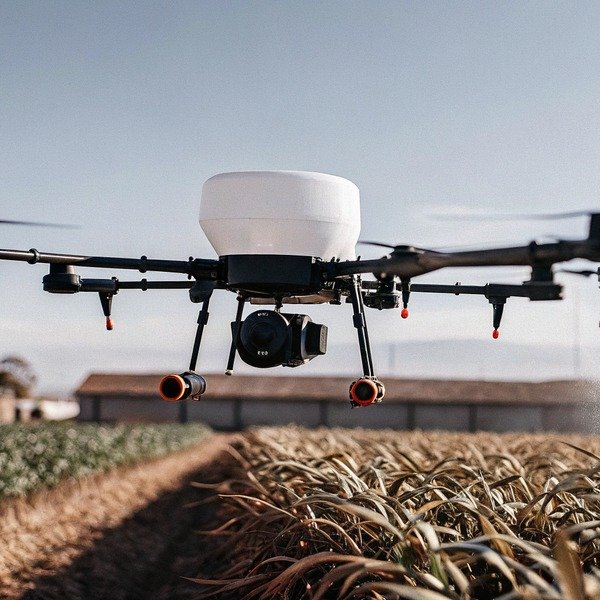
رؤية شحنة عالقة في الميناء خلال موسم الزراعة هو كابوس نعمل جاهدين لمنعه واتساب، سلاك، أو آمن 1. عندما تضرب الفيضانات غير المتوقعة طرق الخدمات اللوجستية، فإن التدريبات الاستباقية تبقي عمليات التسليم مستمرة.
لتقييم قدرات الطوارئ، قم بمراجعة خطط استمرارية الأعمال ISO 22301 للمورد وتحقق من مستويات المخزون الاحتياطي للمكونات الحيوية مثل وحدات التحكم في الطيران. اختبر مرونتهم من خلال مراجعة أوقات الاستعادة التاريخية خلال الاضطرابات السابقة والمطالبة باتفاقيات مستوى الخدمة (SLAs) المحددة التي تعاقب فترات التوقف التي تتجاوز 72 ساعة.
دعنا نفصل الفحوصات المحددة التي تحتاج إلى إجرائها لضمان عدم انتظار حصادك بسبب تأخير المصنع.
كيف يمكنني التحقق من أن المصنع لديه خطة اتصال قوية للاضطرابات غير المتوقعة؟
الصمت من المورد أثناء الأزمة يخلق قلقًا أكثر من الاضطراب نفسه. نحن نجهز مديري حساباتنا ببروتوكولات الطوارئ لأنه لا يمكن تركك تخمن عندما تتوقف الطلبات.
تحقق من الاتصال القوي من خلال المطالبة بمصفوفة تصعيد موثقة تحدد جهات الاتصال للطوارئ على مدار الساعة طوال أيام الأسبوع والموظفين الاحتياطيين. راجع سجلات الاستجابة التاريخية الخاصة بهم من الحوادث السابقة للتأكد من أنها تلبي معيار الإقرار الصارم خلال 24 ساعة، واطلب تدريبات محاكاة أزمات منتظمة لإثبات قدرة فريقهم على التنسيق بفعالية تحت الضغط.
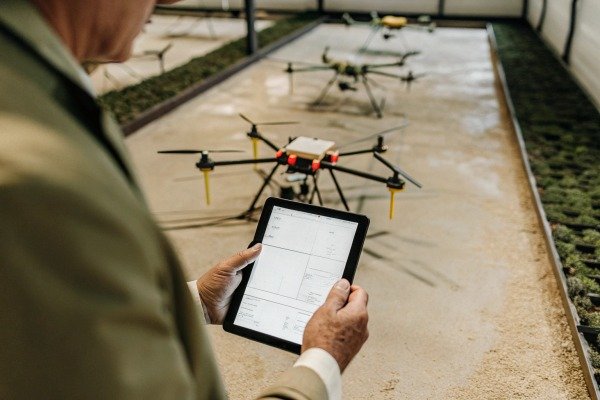
عندما تكون على بعد آلاف الأميال من خط الإنتاج، فإن المعلومات هي أثمن ما لديك. في تجربتنا في العمل مع العملاء في الولايات المتحدة، وجدنا أن أكبر إحباط أثناء أزمة سلسلة التوريد ليس بالضرورة التأخير نفسه أزمة سلسلة التوريد 2, ، ولكن "الثقب الأسود" للمعلومات الذي يتبع ذلك. للتحقق مما إذا كان المصنع يمكنه التعامل مع هذا، تحتاج إلى النظر إلى ما هو أبعد من عرض المبيعات الخاص بهم ومراجعة البنية التحتية الفعلية للأزمات الخاصة بهم.
بروتوكول "غرفة الحرب"
غالبًا ما لا يمتلك مندوب المبيعات القياسي السلطة للوصول إلى البيانات في الوقت الفعلي أثناء إغلاق المصنع أو الإغلاق الإقليمي. تحتاج إلى التأكد من أن المورد لديه بروتوكول "غرفة الحرب". هذا فريق معين مسبقًا من صناع القرار - بما في ذلك رؤساء الإنتاج ومديري اللوجستيات وقادة الهندسة - المصرح لهم بتجاوز البيروقراطية القياسية. أثناء تدقيقك، اطلب رؤية المخطط التنظيمي للاتصالات في حالات الطوارئ. إذا كان جهة الاتصال الوحيدة المدرجة هي مندوب المبيعات الخاص بك، فهذه علامة حمراء. ستدرج خطة قوية أرقام هواتف محمولة محددة للاتصال خارج ساعات العمل مع الإدارة العليا.
اختبار "قاعدة الـ 24 ساعة"
لا تأخذ كلامهم فقط؛ اختبره. نوصي بإجراء "تدريب مفاجئ" أثناء عملية الفحص. أرسل استفسارًا عاجلاً بشأن اضطراب افتراضي (على سبيل المثال، "افترض أن انقطاع التيار الكهربائي يؤثر على منطقة شيان؛ ما هو حالة طلبي؟") خارج ساعات العمل القياسية. قم بقياس المدة التي يستغرقونها للاعتراف بالمشكلة وتقديم خطة عمل أولية. سيكون لدى الشركات المصنعة الرائدة إقرار آلي في غضون دقائق واستجابة بشرية في غضون 24 ساعة، بغض النظر عن المناطق الزمنية.
التكرار الرقمي
في الصين، قد تواجه قنوات الاتصال الرقمية انقطاعات في بعض الأحيان. لن يعتمد المورد القوي فقط على البريد الإلكتروني أو تطبيق مراسلة واحد مثل WeChat. تحقق من أن لديهم قنوات اتصال متكررة، مثل حسابات المؤسسات على WhatsApp و Slack حسابات المؤسسات على WhatsApp 3, ، أو بوابات خاصة آمنة تظل متاحة حتى لو واجهت الشبكات المحلية ازدحامًا.
قائمة التحقق: مستويات نضج الاتصال
استخدم الجدول أدناه لتسجيل الموردين المحتملين بناءً على جاهزيتهم للاتصال.
| الميزة | نضج منخفض (مخاطر عالية) | نضج عالٍ (مخاطر منخفضة) |
|---|---|---|
| جهة الاتصال الأساسية | مندوب مبيعات واحد | مدير حساب رئيسي مخصص + بديل |
| اتفاقية مستوى الخدمة للاستجابة | "أفضل جهد" (لا ضمان) | أقل من 24 ساعة مضمونة (تعاقدي) |
| قناة الأزمات | البريد الإلكتروني فقط | متعدد القنوات (البريد الإلكتروني، الهاتف، الرسائل الفورية، البوابة) |
| مسار التصعيد | غير واضح أو غير موجود | مصفوفة محددة حتى مستوى الرئيس التنفيذي/نائب الرئيس |
| تحديثات الحالة | مخصص / عند الطلب | لوحات معلومات استباقية يومية/أسبوعية |
هل لديهم مخزون احتياطي كافٍ من المكونات الحيوية للحفاظ على جدولي الزمني للإنتاج؟
يمكن لشريحة واحدة مفقودة أن توقف أسطولًا كاملاً من طائرات الدرون الزراعية. في منشأتنا في شيان، تعلمنا أن الاعتماد على التسليم “في الوقت المناسب” للمكونات الأساسية للطيران هو رهان محفوف بالمخاطر.
تقييم مخزون الأمان عن طريق تدقيق مستويات المخزون المادي للمكونات عالية المخاطر مثل المحركات والبطاريات ورقائق التحكم في الطيران. تأكد من أن المورد يحتفظ بثلاثة أشهر على الأقل من المخزون الاحتياطي المخصص خصيصًا لطلبات التصدير والتحقق من تكرار الموردين الفرعيين من المستوى الثاني لمنع حالات الفشل ذات النقطة الواحدة.
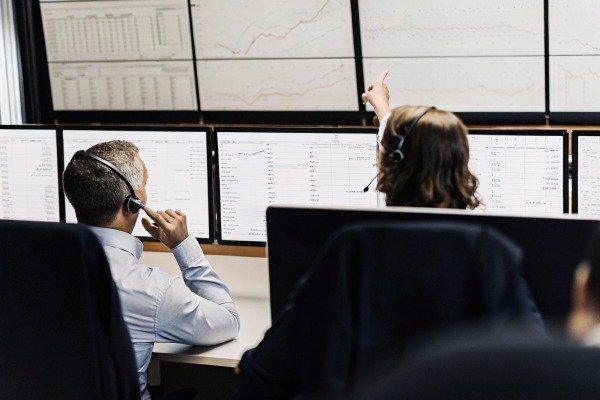
إدارة المخزون هي العمود الفقري للمرونة. العمود الفقري للمرونة 4 في صناعة طائرات الدرون، لا يكون المنتج النهائي جيدًا إلا بقدر الجزء المفقود منه. لقد رأينا منافسين يؤخرون الشحنات لأسابيع لأن مستشعرًا أو موصلًا معينًا كان خارج المخزون. لتقييم قدرة المورد الحقيقية على تحمل العواصف، يجب عليك فحص استراتيجيات "في حالة الحاجة" (JIC) الخاصة بهم بدلاً من مجرد كفاءة "في الوقت المناسب" (JIT).
تحديد "البراغي الذهبية"
كل طائرة بدون طيار لديها "براغي ذهبية" - مكونات فريدة ويصعب استبدالها ولها أوقات تسليم طويلة. بالنسبة للطائرات الزراعية بدون طيار، هذه عادةً ما تكون محركات عالية العزم، ووحدات تحكم طيران محددة، ومضخات فوهات. للطائرات الزراعية بدون طيار 5 عند زيارة مصنع أو إجراء تدقيق بالفيديو، اطلب رؤية الموقع الفعلي لهذه العناصر المحددة. لا تكتفِ بجولة في مستودع البضائع النهائية. تحتاج إلى رؤية مستودع المواد الخام. إذا لم يتمكنوا من إظهار رف مخصص لهم يحتوي على مخزون لأشهر من هذه المكونات الحيوية، فهم معرضون للاضطرابات في المراحل الأولى. اضطرابات المراحل الأولى 6
مخاطر الاعتماد على الموردين من المستوى الثاني
يتحقق العديد من المشترين من مصنع التجميع ولكنهم يتجاهلون من أين تأتي المكونات. سيراقب المصنع القوي مورديه الخاصين (المستوى الثاني بالنسبة لك). على سبيل المثال، إذا كنا نحصل على أذرع ألياف الكربون الخاصة بنا من مصنع واحد في منطقة معرضة للفيضانات، فإن خطركم يزداد. يجب أن تطلب من موردك "خريطة مخاطر المكونات". يجب أن تسلط هذه الوثيقة الضوء على الأجزاء التي يتم الحصول عليها من مصدر واحد ومستويات مخزون الأمان لتلك الأجزاء المحددة.
سيولة رأس المال والمخزون
الاحتفاظ بالمخزون يكلف المال. غالبًا ما يقلل المورد ذو التدفق النقدي الضعيف من المخزون إلى الحد الأدنى لتوفير النقد. لذلك، فإن التحقق من مخزون الأمان الخاص بهم هو أيضًا طريقة غير مباشرة للتحقق من صحتهم المالية. إذا كانوا يحتفظون بثلاثة أشهر من مخزون الشرائح، فهذا يشير إلى أن لديهم رأس المال للاستثمار في الاستقرار.
مستويات مخزون الأمان الموصى بها
تتطلب المكونات المختلفة مستويات مخزون مختلفة بناءً على تقلبات السوق وأوقات التسليم الخاصة بها.
| فئة المكوّنات | مستوى المخاطرة | الحد الأدنى لمخزون الأمان الموصى به | لماذا؟ |
|---|---|---|---|
| وحدات التحكم في الطيران (الشرائح) | عالية | 3-6 أشهر | نقص أشباه الموصلات العالمي لا يمكن التنبؤ به. |
| بطاريات الليثيوم | متوسط | شهران | تأخيرات شحن البضائع الخطرة شائعة. |
| إطارات من ألياف الكربون | منخفضة | شهر واحد | أسهل في الحصول عليها محليًا أو تصنيعها بسرعة. |
| فوهات الرش/المضخات | متوسط | شهران | أجزاء عالية التآكل؛ طلب مستمر. |
ما هي قنوات الشحن البديلة المتاحة لديهم لضمان عدم تأخير تسليمي؟
الاعتماد على ميناء واحد مثل شنغهاي يمكن أن يكون كارثيًا عند حدوث ازدحام. نقوم باستمرار برسم خرائط للطرق البديلة لأن تأخيرًا بسيطًا في الجمارك يمكن أن يتصاعد إلى نافذة زراعية فائتة.
قم بتقييم مرونة الشحن عن طريق التأكد من أن المورد لديه عقود نشطة مع العديد من وكلاء الشحن عبر مناطق مختلفة، مثل استخدام شنتشن أو نينغبو كبدائل لشنغهاي. تحقق من خيارات النقل متعدد الوسائط، بما في ذلك خطط الطوارئ للشحن بالسكك الحديدية والجوية، لتجاوز الاختناقات البحرية خلال فترات الازدحام القصوى.
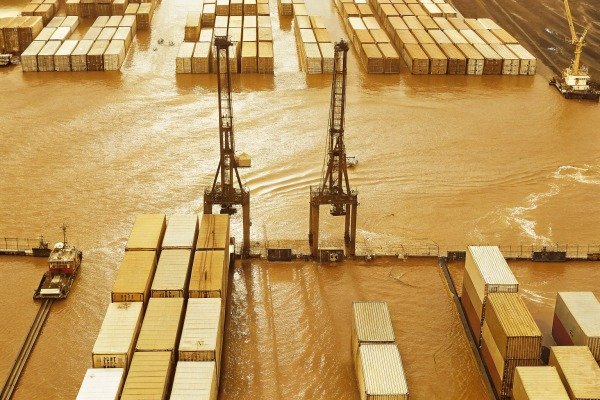
غالبًا ما يكون اللوجستيات هو الجزء الأكثر تقلبًا في الحصول على المنتجات من الصين. قد تنتهي المصانع من تصنيع طائراتك بدون طيار في الوقت المحدد، ولكن إذا علقت في ميناء المغادرة لمدة أسبوعين، فلن يهتم عملاؤك بسرعة الإنتاج. لقد تعلمنا هذا الدرس بالطريقة الصعبة خلال الاضطرابات العالمية، والآن نعطي الأولوية لتنوع اللوجستيات. يجب عليك التحقق من أن المورد الخاص بك ليس "معتمدًا على الميناء"."
الهروب من فخ "الميناء الواحد"
تفضل معظم المصانع أقرب ميناء لتوفير تكاليف النقل بالشاحنات. بالنسبة لمنشأتنا في تشنغدو، قد نستخدم السكك الحديدية، ولكن المصانع الساحلية غالبًا ما تلتزم بمركز واحد. تحتاج إلى أن تسأل: "إذا أغلق ميناء شنغهاي غدًا، فهل لديك حساب نشط وطريق نقل بالشاحنات إلى نينغبو أو شنتشن؟" يستغرق إعداد حساب لوجستي جديد وقتًا - فحوصات الامتثال، وخطوط الائتمان، وتكامل النظام. يمتلك المورد المرن هذه الحسابات خامدة ولكنها جاهزة للعمل. يجب أن يكونوا قادرين على إعادة توجيه شحنتك في غضون 24 ساعة، وليس البدء في البحث عن وسيط عندما تضرب الأزمة.
حلول متعددة الوسائط: خيار الجو والسكك الحديدية
بالنسبة للطائرات الزراعية عالية القيمة، يعتبر الشحن البحري هو المعيار الشحن البحري 7, ، ولكنه بطيء. في حالة الطوارئ، يجب أن يمتلك المورد الخاص بك القدرة على تبديل الوسائط.
- الشحن الجوي: هل لديهم خبرة في تغليف بطاريات الليثيوم الكبيرة (البضائع الخطرة من الفئة 9) للشحن الجوي؟ يتطلب هذا شهادة UN38.3 محددة وخبرة في التعبئة لا تمتلكها جميع المصانع شهادة رقم الأمم المتحدة 38.3 8.
- السكك الحديدية (CR Express): بالنسبة للشحنات إلى أوروبا، يعد قطار الصين السريع للسكك الحديدية حلاً وسطًا حيويًا بين الجو والبحر. حتى بالنسبة للمشترين في الولايات المتحدة، فإن فهم قدرة المورد على استخدام السكك الحديدية لنقل البضائع إلى مركز ساحلي مختلف للتصدير يمكن أن يغير قواعد اللعبة.
شروط التجارة الدولية والتحكم
راجع شروط التجارة الدولية (Incoterms) التي توافق عليها. راجع شروط التجارة الدولية (Incoterms) 9 شروط التجارة الدولية (Incoterms) التي توافق عليها 10 إذا كنت تشتري من مصنع (Ex-Works - EXW)، فإن التعافي من الكوارث يقع بالكامل على عاتقك. إذا كنت تشتري تسليم مدفوع الرسوم (DDP - Delivered Duty Paid)، فإن المورد يتحمل المخاطر. ومع ذلك، فإن أفضل توازن للمرونة غالبًا ما يكون تسليم على ظهر السفينة (FOB - Free on Board) مع بند يتطلب من المورد المساعدة في إعادة التوجيه.
تقييم مخاطر قناة الخدمات اللوجستية
مقارنة المفاضلات بين طرق الشحن الطارئة المختلفة أمر بالغ الأهمية لتخطيطك.
| وسيلة النقل | السرعة | عامل التكلفة | سعة طائرات الدرون الزراعية | موثوقية الأزمات |
|---|---|---|---|---|
| الشحن البحري (قياسي) | بطيء (25-40 يومًا) | $ | عالية | منخفض (عرضة للازدحام) |
| الشحن الجوي (طارئ) | سريع (3-7 أيام) | $$$$$ | منخفض (قيود البطارية) | مرتفع (يتجاوز الموانئ) |
| السكك الحديدية / الشاحنات (محلي) | متوسط | $$ | متوسط | متوسط (مخاطر الطقس الإقليمية) |
| متعدد الوسائط (بحر + جو) | متوسط | $$$ | متوسط | مرتفع (توجيه مرن) |
كيف أقوم بتقييم قدرتهم على تبديل موردي المواد الخام بسرعة إذا لزم الأمر؟
يعتبر الارتباط بالموردين قاتلاً صامتاً لمرونة سلسلة التوريد. يقضي فريق المشتريات لدينا شهورًا في تأهيل مصادر احتياطية لأن عدم القدرة على تبديل موردي المواد يعني أننا لا نستطيع تلبية الطلبات العاجلة.
قم بتقييم مرونة الموردين من خلال مراجعة قائمة الموردين المعتمدين (AVL) لديهم للتأكد من أن كل مكون حرج لديه مصدران مؤهلان على الأقل. اطلب دليلاً على عمليات النماذج الأولية السريعة والتحقق من صحتها التي تسمح لهم بدمج مواد خام بديلة، مثل ألياف الكربون أو خلايا البطارية، في غضون 10 أيام من حدوث اضطراب.

تبدأ المرونة الحقيقية من لوحة الرسم. إذا تم تصميم طائرة بدون طيار بحيث لا يمكن تصنيع إطارها إلا بواسطة قالب معين في مصنع معين، فإن سلسلة التوريد تكون هشة. بصفتنا مصنعين، نستثمر في استراتيجيات "المصادر المزدوجة"، ويجب عليك المطالبة بدليل على هذه الممارسة. هذا يضمن أنه إذا توقف أحد موردي المواد الخام عن العمل بسبب حريق أو إضراب أو تغيير تنظيمي، فإن خط التجميع لا يتوقف.
تدقيق قائمة الموردين المعتمدين (AVL)
اطلب فحص قائمة الموردين المعتمدين (AVL) للمورد لأهم 5 مكونات حرجة لديه. أنت تبحث عن التكرار.
- علامة جيدة: "مورد المروحة أ (أساسي – حصة 70%)" و "مورد المروحة ب (ثانوي – حصة 30%)". هذا يوضح أنهم يحتفظون بالمورد الاحتياطي نشطًا بطلبات فعلية.
- علامة سيئة مورد واحد فقط مدرج، أو مورد ثانوي مدرج على أنه "غير نشط" أو "قيد التأهيل"."
مرونة الهندسة وسرعة التحقق
لا يقتصر تبديل الموردين على الشراء من شخص آخر؛ بل يتعلق بمراقبة الجودة. إذا انتقلنا إلى مادة بلاستيكية جديدة لخزان الطائرة بدون طيار، فيجب علينا اختبارها لمقاومة المواد الكيميائية والمتانة. هذا يستغرق وقتًا. يجب أن تسأل: "ما هو وقت التسليم القياسي لديك للتحقق من صحة مكون جديد؟" يمكن للمصنع المرن الذي لديه مختبر اختبار داخلي التحقق من صحة محرك جديد أو دفعة مواد في أقل من أسبوع. قد يستغرق المصنع الذي يستعين بمصادر خارجية للاختبار شهرًا.
التوحيد القياسي مقابل التخصيص
الأجزاء المخصصة للغاية هي الأصعب في الاستبدال. قم بتقييم تصميم طائرتك بدون طيار. هل تستخدم موصلات صناعية قياسية، أم موصلات خاصة؟ يمكن للموردين الذين يصممون مع وضع التوحيد القياسي في الاعتبار تبديل مصادر المواد الخام بشكل أسرع بكثير لأنهم يستفيدون من مجموعة عالمية أكبر من الأجزاء القياسية.
تقييم تكرار الموردين
عند تدقيق مورد، استخدم هذه الأسئلة للتعمق في مرونة مواده الخام.
- السؤال 1: "هل تمتلك القوالب الخاصة بأجزائك البلاستيكية والكربونية، أم أن المورد الفرعي يمتلكها؟" (إذا كان المورد الفرعي يمتلكها، فأنت مقيد).
- السؤال 2: "هل قمت بتبديل مورد مواد خام بنجاح خلال الـ 12 شهرًا الماضية؟ هل يمكنك مشاركة دراسة حالة؟"
- السؤال 3: "هل يمتلك فريق الهندسة لديك السلطة للموافقة على مواد بديلة أثناء النقص دون تأخيرات بيروقراطية طويلة؟"
الخاتمة
لا يمكن لحصادك الانتظار حتى تقوم المصانع بحل مشكلاتها اللوجستية. من خلال تدقيق خطط الاتصال، ومخزونات الأمان، وبدائل الشحن، ومرونة البائعين، تضمن أن سلسلة التوريد الخاصة بطائراتك المسيرة مرنة مثل المحاصيل التي تحميها.
الحواشي
1. وثائق حول أدوات الاتصال الآمنة للمؤسسات للحفاظ على الاتصال أثناء اضطرابات التشغيل. ︎
2. يقدم خلفية عن الأسباب النظامية وتأثيرات اضطرابات سلسلة التوريد العالمية. ︎
3. الصفحة الرسمية لأداة الاتصال التجارية المحددة المذكورة. ︎
4. خلفية عامة حول مفهوم مرونة سلسلة التوريد وأهميتها في اللوجستيات الحديثة. ︎
5. المواصفات الفنية وقدرات التكنولوجيا الرائدة في مجال الطائرات الزراعية المسيرة. ︎
6. تعريف المصطلحات المحددة لسلسلة التوريد المستخدمة. ︎
7. الجمعية الصناعية الرئيسية التي تمثل صناعة الشحن البحري الدولي. ︎
8. معيار الصناعة للنقل الجوي الآمن لبطاريات الليثيوم المستخدمة في الطائرات الزراعية المسيرة. ︎
9. غرفة التجارة الدولية هي الهيئة الرسمية الحاكمة لمصطلحات التجارة الدولية (Incoterms). ︎
10. مصدر موثوق للشروط التجارية الدولية التي تحدد مسؤوليات المشتري والبائع في الشحن. ︎

 English
  Español de México
  Deutsch
  Français
  Русский
  العربية
