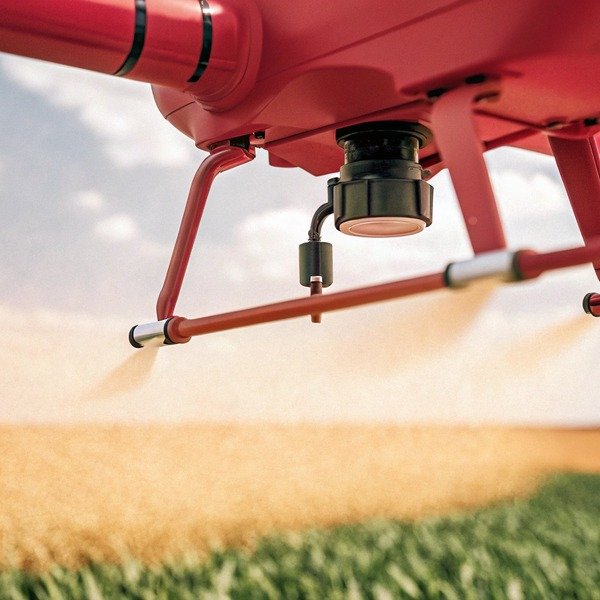
عندما نختبر أنظمة السوائل الجديدة في منشأتنا في تشنغدو، نرى بشكل مباشر كيف يمكن لفوهة مسدودة واحدة أن تدمر مهمة طيران مخططة بشكل مثالي. قد تمتلك وحدة التحكم في الطيران الأكثر تقدمًا في العالم، ولكن إذا انسدت الفوهة في منتصف الرحلة، فستواجه تطبيقًا غير متساوٍ للمواد الكيميائية، وتلفًا محتملاً للمحاصيل، ووقت تعطل محبطًا. وحدة تحكم طيران متقدمة 1 لهذا السبب نؤكد باستمرار لشركائنا أن نظام توصيل السوائل لا يقل أهمية عن المحركات أو عمر البطارية.
لتقييم تقنية منع الانسداد، اسأل المصنعين عن بنية الترشيح الخاصة بهم، وتحديدًا أحجام الشبكات عند المدخل وجسم الفوهة. استفسر عما إذا كانوا يستخدمون مرذذات طاردة مركزية أو فوهات هيدروليكية عالية الضغط، وتحقق مما إذا كان النظام يتضمن دورات تنظيف آلية أو برامج تعويض الانسداد للحفاظ على تجانس الجرعة أثناء الانسدادات الجزئية.
دعنا نفحص الأسئلة الفنية المحددة التي يجب عليك طرحها لضمان بقاء أسطول طائراتك بدون طيار جاهزًا للعمل في الميدان.
ما هي أنظمة الترشيح المحددة التي يجب أن أبحث عنها لضمان عدم انسداد الفوهات؟
في تجربتنا في تحليل الوحدات المرتجعة للإصلاح، وجدنا أن ما يقرب من 70% من أعطال الفوهات تبدأ بترشيح غير كافٍ عند مستوى المدخل. أعطال الفوهات 2 إذا دخلت مياه القنوات المتسخة أو المسحوق المخلوط بشكل سيء إلى الخزان دون المرور عبر حاجز متعدد المراحل، فإن الحطام سيتجاوز المضخة حتمًا ويستقر في أضيق نقطة في النظام.
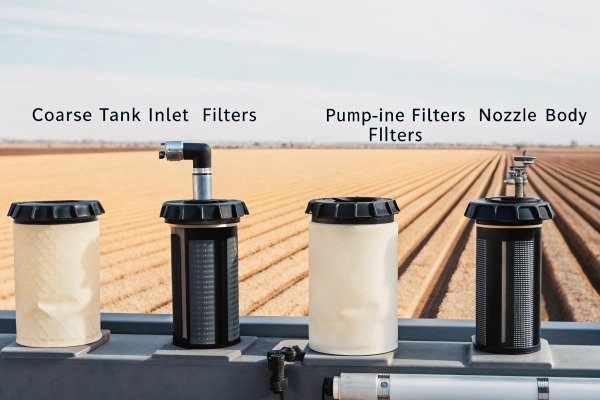
ابحث عن بنية ترشيح متعددة المراحل تتضمن فلترًا خشنًا لمدخل الخزان، وفلترًا ثانويًا لخط المضخة، وفلاتر دقيقة لجسم الفوهة. تستخدم الأنظمة عالية الجودة أحجام شبكات تتراوح بين 50 إلى 100 شبكة لاحتجاز الجسيمات قبل وصولها إلى الفوهة الحساسة، مما يقلل بشكل كبير من وقت التعطل للصيانة.
أهمية الدفاع متعدد المراحل
عندما تتفاوض مع مورد، لا تقبل بـ "نعم" بسيطة عند السؤال عما إذا كانت الطائرة بدون طيار تحتوي على فلتر. تحتاج إلى فهم بنية نظام الدفاع. نادرًا ما يكون فلتر واحد عند غطاء الخزان كافيًا لظروف الزراعة في العالم الحقيقي. نحن نصمم أنظمتنا بثلاثة خطوط دفاع متميزة، ويجب عليك المطالبة بنفس الشيء من أي طائرة زراعية بدون طيار متطورة.
- فلتر مدخل الخزان (سلة): هذا هو الحاجز الأول. يلتقط المواد العضوية الكبيرة مثل الأوراق، قصاصات العشب، أو أغلفة التعبئة غير الذائبة.
- فلتر المضخة المضمن: يقع بين الخزان والمضخة، وهذا يحمي غشاء المضخة من الجسيمات الكاشطة.
- فلتر جسم الفوهة: هذا هو الفحص النهائي الحاسم. يقع مباشرة خلف رأس الرش، ويلتقط أي حطام مجهري قد يكون قد تولد داخل المضخة أو الخراطيم.
فهم أحجام الشبكة
يشير مصطلح "شبكة" إلى عدد الفتحات لكل بوصة خطية. بوصة خطية 3 عدد الفتحات لكل بوصة خطية 4 يشير الرقم الأعلى إلى فتحات أصغر وترشيح أدق. ومع ذلك، فإن الأدق ليس دائمًا أفضل؛ إذا كانت الشبكة دقيقة جدًا لمحلول مركز سميك، فإن الفلتر نفسه يصبح الانسداد. يجب عليك سؤال الشركة المصنعة عما إذا كانت فلاترها قابلة للتبديل بناءً على السائل المراد رشه.
إليك تفصيل لكيفية تصنيف احتياجات الترشيح بناءً على التركيبة الكيميائية:
| نوع الفلتر | حجم الشبكة | التطبيق الموصى به | قدرة الجسيمات |
|---|---|---|---|
| خشن | شبكة 50 | أسمدة عالية اللزوجة، مستحلبات سميكة | يحبس الحطام الكبير، يسمح بالتدفق |
| قياسي | 80 شبكة | مبيدات أعشاب عامة، مبيدات فطرية | حماية متوازنة |
| جيد | 100 شبكة | سوائل قابلة للذوبان في الماء، رش عالي الدقة | يحبس الرواسب الدقيقة |
أسئلة حاسمة للمصنع
عند تقييم نظام الترشيح، تعمق أكثر من ورقة المواصفات. اسألهم: "ما مدى سهولة الوصول إلى المرشحات المضمنة؟" إذا كان على الطيار فك ستة مسامير لتنظيف فلتر المضخة، فمن المحتمل أن يتخطى خطوة الصيانة هذه، مما يؤدي إلى الفشل. أفضل التصميمات تسمح بالوصول إلى هذه المرشحات بدون أدوات. علاوة على ذلك، استفسر عما إذا كانت مرشحات جسم الفوهة تتضمن صمامات فحص. هذا يمنع السائل من التنقيط عند توقف المضخة، ولكنه يضيف أيضًا مكونًا ميكانيكيًا يمكن أن يعلق إذا تراكم الحطام.
كيف يمكنني التحقق مما إذا كان نظام الرش يمكنه التعامل مع الأسمدة عالية اللزوجة دون انسداد؟
عندما نقوم بمعايرة وحدات التحكم في الطيران لدينا لعمليات الرفع الثقيل، نعلم أن دفع الماء سهل، ولكن دفع التركيزات المعلقة السميكة (SC) هو المكان الذي تفشل فيه المضخات القياسية. وحدات التحكم في الطيران 5 لقد رأينا العديد من المشترين محبطين لأن طائراتهم بدون طيار تعمل بشكل مثالي مع الماء ولكنها تختنق على الفور عند تحميلها بأسمدة ورقية غنية بالمغذيات وشبيهة بالعسل الأسود.
تحقق من التوافق مع اللزوجة العالية من خلال طلب بيانات حول قدرة النظام على التعامل مع التركيزات المعلقة (SC) والمستحلبات الثقيلة. فوهات الطرد المركزي متفوقة هنا، لأنها لا تعتمد على الفتحات الصغيرة. تأكد من أن غشاء المضخة مقوى وأن قطر الأنبوب كافٍ لمنع تراكم الضغط.
الأنظمة الهيدروليكية مقابل أنظمة الطرد المركزي
العامل الأكثر أهمية في التعامل مع السوائل عالية اللزوجة هو نوع تقنية الانحلال التي تستخدمها الطائرة بدون طيار. أنت تختار بشكل عام بين تقنيتين: فوهات الضغط الهيدروليكي و أجهزة الطرد المركزي (الدوارة).
تجبر الفوهات الهيدروليكية السائل عبر فتحة صغيرة (فوهة) لإنشاء رذاذ. عندما يكون السائل سميكًا أو يحتوي على جزيئات معلقة (مثل الجير أو الأسمدة الثقيلة)، فإن هذه الفتحة الصغيرة تصبح عنق زجاجة. إنها تسد بسهولة.
تستخدم البخاخات الطاردة المركزية، والتي نشهد اكتسابها شعبية هائلة في قطاع الزراعة الدقيقة الزراعة الدقيقة 6, ، قرصًا دوارًا. يتم تقطير السائل على قرص يدور بسرعة دوران عالية، وتطرد القوة الطاردة المركزية القطرات للخارج. نظرًا لعدم وجود فتحة صغيرة للضغط من خلالها، فإن هذه الأنظمة مقاومة للانسداد تقريبًا فيما يتعلق باللزوجة.
تقييم قوة المضخة والأنابيب
إذا اخترت نظامًا بفوهات هيدروليكية، فيجب عليك التأكد من أن المضخة لديها عزم الدوران الكافي للتعامل مع الحمل. تخلق السوائل عالية اللزوجة ضغطًا خلفيًا كبيرًا. اسأل المورد عن "معدل التدفق الأقصى عند أقصى ضغط"." معدل التدفق 7
علاوة على ذلك، افحص قطر الأنبوب. تزيد الأنابيب الضيقة من الاحتكاك. لتطبيق الأسمدة، نوصي بأنابيب ذات تجويف أوسع لتقليل الضغط على المضخة.
مقارنة تقنيات الفوهات للسوائل اللزجة
| الميزة | فوهات الضغط الهيدروليكي | أجهزة الطرد المركزي (الدوارة) |
|---|---|---|
| خطر الانسداد (لزج) | عالية | منخفضة جداً |
| التحكم في حجم القطرات | ثابت بحجم الطرف | قابل للتعديل عبر سرعة الدوران في الدقيقة |
| متطلبات الضغط | يتطلب ضغطًا عاليًا | ضغط منخفض (جاذبية أو مضخة منخفضة) |
| أفضل حالة استخدام | مبيدات الأعشاب، السوائل الصافية | الأسمدة، البذر، المساحيق |
| الصيانة | يلزم التنظيف المتكرر | الحد الأدنى من التنظيف المطلوب |
تعويض البرمجيات
سؤال متقدم لطرحه هو: "هل يستخدم برنامجك وضع 'تعويض الانسداد'؟" يمكن لوحدات التحكم الذكية في الطيران اكتشاف انخفاض معدل التدفق بسبب سمك السائل. سيقوم البرنامج الجيد بإبطاء سرعة طيران الطائرة بدون طيار تلقائيًا لضمان بقاء الجرعة لكل فدان صحيحة، حتى لو كانت الفوهة تكافح لإخراج الحجم الكامل. هذه ميزة نوصي بها بشدة لأي شخص يقوم برش الأسمدة.
هل تم تصميم الفوهات لسهولة التفكيك والتنظيف عندما أعمل في الميدان؟
يقضي فريق الهندسة لدينا الكثير من الوقت في الميدان، ونحن نعلم أن فقدان برغي صغير في حقل أرز موحل هو كابوس. إذا انسدت فوهة أثناء تفشي آفة حرجة، يحتاج الطيار إلى تنظيفها في أقل من دقيقتين، وليس النضال مع مجموعة أدوات بينما تستنزف بطارية الطائرة بدون طيار في وضع الاستعداد.
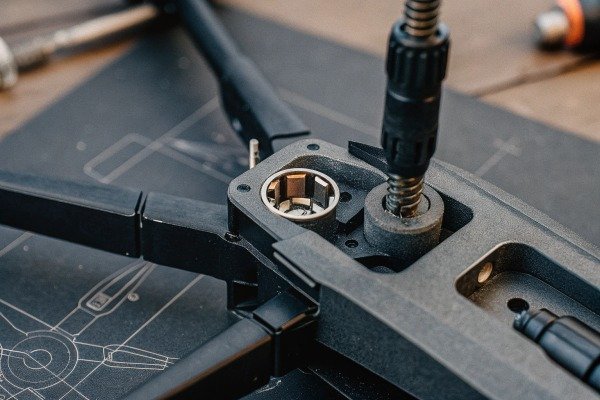
اختر تجميعات الفوهات التي تتميز بآليات سريعة التحرير بدون أدوات، مما يسمح للطيارين بتفكيك الأطراف وشطفها وإعادة ربطها في ثوانٍ يدويًا. الأنظمة التي تتطلب مفكات براغي أو مفاتيح متخصصة للتنظيف تزيد من وقت التوقف عن العمل. ابحث عن تصميمات معيارية حيث يمكن الوصول إلى الفلتر والطرف بشكل مستقل دون إزالة ذراع المحرك بالكامل.
معيار "بدون أدوات"
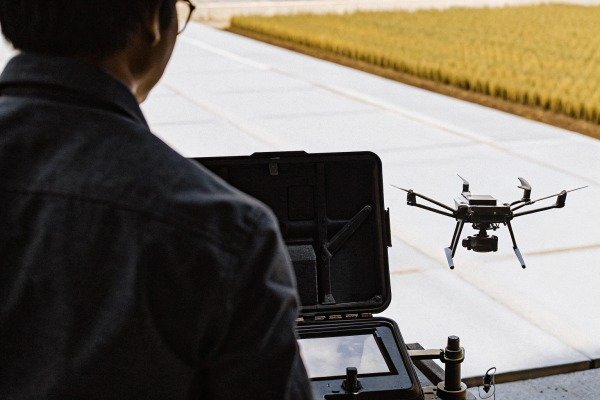
عند الشراء، يجب عليك محاكاة إصلاح ميداني. اطلب من البائع توضيح تنظيف فوهة مسدودة. إذا مدوا أيديهم لمفك براغي أو مفتاح ربط أو مفتاح ألن، فاعتبر ذلك علامة حمراء. يجب أن تستخدم الطائرات الزراعية بدون طيار الحديثة وصلات سريعة (QC) أغطية أو وصلات على شكل بايونت. تسمح لك هذه بلف غطاء الفوهة 90 درجة لإزالته.
هذا أمر حيوي لسببين:
- السرعة: أنت غالبًا ما تتسابق ضد الرياح أو المطر.
- السلامة: التعامل مع الأجزاء المغطاة بالمبيدات الحشرية خطير. كلما قل الوقت الذي تقضيه يداك في التعامل مع الفوهة، انخفض خطر التعرض للمواد الكيميائية.
تصميم المكونات المعيارية
بالإضافة إلى الغطاء فقط، انظر إلى كيفية تركيب مجموعة الرش بأكملها. في تصميماتنا، نعطي الأولوية للنمطية. يجب أن يكون جسم الفوهة منفصلاً عن وحدة التحكم الإلكترونية في السرعة (ESC) والمحرك.
في بعض التصميمات القديمة أو الأرخص، يكون نظام الرش مدمجًا بشكل وثيق جدًا مع حامل المحرك. إذا كنت بحاجة إلى تنظيف عميق للصمام أحادي الاتجاه أو استبدال غلاف متصدع، فقد تضطر إلى تفكيك نظام الدفع. هذا غير مقبول للعمليات التجارية. اسأل المورد: "هل يمكنني استبدال جسم الفوهة بالكامل دون قطع أي أسلاك؟"
ميزات استكشاف الأخطاء وإصلاحها في الميدان
اسأل عن "أوضاع التنظيف". تحتوي بعض وحدات التحكم في الطيران على وظيفة محددة حيث تضخ المضخة بأقصى ضغط بينما تكون الطائرة بدون طيار على الأرض (ولكن المحركات متوقفة). يمكن لهذا الاهتزاز بتعديل عرض النبضة (PWM) أن يزيل أحيانًا الرواسب الصغيرة تعديل عرض النبضة 8 دون الحاجة إلى تفكيك أي شيء. إنها ميزة برمجية توفر جهدًا يدويًا كبيرًا. العمل اليدوي 9
قائمة مرجعية للصيانة الميدانية
- نوع الغطاء: قفل باللف (الأفضل) مقابل ملولب (جيد) مقابل برغي (سيء).
- أمان الحشية: هل الحشيات المطاطية مفكوكة؟ (الحشيات المفكوكة تسقط في الطين).
- الوصول إلى الفلتر: هل يمكنك سحب فلتر الطرف بالأصابع، أم تحتاج إلى زرادية؟
ما هي مواد الفوهات التي يجب أن أختارها لضمان المتانة طويلة الأمد ومقاومة التآكل؟
كنا نستخدم فوهات بلاستيكية قياسية، لكننا وجدنا أنه بعد 50 ساعة فقط من رش المواد الكيميائية القاسية، تنحرف معدلات التدفق بشكل كبير. التآكل والتآكل يوسعان فتحة الفوهة بصمت، مما يؤدي إلى الإفراط في تطبيق المواد الكيميائية باهظة الثمن دون أن تدرك ذلك حتى ترى الخزان فارغًا في وقت مبكر جدًا.
اختر فوهات مصنوعة من السيراميك التقني أو الفولاذ المقاوم للصدأ المقوى بدلاً من البلاستيك القياسي من البولي أسيتال. توفر رؤوس السيراميك أعلى مقاومة للمساحيق القابلة للبلل الكاشطة والمواد الكيميائية المسببة للتآكل، مما يضمن بقاء شكل الفتحة ثابتًا لمئات الساعات، مع الحفاظ على دقة نمط الرش واستقرار معدل التدفق طوال عمر الطائرة بدون طيار.
التكلفة الخفية للتآكل
تآكل الفوهة ليس مجرد كسر الجزء؛ بل هو فقدان الدقة. فوهة متآكلة بنسبة 10% فقط تعني هدرًا بنسبة 10% من المنتج الكيميائي. على مدار موسم الرش، تتجاوز هذه التكلفة بكثير سعر الطائرة بدون طيار نفسها.
- بلاستيك (بولي أسيتال/POM): رخيص وشائع. جيد للماء، ولكنه يتآكل بسرعة مع المساحيق القابلة للبلل (WP) أو الأسمدة الحبيبية.
- فولاذ مقاوم للصدأ: متين ضد الصدمات المادية، ولكنه قد يتآكل مع بعض الأسمدة الحمضية.
- سيراميك: المعيار الذهبي. إنه صعب للغاية ويقاوم التآكل الكيميائي والتآكل المادي من الجسيمات.
مقارنة متانة المواد
إليك مقارنة لتوقعات العمر الافتراضي بناءً على اختباراتنا الداخلية مع السوائل الكاشطة:
| المواد | مقاومة التآكل | مقاومة التآكل | العمر الافتراضي المقدر (ساعات) | التكلفة النسبية |
|---|---|---|---|---|
| بولي أسيتال (بلاستيك) | منخفضة | متوسط | 50 – 100 | منخفضة |
| الفولاذ المقاوم للصدأ | متوسط | عالية | 200 – 300 | متوسط |
| سيراميك | عالية جداً | عالية جداً | 500+ | عالية |
الترسيب الكيميائي ومقاومة التبلور
عامل آخر لمناقشته مع المورد هو الطلاء الداخلي لجسم الفوهة. عندما تجف المواد الكيميائية، فإنها تتبلور. إذا كان السطح الداخلي خشنًا، تلتصق هذه البلورات بالجدران وتنمو، مما يؤدي في النهاية إلى انسداد التدفق.
غالبًا ما تتميز الفوهات المتطورة بأسطح داخلية كارهة للماء أو مصقولة تمنع هذا الالتصاق. اسأل الشركة المصنعة عما إذا كانت أجسام الفوهات الخاصة بهم معالجة لمقاومة التبلور الكيميائي. هذا مهم بشكل خاص إذا كنت ترش في طقس حار حيث يحدث التبخر بسرعة عند طرف الفوهة.
التحقق من الجودة مع المورد
عند استيراد الطائرات بدون طيار، اطلب تحديدًا ورقة المواصفات لأطراف الفوهات. ابحث عن علامات تجارية مثل TeeJet أو Lechler أو ما يعادلها من السيراميك الخاص. TeeJet 10 إذا جاءت الطائرة بدون طيار بأطراف بلاستيكية غير مسماة، فتفاوض على ترقية أو اشترِ مجموعة سيراميك فورًا كقطعة غيار. إنها أرخص وثيقة تأمين لدقة الرش الخاصة بك.
الخاتمة
يتطلب شراء طائرة زراعية بدون طيار النظر إلى ما هو أبعد من وقت الطيران وسعة الحمولة؛ إن موثوقية نظام توصيل السوائل هي ما يحدد كفاءتك اليومية. من خلال طرح أسئلة محددة حول أحجام شبكات الترشيح، والمطالبة بخيارات فوهات طرد مركزي أو سيراميك، والتحقق من ميزات الصيانة بدون أدوات، فإنك تضمن أن استثمارك يعمل بشكل موثوق في الميدان. الطائرة بدون طيار التي تبقى في الجو مربحة؛ الطائرة بدون طيار التي تعطلت بسبب فوهة مسدودة هي مجرد آلة ورقية باهظة الثمن.
الحواشي
1. وثائق المنتج لأنظمة التحكم في الطيران والرش المتقدمة للطائرات الزراعية بدون طيار. ︎
2. خلفية عامة عن تصميم نقاط الفشل الشائعة في فوهات الرش الصناعية. ︎
3. معيار ISO للأقمشة السلكية والمناخل الاختبارية الذي يحدد وحدات القياس مثل البوصة الخطية. ︎
4. التعريف الفني لمعايير حجم الشبكة. ︎
5. خلفية عامة عن وظيفة وتطور وحدات التحكم في الطيران في الطائرات المسيرة. ︎
6. التعريف الحكومي الرسمي للقطاع الزراعي. ︎
7. إشارة إلى المعايير الوطنية لقياس تدفق السوائل. ︎
8. شرح فني من شركة إلكترونيات كبرى. ︎
9. توجيهات السلامة الحكومية الرسمية بشأن تقليل مخاطر العمل اليدوي والتعرض للمواد الكيميائية في الزراعة. ︎
10. الموقع الرسمي للشركة الرائدة في الصناعة المذكورة. ︎

 English
  Español de México
  Deutsch
  Français
  Русский
  العربية
