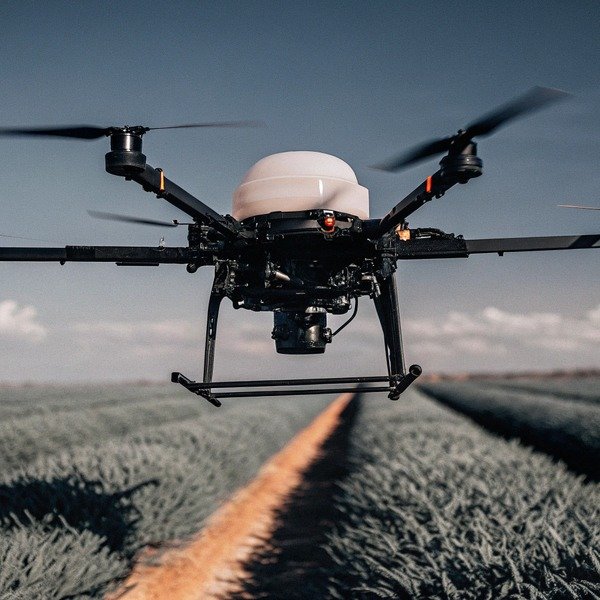
في السنوات الأخيرة، شهدت خطوط إنتاجنا في شيان زيادة في الطلبات على منصات الرفع الثقيل، مدفوعة بالعملاء الأمريكيين الذين يواجهون نقصًا حادًا في العمالة في مساحات شاسعة. نقص حاد في العمالة 1. عندما نختبر نماذج جديدة في أراضينا التجريبية، نقوم باستمرار بتحليل المفاضلة بين حجم الخزان واستقرار الطيران. من المحتمل أن تسمع من المزارعين الذين يريدون “أكبر طائرة بدون طيار ممكنة”، بافتراض أن الحجم يساوي السرعة.
للعمليات التي تتجاوز 1000 فدان، أوصي بسعة حمولة سائلة تتراوح بين 40 و 50 لترًا لتحقيق توازن مثالي، أو ما يصل إلى 100 لتر للمزارع الضخمة. تسمح هذه السعات بالتغطية الفعالة لـ 30 إلى 50 فدانًا في الساعة مع الحفاظ على دورات إعادة تعبئة بطارية يمكن التحكم فيها والالتزام بحدود الوزن التنظيمية.
ومع ذلك، فإن مجرد التوصية بأكبر خزان يمكن أن يؤدي إلى كوابيس تشغيلية؛ دعنا نستكشف الفروق التقنية الدقيقة لمساعدتك في توجيه المشترين لديك بشكل صحيح.
كيف أوازن بين وزن الحمولة وقدرة التحمل للطيران لزيادة الكفاءة لعملائي؟
عندما نقوم بمعايرة وحدات التحكم في الطيران للنماذج الأولية الجديدة، نلاحظ أن إضافة 5 كيلوغرامات فقط من الحمولة الإضافية يمكن أن تستنزف عمر البطارية بشكل غير متناسب. تستنزف عمر البطارية بشكل غير متناسب 2. غالبًا ما يركز عملاؤك فقط على حجم الخزان، وينسون أن طائرة بدون طيار تجلس على الأرض للشحن لا تجني لهم المال.
لزيادة الكفاءة، قم بإقران وزن الحمولة بدورة طيران مدتها 10 إلى 15 دقيقة. التحميل الزائد يقلل بشكل كبير من وقت الطيران، ويزيد من وقت التوقف عن العمل لإعادة التعبئة. عادةً ما تتوافق الحمولة التي تبلغ 40-50 لترًا تمامًا مع تقنية البطارية الحالية، مما يسمح للطائرة بدون طيار بإفراغ خزانها بالضبط عندما تحتاج البطارية إلى التبديل، مما يضمن عدم إهدار وقت الطيران.
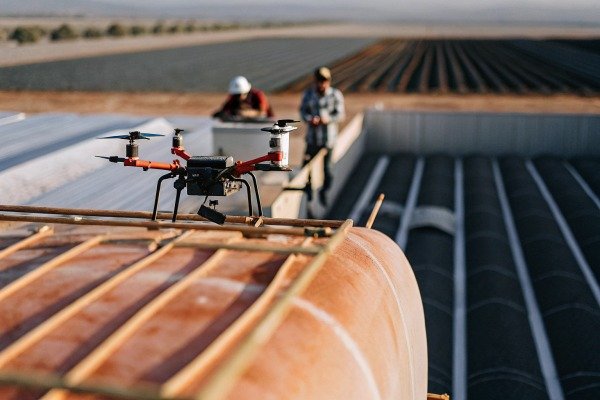
فهم العلاقة بين وزن الحمولة وقدرة تحمل البطارية هو العامل الأكثر أهمية في بيع الطائرة بدون طيار المناسبة. إذا قمت بالتوصية بطائرة بدون طيار بخزان ضخم بسعة 70 لترًا ولكن البطارية تدوم 8 دقائق فقط تحت هذا الحمل، فسيعود عميلك إلى نقطة الهبوط مع بقاء سائل في الخزان. هذا غير فعال. إنه يضيف وزنًا ميتًا غير ضروري أثناء رحلة العودة.
مزامنة "التوقف السريع"
نحن نصمم أنظمتنا بناءً على مفهوم "التوقف السريع". من الناحية المثالية، يجب أن يصل خزان السائل والبطارية إلى سعة 0% في نفس اللحظة بالضبط.
- حمولة زائدة: يجب أن تهبط الطائرة بدون طيار لتبديل البطاريات بينما لا يزال الخزان نصف ممتلئ. هذا يضاعف عدد عمليات الإقلاع والهبوط، مما يستهلك كميات هائلة من الطاقة.
- حمولة قليلة جداً: تنفد السائل من الطائرة بدون طيار بينما لا تزال البطارية مشحونة بنسبة 40%. هذا يهدر إمكانات دورة البطارية.
بالنسبة للمزارع الكبيرة (أكثر من 1000 فدان)، الهدف هو إبقاء الطائرة بدون طيار في الجو ترش، وليس على الأرض. المزارع الكبيرة 3 تسمح حمولة 40-50 لتر عادةً بمدة رش تتراوح بين 10 إلى 12 دقيقة. مع مضخات التدفق العالي (التي توفر 8-15 لترًا في الدقيقة)، يعمل هذا التوقيت بشكل مثالي. مضخات التدفق العالي 4
مضخات التدفق العالي والسرعة
لموازنة الحمولات الثقيلة، يجب أن ننظر أيضًا إلى سرعة المضخة. تطير الطائرة بدون طيار الثقيلة بشكل أسرع لتغطية المزيد من الأرض. إذا كانت الطائرة بدون طيار تطير بسرعة 10 أمتار في الثانية ولكن المضخة ضعيفة، فستكون التغطية متقطعة.
نوصي بالتحقق من سعة المضخة مقابل الحمولة. بالنسبة لحمولة 40 لترًا، يجب أن تكون المضخة قادرة على التفريغ بمعدل 12 لترًا في الدقيقة على الأقل لتفريغ الخزان قبل نفاد البطارية.
تحليل الكفاءة المقارن
يوضح الجدول أدناه لماذا "الأكبر" ليس دائمًا "أكثر كفاءة" إذا لم تتطابق تقنية البطارية مع الحمولة.
| سعة الحمولة | وقت الطيران النموذجي (محملة) | عمليات إعادة التعبئة في الساعة | فدان مغطاة في الساعة | تصنيف الكفاءة |
|---|---|---|---|---|
| 20-30 لتر | 15-18 دقيقة | 3-4 مرات إعادة تعبئة | 15-25 فدان | متوسط – جيد للدقة، بطيء للكميات الكبيرة. |
| 40-50 لتر | 12-15 دقيقة | 4-5 مرات إعادة تعبئة | 40-52 فدان | عالية – "النسبة الذهبية" للحقول الكبيرة. |
| 70-100 لتر | 8-10 دقائق | 6-7 مرات إعادة تعبئة | 55-60 فدان | متغير – يؤدي وقت التوقف الطويل لتبديل البطاريات إلى تقليل المكاسب. |
هل طائرة بدون طيار ثقيلة الحمولة بسعة 40 لترًا هي دائمًا الخيار الأفضل لعملائي الذين لديهم أكثر من 1000 فدان من الأراضي؟
تُظهر بيانات مبيعاتنا اتجاهًا واضحًا حيث يطلب الموزعون في البداية أكبر طرازاتنا، بافتراض أن 1000 فدان تتطلب تلقائيًا طائرة بدون طيار بسعة 100 لتر. ومع ذلك، خلال الزيارات الميدانية لنشر وحدات SkyRover الخاصة بنا، وجدنا أن المرونة غالبًا ما تتفوق على السعة الخام.
غالبًا ما تكون الطائرة بدون طيار بسعة 40 لتر هي الخيار الأمثل، ولكنها ليست دائمًا الخيار الأفضل. في حين أنها ممتازة للمحاصيل الصفية المسطحة، إلا أنها قد تكون ثقيلة جدًا للتربة الرطبة أو البساتين شديدة الانحدار. بالنسبة للعمليات الكبيرة جدًا والمسطحة، توفر الطرازات بسعة 72-100 لتر عائد استثمار أفضل، بينما توفر أسراب من الطائرات بدون طيار الأصغر بسعة 30 لتر تكرارًا أفضل.
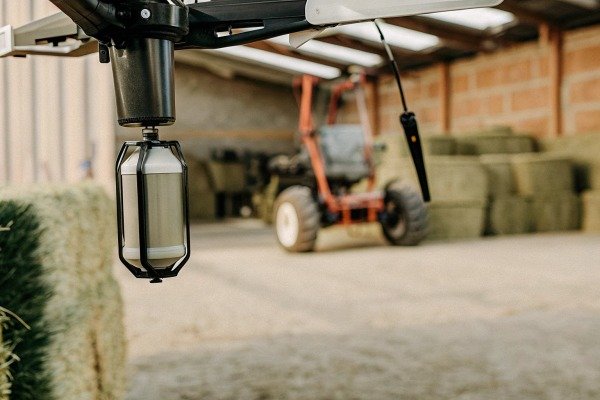
بينما تُعد الطائرات بدون طيار بسعة 40 لترًا أو 50 لترًا هي المعيار الصناعي الحالي للمساحات الكبيرة، إلا أنها ليست حلاً "يناسب الجميع". هناك سيناريوهات محددة حيث سيؤدي التوصية بإعداد مختلف إلى توفير المال والإحباط لعميلك.
خطر انضغاط التربة وتلف المحاصيل
تولد الطائرات بدون طيار ذات الحمولة الثقيلة تيارًا هابطًا هائلاً. تولد تيارًا هابطًا هائلاً 5 تولد طائرة بدون طيار تحمل 50 كجم من السائل بالإضافة إلى وزنها ضغط رياح كبير.
- مراحل النمو المبكرة: إذا كان عميلك يقوم برش الشتلات، فإن التيار الهابط من طائرة بدون طيار ثقيلة بسعة 50 لترًا يمكن أن يسحق المحصول جسديًا أو يزيح التربة السطحية.
- الحقول الرطبة: في المناطق ذات الأمطار الغزيرة، يمكن للطائرات بدون طيار الثقيلة (حتى عند الهبوط) أن تغوص في الطين أثناء إعادة التعبئة، مما يجعل التعامل معها على الأرض صعبًا.
بديل الأسراب
بالنسبة لعميل لديه 2000 فدان، فإن شراء طائرة بدون طيار ضخمة واحدة بسعة 100 لتر أمر محفوف بالمخاطر. إذا تحطمت هذه الوحدة الوحيدة أو تعرضت لعطل فني، فإن عمليتها بأكملها تتوقف. غالبًا ما نقترح نهج "السرب".
بدلاً من وحدة واحدة ثقيلة الحمولة بقيمة 40 ألف دولار، قد يشترون ثلاث وحدات بسعة 20-30 لترًا.
- التكرار: إذا فشلت واحدة، فإن الاثنتين الأخريين تستمران في العمل.
- السرعة: تغطي ثلاث طائرات بدون طيار بسعة 30 لترًا عرضًا أكبر في وقت واحد من طائرة بدون طيار واحدة بسعة 100 لتر.
- الشحن: تشحن البطاريات الأصغر بسرعة أكبر ويسهل التعامل معها يدويًا.
متى تذهب إلى فائقة الثقل (70 لترًا+)
فئة 70 لترًا+ (مثل XAG P150 أو رافعات ثقيلة مماثلة) مخصصة حصريًا لـ "المزارع الضخمة" (5000+ فدان) المسطحة والمفتوحة. XAG P150 6 تتطلب هذه البنية التحتية أرضية قوية. إذا لم يكن لدى عميلك رافعة أو منحدر لتحميل الطائرة بدون طيار، فلا يمكنه استخدام هذه الآلات.
| الميزة | طائرة بدون طيار قياسية بسعة 40 لترًا | طائرة بدون طيار ثقيلة بسعة 70 لترًا+ | سرب من 3 طائرات بدون طيار بسعة 20 لترًا |
|---|---|---|---|
| مخاطر رأس المال | معتدل | مرتفع (نقطة فشل واحدة) | منخفض (مخاطر موزعة) |
| العمالة المطلوبة | 1 طيار، 1 مساعد | 2 مساعدين (رفع ثقيل) | 2 طيارين (أو 1 مع الأتمتة) |
| النقل | شاحنة بيك أب | مقطورة / شاحنة مسطحة | شاحنة بيك آب / شاحنة فان |
| الأفضل لـ | مزارع عامة بمساحة 1000+ فدان | محاصيل أحادية مسطحة بمساحة 5000+ فدان | عمليات معقدة أو عالية المخاطر |
كيف يؤثر تعقيد تضاريس المزرعة على سعة الحمولة التي يجب أن أقترحها؟
في مختبراتنا الهندسية، نقوم باختبار المحركات تحت الضغط لمعرفة كيفية تعاملها مع المنحدرات السريعة. لقد رأينا المحركات ترتفع حرارتها وتتعطل عندما تحاول الطائرات بدون طيار الثقيلة تسلق التلال الشديدة بقوة. يحتاج عملاؤك في الولايات الوسطى المسطحة إلى احتياجات مختلفة عن أولئك الموجودين في الوديان المتعرجة.
تحدد تعقيدات التضاريس حدود الحمولة. في الحقول المسطحة، تزيد السعة القصوى من التغطية. ومع ذلك، في المنحدرات أو البساتين، تقلل الحمولات الثقيلة من القدرة على المناورة وتزيد من مخاطر التحطم. بالنسبة للتضاريس المعقدة، نوصي بحمولات أخف تزن 20-30 كجم لضمان قدرة وحدة التحكم في الطيران على الحفاظ على الاستقرار وتتبع التضاريس بدقة دون زيادة تحميل المحركات.
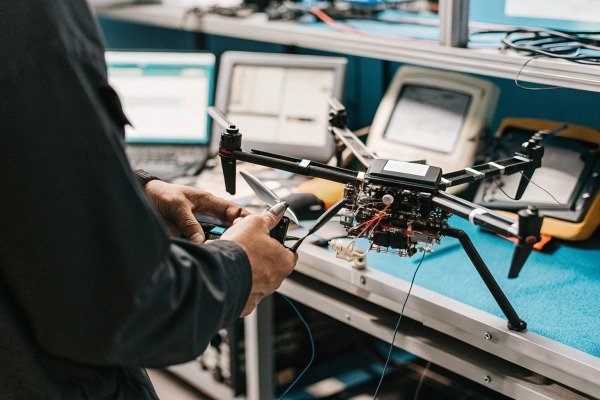
التضاريس هي القاتل الصامت للطائرات بدون طيار ذات الرفع الثقيل. الطائرة بدون طيار التي تحمل 50 لترًا من السائل لديها مركز ثقل مرتفع جدًا وقصور ذاتي مرتفع. مركز الجاذبية 7 تريد الاستمرار في التحرك في خط مستقيم.
القصور الذاتي ومسافة التوقف
في حقل مسطح، يمكن للطائرة بدون طيار أن تطير بسرعة وتتوقف بشكل معقول. على منحدر أو في بستان به عوائق، تحتاج الطائرة بدون طيار إلى تغيير الاتجاه بسرعة.
- القصور الذاتي العالي: تستغرق طائرة بدون طيار بحجم 40-50 لترًا وقتًا أطول بكثير للتوقف. إذا اكتشف رادار التضاريس شجرة أو ارتفاعًا مفاجئًا في الأرض، فقد لا تمتلك الطائرة بدون طيار قوة دفع كافية للارتفاع في الوقت المناسب إذا كانت محملة بالكامل.
- تأثير الانسكاب: أثناء مناورة الطائرة بدون طيار، يتحرك السائل في الخزان. هذا يغير مركز الثقل. على المنحدرات الشديدة، يمكن أن يربك هذا وحدة القياس بالقصور الذاتي (IMU) ويسبب فقدان الاستقرار. وحدة القياس بالقصور الذاتي 8
قيود الرادار على المنحدرات
لرادار تتبع الأرض حدود. إذا كان المنحدر أكثر انحدارًا من 15-20 درجة، فلا يمكن للعديد من الطائرات بدون طيار الثقيلة التسلق أكثر انحدارًا من 15-20 درجة 9 بسرعة كافية مع الحفاظ على السرعة الأمامية. يجب أن تعمل المحركات بجهد مضاعف - لمكافحة الجاذبية لرفع الوزن و النضال لدفع الطائرة بدون طيار إلى أعلى التل.
نوصي بتقليل الحمولة للمناطق الوعرة. حتى لو اشترى العميل طائرة بدون طيار بسعة 50 لترًا، فننصحهم بملئها إلى 30 لترًا فقط عند رش الأجزاء الجبلية.
اعتبارات كثافة الارتفاع
إذا كانت مزرعة عميلك تقع على ارتفاع عالٍ (مثل كولورادو أو أجزاء من جبال الأنديز)، فإن الهواء يكون أرق. الهواء الأرق يولد رفعًا أقل.
- قاعدة عامة: خصم سعة الحمولة بنسبة 10-15٪ تقريبًا لكل 1000 متر من زيادة الارتفاع فوق مستوى سطح البحر.
- قد تتمكن طائرة بدون طيار مصنفة لـ 50 كجم عند مستوى سطح البحر من رفع 40 كجم فقط بأمان على ارتفاعات عالية.
| نوع التضاريس | الحمولة الموصى بها | سبب التوصية |
|---|---|---|
| السهول المسطحة | الحد الأقصى للسعة (40 لترًا - 100 لترًا) | الاستقرار ليس مشكلة؛ تعظيم الكفاءة. |
| التلال المتدحرجة | السعة المتوسطة (30 لترًا - 40 لترًا) | تحتاج المحركات إلى طاقة احتياطية للتسلق البسيط. |
| البساتين شديدة الانحدار | السعة المنخفضة (20 لترًا - 30 لترًا) | الرشاقة أمر بالغ الأهمية لتجنب الأشجار واتباع التضاريس. |
| ارتفاع شاهق | سعة مخفضة (-20%) | الهواء الرقيق يقلل من الرفع؛ ستسخن المحركات عند الحمل الكامل. |
ما هي التحديات اللوجستية للحمولات الأكبر التي أحتاج إلى شرحها للمستخدمين النهائيين؟
لقد علمتنا شحن منتجاتنا إلى الولايات المتحدة أن الخدمات اللوجستية لا تنتهي عند الميناء. غالبًا ما نرى العملاء يشترون أكبر طائرة بدون طيار متاحة، فقط ليدركوا أنهم يفتقرون إلى البنية التحتية الكهربائية لشحنها أو المركبات لنقلها.
تخلق الحمولة الأكبر اختناقات لوجستية أرضية كبيرة. يحتاج المستخدمون إلى محطات خلط عالية السعة ومولدات شحن سريعة لمواكبة الطائرات بدون طيار التي تبلغ سعتها 70-100 لتر. علاوة على ذلك، يتطلب نقل الطائرات بدون طيار الثقيلة مقطورات متخصصة بدلاً من شاحنات البيك أب، وتتطلب البطاريات الضخمة بروتوكولات صارمة للتعامل مع المواد الخطرة أثناء النقل والتخزين.
الطائرة بدون طيار هي مجرد طرف الرمح. عمود الرمح هو نظام الدعم الأرضي. إذا كان الدعم الأرضي ضعيفًا، تفشل الطائرة بدون طيار. هذا هو "الاختناق اللوجستي"."
اختناق إعادة التعبئة
تخيل طائرة بدون طيار بسعة 50 لترًا ترش خزانها في 10 دقائق. هذا يعني أن طاقم الأرض يجب أن يخلط ويجهز 50 لترًا من المحلول الكيميائي كل 10 دقائق.
- صنابير قياسية: خرطوم حديقة قياسي أو مضخة بطيئة لا يمكنها ملء خزان بسعة 50 لترًا بالسرعة الكافية.
- الحل: يحتاج عميلك إلى خزان خلط عالي السعة مع مضخة بنزين يمكنها نقل 50 لترًا في أقل من 60 ثانية. إذا استغرقت إعادة التعبئة 5 دقائق، فإن الطائرة بدون طيار تكون خاملة، مما يدمر مكاسب الكفاءة للحمولة الكبيرة.
متطلبات المولد والطاقة
الحمولة الكبيرة تعني بطاريات كبيرة (غالبًا 30,000 مللي أمبير في الساعة أو أكبر). لشحن هذه في 10-15 دقيقة (لمواكبة دورة الطيران)، تحتاج إلى طاقة هائلة.
- حجم المولد: مولد قياسي بقوة 5 كيلو واط غير كافٍ. بالنسبة لطائرة بدون طيار من فئة T50 أو ما شابهها، غالبًا ما تحتاج إلى مولد بقوة 9000 واط أو 12000 واط. طائرة بدون طيار من فئة T50 أو ما شابهها 10
- استهلاك الوقود: تستهلك هذه المولدات الكثير من البنزين. لا يشتري العميل بطاريات طائرات بدون طيار فحسب؛ بل يديرون محطة طاقة مصغرة في الميدان.
المناولة والنقل المادي
قد تتسع طائرة بدون طيار بحجم 40 لترًا، عند طيها، في سيارة دفع رباعي كبيرة. طائرة بدون طيار بحجم 70 لترًا أو 100 لترًا عادةً لن تتسع.
- الوزن: يمكن أن يصل وزن طائرة بدون طيار بحجم 50 لترًا محملة بالكامل إلى أكثر من 100 كجم (220 رطلاً). لا يمكن لشخصين رفع هذا بسهولة إلى صندوق شاحنة بأمان.
- المنحدرات والمقطورات: يجب على العملاء الذين يشترون طائرات بدون طيار بحجم 40 لترًا فما فوق الاستثمار في مقطورات مزودة بمنحدرات أو بوابات رفع.
- لوائح إدارة الطيران الفيدرالية (FAA): في الولايات المتحدة، تتطلب الطائرات بدون طيار التي يزيد وزنها عن 55 رطلاً (حوالي 25 كجم) إعفاءات (الجزء 137). تواجه الطائرات بدون طيار التي يزيد وزنها عن 100 رطل تدقيقًا أكثر صرامة. يجب عليك تحذير عملائك من أن شراء "وحش" قد يؤدي إلى أوراق قانونية معقدة.
الخاتمة
يتطلب التوصية بسعة الحمولة المناسبة للأراضي الزراعية واسعة النطاق النظر إلى ما هو أبعد من مواصفات الكتيب. في حين أن 40-50 لترًا هو "المعيار الذهبي" الحالي لعمليات 1000+ فدان، إلا أنه يتطلب دعمًا أرضيًا قويًا وتضاريس مسطحة ليكون فعالاً. بالنسبة للبيئات المعقدة، توفر الحمولات الأخف رشاقة أفضل، بينما بالنسبة للأراضي المسطحة الضخمة، فإن وحدات 70 لترًا فما فوق هي المستقبل، بشرط أن تواكب الخدمات اللوجستية. نصح عملائك دائمًا بحساب أوقات "التوقف" الخاصة بهم - إذا لم يتمكنوا من إعادة التعبئة بالسرعة التي يطيرون بها، فإن السعة الإضافية تضيع.
الحواشي
1. إحصاءات رسمية من وزارة الزراعة الأمريكية تؤكد نقص العمالة في القطاع الزراعي. ︎
2. مرجع فني حول العلاقة بين وزن الحمولة ومعدلات تفريغ البطارية. ︎
3. بيانات وتعريفات رسمية حكومية تتعلق بهيكل عمليات الزراعة واسعة النطاق. ︎
4. معيار دولي لفحص وأداء الرشاشات الزراعية. ︎
5. دراسة أكاديمية تحلل تأثيرات التدفق الهوائي السفلي للطائرات الزراعية بدون طيار. ︎
6. تفاصيل المنتج الرسمية لنظام الطائرات الزراعية الثقيلة XAG P150. ︎
7. شرح علمي لمركز الكتلة وتأثيره على استقرار المركبة وقصورها الذاتي. ︎
8. خلفية تقنية حول كيفية عمل مستشعرات IMU للحفاظ على استقرار طيران الطائرة بدون طيار. ︎
9. مواصفات الشركة المصنعة التي تحدد قدرات تسلق المنحدرات للطائرات الزراعية الثقيلة بدون طيار. ︎
10. المواصفات الفنية لأحد نماذج الطائرات بدون طيار الرئيسية ذات الرفع الثقيل المذكورة في المقال. ︎
 English
  Español de México
  Deutsch
  Français
  Русский
  العربية
Comments
No comments yet. Be the first to share your thoughts!
Leave a Comment