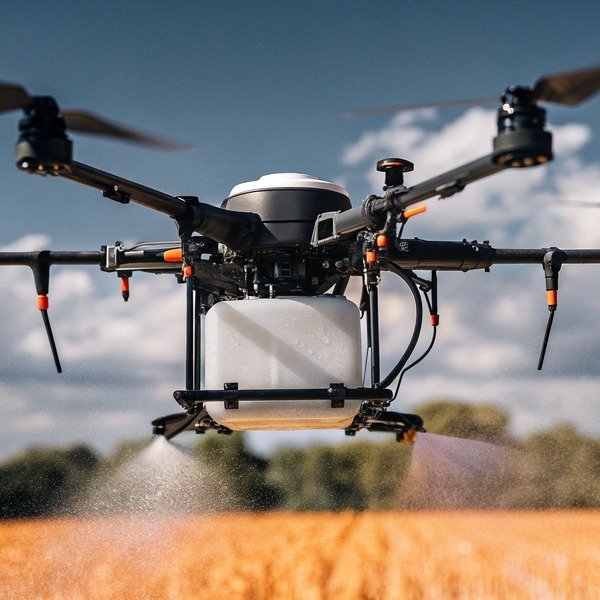
When we test new flight algorithms at our Chengdu facility, we realize how quickly software evolves. خوارزميات الطيران 1 Farmers worry that today’s cutting-edge drone will become obsolete next season due to outdated code.
You must request a written policy detailing the duration of guaranteed firmware support, specifically addressing the post-2027 regulatory landscape. Confirm if security patches remain free forever and verify compatibility with future operating systems to ensure your investment remains operational for years.
Here are the specific questions you need to ask to protect your investment.
Will I have to pay extra for future firmware updates and software patches?
Our accounting team often debates pricing models, but we know unexpected fees frustrate operational planning. A cheap upfront price often hides expensive mandatory software subscriptions later.
Most reputable manufacturers include critical security patches and bug fixes in the initial purchase price to ensure safety. However, distinct major feature upgrades or specialized agronomy software modules often require a separate paid annual subscription or a one-time licensing fee.
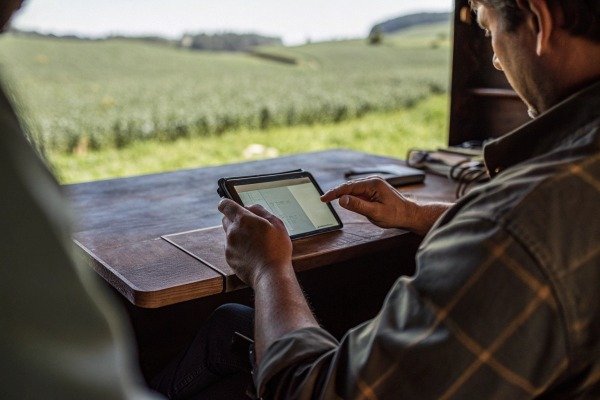
When you evaluate the total cost of ownership for an agricultural drone, hardware is only one part of the equation. In the industrial sector, the trend toward "Software as a Service" (SaaS) is growing. البرمجيات كخدمة 2 This means that while the drone might be yours, the intelligence that runs it could be rented. It is vital to distinguish between what keeps the drone safe and what makes it smarter.
Distinguishing Maintenance from Upgrades
You should explicitly ask the sales representative to define what constitutes a "maintenance update" versus a "feature upgrade." Maintenance updates fix problems that could cause the drone to crash or drift. These include patches for the Battery Management System (BMS), calibration fixes نظام إدارة البطارية 3 for the Inertial Measurement Unit (IMU) وحدة القياس بالقصور الذاتي 4, or updates to comply with new no-fly zone databases. In our view, charging for safety-critical fixes is unethical.
Feature upgrades, on the other hand, might add new capabilities. For example, a manufacturer might release new code that allows for "swarm" operations (one pilot controlling three drones) or advanced AI-based weed recognition. It is reasonable for these to cost extra. However, you need to know the price structure before you buy.
The Hidden Cost of "Free" Updates
Sometimes, even free updates carry a cost: your time. If a manufacturer releases buggy updates that require you to ground your fleet, you are paying with lost productivity. Ask about their quality assurance process. Do they beta test with real farmers before pushing code to the public?
We recommend asking for a fee schedule for the next three years. This document should list projected costs for software licenses. Below is a breakdown of typical industry practices regarding software costs:
| نوع التحديث | الوصف | Industry Standard Cost Policy |
|---|---|---|
| Critical Security Patch | Fixes vulnerabilities that could allow hacking or hijacking. | Always Free (Mandatory for safety) |
| إصلاحات الأخطاء | Repairs glitches in flight stability or spraying accuracy. | Always Free (Part of warranty) |
| تحديثات تنظيمية | Updates Remote ID or Geofencing data for legal compliance. | مجاني عادةً (Sometimes small fee) |
| Major Feature Add-on | Adds new capabilities like AI mapping or multi-drone control. | مدفوع (One-time or Subscription) |
| تخزين البيانات السحابي | Hosting flight logs and spray maps on manufacturer servers. | Subscription (Monthly/Yearly) |
Regulatory Compliance Costs
With regulations tightening, particularly concerning Remote ID المعرف عن بُعد 5, manufacturers must push updates to keep drones legal. المعرف عن بُعد 6 You must verify if these compliance updates are included. If a new FCC rule requires a broadcast signal change, and your manufacturer charges $500 to unlock that firmware patch, your drone is effectively held for ransom. Clarify this contractual obligation upfront.
How long will the manufacturer provide firmware support for my drone model?
We still service units sold five years ago, yet many competitors abandon models quickly to force new sales. This planned obsolescence threatens the long-term viability of your farm’s equipment.
Manufacturers should provide a clear timeline for firmware support, typically ranging from five to ten years for industrial agricultural equipment. Given current FCC regulations, explicitly ask if they guarantee updates for foreign-made components beyond January 1, 2027, to avoid regulatory grounding.
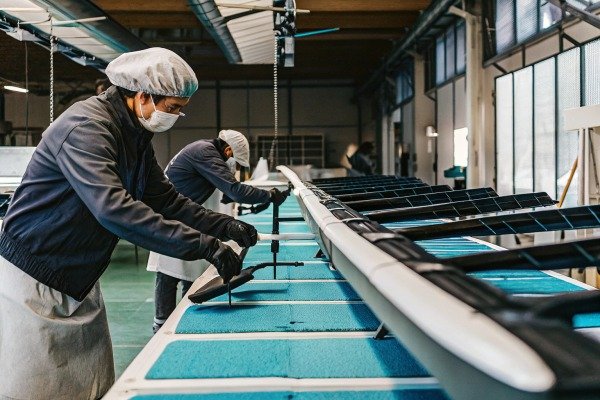
The lifespan of agricultural hardware usually exceeds the lifespan of consumer electronics. A tractor can last 20 years, and while a drone may not last that long, it should certainly outlast a smartphone. The disconnect occurs when a drone is mechanically sound but the software is no longer supported, turning an expensive tool into a paperweight.
The 2027 Regulatory Cliff
The most pressing issue right now is the FCC's restrictions FCC's restrictions 7 on foreign-manufactured drones. Current rulings suggest that foreign drones on the "Covered List" may face severe restrictions القائمة المغطاة 8 on authorization. However, existing models have a window where they can still receive updates. The critical date is January 1, 2027.
You must ask: "What happens after 2027?" Will the manufacturer have a domestic subsidiary that can legally continue support? Or will they cease all updates to comply with US law? If they stop updating, will the drone continue to fly in its last known state, or will it lock up? This is a survival question for your equipment.
End of Life (EOL) Policies
Every industrial product has a lifecycle. You need to ask for the "End of Life" policy in writing. This policy defines two dates:
- End of Sales: The date they stop selling the unit.
- End of Support: The date they stop releasing firmware and spare parts.
For agricultural drones, the gap between these two dates should be at least 5 years. This ensures that if you buy a drone on the last day it is sold, you still get a full return on investment.
Compatibility with Mobile Devices
Often, the drone firmware is fine, but the app that controls it breaks. This happens when iOS or Android updates their operating systems. If the drone manufacturer stops updating their flight control app, you might be unable to launch your drone after your iPad auto-updates overnight. Ask the manufacturer if they commit to keeping their mobile app compatible with current operating systems for the duration of the drone's supported life.
Support Timeline Expectations
We believe transparency is key. When you talk to suppliers, compare their answers against these reasonable expectations for industrial equipment:
| فئة المعدات | Expected Support Duration | لماذا يهم |
|---|---|---|
| Consumer Drones | 1 – 3 Years | Low cost, rapid replacement cycle. |
| Prosumer / Camera | 3 – 4 Years | Used for light mapping, moderate investment. |
| الطائرات الزراعية بدون طيار | 5 - 10 سنوات | High capital investment, critical infrastructure. |
| محطة التحكم الأرضية | 5 - 10 سنوات | Must remain compatible with drone firmware. |
Can I perform firmware upgrades remotely without sending the drone back?
Shipping heavy drones back to our factory for simple code changes is a logistical nightmare for everyone. Your busy spraying season cannot afford weeks of downtime for a minor software patch.
You must ensure the drone supports Over-the-Air (OTA) updates via Wi-Fi or cellular connections for immediate patching. Crucially, ask if offline sideloading via SD card or USB is supported, which is essential for remote fields lacking reliable high-speed internet access.

In agriculture, timing is everything. If a fungal outbreak hits your corn, you need to spray within 48 hours. If your drone demands a firmware update before it will take off, and that update fails, you lose your crop. The method of delivery for these updates is not just a technical detail; it is an operational necessity.
The Necessity of Offline Updates (Sideloading)
Many farms in the Midwest or rural Europe have poor cellular reception and slow Wi-Fi. A 500MB firmware file might fail to download halfway through, corrupting the process.
You must ask: "Can I download the update on my office computer, put it on a USB drive or SD card, and plug it into the drone?" This process is called "sideloading." It is much safer and more reliable than Over-the-Air (OTA) updates in areas with spotty connection. If a manufacturer only allows OTA updates via a live connection, they clearly do not understand the reality of agricultural environments.
The Risk of "Bricking"
"Bricking" is when an update fails and renders the device permanently useless, like a brick. Ask the manufacturer about their fail-safes. Does the drone have a dual-partition memory? This allows the drone to download the new update to a separate area. If the update fails, the drone can simply reboot to the old, working version.
Rollback Capabilities
Newer is not always better. Sometimes, a new firmware update introduces a bug—perhaps the spray rate calculation is off, or the obstacle avoidance is too sensitive.
You need the ability to "rollback" to the previous version. Ask specifically: "If version 5.0 causes problems, does your software allow me to reinstall version 4.9 immediately?" Many consumer drones block this to prevent hacking, but for industrial tools, the user must have control over the version they use.
Comparison of Update Methods
Understanding the pros and cons of different update methods will help you choose the right system for your farm infrastructure.
| الطريقة | الإيجابيات | السلبيات | Ideal For |
|---|---|---|---|
| عبر الأثير (OTA) | Convenient, automatic, requires no cables. | High failure risk on slow internet; uses data plan. | Farms with strong 5G or shop Wi-Fi. |
| Offline (USB/SD) | Reliable, portable, no internet needed at the field. | Requires a computer to download the file first. | Remote fields, weak connectivity areas. |
| Dealer Installation | 100% safe, technician verifies the install. | Costly, requires transporting the drone, slow turnaround. | Major overhauls or hardware repairs. |
Is it possible to collaborate on custom firmware development for my specific needs?
Our engineering team loves when clients bring us unique crop spraying challenges that standard code cannot solve. Generic flight controllers often fail to handle specific terrain or unusual crop spacing requirements.
Manufacturers offering OEM services often allow access to Software Development Kits (SDKs) or APIs for custom integration. You should clarify if the flight controller architecture permits third-party software modification or if the manufacturer offers engineering services to code specific flight patterns for your operations.

Standard "off-the-shelf" agricultural drones are designed for the average user—typically spraying flat fields of corn or wheat. However, your operation might be different. You might be spraying vineyards on steep terraced slopes, spot-spraying invasive weeds in grazing land, or dropping beneficial insects rather than liquids. In these cases, standard firmware limits your efficiency.
The Power of SDKs and APIs
When purchasing, ask if the drone comes with an SDK (Software Development Kit) or API مجموعة تطوير البرمجيات 9 (Application Programming Interface) support.
- SDK على متن الطائرة: Allows you to write code that runs directly on the drone’s processor. This is useful for integrating custom sensors, like a multispectral camera that triggers the sprayer only when it sees a specific weed.
- مجموعة تطوير البرمجيات SDK للجوال: Allows you to build your own mobile app to control the drone. This is vital if you want to integrate the drone workflow into your existing farm management software (FMS).
If the manufacturer system is "closed" (like Apple iOS), you can only do what they allow. If it is "open" (more like Android or Linux), you or a third-party developer can expand the drone's capabilities.
Collaborative Development Services
Not every farmer is a coder. This is where the manufacturer's engineering support comes in. As a supplier, we often receive requests to modify the flight logic. For example, a client recently needed a drone to fly slower than the minimum standard speed to apply a very thick, viscous fertilizer.
Ask the manufacturer: "If I need a specific feature, do you have an engineering team I can hire to build it?" Many mass-market brands will say no. However, specialized industrial manufacturers (OEMs) will often say yes. This collaboration can be a competitive advantage for your business.
Data Ownership and API Integration
Custom firmware often involves data. You need to know if the drone can automatically push "as-applied" maps to your computer. Ask if their API integrates with major agronomy platforms like John Deere Operations Center مركز عمليات جون ديري 10 or Climate FieldView. If the drone traps data inside its own proprietary format, you will waste hours manually converting files.
الخاتمة
Asking the right questions about firmware is not just technical diligence; it is financial protection. By securing written commitments on support duration, costs, update methods, and customization options, you ensure your agricultural drone remains a productive asset rather than becoming a liability in a changing regulatory world.
الحواشي
1. Background on the principles of flight control and algorithms. ︎
2. Definition and industry context for SaaS pricing models. ︎
3. General overview of BMS functions in electronic devices. ︎
4. Technical standard and explanation of IMU functionality in unmanned vehicles. ︎
5. Official FAA page explaining Remote ID requirements for drones. ︎
6. Official FAA guidance on Remote ID requirements for drones. ︎
7. Official FCC page detailing supply chain restrictions on foreign equipment. ︎
8. قائمة لجنة الاتصالات الفيدرالية الرسمية بالمعدات الاتصالاتية التي تعتبر تهديدًا للأمن القومي. ︎
9. Example of industrial drone SDK documentation for custom development. ︎
10. Official product page for the specific agronomy platform mentioned. ︎

 English
  Español de México
  Deutsch
  Français
  Русский
  العربية
