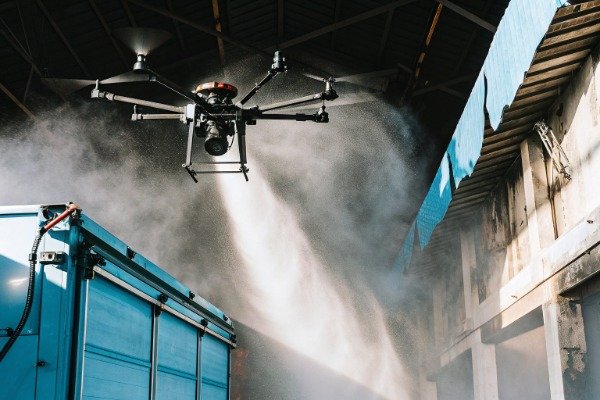
في SkyRover، نرى الوكالات تكافح مع معدات غير موثوقة أثناء المهام الحرجة. اختيار طائرة بدون طيار خاطئة يعرض الأرواح للخطر ويهدر الميزانية، مما يترك الفرق عمياء عندما تكون الرؤية هي الأهم.
يجب عليك إعطاء الأولوية لقدرة التحمل أثناء الطيران تحت الحمل، والتصوير الحراري عالي الدقة مع NETD منخفض لاختراق الدخان، ومقاومة الطقس المصنفة IP. والأهم من ذلك، قم بتقييم موثوقية نقل البيانات في المناطق المليئة بالتشويش ودمج الذكاء الاصطناعي للكشف الآلي عن النقاط الساخنة لضمان السلامة التشغيلية والكفاءة.
دعنا نفصل المقاييس المحددة التي تحدد أصلًا جويًا موثوقًا لمكافحة الحرائق.
ما هي المدة التي يمكن للطائرة بدون طيار أن تطير بها بحمولة كاملة أثناء المهمة؟
تكشف اختبارات الطيران لدينا أن مواصفات البطارية غالبًا ما تختلف عن الأداء في العالم الحقيقي. نفاد الطاقة في منتصف العملية يعطل سلسلة القيادة بأكملها ويعرض نجاح المهمة للخطر.
مواصفات البطارية تختلف غالبًا 1
يجب أن تدعم طائرة بدون طيار لمكافحة الحرائق الطيران لمدة 45 إلى 55 دقيقة على الأقل أثناء حمل حمولات بصرية وحرارية. تسمح هذه المدة بالمراقبة المستمرة وجمع البيانات دون الحاجة إلى تبديل البطاريات بشكل متكرر، مما يضمن الوعي الظرفي المستمر خلال المراحل الحرجة لإخماد الحرائق.

عندما نصمم طائرات بدون طيار صناعية في منشأتنا في تشنغدو، غالبًا ما تكون مدة الطيران هي المتغير الأول الذي يسأل عنه عملاؤنا. ومع ذلك، فإن الرقم المدرج في ورقة المواصفات - والذي غالبًا ما يُطلق عليه "أقصى وقت للطيران" - يتم حسابه عادةً في ظل ظروف مثالية: مستوى سطح البحر، وعدم وجود رياح، وحمولة صفرية. بالنسبة لمدير المشتريات، فإن الاعتماد على هذا الرقم يمكن أن يكون خطأً قاتلاً. في سيناريو مكافحة الحرائق في العالم الحقيقي، لا تطير الطائرة بدون طيار "عارية" أبدًا. إنها تحمل أجهزة تثبيت ثقيلة، أو آليات إسقاط، أو مصابيح كاشفة، وكلها تستنزف البطارية بشكل أسرع بكثير.
واقع وزن الحمولة واستهلاك الطاقة
العلاقة بين وزن الحمولة ووقت الطيران ليست خطية؛ إنها أسية. كلما أضفنا وزنًا، يجب أن تدور المحركات بشكل أسرع لتوليد الرفع، مما يسحب تيارًا أكبر من البطارية. هذا يخلق دورة تسخن فيها البطارية، مما يقلل من كفاءتها. بالنسبة لمهام مكافحة الحرائق، تحتاج إلى النظر في مقياس "وقت التحويم مع أقصى حمولة". هذا هو المؤشر الحقيقي للمدة التي يمكن للطائرة بدون طيار أن تبقى فيها في موقعها لمراقبة حريق.
العلاقة بين وزن الحمولة 2
أدناه تفصيل لكيفية تأثير الحمولة على وقت الطيران بناءً على بيانات الاختبار الداخلية لدينا لإطار طائرة رباعية بدون طيار صناعية قياسية:
| التكوين | وزن الحمولة | وقت الرحلة المقدر | هامش تشغيلي (20٪ احتياطي) |
|---|---|---|---|
| إطار عارٍ | 0 كجم | 55 دقيقة | 44 دقيقة |
| وضع الفحص | 1.5 كجم (كاميرا مزدوجة المستشعر) | 42 دقيقة | 33 دقيقة |
| وضع الإنقاذ | 3.0 كجم (كاميرا + مجموعة إسقاط) | 32 دقيقة | 25 دقيقة |
| وضع الرفع الثقيل | 5.0 كجم (كرة إطفاء الحريق) | 22 دقيقة | 17 دقيقة |
التأثير البيئي على كيمياء البطارية
عامل آخر نؤكد عليه باستمرار لعملائنا في أوروبا والولايات المتحدة هو تأثير البيئة. غالبًا ما تحدث مكافحة الحرائق في ظروف قاسية. في البيئات ذات الحرارة العالية (بالقرب من الحريق نفسه)، يمكن أن ترتفع درجة حرارة البطاريات، مما يؤدي إلى تشغيل قواطع الأمان. وعلى العكس من ذلك، في عمليات البحث والإنقاذ في الطقس البارد، تنخفض كفاءة بطاريات الليثيوم أيون.
تنخفض كفاءة بطاريات الليثيوم أيون 3
نوصي بالبحث عن أنظمة إدارة بطاريات ذكية (BMS) تتضمن قدرات تسخين ذاتي لبدء التشغيل في البرد وتصميمات متقدمة لتبديد الحرارة للعمليات ذات درجات الحرارة العالية. قد توفر طائرة بدون طيار توفر 50 دقيقة من وقت الطيران في المختبر 30 دقيقة فقط فوق حريق غابات بسبب الطاقة المطلوبة لتحقيق الاستقرار ضد الاضطرابات الحرارية. لذلك، احسب دائمًا متطلبات التشغيل الخاصة بك بهامش أمان يتراوح بين 20-30% على مدة التحمل المذكورة من قبل الشركة المصنعة.
ما هو مستوى مقاومة الرياح الذي أحتاجه للتشغيل المستقر في الحرائق؟
نقوم بمعايرة وحدات التحكم في الطيران لدينا للتعامل مع التيارات الهوائية الصاعدة المفاجئة، ومع ذلك يتجاهل العديد من المشترين كيف تتسبب الاضطرابات الناتجة عن الحرائق في زعزعة استقرار هياكل الطائرات القياسية، مما يجعل بث الفيديو غير قابل للاستخدام.
للتشغيل المستقر بالقرب من حرائق الغابات أو الحرائق في المباني الشاهقة، تتطلب طائرتك بدون طيار تصنيف مقاومة للرياح لا يقل عن 12 إلى 15 مترًا في الثانية (المستوى 6). يضمن هذا أن تحافظ الطائرة على موقعها ضد التيارات الهوائية الحرارية الصاعدة القوية والظروف العاصفة النموذجية لمواقع الحرائق.
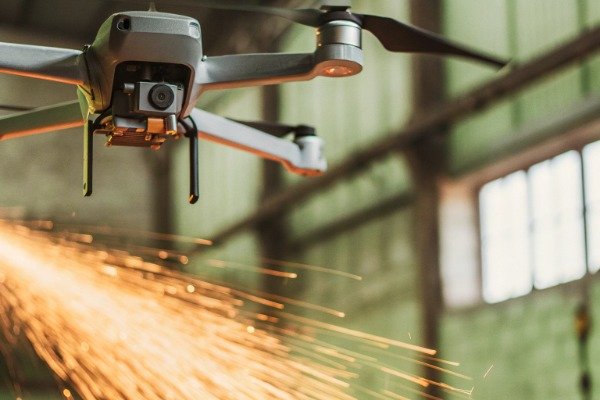
مقاومة الرياح ليست مجرد مسألة ما إذا كانت الطائرة بدون طيار ستنجرف بعيدًا؛ إنها تتعلق باستقرار المنصة وقابلية استخدام البيانات التي تلتقطها. في تجربتنا في التصدير إلى مناطق ذات مناخات متنوعة، رأينا أن الطائرات بدون طيار الاستهلاكية القياسية غالبًا ما تفشل بالقرب من الحرائق الكبيرة. هذا لأن الحرائق تخلق أنظمة الطقس الخاصة بها. تولد الحرارة الشديدة تيارات هوائية حرارية صاعدة قوية - أعمدة من الهواء المتصاعد - يمكن أن تقذف طائرة بدون طيار خفيفة الوزن مثل ورقة.
تيارات هوائية حرارية صاعدة قوية 4
فهم تصنيفات مقاومة الرياح
عادةً ما تصنف الشركات المصنعة مقاومة الرياح باستخدام مقياس بوفورت أو بالمتر في الثانية (م/ث). لمكافحة الحرائق الصناعية، يعتبر المستوى 5 (8.0-10.7 م/ث) هو الحد الأدنى المطلق، ولكننا ننصح بشدة بالسعي نحو المستوى 6 (10.8-13.8 م/ث) أو أعلى.
باستخدام مقياس بوفورت 5
عندما تقاوم الطائرة بدون طيار الرياح، فإنها تميل في اتجاه العاصفة. إذا تجاوزت سرعة الرياح زاوية الميل القصوى للطائرة بدون طيار وقدرة عزم دوران المحرك، فسوف تنجرف الطائرة بدون طيار. في سيناريو مكافحة الحرائق، يمكن أن يعني الانجراف الاصطدام بهيكل مشتعل أو فقدان القفل المرئي على ضحية.
ديناميكيات نظام الدفع
لتحقيق مقاومة عالية للرياح، يعد نظام الدفع هو المفتاح. لهذا السبب نقوم بتجهيز خطوط SkyRover الصناعية لدينا بمحركات عالية العزم ومراوح أكبر. يسمح عزم الدوران العالي للمحركات بتغيير سرعة الدوران الفورية لمواجهة العواصف المفاجئة.
علاوة على ذلك، يلعب الحجم المادي ووزن الطائرة بدون طيار دورًا. الطائرة بدون طيار الأثقل لديها قصور ذاتي أكبر وتتأثر بشكل أقل بالاضطرابات الطفيفة، على الرغم من أنها تتطلب المزيد من الطاقة للطيران. نقوم أيضًا بتطبيق خوارزميات تحكم في الطيران محددة تكتشف الاهتزازات "غير الطبيعية" وتغيرات الموقف الناتجة عن الاضطرابات، وتعديل إعدادات الكسب تلقائيًا لتنعيم الرحلة.
هوامش السلامة التشغيلية
من الضروري فهم الفرق بين "أقصى مقاومة للرياح" و "سرعة الرياح التشغيلية الآمنة"."
- أقصى مقاومة للرياح: الحد الذي يمكن للطائرة بدون طيار البقاء في الهواء جسديًا دون تحطم.
- سرعة الرياح التشغيلية الآمنة: الحد الذي يمكن للطائرة بدون طيار أن تطير به بسلاسة كافية لالتقاط فيديو مستقر والهبوط بأمان.
إذا ادعى مُصنِّع مقاومة تبلغ 15 م/ث، فيجب على طياريك ضبط عتبة الأمان الخاصة بهم على حوالي 10-12 م/ث. يؤدي الطيران عند الحد الأقصى إلى استنزاف البطارية بسرعة (كما نوقش في القسم السابق) ولا يترك أي احتياطي طاقة للمناورات الطارئة.
كيف أقوم بتقييم دقة الكاميرا الحرارية للكشف الفعال عن النقاط الساخنة؟
يؤكد مهندسو البصريات لدينا أن رؤية توقيع حراري لا يكفي؛ يجب عليك التمييز بين شخص وفتحة تهوية ساخنة عبر دخان كثيف لتوجيه فرق الأرض بدقة.
يتطلب الكشف الفعال عن النقاط الساخنة مستشعرًا حراريًا إشعاعيًا بدقة لا تقل عن 640 × 512 بكسل ومعدل تحديث يبلغ 30 هرتز. يعد فرق درجة الحرارة المكافئ للضوضاء (NETD) المنخفض أقل من 50 مللي كلفن ضروريًا للتمييز بين اختلافات درجات الحرارة الدقيقة عبر الدخان والحطام الكثيف.

التصوير الحراري هو ربما المستشعر الأكثر أهمية لطائرة بدون طيار لمكافحة الحرائق. يسمح للقادة بالرؤية عبر الدخان وتحديد مصدر الحريق وتحديد موقع الضحايا غير المرئيين بالعين المجردة. ومع ذلك، ليست كل الكاميرات الحرارية متساوية. غالبًا ما نرى مديري المشتريات مرتبكين بسبب المصطلحات الفنية المحيطة بهذه المستشعرات.
الدقة ومسافة الكشف
تحدد دقة المستشعر الحراري عدد "البكسلات على الهدف" التي يمكنك الحصول عليها من ارتفاع معين. قد تُظهر دقة أقل، مثل 320 × 240، ضبابًا من الحرارة، ولكن لن تتمكن من معرفة ما إذا كانت بقعة حريق صغيرة أو صخرة ساخنة.
للتطبيقات الصناعية،, 640×512 هو المعيار الصناعي لسبب وجيه. يوفر أربعة أضعاف عدد البكسلات لمستشعر 336 × 256. تسمح هذه الدقة الأعلى للطائرة بدون طيار بالارتفاع أعلى (البقاء أكثر أمانًا من الحرارة) مع الاستمرار في تمييز التفاصيل الصغيرة على الأرض.
البيانات الإشعاعية مقابل الفيديو الحراري القياسي
هناك فرق كبير بين رؤية الحرارة وقياس الحرارة. أ إشعاعي تقيس الكاميرا الحرارية درجة حرارة كل بكسل في الصورة. هذا يسمح للمشغل بالنقر على الشاشة ورؤية أن السقف يبلغ 400 درجة مئوية، مما يشير إلى ضعف هيكلي، مقابل 50 درجة مئوية. تُظهر الكاميرات غير الإشعاعية التباين النسبي فقط (ساخن مقابل بارد) بدون بيانات درجة حرارة محددة. لمكافحة الحرائق، البيانات الإشعاعية غير قابلة للتفاوض لتقييمات السلامة.
أهمية NETD (الحساسية)
تقيس NETD (فرق درجة الحرارة المكافئ للضوضاء) حساسية المستشعر الحراري. يتم قياسها بالملي كلفن (mK). كلما انخفض الرقم، كان ذلك أفضل.
فرق درجة الحرارة المكافئ للضوضاء 6
- < 50mK: حساسية عالية. يمكنها اكتشاف فروق درجات الحرارة الصغيرة. ضروري للعثور على الضحايا في البيئات التي تكون فيها درجة حرارة الخلفية قريبة من درجة حرارة الجسم.
- > 100mK: حساسية منخفضة. ستبدو الصورة "حبيبية" وستضيع بصمات الحرارة الدقيقة في الضوضاء.
إليك مقارنة لكيفية ترجمة مواصفات المستشعر إلى قدرة تشغيلية:
| الميزة | مواصفات المستوى المبتدئ | المعيار الاحترافي (موصى به) | الأثر التشغيلي |
|---|---|---|---|
| الدقة | 336 × 256 | 640 × 512 | يحدد أقصى ارتفاع للطيران للكشف الفعال. |
| معدل الإطارات | 9 هرتز | 30 هرتز | تبدو 9 هرتز متقطعة؛ توفر 30 هرتز حركة سلسة لتتبع الأهداف المتحركة. |
| NETD | < 60mK | < 40mK | القدرة على الرؤية عبر الدخان الكثيف والمشاهد ذات التباين المنخفض. |
| تكبير | رقمي فقط | هجين (بصري + حراري) | يسمح بالتفتيش التفصيلي دون تقريب الطائرة بدون طيار من الخطر. |
ما هو نطاق الإرسال الكافي لعمليات مكافحة الحرائق عن بعد؟
عندما نجري اختبارات المدى في الوديان الحضرية، فإن فقدان الإشارة هو نقطة فشل متكررة. إن فقدان بث الفيديو يعمي قائد الحادث على الفور، مما يحول أصلًا قيمًا إلى عبء.
يجب أن يوفر نظام الإرسال القوي نطاقًا يتراوح بين 8 و 15 كيلومترًا في البيئات المفتوحة، ولكن الأهم من ذلك، الحفاظ على روابط بزمن استجابة منخفض عبر التداخل. ابحث عن إمكانيات القفز الترددي ثنائي النطاق لاختراق العقبات الحضرية والدخان دون تدهور الإشارة.
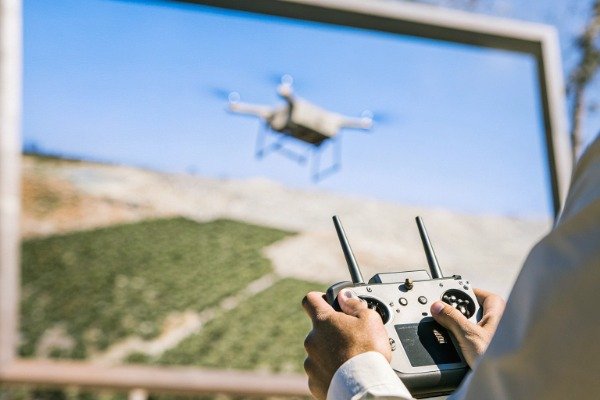
غالبًا ما يكون نطاق الإرسال هو الإحصائية الأكثر تضليلًا في تسويق الطائرات بدون طيار. سترى صناديق تدعي "نطاق 15 كم"، ولكن هذا عادة ما يتم اختباره في صحراء هادئة لاسلكيًا مع خط رؤية مباشر. في سيناريو مكافحة الحرائق، تتعامل مع المباني والأشجار والدخان (الذي يحتوي على جزيئات يمكن أن تشتت الإشارات)، وتداخل هائل من حركة مرور الراديو للطوارئ.
اختراق الإشارة في البيئات الحضرية
بالنسبة لعملائنا الذين يعملون في المدن، نعطي الأولوية لاختراق الإشارة على المدى الأقصى. الطائرة بدون طيار التي يمكنها الطيران لمسافة 15 كم في خط مستقيم عديمة الفائدة إذا انقطعت على بعد 500 متر خلف مبنى خرساني.
نستخدم أنظمة تعمل على نطاقين (عادةً 2.4 جيجاهرتز و 5.8 جيجاهرتز) وتستخدم القفز الترددي التلقائي. عندما يصبح نطاق 2.4 جيجاهرتز مزدحمًا (وهو أمر شائع في المدن)، يقفز النظام تلقائيًا إلى 5.8 جيجاهرتز للحفاظ على الارتباط.
القفز الترددي التلقائي 7
زمن الاستجابة واتخاذ القرارات في الوقت الفعلي
زمن الاستجابة - التأخير بين ما تراه الكاميرا وما يظهر على شاشتك - أمر بالغ الأهمية. في حريق سريع الحركة، يمكن أن يكون التأخير حتى 200 مللي ثانية مربكًا للطيار الذي يحاول المناورة بالقرب من العوائق. نهدف إلى أنظمة إرسال بزمن استجابة أقل من 100 مللي ثانية.
التأخير بين ما تراه الكاميرا 8
يؤثر زمن الاستجابة العالي أيضًا على جودة بث الفيديو. إذا انخفض عرض النطاق الترددي، يصبح الفيديو متقطعًا أو يتجمد. بالنسبة للقائد الذي يتخذ قرارات مصيرية بناءً على بث الفيديو هذا، فإن الموثوقية أمر بالغ الأهمية.
ما وراء خط الرؤية البصرية (BVLOS)
بينما تقيد اللوائح الحالية في العديد من البلدان رحلات BVLOS، يجب أن تكون التكنولوجيا جاهزة لذلك. غالبًا ما تتطلب حرائق الغابات واسعة النطاق أن تطير الطائرة بدون طيار عدة كيلومترات بعيدًا عن الطيار.
تقييد الرحلات خارج خط البصر (BVLOS) 9
لدعم ذلك، نقوم بشكل متزايد بدمج وحدات 4G/5G في طائراتنا المسيرة الصناعية. يتيح ذلك للطائرة المسيرة إرسال الفيديو عبر شبكات الهاتف المحمول، مما يمنحها نطاقًا غير محدود طالما أن هناك تغطية لأبراج الهواتف المحمولة. هذا يمثل تغييرًا جذريًا لمراقبة حرائق الغابات حيث لا يمكن للطيار أن يكون قريبًا من جبهة الحريق.
- ترددات الراديو القياسية: جيدة للحرائق المحلية والهيكلية (نطاق فعال من 1-5 كم).
- دمج 4G/5G: ضروري لحرائق الغابات واسعة النطاق وعمليات خارج خط البصر (BVLOS).
الخاتمة
أعط الأولوية للقدرة على التحمل والوضوح الحراري واستقرار الإشارة عند اختيار أسطولك. الاستثمار في مؤشرات الأداء الرئيسية هذه يضمن نجاح المهمة وسلامة الأفراد. اتصل بـ SkyRover للحصول على حلول صناعية مخصصة.
تقيس الكاميرا الحرارية الإشعاعية 10
الحواشي
- يشرح كيف تؤثر العوامل البيئية والحمل على ادعاءات أداء البطارية. ︎
- دليل فني لحساب وقت الطيران بناءً على الوزن وكفاءة المحرك. ︎
- سياق علمي حول سبب فقدان بطاريات الليثيوم أيون لسعتها في الطقس البارد. ︎
- يحدد التيارات الهوائية الحرارية وتكوينها، ذات الصلة بالطقس الحارقي. ︎
- تعريف موثوق لمقياس سرعة الرياح المذكور في النص. ︎
- يحدد المقياس الفني لحساسية المستشعر الحراري. ︎
- نظرة عامة فنية على تقنية FHSS المستخدمة لاستقرار الإشارة. ︎
- يحدد زمن الاستجابة في سياق الشبكات ونقل البيانات. ︎
- يوفر السياق التنظيمي فيما يتعلق بعمليات ما وراء خط البصر المرئي. ︎
- يشرح التكنولوجيا المحددة للقياس الإشعاعي في التصوير الحراري. ︎
 English
  Español de México
  Deutsch
  Français
  Русский
  العربية
Comments
No comments yet. Be the first to share your thoughts!
Leave a Comment