
بعد أن شاهدنا عددًا لا يحصى من النماذج الأولية على أرض الاختبار لدينا في شيان، نعلم مدى الإحباط الذي يسببه انسداد الفوهة أو المضخة المتشققة في منتصف الموسم. أنت بحاجة إلى معدات تتحمل المواد الكيميائية القاسية وتحقق النتائج، وليس التعطل.
لتقييم الدقة والمتانة، قم بتقييم تقنية الفوهة (المرذاذات الدوارة مقابل الضغط)، وتحقق من مقاومة المضخة للتآكل (محرك مغناطيسي)، وتحقق من اتباع التضاريس التي تدعم تقنية RTK. تأكد من أن الإطار يستخدم ألياف الكربون أو ألومنيوم الطيران واطلب بيانات عن دقة مقياس التدفق وتصنيفات IP من أجل المرونة على المدى الطويل.
إليك كيفية تحليل المواصفات الفنية لضمان الاستثمار في ماكينة موثوقة.
ما هي تقنيات الفوهة المحددة التي يجب أن أعطي الأولوية لتوزيع الرذاذ الأكثر دقة؟
غالبًا ما نرى فوهات الضغط القياسية تفشل في توفير أحجام قطرات متسقة خلال تجاربنا الميدانية في الرياح المتغيرة. أنت بحاجة إلى تقنية تتكيف مع البيئة بدلاً من محاربتها.
إعطاء الأولوية للمرذاذات الدوارة (الطاردة المركزية) على المرذاذات الهيدروليكية القياسية فوهات هيدروليكية 1 الفوهات لأنها تسمح بضبط أحجام القطرات عن طريق البرمجيات، مما يقلل من الانجراف. تتعامل هذه المرذاذات مع السوائل اللزجة بشكل أفضل وتقلل من الانسداد، مما يضمن عرض رش متسق وتغطية موحدة عبر مظلات المحاصيل المتغيرة.
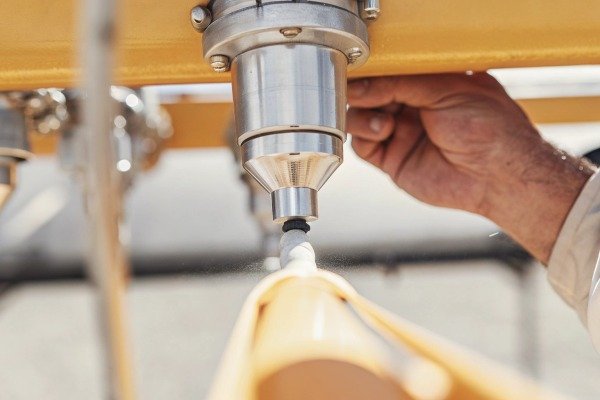
عندما نقوم بتصميم أنظمة الرش لخط SkyRover الخاص بنا، فإن اختيار الفوهة هو العامل الأكبر في الأداء. تعتمد الفوهات الهيدروليكية التقليدية على الضغط فوهات هيدروليكية 2 لتفتيت السائل. يعمل هذا بشكل جيد مع الماء، ولكنه يكافح مع مبيدات الفطريات السميكة أو الأسمدة المعقدة. إذا انخفض الضغط، تصبح القطرات كبيرة جدًا. إذا ارتفع الضغط، تحصل على رذاذ خفيف ينجرف إلى الحقول المجاورة. هذا التناقض يقتل الدقة.
ميزة المرذاذات الطاردة المركزية
تحل المرذاذات الدوارة أو الطاردة المركزية هذه المشكلة الفيزيائية. فهي تستخدم قرصًا دوارًا لقذف السائل للخارج. وتحدد سرعة القرص - وليس ضغط المضخة - حجم القطرات حجم القطرة 3. هذا يغير قواعد اللعبة من حيث الدقة. يمكنك ضبط حجم القطرات على 200 ميكرون لمبيد الأعشاب أو 400 ميكرون للسماد مباشرةً من وحدة التحكم في الطيران.
من خلال تجربتنا في التصدير إلى الولايات المتحدة، نجد أن المزارعين يقدرون هذه المرونة. فأنت لا تحتاج إلى الهبوط بالطائرة بدون طيار وتبديل أطراف الفوهة يدويًا لمهام مختلفة. وهذا يقلل من خطر تعرض فريقك للمواد الكيميائية التعرض للمواد الكيميائية 4.
التعامل مع اللزوجة والانسداد
الانسداد هو عدو المتانة. تحتوي فوهات الضغط على فتحات صغيرة جدًا تسد بسهولة بالمواد الكيميائية القائمة على المسحوق. أما المرذاذات الدوارة فلها مسارات أكبر بكثير. تزيل قوة الطرد المركزي الحطام بشكل طبيعي. وهذا يعني أنه يمكنك رش سوائل ذات لزوجة أعلى دون حرق المضخات أو التوقف للصيانة.
اتساق القطرات
الاتساق يمنع الهدر. إذا كانت طائرتك بدون طيار تطير بسرعة 5 أمتار في الثانية، فأنت بحاجة إلى أن يظل عرض الرش ثابتًا. تحافظ الأنظمة الدوارة على "ستارة" ثابتة من الرذاذ. لقد وجدنا أن هذه التقنية تخلق دوامة هابطة. ويدفع ذلك المادة الكيميائية إلى عمق مظلة المحصول، لتصل إلى الجانب السفلي من الأوراق حيث تختبئ الآفات.
مقارنة بين تقنيات الفوهات
فيما يلي تفصيل لسبب ميلنا نحو التقنية الدوارة للوحدات الصناعية المتطورة.
| الميزة | فوهات الضغط الهيدروليكي | المرذاذات الدوارة (الطرد المركزي) |
|---|---|---|
| التحكم في القطرات | مثبتة حسب حجم طرف الفوهة والضغط | قابل للتعديل عبر البرنامج (سرعة RPM) |
| مخاطر الانسداد | عالية (فتحة صغيرة) | منخفض (مسار تدفق كبير) |
| معالجة اللزوجة | ضعيف (يتطلب ضغطاً عالياً) | ممتاز (يتعامل مع السوائل السميكة) |
| إمكانية الانجراف | مرتفع (يخلق ضبابًا خفيفًا عشوائيًا) | منخفض (حجم القطرة المنتظم) |
| الصيانة | يلزم التنظيف المتكرر | صيانة منخفضة |
| التكلفة | منخفضة | عالية |
كيف يمكنني التحقق من أن خزانات السوائل والخراطيم مقاومة للتآكل الكيميائي؟
لقد قام مهندسونا بتحليل المرتجعات التي تذوب فيها الأختام بعد بضعة أشهر فقط من التعرض للأسمدة. لتجنب التسريبات التي تلحق الضرر بالإلكترونيات، يجب فحص التوافق الكيميائي لكل مكون مبلل.
تحقق من مقاومة التآكل من خلال التحقق من وجود مواد مثل البولي إيثيلين عالي الكثافة (HDPE) أو البولي بروبيلين (PP) في الخزانات وموانع تسرب Viton أو EPDM في الخراطيم. تأكد من أن المضخة تستخدم محركًا مغناطيسيًا أو تصميمًا تمعجيًا لعزل الأجزاء الميكانيكية عن المواد الكيميائية الزراعية المسببة للتآكل.
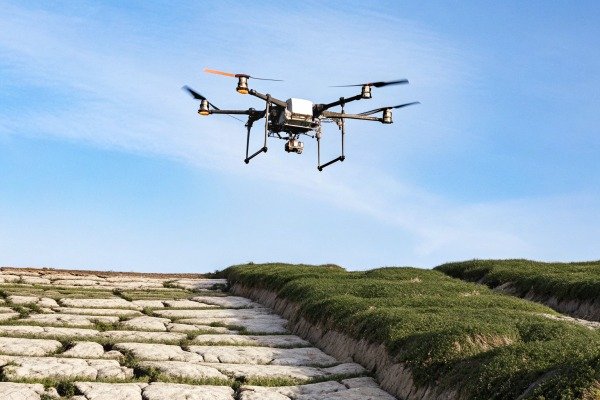
التآكل صامت ولكنه مدمر. فهو لا يحدث بين عشية وضحاها. فهو يحدث على مدار أسابيع من التعرض للنترات والكبريتات القاسية. عندما نحصل على المواد اللازمة لخزاناتنا، فإننا ننظر إلى ما هو أبعد من البلاستيك البسيط. نتحقق من الكثافة الجزيئية.
معايير مواد الخزان
يجب أن تبحث عن خزانات مصنوعة من البولي إيثيلين عالي الكثافة (HDPE) بولي إيثيلين عالي الكثافة (HDPE) 5 أو البولي بروبلين (PP). هذه المواد خاملة كيميائياً لمعظم المدخلات الزراعية. يمكن أن يصبح الألياف الزجاجية أو بلاستيك ABS القياسي هشًا بمرور الوقت عند تعرضه للأشعة فوق البنفسجية والمواد الكيميائية. سوف يتشقق الخزان الهش تحت اهتزاز طائرة بدون طيار تحمل حمولة 40 كجم.
الحلقات الأضعف: الأختام والحلقات الدائرية
نقطة الفشل الأكثر شيوعًا ليست الخزان؛ بل الختم. يمكن لحلقة على شكل حرف O بخمسين سنتًا أن تدمر طائرة بدون طيار بقيمة عشرة آلاف دولار. اسأل المورد على وجه التحديد عن مادة الختم.
- فيتون (FKM): هذا هو المعيار الذهبي. فهو يقاوم الزيوت والوقود والمواد الكيميائية القوية.
- EPDM: وهي ممتازة بالنسبة للأسمدة ذات الأساس المائي ولكنها قد تتحلل مع بعض الزيوت.
- بونا-ن (نيتريل): تجنبي ذلك. فهو ينتفخ ويتحلل بسرعة مع العديد من المبيدات الحديثة المبيدات الحشرية 6.
هندسة الخراطيم والسباكة
افحص تخطيط السباكة. نحن نصمم أنظمتنا بهياكل "التبديل السريع". يتيح لك ذلك إزالة الخزان ومجموعة الخرطوم بالكامل في ثوانٍ. وهذا أمر بالغ الأهمية للمتانة لأنه يجعل التنظيف سهلاً. إذا كان من الصعب التنظيف، تبقى البقايا في الخطوط. تتسبب هذه البقايا في تآكل الخراطيم من الداخل إلى الخارج.
تقييم مقاومة المواد الكيميائية
عند التحدث مع أحد الموردين، اطلب ورقة توافق المواد. إذا لم يتمكنوا من تقديم واحدة، فهذا مؤشر خطر. إليك دليل عام نستخدمه أثناء عملية مراقبة الجودة.
| المكوّن | المواد الموصى بها | ما أهمية ذلك |
|---|---|---|
| خزان السائل | بولي إيثيلين عالي الكثافة / بولي بروبيلين عالي الكثافة | يقاوم التشقق والامتصاص الكيميائي. |
| الحلقات على شكل حرف O | فيتون (FKM) | يمنع التسريبات عند نقاط التوصيل. |
| الخراطيم | بولي كلوريد الفينيل المقوى / مبطن بالتفلون | يمنع انهيار الخرطوم تحت الشفط. |
| الأجزاء الداخلية للمضخة | سيراميك / PTFE | يقاوم التآكل من المساحيق الكاشطة. |
| أجهزة الإطار | الفولاذ المقاوم للصدأ (304/316) | يمنع الصدأ الناتج عن رذاذ الرذاذ المتساقط. |
ما هي أنواع مضخات المياه التي توفر أفضل متانة للعمليات الزراعية عالية الكثافة؟
في اختبارات المتانة التي نجريها في المصنع، غالبًا ما ترتفع درجة حرارة المحركات المصقولة القياسية وتتعطل بعد جلسات التدفق العالي لفترات طويلة. تحتاج إلى نظام مضخة مصمم لفصل السائل المتآكل عن إلكترونيات المحرك الحساسة.
توفر الدفاعات ذات الدفع المغناطيسي والمضخات التمعجية أفضل متانة لأنها تعزل المحرك فعليًا عن السوائل المسببة للتآكل. ابحث عن المضخات المصنفة لمعدلات تدفق عالية (حتى 40 لتر/دقيقة) مع محركات بدون فرش تقلل من البلى أثناء جلسات الرش المستمرة عالية الكثافة.

المضخة هي قلب نظام الرش. في العمليات الزراعية، ينبض هذا القلب تحت ضغط شديد. فهي تتعامل مع المساحيق الكاشطة القابلة للبلل والأسمدة المسببة للتآكل. غالبًا ما تتعطل مضخات الحجاب الحاجز القياسية لأن الحجاب الحاجز يتمزق في النهاية، مما يسمح للسائل بإغراق المحرك.
قوة القيادة المغناطيسية
نوصي بشدة بمضخات الدفع المغناطيسي للخدمة الشاقة محرك مغناطيسي 7 الاستخدام. في هذا التصميم، يقوم المحرك بتدوير مغناطيس على السطح الخارجي لحجرة محكمة الغلق. يقوم هذا المغناطيس بتدوير المكره داخل السائل. لا يوجد عمود مادي يربط المحرك بالماء. وهذا يعني أنه لا توجد موانع تسرب للتآكل والتسرب. إذا كان مانع التسرب لا يمكن أن يتسرب، فلا يمكن أن يتبلل المحرك. وهذا يطيل العمر الافتراضي للمكون بشكل كبير.
المضخات التمعجية للدقة
خيار آخر دائم آخر هو المضخة التمعجية المضخة التمعجية 8. يستخدم هذا التصميم بكرات لضغط أنبوب مرن. لا يلمس السائل آلية المضخة، بل الأنبوب فقط. وهذا متين للغاية بالنسبة للسوائل المسببة للتآكل. ومع ذلك، غالباً ما يكون معدل التدفق أقل من الدفاعات ذات المحرك المغناطيسي. إذا كنت بحاجة إلى رش بكميات كبيرة (أكثر من 10 لترات في الدقيقة)، فإن المحركات المغناطيسية عادة ما تكون الخيار الأفضل.
معدل التدفق والتبريد
تتعلق المتانة أيضاً بإدارة الحرارة. غالباً ما تطير الطائرات الزراعية بدون طيار في الطقس الحار. المضخة التي تعمل بأقصى سعة تولد حرارة. المحركات بدون فرش ضرورية هنا. فهي تعمل بشكل أكثر برودة ولا تحتوي على فرش تتآكل. ننصح المشترين دائماً بالتحقق من "دورة عمل" المضخة. يجب أن تكون مضخة الطائرات بدون طيار التجارية قادرة على العمل بشكل مستمر طوال دورة البطارية بأكملها دون ارتفاع درجة حرارتها.
مقارنة تكنولوجيا المضخات
يساعدك فهم الآليات على التنبؤ باحتياجات الصيانة.
| نوع المضخة | الآلية | تصنيف المتانة | أفضل حالة استخدام |
|---|---|---|---|
| مضخة الحجاب الحاجز | يتحرك الحجاب الحاجز المطاطي للأمام والخلف | متوسط | وحدات منخفضة التكلفة، سوائل نظيفة. |
| المضخة التمعجية | بكرات تضغط على أنبوب | عالية | مواد كيميائية شديدة التآكل، احتياجات تدفق أقل. |
| دافع محرك مغناطيسي | مجال مغناطيسي يدور المكرهة | عالية جداً | عمليات التدفق العالي، والمواد الكيميائية العدوانية. |
| مضخة التروس | تقوم التروس المتشابكة بتحريك السائل | منخفضة | السوائل الزيتية (تسد بسهولة بالمساحيق). |
ما بيانات الاختبار التي يجب أن أطلبها لتأكيد استقرار نظام التحكم في معدل التدفق؟
نحن نبرمج وحدات التحكم في الطيران لدينا لمزامنة التدفق مع السرعة، ولكن الخوارزميات النظرية لا تتطابق دائمًا مع الواقع. يجب أن تطلب بيانات ثابتة تثبت أن النظام يقدم الجرعة الدقيقة بغض النظر عن تغيرات الطيران.
اطلب بيانات توضح الارتباط بين سرعة الطيران ومعدل التدفق، والتي تم التحقق منها بواسطة مقاييس التدفق الكهرومغناطيسي عالية الدقة. اطلب مقاييس معامل التباين (CV) أقل من 30% وإثبات تعويض الانجراف النشط لضمان حفاظ النظام على جرعة ثابتة على الرغم من تغيرات السرعة أو الرياح.
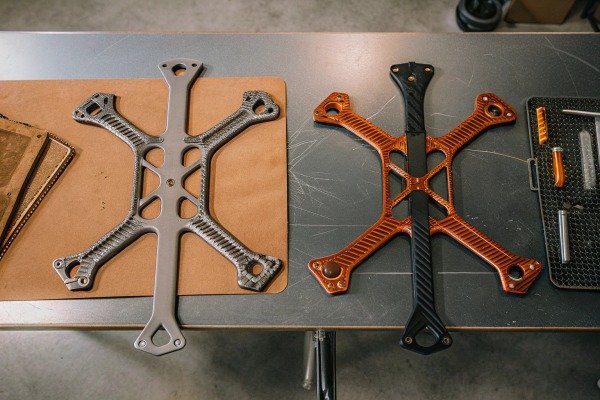
يمكن أن يكون لدى الطائرة بدون طيار أفضل المضخات والفوهات، ولكن إذا كان برنامج التحكم ضعيفًا، فستحصل على شرائط غير متساوية في حقلك. وهذا ما يسمى بتأثير "شريط الحمار الوحشي". يحدث ذلك عندما تتباطأ الطائرة بدون طيار في الدوران ولكن المضخة تستمر في الرش بكامل طاقتها. وينتهي بك الأمر بحرق المحصول عند المنعطفات والرش الناقص في الخطوط المستقيمة.
أهمية أجهزة قياس التدفق
اسأل المورد الخاص بك عن نوع مقياس التدفق الموجود بالداخل. يمكن أن تعلق العدادات التوربينية البسيطة بالحطام. نحن نفضل مقاييس التدفق الكهرومغناطيسي عالية الدقة. مقاييس التدفق الكهرومغناطيسي 9 وهي تقيس سرعة السائل الموصّل دون تحريك الأجزاء. وهي توفر تغذية مرتدة في الوقت الفعلي إلى كمبيوتر الطيران.
وقت الاستجابة والكمون
يجب أن تطلب بيانات عن "زمن استجابة الخطوة". يقيس هذا مدى سرعة استجابة المضخة عندما تتسارع الطائرة بدون طيار. إذا زادت سرعة الطائرة بدون طيار من 2 م/ث إلى 6 م/ث فإن المضخة تحتاج إلى مضاعفة معدل التدفق ثلاث مرات على الفور. التأخر ولو لثانيتين يعني أن مترين من الحقل أقل من المطلوب. ابحث عن زمن استجابة أقل من 500 ميلي ثانية.
معامل التباين (CV)
في الزراعة الاحترافية، تُقاس الدقة بمعامل التباين (CV) معامل التباين (CV) 10. يمثل هذا الرقم انتظام الرذاذ.
- السيرة الذاتية < 15%: اتساق ممتاز (درجة بحثية).
- السيرة الذاتية < 30%: مقبولة للتطبيق التجاري.
- CV > 30%: ضعف التماثل، مما يؤدي إلى ظهور خطوط.
تتبع التضاريس والرادار
يعتمد ثبات التدفق على ثبات الارتفاع. إذا كانت الطائرة بدون طيار تطفو لأعلى ولأسفل، يتغير عرض الرذاذ. هذا يفسد حساب الجرعة. اطلب بيانات الاختبار من رادار تتبع التضاريس. يجب أن تُظهر البيانات أن الطائرة بدون طيار تحافظ على ارتفاع ثابت (على سبيل المثال، 2.5 متر) فوق أرض غير مستوية. بدون ذلك، تكون حسابات معدل التدفق عديمة الفائدة لأن المنطقة المستهدفة تتغير باستمرار.
قائمة مراجعة التحقق من التحكم في التدفق
عند تقييم حزمة بيانات أحد الموردين، ابحث عن هذه التقارير المحددة.
| نقطة البيانات | ما الذي تبحث عنه | لماذا هو أمر بالغ الأهمية |
|---|---|---|
| منحنى التدفق مقابل منحنى السرعة | الارتباط الخطي | يضمن ثبات الجرعة لكل فدان. |
| زمن استجابة الخطوة | < أقل من 0.5 ثانية | يمنع نقص/زيادة الجرعة أثناء التسارع. |
| ثبات عرض الرذاذ | عرض ثابت عند سرعات متغيرة | يمنع الفجوات بين خطوط الطيران. |
| خطأ في العداد الكهرومغناطيسي | <± 2% | يضمن تطابق حجم الرش مع الخطة. |
الخاتمة
شراء طائرة زراعية بدون طيار زراعية هو استثمار رأسمالي وليس شراء لعبة. من خلال التدقيق في نوع الفوهة، وميكانيكا المضخة، وتكوين المواد، وبيانات التحكم في التدفق، فإنك تضمن أن معداتك تدوم لفترة أطول وتؤدي أداءً أفضل. لا تكتفي بالتسويق المبهرج؛ ابحث عن البيانات الهندسية التي تضمن الدقة والمتانة في الحقل.
الحواشي
1. مورد تعليمي يقارن بين أنواع الفوهات وآثار الانجراف. ︎
2. الشركة المصنعة الرئيسية لفوهات الرش الزراعي. ︎
3. هيئة الصناعة التي تحدد معايير تصنيف حجم القطرات. ︎
4. إرشادات السلامة الحكومية للعمال الزراعيين. ︎
5. تعريف هذه المادة وخصائصها. ︎
6. معلومات تنظيمية عن استخدام مبيدات الآفات وسلامتها. ︎
7. شركة رائدة في شرح تكنولوجيا مضخات الدفع المغناطيسي. ︎
8. نظرة عامة على آلية الضخ التمعجي. ︎
9. نظرة عامة تقنية لتقنية قياس التدفق المذكورة. ︎
10. المعيار الدولي لفحص انتظام توزيع الرشاشات. ︎

 English
  Español de México
  Deutsch
  Français
  Русский
  العربية
