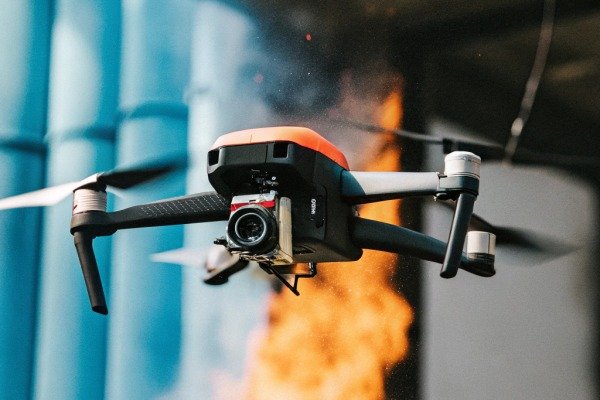
عندما نقوم بتكوين وحدات تحكم الطيران لعملائنا في الولايات المتحدة، نعلم أن الفشل في اجتياز فحوصات الامتثال لإدارة الطيران الفيدرالية يمكن أن يؤدي إلى تعطيل أسطول كامل لمكافحة الحرائق قبل إخماد أول شرارة. لا يمكنك تحمل نشر معدات تم تعطيلها قانونيًا.
يجب عليك التحقق من أن طراز الطائرة بدون طيار المحدد مدرج في إعلان الامتثال للطائرات بدون طيار التابع لإدارة الطيران الفيدرالية (FAA) 1 (DOC) قاعدة بيانات برقم تسلسلي معتمد للتعريف عن بعد (RID). بالإضافة إلى ذلك، اطلب من المورد تقديم دليل مادي على ASTM F3411 2-22a-RID-B ملصق الامتثال على هيكل الطائرة وإثبات أن البرامج الثابتة تفرض قفلًا عند الإقلاع إذا تعطل نظام التعريف عن بعد.
دعنا نفصل خطوات التحقق المحددة لضمان بقاء أسطولك قانونيًا لوائح التعريف عن بعد التابعة لإدارة الطيران الفيدرالية (FAA) 3 وعمليًا.
كيف يمكنني التحقق من أن طرازًا محددًا من طائرات بدون طيار لمكافحة الحرائق مدرج في قاعدة بيانات إعلان الامتثال التابعة لإدارة الطيران الفيدرالية (FAA)؟
غالبًا ما يساعد فريق التصدير لدينا العملاء في الربط المرجعي لأرقام طرازاتنا الداخلية مع قواعد البيانات الفيدرالية لمنع مصادرة الجمارك ورفض التسجيل. تجاهل هذه الخطوة هو السبب الأكثر شيوعًا لفشل الاستيراد.
انتقل إلى موقع إعلان الامتثال للطائرات بدون طيار التابع لإدارة الطيران الفيدرالية (FAA) إعلان الامتثال للطائرات بدون طيار التابع لإدارة الطيران الفيدرالية (FAA) 4 وابحث باستخدام اسم الطراز المحدد للشركة المصنعة أو معرف FCC. تأكد من أن الحالة مدرجة على أنها “مقبولة” وأن نطاق الرقم التسلسلي المحدد لعملية الشراء المحتملة الخاصة بك مغطى بموجب سجل الإعلان المعتمد هذا.

التحقق من طائرة بدون طيار في قاعدة بيانات إعلان الامتثال (DOC) التابعة لإدارة الطيران الفيدرالية (FAA) لا يقتصر على كتابة اسم في شريط البحث. يتطلب فهم كيفية قيام الشركات المصنعة بتسجيل أجهزتها. غالبًا ما يختلف الاسم التسويقي للطائرة بدون طيار عن رقم الطراز التنظيمي الخاص بها. على سبيل المثال، قد نقوم بتسويق طائرة بدون طيار باسم “SkyRover FireGuard 300”، ولكن نقوم بتسجيلها قانونيًا باسم “SR-FG-300”. إذا بحثت عن الاسم التسويقي، فقد تجد صفر نتائج، مما يؤدي إلى افتراض خاطئ بأن الطائرة بدون طيار غير متوافقة.
عند الوصول إلى موقع FAA DOC موقع FAA DOC 5, ، فأنت تبحث عن حالة “مقبولة”. يشير هذا إلى أن إدارة الطيران الفيدرالية قد راجعت الإعلان الذاتي للشركة المصنعة ووافقت على أن الطائرة بدون طيار تلبي معايير ASTM F3411 معيار ASTM F3411-22a 6. حالة “تم الإرسال” أو “قيد الانتظار” ليست كافية لاتخاذ قرار الشراء النهائي. أنت بحاجة إلى اليقين القانوني بالقبول.
علاوة على ذلك، يجب عليك الانتباه جيدًا إلى منطق الرقم التسلسلي. غالبًا ما يرتبط موافقة إدارة الطيران الفيدرالية بنطاق محدد من الأرقام التسلسلية. إذا قامت شركة مصنعة بتحديث طراز ولكنها غيرت المكونات الداخلية بشكل كبير، فقد تصدر إعلان امتثال جديد. تحتاج إلى التأكد من المورد الخاص بك من أن الوحدة المحددة التي تشتريها تقع ضمن نطاق الرقم التسلسلي المعتمد.
إليك دليل حول كيفية تفسير البيانات التي ستجدها على موقع إدارة الطيران الفيدرالية:
فهم مؤشرات حالة إعلان الامتثال (DOC) التابعة لإدارة الطيران الفيدرالية (FAA)
| تسمية الحالة | المعنى للمشتري | الإجراء المطلوب |
|---|---|---|
| مقبول | الطائرة بدون طيار متوافقة تمامًا ومعترف بها قانونيًا. | آمن للشراء. تابع للتحقق من نطاقات الأرقام التسلسلية. |
| تم الإلغاء | قامت إدارة الطيران الفيدرالية (FAA) بإلغاء الموافقة، عادةً بسبب قضايا تتعلق بالسلامة أو عدم الامتثال. | لا تشترِ. تشغيل الطائرة بدون طيار غير قانوني في الولايات المتحدة. |
| قيد الانتظار | قدمت الشركة المصنعة الأوراق، لكن إدارة الطيران الفيدرالية (FAA) لم تنهيها بعد. | انتظر. لا توقع عقدًا حتى يتغير الوضع إلى “مقبول”.” |
| غير نشط | سحبت الشركة المصنعة الإعلان طواعية. | اسأل المورد عن السبب. عادةً ما يعني ذلك أن النموذج قد تم إيقافه. |
تفصيل حاسم آخر هو معرف لجنة الاتصالات الفيدرالية (FCC ID). يجب أن يكون لكل طائرة بدون طيار تبث إشارات التعريف عن بعد (Remote ID) عبر شبكة Wi-Fi أو Bluetooth منحة من لجنة الاتصالات الفيدرالية (FCC). غالبًا ما يمكنك البحث في قاعدة بيانات إعلان الامتثال (DOC) باستخدام معرف لجنة الاتصالات الفيدرالية (FCC ID) إذا كان اسم الطراز مربكًا. يوفر هذا طبقة ثانية من التحقق. إذا كان معرف لجنة الاتصالات الفيدرالية (FCC ID) الموجود على الطائرة بدون طيار لا يتطابق مع المعرف الموجود في قاعدة بيانات إعلان الامتثال (DOC)، فأنت تواجه عدم تطابق في الامتثال، ويجب رفض الطائرة بدون طيار.
ما هي المستندات التي يجب أن أطلبها من المورد لإثبات الالتزام ببروتوكولات التعريف عن بعد القياسية؟
خلال عمليات تدقيق الجودة لدينا وفقًا لمعايير ISO عمليات تدقيق الجودة وفقًا لمعايير ISO 7, ، نقوم بتجميع ملفات فنية محددة تثبت أن إشارات الإرسال لدينا تلبي معايير ASTM، ويجب عليك المطالبة برؤية هذه الملفات قبل الدفع. الثقة في ضمان شفهي هي مسؤولية.
اطلب شهادة إعلان الامتثال (DOC)، ودليل مستخدم يوضح وظيفة الاختبار الذاتي لنظام التعريف عن بعد (RID)، وصورًا مقربة للملصق الدائم للامتثال الموجود على هيكل الطائرة. اطلب أيضًا منحة ترخيص المعدات من لجنة الاتصالات الفيدرالية (FCC) التي تشير صراحةً إلى نطاقات تردد إرسال التعريف عن بعد (Remote ID).

الأوراق هي الدرع الذي يحمي قرار الشراء الخاص بك. يجب أن يكون المورد ذو السمعة الطيبة قادرًا على تقديم “حزمة امتثال” فورًا عند الطلب. أهم وثيقة هي نسخة من تقديم إعلان الامتثال (DOC). بينما يمكنك البحث عنها عبر الإنترنت، فإن الاحتفاظ بنسخة مقدمة من المورد يضمن أنهم على دراية بوضعهم القانوني الخاص.
ومع ذلك، فإن المستندات وحدها لا تكفي؛ تحتاج إلى دليل مادي على الملصقات. تتطلب اللوائح الأمريكية أن يتم وضع ملصق على الطائرة بدون طيار للإشارة إلى الامتثال. يجب أن يكون هذا الملصق مقروءًا ومتينًا ودائمًا. لا يمكن أن يكون ملصقًا يتقشر في المطر أو حرارة النار. نضمن أن ملصقاتنا محفورة بالليزر أو مطبوعة على بوليمرات صناعية عالية المتانة. يجب عليك طلب صورة عالية الدقة للطائرة بدون طيار الفعلية التي تشتريها (أو وحدة عينة) تُظهر هذا الملصق. يجب أن تقرأ عادةً شيئًا مثل “ASTM F3411-22a-RID-B” أو نص قياسي مشابه.
تحتاج أيضًا إلى مراجعة دليل المستخدم. تتطلب لوائح إدارة الطيران الفيدرالية (FAA) من الشركة المصنعة شرح كيفية عمل نظام التعريف عن بعد (Remote ID) للطيار. يجب أن يصف الدليل:
- كيف يشير الدرون إلى أن نظام المعرف عن بعد يعمل بشكل صحيح (على سبيل المثال، ضوء LED أخضر أو إشعار في التطبيق).
- ماذا يحدث إذا فشل نظام المعرف عن بعد (على سبيل المثال، “تنبيه أحمر” على وحدة التحكم).
- كيفية التحقق من رقم المعرف عن بعد التسلسلي المحدد داخل التطبيق.
إذا لم يذكر دليل المستخدم هذه الميزات، فقد يكون “الامتثال” مجرد إضافة للأجهزة غير مدمجة بالكامل في تجربة المستخدم، مما يشكل خطرًا على امتثال الطيارين لديك.
قائمة المستندات الأساسية للمشتريات
| المستند / العنصر | الغرض | نقطة التحقق الرئيسية |
|---|---|---|
| شهادة DOC | يثبت تسجيل إدارة الطيران الفيدرالية (FAA). | طابق رقم التتبع مع موقع إدارة الطيران الفيدرالية (FAA) على الويب. |
| منحة لجنة الاتصالات الفيدرالية (FCC) | يثبت قانونية البث اللاسلكي. | ابحث عن نطاقات تردد Wi-Fi/Bluetooth المخصصة لـ RID. |
| دليل المستخدم | يوضح التكامل التشغيلي. | يجب أن يتضمن قسمًا حول “معالجة أخطاء المعرف عن بعد”.” |
| صورة الملصق | يثبت الامتثال المادي. | يجب أن يكون دائمًا ومرئيًا على السطح الخارجي. |
| ملاحظة البرنامج الثابت | يثبت منطق البرنامج. | بيان يؤكد أن الطائرة بدون طيار لن تقلع إذا فشل نظام تحديد الهوية عن بعد (RID). |
أخيرًا، اطلب “شهادة الامتثال”. هذا بيان رسمي من الشركة المصنعة يعلن أن الطائرة بدون طيار تلبي متطلبات الأداء للقاعدة. على الرغم من أنها أقل رسمية من قاعدة بيانات إدارة الطيران الفيدرالية (FAA)، إلا أنها وثيقة ملزمة قانونًا في العمليات التجارية عمليات مكافحة الحرائق التجارية 8 المعاملات التي تحمل المورد المسؤول إذا تبين أن المنتج غير مطابق لاحقًا.
هل أحتاج إلى طائرة بدون طيار مزودة بتعريف عن بعد قياسي مدمج أم أن وحدة بث كافية لعملياتي؟
غالبًا ما ننصح الوكالات التي تستبدل الأساطيل القديمة بأن إضافة وحدات خارجية يمكن أن تشكل مخاطر هوائية في البيئات ذات الحرارة العالية، بينما توفر الأنظمة المتكاملة موثوقية أفضل. يعتمد الاختيار على ملف تعريف مهمتك.
بالنسبة لعمليات مكافحة الحرائق التجارية الجديدة بموجب الجزء 107، يجب عليك شراء طائرات بدون طيار مزودة بنظام تحديد الهوية عن بعد القياسي المدمج. تم تصميم وحدات البث لإعادة تجهيز الطائرات القديمة وتقييدك بعمليات خط الرؤية المرئي (VLOS)، مما يحد بشدة من القدرات التكتيكية أثناء مهام قمع حرائق الغابات المعقدة.
التمييز بين “تحديد الهوية عن بعد القياسي” (مدمج) و “وحدة بث تحديد الهوية عن بعد” (إضافة) أمر بالغ الأهمية لعمليات مكافحة الحرائق. في حين أن كلاهما يلبي متطلبات إدارة الطيران الفيدرالية الأساسية لبث إشارة، إلا أن لهما آثارًا تشغيلية مختلفة تمامًا.
يتم دمج تحديد الهوية عن بعد القياسي في أجهزة وبرامج الطائرة بدون طيار على مستوى المصنع. تسحب الطاقة من البطارية الرئيسية للطائرة بدون طيار وتتواصل مباشرة مع وحدة التحكم في الطيران. والأهم من ذلك، أن تحديد الهوية عن بعد القياسي يسمح بعمليات ما وراء خط الرؤية المرئي (BVLOS) ما وراء خط الرؤية البصرية 9 (مع التصاريح المناسبة). في سيناريو حرائق الغابات الكبيرة، حيث قد تحتاج إلى الطيران فوق تلة للتحقق من نقطة ساخنة، فإن وجود نظام قادر على BVLOS أمر ضروري.
وحدات البث هي أجهزة منفصلة تقوم بتثبيتها بشريط لاصق أو شريط لاصق على الطائرة بدون طيار. لديهم بطاريتهم ونظام تحديد المواقع العالمي الخاص بهم. تتعامل إدارة الطيران الفيدرالية مع الطائرات بدون طيار المزودة بوحدات بشكل مختلف: أنت مقيد تمامًا بخط الرؤية المرئي (VLOS). إذا طارت طائرة مكافحة الحرائق الخاصة بك خلف عمود دخان أو مبنى وفقدت رؤيتها، فأنت تنتهك قيود التشغيل الخاصة بالوحدة تقنيًا.
علاوة على ذلك، ضع في اعتبارك البيئة المادية لمكافحة الحرائق. الحرارة العالية والاضطرابات والحركات السريعة شائعة. الوحدة الخارجية المثبتة باللاصق أو الشريط اللاصق هي نقطة فشل محتملة. إذا سقطت الوحدة، فإن الطائرة بدون طيار لم تعد مطابقة. إذا نفدت البطارية الداخلية الصغيرة للوحدة لأن شخصًا ما نسي شحنها بشكل منفصل، فإن الطائرة بدون طيار غير مطابقة.
المقارنة: متكامل مقابل وحدة لمكافحة الحرائق
| الميزة | تحديد الهوية عن بعد القياسي (مدمج) | وحدة البث (إضافة) |
|---|---|---|
| الحد التشغيلي | قادر على الطيران خارج خط البصر (مع إعفاء). | مقتصر على الطيران داخل خط البصر فقط. |
| مصدر الطاقة | بطارية الطائرة بدون طيار الرئيسية (موثوقة). | بطارية منفصلة (يجب شحنها). |
| التكامل | يتواصل مع وحدة التحكم في الطيران. | مستقل (جهاز غبي). |
| قفل الإقلاع | يمنع الإقلاع إذا فشل نظام تعريف الطائرة عن بعد (RID). | لا يوجد منع للإقلاع (مخاطرة على الطيار). |
| المتانة | محمي داخل الهيكل. | معرض للحرارة والماء والصدمات. |
| بث البيانات | خطوط عرض وخطوط طول الطائرة بدون طيار + خطوط عرض وخطوط طول محطة التحكم. | خطوط عرض وخطوط طول الطائرة بدون طيار + موقع الإقلاع. |
يمثل اختلاف بث البيانات أهمية بالغة أيضًا. يبث معيار الهوية عن بُعد موقع محطة التحكم (الطيار). يتيح ذلك للسلطات تحديد موقعك إذا احتاجوا إلى تنسيق المجال الجوي. عادةً ما يبث الوحدة موقع الإقلاع. في مشهد حريق ديناميكي حيث يقوم قائد الحادث بتحريك مركبة القيادة، تستمر الوحدة في بث نقطة الإقلاع القديمة، وهو أمر أقل فائدة للتنسيق المتعلق بالسلامة.
كيف أتأكد من أن المورد يوفر تحديثات للبرامج الثابتة للحفاظ على الامتثال للتعريف عن بعد بمرور الوقت؟
يقوم مهندسو البرمجيات لدينا بإصدار تحديثات ربع سنوية لمعالجة بروتوكولات الراديو المتغيرة، مما يضمن عدم تقادم أجهزتنا بسبب تفصيل فني تنظيمي. الدعم طويل الأجل مهم بنفس القدر مثل البيع الأولي.
قم بتقييم سجل المورد في إصدارات البرامج الثابتة واطلب اتفاقية مستوى الخدمة (SLA) التي تضمن الدعم للتغييرات التنظيمية المستقبلية لإدارة الطيران الفيدرالية (FAA). تحقق مما إذا كانت الطائرة بدون طيار تدعم تحديثات "عبر الهواء" (OTA) لتصحيح منطق بث الهوية عن بُعد بسرعة دون الحاجة إلى شحن الأجهزة مرة أخرى إلى المصنع.

اللوائح ليست ثابتة. قد تقوم إدارة الطيران الفيدرالية (FAA) بتحديث المعايير الفنية لبث الهوية عن بُعد، مثل تغيير تردد الرسالة المطلوب أو تنسيق البيانات المحدد. إذا عامل مُصنِّع الطائرة بدون طيار لديك البيع كمعاملة لمرة واحدة، فإنك تخاطر بامتلاك أسطول من الطائرات بدون طيار “المعطلة” في غضون عامين.
يجب عليك تقييم النظام البيئي للبرامج الخاص بالمورد. اسألهم عن كيفية معالجتهم لتحديثات البرامج الثابتة. يجب أن تدعم الطائرة الصناعية الحديثة تحديثات "عبر الهواء" (OTA) عبر شبكة Wi-Fi تحديثات "عبر الهواء" (OTA) 10 أو اتصال بالكمبيوتر. يتيح ذلك للمُصنِّع دفع تصحيح امتثال إلى أسطولك على الفور. إذا طلب منك المورد شحن الطائرة بدون طيار مرة أخرى إلى الصين أو مركز خدمة للتحديثات، فهذه كابوس لوجستي لا يمكنك تحمله خلال موسم الحرائق.
يجب عليك أيضًا الاستفسار عن منطق “الاختبار الذاتي” في البرنامج الثابت. يجب على الطائرات بدون طيار المتوافقة إجراء فحص ذاتي قبل الإقلاع للتأكد من أن وحدة الهوية عن بُعد تبث. إذا لم يكن الأمر كذلك، فيجب على الطائرة بدون طيار رفض تسليح المحركات فعليًا. اطلب من المورد توضيح ذلك. ماذا يحدث إذا كان نظام تحديد المواقع العالمي (GPS) ضعيفًا؟ ماذا يحدث إذا كان جهاز إرسال الهوية عن بُعد الداخلي تالفًا؟ يجب أن يكون البرنامج الثابت ذكيًا بما يكفي لتشخيص هذه المشكلات وتنبيه الطيار.
أسئلة تقييم برامج المورد
| سؤال لطرحه على المورد | الإجابة المرغوبة | علامة تحذير |
|---|---|---|
| كيف يتم تسليم التحديثات؟ | “عبر الهواء (OTA) عبر تطبيقنا.” | “يجب عليك إرسال وحدة التحكم في الطيران إلينا بالبريد.” |
| ما هي دورة حياة الدعم الخاصة بك؟ | “نحن ندعم البرامج الثابتة لمدة تزيد عن 5 سنوات.” | “نحن ندعمها حتى يخرج النموذج التالي.” |
| هل يقوم البرنامج الثابت بقفل المحركات عند فشل RID؟ | “نعم، لن يتم تشغيل الطائرة بدون طيار.” | “لا، إنها تعطي تحذيرًا فقط ولكنها تسمح لك بالطيران.” |
| هل قمت بالتحديث لـ RID من قبل؟ | “نعم، قمنا بتصحيح نماذجنا لعام 2022 لتلبية قواعد عام 2024.” | “لم نقم بتحديث البرنامج الثابت من قبل.” |
أخيرًا، ابحث عن اتفاقية مستوى الخدمة (SLA) أو بند الضمان الذي يذكر صراحةً الامتثال التنظيمي. سيضمن بعض المصنعين المتطورين أن أجهزتهم ستظل متوافقة مع القوانين الحالية لفترة محددة، واعدين بإعادة الشراء أو الترقية المجانية إذا أصبحت الأجهزة قديمة قانونيًا بسبب إشراف تصنيعي. هذا المستوى من الالتزام يظهر جديتهم تجاه السوق الأمريكية.
الخاتمة
الفحص الدقيق للامتثال لـ Remote ID يحمي وكالتك من المسؤولية القانونية ويضمن جاهزية المهمة. تحقق دائمًا من الأوراق الرقمية واختبر الضمانات المادية للأجهزة قبل التوقيع على أمر الشراء الفعلي.
الحواشي
- قاعدة بيانات حكومية رسمية للتحقق من امتثال الطائرات بدون طيار للوائح Remote ID. ︎
- المعيار الفني الصناعي الذي يحدد متطلبات بث Remote ID وبياناته. ︎
- إرشادات FAA الرسمية بشأن قواعد Remote ID للمشغلين. ︎
- قاعدة بيانات رسمية للتحقق من حالة امتثال الطائرات بدون طيار. ︎
- بوابة FAA الرسمية المستخدمة لتأكيد قبول إعلان الامتثال الخاص بالشركة المصنعة للطائرات بدون طيار. ︎
- المعيار الفني الذي يحدد متطلبات الهوية عن بعد للطائرات بدون طيار. ︎
- المعايير الدولية لإجراءات تشغيل الطائرات بدون طيار وجودتها. ︎
- إرشادات إدارة الطيران الفيدرالية الرسمية لعمليات الطائرات بدون طيار التجارية بموجب لوائح الجزء 107. ︎
- خلفية عامة حول مفهوم العمليات خارج خط البصر (BVLOS). ︎
- خلفية عامة حول أنظمة توصيل البرامج الثابتة اللاسلكية للحفاظ على امتثال الأجهزة. ︎

 English
  Español de México
  Deutsch
  Français
  Русский
  العربية
