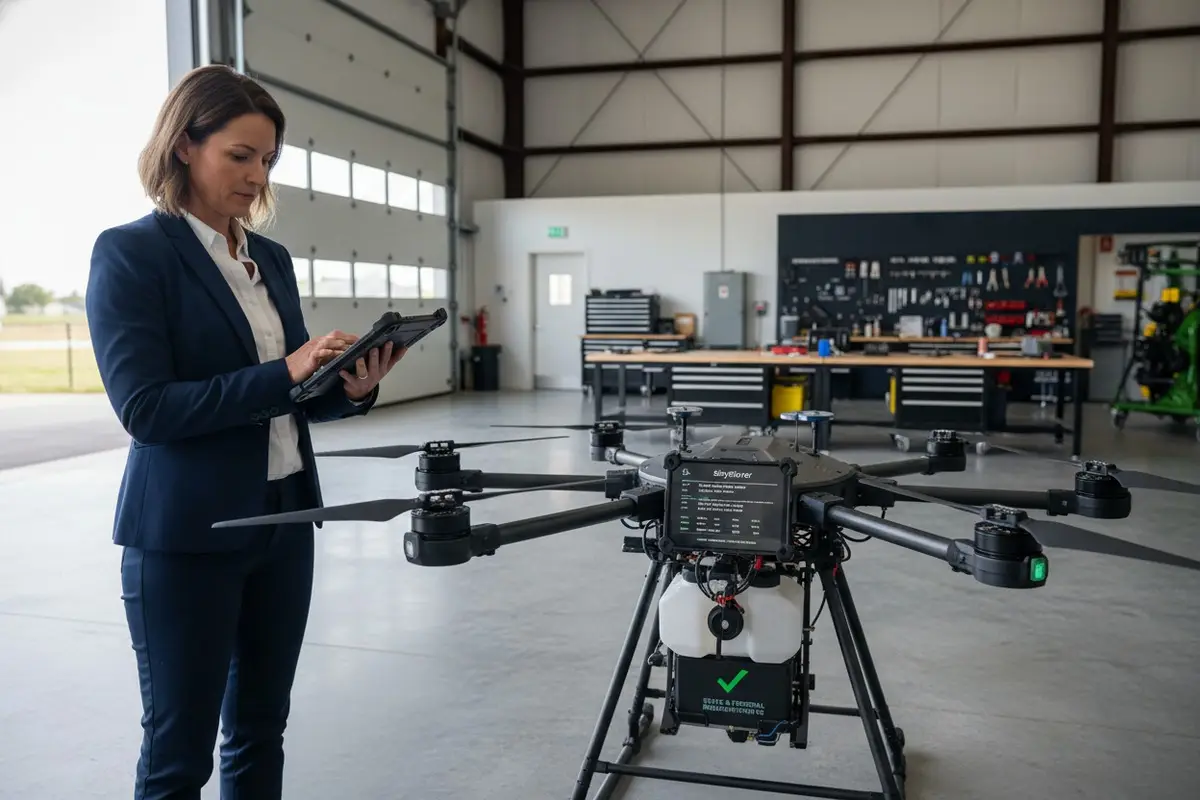
Every week on our production floor, we hear from American buyers confused about pesticide records National Pesticide Information Center 1. They want our hexacopter drones but worry about state compliance. The rules vary wildly. Miss one requirement, and you face fines up to $50,000.
When buying agricultural drones in the U.S., you must follow both federal FIFRA rules requiring nine data points for Restricted Use Pesticides and your state’s specific pesticide applicator laws. States mandate additional drone-specific logs including flight hours, GPS coordinates, weather conditions, and maintenance records. Check your state agriculture department for exact requirements before purchase.
The compliance landscape keeps shifting. Let me walk you through exactly what records you need, how to find your state rules, and what drone features matter most for staying legal.
How do I find the specific pesticide record-keeping laws that apply to my drone operations in my state?
Our export team fields this question daily from distributors across America digital agronomy platforms 2. The answer seems simple but trips up many operators. You need to check multiple agencies. Miss one source, and your records may fall short during an audit.
Start with your state's Department of Agriculture website and search for "pesticide applicator certification" plus "aerial application." Most states list drone-specific requirements under agricultural aviation rules. The National Pesticide Information Center at npic.orst.edu/reg/state_agencies.html provides direct links to all 50 state pesticide regulatory agencies.

The Federal Foundation You Must Know First
Before diving into state rules, understand the federal baseline. The EPA's FIFRA law governs all pesticide use. For Restricted Use Pesticides 3, which cover most drone-applied chemicals, you must record nine specific data points within 14 days of application.
| Federal FIFRA Required Data Points | Description |
|---|---|
| Brand/Product Name | The exact commercial name on the label |
| EPA Registration Number 4 | Found on every pesticide container |
| Total Amount Applied | Measured in gallons, pounds, or ounces |
| Application Date | Month, day, and year format |
| Location | Field identification or address |
| Crop/Commodity/Site | What was treated |
| Area Size | Acreage or square footage |
| Applicator Name | Person who operated the equipment |
| Certification Number | Your pesticide license number |
Keep these records for two years minimum. No specific form exists. A spreadsheet works fine.
State Agency Contact Strategy
When we ship drones to different states, we provide buyers a simple lookup process. First, visit your state agriculture department 5's main website. Search terms that work include "pesticide regulation," "aerial applicator license," and "agricultural drone permit."
Second, call the pesticide regulatory division directly. Explain you operate a spray drone. Ask specifically about record-keeping beyond federal requirements.
Third, check if your state has published drone-specific guidance. North Carolina released a detailed "Guidance on Licensed UAV Applicator" document. Other states like California and Texas have similar publications.
State Variation Examples
State rules differ significantly. Some add minimal requirements. Others demand extensive documentation.
| State | Extra Requirements Beyond Federal |
|---|---|
| North Carolina | Skills tests, maintenance logs, $25 annual inspection fee, UAV operator permit |
| California | Restricted materials permits, county notification, detailed application reports |
| Texas | Commercial applicator license for any aerial work, flight logs |
| Florida | Business license, proof of insurance, equipment calibration records |
| Iowa | Neighbor notification records, drift buffer documentation |
The private versus commercial distinction is blurring. Many states now require private applicators on their own farms to follow commercial standards. North Carolina mandates this starting in 2025.
Using Professional Networks
State pesticide applicator associations often have compliance guides. The National Agricultural Aviation Association 6 tracks rule changes. Local extension offices from land-grant universities 7 provide free consultation.
Our U.S. dealers often join state drone operator associations. These groups share compliance updates and template record forms. The investment pays off when audit time comes.
Can my agricultural drone software help me automate the pesticide application logs required by my local regulators?
When we design flight controller software at our facility, compliance automation ranks high on our priority list. American buyers specifically request features that reduce paperwork. Good news: modern drone systems can capture most required data automatically.
Yes, agricultural drone software can automate most pesticide application logs. Advanced systems record GPS coordinates, flight paths, spray rates, timestamps, and weather data automatically. The software exports this information to digital agronomy platforms for storage and reporting. However, you must still manually enter pesticide product details, EPA registration numbers, and applicator certification information.
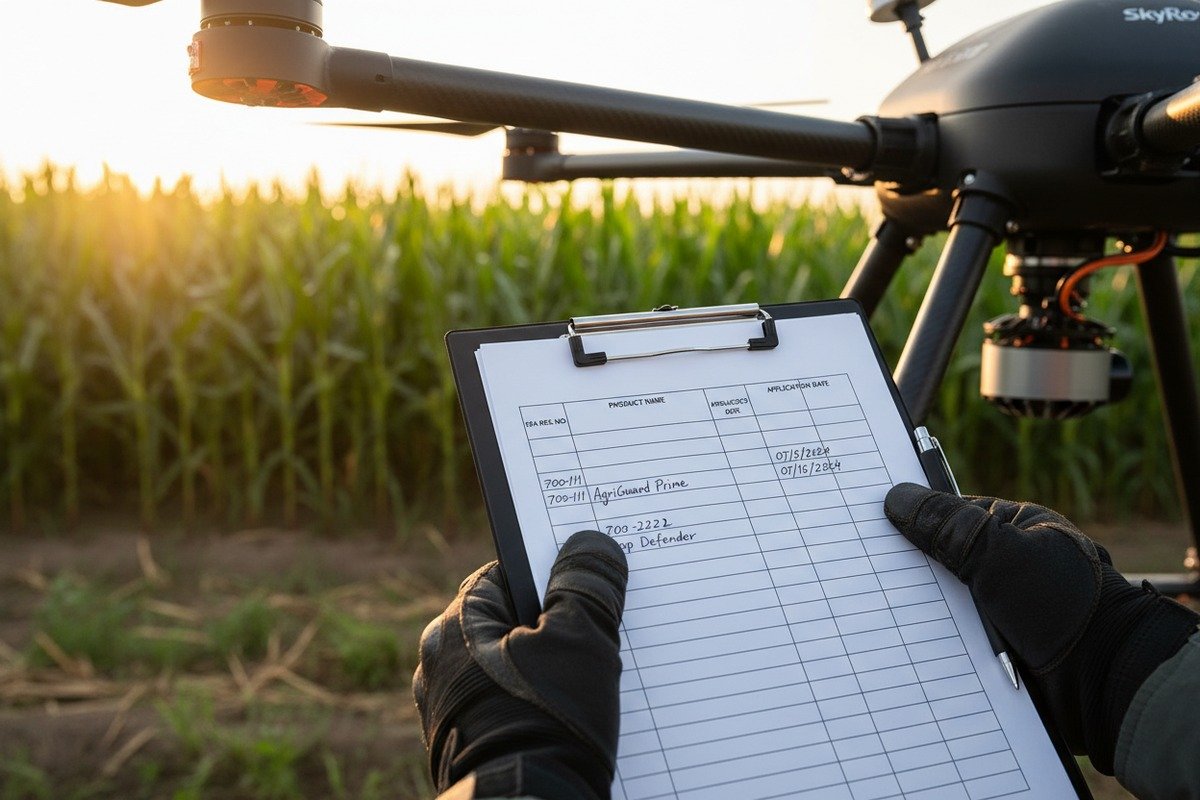
What Modern Drone Software Captures Automatically
Our hexacopter systems include integrated flight logging. The moment you power up, data collection begins. Throughout your spray mission, the system records everything regulators want to see.
| Data Type | Automatic Capture | Manual Entry Required |
|---|---|---|
| GPS Flight Path | Yes | No |
| Application Start/End Time | Yes | No |
| Spray Rate Per Acre | Yes | No |
| Total Volume Dispensed | Yes | No |
| Weather Conditions | Yes (with sensors) | Sometimes |
| Wind Speed/Direction | Yes (with sensors) | Sometimes |
| Temperature/Humidity | Yes (with sensors) | Sometimes |
| Pesticide Product Name | No | Yes |
| EPA Registration Number | No | Yes |
| Applicator Certification | No | Yes |
| Crop Type | No | Yes |
Integration With Farm Management Platforms
The real power comes from software integration. Our drones connect with platforms like John Deere Operations Center, Climate FieldView, and Granular. After each flight, records sync automatically to the cloud.
This integration creates a compliance backup. Even if your local device fails, records exist on secure servers. During audits, you pull reports instantly rather than digging through paper files.
Setting Up Your Compliance Workflow
First, configure your drone software with your applicator information. Enter your certification number, business license, and operator details. This data populates every log automatically.
Second, create pesticide product profiles. Enter the EPA registration number, product name, and label requirements for chemicals you use regularly. Select the profile before each application.
Third, enable weather sensor logging. If your drone lacks onboard weather sensors, connect to a nearby weather station API. Our systems support this integration.
Fourth, schedule automatic cloud backups. Set the software to upload logs within 24 hours of each application. This meets the 14-day federal deadline with margin to spare.
Cybersecurity Considerations
Digital records create new responsibilities. When our engineering team developed cloud connectivity features, we built encryption into every data transfer. Your pesticide records contain sensitive business information.
Use strong passwords on farm management accounts. Enable two-factor authentication 9 when available. If using third-party cloud storage, review their data privacy policies. Ask specifically who can access your application records.
Some states may request access to your digital records during audits. Understand your rights before granting system access. Keep local backups in case of service interruptions.
What data points must I include in my drone spray records to stay compliant with state-level environmental rules?
In our experience exporting to the U.S. market, buyers often underestimate state environmental requirements. Federal rules cover basic application data. State environmental agencies want proof you protected surrounding areas. Missing these details invites drift lawsuits and permit revocation.
Your drone spray records must include the nine federal FIFRA data points plus state-mandated environmental data: GPS coordinates of spray boundaries, buffer zone distances from water bodies and sensitive areas, wind speed and direction during application, temperature and humidity readings, neighbor notification records, and post-application field monitoring notes. Environmental compliance varies by state and pesticide type.
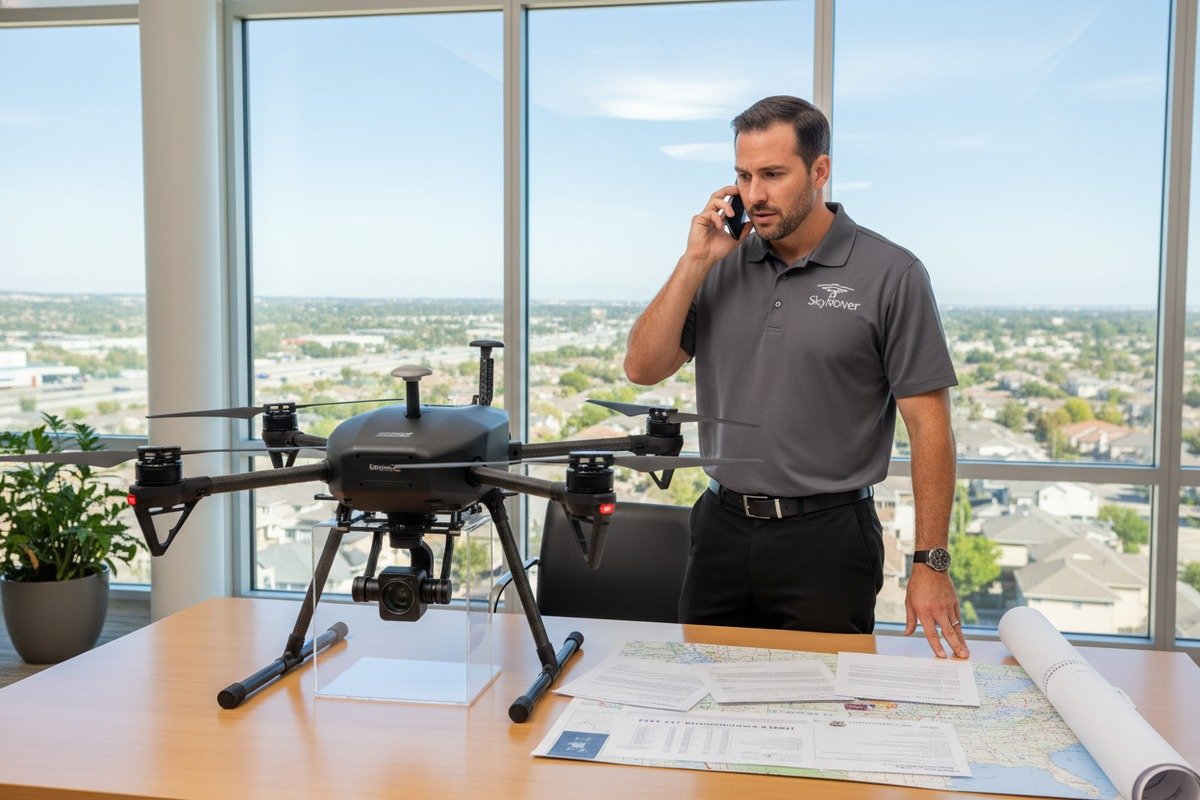
Core Environmental Data Points
Beyond basic application records, environmental compliance demands specific measurements. When we calibrate our spray systems, we configure sensors to capture this data continuously.
| Environmental Data Point | Why Regulators Require It |
|---|---|
| Wind Speed | Proves drift risk was acceptable |
| Wind Direction | Shows spray moved away from sensitive areas |
| Temperature | Confirms application within label requirements |
| Humidity | Affects pesticide volatilization |
| Buffer Distances | Documents protection of water and habitats |
| Spray Droplet Size | Proves drift-reducing nozzles were used |
| Application Altitude | Confirms proper dispersal height |
Buffer Zone Documentation
Most states require documented setbacks from sensitive areas. These include water bodies, schools, residential properties, and endangered species habitats. Your records must prove you maintained proper distances.
Our GPS logging systems create application maps showing exact spray boundaries. These maps overlay with property lines, waterways, and designated protected zones. During audits, you provide visual proof of compliance.
Calculate buffer distances before flight. Enter them into your flight planning software. The system prevents spray release if you approach restricted zones. This creates both prevention and documentation.
Weather Recording Best Practices
Label requirements specify weather conditions for application. Most pesticides restrict application when wind exceeds 10 mph. Temperature limits protect against volatilization and drift.
Record weather at application start and every 15-30 minutes during extended operations. Our drones with weather sensors log continuously. Export this data with timestamps matching your spray activity.
If conditions change mid-application, note when you stopped and why. This demonstrates responsible operation. It also protects you if drift occurs despite following protocols.
Neighbor Notification Records
Some states require advance notice to adjacent property owners before aerial pesticide application. Keep copies of written notifications with dates sent. Record any responses received.
| Notification Record Elements | Purpose |
|---|---|
| Neighbor Name and Address | Identifies who was notified |
| Date Notification Sent | Proves advance notice timeline |
| Method of Notification | Mail, email, or in-person |
| Application Date Provided | Confirms accurate information shared |
| Response Received | Documents any concerns raised |
| Actions Taken | Shows how you addressed concerns |
Endangered Species Considerations
The EPA maintains bulletins on pesticide use near endangered species habitats. Some states add requirements beyond federal protections. Your records should document that you checked these bulletins before application.
Note the bulletin consultation date in your records. Screenshot relevant sections showing your area had no restrictions or that you followed specified protections. This documentation becomes critical if environmental groups challenge your operations.
How can I ensure the drones I purchase provide the necessary telemetry data for my state's pesticide reporting audits?
When we test our agricultural drones before shipment, telemetry completeness is a key checkpoint. American buyers investing in professional spray equipment need audit-ready data output. The wrong drone leaves compliance gaps you cannot fill later.
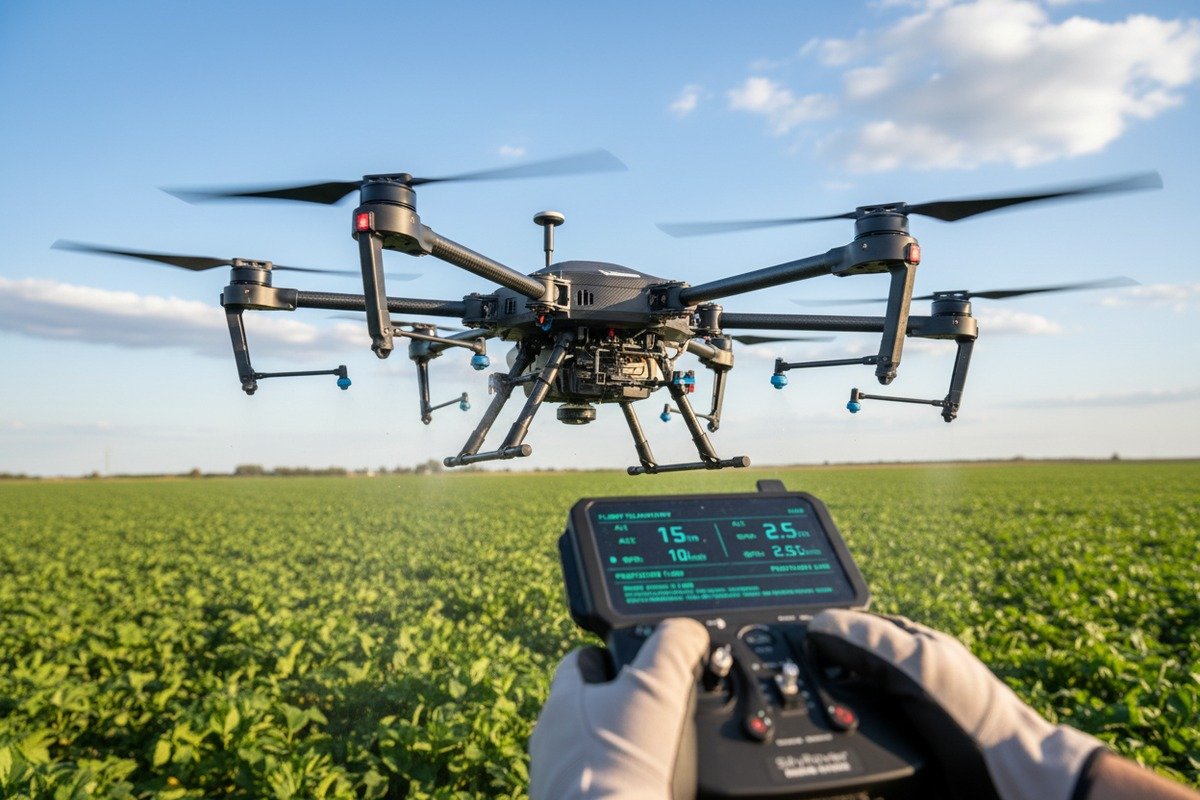
Before purchasing, request detailed specifications on the drone's data logging capabilities. Ensure the system records GPS coordinates, flight altitude, spray activation timestamps, flow rates, and weather sensor data. Verify the software exports to common formats like CSV or PDF. Confirm the manufacturer offers integration with your existing farm management platform and provides technical support for compliance configuration.
Critical Telemetry Features to Verify
Not all agricultural drones capture the same data. When evaluating options, create a checklist of must-have features. Our engineering team designed our systems specifically for regulatory environments.
| Telemetry Feature | Why It Matters for Audits |
|---|---|
| GPS Logging Frequency | Higher frequency (1Hz+) creates detailed spray maps |
| Altitude Recording | Proves proper application height maintained |
| Spray System Timestamps | Shows exactly when chemicals were released |
| Flow Rate Logging | Calculates precise application rates |
| Tank Level Monitoring | Verifies total volume applied |
| Weather Sensor Integration | Documents conditions during application |
| Flight Duration Recording | Supports accurate record completion |
| Remote ID Compliance | Required for FAA regulations |
Questions to Ask Drone Sellers
Before committing to a purchase, get written answers to these questions:
First, what data formats does the system export? You need formats compatible with both state reporting portals and your record-keeping software. CSV files work universally. PDF reports help during audits.
Second, how long does onboard storage retain flight data? Some systems overwrite old data after limited storage fills. You need at least 30 days of local storage as backup to cloud systems.
Third, can the software generate compliance reports automatically? The best systems produce formatted documents ready for submission. Manual data compilation wastes hours.
Fourth, what happens if the telemetry system fails mid-flight? Understand backup recording options. Our drones include redundant logging to SD cards.
Drone Weight Class Considerations
FAA requirements 10 change based on drone weight. This affects what telemetry systems you need. Heavier drones face stricter rules with more documentation requirements.
| Weight Class | FAA Requirement | Typical Telemetry Needs |
|---|---|---|
| Under 55 lbs | Part 107 certification | Standard GPS and flight logging |
| Over 55 lbs | Part 137 + exemptions | Enhanced operational records, maintenance logs |
| Over 55 lbs with RUPs | Part 137 + state license | Complete application data plus equipment records |
Our larger hexacopter models include enhanced telemetry specifically for Part 137 compliance. The systems log maintenance intervals, calibration dates, and inspection records alongside flight data.
Post-Purchase Configuration Support
Buying capable hardware is only step one. Proper configuration determines whether data actually serves your compliance needs. When our American dealers receive shipments, we provide remote configuration support.
Ensure your seller offers setup assistance for compliance logging. Ask about training resources for the software interface. Verify technical support availability when audit questions arise.
Some manufacturers provide compliance templates specific to different states. These pre-configured settings ensure you capture all required data without manual setup errors. We maintain templates for states with the most detailed requirements.
Testing Your System Before Operations Begin
After purchase, run test flights before applying pesticides. Review the generated logs thoroughly. Verify all required data points appear correctly.
Export sample reports and compare against your state's record requirements. Identify any gaps while you can still adjust settings or request manufacturer support. This preparation prevents compliance failures when real audits occur.
Conclusion
State pesticide record-keeping rules demand both federal compliance and attention to your specific state's requirements. Invest in drones with robust telemetry, configure software properly, and maintain detailed documentation. Your compliance efforts protect your business from fines and support sustainable agricultural drone operations.
Footnotes
1. Offers objective, science-based information about pesticides and related topics. ↩︎
2. Details how digital platforms enhance productivity and optimize resource management in agriculture. ↩︎
3. Defines Restricted Use Pesticides (RUPs) and their regulation by the EPA. ↩︎
4. Explains the purpose and form of EPA pesticide registration numbers on product labels. ↩︎
5. Provides direct links to all 50 state pesticide regulatory agencies. ↩︎
6. Official website for the association supporting the agricultural aviation industry. ↩︎
7. Overview of the Cooperative Extension System, administered by land-grant universities. ↩︎
8. Summarizes the Federal Insecticide, Fungicide, and Rodenticide Act (FIFRA) and EPA’s regulatory authority. ↩︎
9. Describes two-factor authentication (2FA) as a security method for identity verification. ↩︎
10. Outlines FAA regulations for operating drones in agricultural aircraft operations (Part 137). ↩︎
 English
  Español de México
  Deutsch
  Français
  Русский
  العربية
Comments
No comments yet. Be the first to share your thoughts!
Leave a Comment