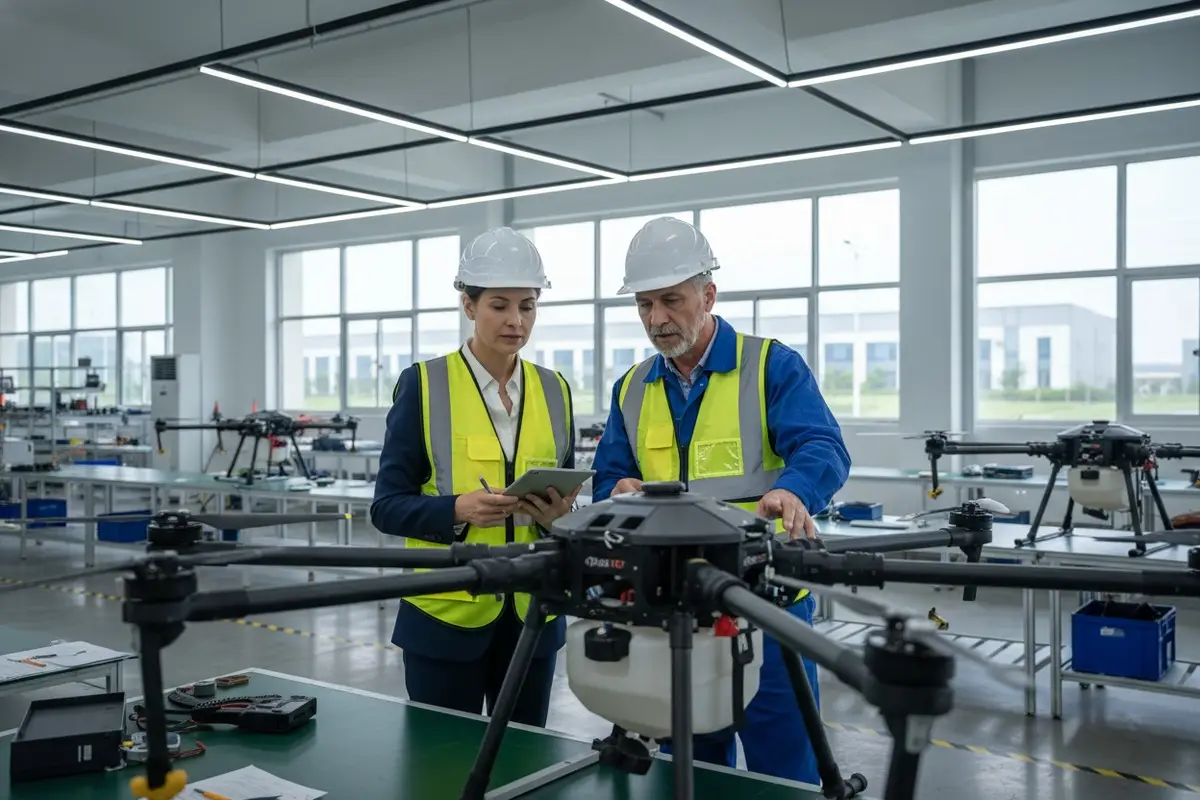
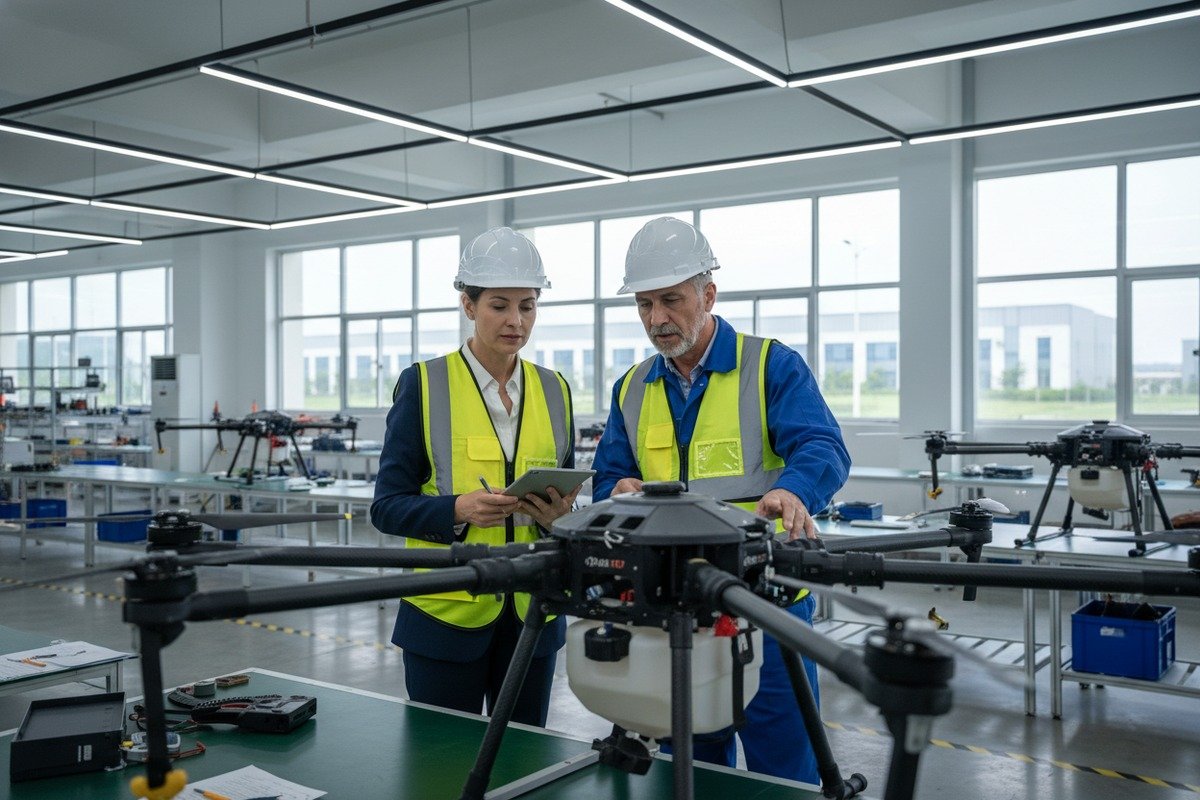
Every week, our engineering team receives inquiries from importers who have been burned by suppliers claiming “exclusive tooling 1” that turned out to be generic frames with a logo slapped on. The frustration is real. You invest months in negotiations, only to discover your “custom” drone looks identical to five other brands on the market.
To evaluate exclusive tooling capabilities, examine the manufacturer’s in-house mold design team, CNC machining equipment, material testing facilities, and documented R&D processes. Request factory audits, review past custom projects, verify intellectual property protections, and assess their capacity for long-term technical support and spare parts supply.
This guide breaks down the critical checkpoints for sourcing agricultural drones 2 with genuine exclusive tooling. We will cover engineering verification, quality benchmarks, technical support evaluation, and IP protection strategies.
How can I verify if a manufacturer has the engineering depth to develop exclusive molds for my agricultural drone brand?
When we walk international buyers through our production facility in Xi'an, the first question they ask is always about our mold-making capabilities 3. Many have stories of suppliers who promised custom tooling but delivered modified off-the-shelf parts. This problem costs importers thousands in wasted prototyping fees and delayed market entry.
Verify engineering depth by requesting facility tours showcasing CNC equipment, mold design software, and dedicated R&D teams. Ask for case studies of previous exclusive projects, examine their CAD/CAM capabilities, and review their material science expertise. A capable manufacturer will have documented processes from concept sketches to finished molds.
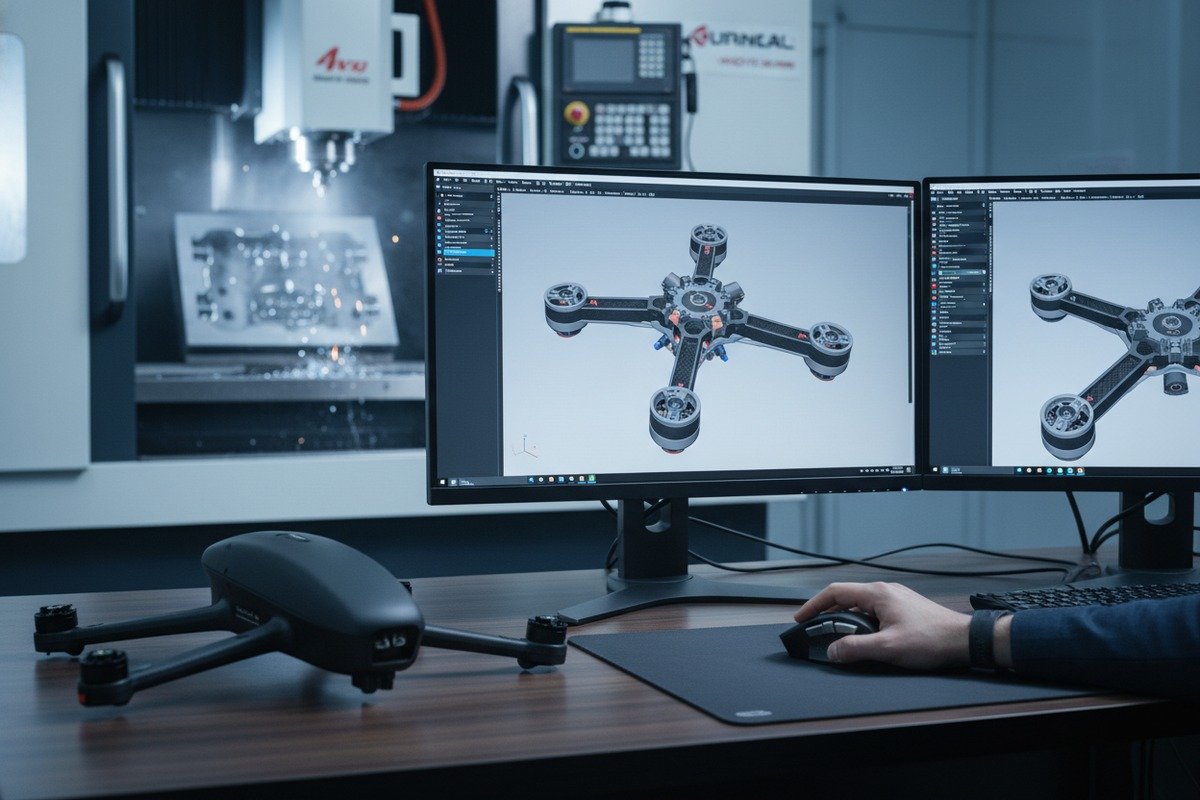
What Equipment Should You Look For?
A manufacturer serious about exclusive tooling will have specific machinery on-site. During our facility upgrades last year, we invested heavily in five-axis CNC machines 4 because agricultural drone frames require complex geometries that three-axis machines cannot produce efficiently.
| Equipment Type | Purpose | Why It Matters |
|---|---|---|
| Five-Axis CNC Machines | Complex carbon fiber frame milling | Enables intricate arm joints and motor mounts |
| Injection Molding Presses | Plastic component production | Determines minimum order quantities and part consistency |
| Autoclave Systems | Carbon fiber curing | Affects structural integrity and weight optimization |
| CMM (Coordinate Measuring Machines) | Precision verification | Ensures molds meet design specifications |
| 3D Printers (Industrial Grade) | Rapid prototyping | Reduces development time from months to weeks |
How to Assess Their Design Team
Numbers matter here. Our engineering department has twelve dedicated mold designers, but some suppliers claiming custom capabilities have only two or three generalists handling everything. Ask specific questions during your evaluation.
Request the educational backgrounds and experience levels of their mold engineers. Ask how many exclusive mold projects they completed in the past two years. Inquire about their typical development timeline from concept to production-ready mold.
A transparent manufacturer will share project timelines. For example, a completely new hexacopter frame mold typically requires 8-12 weeks for design, prototyping, testing, and refinement. If a supplier promises delivery in three weeks, they are likely modifying existing molds rather than creating truly exclusive tooling.
Red Flags to Watch For
Beware of manufacturers who cannot show you their mold storage area. Legitimate custom tooling operations maintain organized mold libraries. Each client's molds should be labeled, stored properly, and tracked in inventory systems.
Another warning sign is reluctance to share technical drawings. When we develop exclusive tooling for clients, we provide detailed documentation including material specifications, tolerance ranges, and assembly instructions. Suppliers hiding this information may be using shared molds across multiple brands.
What quality benchmarks should I look for to ensure my custom-tooled drone frames can withstand heavy agricultural use?
Our quality control team 5 rejects approximately 3% of carbon fiber frames during inspection. This might sound like a small number, but in agricultural applications, even minor defects can cause catastrophic failures during spraying operations. One distributor shared how a competitor's frame cracked mid-flight, dumping 40 liters of pesticide onto a single spot and destroying an entire crop section.
Quality benchmarks for agricultural drone frames include tensile strength above 600 MPa for carbon fiber, vibration resistance tested at 20G acceleration, IP65 or higher ingress protection, temperature tolerance from -20°C to 50°C, and fatigue testing exceeding 500 flight cycles. Request third-party test reports and material certifications for verification.
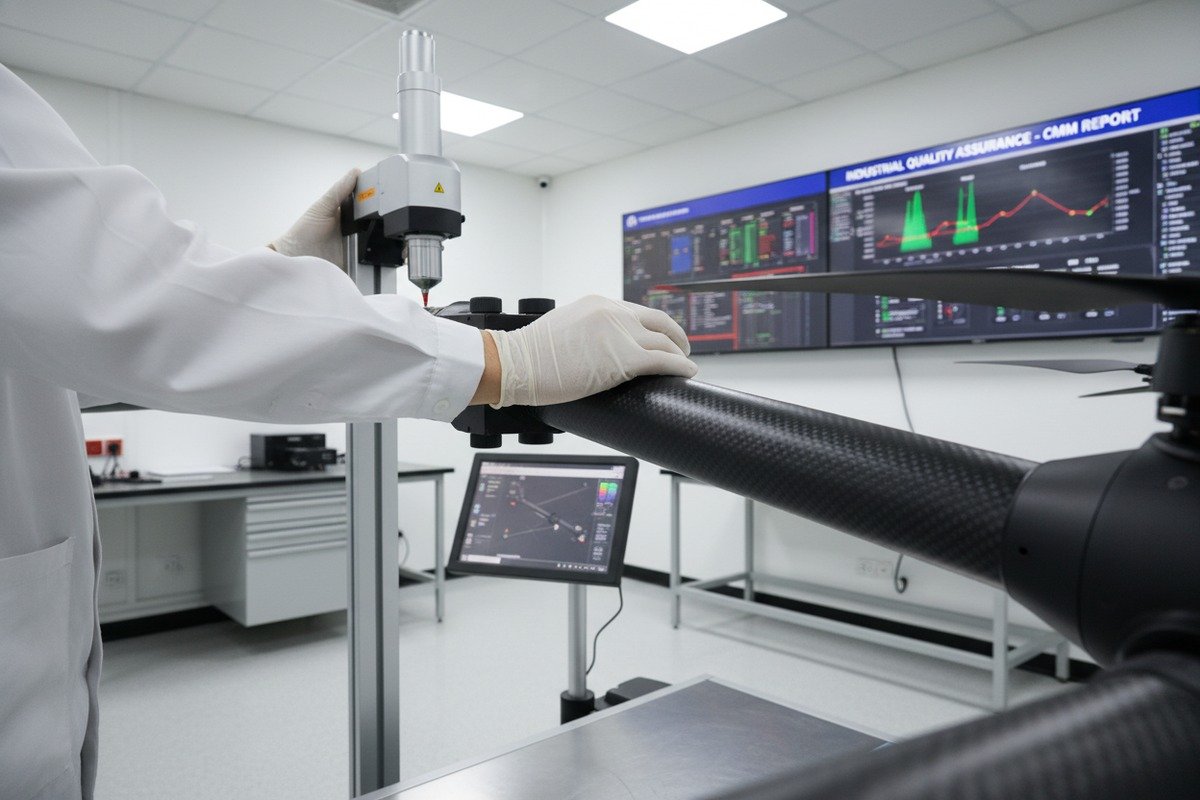
Critical Structural Tests
Agricultural drones face harsher conditions than consumer models. They carry heavy liquid payloads, operate in dusty fields, endure chemical exposure, and fly multiple daily missions. Your quality benchmarks must reflect these demands.
| Test Type | Standard Benchmark | Agricultural Requirement |
|---|---|---|
| Tensile Strength | 500 MPa (consumer grade) | 600+ MPa (agricultural grade) |
| Impact Resistance | 10 Joules | 25+ Joules |
| Vibration Endurance | 10G, 2 hours | 20G, 8 hours |
| Salt Spray Resistance | 24 hours | 96+ hours |
| UV Exposure | 200 hours | 500+ hours |
| Chemical Resistance | Water only | Pesticides, fertilizers, herbicides |
Material Certification Requirements
When sourcing frames for the US market, our export team always includes material traceability documentation. This paper trail proves the carbon fiber origin, resin specifications, and curing parameters used in production.
Request certificates showing the carbon fiber grade 6. T300 is standard for consumer drones, but agricultural applications benefit from T700 or T800 grades offering superior strength-to-weight ratios. The resin system matters equally. Epoxy resins 7 with high glass transition temperatures prevent frame softening during hot field operations.
Environmental Stress Testing
Agricultural drones in the American Midwest face temperature swings from freezing mornings to scorching afternoons. Our environmental chamber simulates these conditions by cycling frames through -20°C to 50°C repeatedly.
Ask potential suppliers about their thermal cycling protocols. A thorough manufacturer will test frames through at least 100 temperature cycles before approval. They should also conduct humidity testing, simulating the moisture exposure common in irrigated fields and coastal farming regions.
Chemical resistance often gets overlooked. Agricultural drones contact fertilizers, pesticides, and herbicides constantly. We soak frame samples in common agricultural chemicals for 72 hours, then test structural integrity. Frames failing this test will degrade within one growing season.
Quality Documentation You Should Demand
Professional manufacturers maintain detailed quality records. Request the following documentation before placing orders.
First, ask for incoming material inspection reports showing raw carbon fiber and resin testing results. Second, request in-process inspection records documenting each production stage. Third, obtain final inspection reports with dimensional measurements and visual inspection notes. Fourth, demand test certificates from accredited laboratories for structural and environmental testing.
How do I evaluate a supplier's ability to provide long-term technical support for my proprietary drone designs?
Three years ago, one of our European distributors faced a crisis when their previous Chinese supplier disappeared after delivering 200 units. No spare parts. No firmware updates. No technical documentation. They had to reverse-engineer their own products to continue servicing customers. Our team spent six months helping them transition to our platform, but the reputational damage was already done.
Evaluate long-term support capability by examining the supplier's company history, financial stability, spare parts inventory policies, technical documentation quality, remote diagnostic tools, and firmware update roadmaps. Request references from existing clients who have worked with them for three or more years and verify their after-sales service team structure.
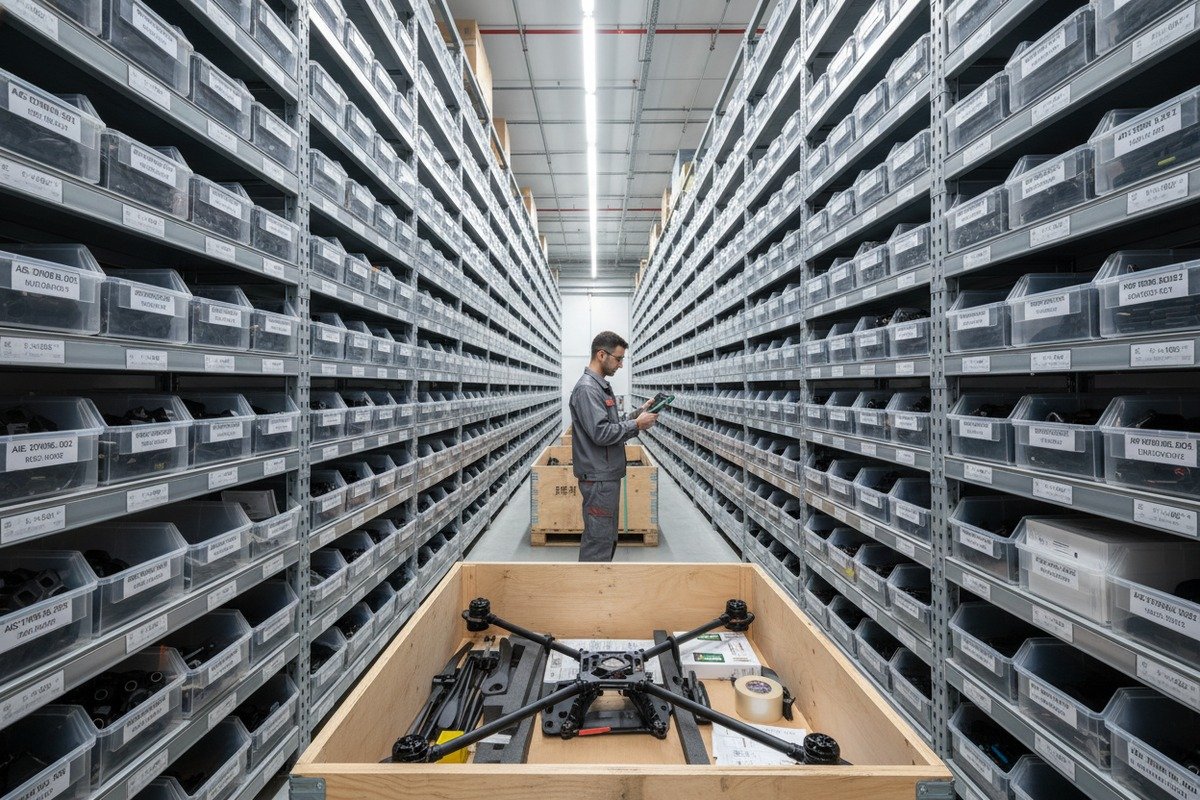
Key Support Infrastructure Elements
Technical support for agricultural drones extends far beyond answering phone calls. When our support team assists American clients, we need specialized capabilities that many smaller suppliers lack.
| Support Element | Basic Level | Professional Level |
|---|---|---|
| Response Time | 48-72 hours | Under 24 hours |
| Spare Parts Availability | 30-day lead time | Stocked inventory, 3-5 day shipping |
| Technical Documentation | Basic user manual | Full service manuals, wiring diagrams, calibration procedures |
| Remote Diagnostics | Email troubleshooting | Live telemetry analysis, video-guided repair |
| Firmware Support | Bug fixes only | Feature updates, security patches, regulatory compliance updates |
| Training Resources | PDF guides | Video tutorials, in-person training options |
Questions to Ask About Their Support Structure
During supplier evaluations, dig deep into their support operations. Ask how many dedicated technical support engineers they employ. Inquire about language capabilities for your target market. Our team includes English-speaking engineers specifically because clear communication prevents costly misunderstandings.
Request information about their spare parts policy. A committed supplier maintains buffer inventory for critical components like motor controllers, GPS modules, and spray system parts. Ask about minimum stock levels and reorder triggers.
Firmware support often separates professional manufacturers from assemblers. When regulations change or security vulnerabilities emerge, your drones need updates. Ask about their firmware development team size and update frequency. Our software engineers release quarterly updates addressing performance improvements and regulatory compliance for different markets.
Evaluating Their Track Record
Past performance predicts future reliability. Request client references specifically from buyers who have worked with them for multiple years. Ask those references pointed questions.
How quickly does the supplier respond to technical emergencies? Have they ever discontinued support for a product line? Do they proactively notify clients about potential issues or available improvements? How do they handle warranty claims?
Also investigate the company's financial stability. Suppliers struggling financially often cut support staff first. Look for signs of healthy operations like facility investments, growing team sizes, and expanding product lines.
Building Support Agreements Into Contracts
Protect yourself contractually. Our standard agreements with distributors include guaranteed spare parts availability for five years after final purchase, defined response time commitments, and firmware update provisions.
Specify minimum inventory requirements for critical spare parts. Define escalation procedures for urgent technical issues. Include provisions for on-site support visits when remote troubleshooting fails. These contractual protections give you recourse if support quality declines.
What steps should I take to ensure my exclusive drone tooling remains my intellectual property?
During a factory tour last month, a potential client noticed molds from another company sitting openly on our production floor. His concern was immediate. How could he trust that his designs would stay protected? This question comes up constantly, and the answer requires understanding both legal frameworks and practical security measures.
Protect your exclusive tooling IP by executing comprehensive NDA and tooling ownership agreements before sharing designs, registering designs in manufacturing countries, conducting regular audits of supplier facilities, requiring physical separation of your molds, and including clear contractual provisions for mold return or destruction upon relationship termination.
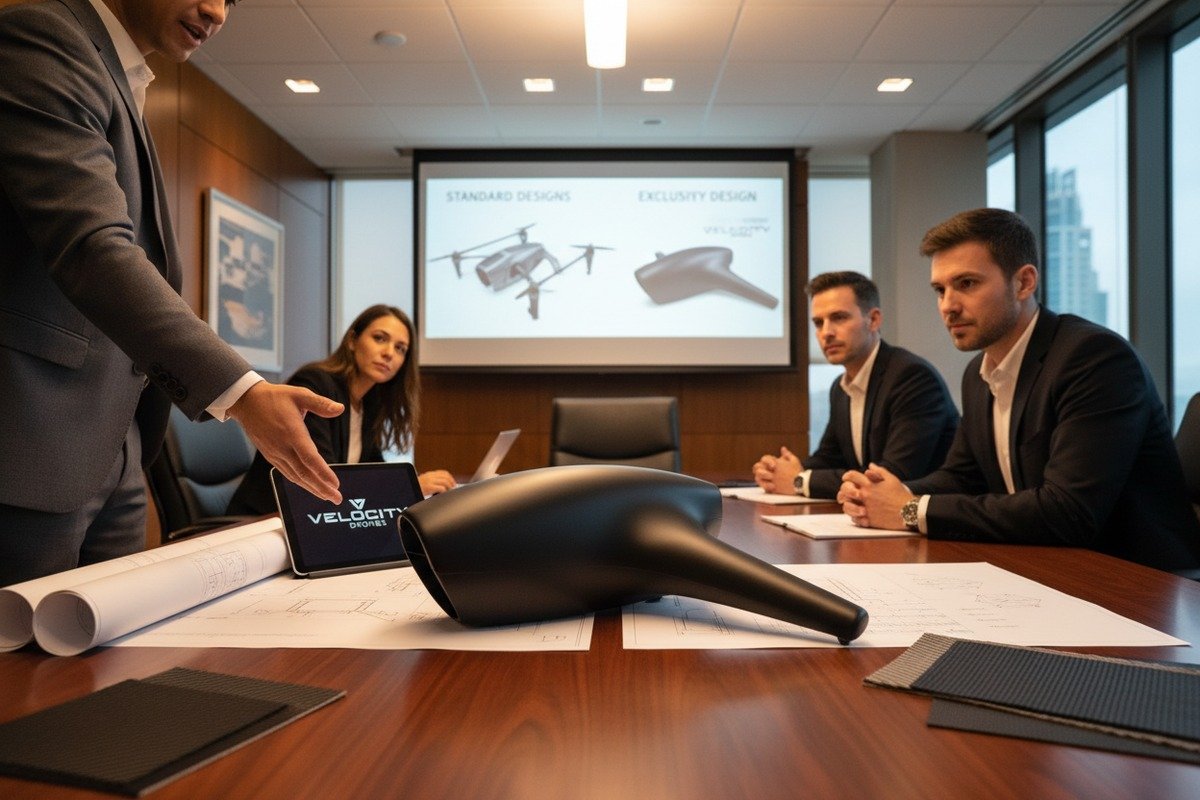
Legal Documentation Essentials
Strong contracts form your first defense layer. Before sharing any proprietary information, execute a non-disclosure agreement 8 specifically covering tooling designs. General NDAs often lack specific provisions for manufacturing IP.
Your tooling agreement should address several critical points.
| Contract Element | What It Should Specify | Why It Matters |
|---|---|---|
| Ownership Declaration | Molds remain client property regardless of payment terms | Prevents supplier claims during disputes |
| Usage Restrictions | Molds used exclusively for client orders | Stops unauthorized production runs |
| Access Controls | Limited personnel access to mold storage | Reduces leak risk |
| Audit Rights | Client can inspect facilities with reasonable notice | Enables verification |
| Termination Provisions | Mold return or witnessed destruction options | Ensures clean separation |
| Penalty Clauses | Financial consequences for violations | Creates enforcement leverage |
Physical Security Measures
Legal protections mean nothing without physical implementation. When clients entrust us with exclusive tooling, we store their molds in a dedicated secured area separate from standard production tooling.
Ask potential suppliers about their mold storage practices. Are client molds kept in locked areas? Who has access? Is access logged? How are molds identified and tracked?
Some importers take additional steps like installing their own locks on mold storage cabinets or requiring photographic documentation whenever molds are accessed. These measures may seem excessive, but the cost of IP theft far exceeds the inconvenience.
Registration and Legal Jurisdiction
Chinese design patents 9 offer important protections for foreign companies. Register your drone frame designs with China's National Intellectual Property Administration before production begins. This registration creates legal standing for enforcement if theft occurs.
Consider the governing law and dispute resolution mechanisms in your contracts. Many experienced importers specify arbitration through recognized international bodies rather than local Chinese courts. Hong Kong arbitration clauses are popular because enforcement mechanisms are clearer.
Monitoring and Verification Strategies
Trust but verify. Even with strong contracts and security measures, ongoing monitoring protects your interests.
Conduct periodic factory audits, sometimes unannounced if your contract permits. During audits, verify that your molds are properly stored and not showing signs of excessive use that might indicate unauthorized production.
Monitor the market for suspiciously similar products. Set up alerts for new drone listings matching your specifications. Some clients hire third-party investigation firms to conduct marketplace surveillance.
Build relationships with your supplier's quality control and production staff. These relationships provide informal intelligence about factory operations. Workers who feel respected often become allies in protecting your interests.
Exit Strategy Planning
Every business relationship eventually ends. Plan your exit from the beginning by including clear mold disposition provisions. Options include physical return of molds to your designated facility, witnessed destruction with photographic documentation, or transfer to a new manufacturer.
Specify timelines for mold return after relationship termination. Include provisions for final production runs using your tooling and establish clear deadlines after which unauthorized use triggers penalty clauses.
Conclusion
Sourcing agricultural drones with genuine exclusive tooling requires thorough verification of engineering capabilities, quality systems, support infrastructure, and IP protections. Invest time in factory audits, demand comprehensive documentation, build strong contracts, and maintain ongoing vigilance. These efforts protect your brand investment and ensure long-term market success.
Footnotes
1. Provides a legal and manufacturing definition of exclusive tooling. ↩︎
2. Explains the definition, types, and applications of agricultural drones. ↩︎
3. The original link was a 404. This replacement from Formlabs provides a comprehensive guide to mold making for professionals, covering various techniques and processes, which aligns with ‘mold-making capabilities’. ↩︎
4. Explains how 5-axis CNC machines operate and their benefits for complex parts. ↩︎
5. Defines the role and importance of a quality control team in manufacturing. ↩︎
6. Explains different carbon fiber grades and their properties for various applications. ↩︎
7. Describes the properties, benefits, and diverse applications of epoxy resins. ↩︎
8. Defines a non-disclosure agreement and its importance in protecting confidential information. ↩︎
9. Explains the protection and registration process for design patents in China. ↩︎

 English
  Español de México
  Deutsch
  Français
  Русский
  العربية
Comments
No comments yet. Be the first to share your thoughts!
Leave a Comment