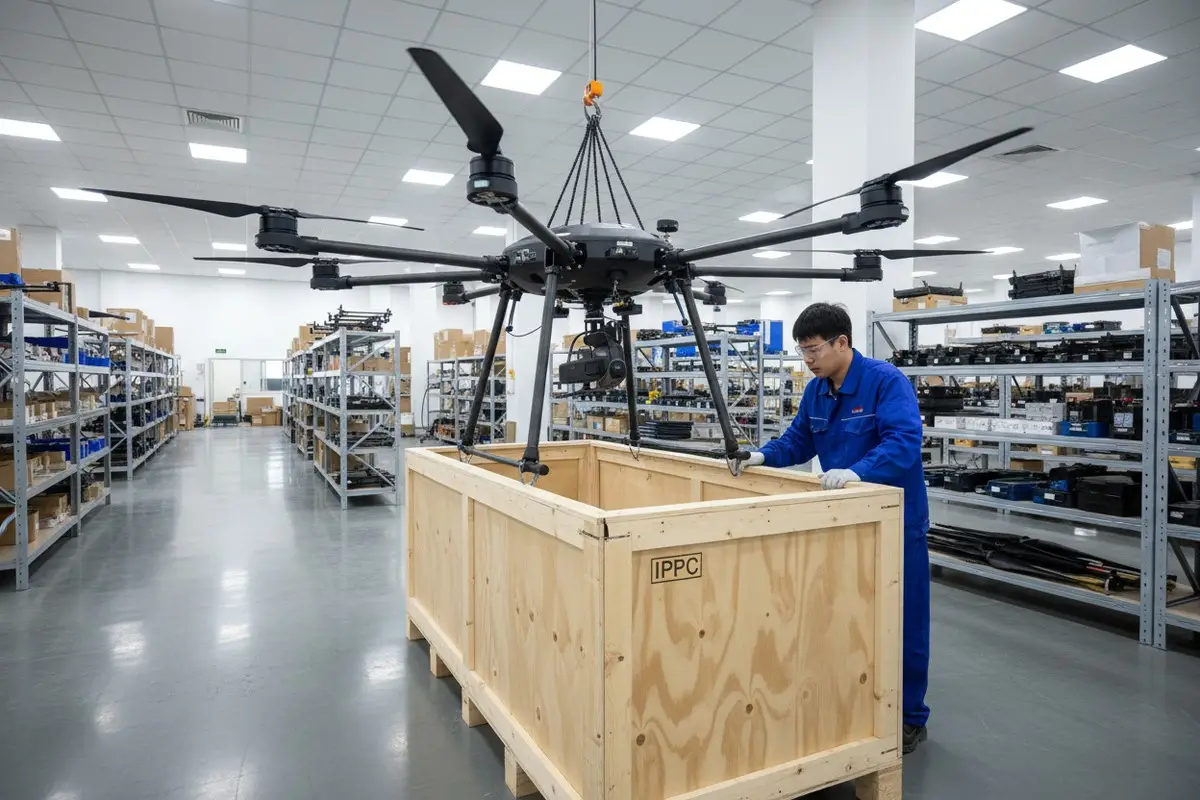
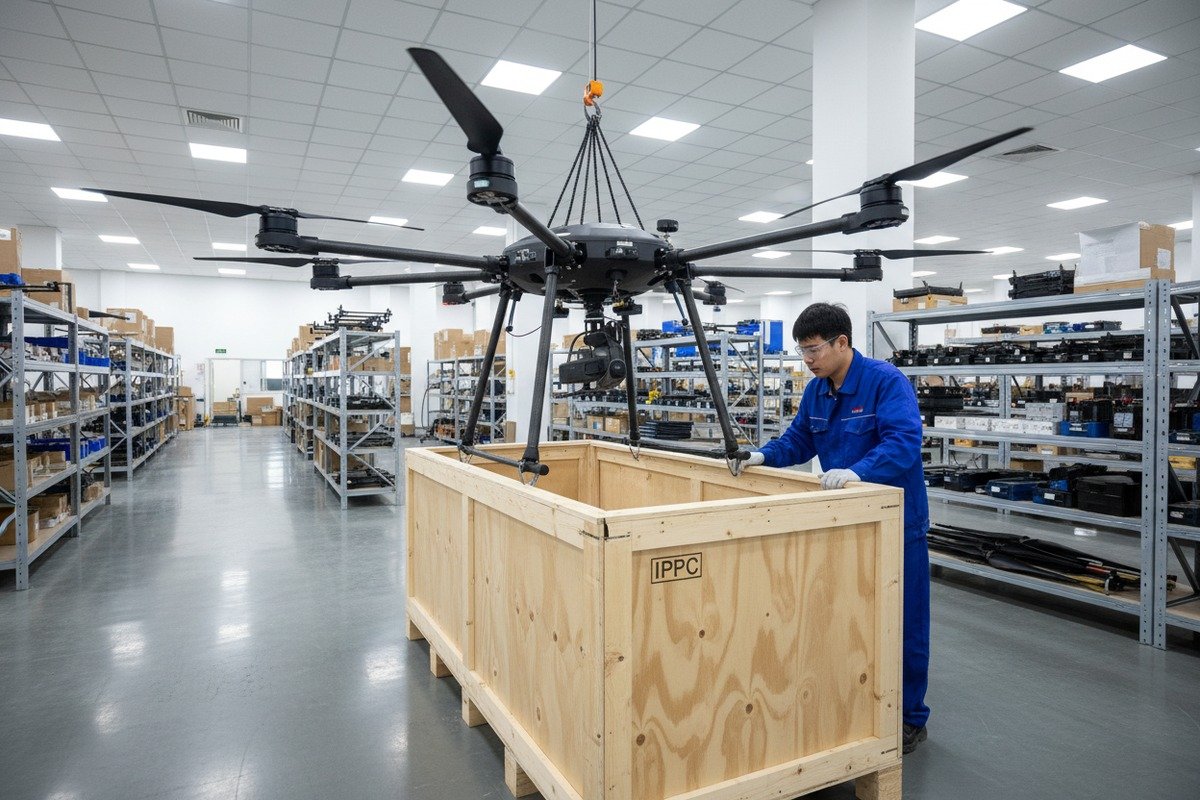
Every year, our shipping team handles hundreds of agricultural drone exports official IPPC stamp 1. We have seen shipments get stuck at customs for weeks. The reason? Wooden packaging that failed ISPM 15 inspection. This costs importers time, money, and trust.
To ensure ISPM 15 compliance when sourcing agricultural drones from China, verify that all wooden packaging bears the official IPPC stamp, request treatment certificates from suppliers, confirm the facility’s NPPO authorization, and consider pre-shipment inspections. Non-wood alternatives can bypass these requirements entirely.
This guide breaks down exactly what you need to know. We will cover verification steps, required documents, business risks, and alternative packaging options. Let us help you avoid costly delays.
How can I verify that my agricultural drone's wooden crates meet ISPM 15 standards before they leave China?
Our export documentation team reviews every outbound shipment for compliance. One missing stamp can trigger a full container inspection. The consequences reach far beyond a simple delay.
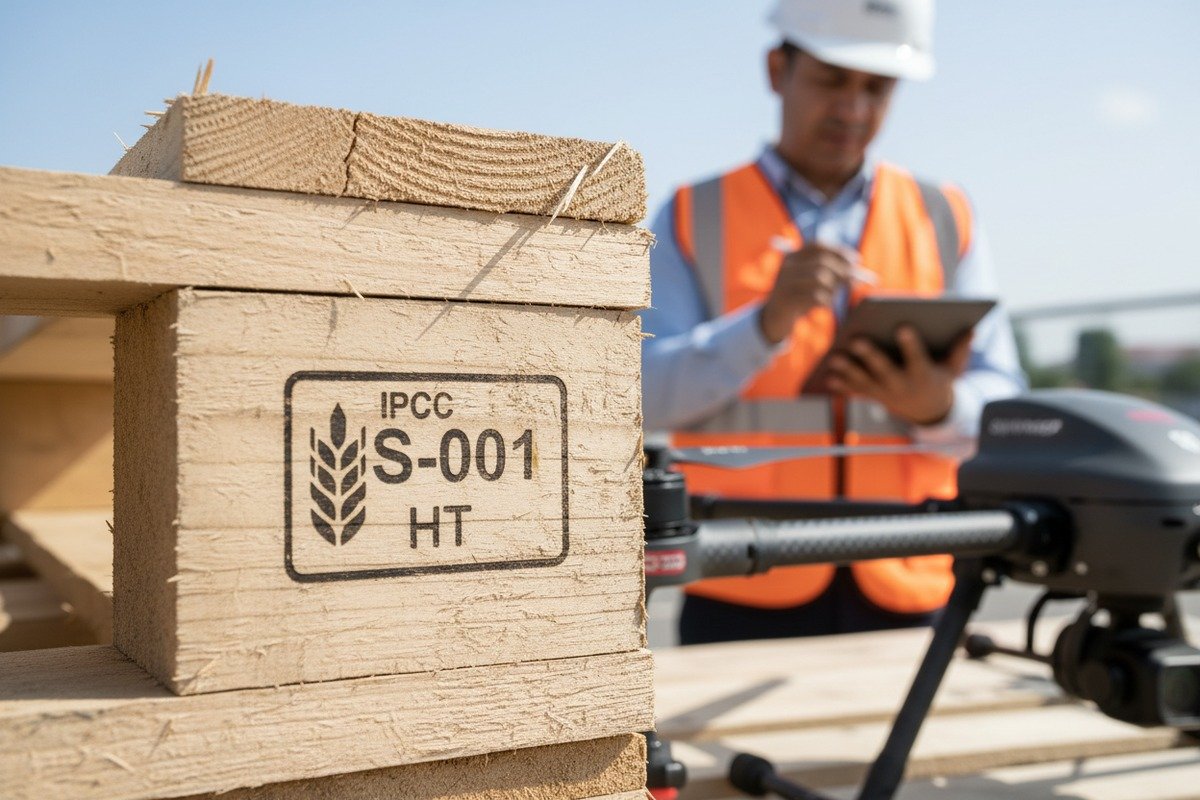
To verify ISPM 15 compliance before shipment, physically inspect wooden packaging for the IPPC stamp containing the country code, facility number, and treatment type (HT or MB). Request treatment certificates from your supplier, confirm their NPPO registration, and hire a third-party inspection agency in China to verify compliance before the drones leave the factory.
Understanding the IPPC Stamp
The IPPC stamp is your first line of defense. It must appear on every full-sized piece of wood in your packaging. Documentation alone will not protect you at customs.
The stamp contains five critical elements:
| Element | Description | Example |
|---|---|---|
| Country Code | Two-letter ISO code | CN (China) |
| Facility Number | Unique identifier for treatment facility | XX-123 |
| Treatment Type | HT (Heat Treatment 2) or MB (Methyl Bromide) | HT |
| IPPC Logo | Official wheat symbol | Standardized design |
| Agency Logo | Certifying organization mark | Varies by agency |
Heat treatment requires wood to reach a core temperature of 56 degrees Celsius for at least 30 minutes. This kills pests and larvae. Methyl bromide fumigation 3 is an alternative, but China restricts its use on coniferous wood for certain destinations.
Supplier Verification Steps
Before placing your order, ask your supplier these questions:
- What is your NPPO facility registration number 4?
- Can you provide copies of recent treatment certificates?
- Which treatment method do you use?
- Will you allow pre-shipment inspection of packaging?
A reliable supplier will answer these questions quickly. If they hesitate, consider this a red flag.
Pre-Shipment Inspection Protocol
We always recommend third-party inspection. Companies like SGS, Bureau Veritas, and Intertek operate in China. third-party inspection agency 5 They can verify ISPM 15 compliance 6 at the factory before shipment.
Your inspection checklist should include:
| Inspection Point | What to Check | Pass Criteria |
|---|---|---|
| Stamp Visibility | All wood pieces | 100% stamped |
| Bark Removal | Entire surface | Less than 3cm width remaining |
| Treatment Certificate | Date and facility | Matches stamp |
| Wood Condition | Physical integrity | No pest damage |
The cost of inspection is minimal compared to customs rejection. A typical pre-shipment inspection costs between $200 and $500. A failed customs inspection can cost thousands in storage, re-treatment, and delays.
Common Mistakes to Avoid
Many importers make the same errors. They assume their supplier handles everything. They skip verification. They mix compliant and non-compliant packaging.
Watch for these issues:
- Partial stamping (some wood pieces unmarked)
- Faded or illegible stamps
- Mixed old and new wood without proper treatment
- Bark exceeding 3cm width or 50 square cm total area
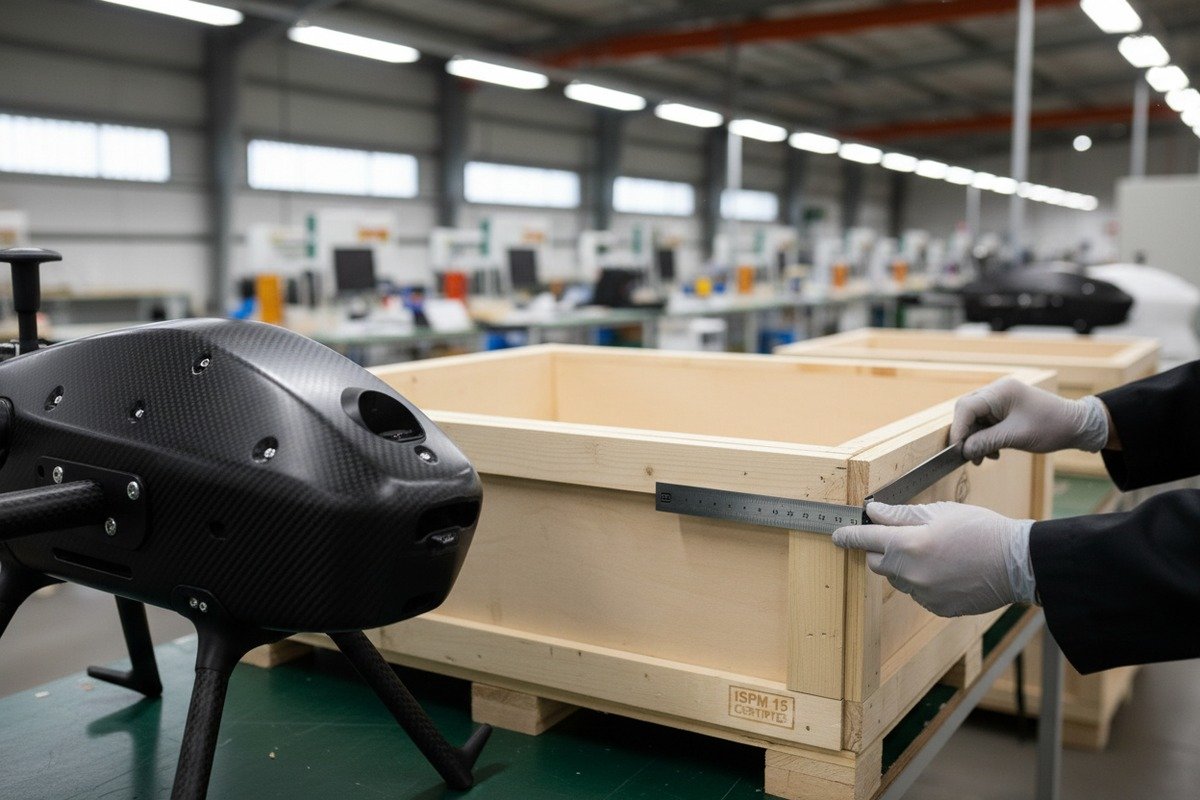
Our quality control team checks every pallet before loading. We photograph stamps for documentation. This practice has saved many shipments from rejection.
What documentation should I ask my supplier to provide to ensure my shipment clears customs without ISPM 15 issues?
When our logistics team prepares export documents, we include everything customs might request. Missing paperwork creates delays that ripple through your supply chain.
Request a treatment certificate showing the treatment date, method, and facility registration number. Also obtain a detailed packing list describing all packaging materials, the supplier's NPPO accreditation documentation, photographs of IPPC stamps on actual packaging, and a commercial invoice specifying packaging types. Keep these documents accessible for customs inspection.

Essential Documents Checklist
Your documentation package should include multiple layers of proof. Customs officials may request any of these at inspection.
| Document | Purpose | Who Provides |
|---|---|---|
| Treatment Certificate | Proves proper pest treatment | Treatment facility |
| Packing List | Details all materials used | Supplier |
| NPPO Registration | Confirms facility authorization | Supplier or NPPO |
| Stamp Photographs | Visual evidence of compliance | Supplier or inspector |
| Commercial Invoice | Describes shipment contents | Supplier |
Treatment Certificate Details
A valid treatment certificate must contain specific information. Review it carefully before shipment.
The certificate should show:
- Treatment facility name and registration number
- Treatment date and duration
- Treatment method (HT or MB)
- Description of treated materials
- Official facility stamp or seal
Keep the original certificate with your shipping documents. Some customs offices require it. Others accept copies. Always prepare both.
Packing List Requirements
Your packing list should go beyond standard cargo descriptions. Include packaging material specifications.
Detail these elements:
- Type of wood packaging (pallets, crates, dunnage)
- Quantity of each packaging type
- Treatment status of each type
- Any exempt materials (plywood, cardboard, plastic)
This level of detail shows customs that you understand ISPM 15 requirements. It also helps resolve questions quickly.
Photographic Evidence
We photograph IPPC stamps on every shipment. This serves two purposes. First, it provides evidence if stamps are damaged during transit. Second, it demonstrates due diligence if issues arise.
Take clear photos showing:
- Full stamp with all required elements
- Stamp location on packaging
- Multiple angles if needed
- Date stamp or reference number in frame
Store these photos digitally. Email them to yourself for backup. Many importers have avoided fines by producing this evidence at inspection.
Document Organization Tips
Create a dedicated folder for each shipment. Include all ISPM 15 documents together. Label everything clearly.
Your folder structure might look like:
Shipment_2024_001/
├── Treatment_Certificate.pdf
├── Packing_List.pdf
├── NPPO_Registration.pdf
├── Stamp_Photos/
│   ├── Pallet_01.jpg
│   ├── Pallet_02.jpg
│   └── Crate_01.jpg
└── Commercial_Invoice.pdf
This organization saves time during customs inspection. It shows professionalism. It protects your shipment from unnecessary delays.
What are the potential risks to my business if my drone delivery fails to comply with international wood packaging regulations?
Our sales team has seen customers lose contracts over compliance failures. One distributor missed a critical delivery window. Their customer switched to a competitor. The cost went far beyond the failed shipment.
Non-compliance risks include shipment rejection at port, mandatory re-treatment or fumigation at your expense, storage fees during quarantine, potential fines from customs authorities, damaged business reputation, lost customers, and possible import bans for repeat violations. The financial impact can reach thousands of dollars per incident, plus long-term relationship damage.
Immediate Financial Consequences
When a shipment fails ISPM 15 inspection, costs accumulate quickly. You may face multiple charges simultaneously.
Typical immediate costs include:
| Cost Category | Typical Range (USD) | Who Pays |
|---|---|---|
| Port Storage | $100-500 per day | Importer |
| Re-fumigation | $500-2,000 | Importer |
| Re-inspection | $200-500 | Importer |
| Demurrage Fees | $150-400 per day | Importer |
| Administrative Fees | $100-300 | Importer |
These costs add up during lengthy quarantine periods. A two-week delay can cost $3,000 to $10,000 or more.
Regulatory Actions
Different countries enforce ISPM 15 violations differently. The United States issues Emergency Action Notifications 7 (EANs). These go on your import record.
Possible regulatory actions include:
- Quarantine of shipment pending treatment
- Mandatory fumigation before release
- Return to origin at importer's expense
- Destruction of packaging and potentially cargo
- Fines for non-compliance
- Increased inspection frequency for future shipments
Repeat violations trigger systematic review. Your company may face enhanced scrutiny on all imports. This slows every future shipment.
Business Relationship Damage
The hidden cost of non-compliance is reputation damage. Your customers expect on-time delivery. They plan their operations around your schedule.
Consider these scenarios:
- A farm needs drones before planting season
- A distributor promised delivery to their customer
- A government contract has strict deadlines
When you miss these windows, trust erodes. Customers may not give you a second chance. They cannot afford to.
Supply Chain Disruption
Agricultural drones are seasonal products in many markets. A delay of weeks can mean a missed season. The drone sitting in quarantine loses value.
Our production planning accounts for compliance verification time. We build buffer days into shipping schedules. This protects our customers from compliance-related delays.
Long-Term Consequences
Some consequences extend far beyond a single shipment. Consider the long-term impact.
Import bans can block your access to entire markets. Enhanced inspection requirements slow all your shipments. Damaged relationships take years to rebuild.
The best risk management is prevention. Verify compliance before shipment. The cost of prevention is always lower than the cost of failure.
Case Example
One of our early customers learned this lesson the hard way. Their first order arrived with unmarked pallets. Customs held the shipment for three weeks. The re-treatment cost $1,800. Storage fees reached $4,200. They missed their delivery commitment.
After that experience, they requested pre-shipment inspection on every order. The inspection cost is $300. They have never faced another delay. The math is simple.
Should I consider alternative packaging materials for my drone order to bypass the need for ISPM 15 certification?
When we designed our export packaging system, we evaluated every option. Some of our customers now request non-wood packaging exclusively. Others prefer compliant wood for durability. The right choice depends on your priorities.
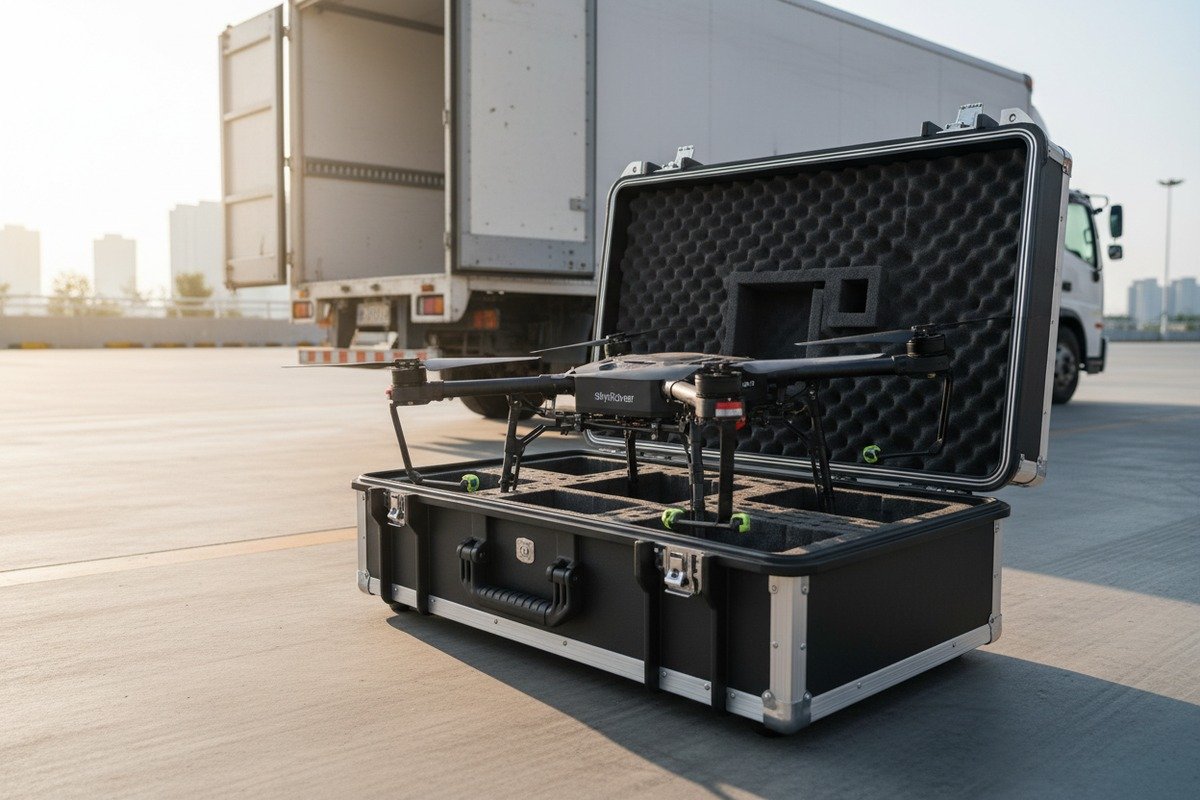
Alternative packaging materials like plastic pallets, metal frames, cardboard, plywood, fiberboard, and foam inserts are exempt from ISPM 15 requirements. These options eliminate wood treatment concerns entirely. However, they may cost more upfront and offer different protection levels. Evaluate alternatives based on cargo weight, fragility, shipping distance, and budget.
Exempt Materials Under ISPM 15
Not all packaging triggers ISPM 15 requirements. Several common materials are specifically exempt.
| Material | ISPM 15 Status | Common Uses |
|---|---|---|
| Plastic Pallets 8 | Exempt | Cargo base, stacking |
| Metal Crates | Exempt | Heavy equipment |
| Plywood (< 6mm) | Exempt | Crate walls, dividers |
| Fiberboard | Exempt | Boxes, padding |
| Cardboard | Exempt | Outer boxes, cushioning |
| Foam | Exempt | Custom inserts, protection |
Using these materials eliminates ISPM 15 concerns entirely. No stamps required. No treatment certificates. No inspection delays.
Plastic Pallet Options
Plastic pallets have grown popular for drone exports. They offer several advantages.
Benefits of plastic pallets:
- No ISPM 15 compliance required
- Reusable for return shipments
- Lighter weight reduces shipping costs
- Easy to clean and sanitize
- Consistent dimensions
The main drawback is higher initial cost. A plastic pallet costs $30-100 compared to $15-30 for wood. However, reusability can offset this difference over multiple shipments.
Custom Foam Packaging
Agricultural drones require careful protection. The electronics, batteries, and carbon fiber frames are sensitive to impact.
We have developed custom foam packaging for our hexacopter drones. The foam cradles each component securely. It absorbs shock during transit. And it requires no ISPM 15 compliance.
Key considerations for foam packaging:
- Custom molding adds lead time
- Higher material cost than wood
- Excellent protection for sensitive equipment
- Lightweight reduces shipping fees
- Professional appearance impresses customers
Hybrid Packaging Solutions
Many of our customers choose hybrid approaches. They combine exempt materials with compliant wood where needed.
A typical hybrid solution might include:
- Plastic pallet base (exempt)
- Plywood crate walls (exempt if < 6mm)
- Solid wood corner braces (requires ISPM 15)
- Custom foam interior (exempt)
This approach minimizes wood use while maintaining structural strength. Less wood means less compliance verification needed.
Cost Comparison Analysis
The true cost of packaging includes compliance costs. Factor these into your decision.
| Packaging Type | Material Cost | Compliance Cost | Total Cost |
|---|---|---|---|
| Standard Wood Crate | $50-100 | $50-100 inspection | $100-200 |
| Compliant Wood Crate | $75-125 | $0 (pre-verified) | $75-125 |
| Plastic Crate | $150-300 | $0 | $150-300 |
| Hybrid Solution | $100-175 | $25-50 | $125-225 |
The cheapest option is not always the best value. Consider risk, protection level, and reusability.
Sustainability Considerations
Some customers prioritize environmental impact. Wood packaging requires tree harvesting. Heat treatment consumes energy. Methyl bromide harms the ozone layer.
Sustainable alternatives include:
- Recycled plastic pallets
- Recycled cardboard with foam inserts
- Reusable metal shipping frames
- Biodegradable packing materials
We can accommodate these preferences. Our engineering team designs custom packaging solutions for customers with specific sustainability requirements.
Making Your Decision
Consider these factors when choosing packaging:
- Shipment frequency (reusable options for regular orders)
- Product fragility (drones need excellent protection)
- Destination requirements (some countries have stricter enforcement)
- Budget constraints (upfront vs. total cost)
- Environmental priorities (sustainability preferences)
Discuss options with your supplier early. The best packaging decisions happen during order planning, not after production.
Conclusion
ISPM 15 compliance protects your supply chain from costly delays. Verify stamps, collect documentation, and consider alternative packaging. These steps safeguard your business reputation and customer relationships.
Footnotes
1. Details the required marking for treated wood packaging. ↩︎
2. Describes one of the approved methods for ISPM 15 compliance. ↩︎
3. Explains an alternative treatment method for wood packaging. ↩︎
4. Essential for verifying the authorization of a treatment facility. ↩︎
5. Provides external verification services for ISPM 15 compliance. ↩︎
6. Official standard for regulating wood packaging in international trade. ↩︎
7. Describes a regulatory action for non-compliant shipments in the US. ↩︎
8. An alternative packaging material exempt from ISPM 15. ↩︎
9. Wikipedia article listing materials exempt from ISPM 15. ↩︎



 English
  Español de México
  Deutsch
  Français
  Русский
  العربية
Comments
No comments yet. Be the first to share your thoughts!
Leave a Comment