

When our sales team first discovered a Chinese factory selling identical drones directly to our European clients, we lost three major accounts overnight China-specific NNN agreements 1. This nightmare scenario haunts every distributor sourcing from China.
To prevent supplier bypass, you must implement a multi-layered protection strategy combining China-specific NNN agreements, custom software development, proprietary branding, secure data management protocols, and thorough supplier vetting based on channel loyalty history and ethical certifications before signing any manufacturing contract.
The following sections break down each protective measure, drawing from real export experience and hard lessons learned in the firefighting drone industry. Let’s explore how to build an unbreakable moat around your distribution business.
How can I structure my OEM contract to ensure my drone manufacturer doesn't sell directly to my fire department leads?
Our engineering team has worked with dozens of North American distributors over the years. The most common regret we hear is signing standard contracts without China-specific protections. Generic NDAs simply don't work here.
Structure your OEM contract with a China-enforceable NNN (Non-Disclosure, Non-Use, Non-Circumvention) agreement drafted in Mandarin, specifying territorial exclusivity, pre-agreed penalty clauses of 200-300% order value, and mandatory arbitration through CIETAC or a Chinese court jurisdiction.
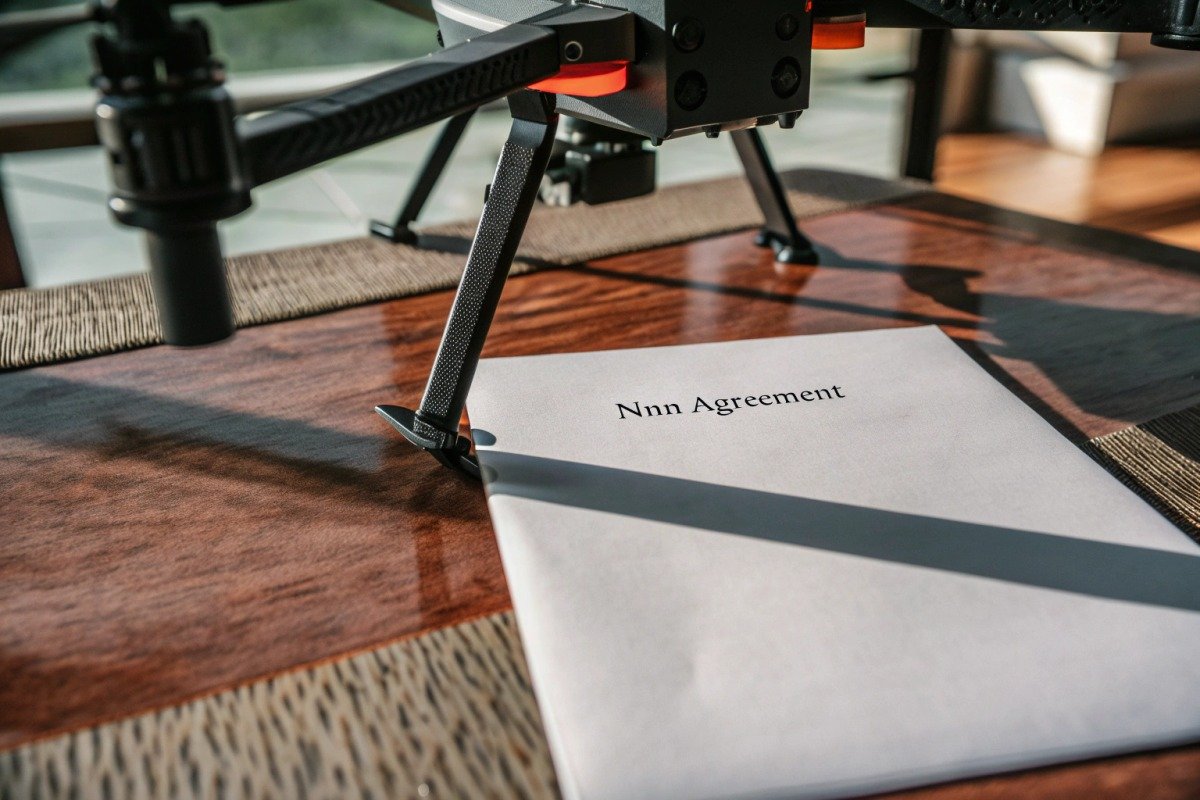
Understanding Why Standard NDAs Fail in China
China operates on a "first-to-file" intellectual property system. A simple non-disclosure agreement means nothing without Chinese legal teeth. When we advise our distribution partners, we always recommend hiring local legal counsel who understands Chinese contract enforcement.
The NNN agreement covers three critical protections. Non-Disclosure prevents sharing your customer information. Non-Use stops the factory from using your designs for other clients. Non-Circumvention blocks direct sales to your territory.
Essential Contract Clauses for Firefighting Drone OEM Agreements
| Clause Type | Purpose | Recommended Terms |
|---|---|---|
| Territorial Exclusivity | Defines your protected market | Specific countries, states, or regions listed by name |
| Penalty Provisions | Creates financial deterrent | 200-300% of annual order value per violation |
| Audit Rights | Enables verification | Quarterly sales record inspection rights |
| Customer Data Protection | Prevents database access | All end-customer communication through distributor only |
| Termination Triggers | Defines breach consequences | Immediate termination plus damages for any direct sales attempt |
Choosing the Right Jurisdiction and Arbitration Body
Many distributors make the mistake of specifying US or UK courts. This creates an enforcement nightmare. Chinese factories rarely own assets outside China, making foreign judgments worthless.
Instead, specify CIETAC 2 (China International Economic and Trade Arbitration Commission) or a local Chinese court. Chinese courts will enforce Chinese judgments. Your factory cannot ignore a domestic ruling.
Building Performance Metrics Into Your Agreement
Firefighting drones require specific performance standards. Your contract should include measurable criteria that protect both quality and your exclusivity.
| Performance Metric | Minimum Requirement | Testing Method |
|---|---|---|
| Flight Duration Under Load | 45 minutes with 10kg payload | Third-party certified testing |
| Thermal Imaging Accuracy | ±2°C variance | Calibrated laboratory conditions |
| Water Resistance Rating | IP67 minimum 3 | Independent certification |
| Maximum Wind Resistance | 12 m/s operational | Field testing documentation |
| Response Time to Failure | 48-hour replacement parts | Documented support tickets |
These metrics serve dual purposes. They ensure product quality for your fire department customers. They also create clear breach triggers if the manufacturer sells substandard products directly.
Will investing in custom software and branding help me build a moat against supplier bypass in my local market?
In our development lab, we've seen distributors transform from vulnerable resellers into irreplaceable partners through software customization. The factory cannot bypass what the factory cannot replicate.
Yes, custom software and proprietary branding create significant barriers against supplier bypass by making your product technically distinct, legally protected through registered IP, and operationally dependent on your ongoing support infrastructure rather than the original manufacturer.

Creating Technical Dependency Through Software
When you invest in custom flight control software, mission planning applications, or fleet management systems, you create something the factory cannot easily sell. Our partners who develop proprietary thermal imaging analysis software see zero bypass attempts.
The key is ensuring your software integrates deeply with the hardware. Surface-level branding changes nothing. Deep integration makes bypassing commercially impractical.
Intellectual Property Registration Strategy
Register your trademarks and software copyrights in China before manufacturing begins. China's first-to-file system 4 means the first registrant wins, regardless of who actually created the IP.
| IP Type | Registration Location | Timeline | Protection Scope |
|---|---|---|---|
| Brand Trademark | China CNIPA 5 | 12-18 months | Prevents factory from using your brand |
| Software Copyright | US Copyright Office + China NCAC | 3-6 months | Protects custom applications |
| Industrial Design | China CNIPA | 6-12 months | Covers unique physical modifications |
| Utility Patent | Both US and China | 2-3 years | Protects functional innovations |
Building a Local Service Infrastructure
Your manufacturer cannot provide same-day technical support to a fire department in Texas. But you can. Building a local service infrastructure creates dependency that transcends the physical product.
Offer training programs for fire department personnel. Provide 24/7 emergency support hotlines. Stock replacement parts domestically. These services make switching to a factory-direct relationship impractical for your customers.
Firmware Control and Update Management
Request that your custom firmware requires your authorization for updates. This means even if a fire department somehow obtained a drone directly from the factory, they would need your approval for software maintenance.
This creates a technical lock-in that protects your distribution rights more effectively than any contract clause. The drone becomes less useful without your ongoing software support.
What criteria should I use to vet Chinese drone suppliers for long-term channel loyalty and ethical business practices?
When we receive inquiries from potential distribution partners, we welcome thorough vetting. Factories with nothing to hide appreciate comprehensive due diligence. Those who resist scrutiny usually have reasons.
Vet Chinese drone suppliers using five criteria: verified export history to your target market, transparent financial records showing stable ownership, third-party factory audits confirming quality systems, documented channel loyalty with existing distributors, and certifications demonstrating compliance with international ethical sourcing standards.
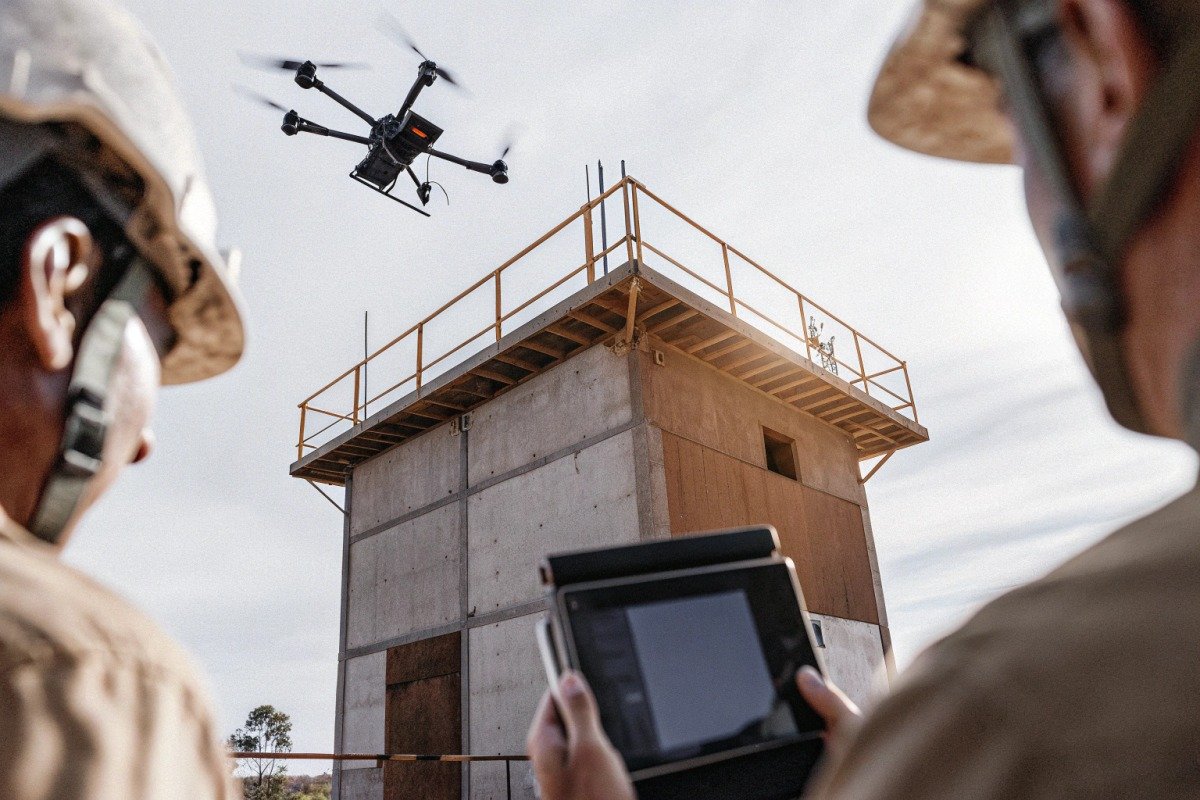
Pre-Engagement Due Diligence Checklist
Before signing any agreement, conduct comprehensive background research. This process typically takes 4-6 weeks but prevents years of problems.
Verify business licenses through official Chinese government databases. Check company registration dates and ownership history. Sudden ownership changes often indicate financial instability or previous legal troubles.
On-Site Factory Audit Requirements
Never rely solely on online representations. Physical factory visits reveal truths that video calls cannot. If travel is impossible, hire local third-party inspection firms.
| Audit Area | What to Examine | Red Flags |
|---|---|---|
| Production Capacity | Actual assembly lines, not just showrooms | Mostly empty facilities, rented equipment |
| Quality Control | Documented testing procedures, calibration records | No written QC protocols, missing equipment |
| Component Sourcing | Supplier relationships, component traceability | Unable to identify critical component origins |
| Export Documentation | Previous shipment records, customs clearance history | No direct export experience to your market |
| Workforce Conditions | Employee treatment, safety standards | Poor conditions, reluctance to show work areas |
Evaluating Channel Loyalty History
Ask for references from existing distributors. A factory willing to provide distributor contacts demonstrates transparency. Reluctance suggests problematic relationships.
Contact these references directly. Ask specific questions about bypass attempts, communication quality, and contract adherence. Distributors usually share honestly about factories that have wronged them.
Certification and Compliance Verification
Firefighting drones face strict regulatory requirements in most Western markets. Verify that your potential supplier holds relevant certifications and can document compliance.
Essential certifications include ISO 9001 6 for quality management, ISO 27001 for information security, and relevant aviation certifications for your target market. Request copies of certificates and verify authenticity directly with issuing bodies.
Cybersecurity Assessment for Connected Drones
Modern firefighting drones transmit sensitive operational data. Supply chain attacks through compromised firmware pose real risks. Mandate independent third-party audits of drone software before committing to any supplier.
Request evidence that the factory follows secure development practices. Ask about their vulnerability management processes. Connected devices from factories with poor cybersecurity practices could compromise your fire department customers.
How do I manage logistics and documentation so my supplier never gains access to my sensitive customer database?
Our logistics team processes hundreds of shipments monthly. We understand how easily customer information can leak through shipping documents. Protecting your database requires systematic protocols.
Manage logistics through a buffer system: use third-party freight forwarders as intermediaries, create generic destination labels, maintain separate communication channels for orders versus deliveries, and never share end-customer contact information on any documents the manufacturer can access.
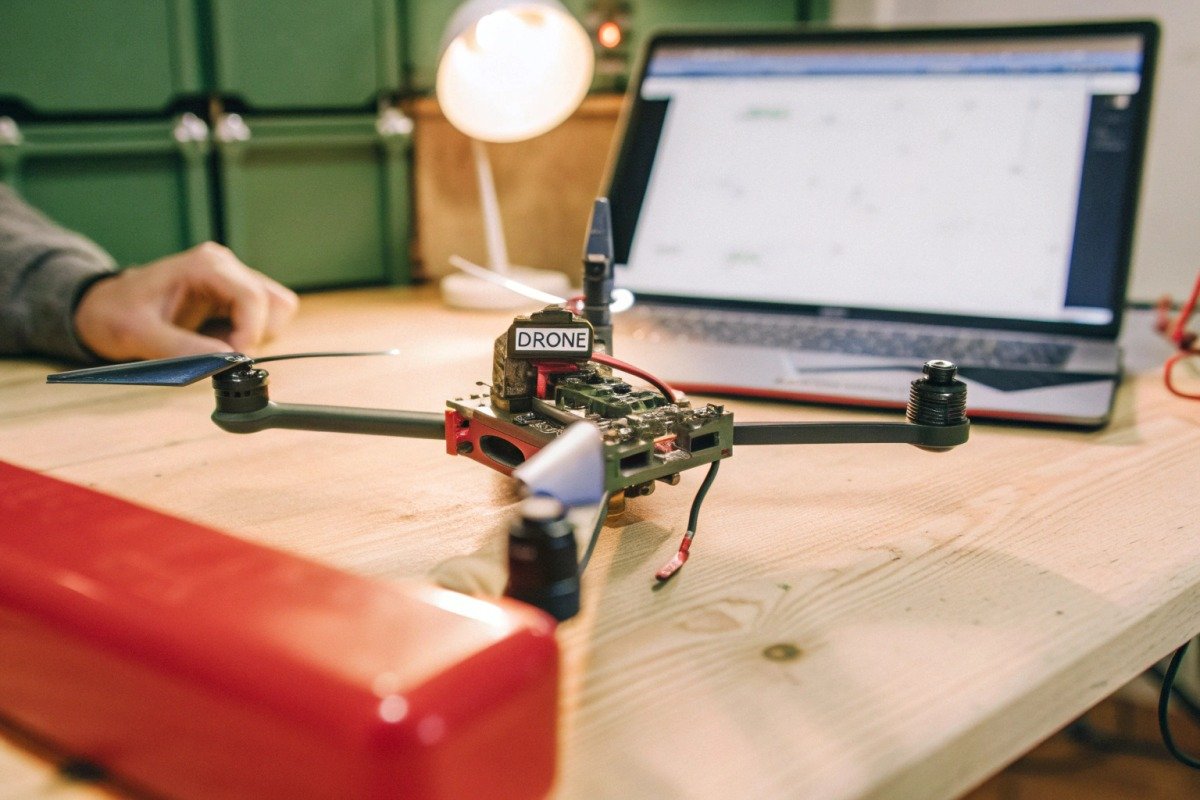
Creating an Information Firewall
The simplest principle is this: your manufacturer should only know what they absolutely need to know. They need product specifications. They do not need customer names, addresses, or contact details.
Establish a distribution center or freight forwarder as your buffer. All shipments go to this intermediary first. You then handle final delivery to customers. The factory sees only your central receiving location.
Document Management Best Practices
| Document Type | Factory Should See | Factory Should NOT See |
|---|---|---|
| Purchase Orders | Product specs, quantities, your company info | End-customer details |
| Shipping Labels | Your warehouse address | Final delivery addresses |
| Invoices | Your company billing | Customer payment information |
| Technical Support Requests | Product serial numbers | Customer names or organizations |
| Warranty Claims | Unit identification codes | Customer contact information |
Secure Communication Protocols
Maintain separate email addresses and communication channels for different purposes. Your order communications with the factory should never include customer service threads.
Use encrypted communication platforms for sensitive discussions. Train your team to never CC factory contacts on customer emails. Simple mistakes can expose your entire customer database.
Leveraging Technology for Data Protection
Invest in customer relationship management (CRM) systems 7 that your manufacturer cannot access. Cloud-based platforms with proper access controls ensure your customer database remains exclusively yours.
When customers need warranty service, create a system where they contact you first. You then coordinate with the factory using only serial numbers and technical descriptions. The factory never learns who owns which drone.
Handling International Shipping Documentation
Customs documentation sometimes requires end-destination information. Work with your freight forwarder to handle this appropriately. Many forwarders offer consolidation services where they appear as the importer of record.
This approach keeps your customers invisible to the factory while maintaining full customs compliance. The additional cost is minimal compared to the value of protecting your customer relationships.
Conclusion
Protecting your firefighting drone distribution business requires layered defenses. Combine strong NNN contracts, custom software investments, thorough supplier vetting, and secure logistics protocols. These measures together create a moat no factory can easily cross.
Footnotes
1. Replaced with an authoritative article from Harris Sliwoski LLP explaining China NNN Agreements. ↩︎
2. Official website for China International Economic and Trade Arbitration Commission. ↩︎
3. Replaced with a comprehensive article from Airline Hydraulics explaining IP ratings, including IP67. ↩︎
4. Replaced with a recent and relevant article explaining China’s first-to-file trademark system. ↩︎
5. Provides an overview of China’s national intellectual property administration. ↩︎
6. Explains the international standard for quality management systems. ↩︎
7. Describes CRM systems for managing customer interactions and centralizing data. ↩︎
8. Outlines the benefits of using freight forwarders for international logistics and data protection. ↩︎


 English
  Español de México
  Deutsch
  Français
  Русский
  العربية
Comments
No comments yet. Be the first to share your thoughts!
Leave a Comment